
Imagine looking up at the night sky and realizing that every tiny pinprick of light is another sun, many with planets of their own. You would think the universe should be buzzing with life, filled with civilizations far older and more advanced than ours. And yet, as far as we can tell here on Earth in 2026, space is eerily, almost disturbingly quiet.
This unsettling silence sits at the heart of the Fermi Paradox: if the universe is so big and so old, and life seems possible in so many places, then where is everybody? Scientists, philosophers, and curious night-owls have wrestled with this question for decades. The more we discover about planets, galaxies, and the chemistry of life, the sharper and stranger that question becomes.
The Cosmic Scale: Why the Universe Should Be Teeming With Life
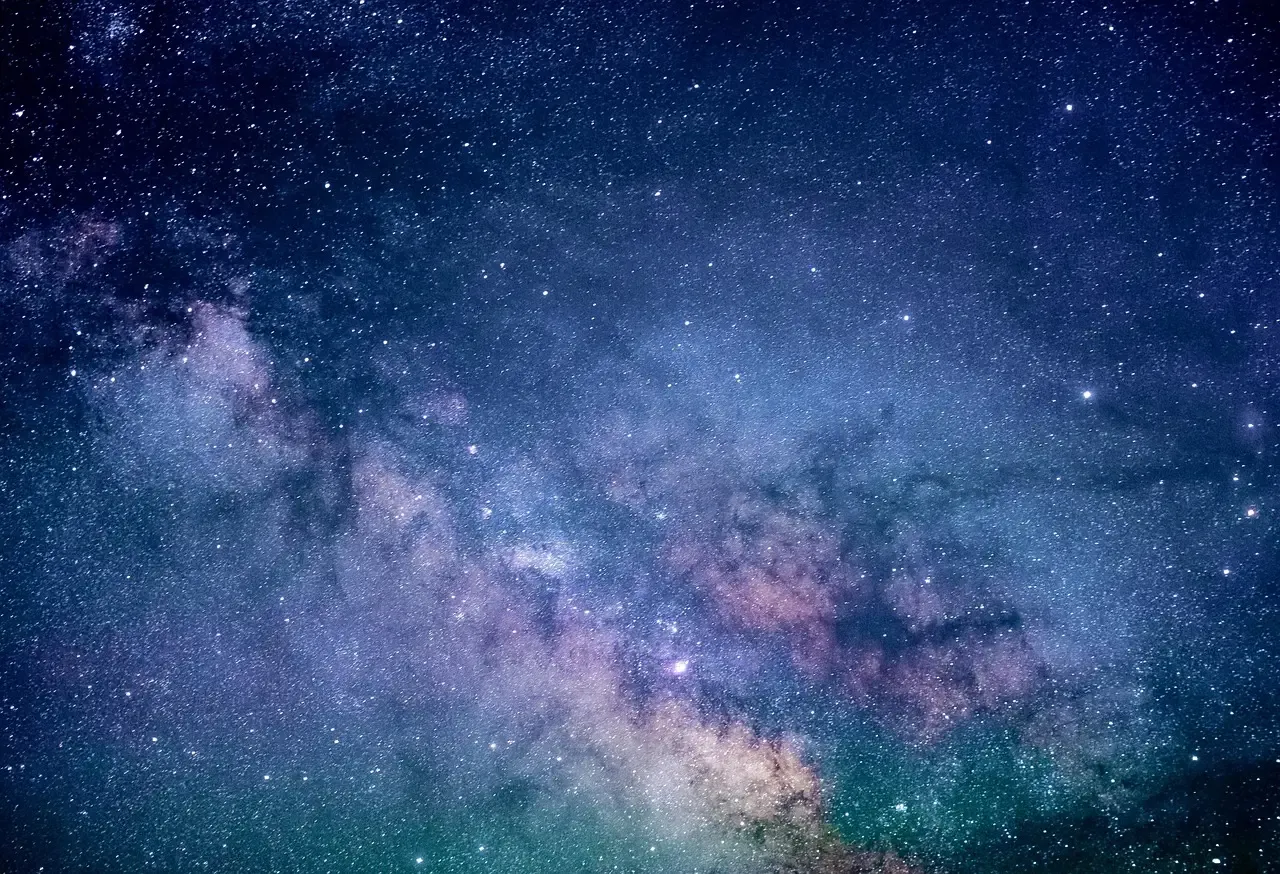
Here’s the first shocking part: our galaxy alone contains hundreds of billions of stars, and observations since the early 2010s show that planets are incredibly common. Astronomers have found thousands of confirmed exoplanets, and they estimate that, on average, most stars have at least one planet. A decent fraction of those planets sit in the so-called habitable zone, where temperatures could allow liquid water, which we think is crucial for life as we know it.
On top of that, the universe is old – around thirteen and a half billion years old – and our sun is a relatively late arrival. That means plenty of planets could have had a head start of billions of years to develop life and maybe even advanced civilizations. When you combine the sheer number of stars, the abundance of planets, and the vast time available, it feels almost unreasonable to think Earth is the only place where life has appeared.
What Exactly Is the Fermi Paradox?
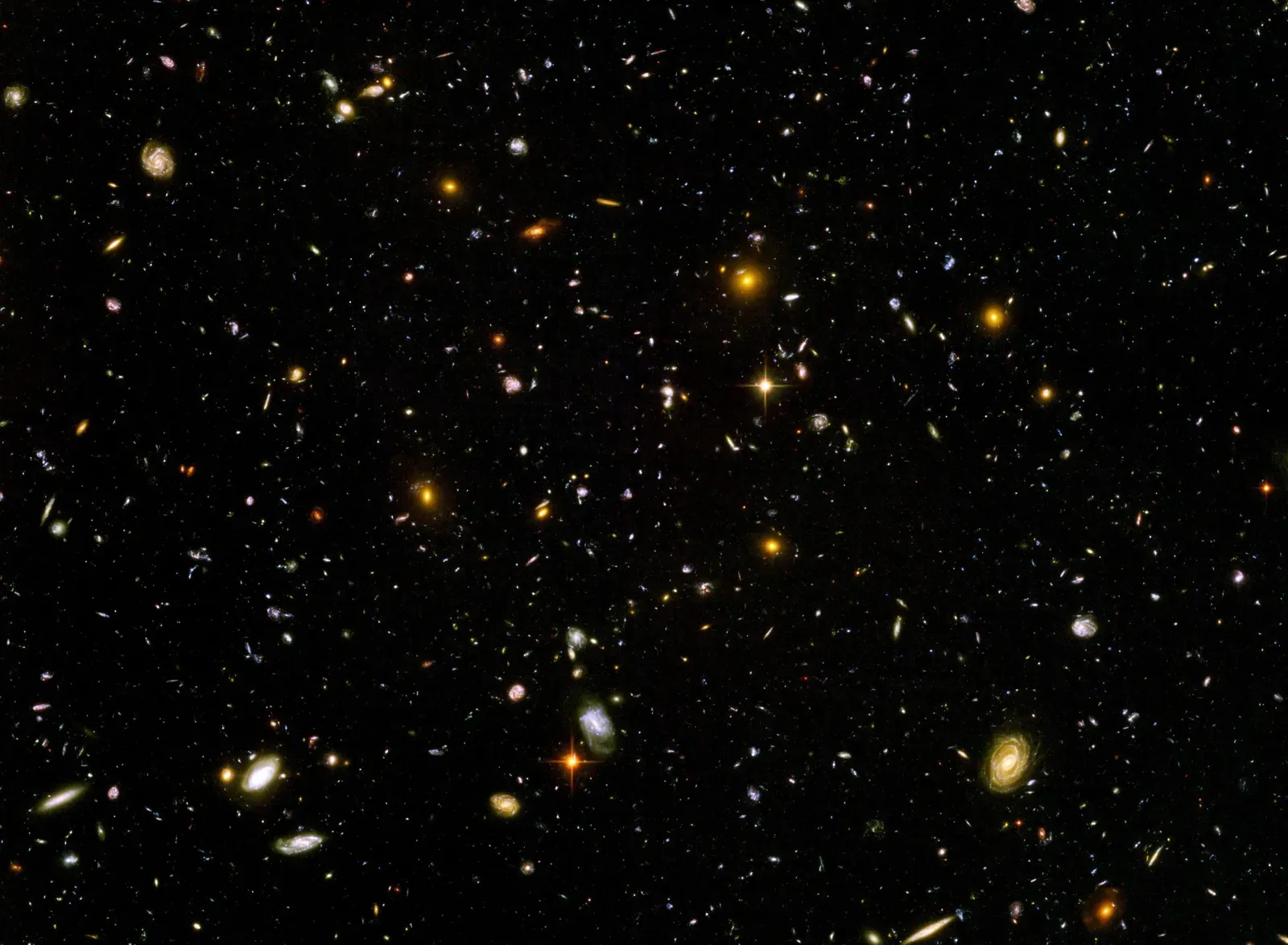
The Fermi Paradox boils down to a brutally simple question: given all those planets and all that time, why don’t we see any clear signs of extraterrestrial civilizations? We see no gigantic energy structures, no obvious alien probes, no unmistakable artificial signals beaming across the sky. For something that seems like it should be everywhere, intelligent life is disturbingly invisible.
In everyday terms, it’s like walking into a massive stadium with enough seats for billions of people and finding it completely empty, not even a forgotten hot dog wrapper on the floor. It feels like a mismatch between expectation and reality. On paper, advanced civilizations ought to be common; in practice, our instruments, telescopes, and antennas keep coming up with nothing but static and natural noise.
The Great Filter: Is Something Stopping Civilizations?
One of the most unsettling ideas people use to explain the Fermi Paradox is called the Great Filter. The basic idea is that somewhere along the path from dead matter to spacefaring civilization, there’s a step that is so hard to pass that almost no worlds make it through. That “filter” might be behind us – like the leap from simple molecules to the first living cell – or it might be ahead of us, like surviving advanced technology or global environmental collapse.
If the filter is in our past, that would mean we’ve already passed the hardest test and we might be one of the very few lucky winners in the cosmic lottery. But if the filter lies in our future, that implies that most civilizations self-destruct or get wiped out before they can colonize the stars. Personally, I find this possibility both deeply chilling and strangely motivating; it turns our survival from a personal issue into a cosmic one.
Where Are the Signals? SETI, Radio Telescopes, and the Quiet Sky
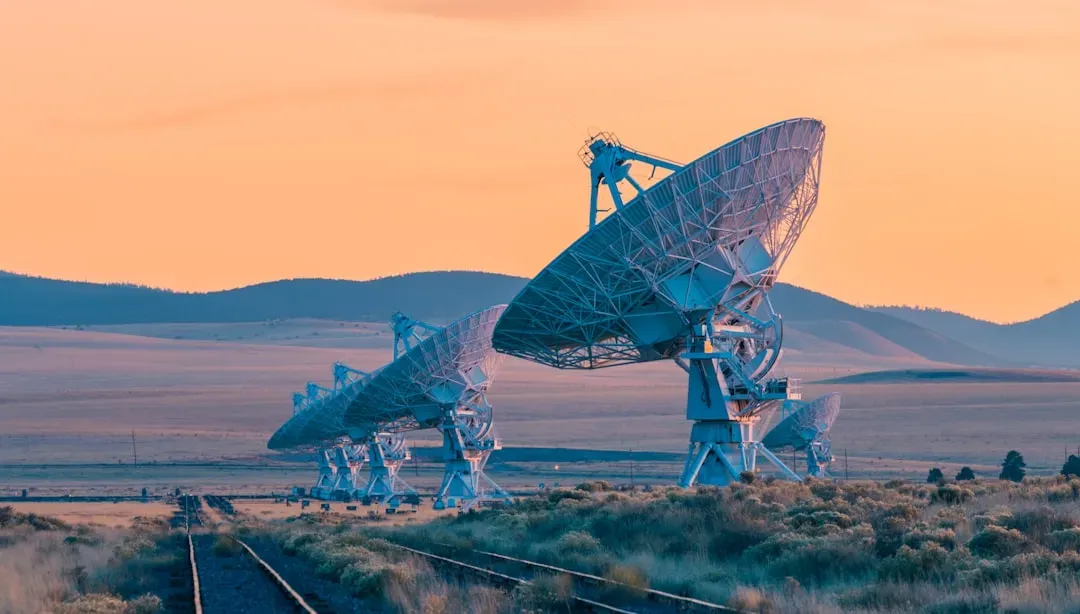
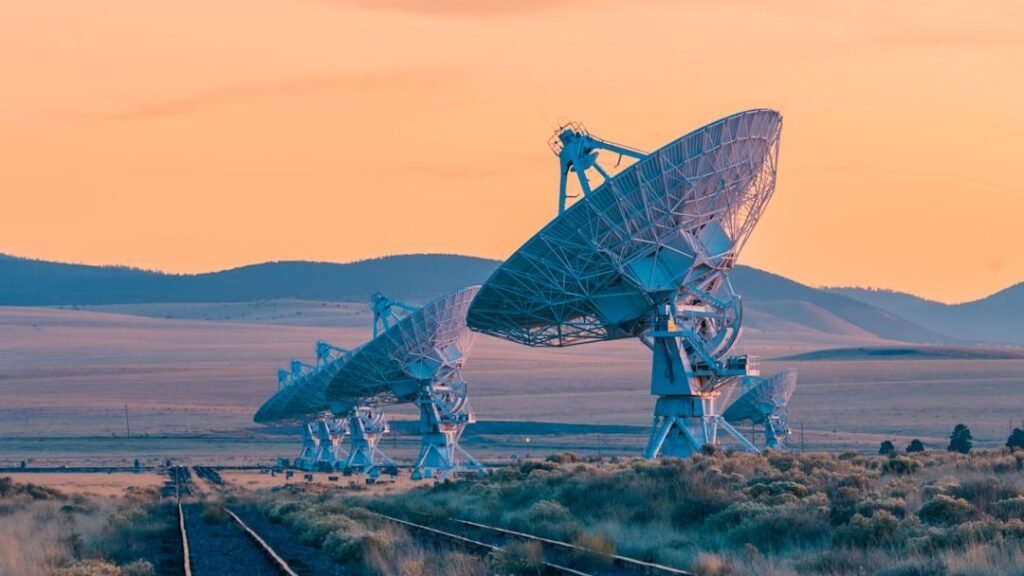
For decades, scientists have been actively listening for alien civilizations through projects under the broad label of SETI, the Search for Extraterrestrial Intelligence. Using powerful radio telescopes, they scan the sky for signals that look artificial – patterns that nature doesn’t usually produce. Despite years of listening and gradually improving technology, we haven’t found a signal that stands up to serious scrutiny as undeniably extraterrestrial and intelligent.
There have been a few odd events and intriguing candidates along the way, but they tend to vanish under deeper investigation or turn out to have natural explanations. One big challenge is that space is vast, and we’ve only “listened” to a tiny fraction, for a relatively short time. It’s like pressing your ear to one small crack in the stadium wall for a few minutes and then declaring the place empty because you heard nothing.
Maybe They’re There… and We Just Don’t Recognize Them
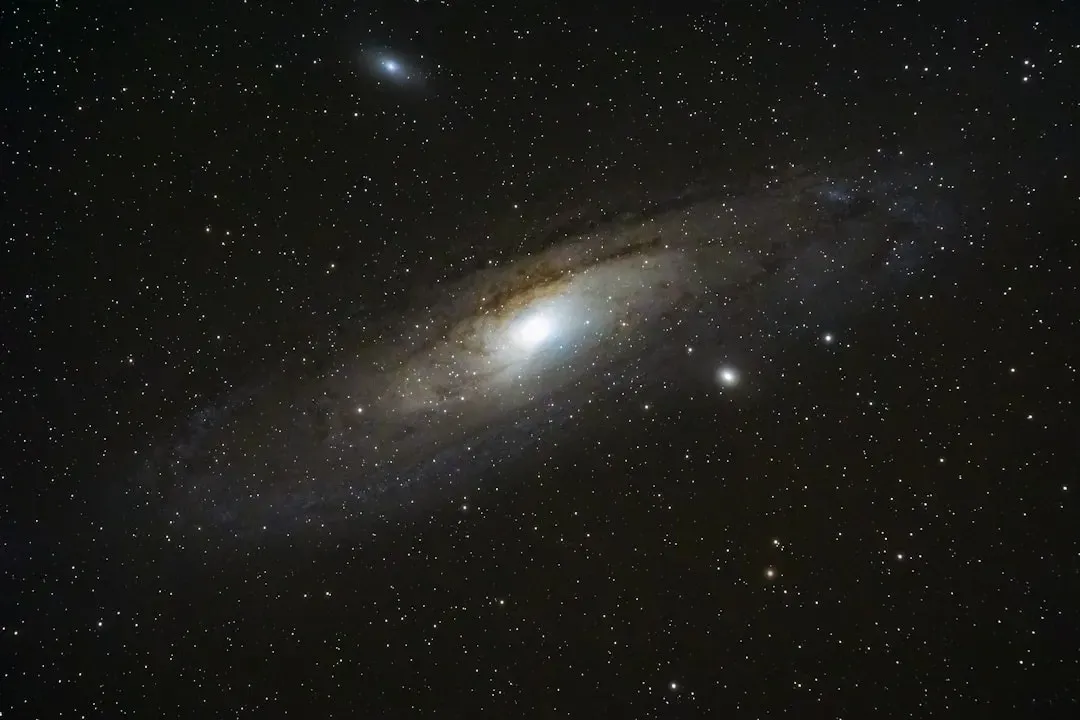
Another possibility is that advanced civilizations exist, but we’re looking for the wrong things. We assume they might use radio, megastructures, or technologies similar to what we can imagine, but truly advanced beings might operate in ways that are totally unfamiliar. They could use communication methods beyond our current physics, spread through self-replicating probes too small or too subtle for our instruments, or simply choose to remain quiet and hidden.
It might be like a village using smoke signals trying to detect a global fiber-optic internet: the technology gap is so huge that the signals are invisible to them. Some scientists have also suggested that advanced civilizations might focus inward on virtual realities, use minimal energy to avoid detection, or deliberately avoid interfering with emerging species. In that case, the silence we hear could be less an absence, and more like a deliberate cosmic whisper.
Are We Early, Are We Rare, or Are We Overconfident?
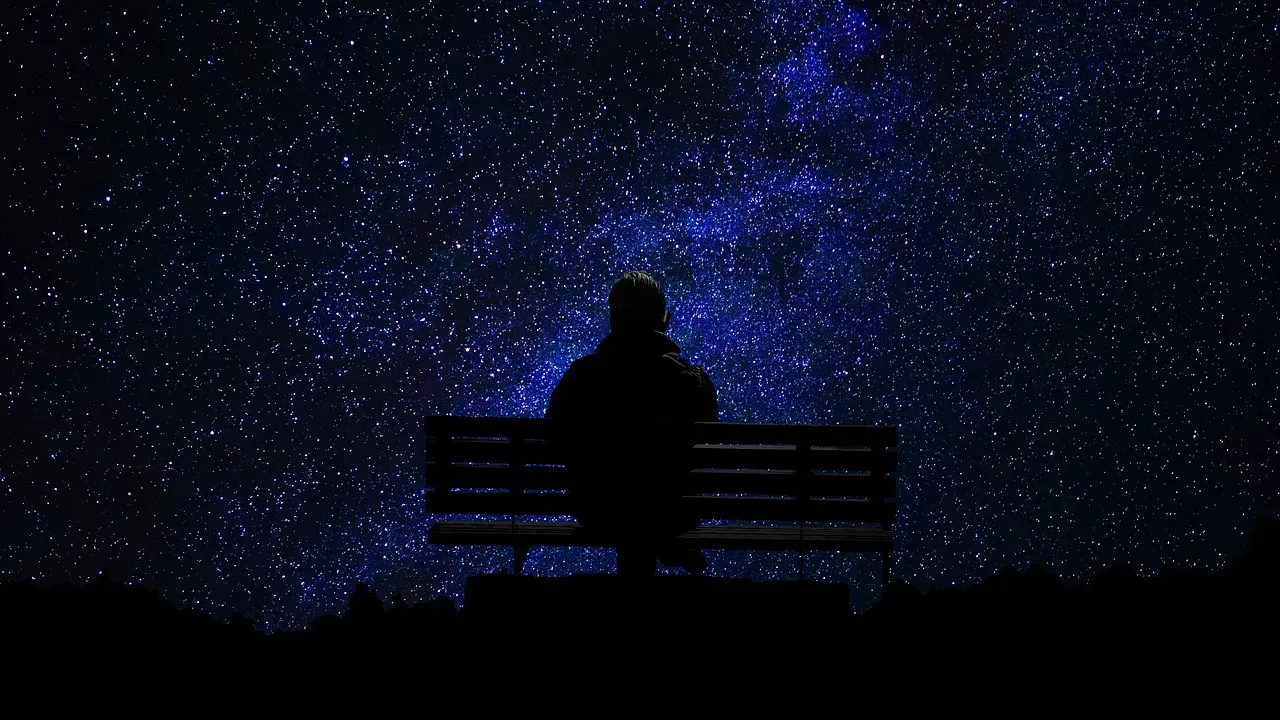
There are three broad stories people tell to explain our apparent loneliness: maybe we are early, maybe we are rare, or maybe we are overestimating how likely intelligent life is. The “early” idea suggests that most habitable planets are only now entering a good window for life, so intelligent civilizations just haven’t had time to emerge in large numbers yet. In this story, the universe might be headed toward a future where the stars slowly fill with life, and we’re among the first arrivals at the party.
The “rare” idea suggests that complex life, and especially technological intelligence, is incredibly hard to evolve. The universe might be full of microbes and simple organisms, but very few worlds ever climb the long ladder to brains, tools, and radio telescopes. The “overconfident” angle questions our assumptions about habitability and life’s ease of emergence, hinting that we may simply not understand the true requirements for life well enough yet.
Our Expanding Search: Exoplanets, Biosignatures, and New Telescopes
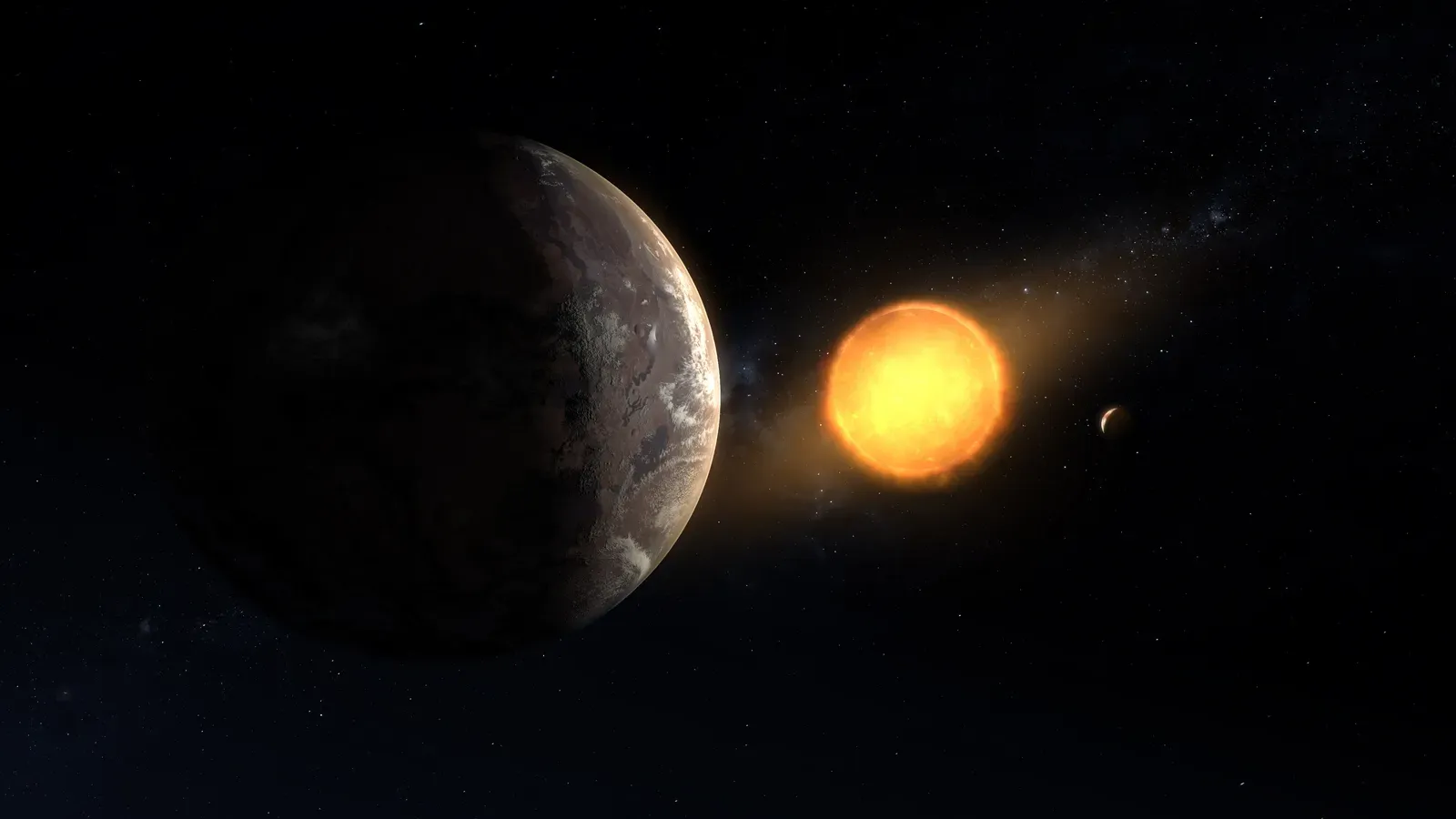
In the last decade or so, our search has become more sophisticated and more ambitious. Powerful space telescopes and ground-based observatories are now able to analyze the atmospheres of some exoplanets, searching for biosignatures – gases like oxygen, methane, or combinations that are hard to explain without life. Future observatories planned for the 2030s aim to directly image Earth-sized planets around nearby stars and measure their spectra in more detail.
Closer to home, missions exploring Mars, the icy moons of Jupiter and Saturn, and even comets are all hunting for signs of past or present microbial life. Finding even simple life in our own solar system would be a huge deal, because it would show that life can arise independently more than once. If that happens, the Fermi Paradox won’t vanish, but it will get sharper, because we’d know that life itself isn’t rare – so the mystery must lie somewhere else.
What Our Loneliness Might Say About Us
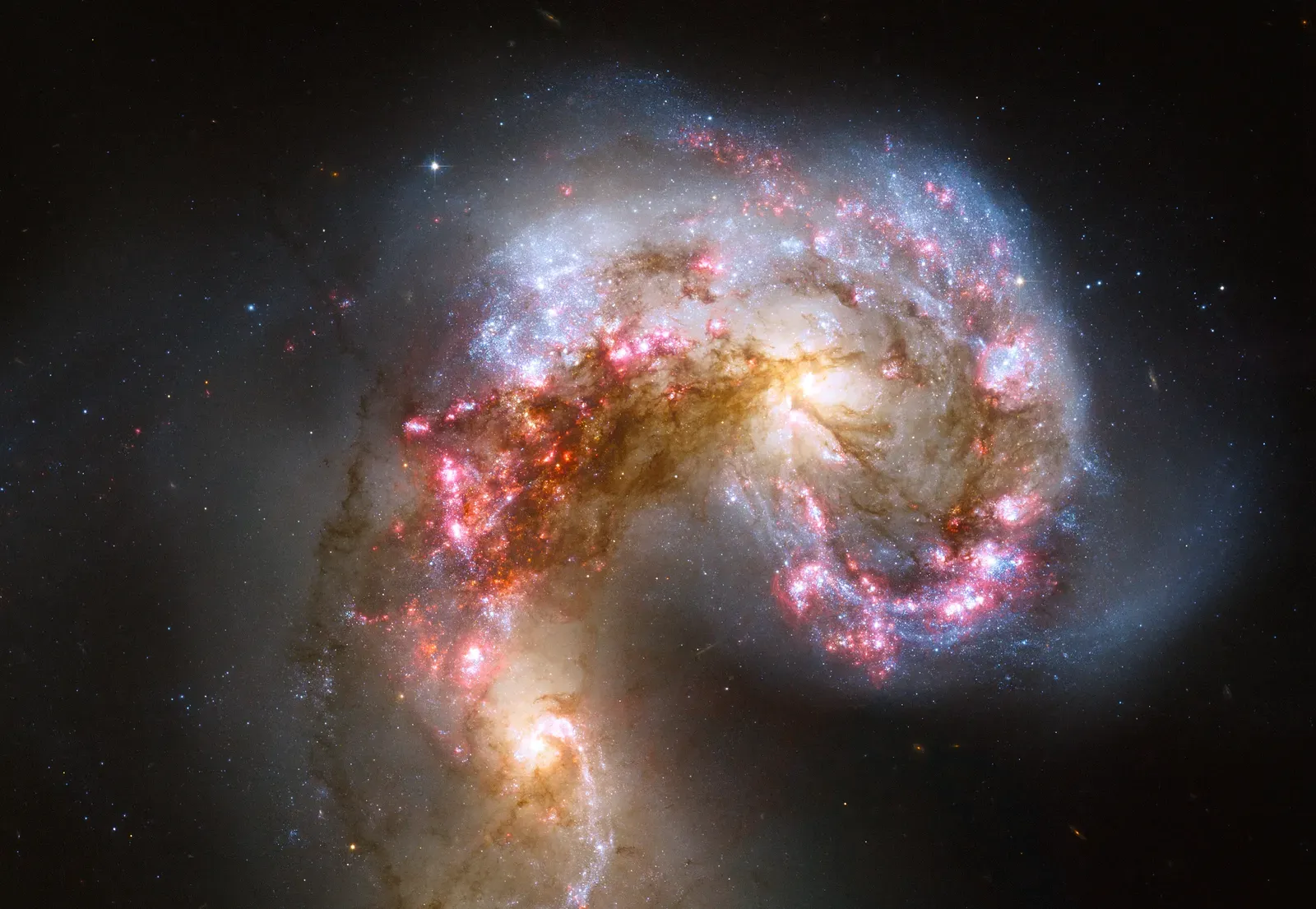
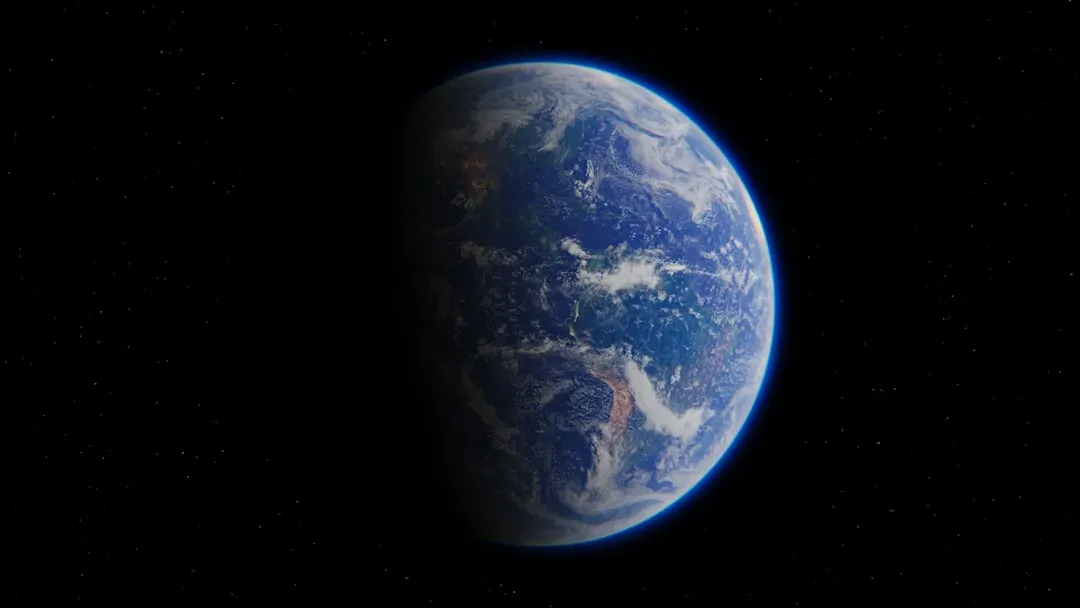
Whether we are truly alone or just temporarily in the dark, the Fermi Paradox forces us to look hard at ourselves. If intelligent life is rare, then our existence becomes almost unbearably precious, and our responsibility to avoid self-destruction becomes even more serious. We’re not just another species on a random rock; we could be one of the only sparks of consciousness in a quiet, indifferent universe.
On the other hand, if the galaxy is full of silent civilizations that have survived their own crises, then maybe our job is to grow into a species that could one day meet them without embarrassing ourselves. Either way, the question of whether we are alone turns into a mirror: it reflects our fears, our hopes, and our choices. When you look up at the night sky tonight, will you see an empty stage, or a crowded theater with the lights still off?