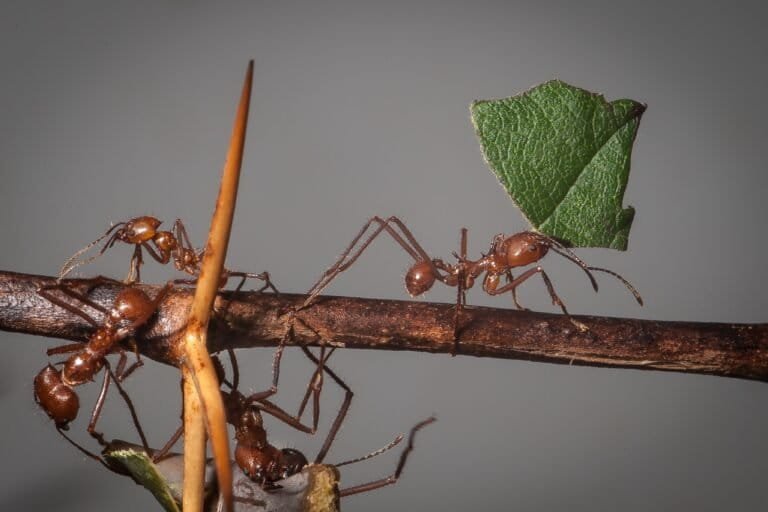
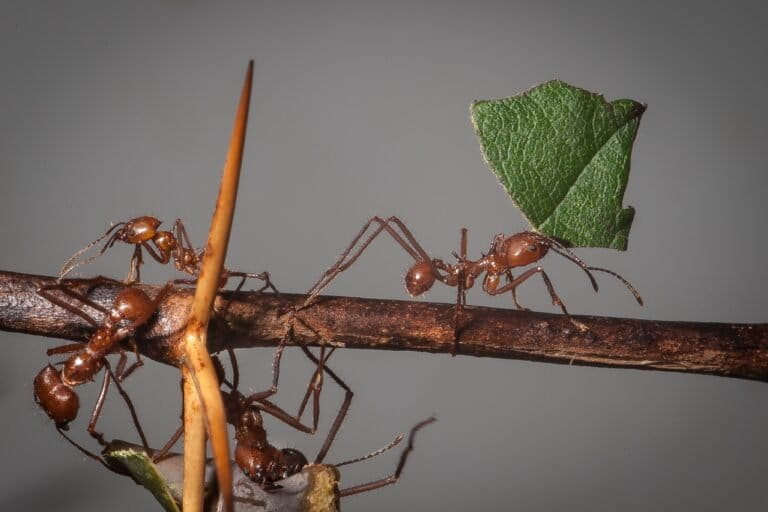
The Surge in Ant Collecting (Image Credits: Imgs.mongabay.com)
Kenya – A dramatic bust at Nairobi’s airport exposed the hidden dangers of the international ant trade, where thousands of rare insects face exploitation for pet enthusiasts.
The Surge in Ant Collecting
Wildlife authorities in Kenya recently intercepted a shipment containing over 5,000 queen ants, destined for collectors in Europe and Asia. These giant African harvester ants, native to the region, drew attention due to their unique behaviors and impressive colony structures. Traffickers had packed the insects into small tubes, attempting to bypass detection during export. This incident underscored a broader trend where hobbyists fuel demand through online marketplaces and specialized forums.
The trade operates largely unchecked, with sellers offering ants at prices up to $220 each. Collectors prize them for observation in formicariums, artificial habitats that mimic natural environments. However, such harvesting depletes wild populations, particularly in biodiversity hotspots like East Africa. Experts note that the lack of oversight allows this market to expand rapidly, often evading customs through mislabeling or concealed packaging.
Ants’ Vital Role in Ecosystems
Ants serve as unsung heroes in natural systems, dispersing seeds and aerating soil to support plant growth and nutrient cycling. In Kenya and beyond, they maintain balance by preying on pests and aiding decomposition, which sustains larger wildlife. Their removal from habitats disrupts these processes, potentially leading to cascading effects on forests and grasslands.
Conservation biologists emphasize that endemic species, like those seized in the airport raid, hold irreplaceable value. These ants contribute to soil biodiversity, fostering healthier ecosystems that benefit agriculture and carbon storage. Yet, the global pet trade targets precisely these vulnerable populations, harvesting them at rates that outpace natural recovery. Without intervention, local extinctions could alter landscapes in ways that ripple through food webs.
Calls for CITES Intervention
In a letter published recently, a group of conservationists urged parties to the Convention on International Trade in Endangered Species (CITES) to extend protections to ants. Currently, no ant species appears on CITES appendices, creating a regulatory blind spot. The authors highlighted the trade’s invasive risks, as non-native ants introduced abroad can overrun ecosystems and harm native species.
Sérgio Henriques, a researcher at the University of Algarve’s CCMAR, described the situation as alarming. He pointed out that traffickers move ants across borders with little scrutiny, exacerbating both overexploitation and biosecurity threats. Strengthening CITES listings would require permits for trade, enabling better monitoring and enforcement. This step, proponents argue, aligns with protections already afforded to other invertebrates like butterflies and spiders.
Risks of Unregulated Trade
The Kenyan seizure revealed deeper issues in wildlife trafficking networks. Authorities fined the perpetrators heavily, with a magistrate stressing that even small creatures like ants underpin national heritage and ecological stability. Similar cases have surfaced globally, from misdeclared packages in Europe to online sales in Asia, indicating a sophisticated underground economy.
- High-value pricing incentivizes illegal collection from protected areas.
- Online platforms facilitate anonymous transactions, complicating traceability.
- Invasive ants disrupt introduced regions, costing economies in control efforts.
- Limited data on trade volumes hinders targeted conservation strategies.
- Endemic species face heightened extinction risks from localized harvesting.
Key Takeaways
- Ants’ ecological roles demand immediate trade regulations to prevent habitat loss.
- CITES inclusion could curb smuggling while promoting sustainable alternatives.
- Global cooperation is essential to address the pet trade’s environmental toll.
As the ant trade continues to grow, the need for unified international action becomes clear. Protecting these tiny architects of nature not only preserves biodiversity but also safeguards the intricate balances that support life on Earth. What steps do you believe governments should take next? Share your thoughts in the comments below.