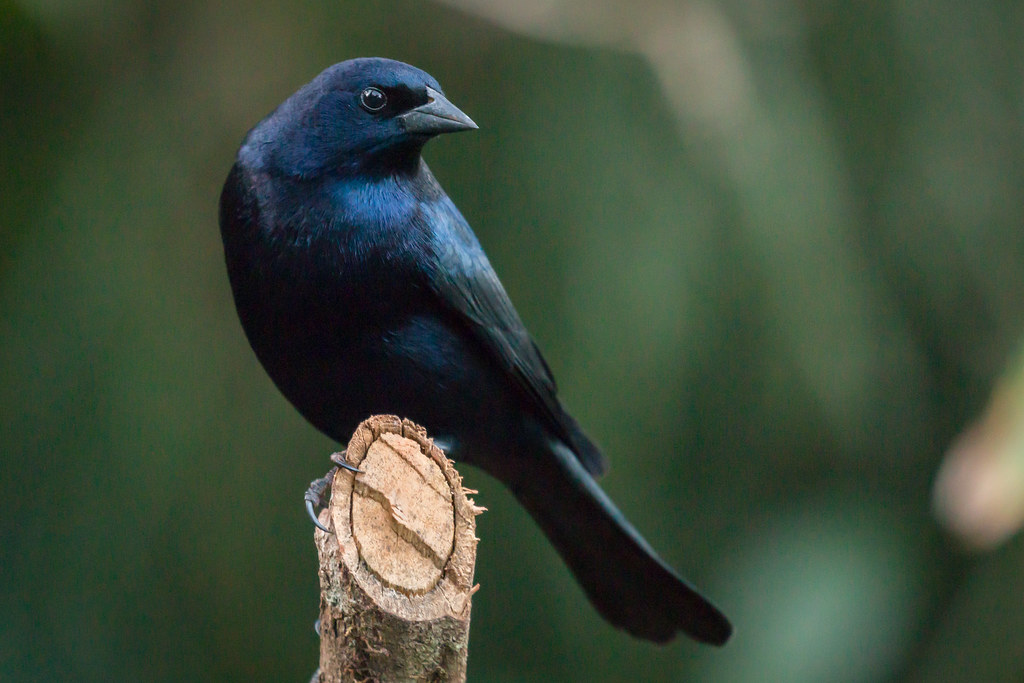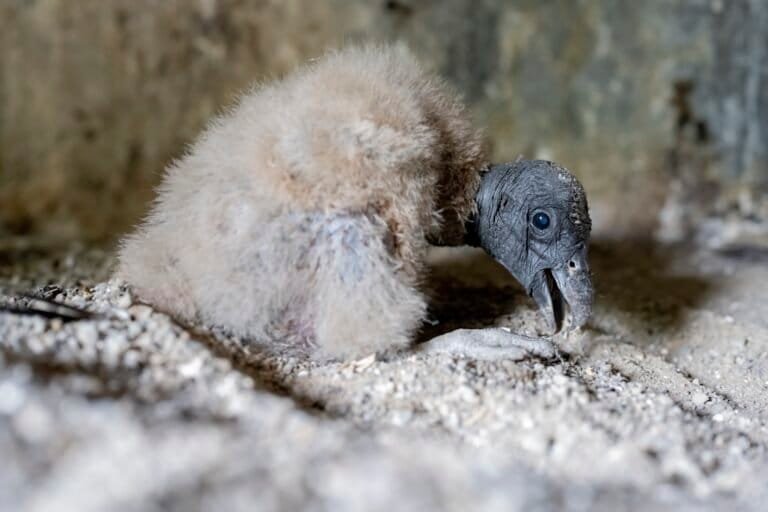
A Breakthrough in Bird Conservation (Image Credits: Imgs.mongabay.com)
Near Colombia’s bustling capital, a quiet conservation triumph unfolded as three Andean condor chicks emerged from carefully tended eggs, offering a glimmer of resilience for a species on the brink.
A Breakthrough in Bird Conservation
The arrival of these chicks marked a significant step forward in efforts to bolster the Andean condor’s dwindling numbers. Since July 2024, the Jaime Duque Park Foundation has successfully incubated and hatched the young birds in a specialized program just outside Bogotá. This nonprofit organization, dedicated to wildlife preservation, has poured resources into reversing the condor’s decline since 2015. Wildlife specialist Fernando Castro described the chicks as “the salvation of the species,” highlighting the emotional weight of each successful hatching.
These events drew attention from conservationists worldwide, underscoring Colombia’s commitment to protecting its national symbol. The Andean condor, with its massive wingspan reaching up to 10 feet, once soared freely across the Andes but now faces severe threats. The program’s success relied on meticulous monitoring and artificial incubation techniques, ensuring the eggs developed under optimal conditions. Experts noted that such interventions are crucial when natural reproduction falters due to habitat loss and human encroachment.
The Foundation’s Long-Standing Dedication
The Jaime Duque Park Foundation initiated its condor conservation work over a decade ago, recognizing the bird’s vulnerability early on. Through partnerships with local and international groups, the foundation established facilities equipped for artificial incubation, a method that mimics the natural process while minimizing risks. Staff members, including veterinarians and biologists, worked around the clock to maintain stable temperatures and humidity levels for the eggs.
This approach has not only produced these three chicks but also built expertise for future endeavors. The foundation collaborates with entities like the Colombian government and global conservation networks to track and release birds back into the wild. By 2026, these efforts had already contributed to a modest increase in captive-bred condors ready for reintroduction. Such programs emphasize education, raising awareness among communities about the condor’s ecological role as a scavenger that helps maintain healthy ecosystems.
Facing Extinction: The Andean Condor’s Plight in Colombia
Colombia hosts one of the smallest remaining populations of Andean condors, with estimates suggesting fewer than 150 individuals across the country and neighboring Ecuador. The species, classified as vulnerable globally by the International Union for Conservation of Nature, confronts multiple dangers including poisoning from lead ammunition, habitat fragmentation, and collisions with power lines. In recent years, conservationists identified priority areas in the Andes for protection, focusing on high-altitude regions where the birds nest and forage.
Historical data reveals a sharp decline, with sightings becoming rare in many traditional habitats. Efforts to map these areas, as detailed in studies published in journals like Perspectives in Ecology and Conservation, guide targeted interventions. For instance, reducing lead exposure through awareness campaigns has shown promise in slowing mortality rates. Despite these challenges, the recent hatchings provide a counterpoint to the grim statistics, demonstrating that proactive measures can yield results.
- Lead poisoning remains a primary threat, often fatal to scavenging condors.
- Habitat loss from agriculture and mining disrupts nesting sites.
- Illegal hunting and egg collection further endanger the population.
- Climate change alters food availability in mountainous regions.
- Reintroduction programs aim to restore genetic diversity.
Charting a Path Forward
Looking ahead, the Jaime Duque Park Foundation plans to expand its incubation capacity and integrate satellite tracking for released condors. Collaborations with organizations like the Rainforest Alliance could enhance habitat restoration in key Colombian zones. These chicks, now under careful rearing, represent potential additions to the wild population within a few years. Success stories from similar programs in Chile and Argentina inspire optimism, though experts stress the need for sustained funding and policy support.
Monitoring post-release survival will be essential to measure long-term impact. Community involvement, such as reporting sightings in areas like the Valle del Cocora, bolsters these initiatives. As of early 2026, the program’s progress had sparked renewed interest in Andean wildlife preservation across South America.
Key Takeaways
- Three chicks hatched since July 2024 signal progress in artificial incubation.
- The Jaime Duque Park Foundation leads efforts against local extinction.
- Prioritizing anti-poisoning measures could double survival rates.
These hatchings remind us that even for icons teetering on the edge, dedicated action can foster recovery. What steps do you believe are most urgent for protecting species like the Andean condor? Share your thoughts in the comments.