Evolution Accelerates in Orbit (Image Credits: Cdn.mos.cms.futurecdn.net)
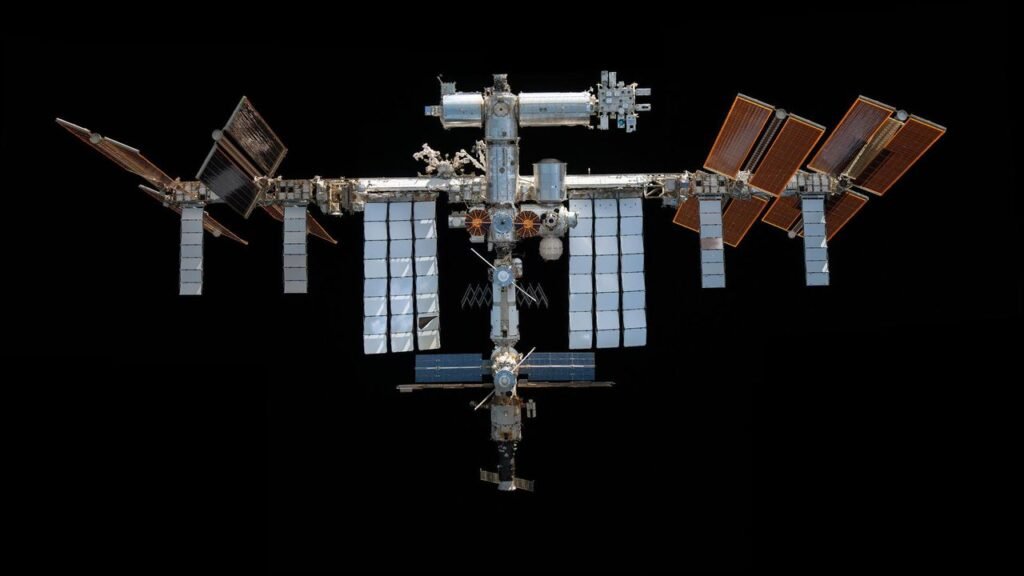
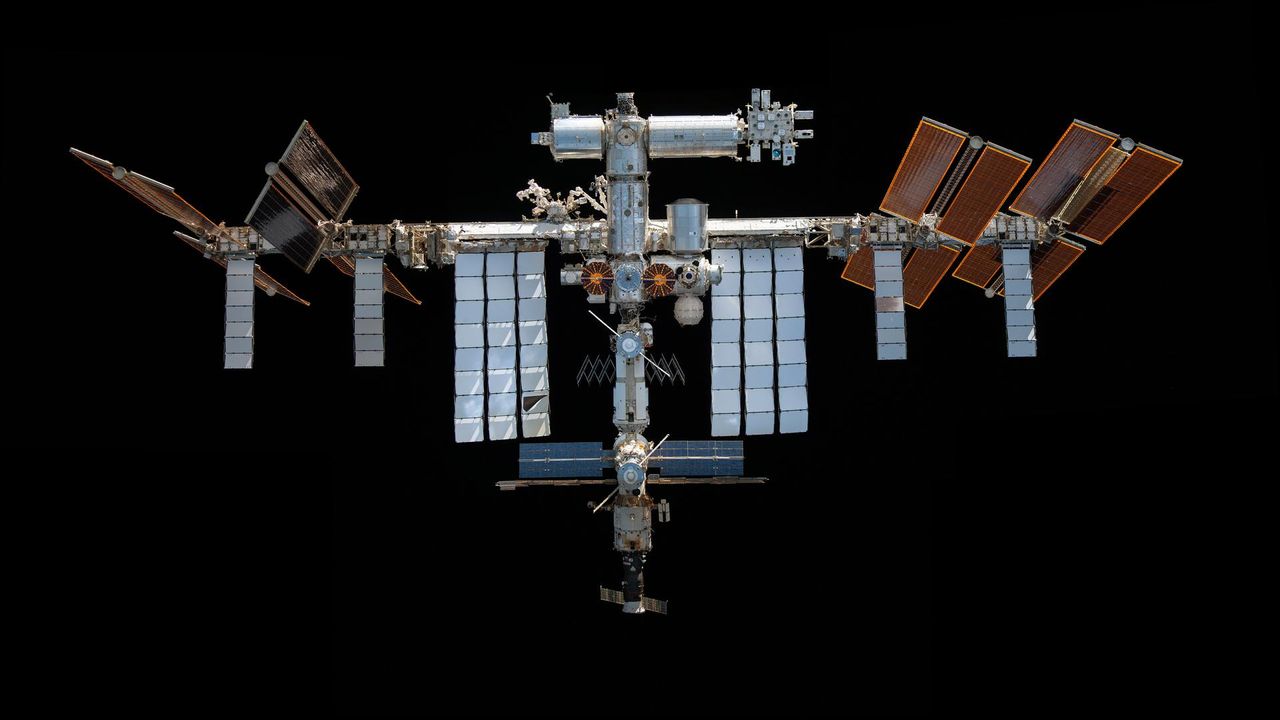
Aboard the International Space Station, researchers uncovered surprising shifts in how viruses interact with bacteria under the unique conditions of microgravity.
Evolution Accelerates in Orbit
Scientists recently conducted an experiment that exposed the subtle yet profound ways microgravity influences microbial life. Bacteriophages, viruses that target bacteria, underwent rapid changes when cultured with E. coli strains on the station. These viruses maintained their ability to infect hosts, but the evolutionary paths diverged markedly from those observed in Earth-bound controls.
The study revealed a higher rate of mutations in the bacteria, leading to enhanced resistance against the viruses. In microgravity, the selective pressures seemed to favor bacterial defenses more aggressively. This outcome suggested that the near-weightless environment disrupts the typical balance of viral predation. Researchers noted that such adaptations could stem from altered fluid dynamics or gene expression in space. The findings emerged from samples grown over several generations during a mission last year.
Health Risks for Astronauts Amplify
Latent viruses in the human body pose a growing concern for long-duration spaceflights. Past missions documented increased reactivation of herpes viruses like Epstein-Barr and cytomegalovirus among crew members. During stays of 60 to 180 days on the station, viral shedding in saliva, urine, and blood rose significantly compared to shorter trips.
This reactivation correlated with elevated stress hormones, such as cortisol, which fluctuate daily in orbit. Microgravity weakens immune responses, making the body more susceptible to opportunistic infections. Bacteria on the station have even evolved into multi-drug-resistant forms, like strains of Enterobacter bugandensis, never before seen on Earth. These developments heighten the risk of illness in confined spacecraft environments. Crew protocols now emphasize monitoring and countermeasures to mitigate such threats.
Key Factors Driving Microbial Changes
Several environmental elements on the station contribute to these viral and bacterial shifts. Ultraviolet and ionizing radiation, alongside low humidity, can damage viral particles or alter their replication. Yet, microgravity itself appears to be the primary catalyst, affecting how viruses attach to and penetrate host cells.
Air filtration systems and antimicrobial surfaces help curb spread, but they cannot fully replicate Earth’s gravity-driven settling of microbes. Experiments have shown that without gravity, bacteria form denser biofilms, providing stronger barriers against viruses. Student-designed studies continue to explore phage therapies as antibiotic alternatives in space. The interplay of these factors underscores the need for tailored hygiene practices beyond low Earth orbit.
Understanding these dynamics requires examining specific influences:
- Radiation exposure that mutates viral genomes faster than on Earth.
- Altered cell signaling in microgravity, slowing viral entry into bacteria.
- Immune suppression in astronauts, indirectly boosting latent viral activity.
- Biofilm formation that shields bacteria from phage attacks.
- Stress-induced hormonal changes amplifying viral shedding.
Implications for Future Missions
As space agencies plan extended voyages to the Moon and Mars, these microbial insights become crucial. The station’s experiments highlight vulnerabilities that could jeopardize crew health on deep-space journeys. Developing resilient vaccines or phage-based treatments adapted to microgravity will be essential.
Earth benefits emerge too, with potential applications in combating antibiotic-resistant infections. The station serves as a natural laboratory, revealing evolutionary corners untouched by gravity. Ongoing research aims to decode these patterns for safer space travel.
Key Takeaways
- Microgravity accelerates bacterial resistance to viruses, altering infection rates.
- Latent human viruses reactivate more frequently during prolonged missions.
- These findings inform strategies for astronaut health and terrestrial medicine.
The revelations from the International Space Station remind us that space not only challenges human endurance but also rewires the invisible wars within our microbiomes. As we push further into the cosmos, safeguarding against these unseen adversaries will define mission success. What implications do these discoveries hold for your view of space exploration? Share your thoughts in the comments.