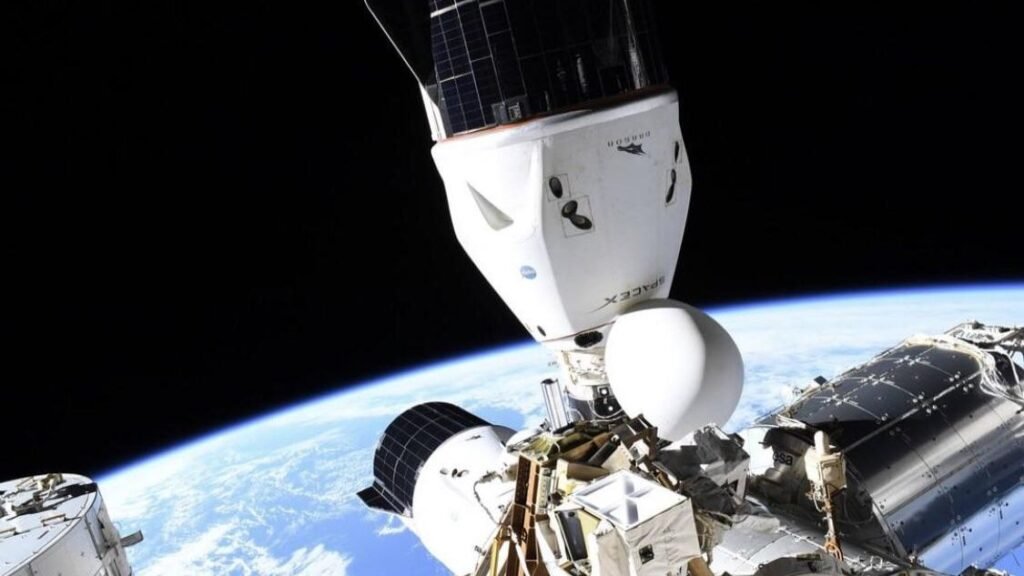
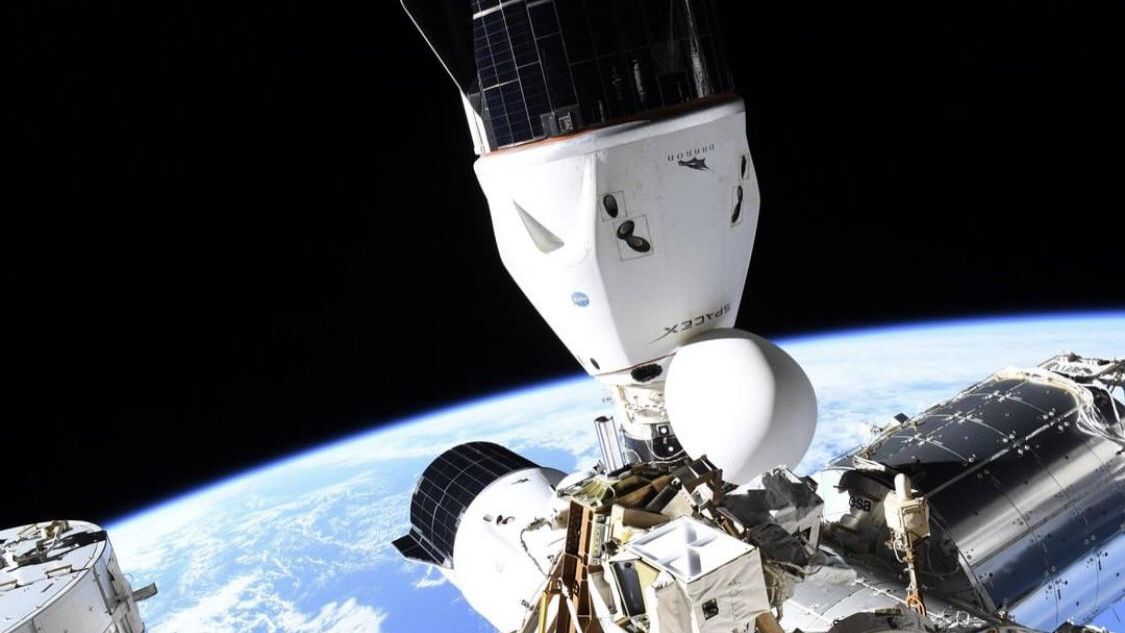
A Rare Health Challenge in Orbit (Image Credits: Cdn.mos.cms.futurecdn.net)
In a landmark moment for space exploration, NASA and SpaceX readied the Crew-11 astronauts for an early departure from the International Space Station on Wednesday, marking the first medical evacuation in the orbiting laboratory’s history.
A Rare Health Challenge in Orbit
The decision to bring the crew home ahead of schedule stemmed from a medical concern affecting one of the astronauts, a situation that prompted NASA to prioritize safety above all else. Mission managers confirmed the go-ahead for undocking on January 13, ensuring the team could proceed without delay. This unprecedented step highlighted the vulnerabilities of long-duration spaceflight, even with advanced medical support aboard the station.
Officials emphasized that the issue, while serious enough to warrant return, did not pose an immediate threat to the station’s operations or the remaining crew. NASA had already canceled a planned spacewalk to focus resources on the evacuation preparations. The agency drew on protocols developed over decades to manage such scenarios, underscoring the balance between scientific goals and human well-being in microgravity.
Spotlight on the Crew-11 Team
Zena Cardman, NASA’s commander for the mission, led the four-person team with steady resolve as they handed over station duties to their counterparts. Mike Fincke served as pilot, bringing his extensive experience from previous flights to the capsule’s controls. Japan’s Kimiya Yui and Russian cosmonaut Oleg Platonov rounded out the group as mission specialists, each contributing unique expertise during their five-month stay that began in early August.
The crew’s early arrival had extended their time in space beyond initial plans, allowing for valuable research contributions before the health issue arose. As they prepared the SpaceX Crew Dragon Endeavour for departure, Cardman described the moment as bittersweet, reflecting on the bonds formed and experiments completed. Their roles shifted seamlessly from station inhabitants to return voyagers, a transition that tested the team’s adaptability.
The Mechanics of the Return Mission
Undocking from the ISS occurred in the late afternoon Eastern Time, with live coverage beginning at 4:45 p.m. EST to capture the automated separation process. The Dragon capsule, which ferried the astronauts to orbit months earlier, detached smoothly using its own thrusters before firing a deorbit burn to head toward Earth. Splashdown off the Florida coast followed approximately six hours later, where recovery teams awaited to assist the crew upon landing.
This expedited timeline compressed what would have been a routine handover into a focused exit strategy. SpaceX engineers monitored every phase from mission control in Hawthorne, California, ensuring the vehicle’s systems performed flawlessly. The operation demonstrated the reliability of commercial crew vehicles in handling unexpected contingencies, a testament to years of iterative improvements.
Broader Impacts on Space Travel
The evacuation raised questions about health monitoring in space, where conditions like radiation exposure and isolation can exacerbate issues. NASA officials noted that such events, though rare, inform future protocols for missions like Artemis, which aims to return humans to the Moon. Importantly, this return would not disrupt the incoming Crew-12 or broader station timelines, maintaining continuity in international collaboration.
Experts viewed the incident as a learning opportunity rather than a setback, reinforcing the need for robust telemedicine capabilities. Over the ISS’s 25-year lifespan, medical challenges had arisen before, but none required an early crew extraction until now. This case could shape how agencies prepare for deeper space ventures, where resupply and evacuation options grow more complex.
- Arrival at ISS: Early August 2025
- Mission duration planned: Up to eight months
- Actual stay: Approximately five months
- Undocking time: Late afternoon EST on January 14, 2026
- Splashdown location: Off Florida’s coast
- Capsule name: Endeavour
Key Takeaways
- This marks the inaugural medical evacuation from the ISS, prioritizing astronaut health in real-time.
- The Crew-11 mission’s early end preserves station operations without broader delays.
- Lessons from this event will enhance medical strategies for future long-duration flights.
As the Crew-11 astronauts complete their journey home, their safe return reaffirms the progress in human spaceflight while reminding us of its inherent risks – what steps should space agencies take next to safeguard crews on even longer missions? Share your thoughts in the comments below.