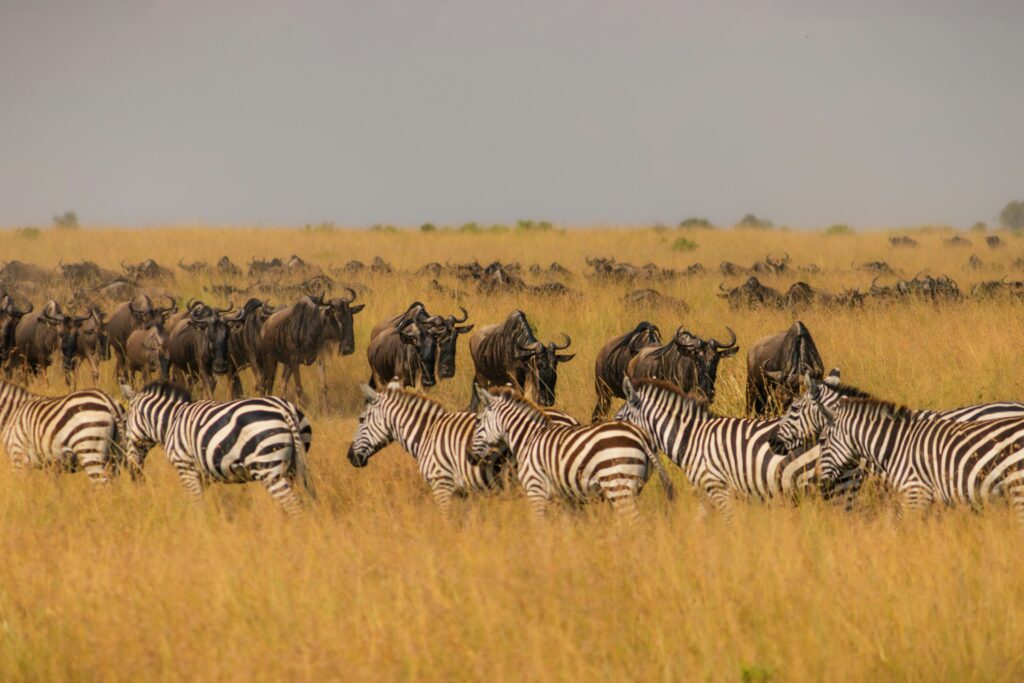
For all our satellites, AI models, and gene sequencing, animals still do things that leave scientists quietly shaking their heads. We can measure them, film them, track them with tiny GPS tags, and still not really know what’s going on inside those wild little brains. That mix of mystery and evidence is exactly what makes these behaviors so fascinating.
Some of the strangest animal behaviors look almost supernatural at first glance: birds that cross oceans with no map, whales that sing rearranged songs across entire oceans, or dogs that seem to know when their humans are coming home. Researchers have theories for nearly all of them, but theory is not the same as certainty, and the gaps are where the wonder lives. Let’s walk through eight of the most puzzling behaviors that, even in 2026, science still hasn’t completely pinned down.
1. Monarch Butterflies’ Multi‑Generation Migration
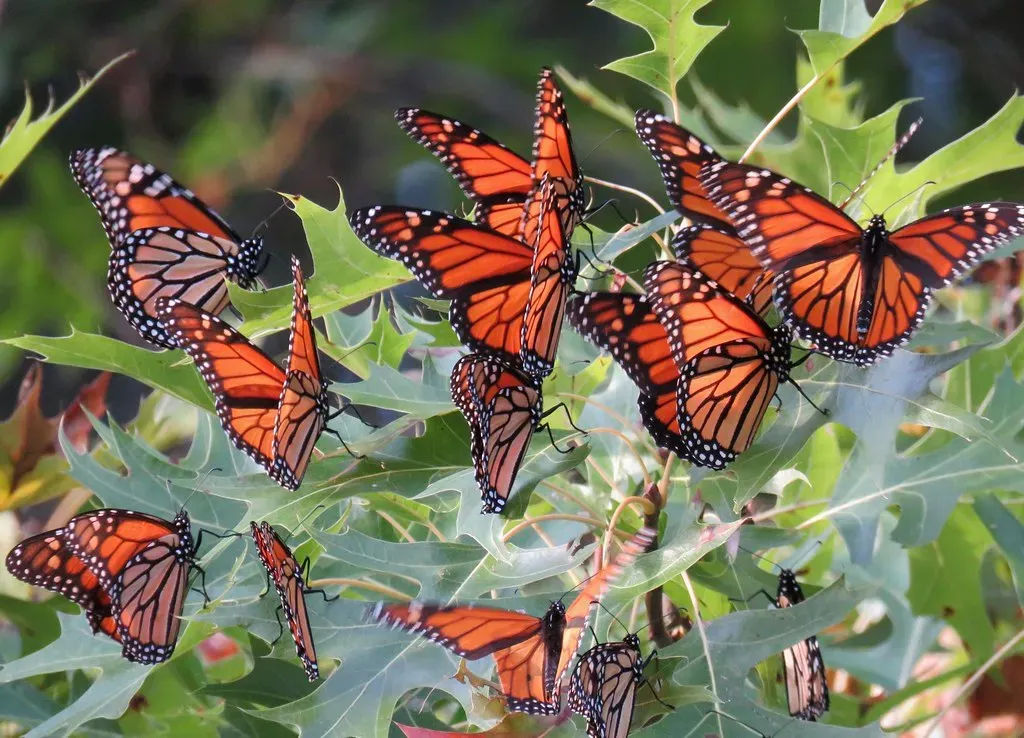
Imagine taking a road trip to a place you’ve never been, guided only by instincts passed down from your great‑grandparents. That’s essentially what monarch butterflies do. Every year in North America, monarchs travel thousands of kilometers between Canada or the northern United States and their wintering grounds in central Mexico, clustering together in the millions on just a handful of forested mountain sites.
The strange part is that the butterflies that return in spring are not the same individuals that left in the fall. It takes several generations to complete the round trip, and yet the great‑grandchildren somehow find the same mountain slopes, year after year. Scientists know monarchs use the sun’s position, an internal circadian clock in their antennae, and probably the Earth’s magnetic field, but how those cues get wired into a navigational “map” that passes across generations is still unresolved. It’s like inheriting directions to a house, but no one can fully explain the language the directions are written in.
2. Homing Pigeons’ Mysterious Navigation Skills
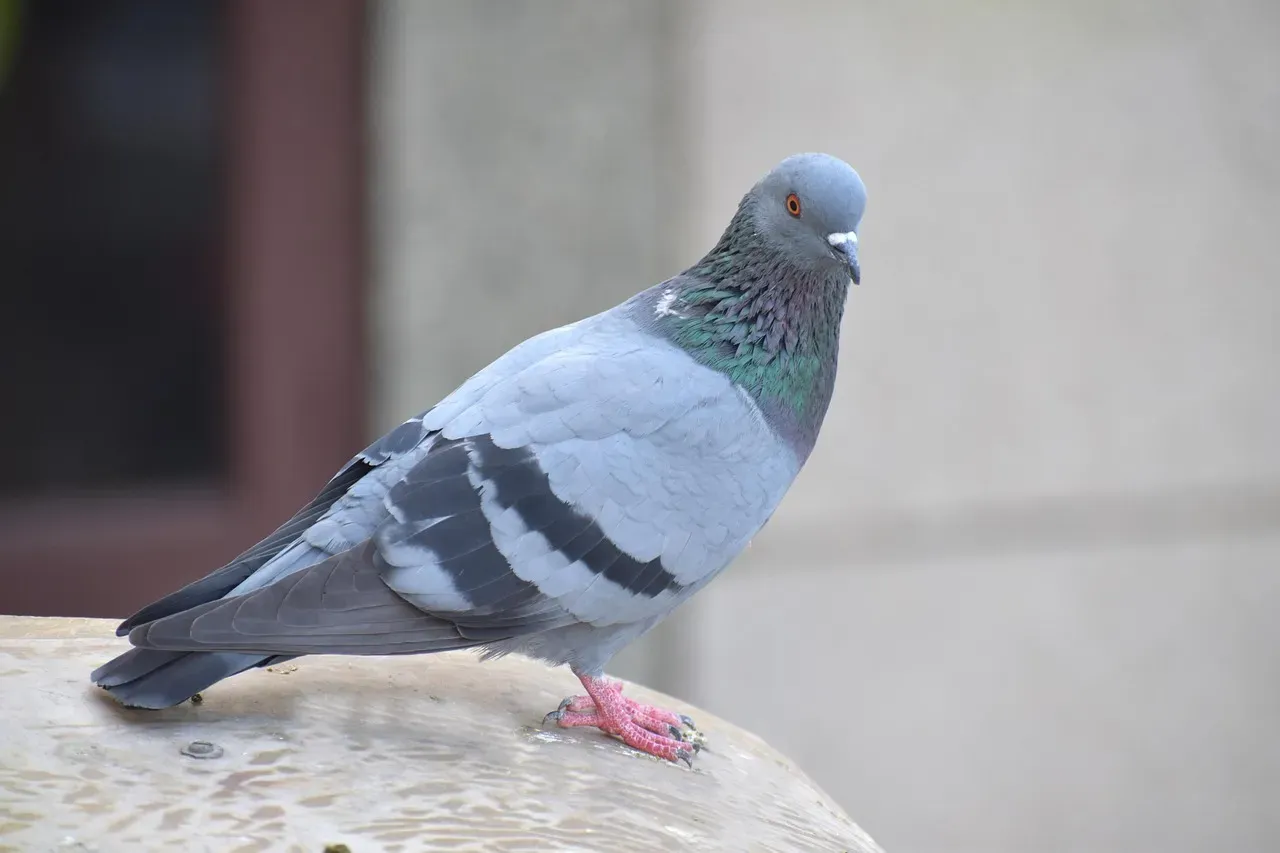
Homing pigeons are the old‑school GPS that never needed a firmware update. You can release trained pigeons hundreds of kilometers away from home, in completely unfamiliar territory, and many will still find their way back to the loft. For centuries, humans have relied on this uncanny ability, from carrying wartime messages to racing for sport, but the underlying “how” stubbornly resists a neat conclusion.
Researchers have uncovered pieces of the puzzle: pigeons seem to use the sun, low‑frequency sounds, smells, and possibly magnetic cues. There’s even evidence they build a kind of smell‑based map of their home region, like an airborne scratch‑and‑sniff atlas. Still, the brain mechanism that knits all these signals together into a precise sense of direction isn’t fully understood, and experiments sometimes contradict each other. I once tried to replicate a simple version of a pigeon navigation experiment with a hiking compass and got lost on a forest loop trail, which makes their consistency feel almost ridiculous by comparison.
3. Whales’ Evolving Songs Across Entire Oceans
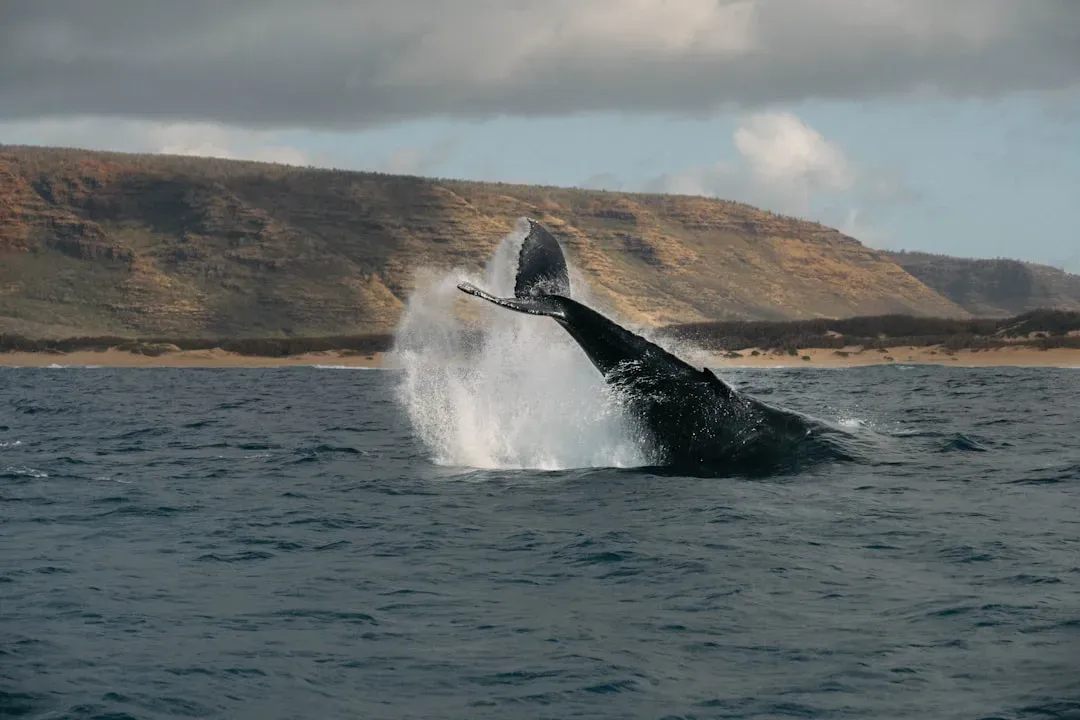
If you listened to popular music change over a decade, you’d hear trends, remixes, and new styles replacing old ones. Humpback whales do something eerily similar with their songs, except their “charts” stretch across oceans. Male humpbacks sing long, complex songs during breeding season, and those songs slowly evolve: phrases get added, dropped, or rearranged, and major song “revolutions” can spread from one population to another thousands of kilometers away.
Scientists can document these changes and track how new song variants spread, like cultural waves rippling across the Pacific or Atlantic. The unsettled question is why this happens and what function the songs truly serve beyond the broad idea of mating displays. Are males trying to stand out, or blend in with the current “hit song” of their region? Do females prefer novelty, or familiarity, or something much more subtle that researchers haven’t pinned down? The behavior looks like culture, but we still don’t know exactly what rules that culture follows or what it feels like from a whale’s point of view.
4. Dogs That Seem To Anticipate Their Owners’ Return

If you live with a dog, you might swear they somehow know when you’re about to come home, even when you’re not on a fixed schedule. Many pet owners describe stories of dogs waiting by the door or becoming excited in the minutes before a person arrives, as if they sensed it. This kind of anticipation feels deeply emotional because it blurs the line between “just an animal” and a companion that understands you.
Scientists have offered explanations ranging from subtle environmental cues – like the sound of a particular car engine a few blocks away – to routine‑based time estimation. Dogs are very sensitive to patterns, smells, and tiny changes humans barely notice, so in many cases those factors likely play a big role. Still, controlled experiments have produced mixed results, and some findings are hard to chalk up only to routine or noise. The debate tends to split people: some insist there must be a “sixth sense,” while others argue we’re underestimating just how good dogs are at learning invisible patterns, and the data so far doesn’t neatly close that argument.
5. Cat “Zoomies” and Sudden Midnight Madness

Anyone who has lived with a cat has probably seen the “zoomies”: those sudden, wild sprints around the house at what feels like two in the morning, with pupils blown wide and claws scratching at invisible enemies. It looks hilarious and slightly haunted, like the animal is possessed by a tiny, chaotic spirit. The odd part is how common and universal it seems, from kittens to older cats, across different homes and lifestyles.
Some explanations make sense in pieces: cats are natural crepuscular hunters, wired to be most active at dawn and dusk, so nighttime bursts of energy fit their ancestral schedule. There’s also the idea of built‑up energy release, a bit like a kid who’s been stuck inside all day suddenly racing around. But that doesn’t fully explain the intense, seemingly purposeless sprints, abrupt stops, and random object attacks that don’t always match a hunting pattern. Veterinarians can rule out medical problems in many cases, yet the line between normal feline brain wiring and something else remains somewhat blurry, and research into ordinary pet cat behavior still lags behind what you’d expect for such a globally popular animal.
6. The Extreme Coordination of Starling Murmurations
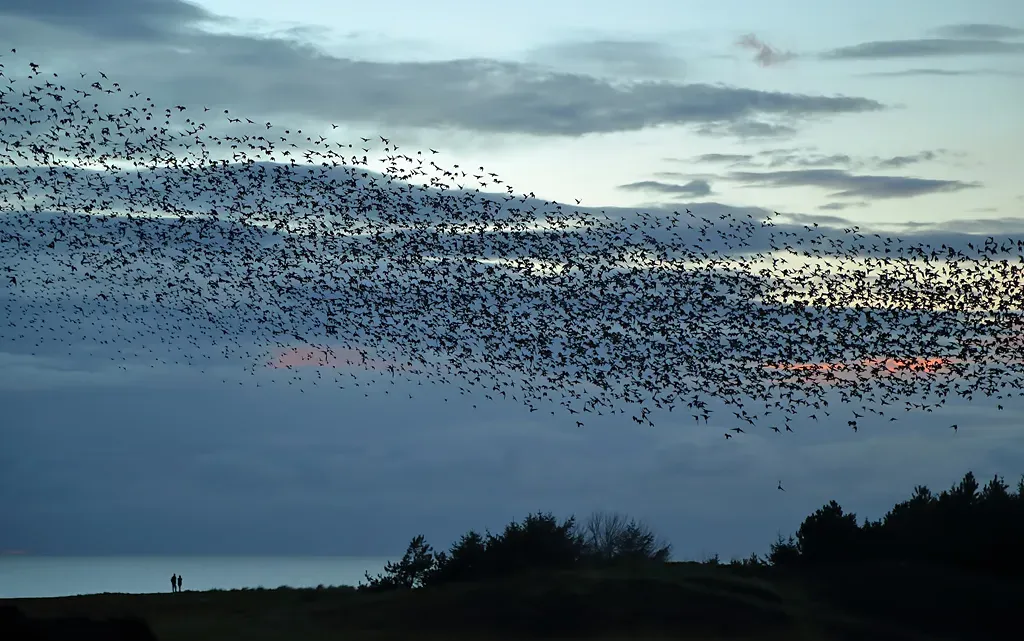
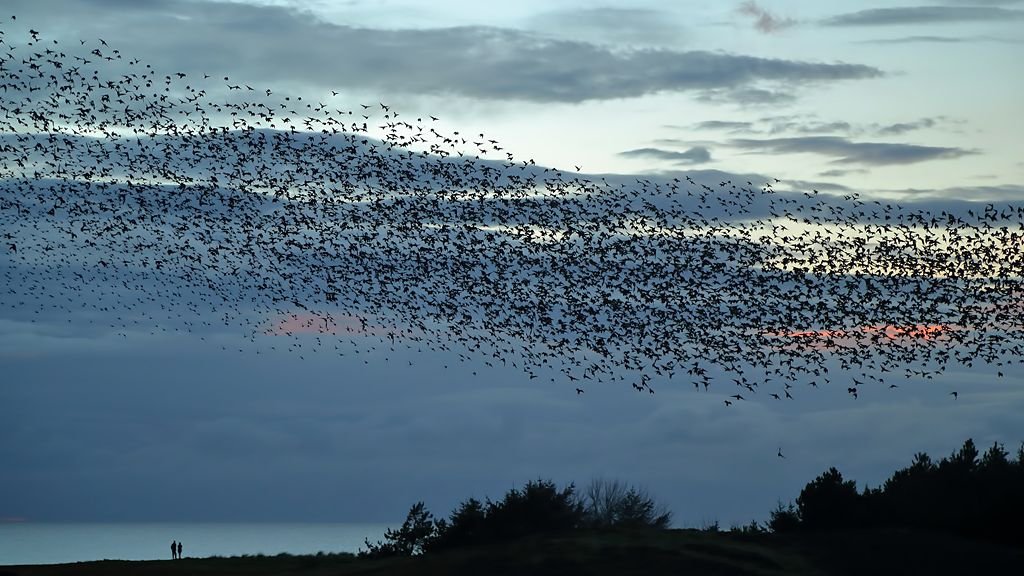
Watching a murmuration of starlings is like seeing a living cloud change shape in real time. Tens of thousands of birds move in one shimmering, twisting mass, splitting and folding back together as if the whole flock shares a single mind. Videos of these swarms are mesmerizing, and they’ve become a favorite metaphor for everything from data swarms to collective intelligence.
Scientists know that each bird responds to the movement of several nearby neighbors, and computer models using simple rules can reproduce something that looks surprisingly similar. But knowing that it can be modeled isn’t the same as fully understanding how real birds implement it in chaotic, windy, predator‑filled skies. The precision of their reactions, the way waves of movement ripple instantly through a huge flock, and how they avoid collisions at such speed are still active research questions. It’s like watching thousands of tiny pilots fly in perfect formation without a radio, and the fact that their brains are the size of a nut makes it even more humbling.
7. Tool Use and Problem‑Solving in Crows and Ravens
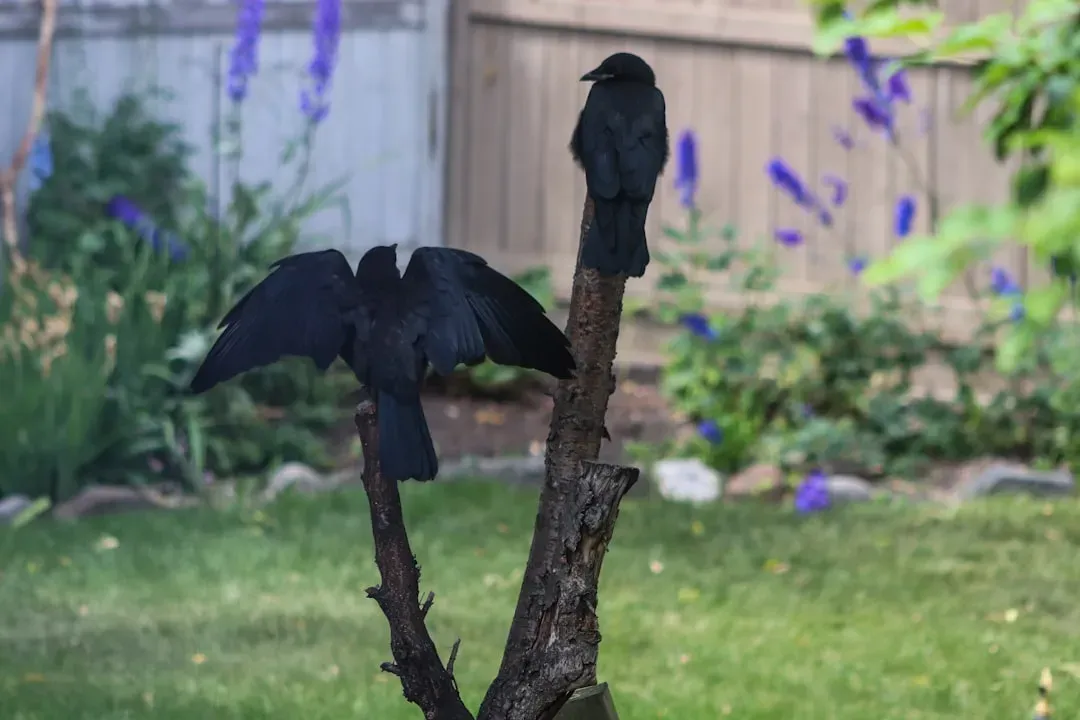
Corvids – crows, ravens, magpies, and their relatives – routinely force us to rethink what “bird‑brained” means. These animals can use tools, store food in dozens of hiding places, remember who wronged them, and even solve multi‑step puzzles that look like something out of an escape room. Some experiments show crows bending wires into hooks to reach food, or using one tool to get another tool, in ways that feel remarkably close to how a young child might reason.
Researchers know that corvid brains have densely packed neurons and specialized regions linked to planning and problem‑solving, even though their brain structure looks very different from that of mammals. What’s still unclear is how exactly that brain wiring translates into flexible intelligence and whether the birds understand cause and effect in the same way humans do, or rely on some other kind of pattern learning. Studies often reveal impressive abilities in one context but not another, making it hard to build a unified theory of “crow intelligence.” Personally, watching a city crow drop nuts into a crosswalk and wait for cars to crack them felt uncomfortably like making eye contact with someone who is just a little too clever for their own good.
8. Mass Strandings of Whales and Dolphins
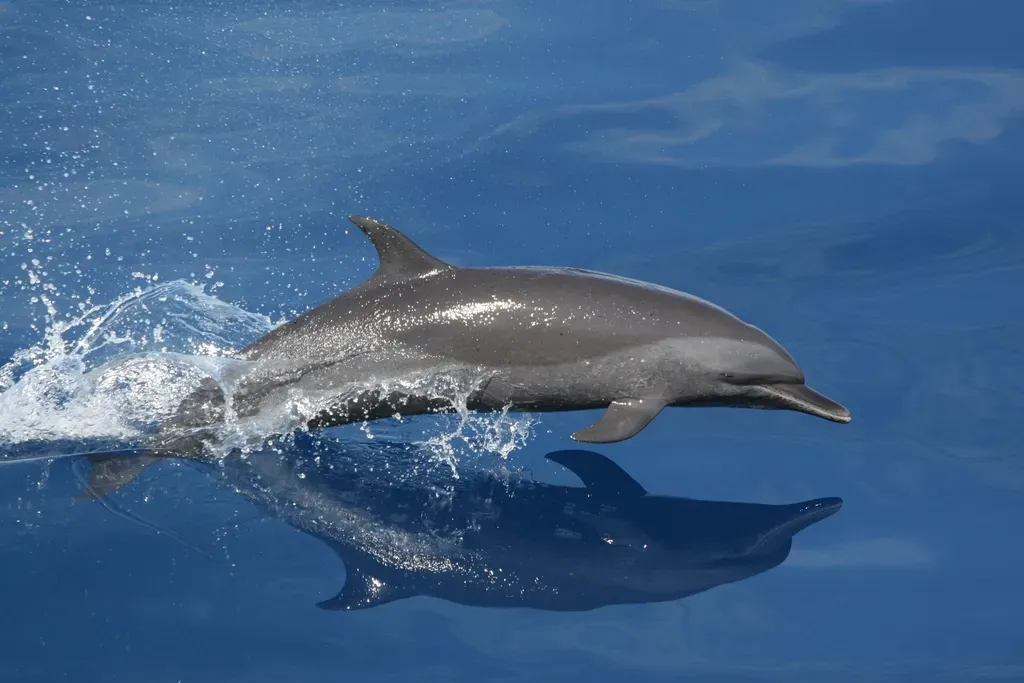
Few animal events feel as tragic and mysterious as mass strandings of whales and dolphins. Entire groups sometimes beach themselves together, even when some individuals still appear healthy and could, in theory, swim away. Volunteers and rescue teams push them back into deeper water, only to watch them strand again, as if some invisible force is pulling them toward disaster.
There are theories: disorientation by naval sonar, following a sick leader, chasing prey into shallow water and getting trapped by tides, or confusion caused by shifting magnetic fields. Each of those may explain some events, but none cleanly explains all of them, especially repeated strandings in the same places over many years. Social bonds within these species are incredibly strong, and it’s possible that loyalty and group cohesion play a heartbreaking role, with individuals refusing to leave distressed companions. The mix of environmental, physiological, and social factors is so complex that even with modern monitoring, scientists still cannot fully predict or prevent these events, which leaves a painful, lingering sense of not quite understanding animals we feel emotionally drawn to protect.
The Comfort of Not Knowing Everything
When you step back and look at all these mysteries together, a pattern quietly emerges: animals are running on rules we partly understand, but they’re also carrying layers of instinct, perception, and maybe even culture that we haven’t fully decoded. In a world obsessed with having answers, there’s something oddly comforting about the fact that butterflies still keep their secret maps and whales still sing in ways we can’t completely interpret. It means the story of how life behaves on this planet is still unfinished, still being written by wild wings, paws, and fins.
Maybe that’s the real value of these unexplained behaviors: they remind us we’re not spectators standing above nature, but participants who still have a lot to learn. Every unanswered question pushes science forward, but it also keeps a space open for awe, the kind that makes you pause at a simple bird flock or a cat’s midnight sprint and think, there’s more going on here than I’ll ever see. Which of these strange behaviors surprised you the most?