
You’ve probably never thought about it, yet your houseplants and the towering trees outside your window possess a capability that would make any science fiction writer jealous. Plants are extremely plastic organisms given their need to respond to environmental changes without the ability to move, and they continuously process information from their environment that is critical to align their growth and development to conditions that favour their survival and proliferation. Imagine being rooted in place for your entire life, unable to escape a blazing heat wave or a prolonged drought. That’s the daily reality for plants.
Here’s where it gets interesting, though. Cues perceived in one developmental stage can affect and regulate the timing of subsequent developmental transitions and those of future generations, a sort of plant environmental memory. Think of it like this: plants aren’t just reacting to their surroundings, they’re learning from them. Let’s dive in.
They Store Environmental Information Like Tiny Green Computers

Plants receive a continuum of information from their environment in their lifetime, and their ability to process this information load is critical to align their growth and development to conditions that favour their survival and proliferation. It’s hard to say for sure, but this might be one of nature’s most underappreciated survival tricks.
The thing is, plants store information in the form of molecular modifications (molecules and metabolites) that can be perpetuated and affect the display of phenotypes over time. Your garden tomatoes, for instance, can literally remember a stressful heatwave from weeks earlier and respond differently when the next one arrives.
Stress Memory Turns Vulnerability into Strength
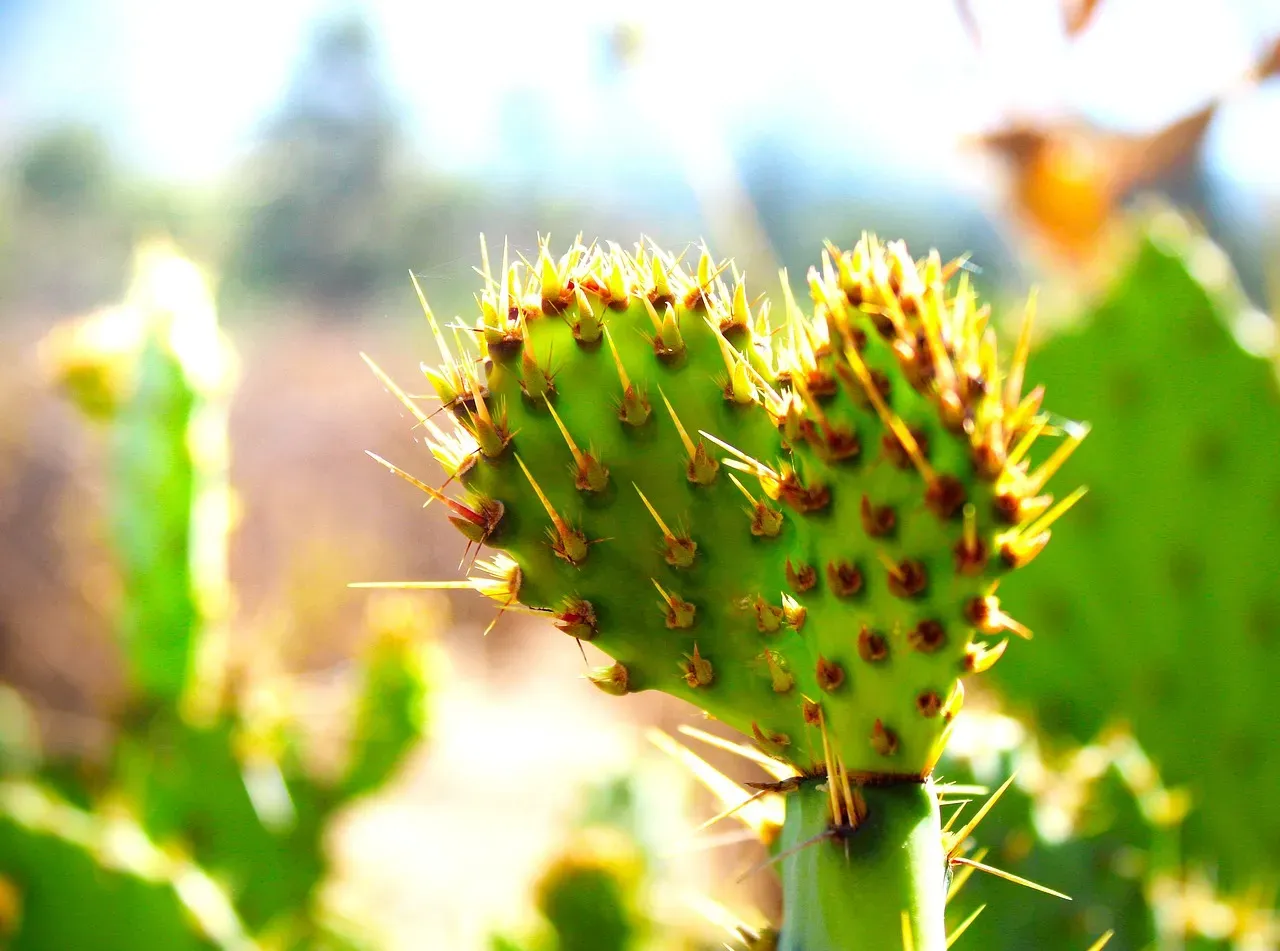
Let’s be real, being stuck in one place while the environment changes sounds like a terrible survival strategy. The ability of plants to protect themselves from stress-related damages is termed “adaptability” and the phenomenon of showing better performance in subsequent stress is termed “stress memory,” reported in various stresses such as drought, heat, salinity, cold, and heavy metal toxicity.
While plants reset certain stress-induced changes after the stress has subsided, they retain specific beneficial modifications that enhance their ability to respond more quickly and effectively to future stresses, a phenomenon known as acquired tolerance, and when this adaptive capacity persists for an extended period, it is referred to as stress memory. Pretty clever, right?
Their Memory Can Last Days, Months, or Even Generations

In Arabidopsis, heat stress memory within plant tissues and seedlings typically lasts for up to 7 d, which enables plants to respond more efficiently to subsequent heat exposures and resume growth and development after the stress period ends. That’s actually a relatively short window.
Surprisingly, some plants take it further. The discovery that plants can memorize past stressful events and pass it to their progeny offers an opportunity to adjust plants’ epigenetic architecture and find out how and which genes are expressed to adjust the growth of plant to adapt to the environment. Transgenerational memory represents one of the most fascinating aspects of plant biology, allowing offspring to inherit stress resilience from their parents without any changes to the DNA sequence itself.
The Epigenetic Machinery Behind the Magic
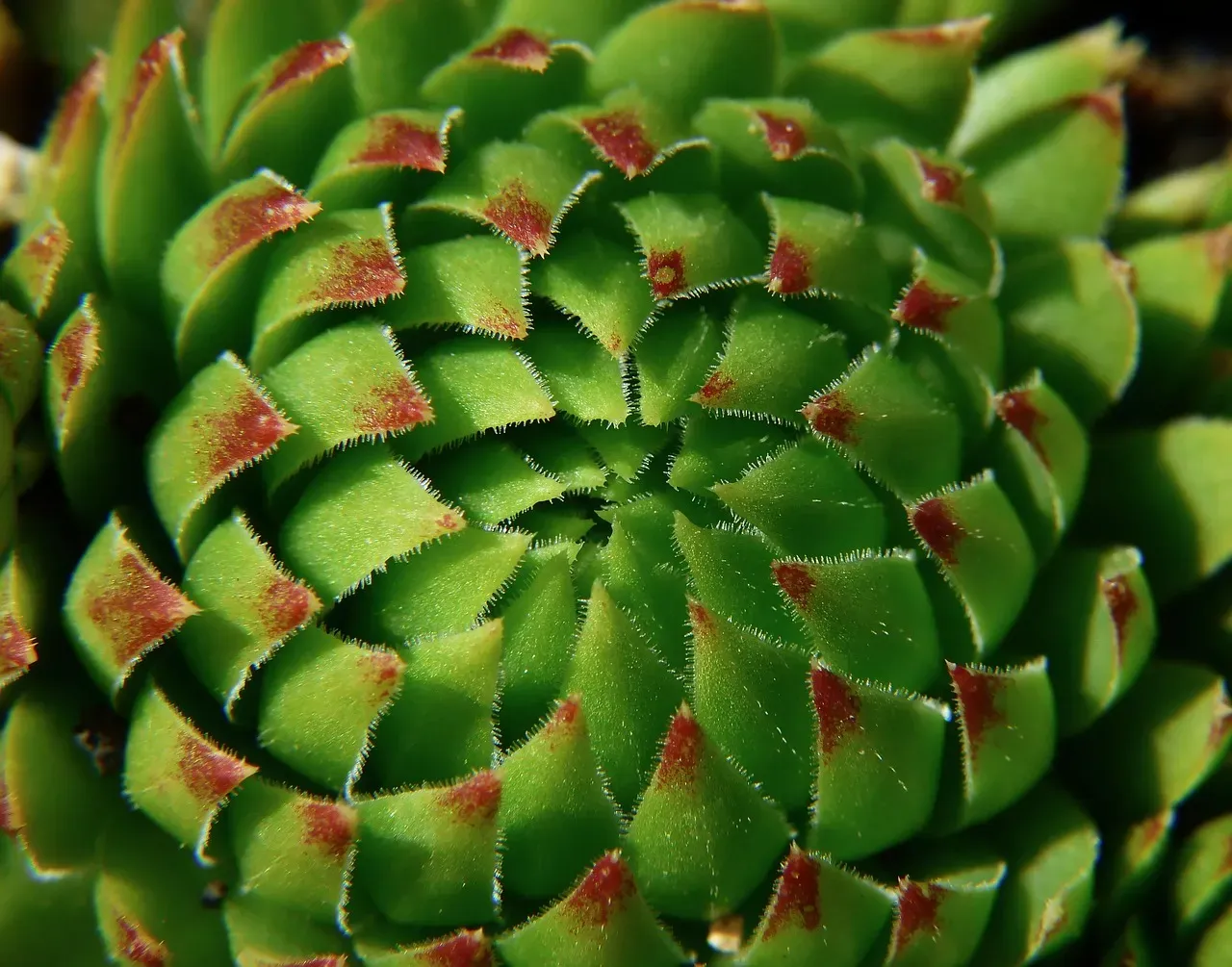
So how exactly do plants remember without a brain or nervous system? The answer lies in epigenetics. Histone modification leading to chromatin remodeling and accumulation of phosphorylated RNA polymerase on the promoters of memory genes is a well-known mechanism of plant stress memory, and recent studies have revealed the role of non-coding RNAs and alternative splicing in memory-specific gene expression and transgenerational inheritance of stress memory.
Think of epigenetic marks as molecular sticky notes attached to plant DNA. Chromatin modifications, nucleosome positioning, and DNA methylation have been recognized as important components in these adaptations, and given their potential epigenetic nature, such modifications may provide a mechanistic basis for a stress memory, enabling plants to respond more efficiently to recurring stress or even to prepare their offspring for potential future assaults.
Drought Memory Changes How Plants Handle Water
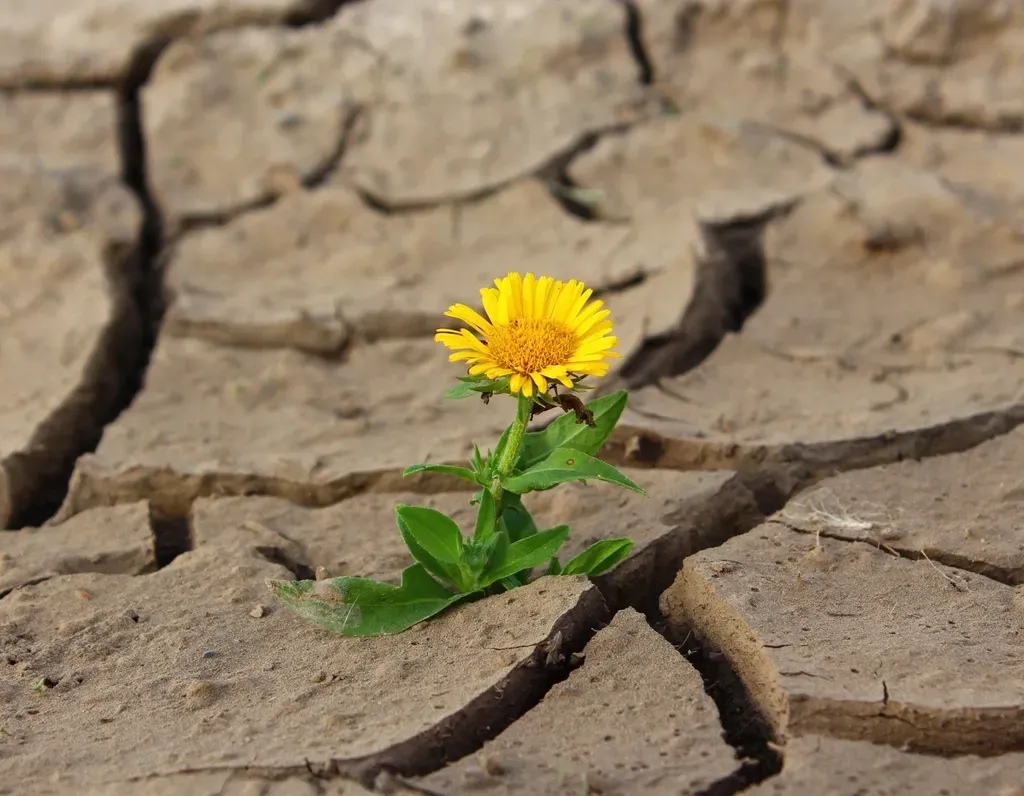
Plants develop both short-term and transgenerational memory of drought stress through epigenetic regulation of transcription for a better response to subsequent exposure, and while the detrimental effects of the first drought on plant structure and physiology are unavoidable, if survived, plants can memorize the first drought to present a more robust response to the following droughts.
Plants use the signalling molecule GABA (gamma-aminobutyric acid) to remember the dryness of a day, and the drier it is, the more GABA accumulates in the plant tissue during the day. Honestly, I find it crazy that the same chemical humans use as a neurotransmitter in their brains is helping plants regulate their water loss. This includes a partial stomatal opening in the watered recovery interval, higher levels of osmoprotectants and ABA, and attenuation of photosynthesis in the subsequent exposure.
When Plants Get Sick, They Build Immunity

Upon the perception of invading pathogens, the plant immune system is primed, establishing an immune memory that allows primed plants to respond more efficiently to the upcoming pathogen attacks. This process resembles vaccination in animals, where initial exposure creates a protective memory.
SAR (systemic acquired resistance), which is induced in response to primary infection, provides broad-spectrum and long-lasting protection against subsequent infections, and rapidly generated and systemically transported signal(s) prime the uninfected parts of the plant against future infections within 4 to 6 hours of primary infection. Neighboring plants can even pick up volatile signals from infected plants and strengthen their own defenses preemptively.
Memory Formation Is a Delicate Balancing Act

Here’s the thing: maintaining constant alert mode is energetically expensive. Closer examination reveals that memory, in particular epigenetic memory, is likely a relatively rare event, as the predominant strategy is resetting and recovery, and a key regulatory step governing whether memories are formed or forgotten is the period of stress recovery.
An essential aspect of modulating stress memory is timely resetting, which restores defense responses to baseline levels and optimizes resource allocation for growth, and balancing stress memory with resetting enables plants to withstand stress while maintaining growth and reproductive capacity. Plants need to know when to remember and when to forget.
The Agricultural Revolution This Could Spark
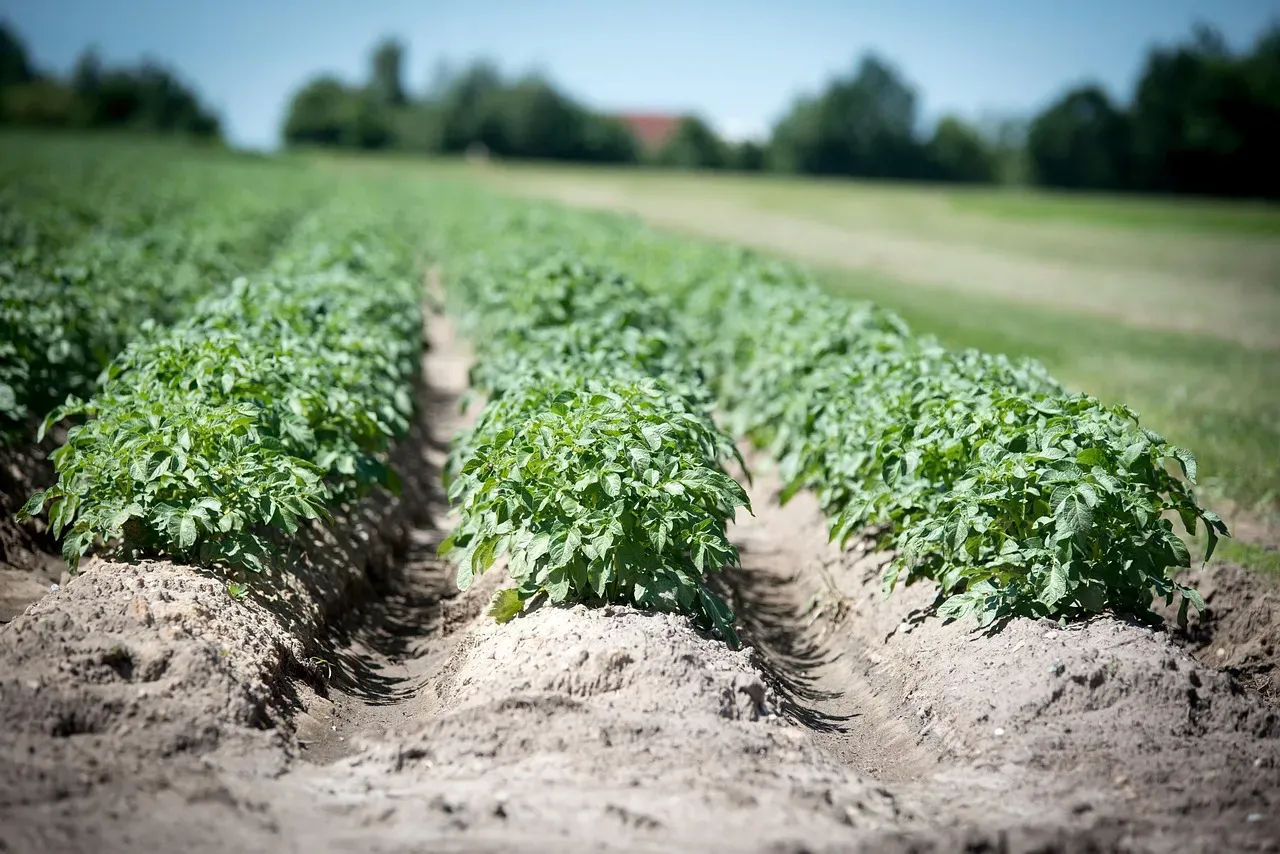
Farmers might intentionally expose crops to mild stress at certain growth stages, or plant breeders could select varieties that naturally develop stronger stress memories, as these low-cost strategies could be especially valuable because they can create crops more resilient to challenges like drought, heat, and cold.
The possible use of seed priming to induce stress memory later in the plant life cycle has potential implications of understanding the epigenetic mechanisms involved in plant stress memory for future applications in crop improvement and drought resistance. As climate change intensifies extreme weather events, harnessing plant memory could transform agriculture without relying solely on genetic modification.
The Future of Plant Memory Research

Future research must delve deeper into identifying molecular thresholds that distinguish transient from heritable memory, and while epigenetic marks such as DNA methylation and histone modifications are well-documented, the context-dependency and reversibility of these marks are not fully understood.
Unraveling the mechanisms underpinning RNA-mediated stress memory formation not only advances our knowledge of plant biology but also aids in the development of improved stress tolerance in crops, enhancing crop performance and global food security. Researchers are racing to unlock the secrets that might help feed the planet’s growing population in increasingly unpredictable conditions.
What This Means for You and the Planet

The implications extend far beyond scientific curiosity. Epigenetic modifications are inherited through mitosis and in part through meiosis, thereby contributing to the long-term adaptation of plant species to climate change, and being sessile, plants can exploit these networks to optimize their resources cost-effectively and maximize their fitness in response to multiple environmental stresses.
You’re looking at a fundamental shift in how we understand life itself. Plants don’t just exist, they adapt, learn, and prepare for the future using molecular mechanisms we’re only beginning to comprehend. Their ability to store and transmit memories without neurons challenges our very definition of memory and intelligence.
What would happen if we could enhance this natural memory in food crops? Could we develop plants that thrive in conditions their ancestors would have found lethal? These aren’t just academic questions anymore. They’re becoming urgent priorities as our planet warms and weather patterns become more erratic. What do you think about plant memory? Could this be the key to ensuring food security for future generations?