
Have you ever wondered what’s lurking in the most remote corners of Earth? Not on distant mountains or buried in ice, but far below your feet, beneath miles of crushing seawater. The deepest parts of our oceans are places so extreme, so hostile, that for decades scientists assumed life there would be sparse at best. Turns out, they were wrong.
Recent expeditions to the world’s deepest ocean trenches have revealed something astonishing. You’re not just talking about a few scattered microbes clinging to existence. You’re looking at thriving ecosystems, bustling communities of bizarre creatures, and thousands upon thousands of species never before cataloged. These discoveries are rewriting the textbooks on where life can exist and how organisms adapt to the unimaginable. Let’s dive in.
Crushed by Reality: The Extreme Conditions of the Hadal Zone
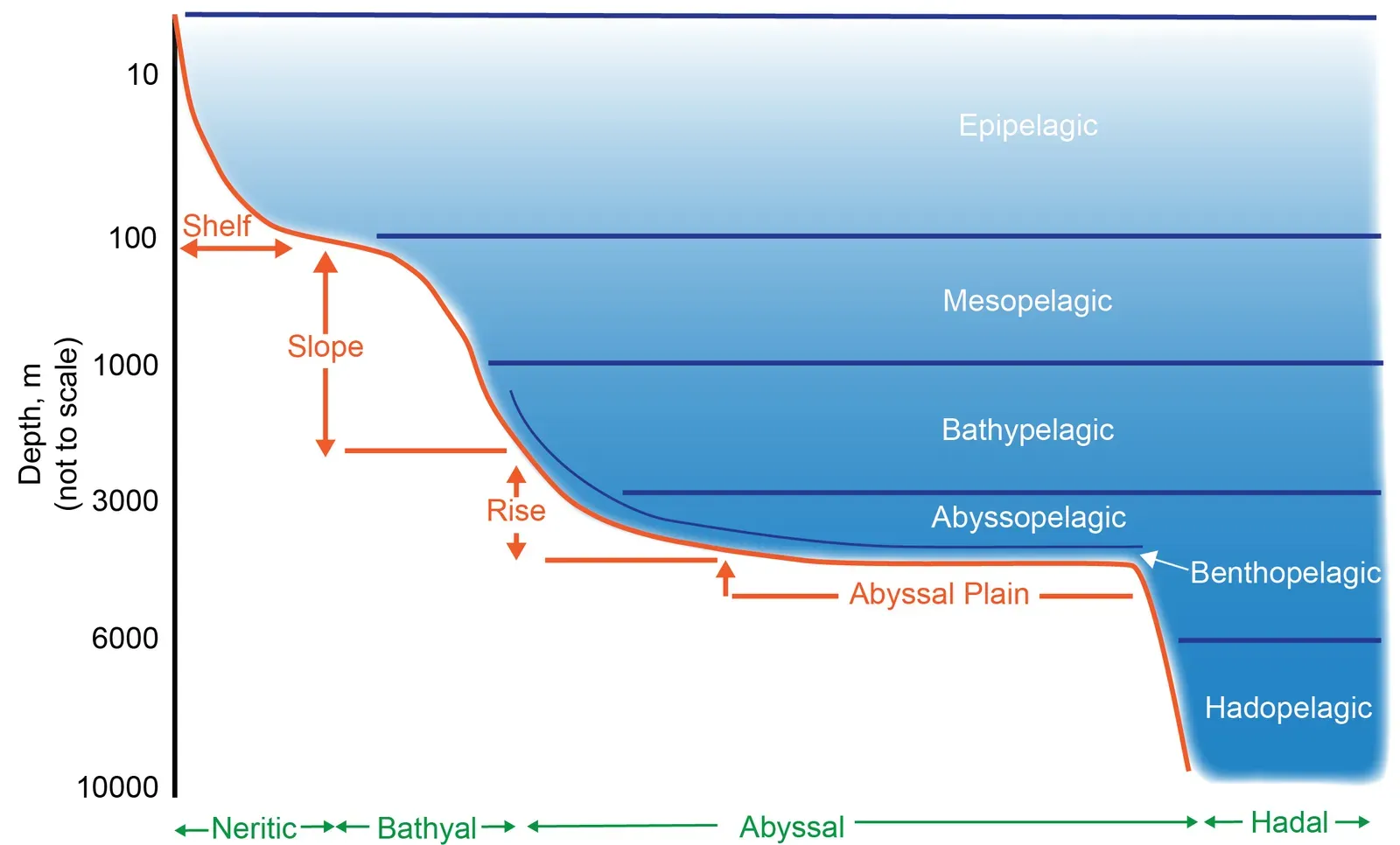
You might think the deep ocean is just dark and cold, but the hadal zone is on another level entirely. The hadal zone is the deepest region of the ocean, lying within oceanic trenches, ranging from around six to eleven kilometers below sea level. Picture this: the water pressure at the bottom of the trench is a crushing eight tons per square inch, more than a thousand times the atmospheric pressure at sea level.
It’s completely dark down there, colder than your freezer, and food is nearly nonexistent. The hadal zone is characterized by extreme depth and pressure, temperatures that hover just above freezing, and complete darkness. The pressure alone would obliterate most living things you can think of, turning them into paste. Yet life doesn’t just survive here – it flourishes in ways that seem almost impossible.
Worms and Mollusks Thriving Nearly Six Miles Down
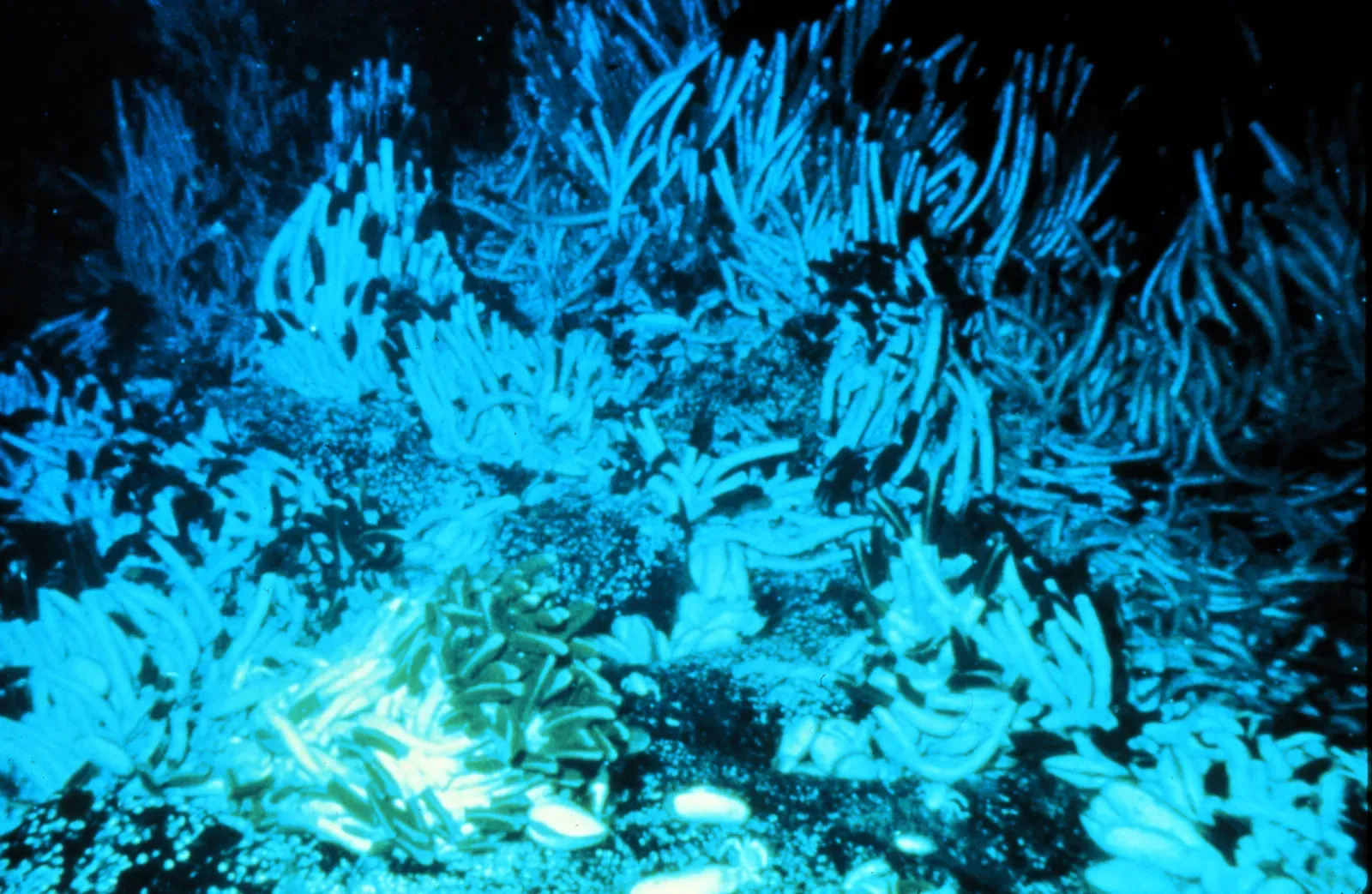
Imagine you’re in a submersible descending into the Mariana Trench, one of the deepest places on Earth. Animal communities, including thousands of tubeworms and bivalves, have been observed at depths up to 9,533 meters in the Mariana Trench, marking the deepest and most extensive chemosynthesis-based ecosystems known. This discovery stunned researchers. You’re looking at dense colonies of creatures – bloodred tentacles jutting upward like an underwater city skyline.
What’s truly wild is how these animals survive. They don’t rely on sunlight like most life on Earth. In the total darkness at the bottom of the world, these creatures live off of chemicals such as methane seeping through cracks in the seafloor, a process called chemosynthesis. The researchers also found compelling evidence that methane was being produced by microbes, with the tubeworms tending to cluster around microbial mats that resemble snow. It’s like discovering an alien ecosystem right here on Earth.
Over 7,000 New Microbial Species in a Single Trench
One study uncovered more than 7,000 microbial species from the Mariana Trench, 89 percent of them entirely new to science. Let that sink in for a moment. You’ve got nearly ninety percent of these organisms being things scientists had never seen before. They managed to identify 7,564 species of prokaryotic microorganism, over 89 percent of which had never been seen before.
Some microbes have small, highly specialized genomes optimized for the scarcity of light and nutrients, while others boast larger, more flexible genomes for coping with change. Many also possess genes that break down hard-to-digest compounds, such as carbon monoxide. These tiny organisms have evolved remarkably different survival strategies – some streamline everything for efficiency, while others keep options open for unpredictability. Life really does find more than one way.
The Deepest Fish Ever Recorded
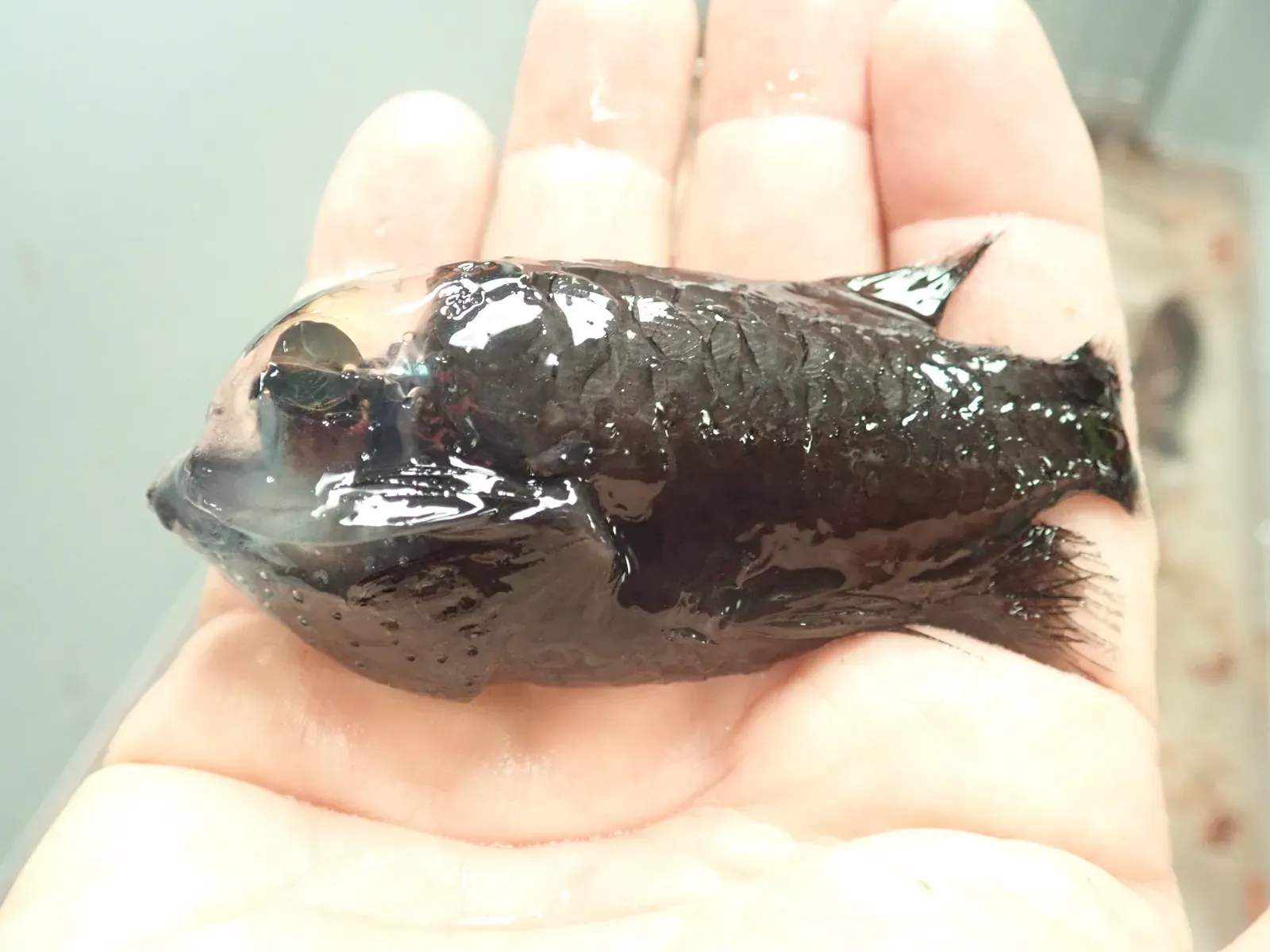
Fish weren’t supposed to exist at these depths, yet you’ll find them there. The Mariana snailfish was discovered in 2017 and is the deepest fish ever recorded in Earth’s oceans, found at 8,000 meters below the surface during an expedition to the Mariana Trench. These translucent creatures feast on tiny crustaceans and shrimp, clustering in groups as they glide along the ocean floor.
Here’s the thing: these snailfish look almost otherworldly. They’ve evolved to have a skeleton made of cartilage instead of bone, which researchers believe helps them survive at such high pressures. Their bodies are gelatinous, transparent, and delicate. But don’t let that fool you – they’re supremely adapted killing machines in their own strange way.
Giant Amphipods and Supergiant Crustaceans
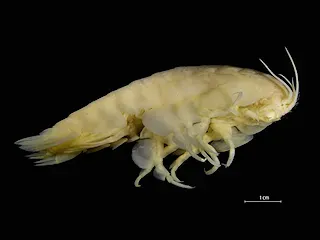
In shallow waters, amphipods are tiny shrimp-like creatures barely worth noticing. Descend into the hadal zone and everything changes. When found in the trench, some exceed 30 centimeters. That’s over a foot long for something that’s normally the size of your fingernail. These giant bug-like creatures look like oversized, armored insects as they crawl and swim through the darkness. Their size is puzzling, given how scarce food is at these depths.
Scientists suspect they’ve hit upon a unique survival trick. Researchers suspect these microbes help produce trimethylamine N-oxide, a compound stabilizing body fluids under high pressure – a critical adaptation for organisms living in crushing environments. Some of these amphipods also have symbiotic relationships with bacteria living in their guts, helping them cope with the relentless pressure that would turn you into mush.
Bizarre Adaptations: See-Through Heads and Transparent Bodies
If you thought the deep sea couldn’t get weirder, meet the barreleye fish. This fish has a see-through head. Inside that head are two sensitive barrel-shaped eyes which are most frequently pointed upwards, allowing the fish to see silhouettes of its prey. That’s right – you can literally look through this fish’s skull and see its eyes rotating inside.
Scientists think this feature may simply allow the fish to collect just a little more light, which may give this strange animal a bit more of an advantage over its competition. Meanwhile, the Dumbo octopus flaps around with ear-like fins that make it look like a cartoon character. These aren’t just quirky features – they’re life-or-death adaptations in a realm where even the tiniest advantage matters.
Bioluminescence: Living Flashlights in Total Darkness
Down where sunlight is just a distant memory, life has learned to make its own light. As the Chinese submersible Fendouzhe plunged ever deeper, researchers glimpsed bioluminescent creatures glowing green, yellow, and orange against the fathomless dark. It’s an utterly surreal experience, like floating through a galaxy of living stars.
In the deep sea, bioluminescence is extremely common, and because the deep sea is so vast, bioluminescence may be the most common form of communication on the planet. Think about that. The most widespread language on Earth might not be spoken at all – it could be flickering lights in the abyss. Creatures use these glowing displays to attract mates, lure prey, or even startle predators into backing off.
Cold Seeps and Methane Rivers: Deep-Sea Energy Sources
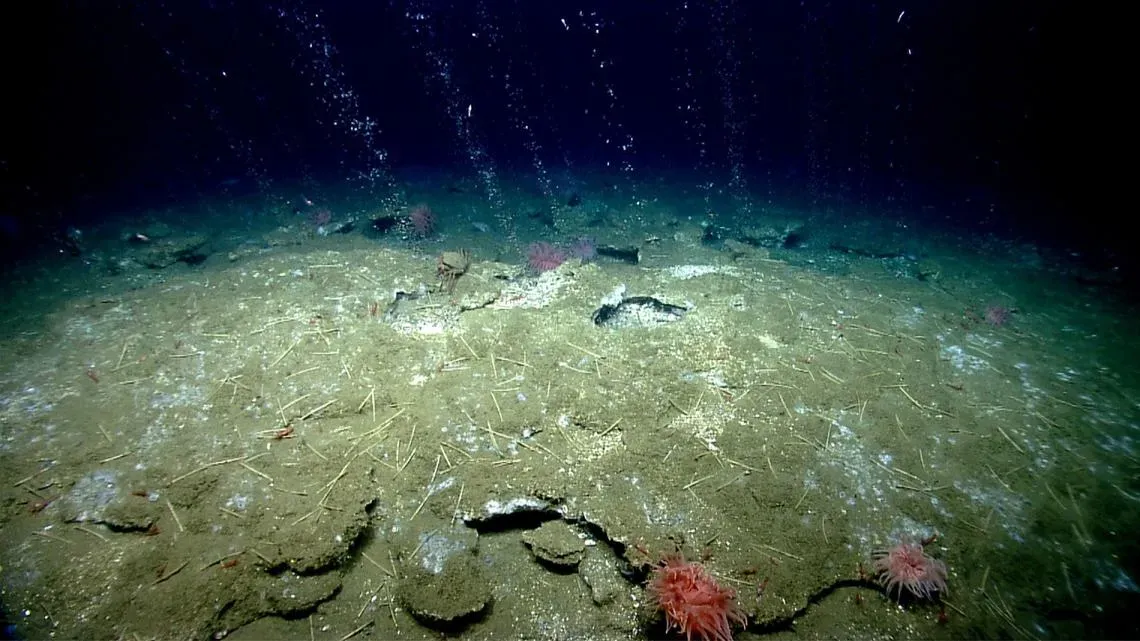
You probably learned in school that all life depends on sunlight. Well, not quite. What researchers stumbled upon was a roughly 2,500-kilometer stretch of the deepest known ecosystem of organisms that use the chemical compound methane instead of sunlight to survive. This sprawling system forms something like an underwater river of chemosynthetic communities stretching across the ocean floor.
The scientists hypothesized that microbes living in the ecosystem convert organic matter in the sediments into carbon dioxide, and carbon dioxide into methane – something the researchers didn’t know microbes could do. These cold seeps are essentially the deep-sea equivalent of an oasis in the desert. They’re hubs of activity, teeming with creatures that would die anywhere else.
Ancient Lineages and Evolutionary Refuges
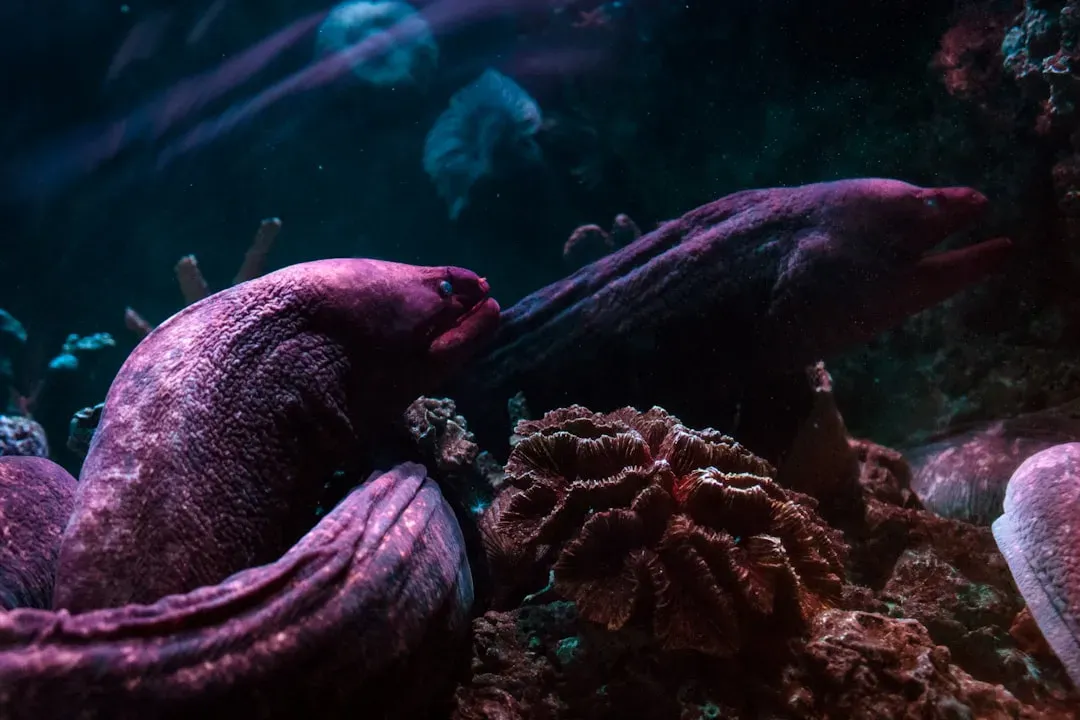
Eels may have moved down some 100 million years ago, possibly avoiding the dinosaur-killing mass extinction in shallower waters, while snailfish descended into trenches about 20 million years ago. It’s like the deep sea became a safe house during Earth’s most catastrophic events. While asteroids slammed into the planet and volcanic eruptions choked the skies, life in the trenches just kept going.
These aren’t random colonizers stumbling into the abyss. They’re evolutionary pioneers that figured out how to conquer the most extreme frontier on the planet. Their genes hold secrets about survival that could reshape our understanding of biology itself – and maybe even help us find life on other worlds.
The Dark Side: Pollution Has Reached the Deepest Places
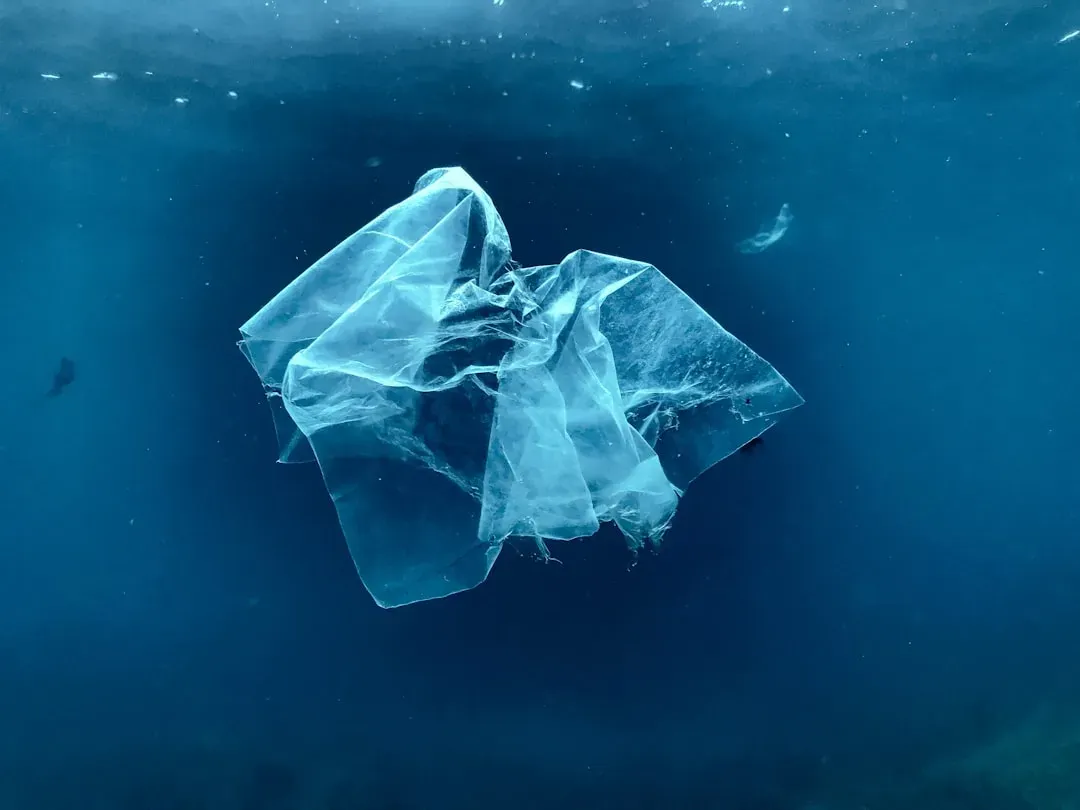
Here’s the gut-wrenching part. Despite finding a thriving ecosystem, researchers also discovered man-made debris at alarming depths, including plastic bags, soda cans, and even a laundry basket in the Yap Trench. In the Mariana Trench, the deepest at more than seven miles beneath the waves in the western Pacific, scientists found fibers in 100 percent of the samples – in every amphipod collected.
You can’t escape the reality that humanity’s trash has infiltrated even the most remote ecosystems on Earth. There’s a strange twist, though. Deep-sea microbes appear to break down at least some of these pollutants, hinting at potential biotechnological solutions. Maybe these extremophiles, which have evolved to eat the impossible, could help us clean up the mess we’ve made.
Conclusion: What We’ve Learned and What Remains Hidden
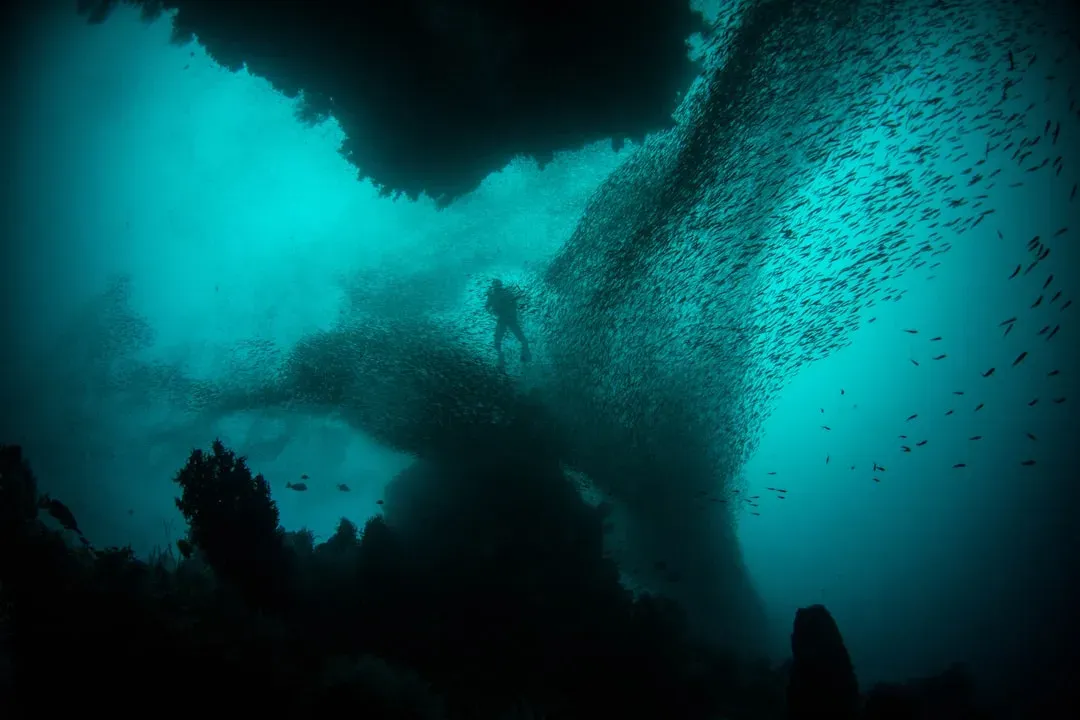
The ocean’s deepest trenches have shattered expectations. You’re looking at flourishing ecosystems with thousands of newly discovered species, bizarre adaptations that defy logic, and survival strategies that could inspire everything from medicine to space exploration. These high pressures have led to evolutionary innovations that may also inspire engineering. For example, the special adaptations that animals use to stabilize their proteins under high pressure are inspiring the development of new pharmaceuticals to treat conditions including glaucoma.
Yet roughly eighty percent of the global hadal zone remains unexplored. Imagine what’s still down there, waiting to be discovered. These findings remind us that Earth is far stranger and more resilient than we ever imagined. The deep ocean isn’t just a dark, dead void. It’s alive, thriving, and full of wonders that challenge everything you thought you knew about life. What do you think is hiding in the parts we haven’t explored yet? Did you expect such incredible diversity at the absolute bottom of the world?