If you think electricity belongs only in power lines and phone chargers, nature is about to blow your mind. Hidden under murky river water, buried in ocean sand, and gliding through the dark, some animals have wired their bodies like living radar systems. They sense tiny electrical fields, fire off shocking blasts, and navigate pitch-black worlds where eyes are almost useless.
I remember the first time I learned that certain fish can “see” using electricity; it felt like discovering a secret superhero universe that had always been there, just invisible. These animals don’t rely on bright colors or loud roars, they win their battles quietly with invisible currents. Let’s dive into ten of the most incredible “electric” creatures, and see how they turn physics into a survival superpower.
1. Electric Eel – The High-Voltage Predator
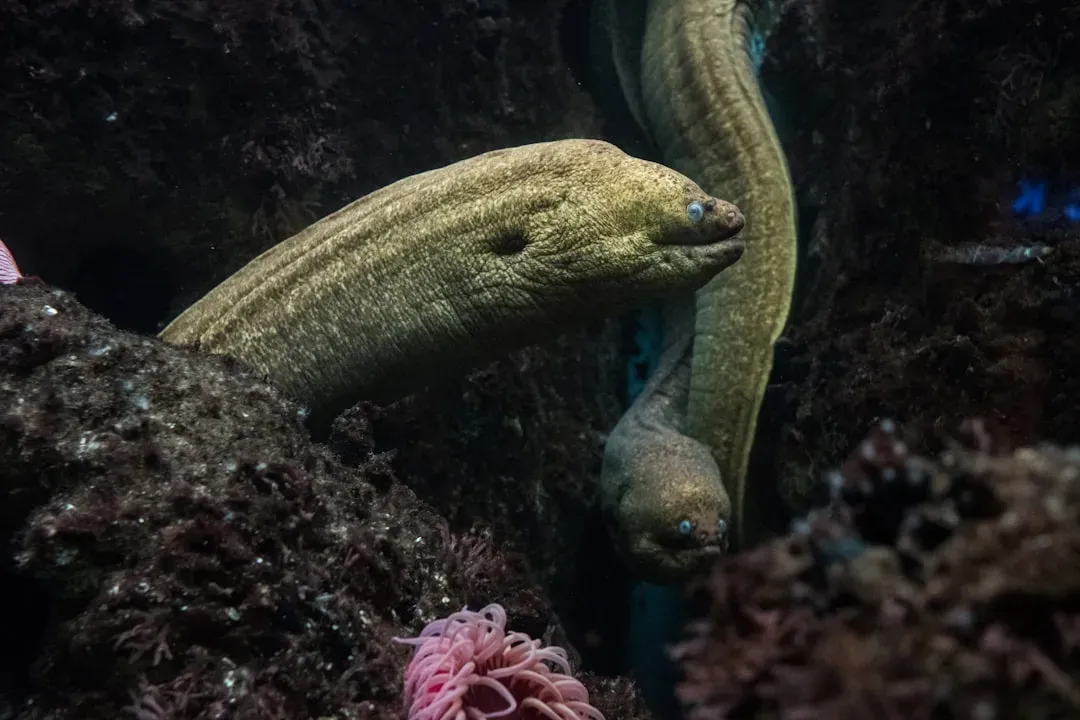
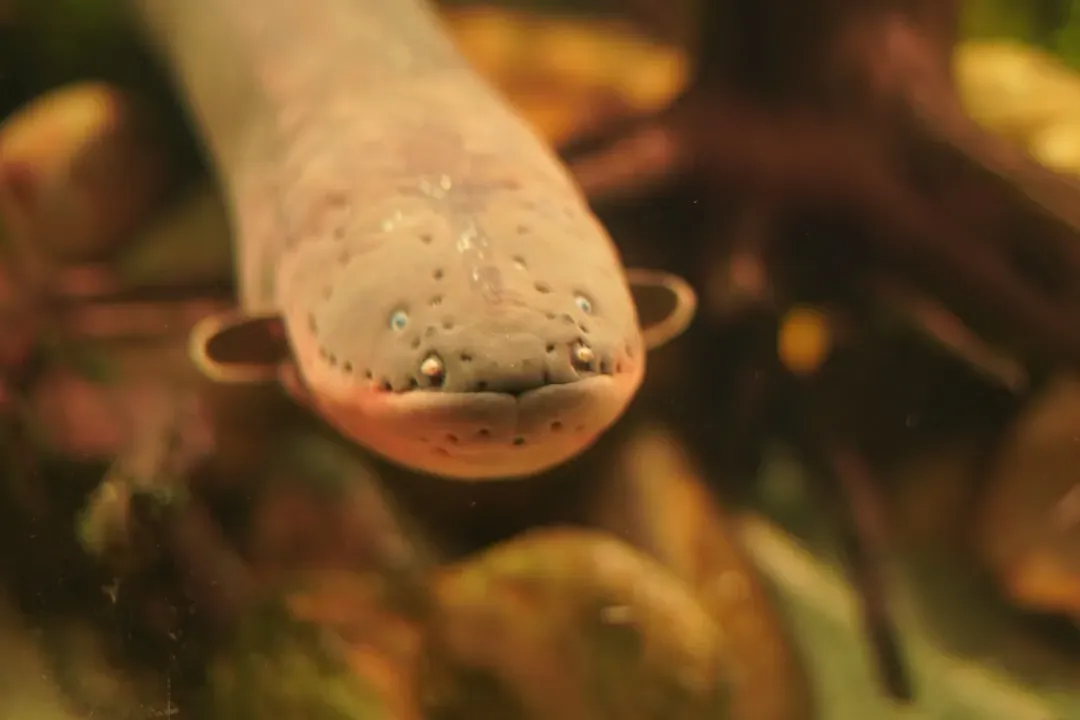
The electric eel is the celebrity of electric animals, and for good reason: this river hunter can unleash a shock strong enough to stun a horse. Despite its name, it’s actually a type of knifefish, not a true eel, living in the murky waters of the Amazon and Orinoco basins. In that dark, muddy world, vision is almost useless, so the eel uses electric pulses to scan its surroundings, like a living depth finder.
It has specialized cells called electrocytes stacked like tiny batteries, and when they fire together, they produce a powerful jolt. The eel can send out weaker pulses to locate prey and then ramp up to high-voltage bursts to immobilize fish, frogs, or even small mammals. Researchers have found that it can fire rapid volleys of shocks to force hidden prey to move, almost like a cattle prod in fast-forward. You could think of the electric eel as both the flashlight and the taser of its underwater neighborhood.
2. Sharks – Masters of Electric Sixth Sense
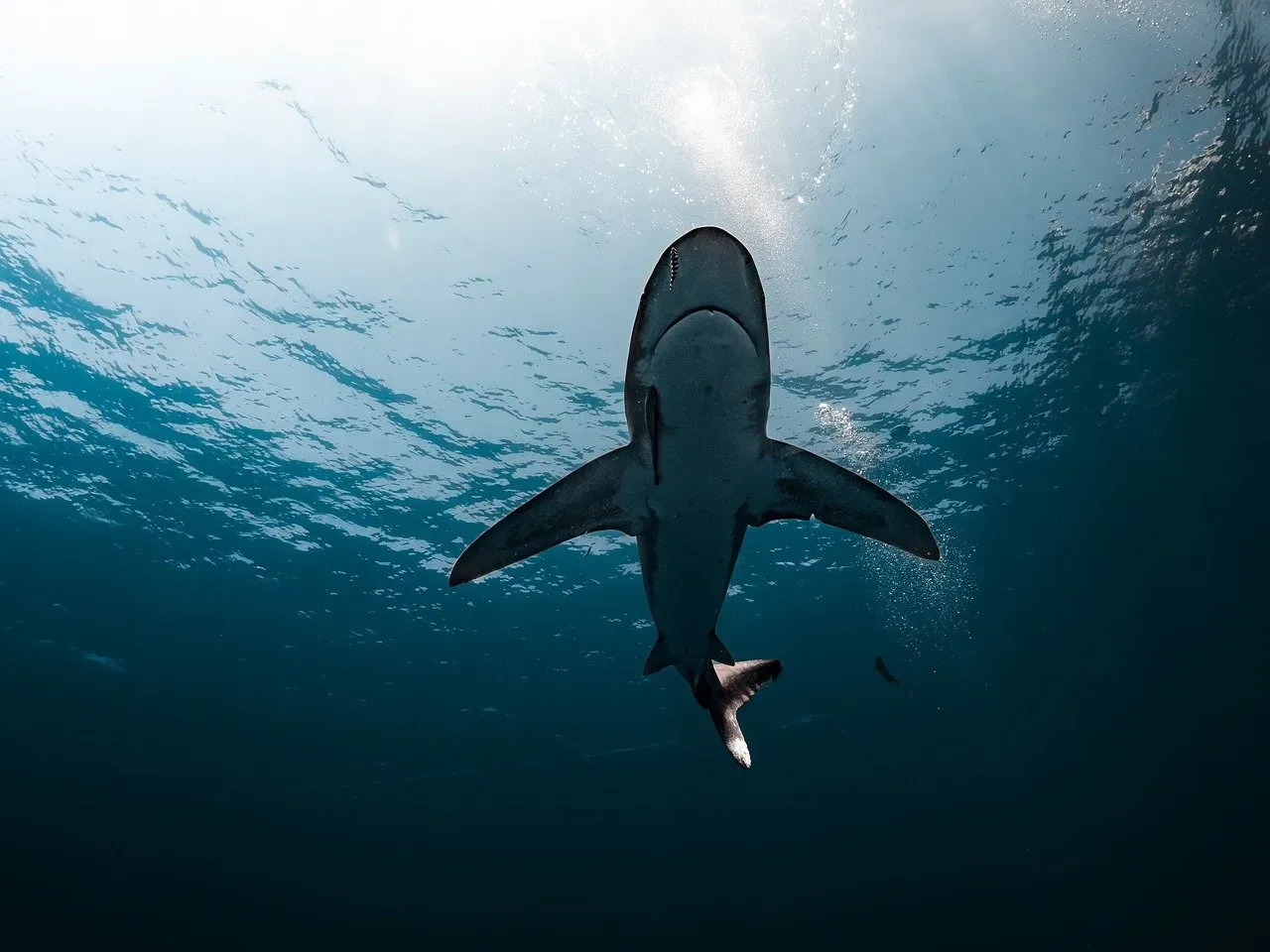
Sharks are often portrayed as mindless eating machines, but their most impressive weapon is invisible: an electric sixth sense. Along their snouts and heads, they have tiny gel-filled pores called ampullae of Lorenzini that detect faint electrical fields. Every living muscle gives off a tiny current, and sharks use this to home in on fish hiding under sand, in murky water, or even at night.
This sense is so sensitive that some sharks can detect the equivalent of a watch battery from many meters away in the ocean. They can also pick up the electrical cues created by ocean currents and the Earth’s magnetic field, helping them navigate long migrations. When you see a shark slowly swinging its head side to side before striking, it’s essentially “scanning” electrically. It’s like they’re wearing night-vision goggles, except the night is everywhere and the light is made of tiny currents instead of photons.
3. Rays and Skates – Electric Hunters on the Seafloor
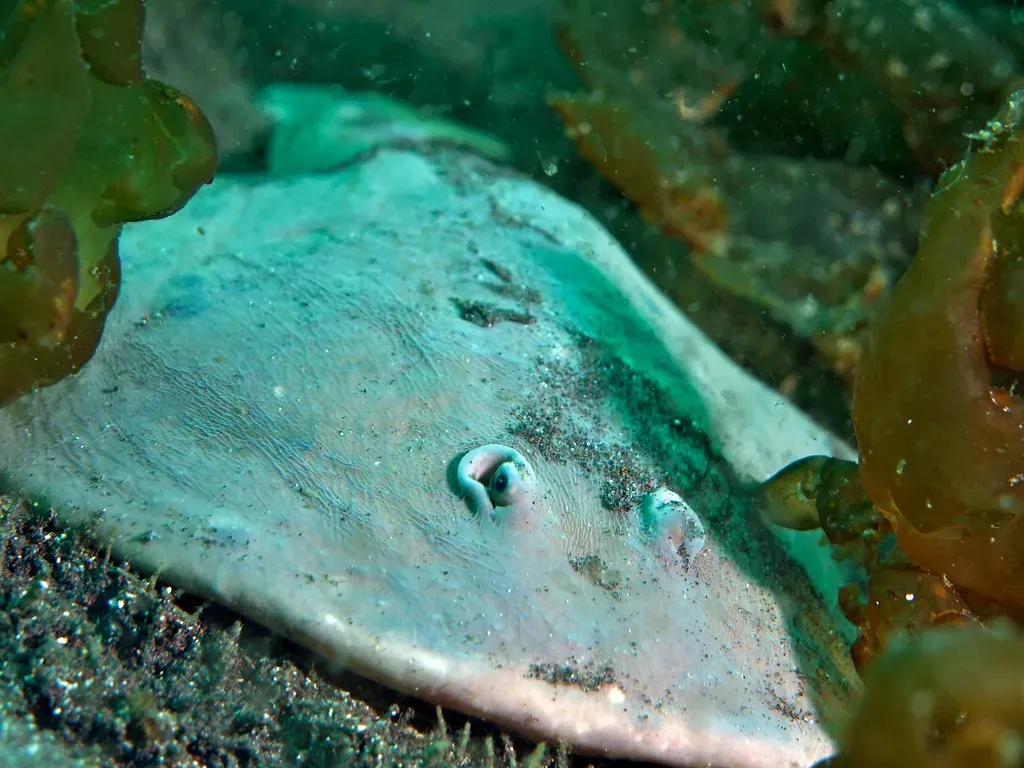
Closely related to sharks, rays and skates are like stealth aircraft hugging the seafloor, armed with the same kind of electrical detectors. Their flat bodies are often buried under sand with just their eyes and spiracles showing, but their real advantage is hidden in those sensitive pores around their mouths. As small fish or crustaceans move nearby, their muscles generate subtle electric fields that rays can sense even when there’s no visible movement.
Some rays, especially electric rays, go even further and generate powerful electric discharges to stun or defend. These discharges are produced by modified muscle cells organized into electric organs along their bodies. A ray might lie still, wait for a fish to come close, feel its presence electrically, and then fire off a sudden jolt to disable it. It’s like setting an invisible tripwire and then hitting a built-in stun gun the second something touches it.
4. Weakly Electric Fish – Living Underwater Radar Systems
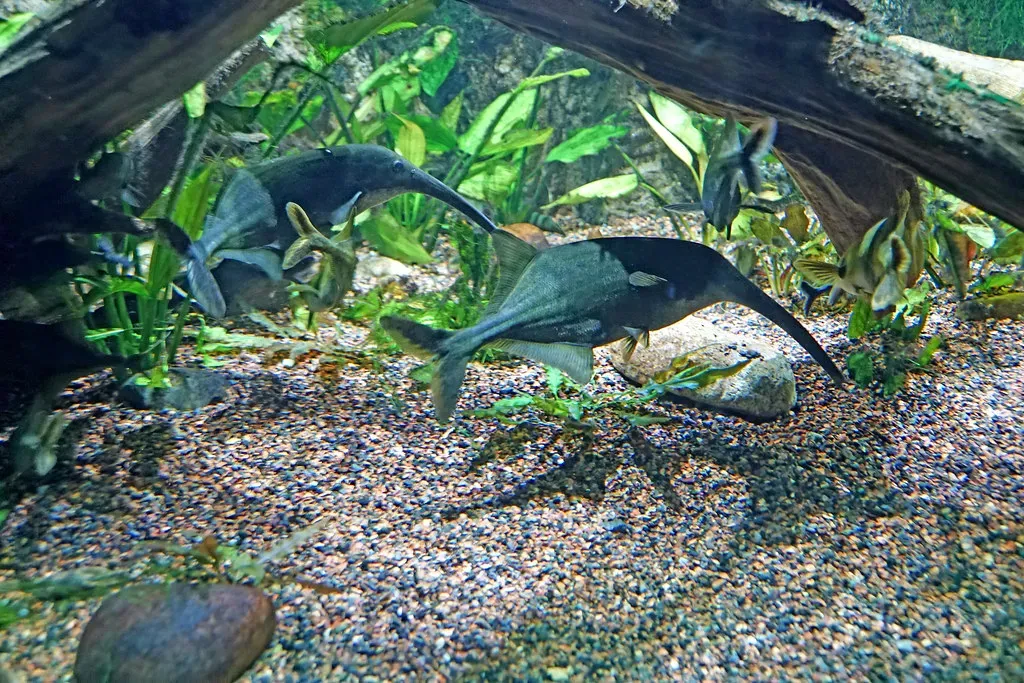
Not all electric fish aim to shock; weakly electric fish turn electricity into communication and navigation tools. Many of these species, like African elephantnose fish and South American knifefish, live in dark, cloudy rivers where eyes just don’t help much. Instead, they emit a constant, low-voltage electric field around their bodies and use specialized receptors to sense distortions caused by objects and other animals.
This process, called active electrolocation, is similar to how bats use sonar, but with electricity instead of sound. When a rock, plant, or prey item enters the field, it changes the pattern, and the fish “reads” this like a map. They even use different electric signal patterns to communicate with each other, almost like an underwater Morse code. I’ve always thought of them as tiny submarines, running silent, running deep, and constantly scanning their surroundings with an invisible ping.
5. Catfish – Whiskered Sensors with Electric Superpowers
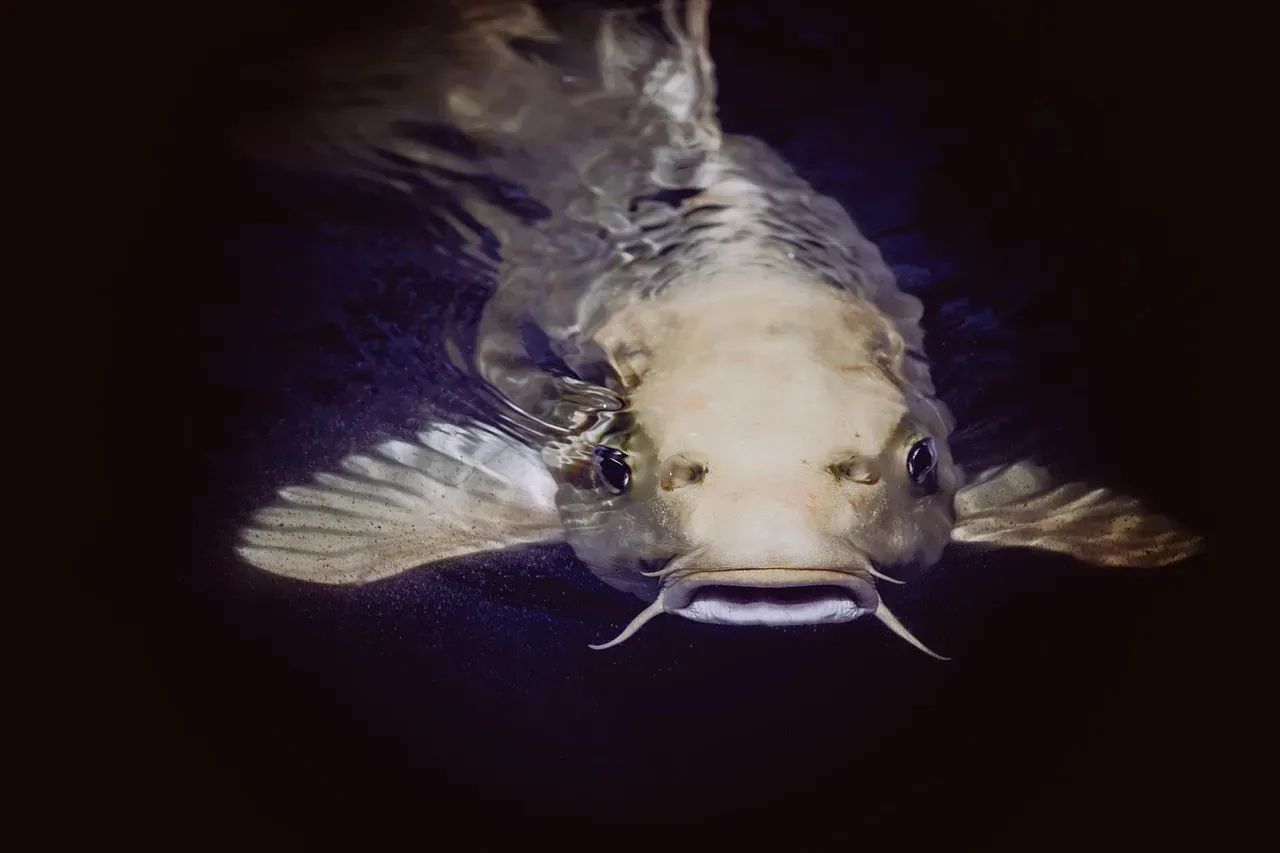
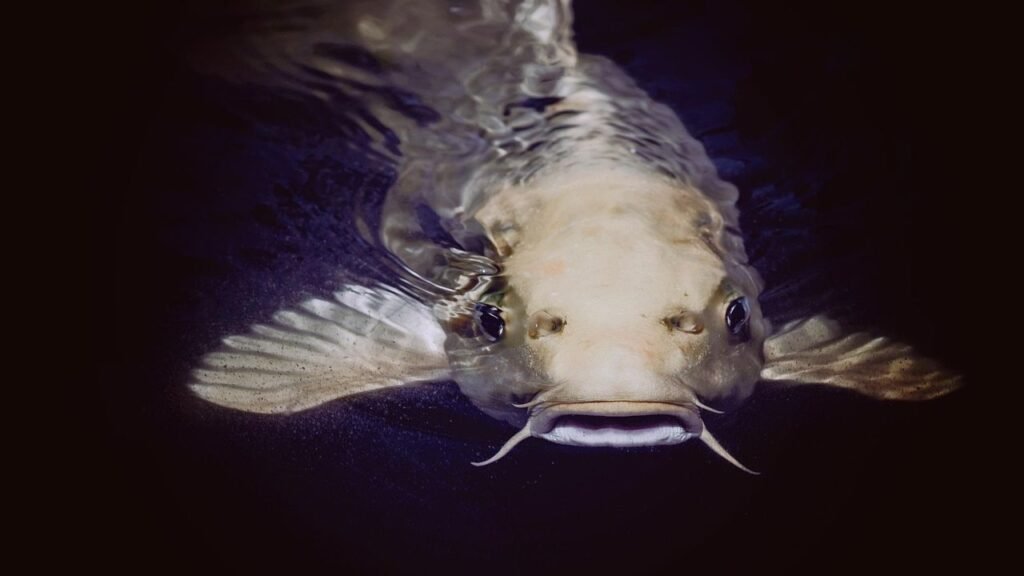
Catfish are famous for their whiskers, but what most people don’t realize is that many species are also tuned into electrical cues. Their barbels and skin are packed with sensory cells that can detect weak electric fields from the muscles and nerves of nearby prey. In muddy rivers and lakes where the water is cloudy, this gives them a serious edge over fish that rely mainly on sight.
Some catfish species don’t generate electric fields themselves the way electric eels do, but they are superb at reading what’s already in the water. Others, especially certain freshwater species, produce very weak electric signals that help them sense their surroundings in close range. Imagine walking into a dark room and being able to “feel” the presence of someone else simply because their heart is beating. That’s close to what these catfish experience every night when they go hunting.
6. Elephantfish – Built-In Shock Shields
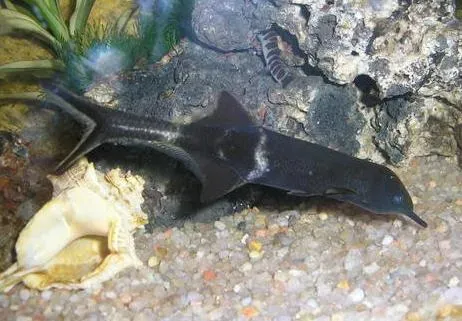
Elephantfish deserves their own spotlight because they take the concept of a defensive system to another level. These flattened, disc-shaped fish carry large electric organs on both sides of their heads, and they can deliver strong shocks to anything that threatens or tempts them. Some species are capable of discharges powerful enough to knock down a human-sized predator, making them one of the ocean’s more underestimated dangers.
They don’t just zap randomly; they often bury themselves in the sand and wait for passing prey. When a fish gets close, the ray senses it through both touch and electric cues and then releases a sudden jolt to immobilize it. Ancient cultures knew about these shocks and even used Elephantfish in early attempts to relieve pain, pressing them against sore joints. It’s wild to imagine a living “therapy device” swimming quietly along the seafloor, wired the way a battery pack might be tucked into a backpack.
7. Platypus – The Electric-Billed Oddball
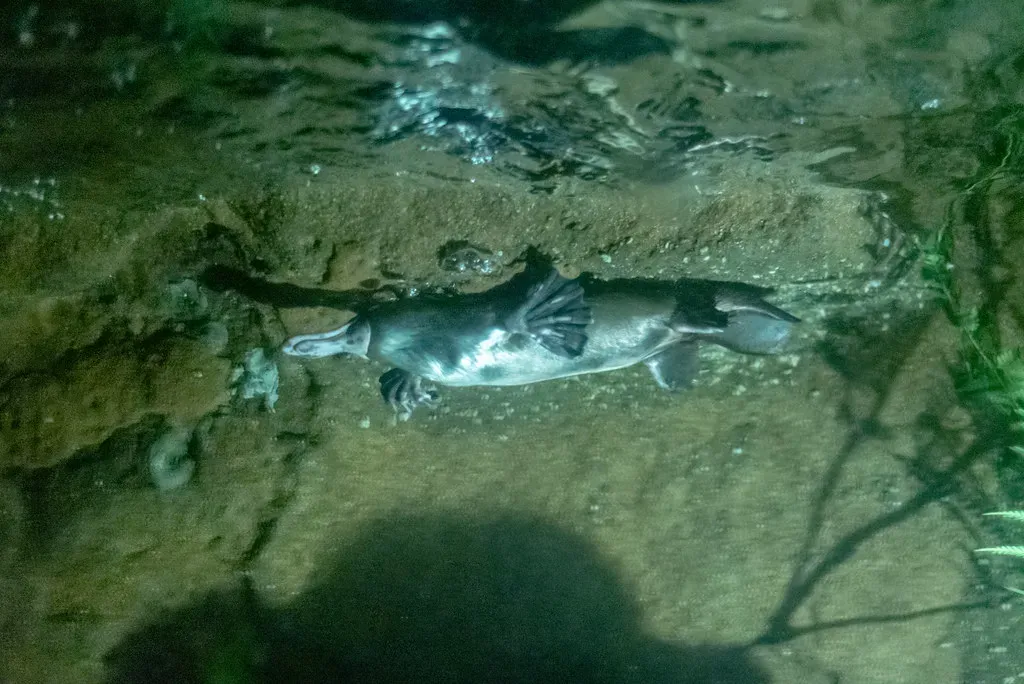
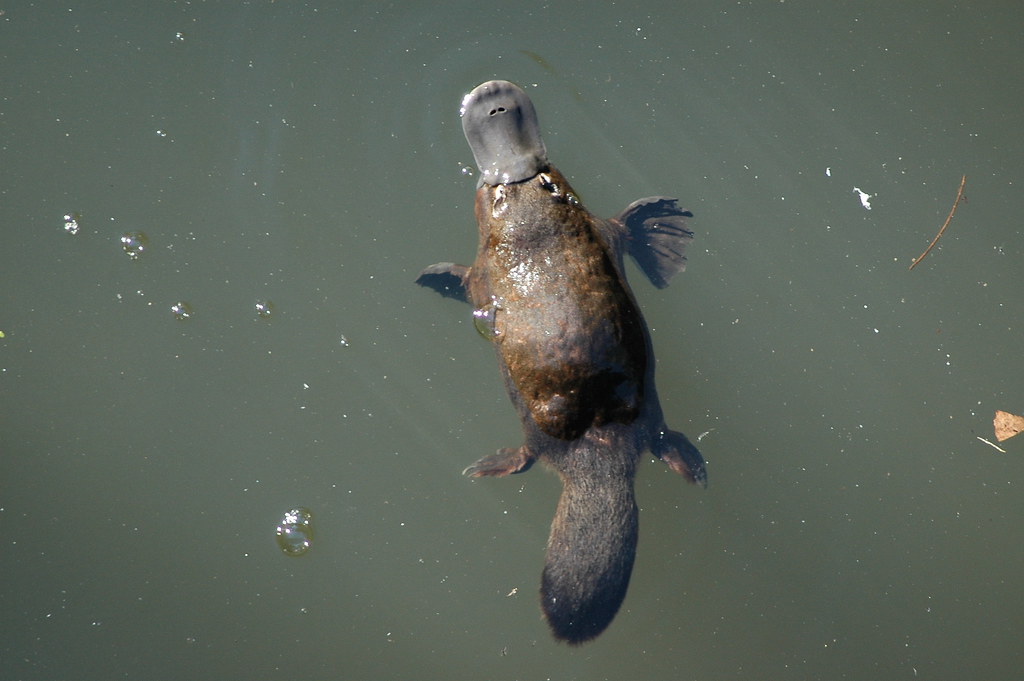
The platypus already looks like an animal assembled from spare parts, with a duck bill, beaver tail, and otter-like feet. But one of its strangest features is hidden inside that soft bill: a network of electroreceptors that let it detect faint electric fields from prey. When it dives, it closes its eyes, ears, and nostrils, hunting with a combination of touch and electrical sensing alone.
Little crustaceans and worms buried in riverbeds give off tiny electrical signals whenever they move, and the platypus can pick these up as it sweeps its bill side to side. It essentially builds a three-dimensional picture of what’s hiding in the mud without ever seeing it. This makes the platypus one of the few mammals in the world with a true electric sense. For a creature that already seems like nature’s inside joke, that extra superpower feels almost unfairly impressive.
8. Dolphins – Subtle Electric Sense in the Snout

Dolphins are well known for their sonar, but recent research has revealed that some species may also have a weak form of electroreception. In particular, certain river and coastal dolphins have small pits on their snouts where whiskers once were in their early development. These pits contain cells that appear capable of detecting very faint electric fields, especially from buried or hidden prey.
In murky rivers or near shorelines where visibility is poor, that extra sense can make the difference between a missed meal and a successful hunt. Dolphins are already expert hunters using sound, cooperation, and speed, so adding electric detection is like giving an elite athlete a bonus tool. It’s not as dramatic as an electric eel’s shock, but in terms of precision, it’s incredibly valuable. It reminds me how often nature layers subtle abilities on top of obvious ones, like hidden bonus features in an app you thought you already knew.
9. Knifefish – Electrical Fencers of the Night
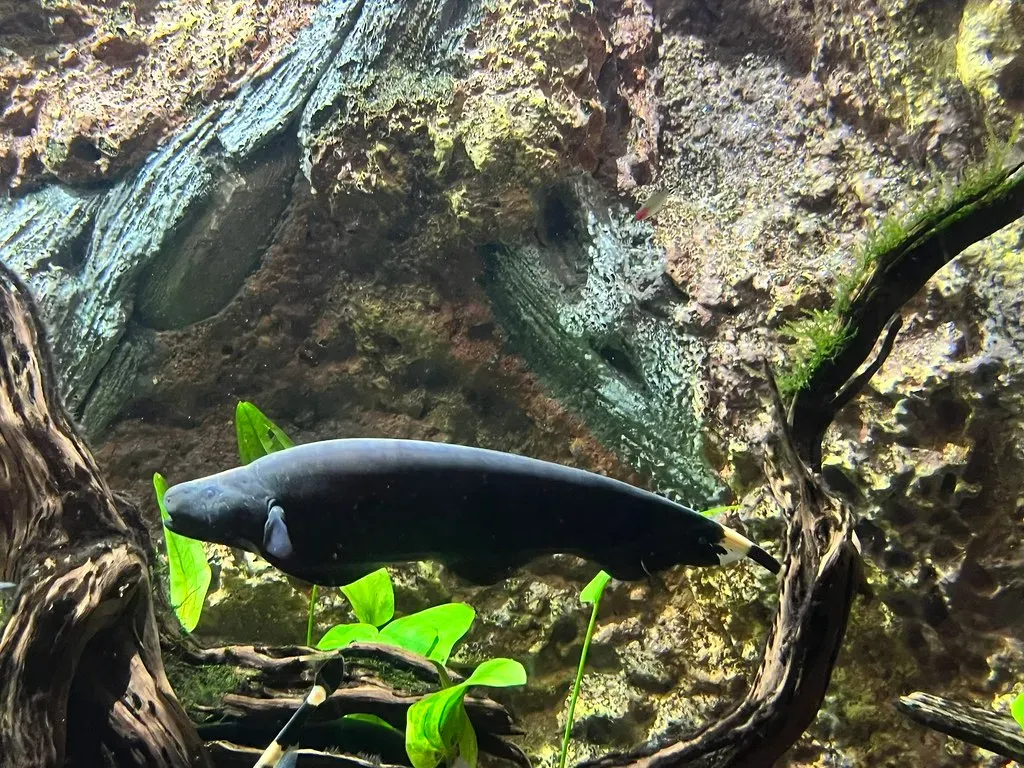
Knifefish, especially those in South America, are some of the most refined users of weak electric fields. Their long, ribbon-like bodies glide through the water with almost eerie smoothness, generating a stable electric field with organs running along their sides. They use this for electrolocation and communication, but also for maneuvering with absurd accuracy in cluttered environments.
These fish often live in complex habitats filled with roots, branches, and uneven terrain, where vision is blocked. Their electric field lets them “see” every obstacle and opening as they weave through tight spaces in the dark. Different species have distinct electric rhythms, which help them avoid confusing each other’s signals when they share the same waters. Watching video of them swimming at night, it’s hard not to think of fencers moving through a dimly lit room, guided by an internal map no one else can see.
10. Elephantnose Fish – Tiny Brain, Huge Electric Talent
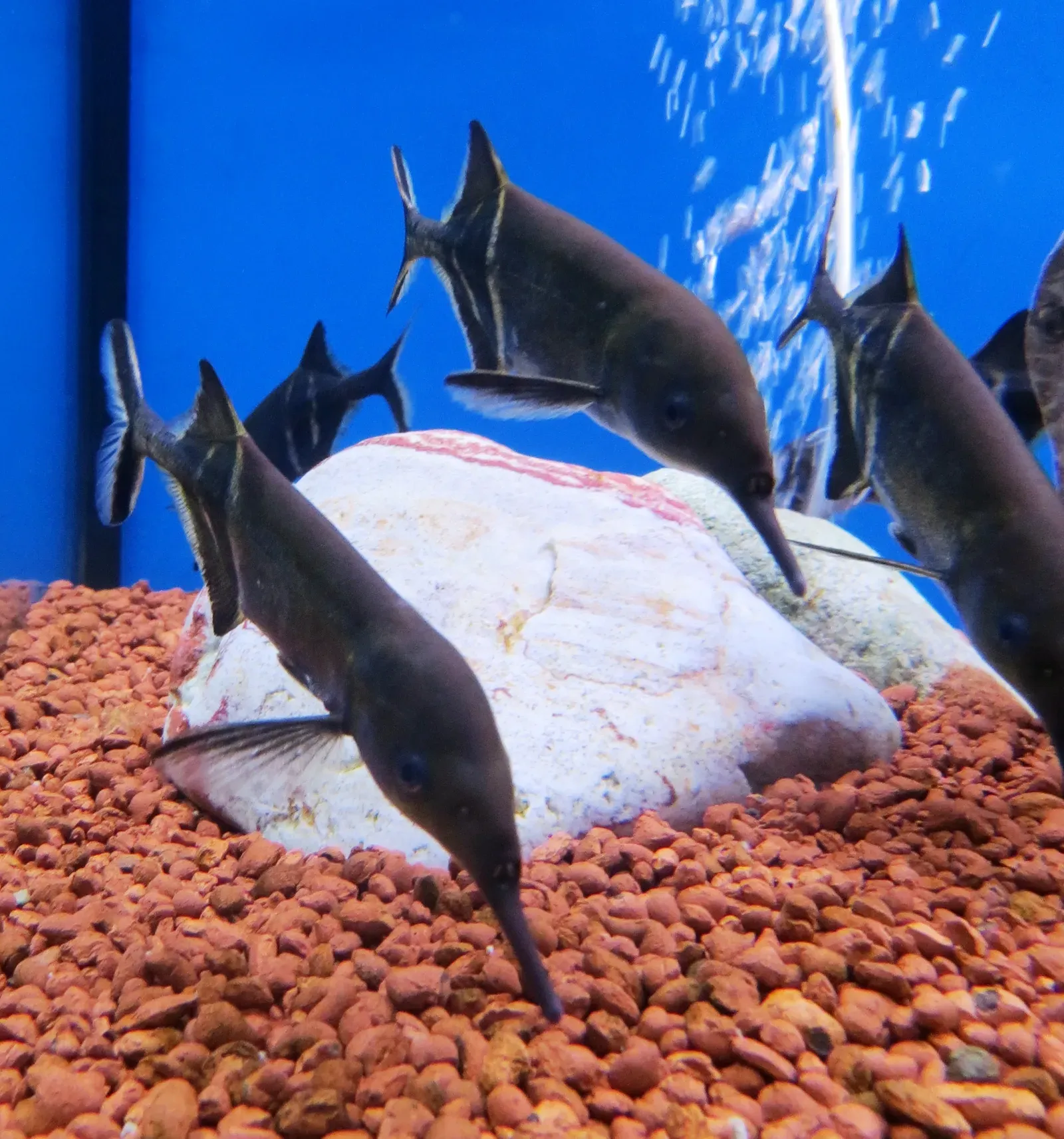
The elephantnose fish from African rivers is small, but its electric abilities are astonishing. It has a long, trunk-like extension on its face, and behind that somewhat funny appearance is a brain region devoted to processing electric signals that is unusually large for a fish. It generates weak electrical pulses that ripple out around its body, then reads the way they’re changed by rocks, plants, and living creatures.
It uses this sense to find insect larvae and other small prey hidden in muddy riverbeds, often at night when visibility is poor. These fish can even distinguish different types of objects based on how they affect the electric field, sort of like recognizing the difference between fabric and metal just by touch. Some studies suggest they may learn and refine their electric “maps” over time, improving their hunting efficiency. For a fish that fits in your hand, it operates more like a delicate scientific instrument than a simple river dweller.
A Hidden World of Electric Lives
All of these animals, from eels and rays to platypuses and dolphins, live in a world most of us never feel: a world of faint pulses, tiny currents, and invisible fields. To them, electricity is not just a shock hazard; it’s a language, a flashlight, a weapon, and a GPS system rolled into one. In dark rivers, cloudy seas, and murky lakes, it often matters more than sight.
Whenever I think about these creatures, I’m reminded that our human senses show us only a slice of reality. While we focus on what we can see and hear, they’re tuned into a layer of information that hums quietly beneath everything alive. The next time you look at a river or the ocean, it’s worth pausing to imagine the electric conversations and secret hunts happening just out of reach. Which of these electric superpowers surprised you the most?