
If you strip the universe down to its barest bones, past galaxies and stars and atoms and even the particles inside atoms, you end up with something surprisingly simple: just a handful of forces pulling the cosmic strings. Every collision, every beam of light, every breath you take is choreographed by the same invisible rules that shape black holes and blazing suns.
What sounds almost mystical is actually incredibly precise. Modern physics says that behind all this chaos, only a few fundamental forces are at work, weaving reality together like threads in a vast, tangled tapestry. The wild part? We still don’t fully understand all of them. Let’s walk through the five forces that, as far as we know today, rule everything from your coffee cup to the edge of the observable universe.
1. Gravity: The Sculptor of Space and Time
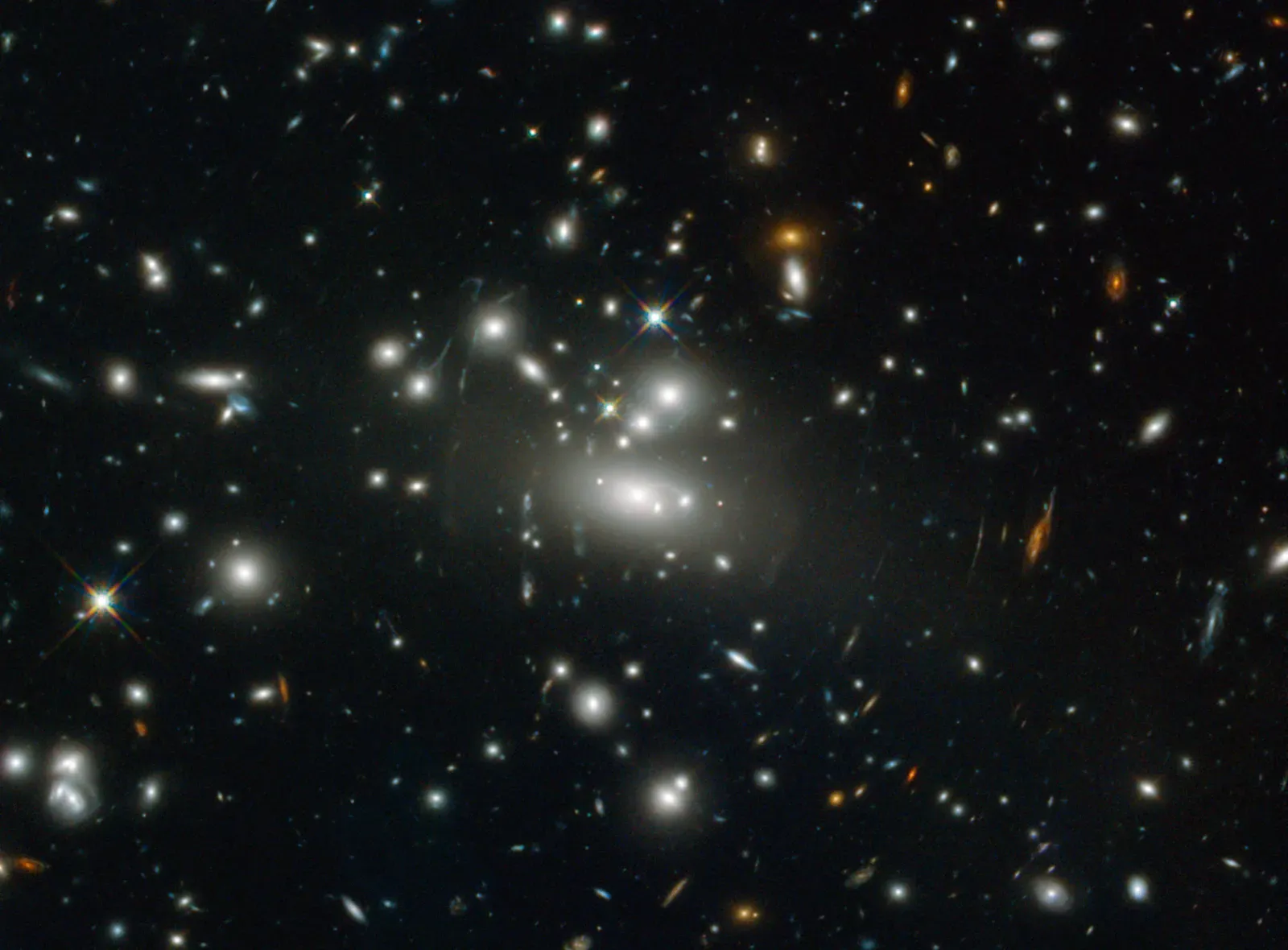
Imagine throwing a ball into the air and watching it fall, then zooming out until that simple motion turns into planets orbiting stars and galaxies swirling in cosmic dance. That’s gravity at work, doing the same basic thing on wildly different scales. Gravity is the force of attraction between masses, and while it feels weak in everyday life (you can jump off the ground, after all), it completely dominates on the scale of planets, stars, and galaxies because it always attracts and never cancels out.
Einstein took gravity to another level by showing that it isn’t really a force in the traditional sense but a bending of space and time themselves. Massive objects like Earth or the Sun warp the fabric of spacetime, and smaller objects simply follow those curves, like marbles rolling around a dented trampoline. I still remember the first time I saw a simple classroom demo of this with a stretched-out sheet and a heavy ball in the middle – it felt almost eerie how neatly it explained orbital motion. Gravity is also responsible for black holes, gravitational waves, and even time running at slightly different speeds at different altitudes on Earth.
2. Electromagnetism: The Force Behind Light, Life, and Technology
Turn on a light, charge your phone, feel the warmth of sunlight on your face – electromagnetism is behind all of it. This force acts between particles with electric charge and is carried by photons, the particles of light. Unlike gravity, electromagnetism can both attract and repel, which is why atoms don’t just collapse into each other and why your chair doesn’t let you fall straight through the floor. The electric fields of the atoms in your body and the chair push back, giving you the comforting illusion of solidity.
On a deeper level, electromagnetism holds atoms and molecules together, driving the chemistry that makes life possible. Every nerve signal in your body is an electromagnetic event, a carefully choreographed dance of ions and electric fields. It also underpins almost all modern technology: radios, Wi‑Fi, MRI machines, fiber optics, you name it. If gravity is the grand architect of the cosmos, electromagnetism is the electrician wiring up everything inside it, from your brain to the internet.
3. The Strong Nuclear Force: The Cosmic Superglue
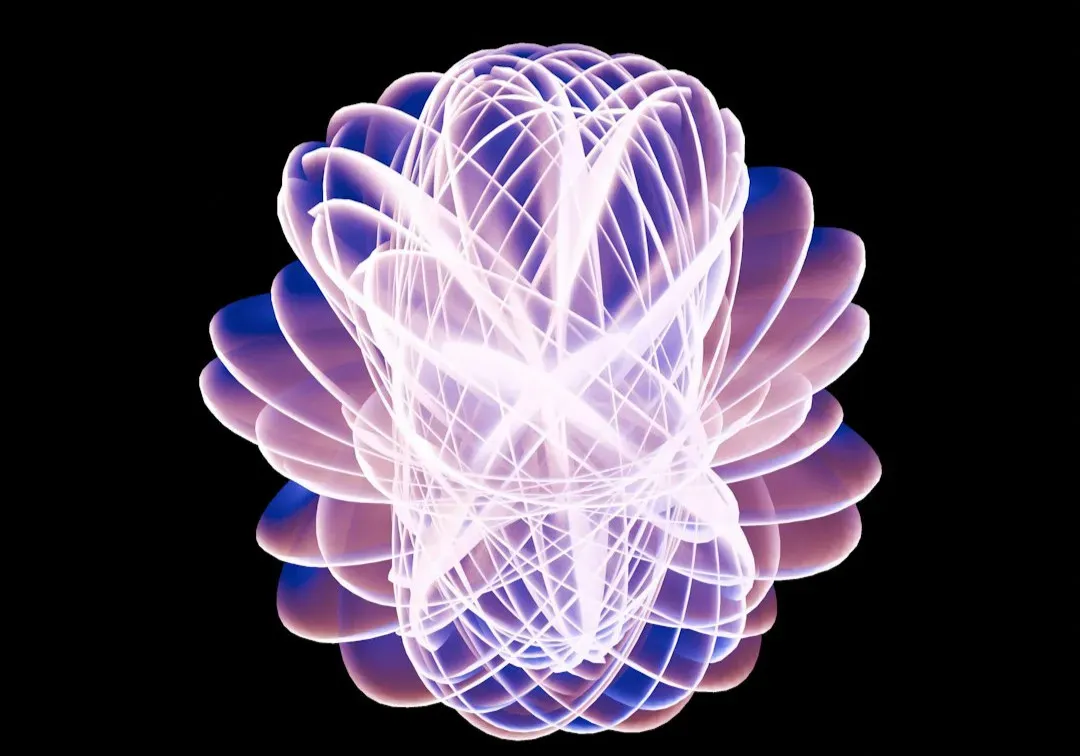
If you’ve ever wondered why atomic nuclei don’t just blow apart from the intense repulsion between positively charged protons, the answer is the strong nuclear force. This is the mightiest of all known forces, so powerful that it overwhelms electromagnetic repulsion at tiny distances inside the nucleus. It binds quarks together to form protons and neutrons, and then binds those protons and neutrons together into nuclei, acting over a range so small that it might as well be the width of a speck of dust compared to a galaxy.
The strong force is carried by particles called gluons, and the name really fits: they act like the ultimate glue in the subatomic world. This force is also what makes nuclear energy possible, both in power plants and in the terrifying destructive power of nuclear weapons. In stars, changes in nuclear binding energy release the energy that eventually becomes starlight. Without the strong nuclear force, there’d be no stable atoms, no chemistry, no stars – just a dull soup of particles drifting in a dead universe.
4. The Weak Nuclear Force: The Subtle Shaper of Stars and Matter
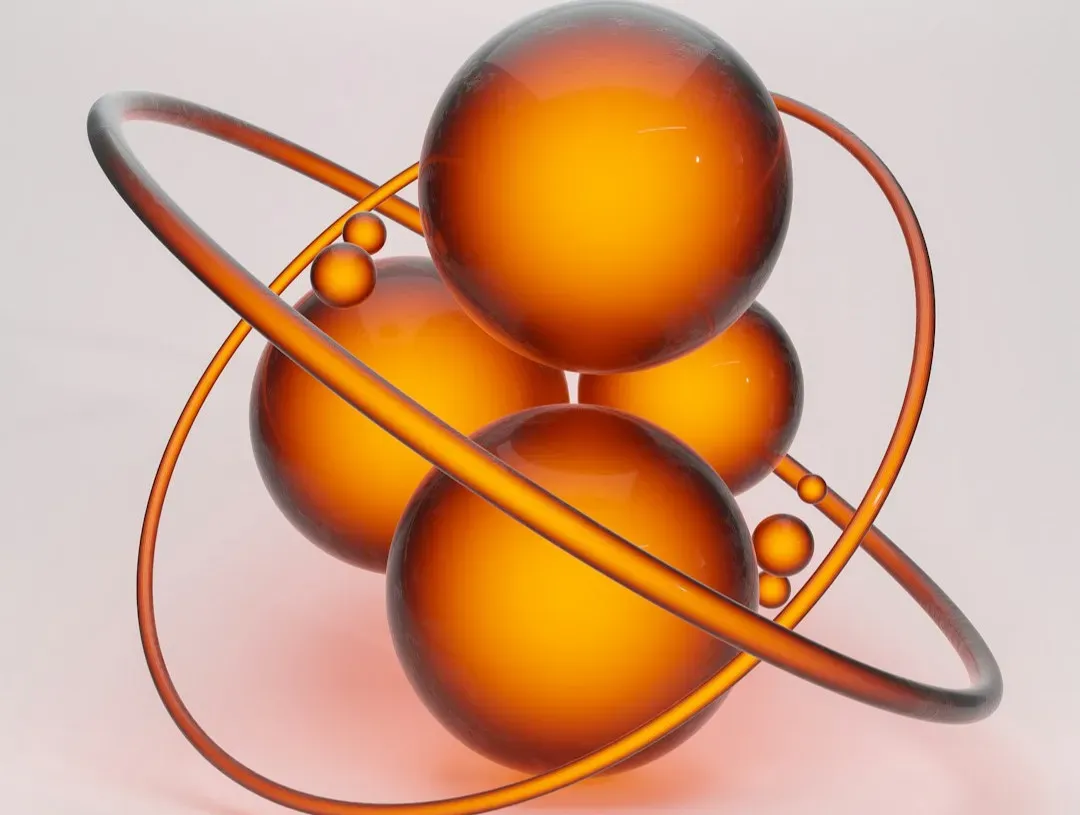
The weak nuclear force doesn’t have the brute strength of the strong force or the sweeping reach of gravity, but it quietly changes the very identity of particles. It governs certain types of radioactive decay, allowing particles like neutrons to transform into protons, electrons, and neutrinos. This identity-swapping power is why the weak force plays a starring role in processes that change one element into another, especially inside stars.
In the heart of the Sun, the weak force helps turn hydrogen into helium, releasing energy that eventually makes its way out as light and warmth. Without it, the Sun simply wouldn’t shine the way it does, and Earth would be a frozen rock wandering through space. The weak force also helps explain why there is more matter than antimatter in the observable universe, though that mystery is still not fully solved. It’s like the quiet character in a story who rarely speaks but moves the entire plot forward when they do.
5. The Mysterious Dark Sector: Dark Matter and Dark Energy
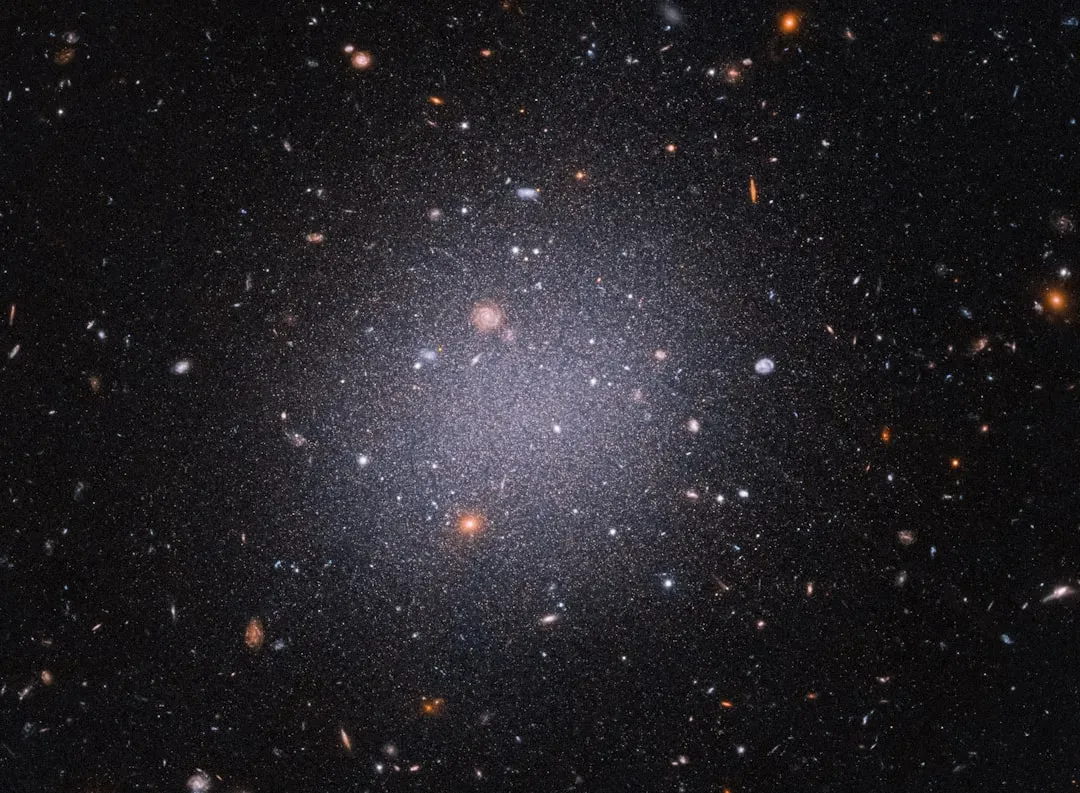
Here’s where things get really strange. When astronomers carefully measure galaxies and the large-scale structure of the universe, they find that the matter we can see – stars, gas, dust, planets – accounts for only a small fraction of what appears to be out there. The motions of stars in galaxies and the bending of light by gravity point to a huge amount of invisible mass called dark matter. It interacts gravitationally but doesn’t emit, absorb, or reflect light in any way we can detect so far, which makes it feel like an enormous cosmic ghost.
Then there’s dark energy, which behaves more like a property of space itself than a conventional force but acts with a kind of anti-gravity effect, driving the accelerated expansion of the universe. Together, dark matter and dark energy seem to make up the vast majority of the universe’s contents, yet we still don’t know what they actually are in detail. Some physicists think there may be new fundamental fields or forces at play in this so‑called dark sector, beyond the four already well-established ones. It’s a bit humbling to realize that most of what shapes the cosmos is still essentially a question mark on the chalkboard.
Living in a Universe of Invisible Threads
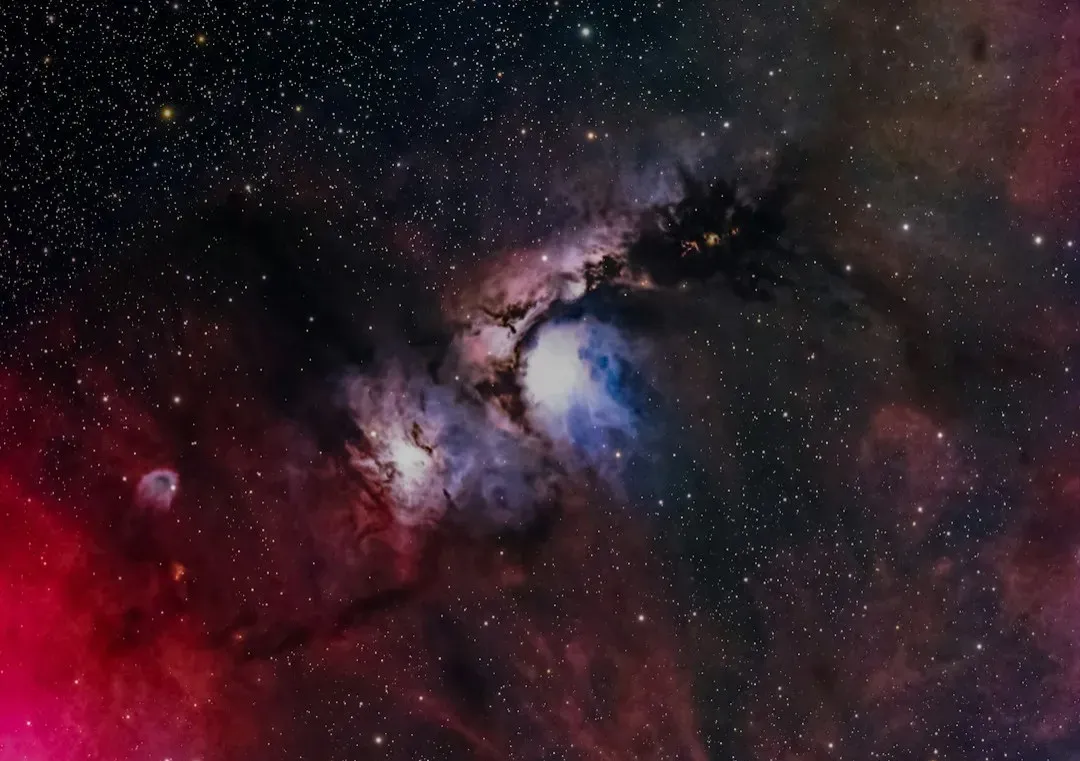
From the fall of an apple to the birth of a star, the same small set of forces is always backstage, pulling the strings. Gravity sculpts the large-scale structure of the universe, electromagnetism lights it up and powers our lives, the strong force builds the atomic cores, the weak force lets matter transform and stars burn steadily, and the dark sector lurks in the background, steering the universe’s fate in ways we’re only beginning to glimpse. It’s a simple cast with an incredibly complicated performance.
What strikes me most is how personal all this really is. The calcium in your bones, the iron in your blood, the light hitting your eyes right now – all of it is a direct expression of these forces doing their thing for billions of years. We’re not just observing the laws of the universe from the outside; we’re built out of their consequences. When you think about your day today, does it feel any different knowing that every moment is written in the language of these five forces?