If you think the world has already lost its sense of wonder, nature is quietly out there proving you wrong in the most dramatic ways possible. From glowing oceans and blood-red waterfalls to literal clouds that look like alien motherships, our planet is constantly flexing in ways that feel more like special effects than reality.
What makes these phenomena so gripping isn’t just how they look, but the strange stories, science, and raw power behind them. Some defy our intuition, some flip our sense of scale, and some just make you go, “Wait, that actually happens?” Let’s walk through eight natural wonders that sound fake, look surreal, and are absolutely, undeniably real.
1. Bioluminescent Seas That Glow Like Liquid Stars
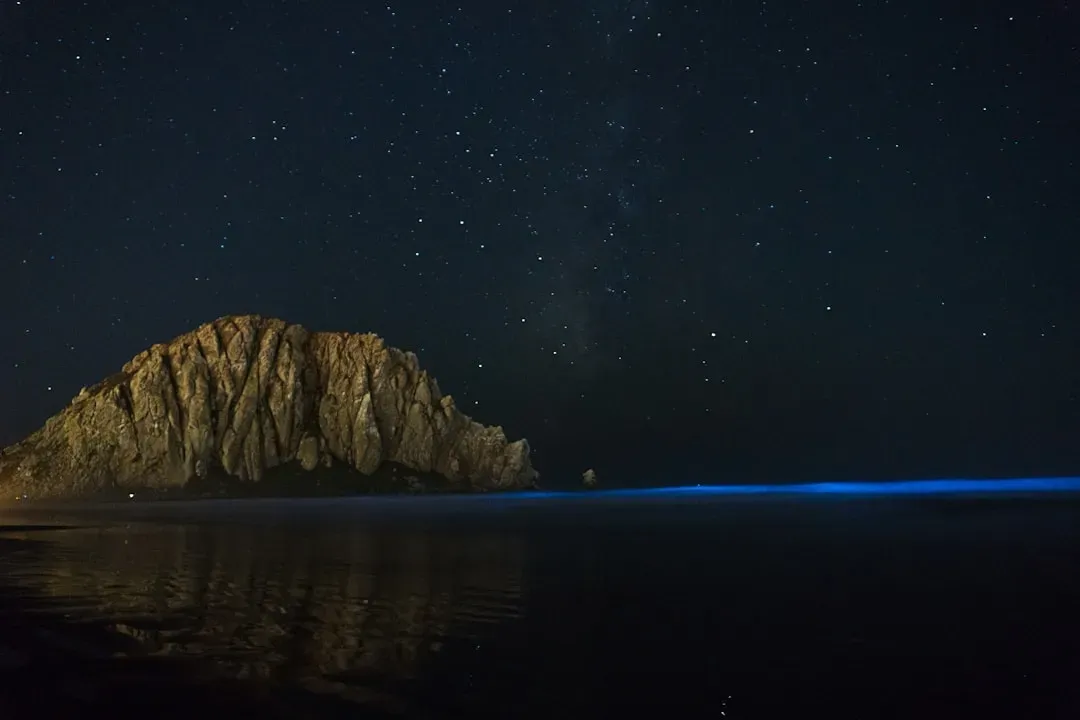
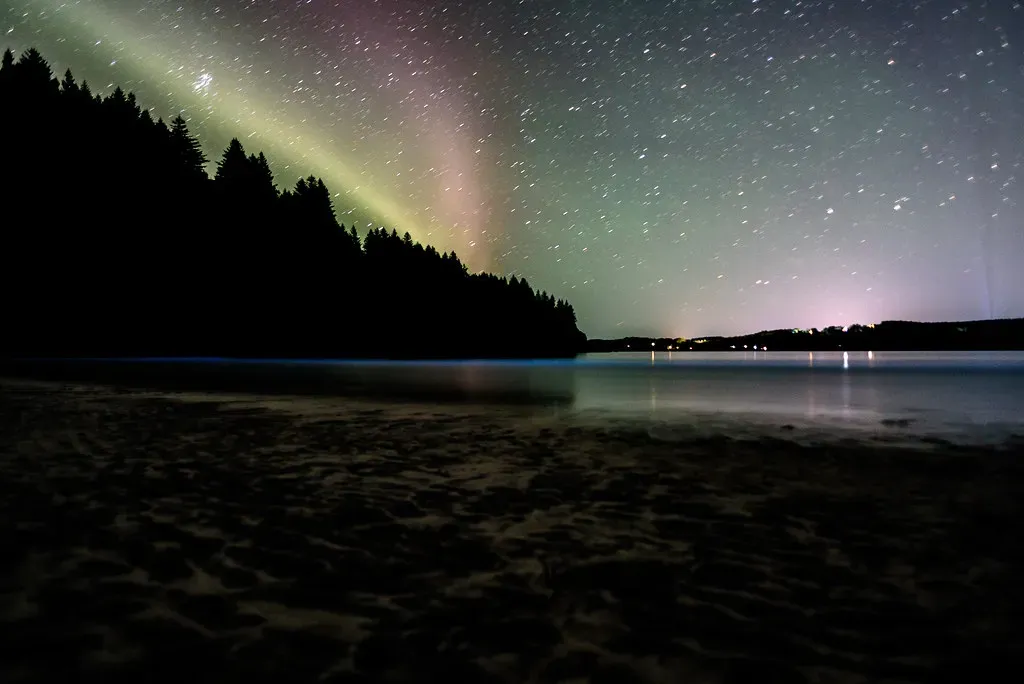
Imagine walking along a beach at night and with every step, the waves explode into electric blue light, like you’re wading through the Milky Way. That isn’t a movie scene; it’s bioluminescence, caused by tiny marine organisms, often single-celled plankton called dinoflagellates, that emit light when they’re disturbed. It looks almost supernatural, but it’s basically a chemical reaction: a light-producing molecule and an enzyme combining in the presence of oxygen.
These ghostly blue shores can be seen in places like Mosquito Bay in Puerto Rico, parts of the Maldives, and some coastlines in California and Australia during bloom events. I saw it once off a quiet beach, and the moment my hand sliced through the water and lit it up, I honestly felt like I’d broken some rule of physics. The catch is, pollution and changing water temperatures can disrupt these plankton, so the most spectacular displays are becoming more fragile. The magic, as beautiful as it is, is also a reminder of how delicate marine ecosystems really are.
2. Blood Falls: The Antarctic Waterfall That Looks Like It’s Bleeding
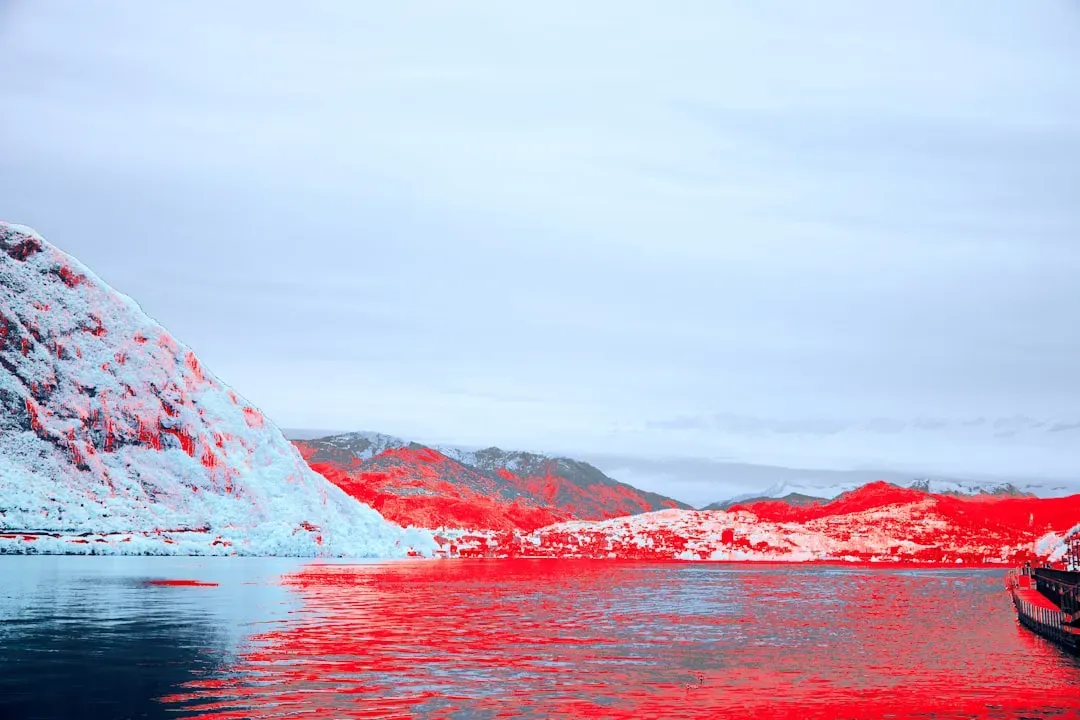
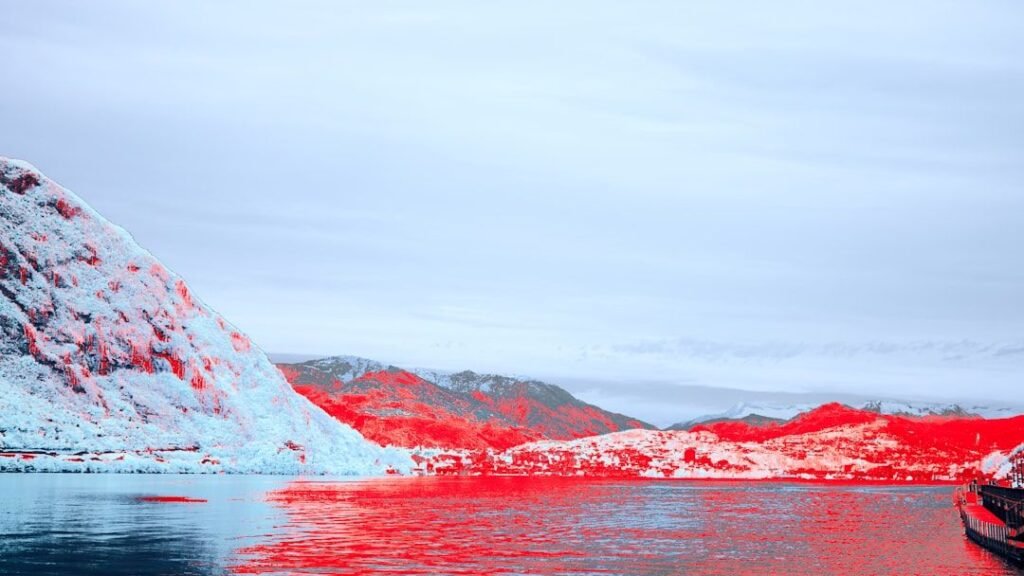
On the surface of Taylor Glacier in Antarctica, a rusty-red waterfall spills out across pristine white ice, looking disturbingly like the glacier is bleeding. For a long time, early explorers had no clue what they were looking at, and the sight honestly still feels unsettling, like a wound on the frozen landscape. It’s not blood, of course, but super-salty water rich in iron that’s been trapped underground for millions of years.
When that iron-heavy water hits the air, it oxidizes and turns deep red, just like metal rusting. What’s wild is that scientists found hardy microbes living in that ancient, oxygen-poor brine, surviving in darkness under the ice. It’s like a tiny alien ecosystem hiding under our feet. This strange waterfall doesn’t just look dramatic; it helps researchers imagine how life might survive on icy worlds like Mars or Jupiter’s moon Europa.
3. Catatumbo Lightning: The Storm That Almost Never Stops
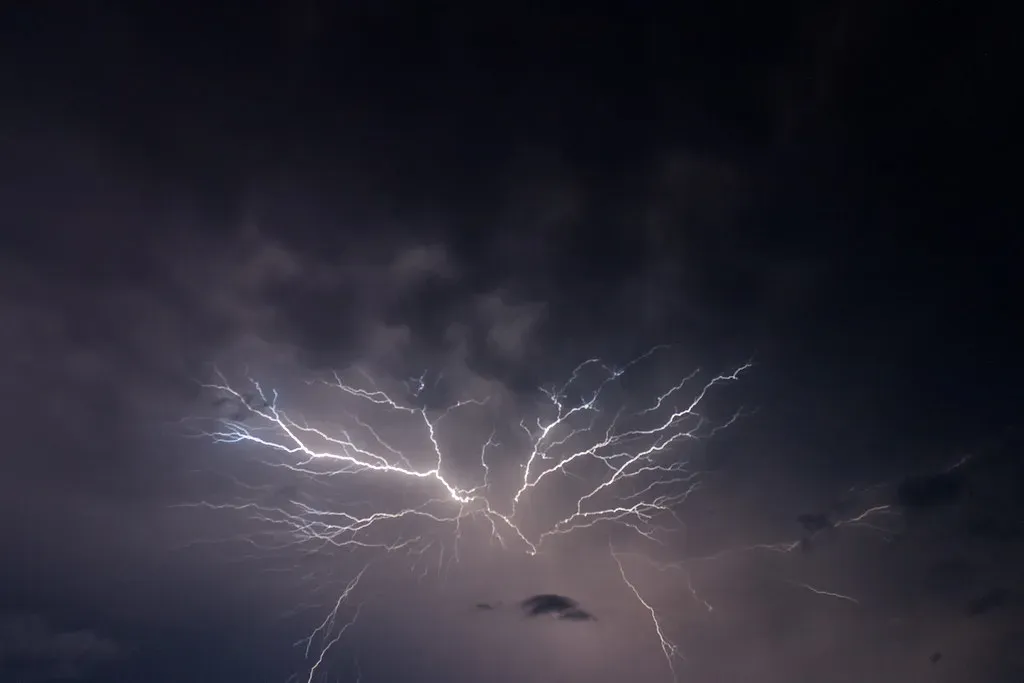
Over Lake Maracaibo in Venezuela, the sky erupts with lightning so frequently that locals call it a never-ending storm. On many nights of the year, bolts flash across the clouds for hours, sometimes on hundreds of nights annually, turning the sky into a flickering light show. From a distance, it looks like the horizon is under constant strobe lights, and you can imagine how terrifying that must have been before people understood what lightning even was.
This phenomenon, called Catatumbo lightning, happens where warm, moist air from the lake collides with cooler air from the Andes mountains, creating near-perfect storm conditions over and over. The area’s shape and winds trap the systems in place, like a natural lightning factory. It’s so regular that sailors once used it as a natural lighthouse. But even this “endless” lightning varies with climate patterns, reminding us that even the most extreme and reliable display of nature is still at the mercy of changing conditions.
4. Monarch Butterfly Super-Migrations That Turn Forests Orange

Every year, millions of monarch butterflies travel astonishing distances across North America, some flying thousands of kilometers to reach their wintering grounds in Mexico or California. When they arrive, they cover trees so densely that branches look like they’re made of fluttering orange leaves. Stand under one of those trees, and the air feels alive, like the whole forest is quietly breathing in color.
What blows people’s minds is that the individual butterflies that set out on this journey are not the same ones that return; it takes multiple generations to complete the full route. Yet somehow, new generations still find the same mountain valleys and groves their great-grandparents used. Scientists think they use a mix of the sun’s position, Earth’s magnetic field, and environmental cues. Habitat loss, pesticides, and climate change have put serious pressure on these migrations, turning a once “always there” natural miracle into something that now hangs in the balance.
5. Lenticular Clouds: The UFOs That Aren’t
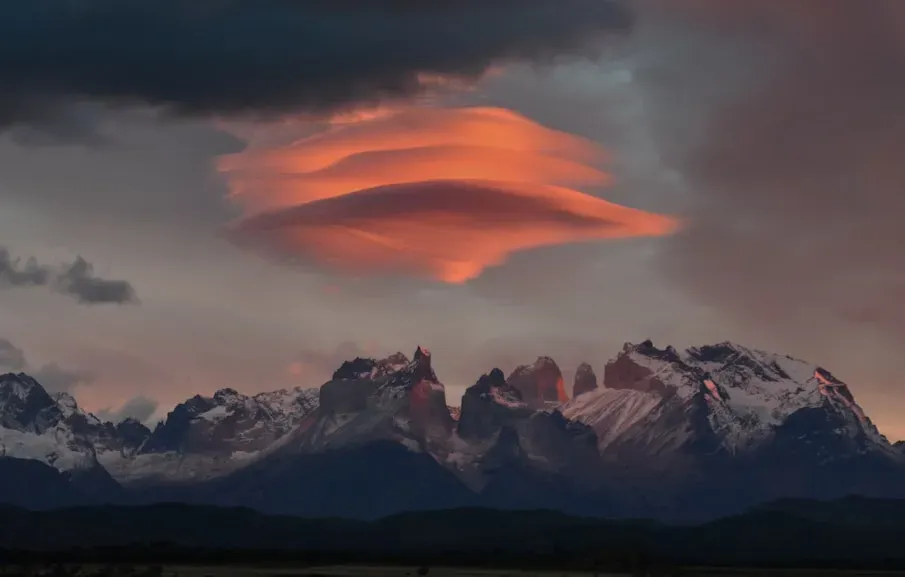
Every so often, people look up, see a smooth, saucer-shaped cloud hovering over a mountain, and swear they’re looking at a UFO mothership. Those are lenticular clouds, and they’re some of the most eerie and photogenic formations in the sky. They stack in layers, form sharp edges, and just kind of hover, almost motionless, even while the rest of the sky is clearly moving.
These clouds form when moist air flows over mountains and hills, creating standing waves in the atmosphere. Where the air rises and cools, moisture condenses into clouds; where it sinks, the cloud evaporates, so the formation seems parked in place. Pilots tend to give them respect because they can signal strong turbulence. From the ground, though, they look like nature is testing out sci‑fi concepts, reminding us that even something as everyday as water vapor can shape itself into something deeply strange.
6. Sailing Stones That Move Themselves Across a Desert
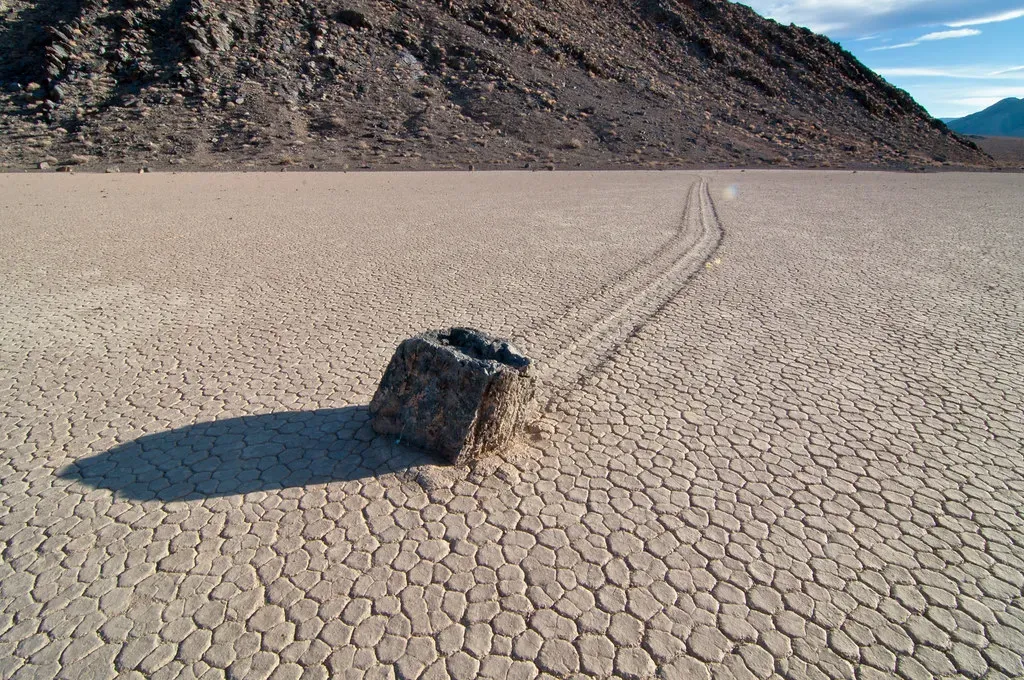
In California’s Racetrack Playa, heavy rocks somehow slide across the dry lakebed, leaving long, etched trails in the cracked mud. For decades, no one had actually seen them move, but the evidence was literally carved into the ground: stone after stone with a line behind it, like they’d been dragged by an invisible hand. It felt like a prank pulled by the desert itself.
Careful observation and time-lapse cameras eventually solved it: in rare conditions, a thin layer of water and ice forms under and around the stones. When the ice breaks up into floating panels and a light wind blows, the rocks can glide slowly along the slick surface, leaving their trails behind as the mud dries. It’s not fast or dramatic, but it’s relentless. The most fascinating part is how long the mystery lasted simply because the movement was so subtle and rare that almost nobody was there to witness it in real time.
7. Morning Glory Clouds: The Sky’s Rolling Tsunami
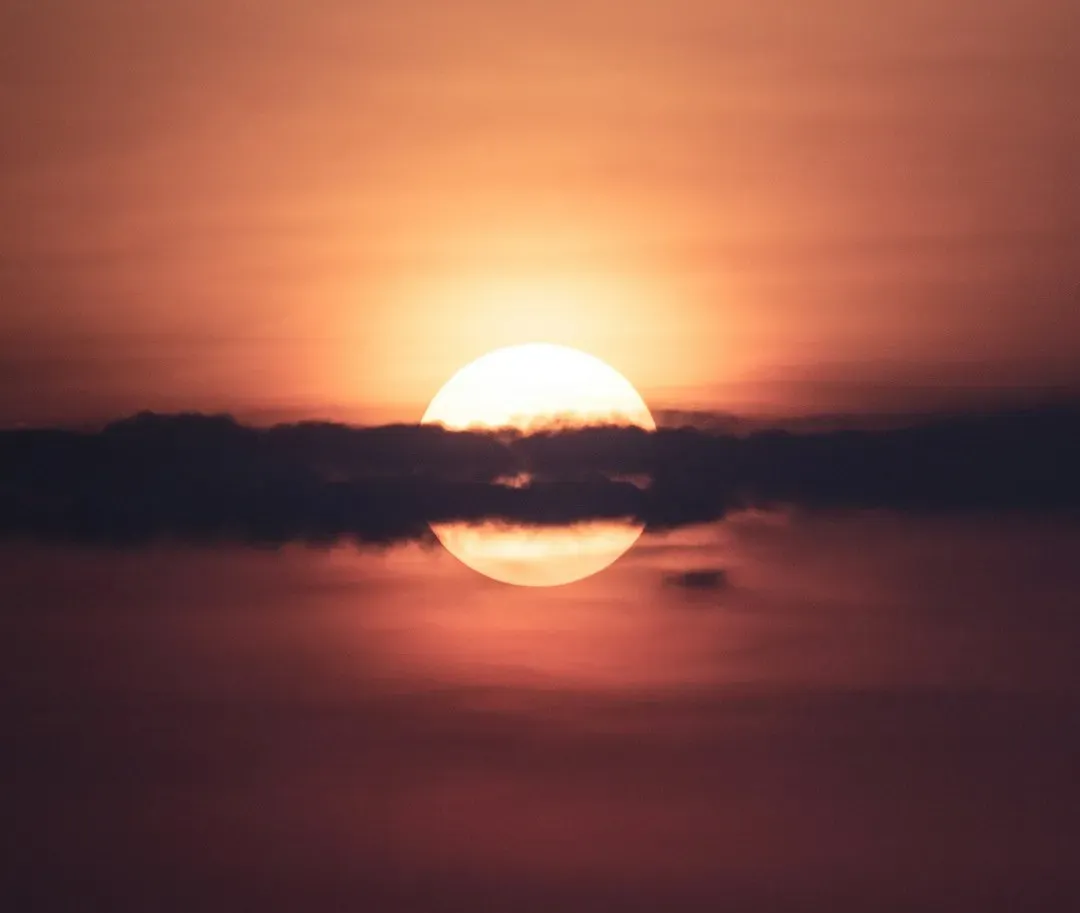
In remote parts of northern Australia, especially around the Gulf of Carpentaria, people sometimes wake up to find the sky dominated by gigantic rolling cloud tubes stretching for hundreds of kilometers. These are morning glory clouds, and they look exactly like the atmosphere is doing a slow-motion barrel roll. Seeing one approach feels like watching a giant, soft-edged tsunami silently sweep across the sky.
They form when specific temperature inversions, sea breezes, and local geography line up just right, creating long, rolling waves in the lower atmosphere that condense into tube-shaped clouds. Glider pilots are obsessed with them, because the rising air on the leading edge can provide long, smooth rides. You can’t schedule them like a concert, though; they’re rare, seasonal, and fussy about conditions. The fact that such a dramatic pattern can appear and vanish in a few hours makes it feel like a private performance for whoever happens to be looking up that morning.
8. Ice Circles: Perfect Discs Spinning in Frozen Rivers
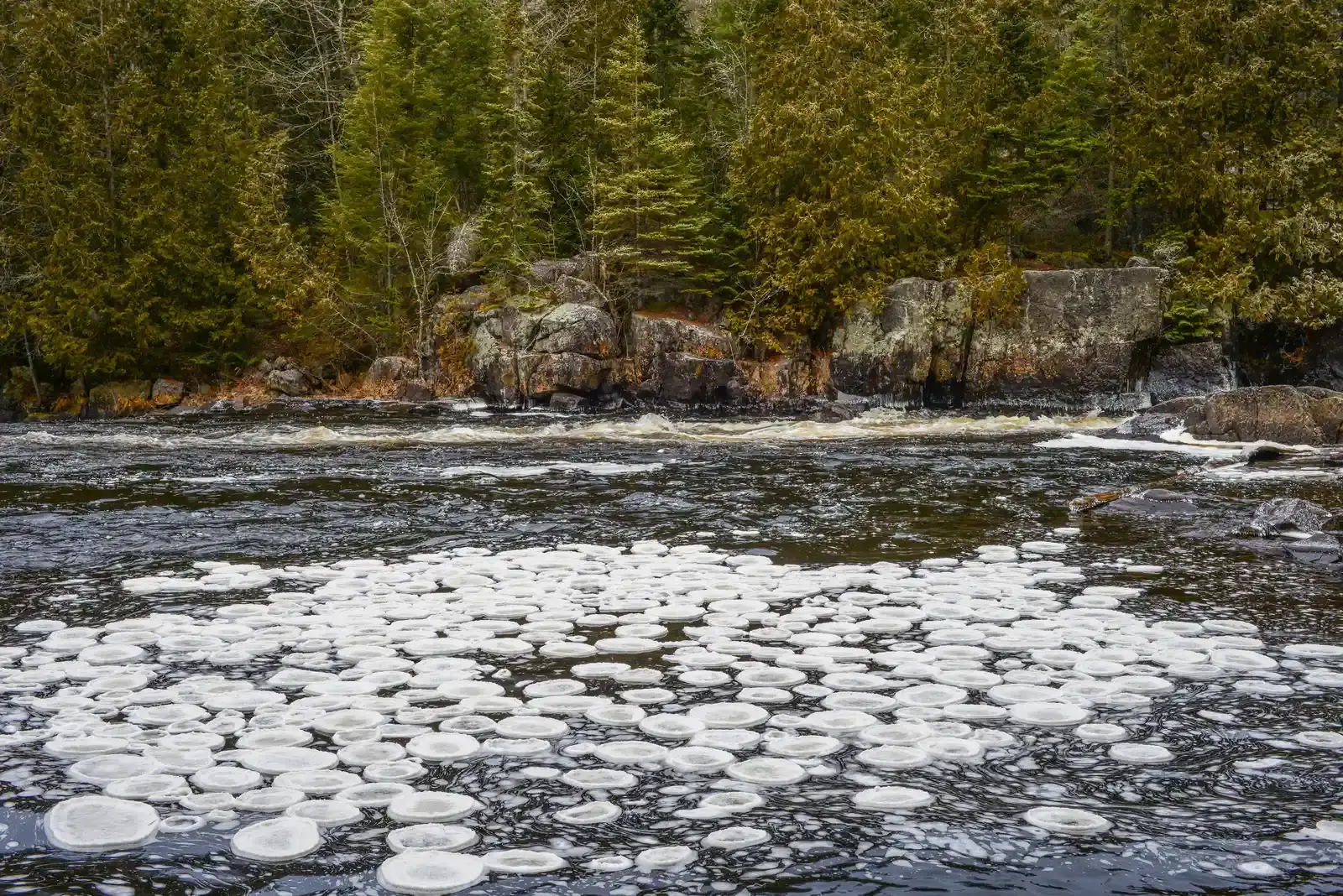
On cold winter days in some slow-moving rivers and streams, people sometimes spot enormous, nearly perfect circles of ice gently rotating on the water’s surface. At first glance, it looks as if someone cut out a giant disk with a cosmic cookie cutter and left it floating there. These ice circles can be a few meters wide or much larger, and they spin so smoothly that they almost seem animated.
They form when a chunk of ice starts rotating in a current and slowly grinds itself into a circle, eroding its edges against surrounding ice and water. The constant motion, combined with very specific flow and temperature conditions, keeps the disk turning. They’re not common, but they’re real enough that people occasionally stumble upon them and assume it must be an art project or a hoax. There’s something oddly calming about them: a quiet, hypnotic reminder that even simple physics can sculpt the world into shapes that feel deliberate.
A Planet That Still Knows How To Surprise Us
For all our satellites, simulations, and endless data, the Earth keeps throwing curveballs that look like they belong in fantasy stories, not in field guides. Glowing oceans, bleeding glaciers, whispering clouds, migrating forests of butterflies, and stones that slowly walk across the desert all quietly insist that reality has more imagination than we do. The more you learn about how these things work, the less the world feels dull and predictable.
We tend to think wonder is something we lose as we grow up, but it’s really just something we stop looking for. These phenomena are not decorations; they’re signals that our planet is alive, complex, and still full of unanswered questions. The next time someone says there’s nothing new left to see, you can point them toward a glowing shoreline or a spinning ice circle and let nature argue back for itself. Which of these would you most want to see with your own eyes?