


Most of us treat sleep like a background app: we only notice it when it crashes. We joke about being tired, power through on coffee, and then lie awake at night wondering why our brains feel like scrambled eggs the next day. Yet every night, whether we remember it or not, our minds run a stunningly complex program of sleep stages and dreams that quietly shape who we are, what we remember, and even how we feel about our lives.
Sleep isn’t just a pause button, and dreams aren’t random movie trailers in our heads. They’re more like a secret overnight workshop where the brain cleans up, files away the day, tests out possibilities, and rehearses emotional scenarios we’re not brave enough to face while awake. Once you understand what’s actually happening in your brain while you sleep, it becomes almost impossible to treat sleep as optional or unimportant anymore.
The Brain’s Night Shift: What Really Happens When You Fall Asleep

Have you ever had that weird falling sensation right as you’re drifting off, like your brain forgot how gravity works for a second? That’s one of the many clues that sleep is not just “on” or “off” but a carefully choreographed shift between different brain states. During a normal night, your brain cycles through light sleep, deep slow-wave sleep, and REM sleep multiple times, each with its own job and unique brainwave pattern.
In deep sleep, your brain waves slow down dramatically, your muscles fully relax, and your body enters a kind of serious repair mode. Later, during REM sleep, your brain lights up almost as much as when you’re awake, but your body is mostly paralyzed as if someone hit the emergency brake on your muscles. This back-and-forth rhythm doesn’t happen by accident; it’s controlled by complex networks involving the brainstem, hypothalamus, and your internal body clock. When that timing gets disrupted – by shift work, all-nighters, or late-night scrolling – your brain’s night shift can’t do its job properly, and you feel it the next day in ways that go way beyond a simple yawn.
Dreams as Memory Editors: How Sleep Rewrites Your Day

One of the most surprising things researchers keep finding is that your brain doesn’t just store memories after you experience something; it heavily edits them while you sleep. During deep slow-wave sleep, patterns of neural activity from your day replay in a kind of compressed fast-forward, especially in regions involved with learning and memory. It’s like your brain hits “save,” “organize,” and sometimes even “delete” on what happened over the past sixteen hours.
REM sleep then takes those memories and starts linking them in more creative, less literal ways, which is one reason dreams can feel so strange and symbolic. Skills you practiced, like a new language or a musical piece, are often strengthened after a good night’s sleep, while unimportant details quietly fade. I’ve had evenings where I was stuck on a problem for hours, went to bed frustrated, and then woke up with the solution as if it had been waiting on my mental doorstep. That’s the memory system using sleep to clean, reframe, and sharpen what really matters.
Emotional Detox: Why Your Feelings Need You To Dream

If you’ve ever woken up from a dream that felt so real it left your heart racing, you’ve felt how tightly dreams are tied to emotion. During REM sleep in particular, the brain regions involved in processing fear, threat, and social pain become highly active, while the chemical environment in the brain changes in ways that are quite different from waking life. It’s as if the brain is replaying emotional experiences, but in a softer, more manageable mode.
Researchers have found that sleep, and especially REM sleep, helps reduce the emotional intensity of painful memories while keeping the factual content. In other words, you remember what happened but slowly lose the sting of how it felt. When people are sleep-deprived, their emotional reactions become sharper, more extreme, and harder to control, like a volume knob stuck on maximum. Dreams can act like an overnight emotional therapist, helping you rehearse arguments, confront fears, and explore “what if” scenarios without the real-world consequences.
Cleaning House: How Sleep Washes Your Brain

One of the most dramatic discoveries in sleep science over the past decade is that your brain quite literally washes itself while you sleep. During deep sleep, the spaces between brain cells expand, and cerebrospinal fluid pulses through like a gentle tide, clearing away metabolic waste products that build up during the day. Among those waste products are proteins associated with neurodegenerative diseases, which has led scientists to suspect that chronically poor sleep might raise long-term risks for cognitive decline.
It’s a bit like running a dishwasher after a big dinner party; if you skip the cleaning cycle again and again, things start to get crusted, cloudy, and harder to fix later. When you constantly cut sleep short, you’re not just losing rest – you’re interrupting a vital cleaning process that your conscious mind can’t do by itself. That new, foggy feeling after several short nights isn’t just in your head; your brain is literally operating in a dirtier environment than it should be.
Body Under Repair: Sleep as Your Built-In Health System

While your conscious mind takes a break during sleep, your body gets busy with serious maintenance work. Levels of certain hormones shift dramatically overnight: some that help with tissue repair and muscle growth rise, while stress hormones fall during healthy sleep. Your immune system also seems to run nightly drills, building up defenses and learning to better recognize potential threats.
People who regularly sleep too little tend to get sick more often and take longer to recover, not just because they are tired but because their immune function is weakened. Blood sugar regulation and appetite signals also go off-balance when you shortchange sleep, which is one reason chronic sleep loss is linked with weight gain and metabolic problems. Sleep is less like a luxury spa day and more like a mandatory pit stop in a car race; if you keep skipping it, it’s only a matter of time before something breaks down on the track.
Creativity, Insight, and the Weird Genius of Dreams

Dreams have a reputation for being bizarre, and they absolutely deserve it, but that weirdness serves a purpose. When you’re dreaming, especially in REM sleep, your brain loosens the normal rules that keep your thoughts orderly during the day. Different networks communicate more freely, which allows unexpected combinations of ideas to surface, like mixing paint colors you’d never usually put together.
This relaxed, less filtered mode of thinking makes dreams a surprisingly powerful incubator for creativity and insight. Sometimes solutions appear in dreams not like a mystical message, but simply because the brain is trying out new connections without your inner critic constantly shutting them down. I’ve had late-night writing problems untangle themselves by morning, not because I worked harder, but because a dreaming brain quietly played with possibilities in the background. That ability to remix memories, emotions, and ideas may be one of the reasons human creativity is so stubbornly tied to rest rather than to nonstop grinding.
When Sleep Goes Wrong: What Insomnia and Nightmares Are Telling You
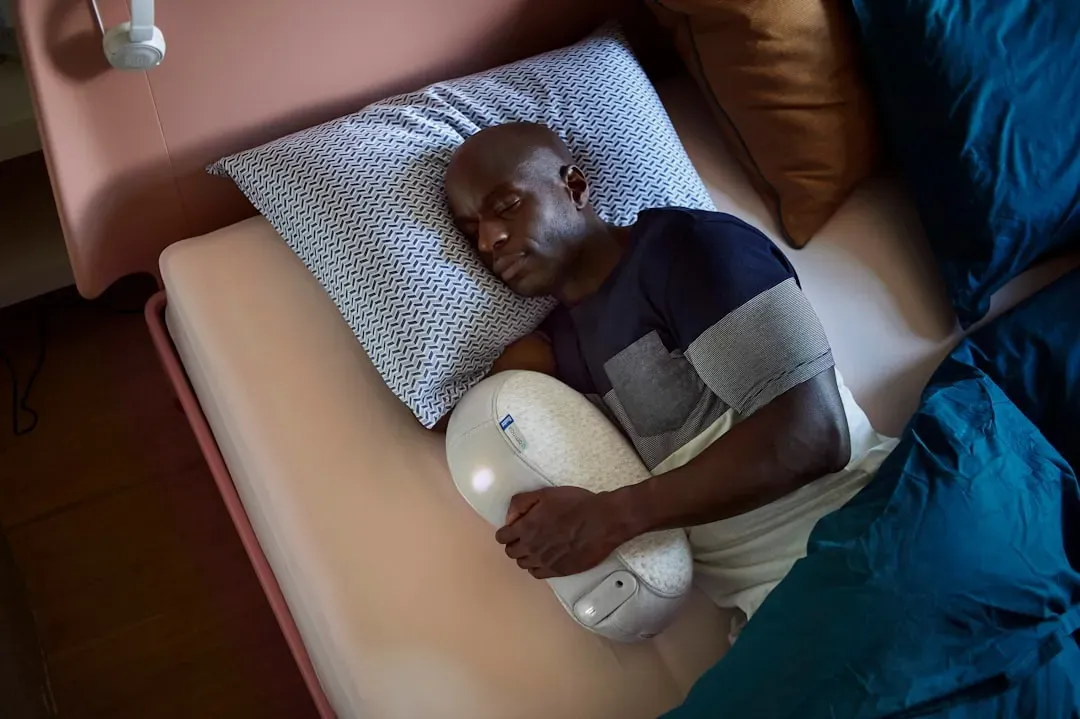
When sleep starts to break down – through insomnia, chronic short sleep, or frequent nightmares – it’s often a warning light, not just an annoying glitch. Insomnia can be driven by stress, anxiety, irregular schedules, or underlying medical issues, and it doesn’t just make you tired; it slowly erodes mood, focus, and even your sense of control over your own thoughts. Nightmares, especially recurring ones, can sometimes reflect unresolved fear or trauma that your brain keeps trying, and failing, to process properly during dreams.
Ignoring sleep problems is tempting in a culture that celebrates being busy, but the cost shows up everywhere: in relationships, work, mental health, and long-term physical well-being. Often, simple changes like consistent bedtimes, dimming screens, and giving yourself a real wind-down period make a bigger difference than people expect. And when that’s not enough, getting professional help is not a sign of weakness; it’s a sign that you understand how central sleep is to who you are. Your brain is loud about some problems and quiet about others – broken sleep is one of those quiet signals you don’t want to keep muting.
Treating Sleep Like a Skill, Not an Afterthought

It’s easy to think of sleep as something that just “happens,” but in reality, it behaves a lot more like a skill that gets better or worse depending on how you treat it. A stable wake-up time, regular exposure to morning light, and a calming pre-sleep routine can train your brain to recognize when it’s time to switch into its night-shift mode. Simple habits like keeping your bedroom cooler, darker, and quieter act like sending clear signals to your internal body clock instead of mixed messages.
When you start seeing sleep as an active part of your day rather than dead time, the trade-offs look different: staying up for one more episode or another hour of work feels less like winning and more like stealing from tomorrow’s brain. You protect your sleep the way you’d protect your phone battery on a long day, because you know you absolutely need it to function. Dreams stop feeling like strange, random visitors and start to look like what they really are: your brain doing deep, necessary work behind the scenes. In the end, sleep is not time lost but the foundation that quietly holds everything else together.


