
Look up at the night sky, and you might see a faint band stretching across the darkness. That’s our home, the Milky Way, a swirling cosmic metropolis containing hundreds of billions of stars. It’s easy to think of it as eternal, unchanging. That’s far from reality, though.
Our galaxy has lived through a violently dramatic history, enduring collisions, mergers, and cosmic upheavals that would make any disaster movie look tame. These weren’t small bumps in the night either. We’re talking about full-blown galactic catastrophes billions of years in the making. The Milky Way we inhabit today is essentially a patchwork quilt stitched together from the remnants of countless smaller galaxies and ancient cosmic events.
Scientists have only recently begun piecing together this turbulent backstory, thanks to missions like the European Space Agency’s Gaia spacecraft. Think of it as cosmic archaeology. By studying the motions, ages, and chemical fingerprints of millions upon millions of stars, astronomers can rewind the clock and glimpse what happened in those early, chaotic epochs. What they’ve discovered is nothing short of breathtaking.
The Birth of the Thick Disk
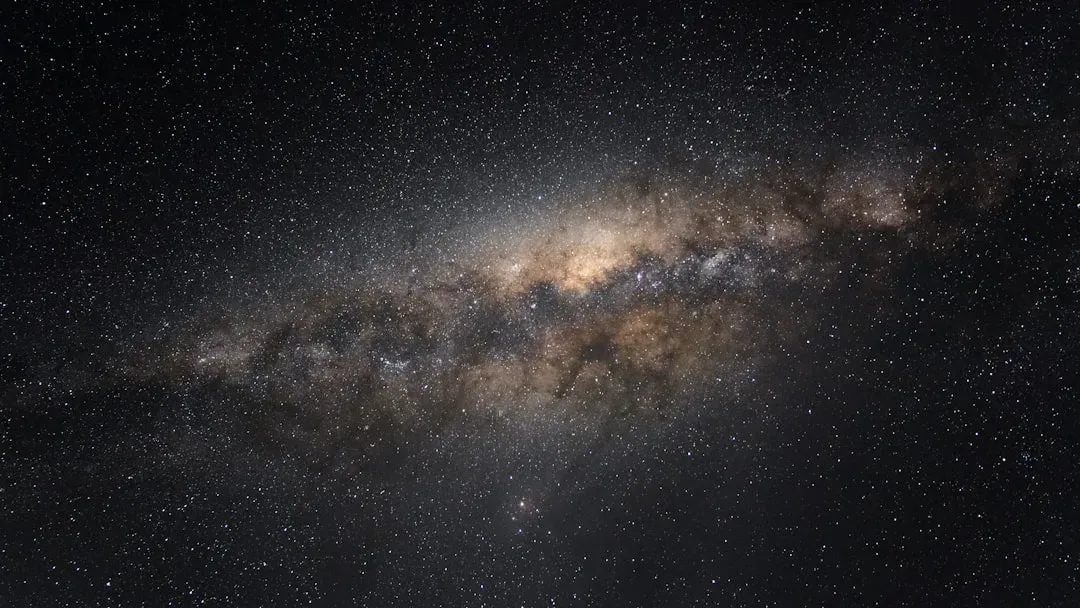
The Milky Way’s thick disk got its start about 13 billion years ago, just 800 million years after the universe’s birth. Let’s pause for a moment to appreciate how staggering that timeline is. The universe itself was still in its cosmic infancy when this structure began forming.
The thick disk kept forming stars for an incredibly long time, until about 8 billion years ago, and during this period, the thick disk’s iron content shot up 30-fold as exploding stars enriched its star-forming gas. This wasn’t just a quick burst of activity. We’re talking about billions of years of sustained star birth, generation after generation of suns lighting up the ancient darkness. The chemical evolution alone tells a remarkable story of stellar alchemy at work.
The Colossal Kraken Collision
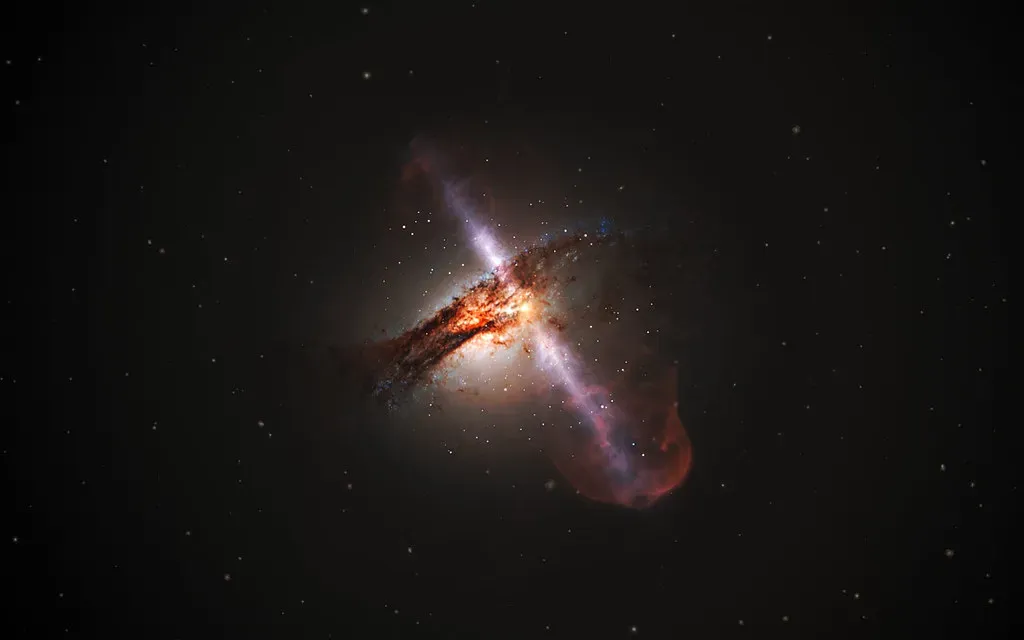
Cosmological simulations indicate that, 11 billion years ago, the Milky Way merged with a particularly large galaxy that has been labeled the Kraken. This wasn’t some gentle interaction. The collision with Kraken must have been the most significant merger the Milky Way ever experienced.
Honestly, it’s hard to wrap your head around the scale. At least a dozen times over the last 12 billion years, the Milky Way collided with a neighboring galaxy and devoured it, and researchers found evidence of five large-scale galactic mergers involving 100 million stars or more. The Kraken event stands out among these because it happened when our galaxy was still relatively young and small. The impact would have been proportionally massive, fundamentally reshaping the structure we were becoming.
The Gaia-Enceladus Cataclysm
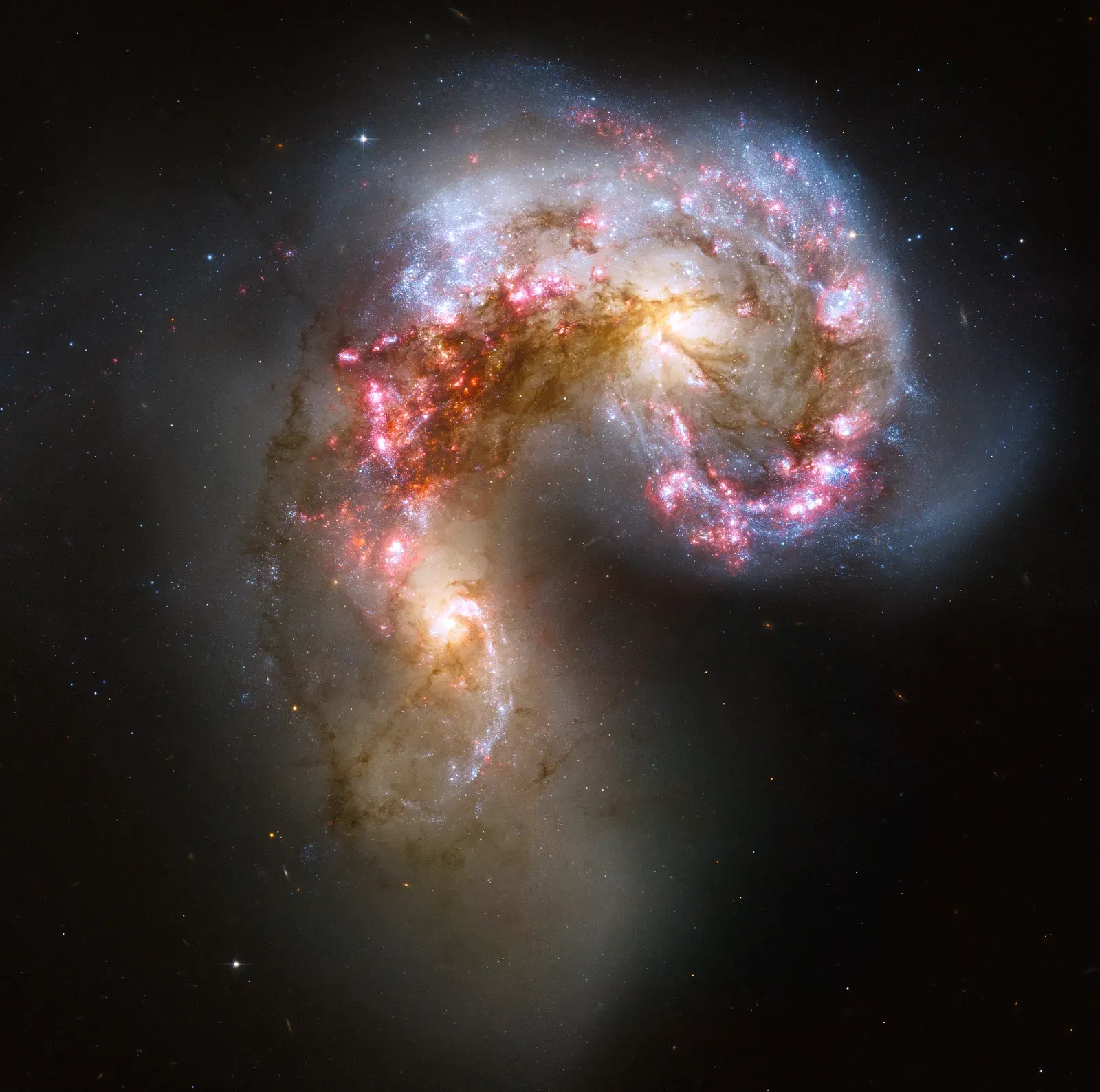
Here’s where things get particularly messy. When the Milky Way and Gaia-Enceladus collided, perhaps 10 billion years ago, the Milky Way’s delicate disk may have suffered widespread damage, and research suggests that Gaia-Enceladus exploded much of the disk, puffing it up during the collision. This wasn’t just a grazing impact.
The inner halo is dominated by debris from an object that at infall was slightly more massive than the Small Magellanic Cloud, and with an estimated mass ratio of four to one, the merger of the Milky Way with Gaia-Enceladus must have led to the dynamical heating of the precursor of the Galactic thick disk. Think of it like cosmic violence frozen in time. Perhaps half of all the stars in the inner 60,000 light-years of the halo came from this lone collision, which means when you look at certain stars overhead tonight, you’re seeing ancient immigrants from a galaxy that no longer exists.
Formation of the Thin Disk
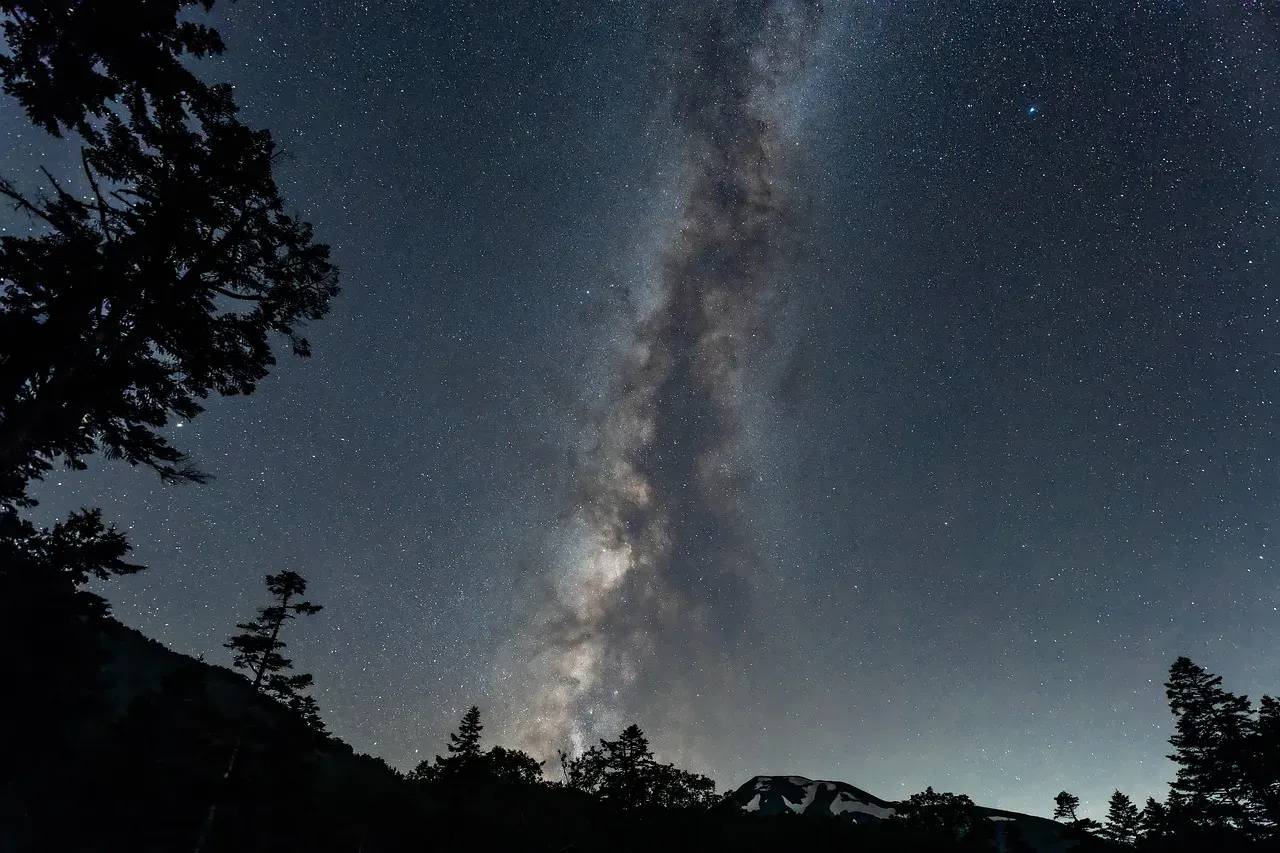
After all that chaos, something remarkable happened. The thick disk ran out of gas 8 billion years ago and stopped making stars, and fresh gas around the Milky Way then settled into a thinner disk, which has given birth to stars ever since. This includes our own Sun, born roughly four and a half billion years ago.
Measurements of thin disk stars yield an estimate that the thin disk formed 8.8 billion years ago, and these measurements suggest there was a hiatus of almost 5 billion years between the formation of the galactic halo and the thin disk. That gap is fascinating. It suggests a period when the galaxy had to recover, settle down, and reorganize itself after the violence of its youth. The material needed time to cool and coalesce into the orderly structure we see today.
The Ongoing Sagittarius Dwarf Encounter
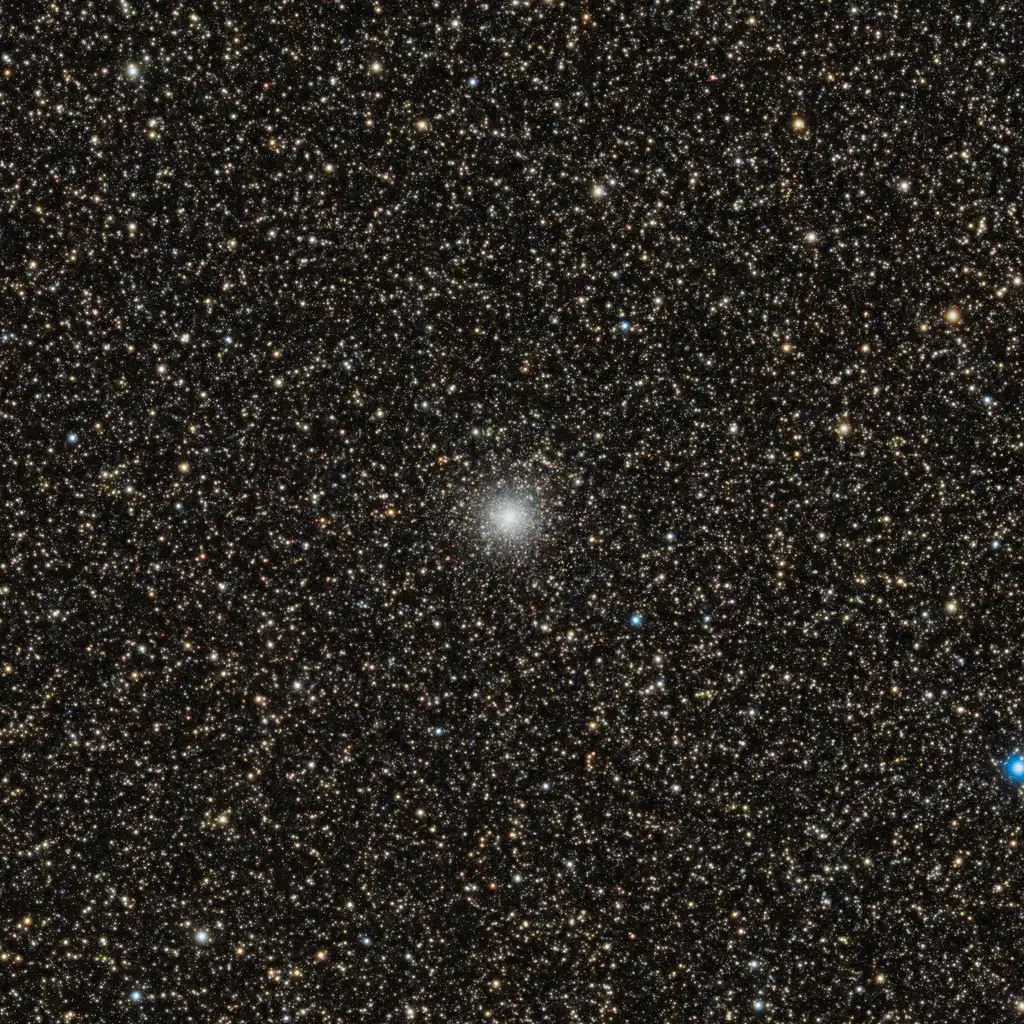
Not all galactic dramas happened in the distant past. The Sagittarius dwarf galaxy smashed through the Milky Way’s disc at least three times in the past: some five or six billion years ago, two billion years ago, and one billion years ago. Each time, the encounter wasn’t gentle.
One of those periods roughly coincided with the formation of the Sun and the Solar System some 4.7 billion years ago, and each collision caused ripples in the interstellar medium, with the concentration of gas and dust in some areas of the Milky Way increasing to the level that triggered star formation. It’s mind-blowing to consider that the very birth of our solar system might have been influenced by another galaxy crashing through ours. We may literally owe our existence to cosmic chaos.
The Virgo Radial Merger
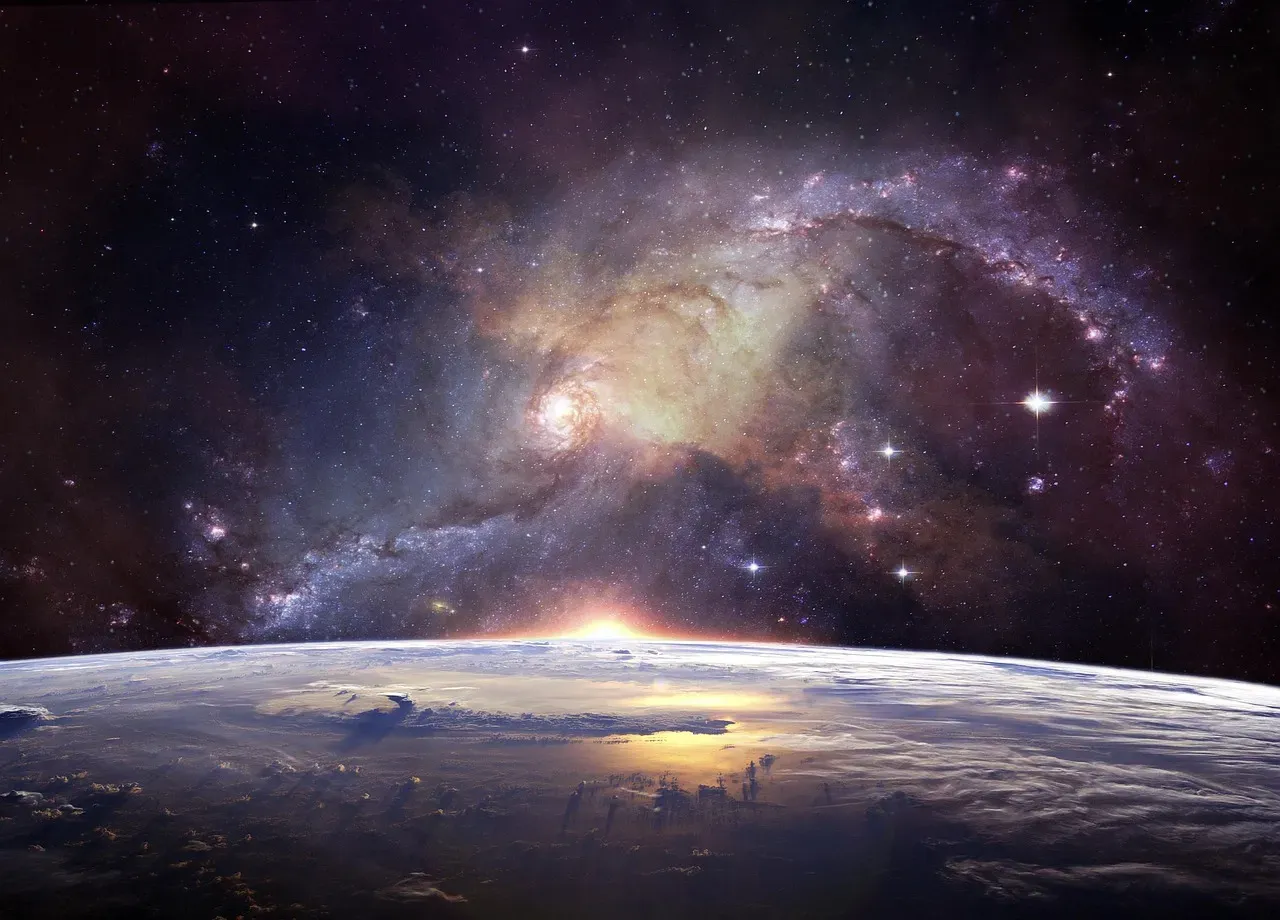
Rather than stars originating from the ancient GSE merger, they must have come from a more recent event dubbed the Virgo Radial Merger, which took place less than three billion years ago. This discovery completely upended what astronomers thought they knew about our galaxy’s recent history.
The wrinkles of stars must have joined us no less than three billion years ago, at least five billion years later than was previously thought. That a large portion of the Milky Way only joined us within the last few billion years is a big change from what astronomers thought up until now. It means our galaxy is still actively assembling itself, still incorporating new members into its stellar family. The Milky Way is less a finished masterpiece and more a work in progress.
The Supermassive Black Hole’s Influence
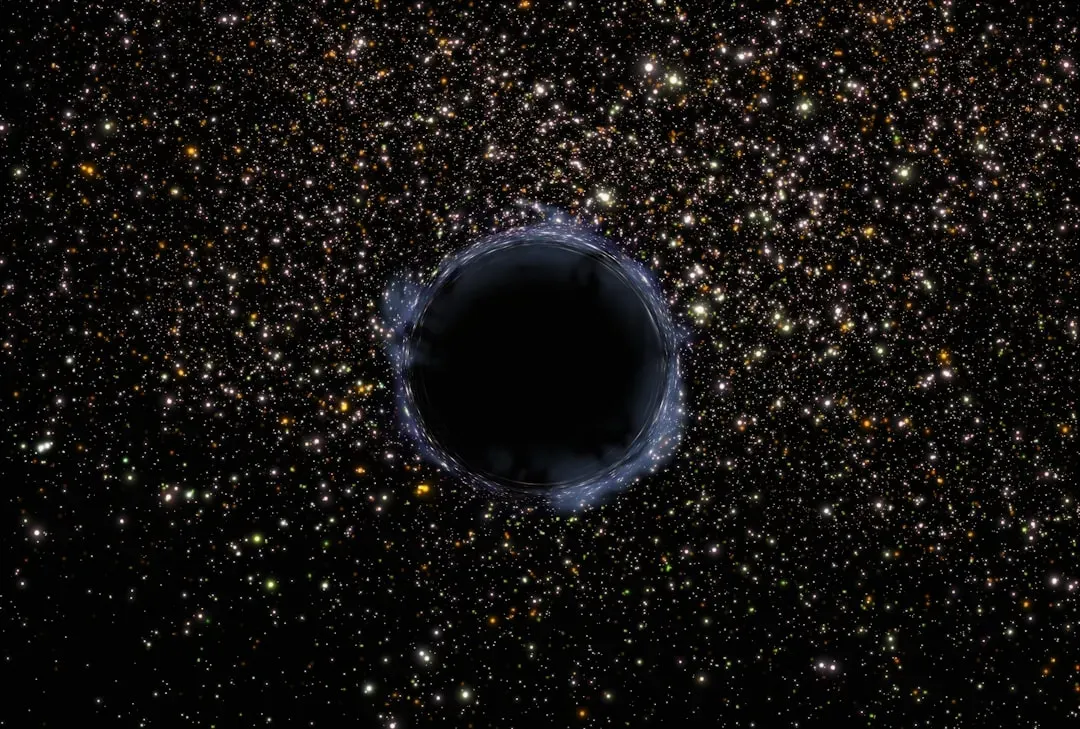
At the very heart of all this cosmic drama sits Sagittarius A*, a supermassive black hole with a current best estimate mass of 4.297 million solar masses. While not particularly enormous by supermassive black hole standards, its presence has been critical to shaping galactic structure and dynamics over billions of years.
Investigations into the peculiar rapid spin and misalignment of Sgr A* relative to the Milky Way’s angular momentum demonstrated that these unusual characteristics are best explained by a major merger event involving Sgr A* and another supermassive black hole, likely from a satellite galaxy. Recent research from 2024 even suggests this central monster might itself be the product of an ancient black hole merger roughly nine billion years ago. The gravitational anchor at our galaxy’s core has its own violent backstory, adding yet another layer to the Milky Way’s tumultuous past.
Conclusion
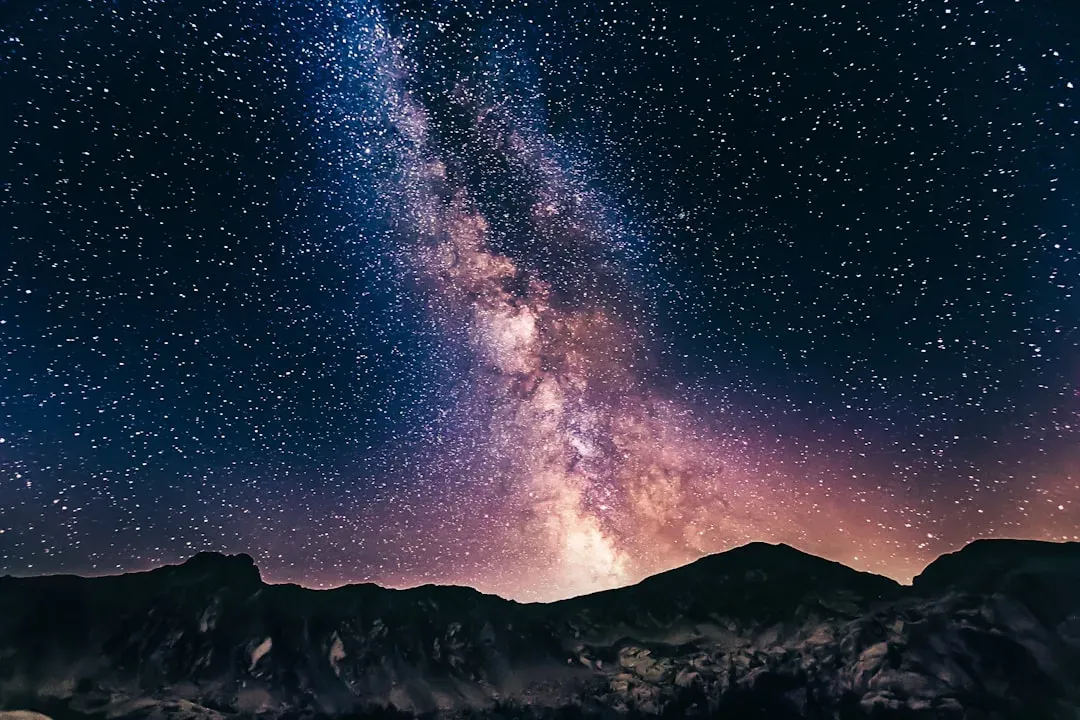
The Milky Way isn’t the serene, unchanging spiral we once imagined. It’s a cosmic survivor, bearing the scars and souvenirs of billions of years of collisions, mergers, and near-catastrophes. Every star overhead carries within it the memory of ancient cataclysms, chemical fingerprints left by long-dead galaxies, and orbits shaped by unimaginable violence.
What strikes me most about these discoveries is how recent our understanding really is. Missions like Gaia have revolutionized galactic archaeology in just the past few years, revealing a history far more dramatic than anyone predicted. We’re still finding new pieces of the puzzle, still uncovering forgotten chapters in our cosmic story.
The next time you gaze up at that milky band crossing the night sky, remember you’re not just looking at stars. You’re witnessing the aftermath of cosmic battles that raged billions of years before our planet even existed. Pretty wild when you think about it, isn’t it? What other secrets do you think our galaxy is still hiding?