You might lie awake sometimes thinking about your existence, your future, maybe even what lies beyond tomorrow. Those thoughts feel big, overwhelming even. Yet picture yourself thinking about something vastly larger, something that dwarfs your entire lifetime, your entire civilization, even your entire planet. Here’s the thing, though: the universe itself has a story too, one with a beginning and perhaps, a conclusion.
All evidence suggests the universe will continue being humanity’s cosmic home for a very, very long time, yet scientists are increasingly confident about what eventually lies ahead. The cosmos isn’t immortal. It won’t just fade gracefully into the background, nor will it explode suddenly. What awaits us is potentially more haunting, more unsettling than either of those scenarios.
The Universe Isn’t Getting Younger
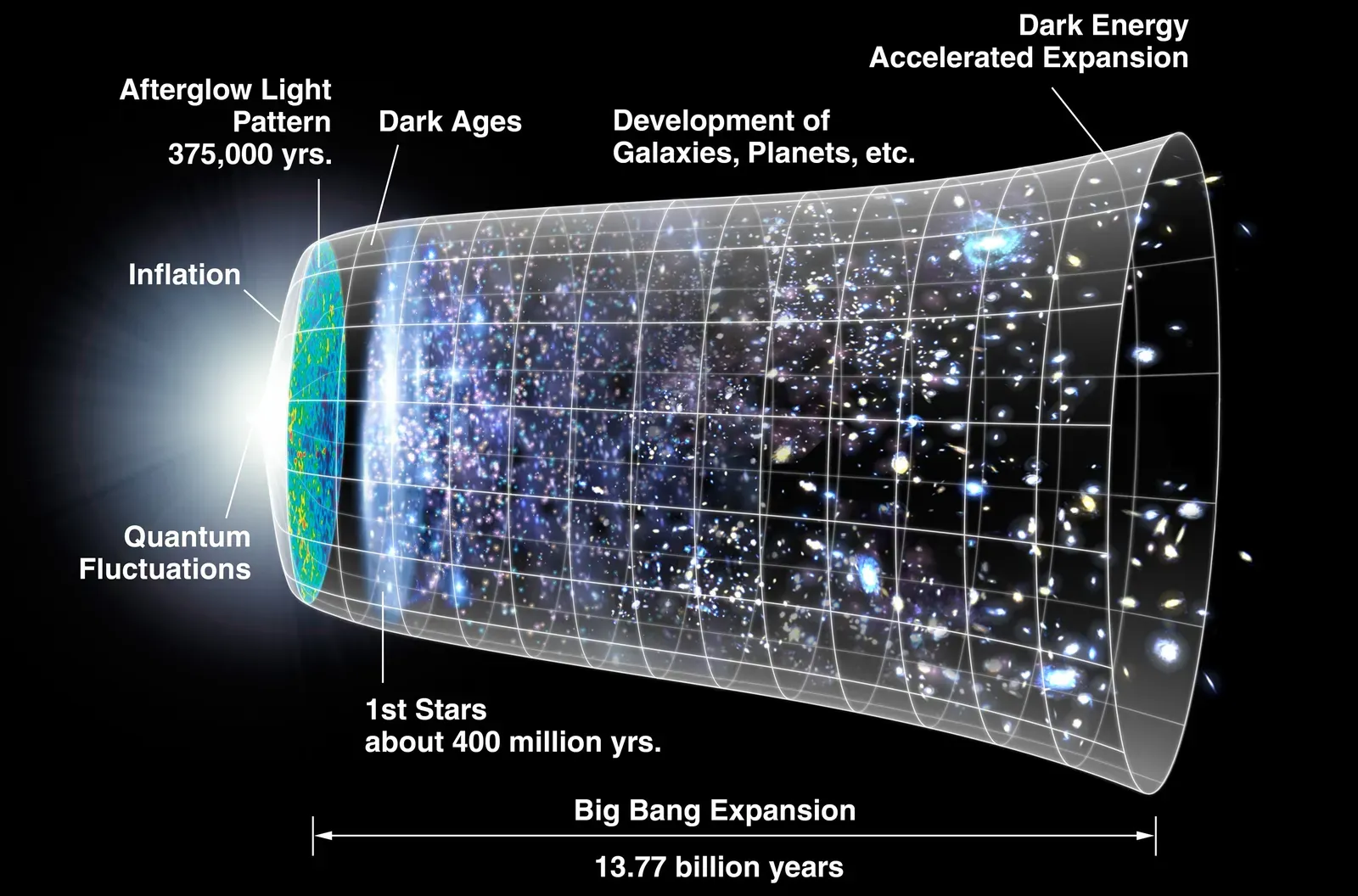
Observations made by Edwin Hubble during the 1930s–1950s found that galaxies appeared to be moving away from each other, leading to the currently accepted Big Bang theory, which suggests that the universe began very dense about 13.787 billion years ago. Ever since that explosive beginning, everything has been changing, evolving, moving apart.
Let’s be real: the universe doesn’t care about you or me. Predicting the future of the universe by extending what we see today is extrapolation, and it’s risky, because something unexpected could happen. Still, astrophysicists have developed increasingly sophisticated models about what happens next. Their conclusions aren’t exactly comforting, yet they’re fascinating.
The Mysterious Force Pulling Everything Apart
Something strange happened in the late 1990s that changed everything we thought we knew. Astronomers measured the expansion of the universe and found, actually, it’s not slowing down at all, it’s speeding up. This discovery was so groundbreaking, so completely unexpected, that it earned a Nobel Prize in 2011.
Whatever that something is, we’re calling it dark energy, and honestly, we barely understand it. Dark energy makes up roughly seventy percent of everything in the universe, yet it remains one of the greatest mysteries in science. Think about that for a second. The dominant force shaping cosmic destiny is something we can’t see, can’t touch, and barely comprehend.
Some evidence suggests that some unknown force is starting to exert a repulsive force, causing expansion to speed up, and scientists call this outward force dark energy, but very little is known about it. Recent studies from 2025 have even suggested that dark energy might be weakening over time, potentially altering the universe’s fate entirely.
When Stars Stop Being Born
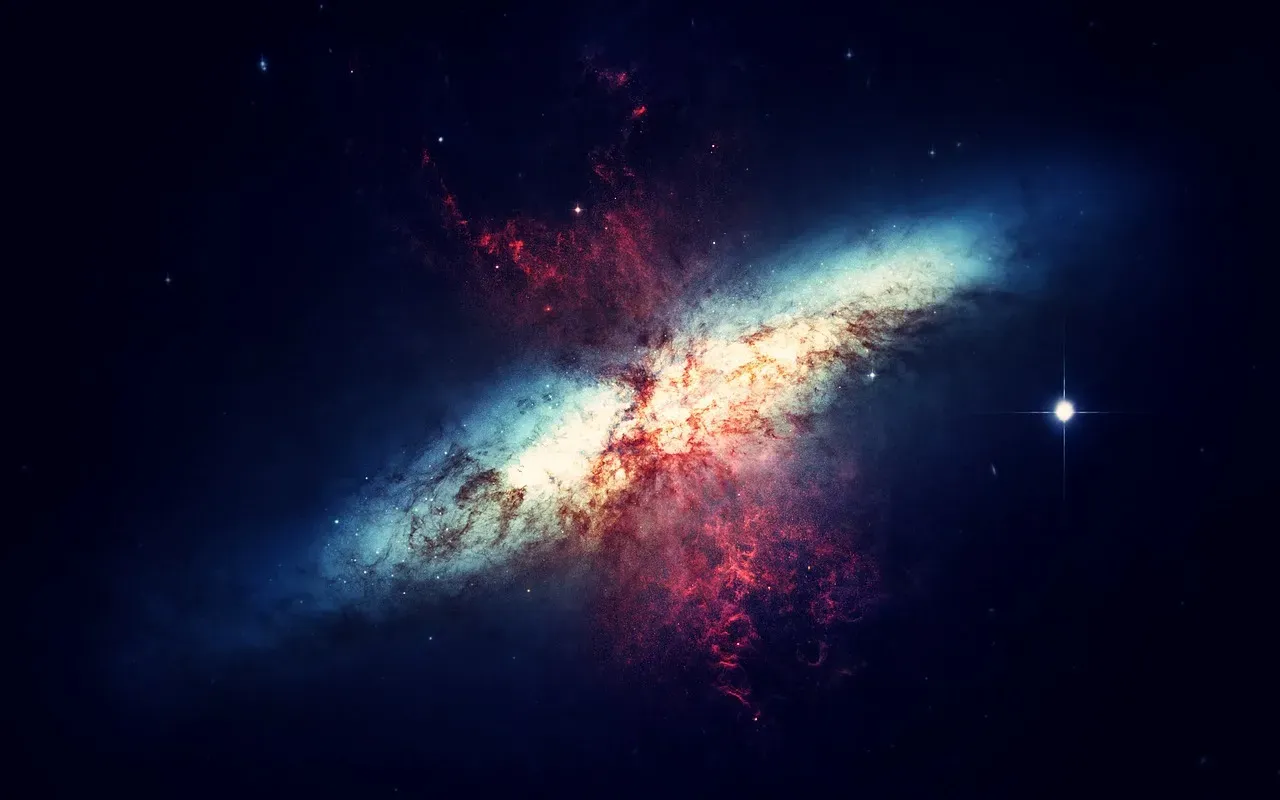
Picture a universe without new stars. Hard to imagine, right? Stars are expected to form normally for one to one hundred trillion years, but eventually the supply of gas needed for star formation will be exhausted, and as existing stars run out of fuel and cease to shine, the universe will slowly and inexorably grow darker.
Just a couple trillion years from now, the universe will have expanded so much that no distant galaxies will be visible from our own Milky Way, which will have long since merged with its neighbors, and eventually, one hundred trillion years from now, all star formation will cease. The night sky will become emptier, lonelier, colder.
What remains after that? In trillions of years, hundreds of times longer than the universe’s current age, these red stars will also fade away into darkness, but until then, there will be lots of stars providing light and warmth. It’s a slow death, not a sudden one.
The Long Goodbye of Galaxies
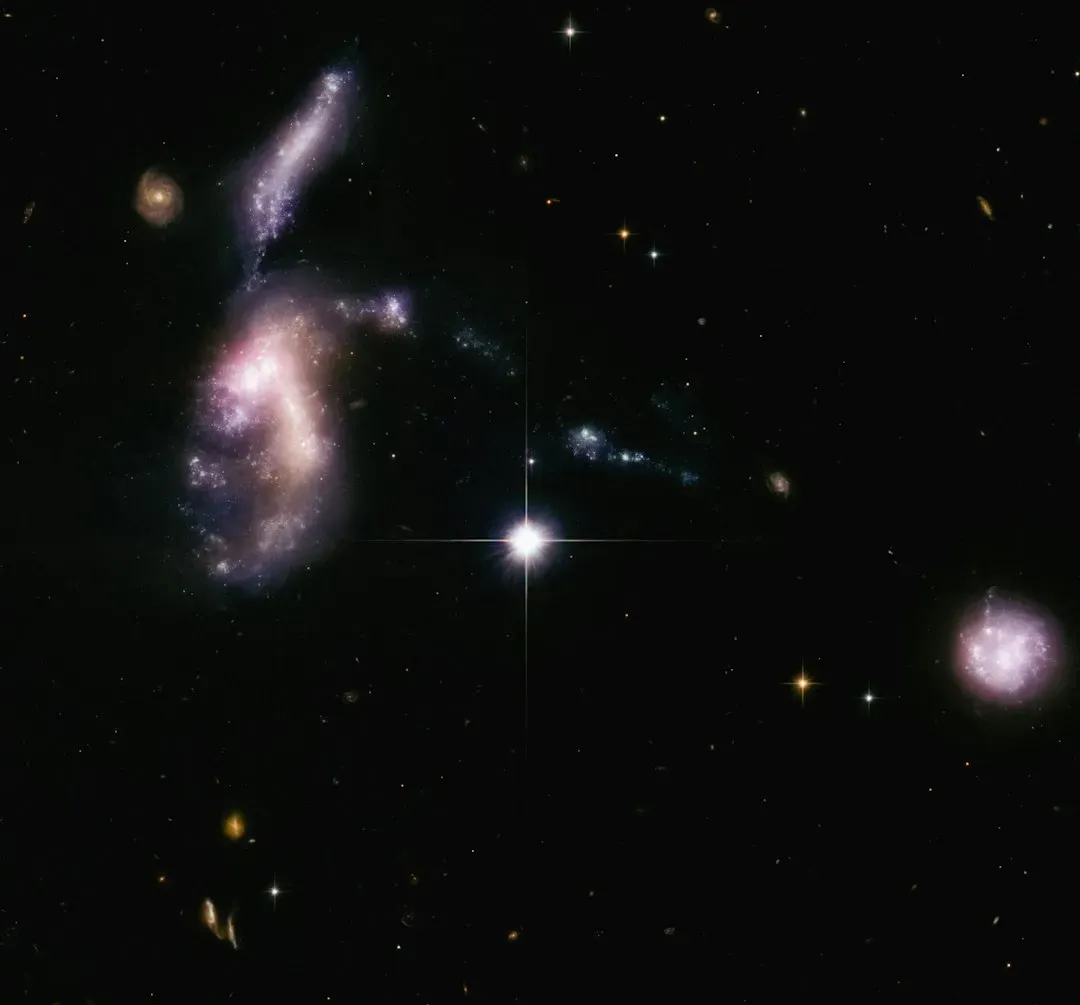
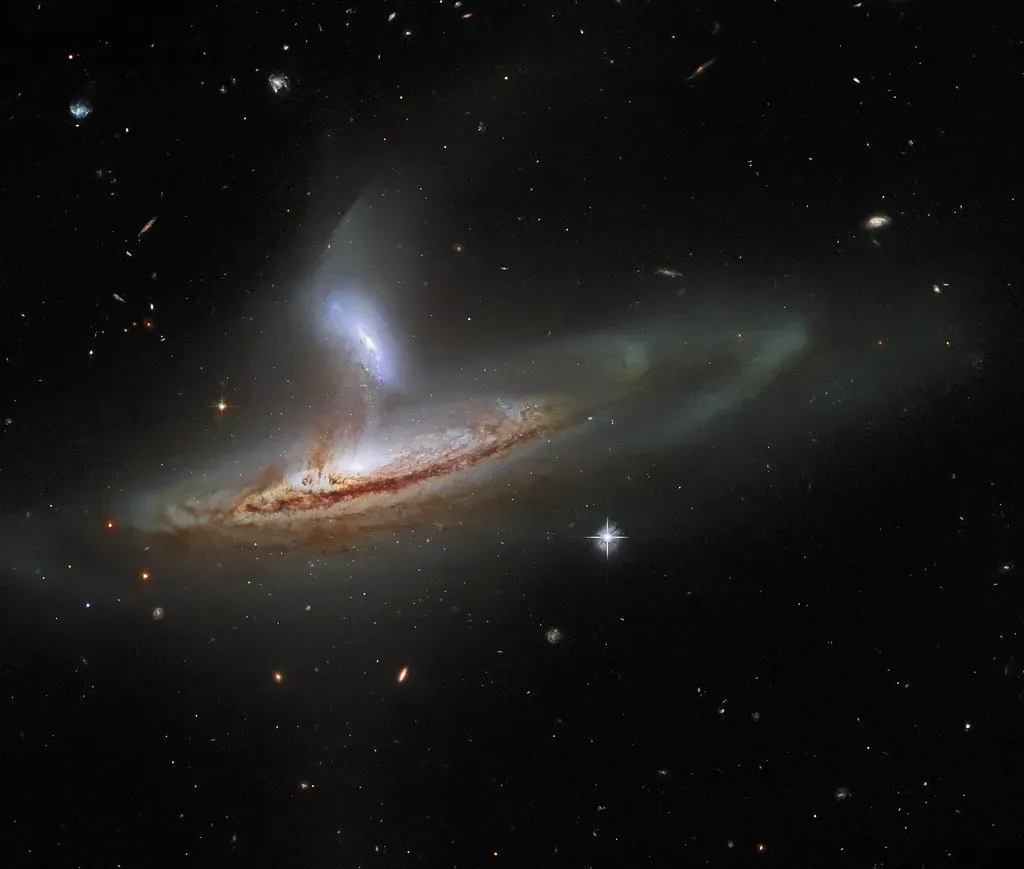
Galaxies aren’t static objects frozen in space. They’re dynamic, chaotic, constantly changing. Galaxies grow over time in a similar way by eating up smaller galaxies, and these galactic mergers will continue into the future.
Each group or cluster of galaxies will merge into a single, massive, elliptical galaxy, and the accelerated expansion of the universe will make it impossible to observe other galaxies beyond the local group. Eventually, future observers – if any exist – will find themselves in cosmic isolation, unable to see anything beyond their own merged galactic cluster.
The universe is simultaneously bringing things together locally while pushing everything apart globally. It’s weird to think about, like watching your neighborhood grow closer while the rest of the world drifts irreversibly away.
Black Holes: The Universe’s Final Residents
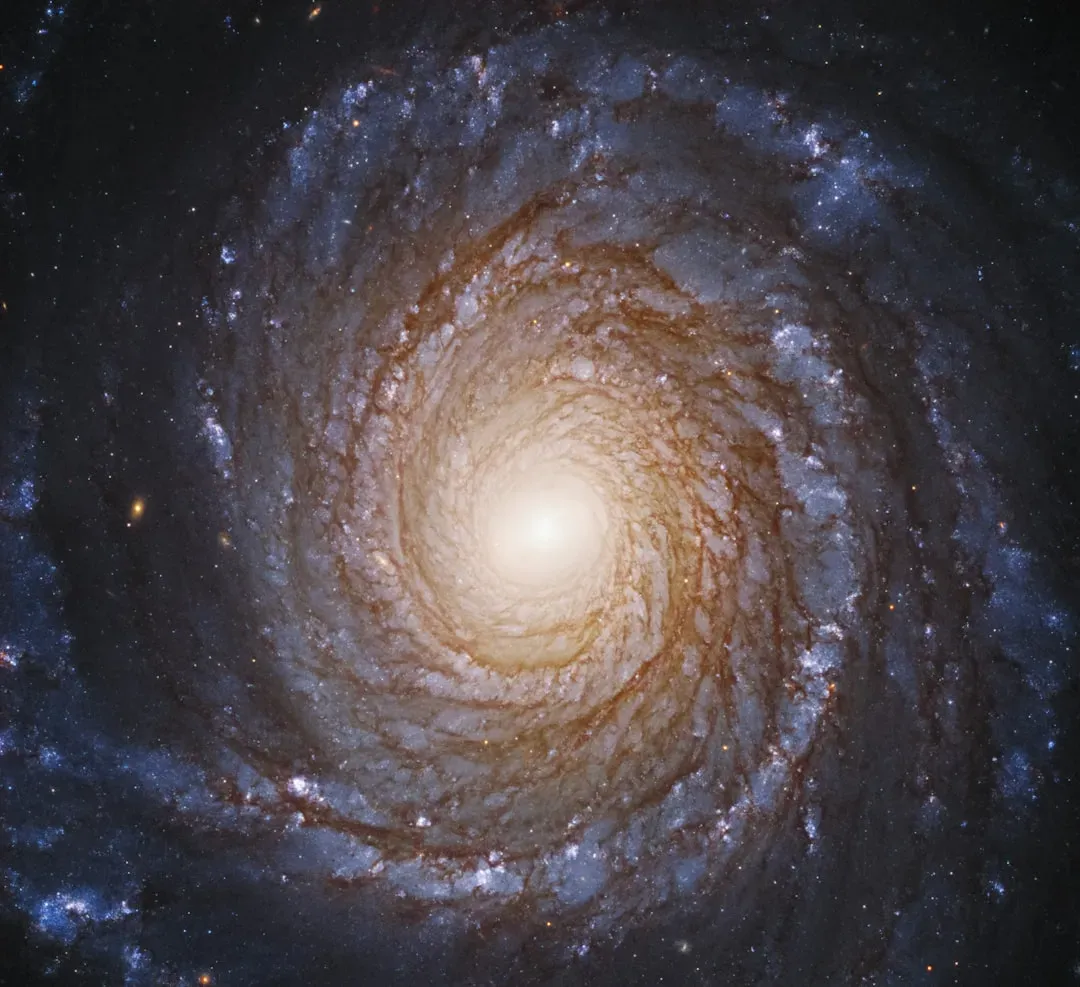
After stars die and galaxies fade, what remains? Eventually black holes will dominate the universe, but they will disappear over time as they emit Hawking radiation. These cosmic monsters, these gravitational prisons from which not even light escapes, will become the last major structures in existence.
Stephen Hawking predicted that black holes slowly evaporate by releasing their particles into the universe, and first, the smaller, solar-mass black holes will vanish, while by a googol years into the future, Hawking radiation will have killed off even the supermassive black holes. A googol is one followed by one hundred zeroes – a number so vast it defies human comprehension.
Picture waiting that long for something to happen. You can’t, really. Nobody can. Yet that’s the timescale we’re discussing.
Heat Death: A Frozen, Silent Universe
The scientific term sounds almost poetic, yet what it describes is utterly bleak. The heat death of the universe is a scientific hypothesis regarding the ultimate fate of the universe which posits the universe will evolve to a state of no thermodynamic free energy and, having reached maximum entropy, will therefore be unable to sustain any further thermodynamic processes.
As that process continues, everything is decaying so much that all that’s left is the waste heat of everything that ever existed in the universe, so you end up with a universe that’s just very cold, and dark, and empty, and expanding all the time, and that’s the most accepted theory for the end of the universe.
At this point, the universe will be nearly a vacuum, and particles that remain, like electrons and light particles, are then very far apart due to the universe’s expansion and rarely, if at all, interact, and this is the true death of the universe, dubbed the heat death. Everything that ever was, everything that ever mattered, reduced to scattered particles drifting through infinite darkness.
The Dark Era: An Eternity of Nothing
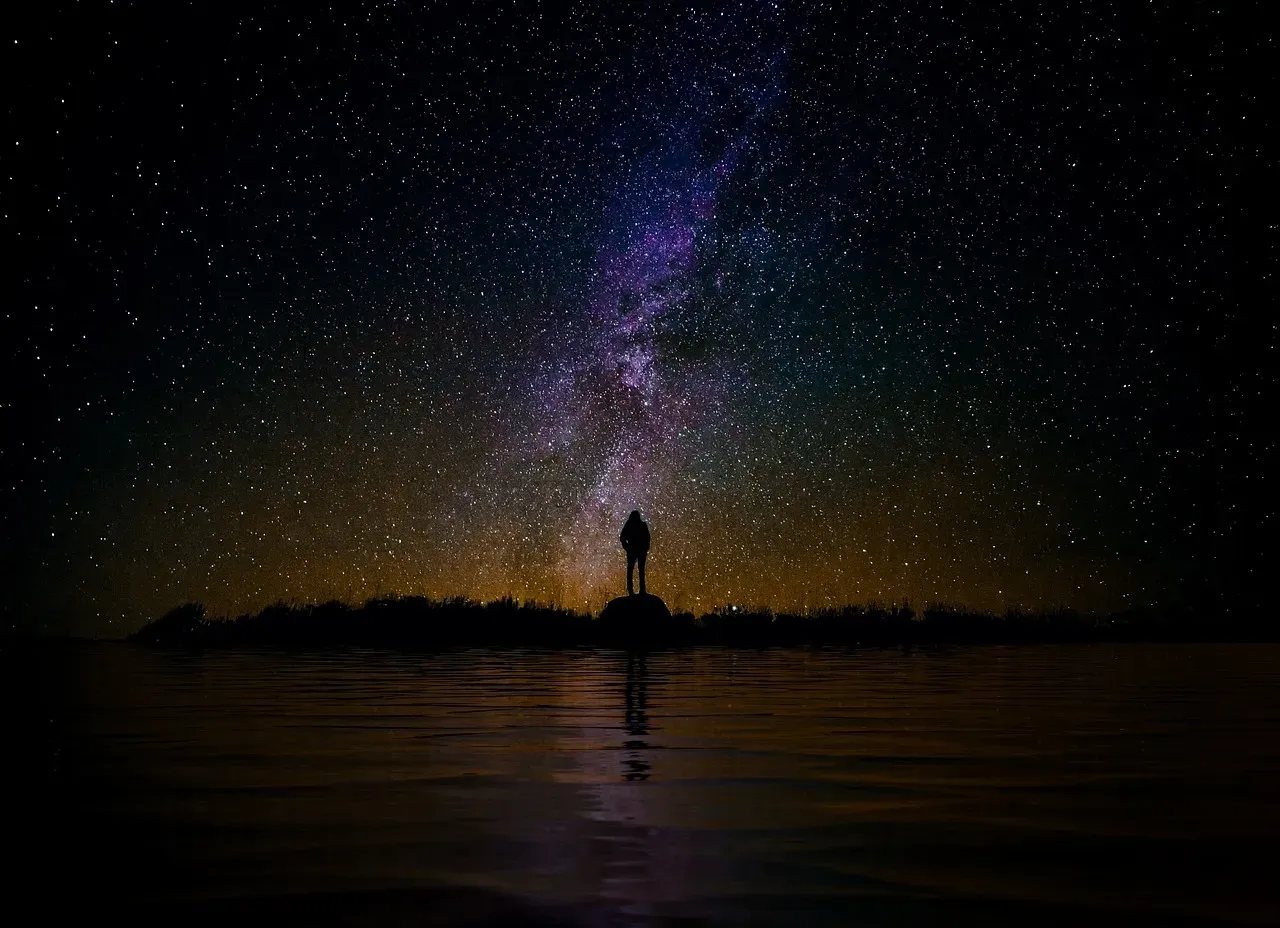
No normal matter will remain in this final Dark Era of the universe, which will last far longer than everything that came before it, and the second law of thermodynamics tells us that in this time frame, all energy will ultimately be evenly distributed, and the cosmos will settle at its final resting temperature, just above absolute zero, the coldest temperature possible.
This scenario eventually winds down into a dark eternity, lasting trillions of years. It’s hard to say for sure, but this prolonged darkness will stretch unimaginably far into time. Everything will essentially stop. No motion, no heat, no change.
Imagine eternal winter with no hope of spring. That’s what awaits the cosmos, according to our best models. It’s not dramatic like an explosion or a collapse – it’s simply silence, cold, and darkness that never ends.
Could We Be Wrong About Everything?
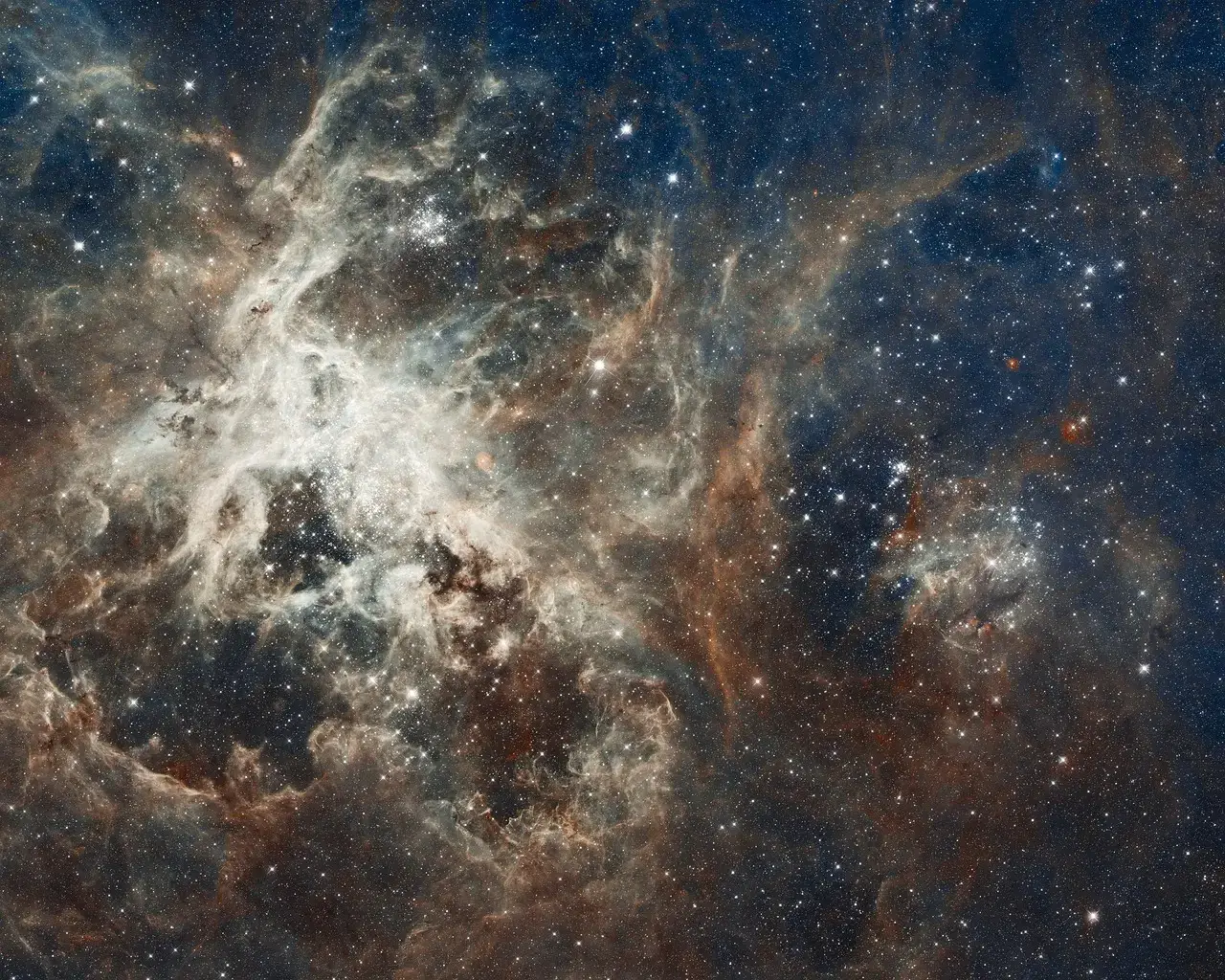
New data might come to light that changes this story, and the next stage in the universe’s history might be something totally different and unexpectedly beautiful. Science isn’t about absolute certainty – it’s about the best explanations given current evidence.
Recent findings from 2025 have shaken things up. Lee and his colleagues’ work builds on the evolving understanding of dark energy, suggesting that the universe’s expansion has already started to slow down, something that could alter the fate of the universe itself, as the present universe has already entered a decelerating phase today, so the fate of the universe could change.
Some researchers have even speculated about alternative endings. There’s the Big Crunch, where everything collapses back into a single point. There’s the Big Rip, where dark energy tears everything apart, even atoms themselves. Who knows? Maybe the universe operates on principles we haven’t discovered yet. Maybe consciousness plays a role we don’t understand. Maybe there’s something beyond our current comprehension waiting in the distant future.
Conclusion: A Cosmic Perspective on Existence
Every earthling will have died long before we have to worry about it, and in fact, on this timescale of trillions of years, even the existence of our entire species registers as but a brief ray of sunlight before an infinite winter of darkness. That’s simultaneously humbling and strangely liberating.
Your problems, your anxieties, your achievements, your failures – they’re all meaningful within the context of human experience, yet cosmically speaking, they’re fleeting moments in an incomprehensibly vast story. The universe doesn’t judge you. It simply exists, changes, and eventually fades.
Yet here’s what makes it all worthwhile: right now, in this cosmic moment, we exist in what might be called the universe’s prime. Stars are being born. Galaxies are dancing. Life flourishes on at least one planet we know of. We’re living in the exciting part of the cosmic story, not the dark epilogue that comes trillions of years later.
What do you think about our universe’s fate? Does knowing about this distant ending change how you view existence today? Tell us in the comments.