Your brain does millions of things every single day without you even noticing. It recognizes faces, interprets sounds, navigates space, and makes sense of chaos. However, that same incredible organ is surprisingly easy to fool. From optical illusions that make you see movement where there is none to memories that never actually happened, your mind sometimes gets things completely wrong. Yet even as researchers uncover more about these mental tricks, many remain deeply mysterious.
What’s truly unsettling is that even when you know you’re being deceived, your brain often falls for the same tricks again and again. These aren’t just party tricks or magic show gimmicks either. They reveal fundamental quirks in how you process reality itself, and some of these quirks have serious implications for everything from courtroom testimony to everyday decisions.
Your Eyes See What Your Brain Decides You Should See

What you think you see and what you actually see are different things, because your brain doesn’t simply receive visual information but creates your perception of the world, sometimes filling in gaps when there’s incomplete information or creating images that aren’t even there. Your eyes aren’t cameras that simply record reality but intricate sensors that capture light, which the brain then interprets, predicts, and sometimes dramatically reimagines, with optical illusions demonstrating how this interpretation can be manipulated.
Think about the last time you looked at one of those images where two colors appear completely different but are actually identical. Both labeled squares in the Checker shadow illusion are the same shade of gray, but the illusion tricks brains into seeing them as different shades because the square labeled A appears darker when surrounded by lighter squares while square B appears lighter when surrounded by darker squares, with the illusion of a shadow adding to this effect. Your visual system evolved to interpret context, not to be a perfect light meter.
The Ebbinghaus illusion demonstrates how context shapes what you see by making a circle appear larger when placed among smaller circles and shrink when placed among larger ones, revealing that perception is not a mirror of the outside world but a clever construction of the brain. Honestly, it’s wild to think that your perception of size itself is negotiable.
Your Brain Invents Memories That Feel Completely Real

Here’s something that should keep you up at night. Researchers have demonstrated that false memories can be triggered repeatedly, with subjects recalling target words as part of lists when those words were never actually there. MIT neuroscientists have shown they can plant false memories in the brains of mice, and many of the neurological traces of these false memories are identical in nature to authentic memories.
Psychologist Elizabeth Loftus demonstrated that one can manipulate people’s memories of visual details by posing questions that contain misinformation, and she wanted to learn whether it was possible to implant an entire false memory for a childhood event that never happened. Her research planted false memories that people got sick as children eating certain foods like hard-boiled eggs or strawberry ice cream, and once these false memories were planted, people didn’t want to eat those foods as much, showing that false memories have repercussions affecting behavior long after they take hold. Your memory isn’t a video recording. It’s more like a story you retell yourself, and each time you recall it, the story can change slightly.
Findings highlighted the susceptibility of memory to suggestion and misinformation, demonstrating that memories are not static and can be easily altered by external influences, providing compelling evidence that human memory is fallible and susceptible to manipulation.
Subtle Cues Can Control Your Behavior Without Your Awareness

Priming is a concept in psychology describing how exposure to one stimulus may influence a response to a subsequent stimulus without conscious guidance or intention, with the priming effect being the positive or negative effect of a rapidly presented stimulus on the processing of a second stimulus that appears shortly after. Let’s be real, this is pretty unsettling when you think about it.
Subjects implicitly primed with words related to the stereotype of elderly people walked more slowly upon exiting the testing booth than those primed with neutral stimuli, and similar effects were found with rude and polite stimuli where those primed with rude words were more likely to interrupt an investigator. You’re walking through your day thinking you’re in control of your actions, but a few words you barely noticed might be steering your behavior.
Research has shown that priming can significantly affect behavior, with individuals reminded of aging walking more slowly while thoughts of altruism associated with figures like Mother Teresa can encourage helping behaviors, though these effects can be overridden by contrasting stimuli such as images of money. Research has shown that priming can be used to manipulate people’s behavior without them realizing their actions are being controlled, and experts say that even people aware such manipulation can occur can still be influenced to act in a specific way by priming.
Your Confidence in False Beliefs Can Be Unshakeable

The illusionary truth effect occurs when a message sounds true because it’s repeated often, with repeated messages being easier to process, making the brain mistake familiarity for truth. This explains why hearing the same claim over and over makes it feel true, even when it’s complete nonsense. Magical effects work even though audiences know they are being tricked, and similarly, people often accept and disperse misinformation despite warnings that the facts are disputed and potentially false.
False memories are associated with the need for complete and integrated memories, self-relevancy, imagination and wish fulfillment, familiarity, emotional facilitation, suggestibility, and sexual content, with both false memories and confabulations having an abnormal sense of certainty for their recollections. That certainty feels unbreakable from the inside. You could swear you remember something vividly, describe it in detail, feel emotions about it, and still be completely wrong.
Overconfidence is the tendency to overestimate knowledge, abilities, and control over outcomes, with most people believing they are above-average drivers, more intelligent than average, and less likely than others to make mistakes, which is statistically impossible but psychologically feels true.
Even Experts Don’t Fully Understand How These Tricks Work

How optical illusions work has been long-debated among scientists and philosophers, with new research finding that many visual illusions are caused by limits in how our eyes and visual neurons work instead of more complex psychological processes. However, the debate continues. Modern neuroscience has uncovered fascinating insights into why optical illusions work, with different parts of the brain processing various visual elements in parallel, and when these systems receive conflicting information, the brain attempts to resolve the discrepancy, often resulting in perceptual tricks.
I think what’s most striking is this: Researchers have discovered a specialized type of neuron that plays a key role in the perception of certain optical illusions, with these illusory contour encoder neurons responding when mice view illusions, and the study suggests that higher brain areas send signals back down to lower levels to create the perception of these illusions. Yet we’re still figuring out the complete picture.
In the tightly woven networks of the brain, tugging one neuronal thread can unravel numerous circuits, and techniques such as optogenetics could lead researchers to jump to unwarranted conclusions because stimulating one part of the brain to induce certain behaviors might cause other unrelated parts to fire simultaneously. The brain is staggeringly complex, and tinkering with it reveals just how much we don’t know.
Cognitive Biases Shape Everything You Think You Know
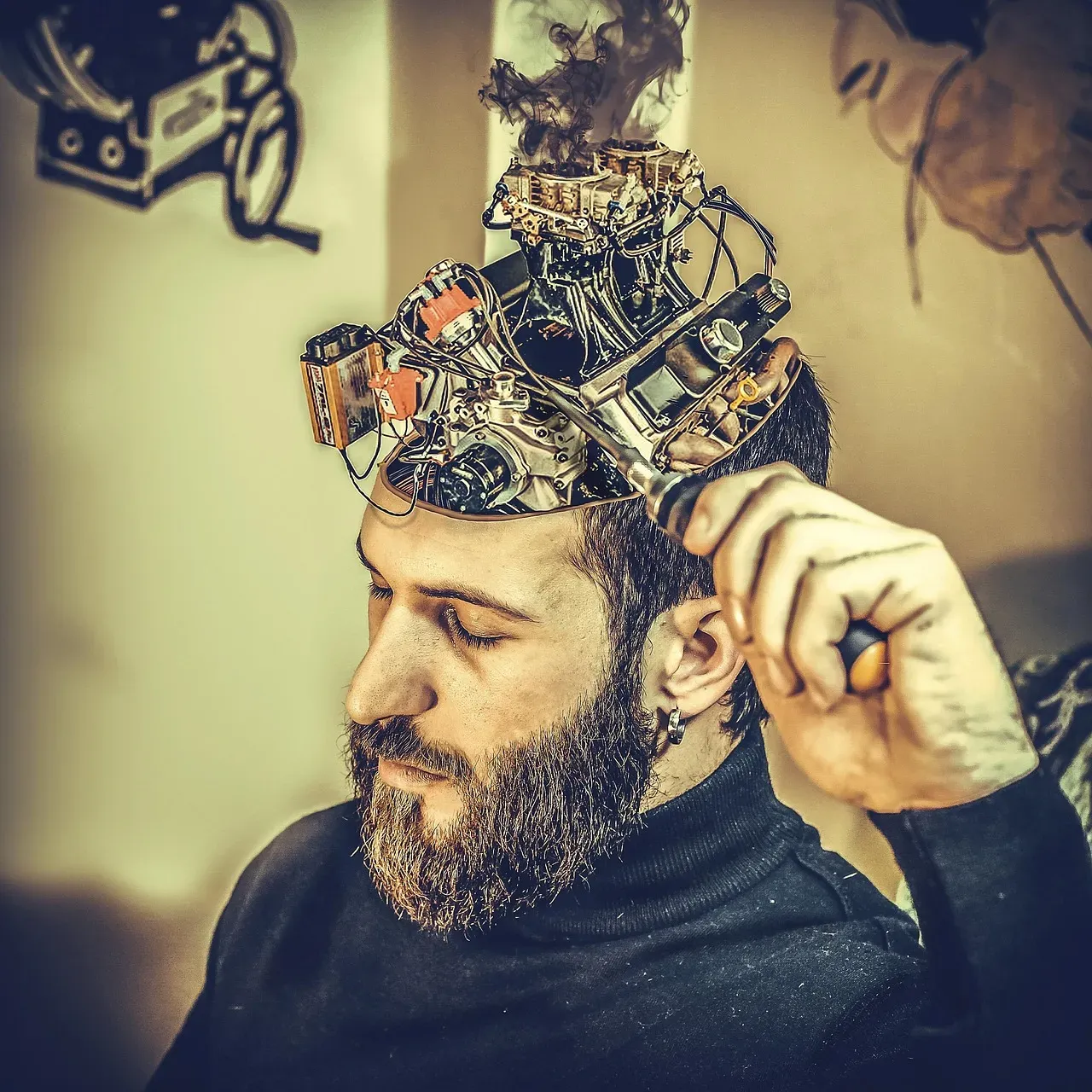
Cognitive biases are irrational errors programmed into people’s brains that affect the decision-making process based on emotion. There are well over a hundred identified biases, and you’re subject to most of them. Confirmation bias is one of the most pervasive biases, described as the tendency to seek out, interpret, and remember information that confirms existing beliefs while ignoring evidence that contradicts them, and this bias is deeply intertwined with how people construct their sense of identity and worldview.
The Availability Heuristic means memories that happened recently outweigh memories with more impact from the past. The Clustering Illusion makes people think they see clusters when objects are placed randomly. The illusion of control is the tendency to overestimate one’s degree of influence over other external events.
Cognitive biases arise when mental simplifications distort reality, with people thinking they are rational while their perceptions are shaped by subconscious preferences and emotional influences, and even highly intelligent people fall victim to these mental illusions because they stem from the fundamental structure of the mind. It’s hard to say for sure, but you’re probably overconfident about how rational you are right now.
Technology May Make These Tricks More Powerful
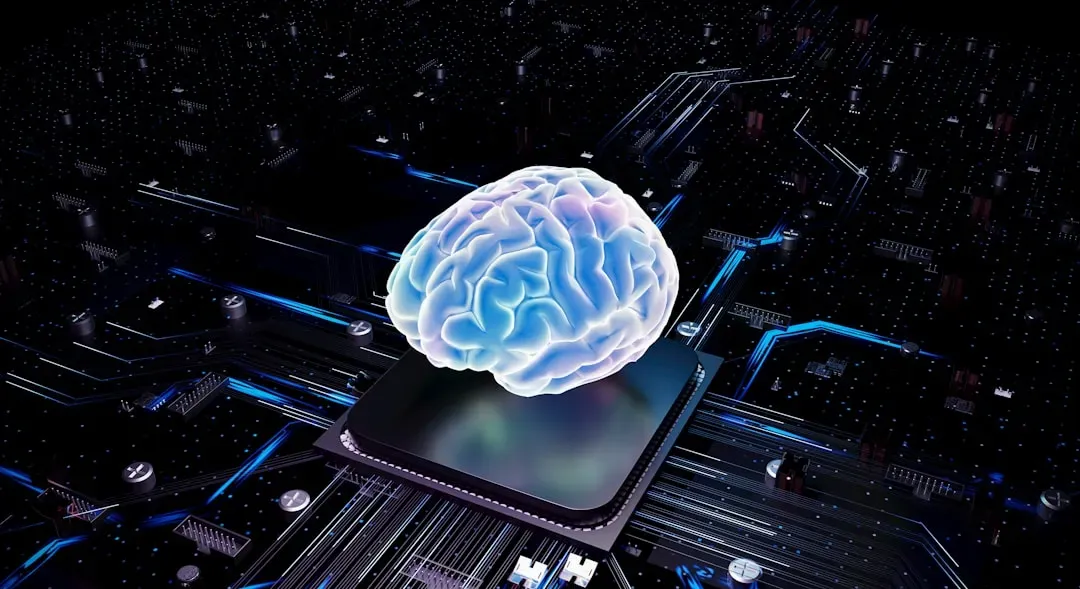
A modern field of brain manipulation using invasive and noninvasive stimulation has been advancing and broadening, spurred by advances in computation, microelectronics, molecular biology, and brain imaging technologies, with solutions to manipulate brain activity directly and in a controlled manner being rapidly introduced. Researchers have developed nano particles to inject into the bloodstream which convert ultrasound into local light emission, allowing for optogenetic stimulation based on ultrasound alone.
This gets into concerning territory. This technology could also be weaponized, as if used surreptitiously with an aerosol-delivered agent, it could allow an adversary to target a specific part of a brain to modulate and potentially control brain activity. While this sounds like science fiction, the groundwork exists today.
Researchers manipulated preferences for goods by telling participants the preferences of strongly liked or disliked groups of other people, with participants’ preferences converging to those of the liked group but diverging from the disliked group, and activation in the brain tracked the discrepancy between one’s own preference and its social ideal. Your brain can be nudged, shaped, and influenced in ways you won’t even notice.
The Implications Go Far Beyond Laboratory Curiosities

Belief in misinformation might best be thought of as an illusion, a mismatch between factual reality and what is perceived and understood, with biases in information processing altering understanding of news headlines and social media posts, and cognitive biases can lead to implausible claims being interpreted as plausible or even proven. This isn’t just academic. It affects courtrooms, politics, personal relationships, and nearly every domain of human life.
Priming has important implications for everyday lives, with police officers and juvenile probation officers endorsing harsher punishments after being primed with words related to certain stereotypes, and priming the idea of power can lead men to have inappropriate sexual thoughts, allowing researchers to observe and analyze the effects of many unconscious attitudes on behavior. These unconscious influences have real-world consequences.
Understanding how illusions work is stimulating and sustainable because they can tell us where the limits and capacity of our perceptual apparatus are found, and illusions in a scientific context are not mainly created to reveal failures of perception but instead point to the specific power of human perception, whose main task is to amplify and strengthen sensory inputs. In other words, these aren’t bugs. They’re features that usually serve you well, but they can be exploited.
Conclusion: Embracing Uncertainty in How Your Mind Works
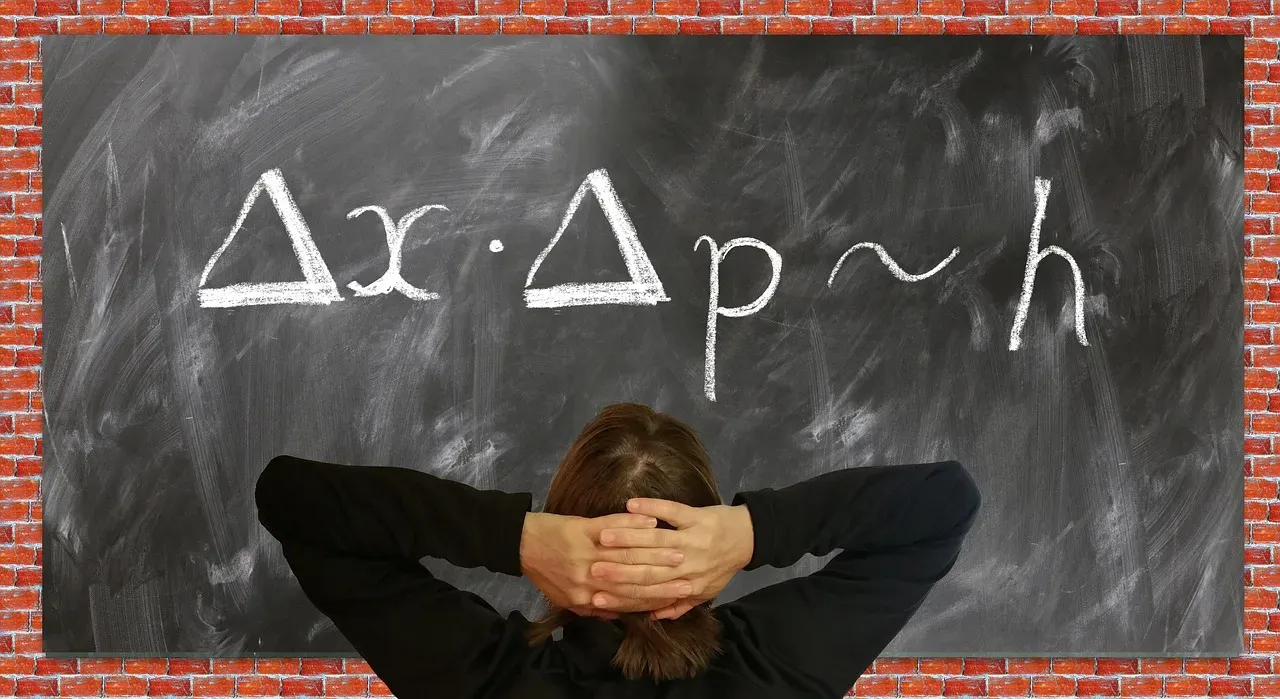
Your brain has evolved to work quickly to piece together whatever bits and fragments it can get and to do its best to figure out the rest. Most of the time, that works brilliantly. You navigate a complex world, recognize patterns, form relationships, and make decisions. Yet the same shortcuts that make you efficient also make you vulnerable to illusions, false memories, unconscious priming, and cognitive biases.
The unsettling truth is that you can’t always trust your own perceptions, memories, or judgments. Even when you’re aware of these mental tricks, you remain susceptible to them. We can’t get rid of cognitive biases. Still, awareness helps. When you understand that your mind can be tricked, you approach your own certainty with a bit more humility.
So what do you think? Do you trust your memories as much as you did before reading this? Tell us in the comments.