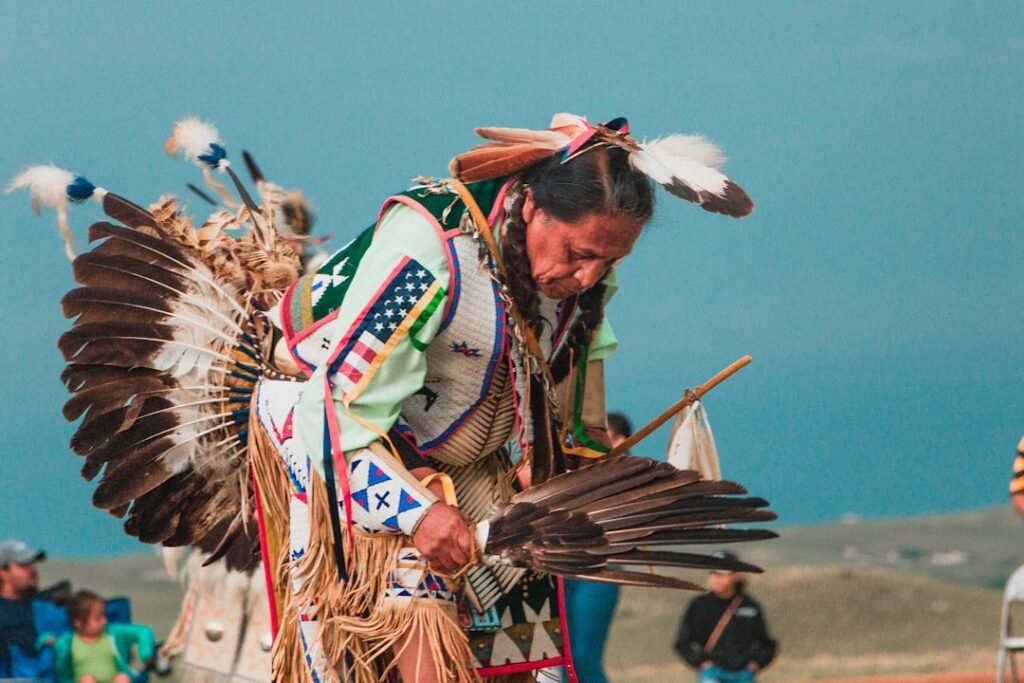

The Surge of Flooding and Warming Seas (Image Credits: Unsplash)
Pacific Northwest – Native American tribes along the region’s coastline have long depended on the rhythms of the sea and rivers for their sustenance and cultural practices, but escalating climate threats now imperil those ancient bonds.
The Surge of Flooding and Warming Seas
Recent years brought unprecedented flooding to coastal communities in Washington State, where heavy rains and rising sea levels combined to inundate villages and farmlands. Tribal leaders reported that these events displaced families and damaged essential infrastructure, forcing evacuations during peak seasons for fishing and gathering. The National Oceanic and Atmospheric Administration noted that warmer ocean temperatures exacerbated storm intensity, leading to more frequent deluges.
Historical data showed that flood occurrences doubled over the past decade in areas like the Quinault Indian Nation’s territory. Elders recounted how once-reliable salmon runs now falter amid shifting water temperatures, disrupting ceremonial and dietary traditions passed down for generations. These changes not only strained resources but also eroded the spiritual connections tribes maintain with their lands.
Disrupted Livelihoods and Cultural Heritage
Fishing, a cornerstone of tribal economies and identities, faced severe setbacks as ocean acidification harmed shellfish populations vital to diets and trade. The Suquamish Tribe, for instance, observed declining clam harvests that affected community health and sovereignty over treaty rights. Warmer waters also pushed fish species northward, complicating access to traditional fishing grounds and increasing competition with non-tribal fisheries.
Beyond economics, these shifts threatened intangible heritage, such as oral stories tied to specific coastal landmarks now at risk of erosion. Community gatherings centered on seasonal harvests grew logistically challenging, fostering a sense of loss among younger members who struggled to learn ancestral skills. Reports from the Affiliated Tribes of Northwest Indians highlighted how such disruptions compounded intergenerational knowledge gaps.
Barriers to Effective Adaptation
Coastal tribes encountered significant hurdles in securing federal funding for resilience projects, including complex application processes and limited technical support. A University of Washington-led report, based on listening sessions with tribal representatives, identified bureaucratic red tape as a primary obstacle, delaying critical upgrades like elevated homes and flood barriers. Many tribes lacked the administrative capacity to navigate these systems, especially in remote locations.
Additionally, historical mistrust stemming from past government policies slowed partnerships. Tribes pushed for streamlined grants under programs like the Bipartisan Infrastructure Law, yet allocations often favored larger entities over smaller nations. The report outlined key challenges in a structured overview:
- Inadequate funding timelines that mismatched urgent needs with seasonal threats.
- Insufficient incorporation of traditional ecological knowledge into federal planning.
- Geographic isolation that raised costs for materials and expertise.
- Overlapping jurisdictions complicating land-use decisions.
- Limited data collection on tribal-specific impacts, hindering tailored solutions.
Steps Toward Resilience and Advocacy
In response, tribes initiated collaborative efforts with universities and agencies to map vulnerabilities and develop localized strategies. The Quinault Indian Nation advanced relocation plans for low-lying villages, drawing on community input to preserve cultural sites. Partnerships with the U.S. Climate Resilience Toolkit provided tools for integrating indigenous perspectives into broader adaptation frameworks.
Advocacy groups amplified calls for equitable resource distribution, emphasizing treaty obligations. Tribes participated in national forums to share experiences, fostering alliances that pressured policymakers for reform. These initiatives, though nascent, signaled a proactive stance against encroaching environmental pressures.
Key Takeaways
- Climate impacts like flooding and warming seas directly threaten tribal food security and cultural practices.
- Bureaucratic barriers limit access to adaptation funds, requiring streamlined federal support.
- Tribal-led efforts prioritize resilience, blending traditional knowledge with modern tools for long-term survival.
As Pacific Northwest tribes confront these evolving challenges, their determination to safeguard ancestral ways underscores the urgent need for inclusive climate action. What steps do you believe governments should take to better support indigenous communities? Share your thoughts in the comments.