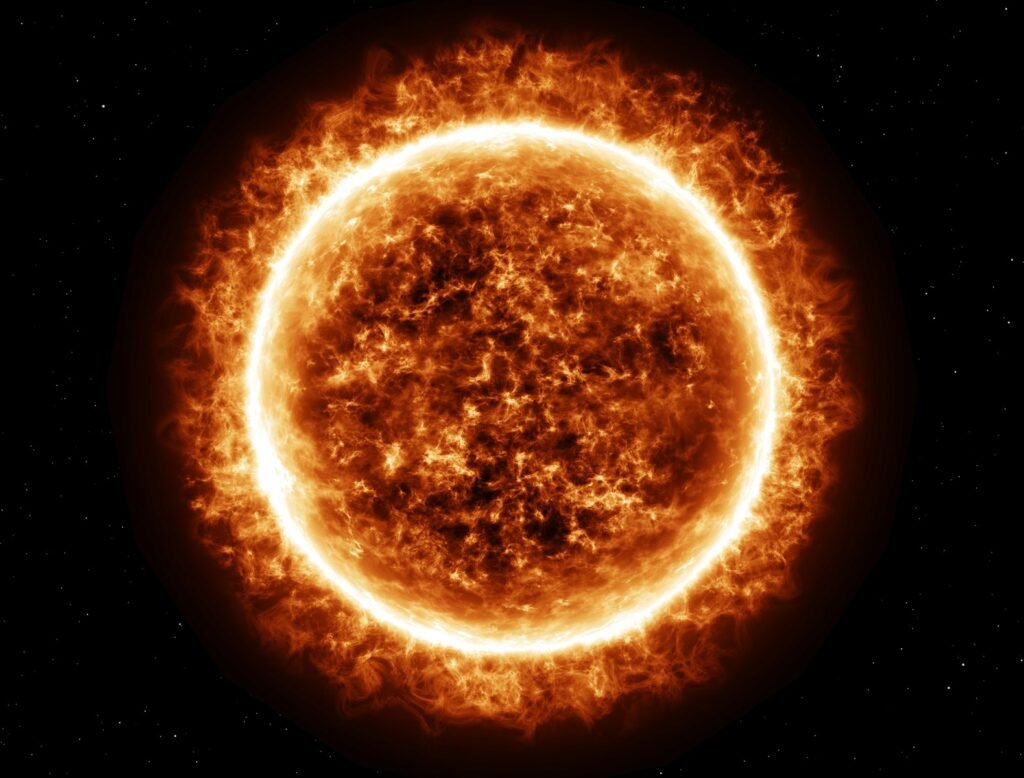
In roughly five billion years, the quiet yellow star that has warmed Earth for all of human history will become nearly unrecognizable, and with it, our familiar solar system will be radically reshaped. This isn’t a distant, abstract idea in astronomy; it’s a well-modeled sequence of events written into the physics of nuclear fusion and stellar evolution. By tracing the Sun’s life story from now through its red giant phase and beyond, scientists can predict how planets, moons, asteroids, and even the outer fringes of the solar system will respond. That story is far more violent, subtle, and intricate than a simple image of the Sun “just swelling up.” Understanding what will actually happen is like reading the final chapters of a book we’re still living in – and it has a lot to say about the fate of Earth and the nature of other planetary systems scattered across the galaxy.
The Sun’s Hidden Clock: How Long Our Star Has Left
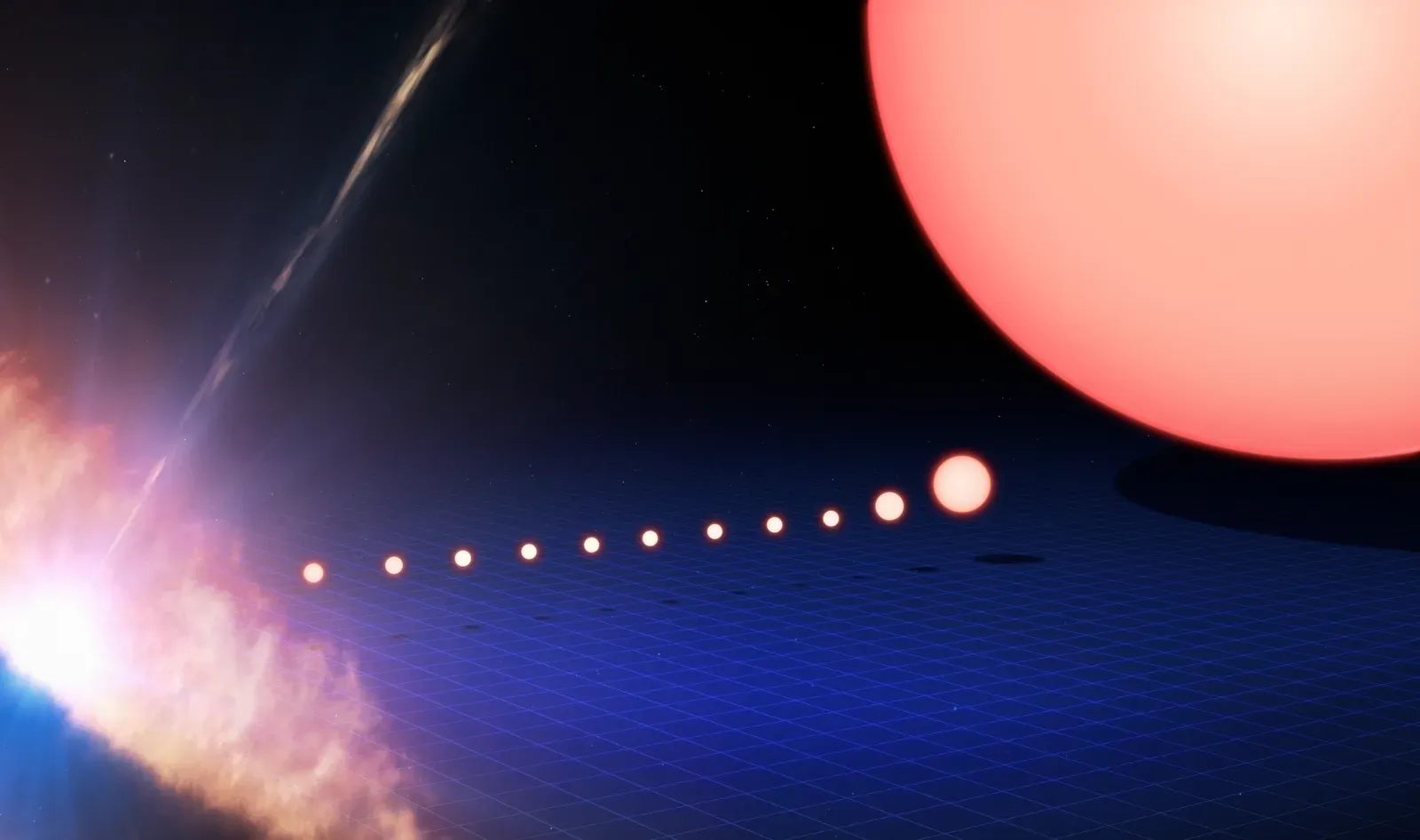
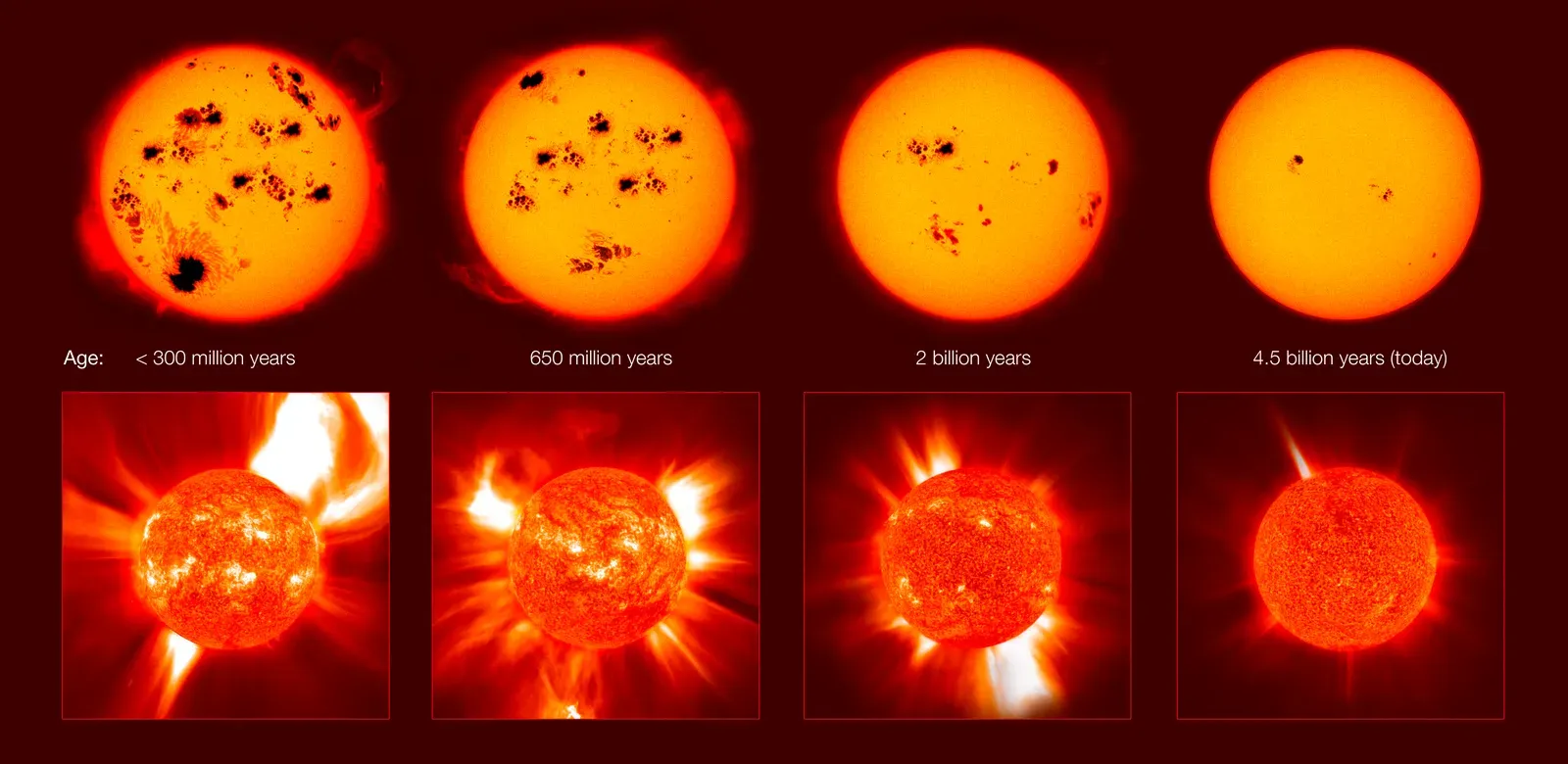
Our Sun looks steady to us, but from a stellar evolution perspective, it is already in late middle age. It formed about four and a half billion years ago from a collapsing cloud of gas and dust, and it has been steadily fusing hydrogen into helium in its core ever since. That fusion acts like a thermostat: the more gravity squeezes the Sun, the faster nuclear reactions push back, maintaining a long-term balance. Models of stars with the Sun’s mass indicate it has roughly another five billion years of this relatively calm “main sequence” life before its internal fuel pattern changes dramatically.
Even during this apparently stable era, the Sun is not truly constant. It is very slowly getting brighter as helium ash accumulates in its core and the fusion region shrinks and heats up, meaning Earth has been gradually receiving more energy over geological time. This creeping brightening matters, because long before the Sun turns into a red giant, that increased output is expected to push Earth into a runaway greenhouse state that strips away oceans and makes the planet uninhabitable. In other words, the Sun’s hidden clock is already ticking toward conditions that our descendants – if any remain here – would recognize as utterly alien.
When the Core Runs Dry: The Physics Behind the Red Giant
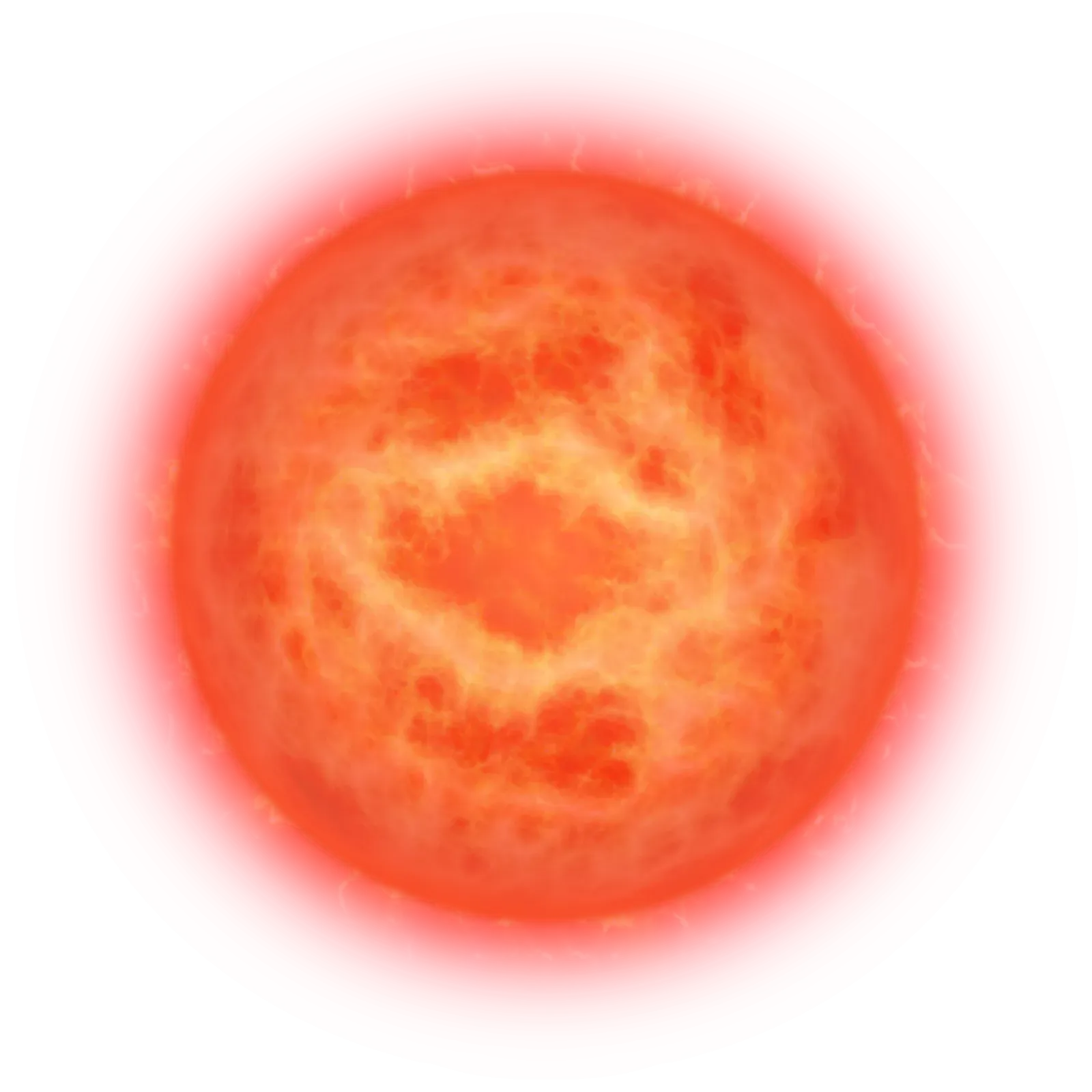
The dramatic transformation of the Sun begins when its core runs out of easily fusible hydrogen. Without that steady source of energy from the very center, gravity gains the upper hand and the core begins to contract and heat up, while a shell of hydrogen around it ignites and starts fusing instead. This change fundamentally alters how energy moves through the star, causing its outer layers to swell and cool as the interior becomes more compact and hotter. To a distant observer, the Sun will look larger and redder, but internally it will be more like a tightly wound spring of nuclear fire.
During the peak of this red giant phase, calculations suggest the Sun’s radius will grow to dozens of times its current size. How far, exactly, depends on details like mass loss and internal mixing, but it will extend to somewhere around the current orbit of Earth, possibly beyond. The surface temperature will drop, giving the star a red hue even as its overall luminosity increases many times over. This is not a gentle expansion but a turbulent reconfiguration driven by intense nuclear burning in shell layers and the relentless pull of gravity trying to compress what is left of the core.
Mercury, Venus, and Earth: Who Gets Consumed, Who Gets Cooked
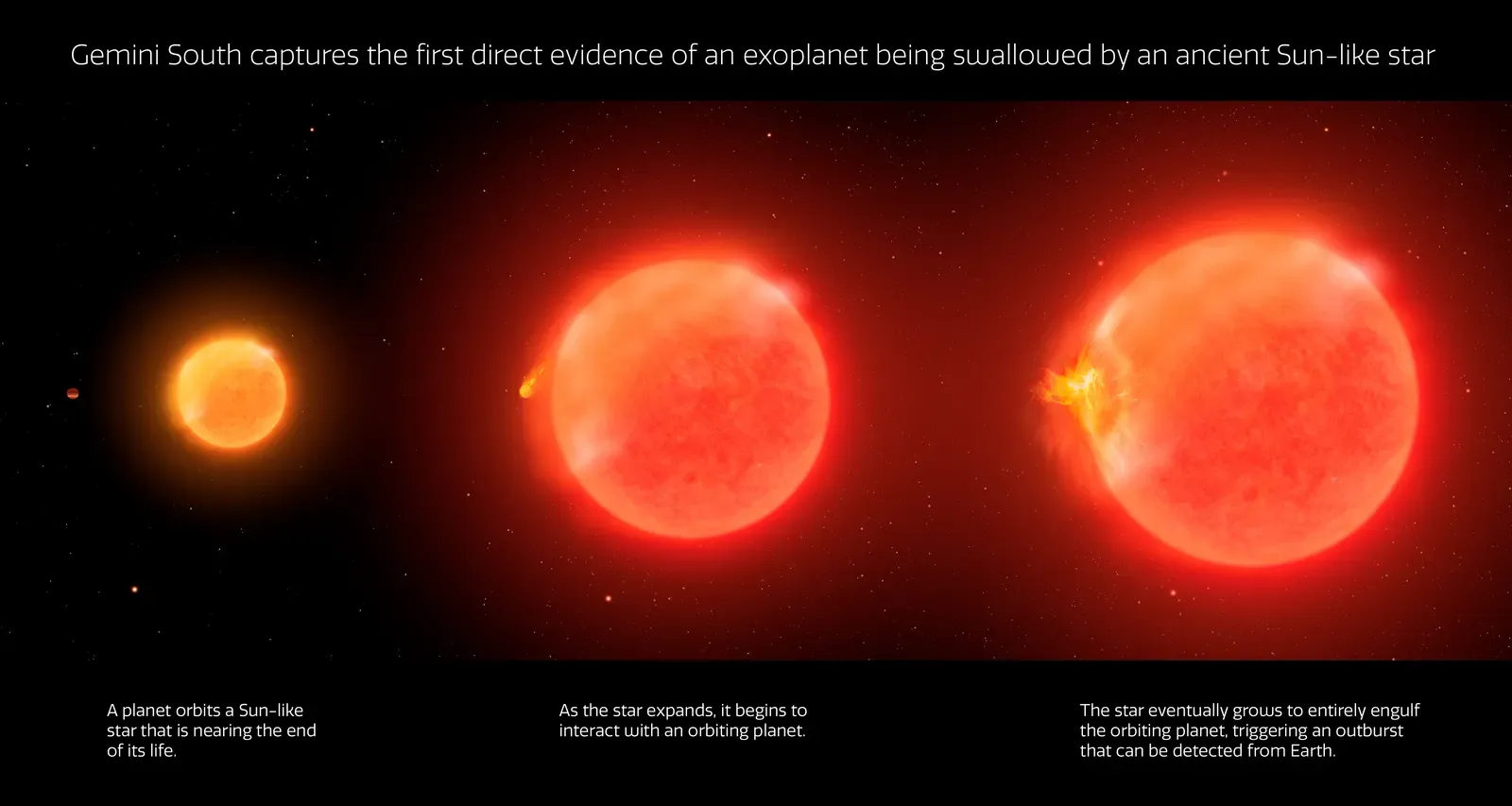
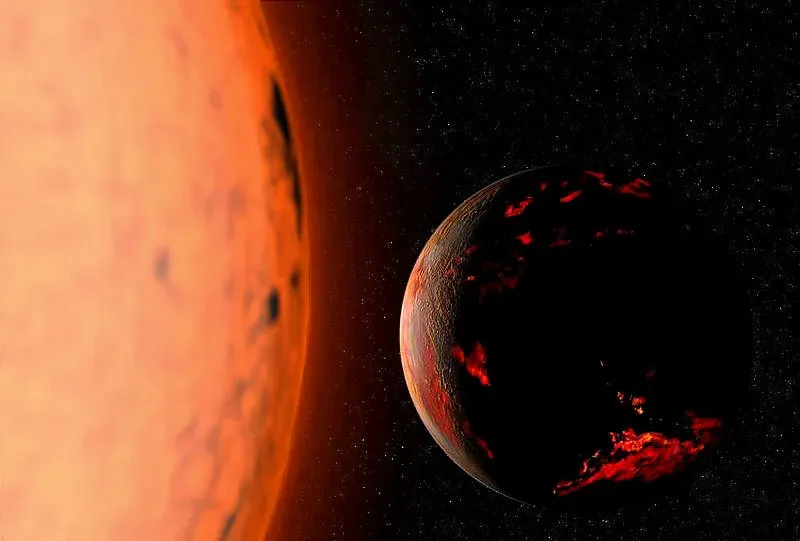
The inner solar system is where the Sun’s transformation becomes brutal and personal. Mercury, already hugging the Sun at a close distance, is almost certain to be swallowed entirely as the solar radius balloons outward. Venus, slightly farther out, faces a similar fate in most models, engulfed and shredded by the Sun’s extended atmosphere long before the end of the red giant phase. For Earth, the story is subtler and more contested, and that uncertainty makes it even more haunting to think about.
As the Sun swells, it will also lose mass in powerful stellar winds, and that reduces the gravitational pull holding the planets in their orbits. Earth’s orbit will gradually expand as a result, drifting outward compared to its current path. The key question is whether that orbital expansion outpaces the Sun’s expansion. Some studies suggest Earth may barely escape physical engulfment but will be scorched, stripped of its atmosphere and crust, and left as a roasted, airless rock. Others indicate the Sun’s outer layers may reach or overrun Earth’s orbit, turning our planet into nothing more than a brief disturbance in the bloated stellar envelope before it is vaporized.
Jupiter’s Turn in the Spotlight: Moons in a Strange New Summer
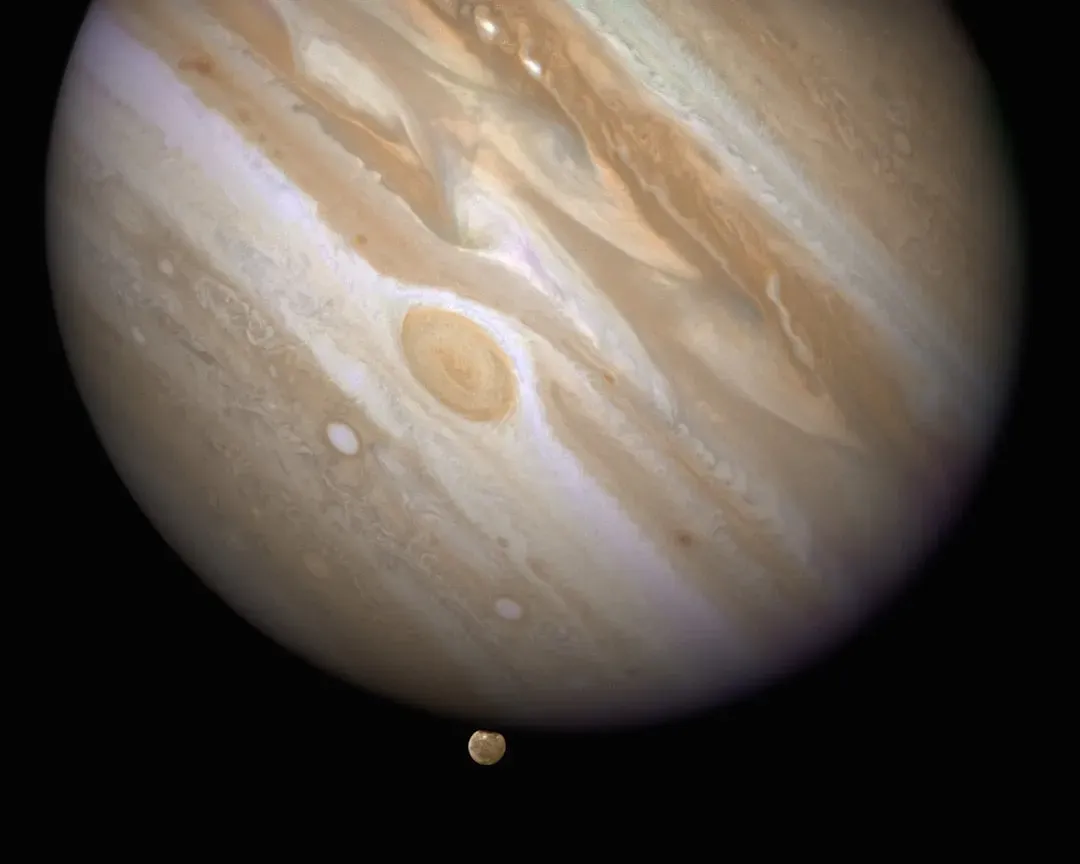
While the inner planets are destroyed or sterilized, the outer planets move into a surreal new regime. As the Sun becomes vastly more luminous, worlds that are currently frozen in deep cold – like Jupiter’s moons Europa and Ganymede or Saturn’s moon Titan – will experience something like a prolonged violent summer. The distant, icy surfaces could melt or sublimate, creating temporary atmospheres, oceans, or steaming, hazy envelopes of vapor. For a brief cosmic moment, these moons might resemble versions of Earth or Venus more than their present selves.
At the same time, the reduced mass of the Sun will cause Jupiter and Saturn to migrate outward, their orbits expanding in response to the weaker gravitational grip of the star. That outward drift will change the delicate gravitational dances within their moon systems, potentially destabilizing some orbits, causing collisions, or ejecting small bodies into interplanetary space. The giant planets themselves are not at risk of being consumed, but their role in the solar system will subtly shift from cold, distant guardians to uneasy neighbors of a swollen, dying sun. It is a reminder that a star’s fate touches every object in its realm, even those that seem safe in the dark.
Unbinding the Solar System: When the Sun Starts Letting Go
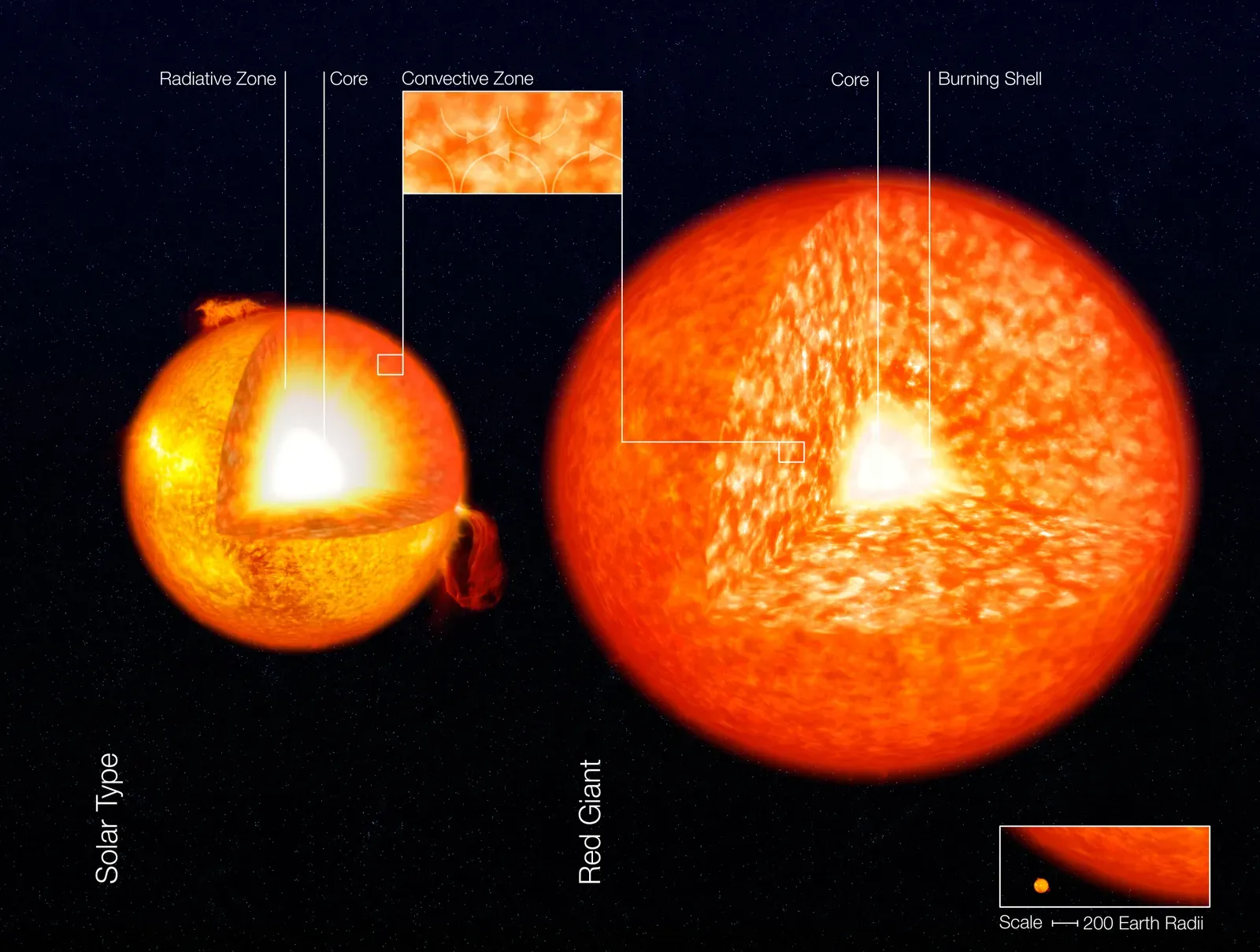
One of the most dramatic but less intuitive changes in the Sun’s late life is the way it sheds mass into space. As a red giant, it will drive powerful stellar winds that blow off its outer layers, ejecting a substantial fraction of its total mass over hundreds of millions of years. This mass loss weakens the Sun’s overall gravitational pull, and that means planetary orbits will expand in response, like weights moving outward on a slowly loosening tether. The solar system will literally grow in size while its central anchor shrinks.
As the Sun’s mass drops, the balance that holds distant comets, Kuiper Belt objects, and the hypothetical Oort Cloud in place will also change. Some of those far-flung icy bodies may be nudged into new orbits, flung inward toward the dying star, or ejected completely into interstellar space. Over time, the Sun’s gravitational reach will contract, and a fraction of its original population of comets and minor planets will simply drift away, becoming free-floating wanderers between the stars. The solar system, once tightly bound, will become a looser, thinner community surrounding a faint remnant.
White Dwarf Sun: A Stellar Corpse and a Ghostly Planetary System
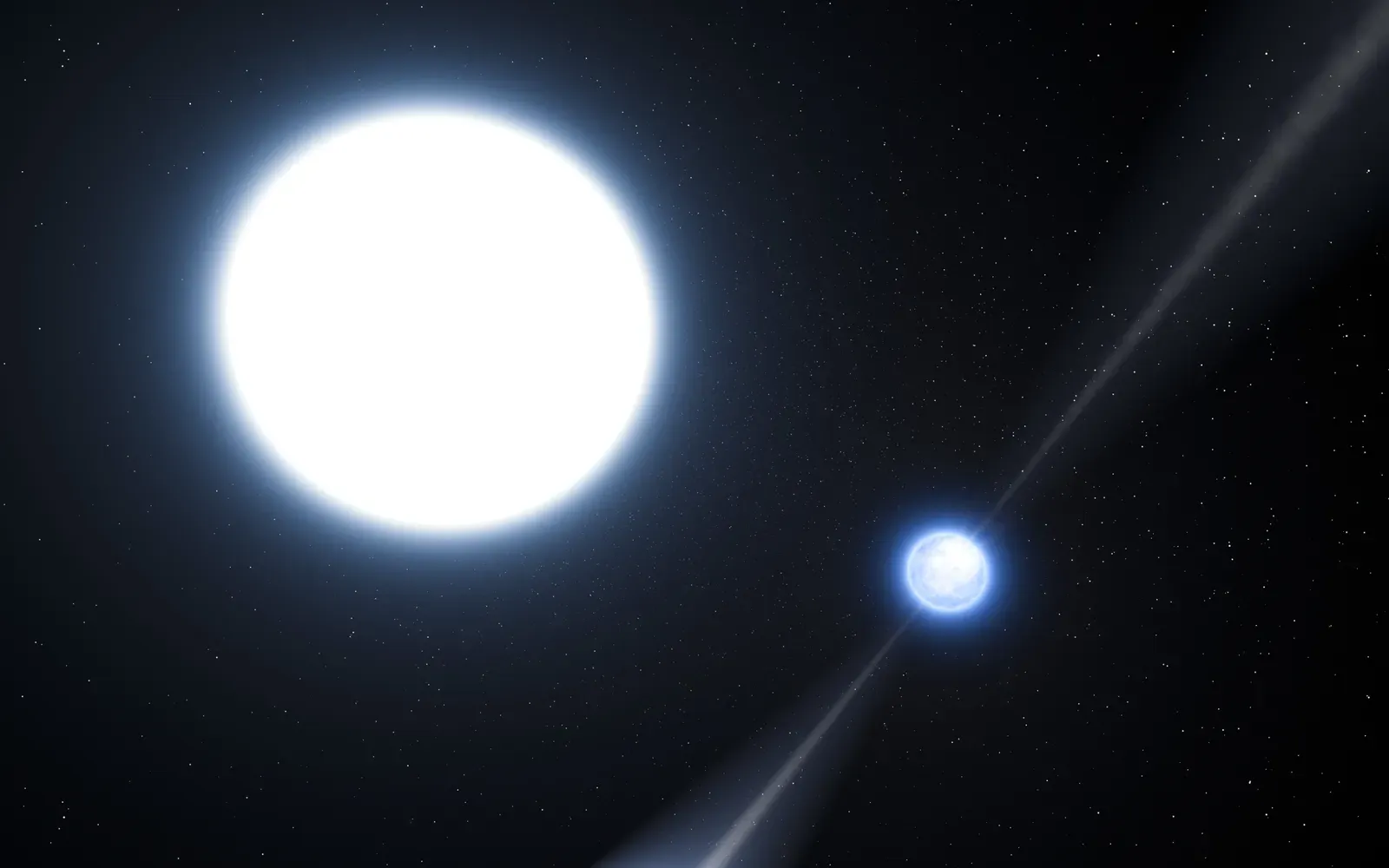
After the red giant phase has exhausted its possibilities, the Sun will cast off its final outer layers and leave behind a hot, dense core: a white dwarf. This object will be roughly Earth-sized but contain about half the Sun’s current mass, a cinder of carbon and oxygen packed so tightly that a teaspoon of its material would outweigh a mountain. It will no longer sustain nuclear fusion; instead, it will simply cool and fade over billions of years, shining with residual heat like a slowly dying ember. To any later observers, it would appear as a small, intensely bright star surrounded by a delicate shell of glowing gas from its expelled atmosphere.
The planets that survive – likely some combination of the outer giants and their moons, along with a sparse population of asteroids and dwarf planets – will orbit this white dwarf in wide, cold paths. Observations of white dwarfs in our galaxy already show signs of rocky debris and disrupted planets, hinting that planetary systems commonly endure a chaotic reshaping during this stage. Some of that debris can spiral inward and be torn apart by the white dwarf’s gravity, forming dusty disks and leaving chemical fingerprints in the star’s thin atmosphere. In that distant future, our solar system will be quieter, dimmer, but still active in slow, subtle ways.
What the Sun’s Fate Reveals About Exoplanets and Cosmic Habitability
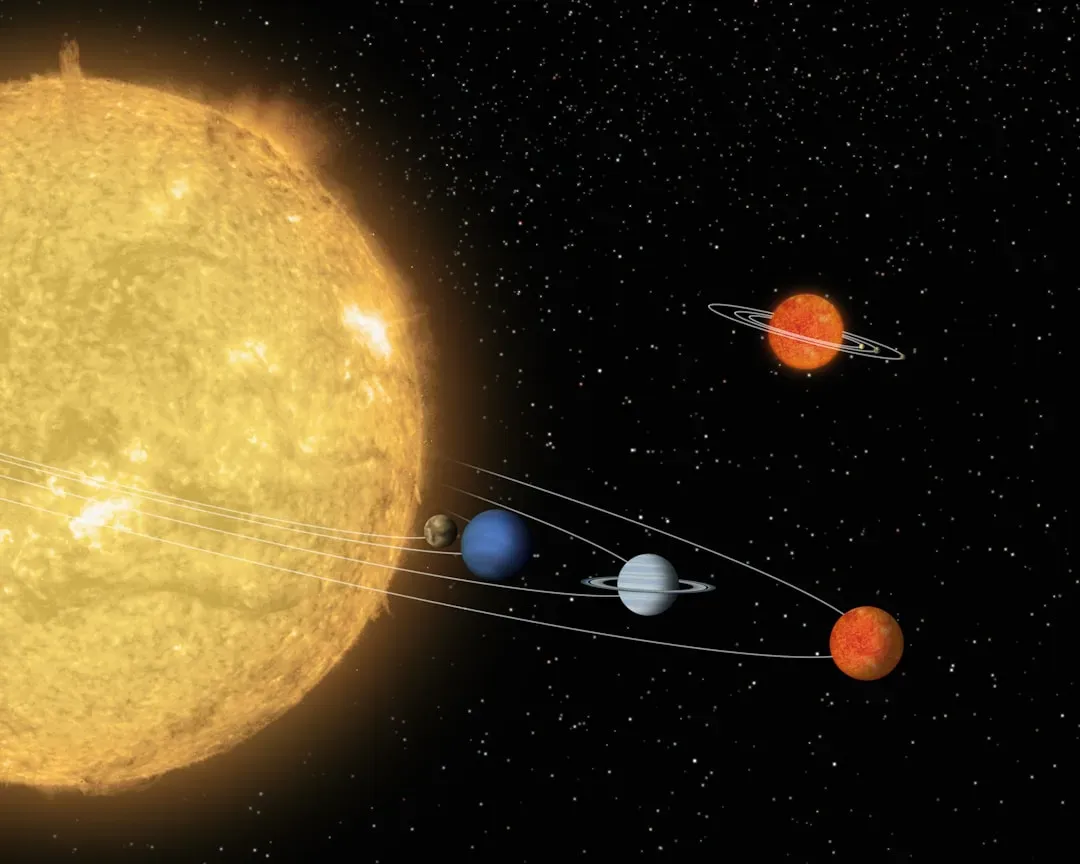
Studying the Sun’s future is not just about morbid curiosity regarding Earth’s eventual doom; it is a powerful tool for understanding planets around other stars. Astronomers have discovered many planetary systems orbiting red giant stars and white dwarfs, some with planets surprisingly close to their evolved hosts. By comparing those real examples with detailed models of our own Sun’s evolution, scientists can test their theories of how planetary orbits shift, how atmospheres are stripped, and how debris disks form. The Sun becomes a reference point for decoding the violent late-life stories of stars across the galaxy.
This perspective has changed our view of habitability as something dynamic rather than fixed. A planet can pass through different zones of potential habitability as its star brightens and swells, and icy moons that spend most of their history frozen solid might briefly enter conditions where liquid water and complex chemistry become possible. At the same time, the eventual engulfment or sterilization of inner planets puts a natural shelf life on biospheres. The Sun’s long-term arc, therefore, frames Earthlike worlds not as permanent havens, but as chapters in a longer cosmic narrative where stability is always temporary.
The Deeper Lesson: A Stable Star with an Inevitable Ending
The more precisely scientists model the Sun’s fate, the clearer a paradox emerges: we live under a remarkably stable star that is nonetheless guaranteed to erase its own inner system. For billions of years, that stability has allowed complex life to arise on Earth, technology to develop, and civilizations to wonder about their place in the universe. Yet the same physics that grants that stability also leads inescapably to the red giant phase, mass loss, and the white dwarf remnant that follows. There is no tweak or adjustment that can turn a star like the Sun into something immortal; its structure and mass dictate the ending.
Compared with older ideas that imagined the Sun burning like a cosmic fire indefinitely, modern stellar astrophysics replaces myth with a specific, testable timeline. It also puts human concerns into a sobering perspective: climate shifts, cultural upheavals, and even the lifespan of our species are tiny fluctuations on the surface of a vastly longer stellar story. At the same time, recognizing the Sun’s finite future can sharpen the sense that our current window – when Earth is temperate, oceans exist, and night skies still show a bright yellow star – is extraordinary. Knowing the ending does not make the story smaller; it makes every present chapter feel more charged with meaning.
Looking Ahead: How a Mortal Sun Can Fuel Our Curiosity Now
The Sun’s eventual transformation might feel too remote to matter, but grappling with it is one of the most accessible ways to connect with deep time and big-picture science. You can track solar activity through public spacecraft data, follow new discoveries about exoplanet systems around evolved stars, or simply spend time learning how nuclear fusion actually powers our daylight. Planetariums, science museums, and reputable astronomy outreach groups routinely offer programs that walk through the Sun’s life cycle with visuals far more vivid than any description on a page. Participating in those efforts is a way of turning abstract cosmic fate into something you can see and discuss.
There is also a more personal step: the next time you feel the Sun on your skin, remember that you are experiencing energy released by a process that will, one day, dismantle the solar system as we know it. That realization can be unsettling, but it can also be strangely grounding, a reminder that we are part of a living, changing universe rather than spectators outside it. Paying attention to the Sun – through safe observing, reading, or simply noticing the quality of light – turns a distant stellar timeline into part of your own story. In a universe where even stars are mortal, what better response is there than paying closer attention while they still shine?