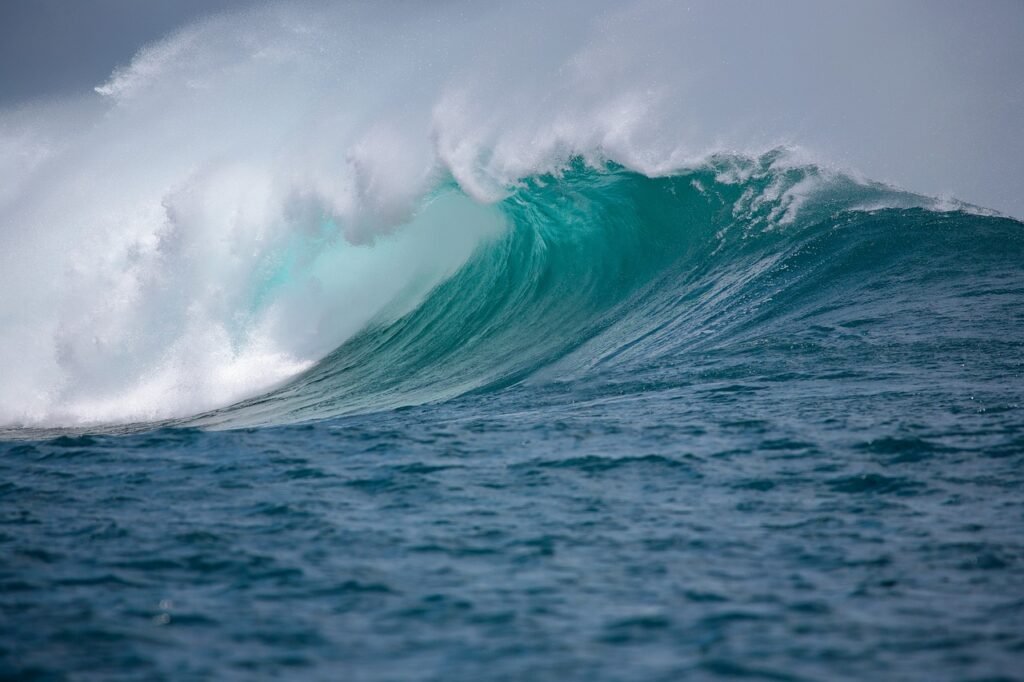

A Surge in Heat Absorption (Image Credits: Pixabay)
Scientists confirmed that 2025 marked another milestone in escalating ocean temperatures, with profound implications for marine ecosystems worldwide.
A Surge in Heat Absorption
Global ocean heat content reached unprecedented levels last year, absorbing an extraordinary amount of energy. Researchers reported that the oceans took in the equivalent of 12 Hiroshima-sized atomic bombs worth of heat every second throughout 2025. This marked the ninth consecutive year of record increases, as detailed in a comprehensive study published in Advances in Atmospheric Sciences.
The collaborative effort involved more than 50 scientists from 31 institutions across the globe. They analyzed data from thousands of sensors to track the total heat stored in the oceans. Such accumulation underscores the oceans’ role in soaking up over 90 percent of excess heat from human-induced climate change. This relentless warming has accelerated beyond previous projections, signaling a critical tipping point for environmental stability.
Devastating Effects on Marine Species
Marine wildlife faces immediate threats from these rising temperatures, with heatwaves disrupting habitats and food chains. Coral reefs, vital nurseries for countless fish species, suffered widespread bleaching events in regions like the tropical Atlantic and North Pacific. Populations of whales, sea lions, and seabirds struggled as warmer waters altered plankton distributions, leading to malnutrition and mass die-offs.
Conservationists noted that the North Pacific experienced a temperature anomaly of up to 2.4 degrees Celsius above average, exacerbating conditions for already vulnerable species. Birds and marine mammals, still recovering from prior heat events, encountered compounded stress. These changes not only reduce biodiversity but also hinder migration patterns, forcing animals into less suitable environments. Efforts to protect endangered species now demand adaptive strategies amid this thermal upheaval.
Regional Hotspots and Conservation Responses
The Southern Oceans and parts of the Atlantic emerged as particularly affected areas, where 16 percent of ocean surfaces hit all-time highs. In these zones, ice melt accelerated, exposing more water to direct heating and altering currents that influence global weather. Wildlife in polar regions, such as krill-dependent penguins and seals, saw declines in prey availability, prompting urgent interventions.
International teams ramped up monitoring with robotic sensors to better predict impacts. Conservation programs shifted focus toward resilient habitats, planting seagrass beds to buffer heat and restore carbon sinks. Governments and NGOs collaborated on policies to curb emissions, recognizing that ocean health directly ties to species survival. These measures aim to safeguard migration corridors and breeding grounds before irreversible losses occur.
Key affected regions include:
- Tropical Atlantic: Intensified hurricanes disrupt fish spawning.
- North Pacific: Marine heatwaves harm salmon and orcas.
- Southern Oceans: Ice loss endangers Antarctic wildlife.
- Global Coral Systems: Bleaching threatens reef-dependent species.
Broader Implications for Global Ecosystems
Beyond immediate wildlife losses, the 2025 heat surge amplified climate disasters, from intensified storms to prolonged droughts affecting coastal habitats. Oceans, storing 23 zettajoules of additional heat, act as a barometer for planetary health, influencing everything from fisheries yields to terrestrial biodiversity. Conservationists warn that unchecked warming could collapse key food webs, with ripple effects on human communities reliant on marine resources.
Scientists emphasized the need for rapid emission reductions to stabilize temperatures. Current trends suggest that without action, marine protected areas may prove insufficient against pervasive heat. International agreements gained momentum, pushing for expanded ocean sanctuaries and sustainable fishing practices. These steps seek to build resilience, ensuring that future generations inherit thriving ecosystems rather than depleted ones.
Key Takeaways
- Oceans absorbed record heat in 2025, equivalent to massive energy influxes.
- Marine species like corals and whales face habitat disruption and population declines.
- Conservation must prioritize adaptive measures and emission cuts for long-term protection.
As ocean warming persists, the call to action grows louder for integrated wildlife conservation. Protecting marine life demands global cooperation to mitigate these escalating threats. What steps do you believe are essential for safeguarding our oceans? Share your thoughts in the comments.