
The Surprising Pathway of Fungal Travel (Image Credits: Unsplash)
Carnivores, long recognized for their role as top predators, now emerge as unlikely partners in maintaining vibrant forest ecosystems through an overlooked process involving fungal spores.
The Surprising Pathway of Fungal Travel
Researchers recently uncovered that when carnivores prey on small mammals, they inadvertently transport fungal spores over long distances. These spores, lodged in the digestive systems of the mammals, survive the journey through the predator’s gut and exit via scat. This mechanism, detailed in a study published in Ecology Letters, highlights how predators contribute to biodiversity without directly consuming fungi.
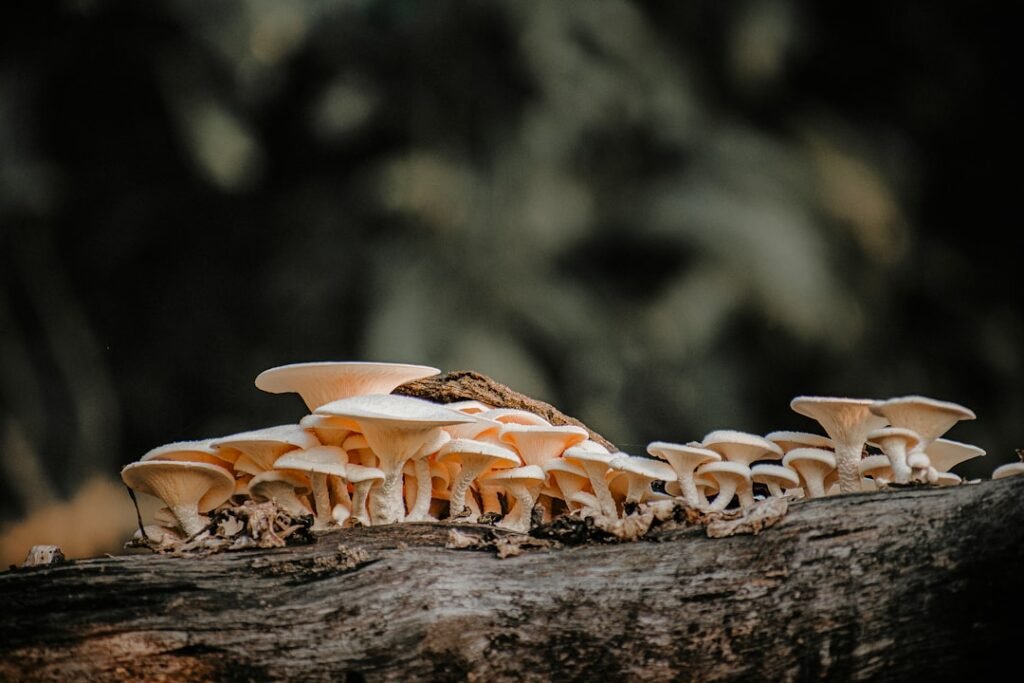
The process begins with small mammals ingesting mycorrhizal fungi, which form symbiotic bonds with plant roots. As these mammals become meals for larger carnivores like fishers or bobcats, the spores hitch a ride. Analysis of digestive tracts and scat samples revealed widespread occurrence of this dispersal, suggesting it plays a key role in fungal distribution across landscapes.
Essential Fungi for Forest Vitality
Mycorrhizal fungi enhance plant growth by improving nutrient and water uptake, which in turn supports overall forest productivity. Forests rich in these fungi regenerate faster after disturbances like fires or logging. The dispersal aided by carnivores ensures these beneficial microbes reach new areas, bolstering ecosystem resilience against environmental stresses.
This symbiotic relationship extends beyond immediate nutrition; the fungi help plants resist diseases and tolerate drought. In turn, healthier trees provide better habitats for wildlife. Without effective spore dispersal, fungal networks could fragment, leading to declines in forest health over time.
Carnivores as Key Ecosystem Connectors
Predators like fishers and other carnivores cover vast territories while hunting, far exceeding the limited range of small mammals or wind-blown spores. This long-distance transport connects isolated forest patches, promoting genetic diversity among fungal populations. Such connectivity proves crucial in fragmented habitats affected by human development.
Observations from field studies showed viable spores in carnivore scat, capable of germinating and forming new associations with plants. This indirect role positions carnivores not just as hunters, but as vital links in the underground fungal web that underpins forest stability.
Conservation Lessons from Fungal Dispersal
Protecting carnivore populations gains new urgency as their absence could disrupt fungal spread and weaken forest ecosystems. Wildlife managers now consider these dynamics in habitat restoration efforts, emphasizing corridors that allow predators to roam freely. Initiatives in areas like the northeastern U.S. already integrate this knowledge to enhance biodiversity.
Challenges arise from habitat loss and road networks that limit carnivore movement, potentially isolating fungal communities. Strategies to mitigate these barriers include wildlife bridges and reduced fragmentation. By safeguarding predators, conservationists indirectly nurture the soil microbes essential for thriving woodlands.
- Mycorrhizal fungi improve plant nutrient absorption, leading to stronger tree growth.
- Carnivore-mediated dispersal covers distances up to several kilometers.
- Forest regeneration accelerates in areas with diverse fungal networks.
- Predator protection supports broader ecosystem services like carbon sequestration.
- Human activities threaten this natural process through habitat disruption.
Key Takeaways
- Carnivores enable long-distance fungal spore dispersal via prey consumption.
- This process enhances forest productivity and resilience to disturbances.
- Conservation must prioritize predator habitats to sustain fungal networks.
As scientists deepen their understanding of these intricate ecological ties, the call grows clearer: preserving carnivores safeguards not only wildlife but the very foundations of forest health. What steps can we take in our communities to support this hidden web of life? Share your thoughts in the comments.