History is full of stories we think we understand – until a new excavation, a DNA test, or a satellite image tears a hole right through the neat version we learned in school. Some of the biggest historical mysteries are no longer just the playground of armchair detectives; they’re active scientific investigations, with geneticists, climatologists, physicists, and AI experts all taking a crack at them. The strange part? The more answers we find, the weirder the questions seem to get.
What follows isn’t a list of fairy tales or conspiracy theories, but 11 very real riddles that serious scientists are still wrestling with in 2026. These puzzles stretch from ancient tombs to vanished cities, from cryptic manuscripts to unexplained deaths on lonely mountainsides. You’ll notice a pattern: even when technology gets sharper, the past often refuses to become simple. In some cases, we’re closer than ever; in others, we might just be poking at the surface of something far bigger than we imagined.
1. Who Was the Real Cleopatra Beyond the Legend?
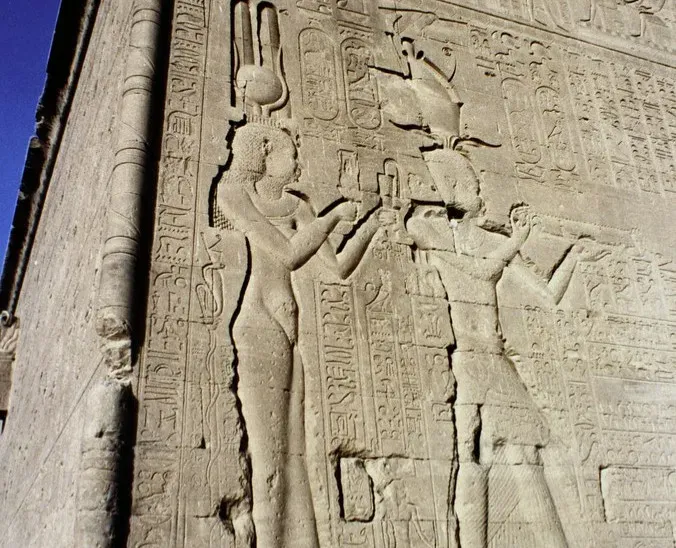
Cleopatra is one of those historical figures people feel like they already know: seductive queen, doomed romance, dramatic death. But when historians and scientists go looking for the real woman behind the legend, they keep hitting frustrating gaps. We still don’t know exactly where her tomb is, what she truly looked like, or even the full story of her ancestry, beyond the general certainty that she was part of the Greek-descended Ptolemaic dynasty.
Modern researchers are using ground-penetrating radar, satellite imagery, and underwater archaeology around Alexandria to hunt for her lost mausoleum, which might also hold Mark Antony. If it’s ever found intact, it could answer questions about her burial rituals, political status at the end of her life, and possibly even traces of what killed her. The popular snake-bite story looks increasingly shaky when compared with ancient accounts and toxicology knowledge. Was it poison? Was it a staged suicide? Until we find more concrete evidence, Cleopatra stays suspended somewhere between history and myth.
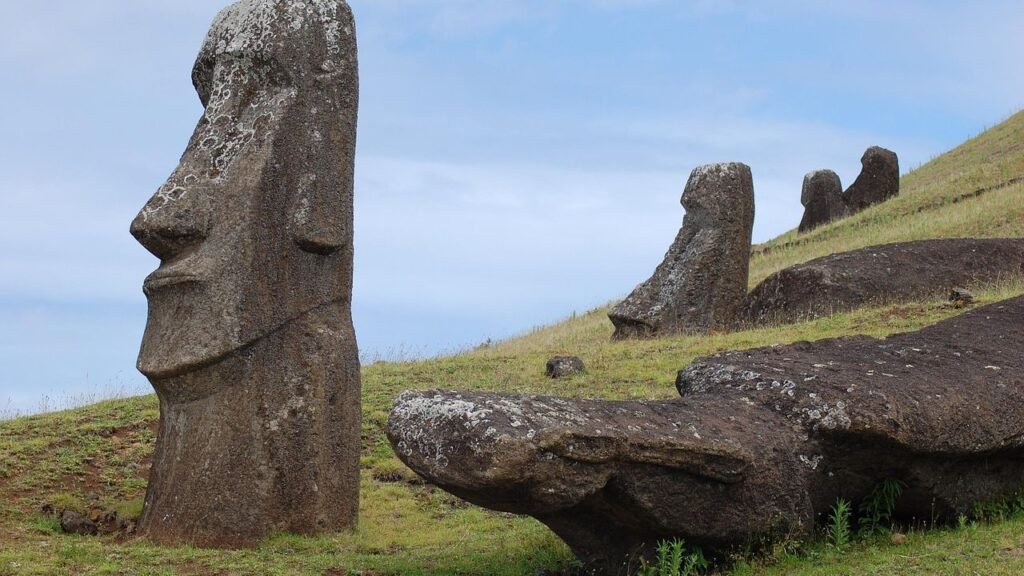
2. How Did the Massive Stone Statues of Easter Island Really Move?
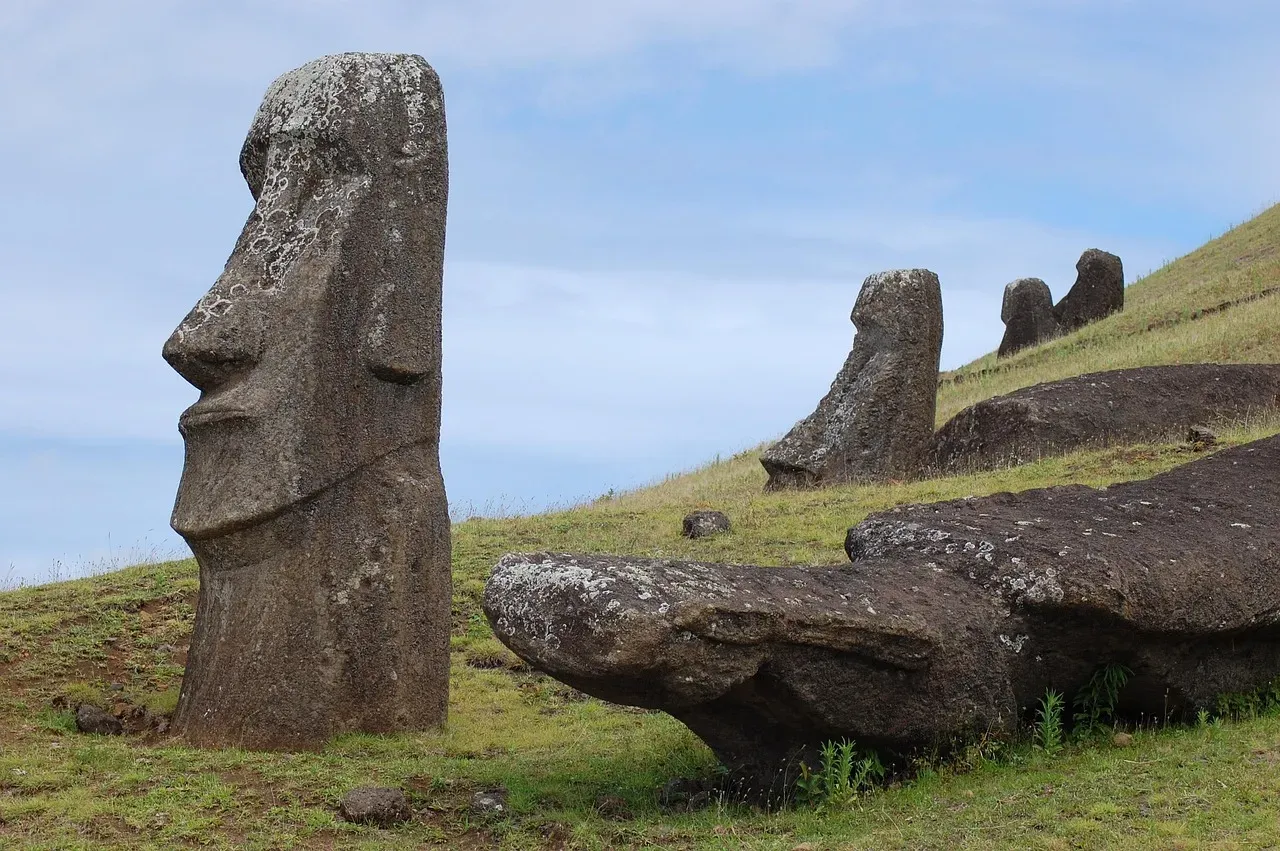
The giant stone heads of Easter Island – Moai – look like they’ve been dropped from the sky or planted by some lost civilization. In reality, they were carved by the Rapa Nui people, but the true mystery isn’t who made them; it’s how they transported these multi-ton giants across rough terrain without wheels or large animals. Oral traditions say the statues “walked,” which sounds poetic until you watch modern experiments showing teams of people rocking replicas side to side to make them actually “walk” upright.
Even with those demonstrations, scientists are still puzzling over details. Did all statues travel the same way, or were there multiple methods over centuries? How did the islanders avoid breaking them, and what kind of ropes, logs, or pathways did they realistically have available given the island’s limited resources? Archaeologists are combining soil studies, wear patterns on the statues, and computer simulations to test different scenarios. As more is learned about deforestation and resource use on Rapa Nui, the story gets more complex, blurring the old, oversimplified tale of a society that supposedly “collapsed” due only to its own excess.
3. What Really Happened to the Lost Colony of Roanoke?
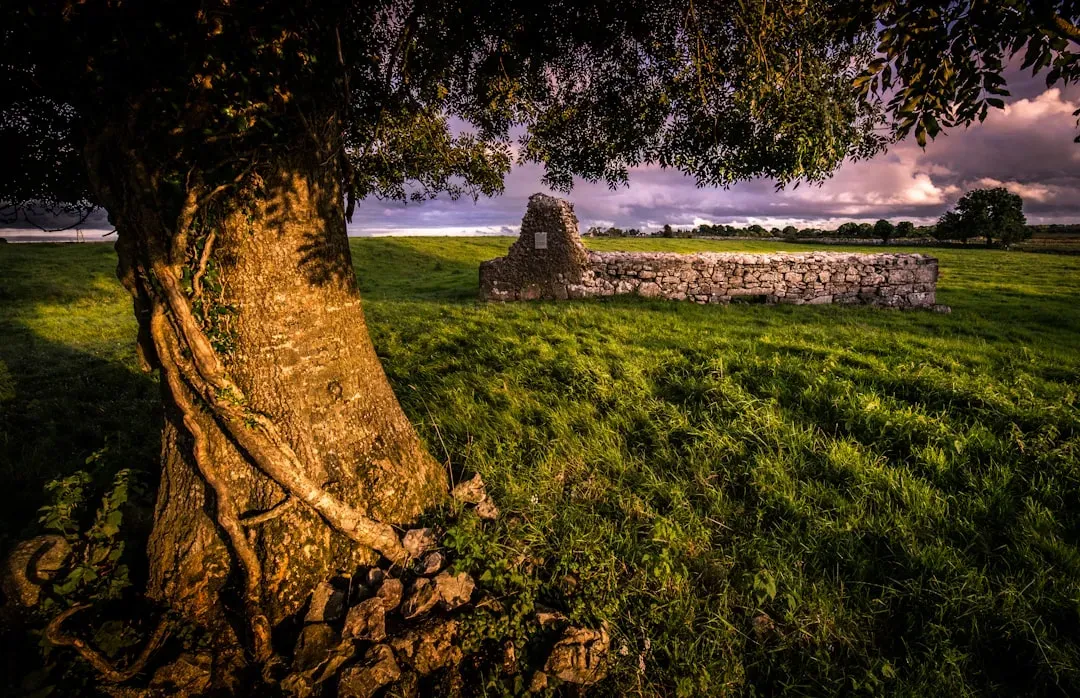
The disappearance of the English colony at Roanoke in the late 1500s might be one of the most unsettling mysteries in American history. When the colony’s governor returned from a long supply trip, he found the settlement abandoned, with the word “CROATOAN” carved into a post. No bodies, no clear signs of battle, just…nothing. For centuries, theories have ranged from massacre to starvation to peaceful integration with nearby Indigenous communities.
Modern science is nudging the mystery forward but not fully cracking it. Archaeologists have uncovered European-style artifacts at multiple sites inland from Roanoke, suggesting that at least some colonists moved and possibly merged with local tribes. Isotope analysis of bones, genetic studies of descendant communities, and renewed excavations are all in play, trying to trace who went where and who survived. Climate data from tree rings even indicates there was a severe drought at the time, which could have pushed desperate decisions. Still, we don’t have a definitive, unified story – just scattered clues hinting that the colonists’ fate was not a single dramatic event but a messy, human struggle spread across years and miles.
4. Who Was Jack the Ripper – And Can DNA Really Solve It?
The Jack the Ripper murders in Victorian London have been analyzed to death in books, TV shows, and late-night debates, but law enforcement never identified the killer. In the last decade or so, modern forensic techniques – especially DNA testing – have been thrown into the mix, mostly on items like letters and a shawl allegedly linked to the crime scenes. Some studies have claimed to point to a particular suspect, but contamination and shaky provenance make these results hard to trust.
Forensic science has improved massively since those early attempts, and there’s growing interest in using modern standards of DNA handling, probabilistic analysis, and even machine-learning comparisons of handwriting or phrasing in surviving documents. But there’s a harsh reality: the physical evidence is old, not well preserved, and may have been handled by countless people over more than a century. That muddiness makes “case closed” pronouncements feel premature. In the end, the mystery of Jack the Ripper is not just about the killer’s name; it’s about how far science can be stretched to squeeze conclusions from fragile, compromised traces of the past.
5. What Are the True Origins of the Voynich Manuscript?
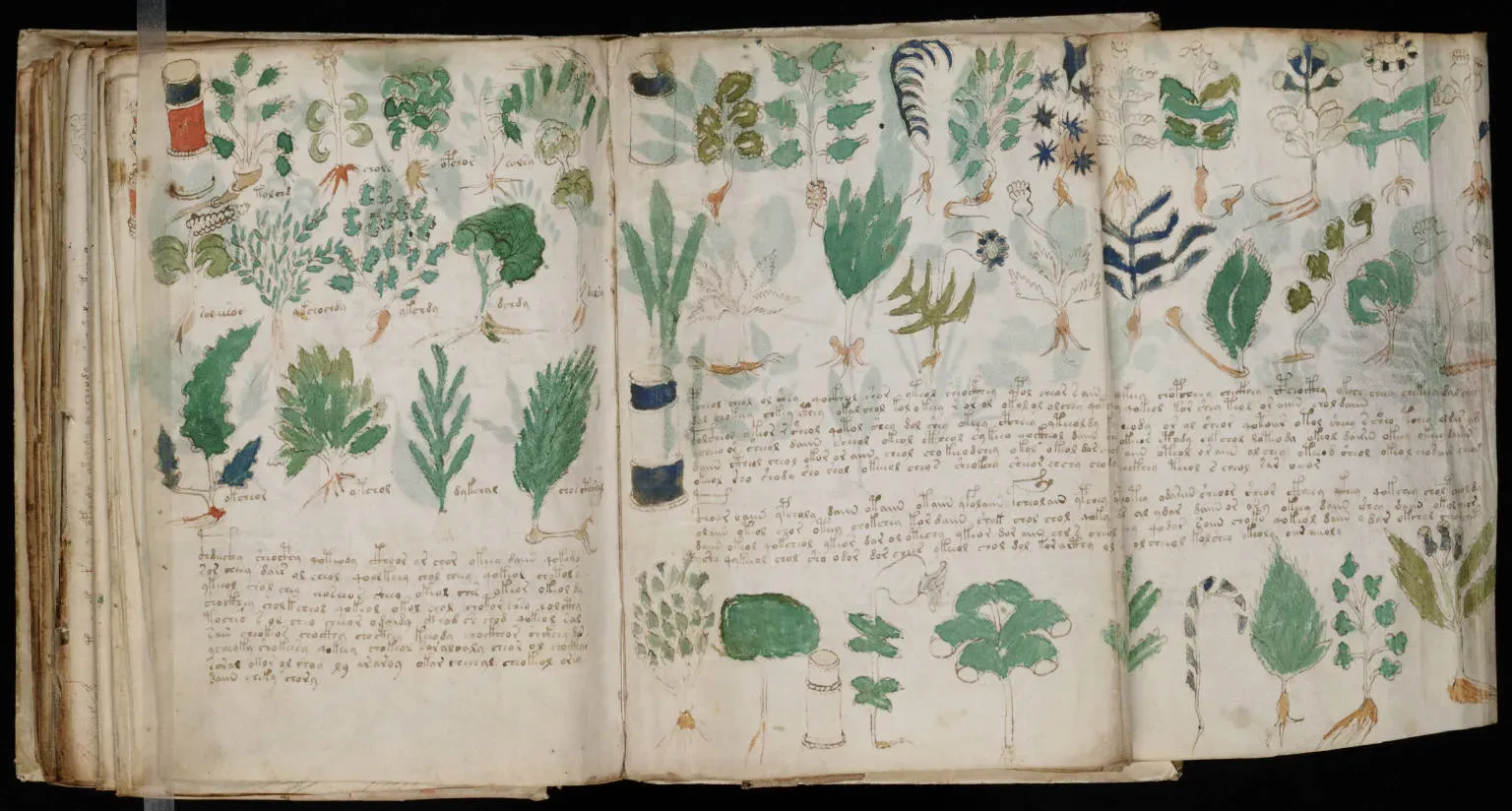
The Voynich Manuscript looks like something straight out of a fantasy novel: an illustrated book full of strange plants, symbols, nude figures in baths, and a mysterious script nobody can read. Carbon dating suggests its parchment dates to the early 1400s, and linguistic and statistical analyses indicate that the text has the structure of a real language rather than random gibberish. Yet no one has convincingly decoded it, despite efforts from professional cryptographers, AI models, and enthusiastic amateurs.
Some researchers propose that the manuscript might encode a natural language using a complex substitution system, while others think it could be an invented language or some kind of sophisticated hoax. Computer scientists have tried to compare its patterns to known language families, with tentative hints that it could be a heavily modified version of a European tongue, but nothing has stuck. Without a “Rosetta Stone” key or parallel text, even today’s machine-learning tools mostly hit a wall. The frustrating part is that advances in cryptanalysis have cracked far tougher wartime codes, yet this strange little book still sits in a library, quietly refusing to give up its secrets.
6. How Did the Pyramids of Giza Really Get Built?
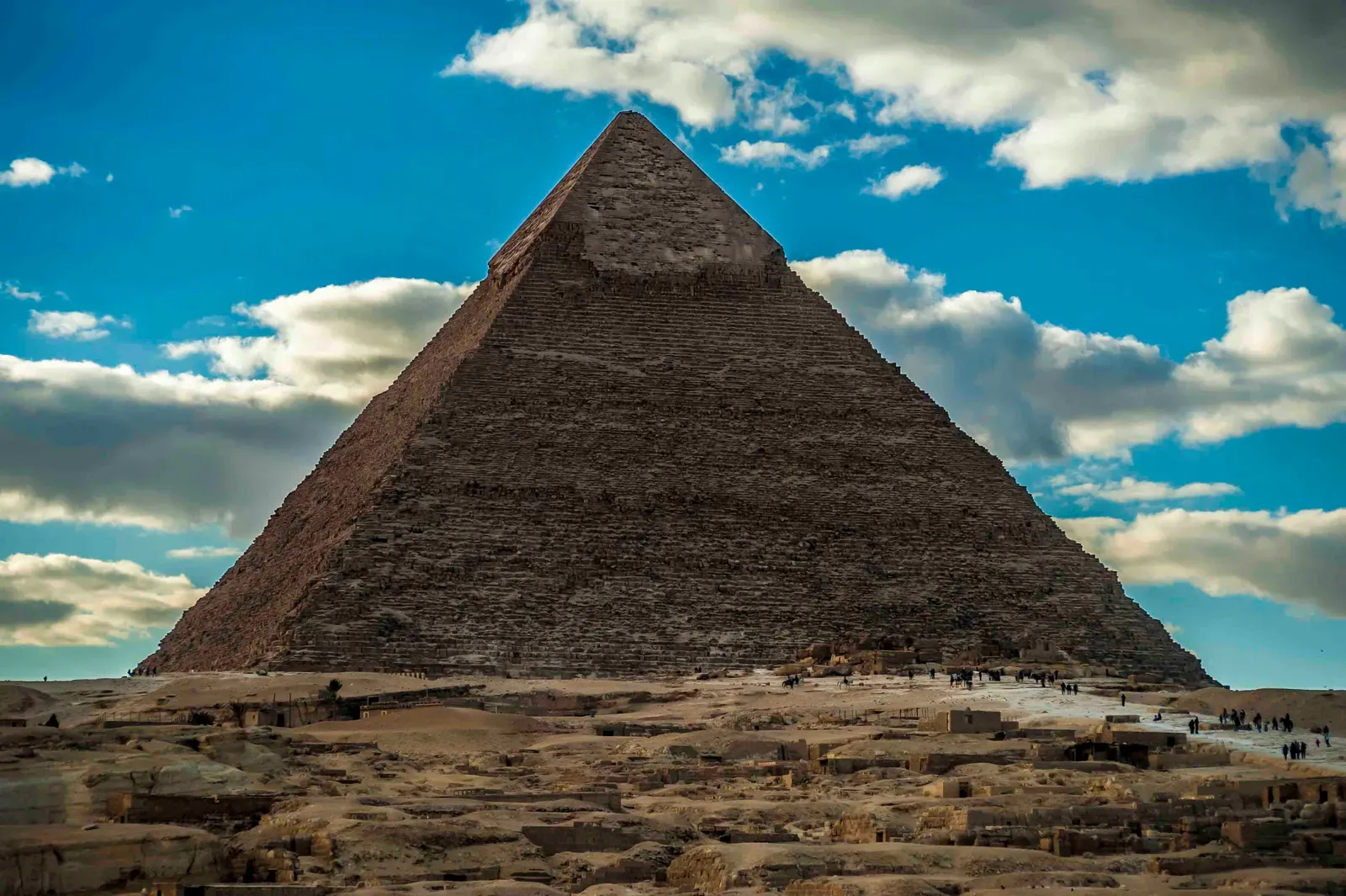
Standing in front of the Great Pyramid of Giza feels a bit like staring at a glitch in history – an absurdly precise, massive structure built thousands of years before cranes and modern concrete. We know the Egyptians built it, not aliens, and we have decent ideas about timelines, workforce organization, and quarrying. But the exact methods of moving and positioning those huge stone blocks with such astonishing accuracy still trigger heated debate among engineers and archaeologists.
Modern experiments with sledges, lubricated sand, and reconstructed ramps have shown that coordinated teams with simple tools could move large stones much more efficiently than most people assume. Evidence of worker villages, diet, and medical care suggests a skilled, well-organized labor force rather than mistreated slaves. Yet the precise ramp designs, lifting techniques, and quality-control processes remain partly speculative, reconstructed from tool marks, unfinished quarries, and fragmentary wall scenes. Even laser scans and 3D modeling only take us so far; the rest requires careful reasoning about what a technologically brilliant, but very different, culture might have considered obvious.
7. What Caused the Mysterious Dyatlov Pass Incident?
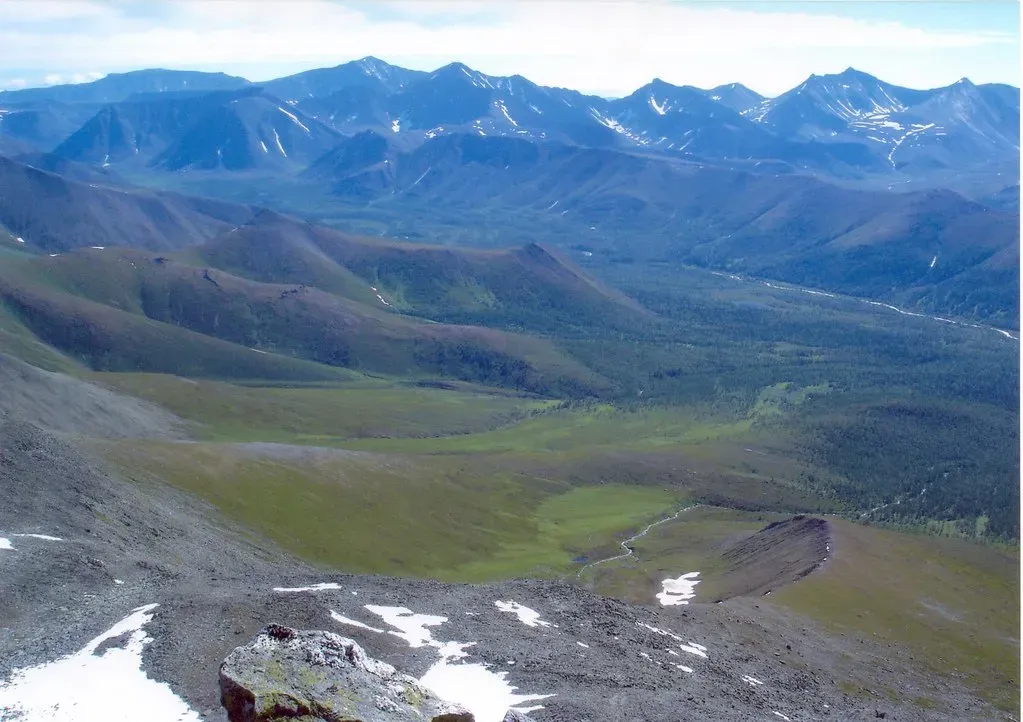
In 1959, nine experienced hikers died in the Ural Mountains under bizarre and horrifying circumstances: a torn tent, bodies scattered at different distances, some with severe internal injuries but little external damage, and others partially undressed in deep cold. Official explanations at the time were murky, which only fueled decades of suspicion and speculation ranging from military experiments to paranormal forces. The scene reads like a horror story, and that emotional punch makes it hard to separate sensation from evidence.
In recent years, scientists have revisited the case using updated avalanche models, forensic analysis, and weather reconstruction. One group of researchers proposed that a rare, small slab avalanche, combined with poor visibility, panic, and extreme cold, could explain many of the injuries and the strange behavior. Others point out remaining inconsistencies, like the distribution of the bodies and some reported autopsy details. It’s plausible that multiple factors – environmental, psychological, and possibly human error or official secrecy – interacted in a tragic chain. Yet without fully reliable records and with the original site long altered, a fully satisfying answer remains out of reach.
8. Why Did the Maya Civilization Decline So Dramatically?
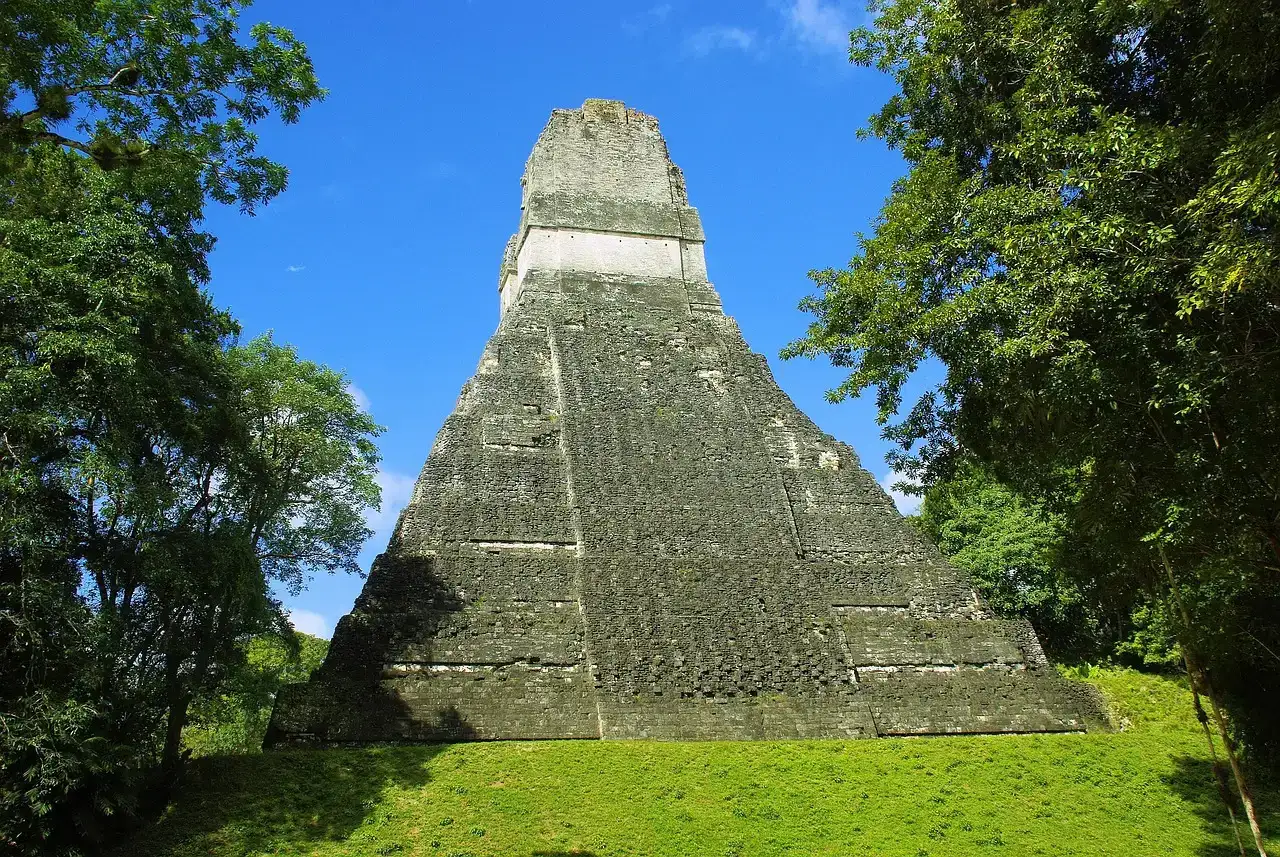
The ancient Maya built magnificent cities, observed the skies with stunning precision, and developed complex writing and mathematics. Then, over a few centuries, many of their major urban centers were abandoned, leaving behind towering ruins swallowed by jungle. Early narratives painted this as a sudden, mysterious collapse, almost like a switch being turned off on an entire civilization. That story was always too simple, and modern science is steadily rewriting it.
Paleoclimate reconstructions from lake sediments and stalagmites suggest repeated severe droughts, especially between about the seventh and tenth centuries. Combined with evidence of soil exhaustion, deforestation, warfare, and political fragmentation, a picture emerges of a long, uneven decline rather than a single catastrophic event. Some Maya communities survived and adapted, moving or changing their practices, and their descendants are very much alive today. Instead of a single cause, the riddle becomes how a sophisticated society responded to overlapping stresses – and why some parts of that society were more resilient than others. It’s less a dramatic fall and more a complex, regional reshaping that we still don’t entirely grasp.
9. Who Built Göbekli Tepe – and Why So Early?
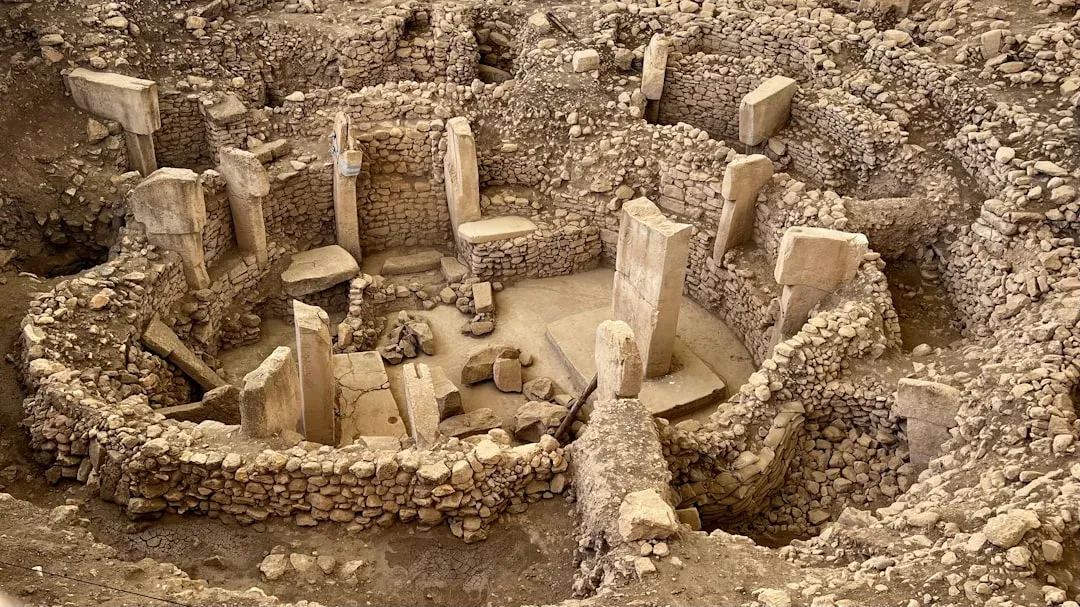
Göbekli Tepe, in modern-day Türkiye, knocked a hole in many neat timelines when it was seriously studied in the late twentieth and early twenty-first centuries. Those huge T-shaped stone pillars, carved with animals and abstract symbols, date to a time long before pottery, cities, or metal tools. It’s like discovering a cathedral built centuries before small villages were supposed to exist. The people who made it were hunter-gatherers – or so the standard story goes – yet they built something that looks suspiciously like a planned monumental complex.
This has triggered a huge debate about what came first: large-scale ritual sites or settled agricultural societies. Some archaeologists argue that shared religious or ceremonial spaces like Göbekli Tepe might have actually driven people to cooperate, settle, and eventually farm. Others think we’re underestimating the social complexity of late hunter-gatherers. There are also questions about why the site was deliberately buried, whether to protect it, end its use, or erase something. Ongoing excavations, refined dating, and microscopic residue analysis are slowly building a clearer picture, but the core riddle remains: how did people without cities or writing organize the labor, knowledge, and belief needed to create something this elaborate so early in human history?
10. Where Exactly Is Genghis Khan’s Tomb?
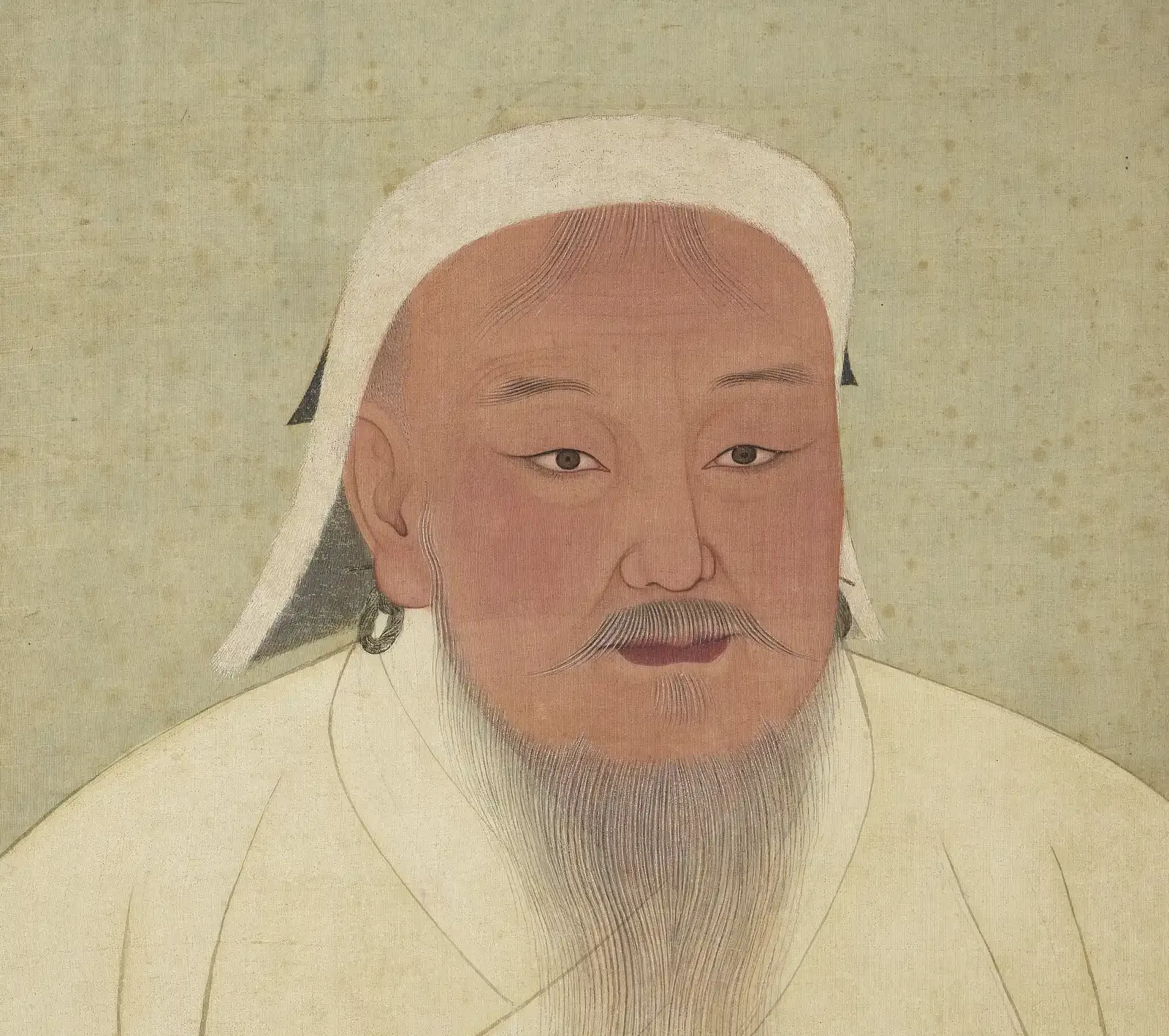
Genghis Khan reshaped a huge portion of the world in the thirteenth century, yet the location of his burial place remains one of history’s most persistent blind spots. According to tradition, his funeral procession killed anyone who saw it and tried to erase traces of the route, and legends say the grave was hidden or even deliberately trampled over by horses. As a result, there’s no confirmed monument, no widely accepted tomb, just endless possibilities scattered across Mongolia and beyond.
Modern technology – satellite imagery, aerial surveys, and noninvasive geophysical methods – has been used to scour likely regions, often in partnership with Mongolian authorities who are understandably cautious about disturbing sacred ground. There have been promising hints of burial complexes and unusual structures, but nothing that can be definitively tied to the great khan himself. Genetic research on modern populations can map the impact of his descendants, but that doesn’t reveal where his body lies. Beyond the pure curiosity, his tomb could contain artifacts and records that would transform our understanding of the Mongol Empire. For now, though, science is limited not just by technology but by cultural respect and ethical questions about how far to push the search.
11. What Happened to the Crew of the Mary Celeste?
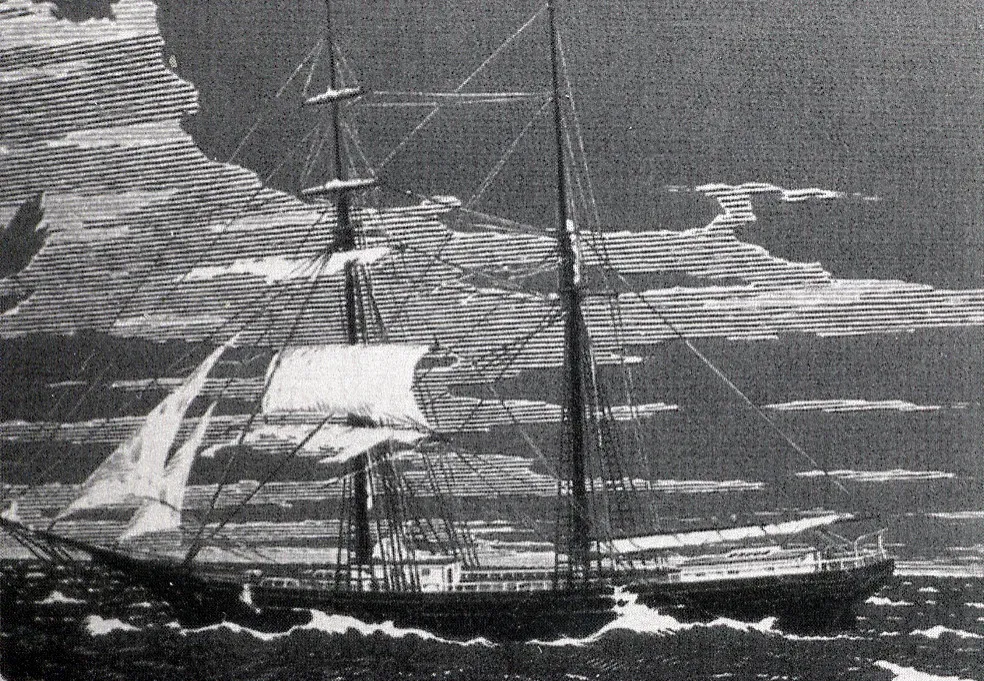
The Mary Celeste is the classic ghost-ship story that refuses to settle into a single, tidy explanation. In 1872, the ship was found adrift in the Atlantic, supplies largely intact, cargo mostly untouched, and no obvious signs of violence. The lifeboat was gone, and so was the crew. Something had clearly scared or forced them to abandon ship, but the vessel itself was still seaworthy enough to be sailed to port. It’s the kind of puzzle that seems like it should have an obvious answer – and yet it doesn’t.
Modern investigations have re-examined ship records, weather patterns, and the cargo, which included industrial alcohol that might have leaked fumes. Some maritime experts suggest a temporary but terrifying event – like explosive vapors, freak waves, or sudden water intake – could have made the captain order an evacuation that later turned fatal when the lifeboat was lost. Others consider the possibility of miscommunication, faulty equipment, or injuries that never made it into official paperwork. There’s no solid forensic evidence left to test, so science is limited to scenario modeling and re-reading old documents with a more technical, skeptical eye. The Mary Celeste remains one of those cases where every solution feels almost right – but always just a little too thin.
Why Some Mysteries Refuse to Die
Looking at these riddles side by side, a pattern emerges: modern science is incredibly good at sharpening the edges of what we know, but the past almost never hands us a clean, single-sentence answer. Instead, we get probabilities, overlapping causes, and stories that are more complicated – and more human – than the myths we started with. A lost colony might not have vanished in a flash but slowly fractured; a “collapsed” civilization may have adapted in ways we’re only now recognizing; a “ghost ship” might be the result of a chain of panicked but understandable decisions rather than a single dramatic twist.
In a way, that’s the real magic of these historical mysteries. They remind us that people long ago faced uncertainty, fear, ambition, and bad luck just like we do, and that even with satellites, DNA labs, and AI, we’re still piecing together their lives from fragments. Some of these puzzles will probably be cracked with the next generation of technology; others might stay unresolved, serving as permanent question marks that keep historians, scientists, and curious onlookers arguing late into the night. Which of these would you most want to see solved in your lifetime?