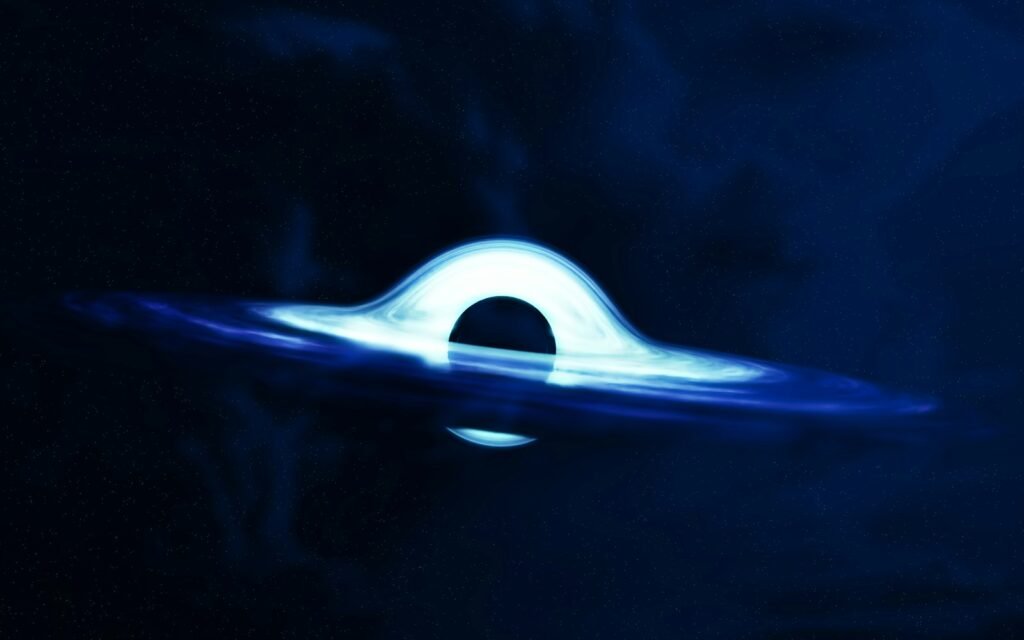

Every time we think we’ve got the universe roughly figured out, nature drops something on the table that feels less like science and more like a plot twist from a surreal movie. In the last few decades especially, astronomers and physicists have uncovered phenomena so extreme that even seasoned researchers admit they sound made up at first. This article dives into seven of the most mind‑bending discoveries that have reshaped how we see reality itself, from invisible cosmic scaffolding to planets that rain molten glass. Each one started as a careful measurement or a stubborn anomaly on a graph and ended up rewriting textbooks. Together, they paint a universe that is not just big and cold, but wild, dynamic, and far stranger than anything we once dared to imagine.
Dark Energy: The Force That Makes Space Itself Speed Up
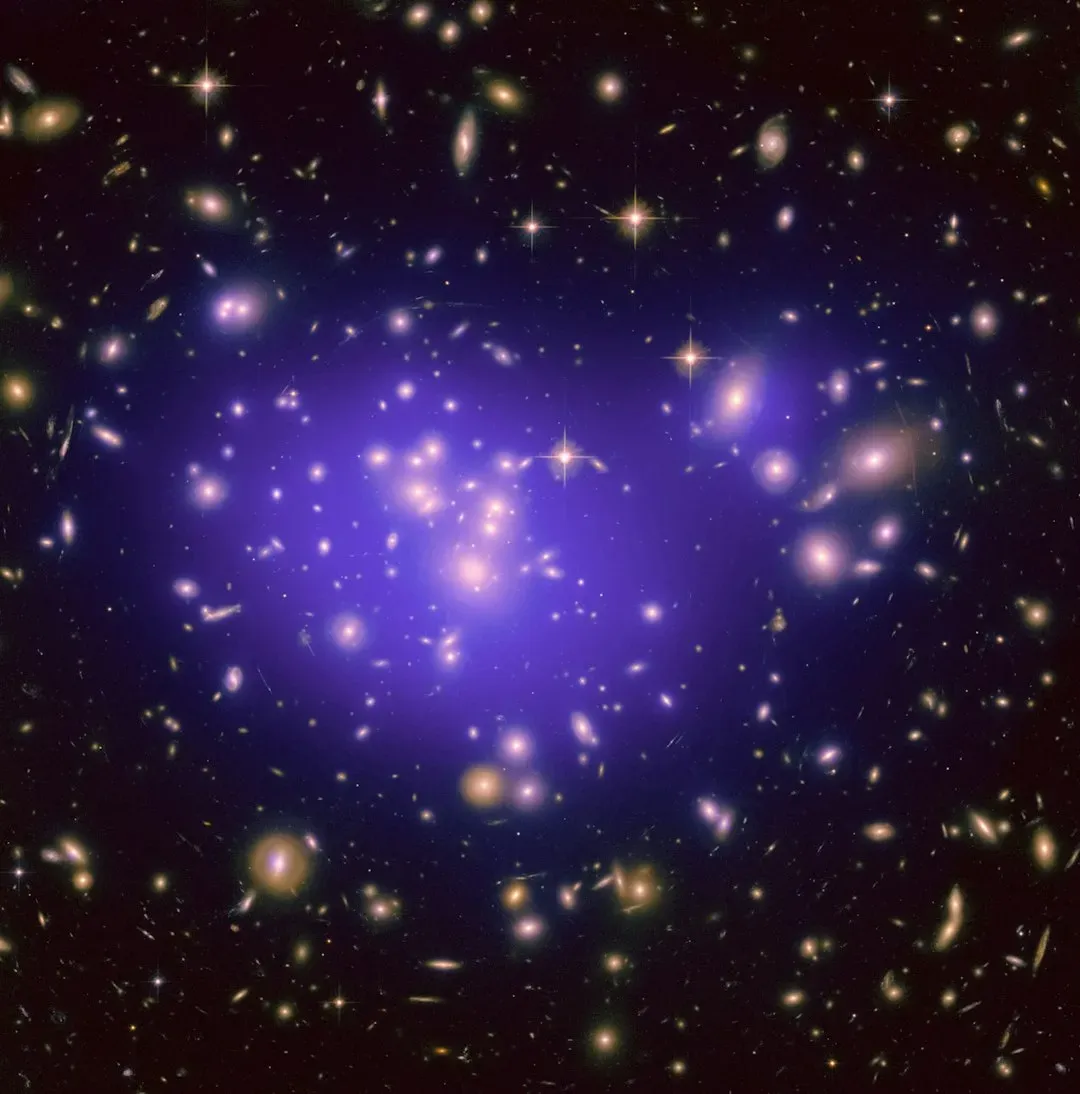
Imagine throwing a ball into the air and watching it not only fail to fall back down, but accelerate upward faster and faster. That is essentially what astronomers discovered in the late 1990s when they measured how fast distant galaxies are receding from us. Instead of slowing under the pull of gravity, the expansion of the universe was speeding up, driven by something no one had predicted in detail and no one has directly detected: dark energy. It was such a shocking result that some teams initially thought they had made a mistake, but independent observations kept pointing in the same direction.
Today, dark energy is thought to make up the vast majority of the energy content of the cosmos, with normal matter – everything you can see – only a small fraction of the total. The simplest explanation is that empty space is not truly empty but has a kind of built‑in energy that pushes space apart. That sounds like science fiction technobabble until you realize that every precise map of galaxies and the afterglow of the Big Bang lines up with this idea. We can measure its effects with exquisite precision, yet we still have no satisfying theory of what dark energy actually is, which might be the most unsettling part of all.
Dark Matter Halos: Invisible Skeletons Holding Up Galaxies
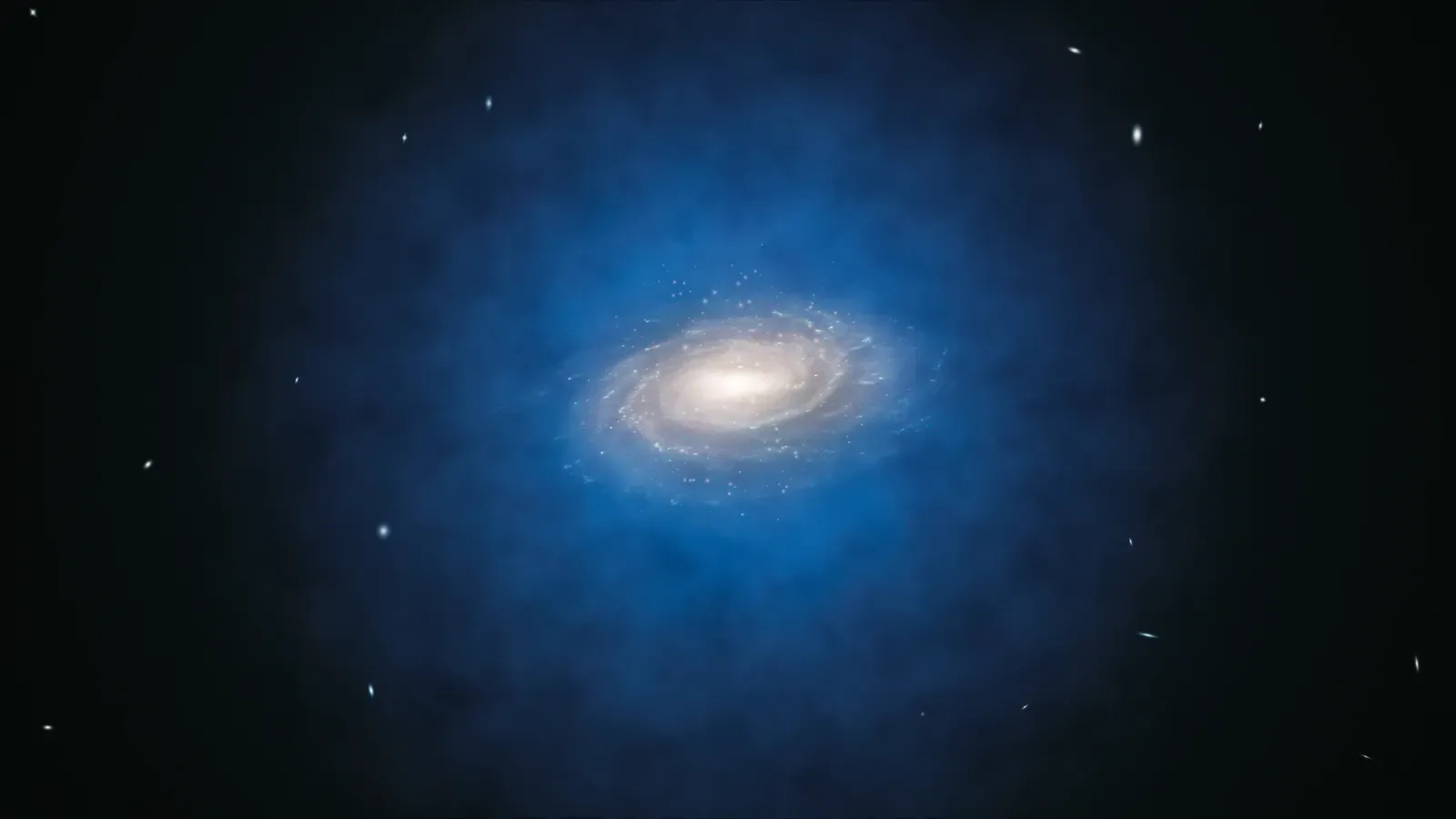
When astronomers started measuring how fast stars orbit within galaxies, they ran into a troubling contradiction: the stars were moving so quickly that galaxies should have flown apart long ago. The visible matter – the stars, gas, dust – simply did not provide enough gravity to hold the system together. The most compelling solution was that each galaxy sits inside an enormous invisible cocoon of dark matter, a substance that does not emit or absorb light but exerts gravity. Over time, these halos of dark matter became known as the hidden skeletons of the universe, shaping where galaxies can form and how they evolve.
We can actually see the fingerprints of these halos through gravitational lensing, where light from distant galaxies is warped and stretched as it passes through invisible clumps of mass. Computer simulations that include dark matter produce a cosmic web of filaments and knots that eerily matches what telescopes observe on large scales. Yet despite decades of effort, nobody has caught a dark matter particle in a detector on Earth or nailed down its exact nature. On human scales, this means that right now, as you read this, an invisible ocean of something is streaming through your body, and you have no way of feeling it – an idea that is as eerie as it is scientifically well‑motivated.
Time‑Warping Black Holes: Gravity So Strong It Breaks Intuition
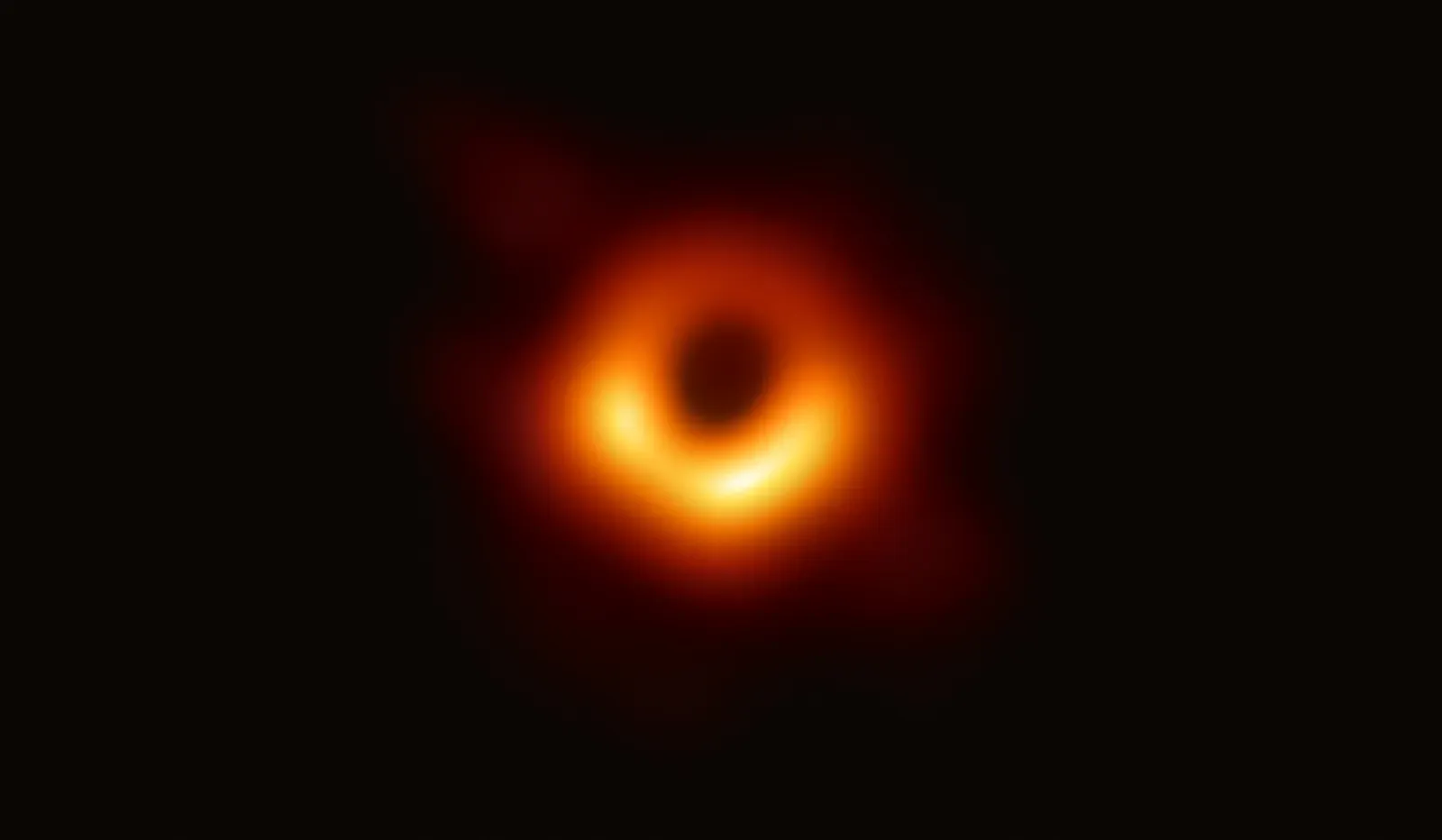
Black holes used to be dismissed as mathematical curiosities, strange consequences of Einstein’s equations that might not exist in the real universe. Now we not only know they are real; we have imaged the shadow of one and recorded the spacetime ripples from their collisions. Near a black hole, gravity is so intense that time itself slows compared to far‑away observers, and light can be bent into tight arcs or swallowed completely. If you watched an object fall toward the event horizon from a safe distance, it would appear to slow and freeze, fading as its light is redshifted into oblivion.
The discovery of supermassive black holes millions to billions of times the mass of the Sun sitting at the centers of galaxies adds another layer of strangeness. These monsters can power quasars that outshine entire galaxies as matter spirals in and heats up to extreme temperatures. To make it even more disorienting, gravitational‑wave observatories have caught black holes merging in the dark, shaking the fabric of spacetime in ways that perfectly match Einstein’s century‑old predictions. We live in an era where collapsing stars and colliding black holes have become routine subjects of observational astronomy, and yet if you describe what they do in plain language, it still sounds like fantasy.
Exoplanets That Redefine What a “Planet” Can Be
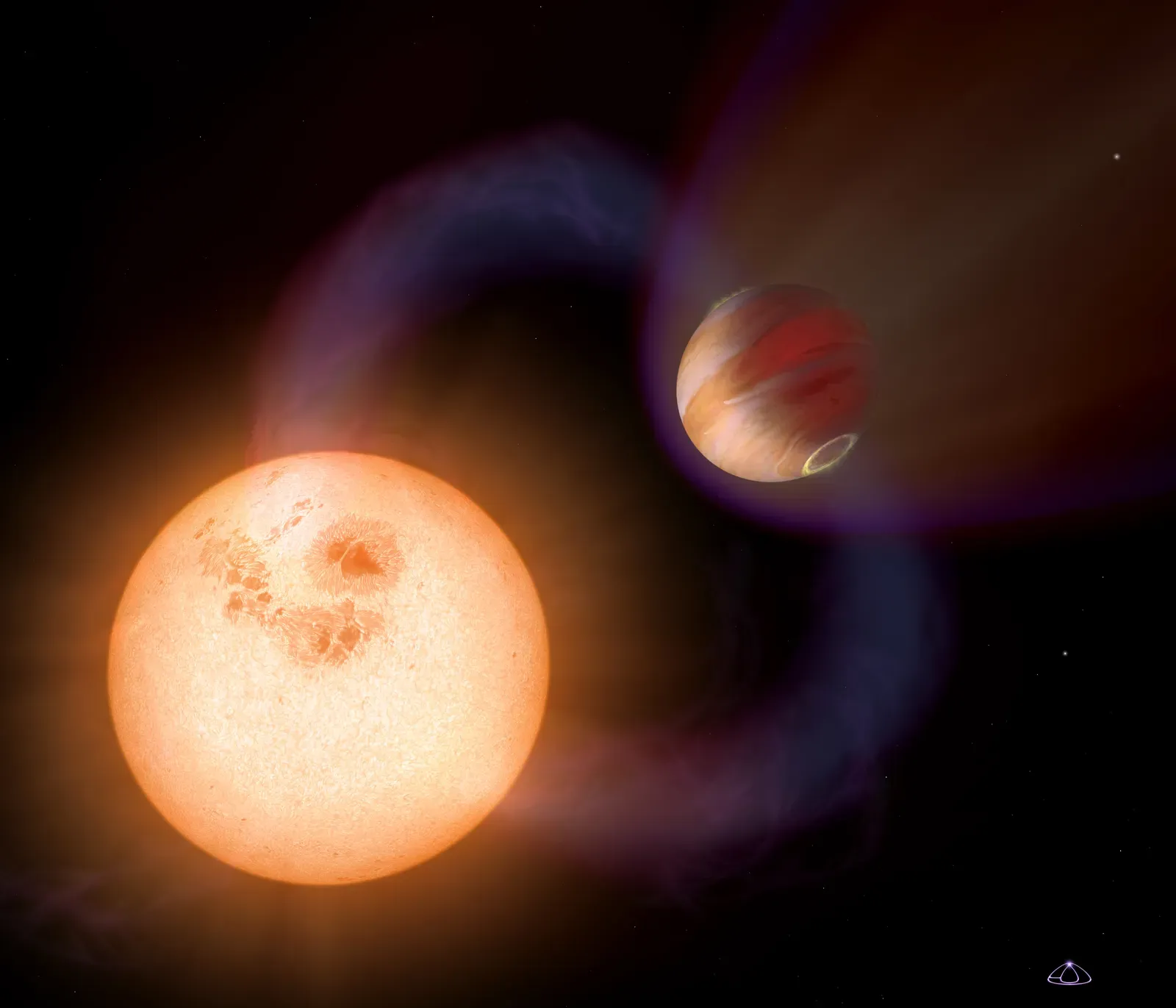
Before the mid‑1990s, most astronomers quietly assumed that other planetary systems would look broadly like our own: small rocky worlds near the star, gas giants far out, gentle orbits in a flat plane. The first confirmed planets around Sun‑like stars shattered that picture. Observers found “hot Jupiters,” giant planets skimming so close to their stars that their atmospheres are blasted by intense radiation, completing orbits in just a few days. Later discoveries revealed super‑Earths, mini‑Neptunes, and worlds dense enough to be made mostly of iron or puffed up enough to resemble cotton candy in planetary form.
Some exoplanets circle two stars at once like scenes from a science‑fiction film, while others orbit so elliptically that they experience seasons more extreme than anything on Earth. There are planets where it likely rains molten glass, worlds with possible diamond interiors, and candidates locked in gravitational dances with sibling planets in resonant orbits. Each new observation expands the catalog of what nature is willing to build, often in ways theorists would not have dared to predict in advance. The result is a growing realization that our solar system might be more of a quirky local arrangement than a universal template, and that alien skies would often look far stranger than we once imagined.
Quantum Entanglement: When Particles Behave Like Shared Secrets
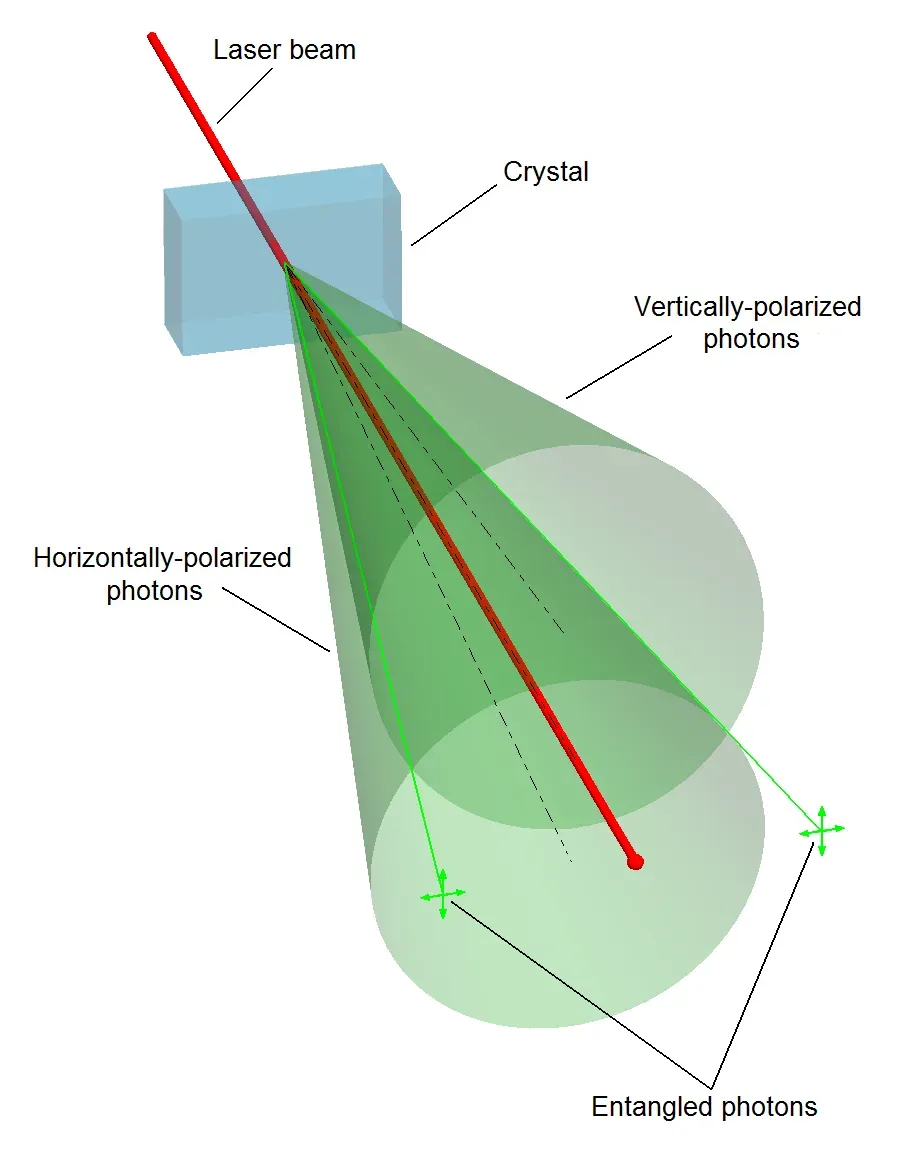
At the smallest scales, the universe refuses to behave like a tidy set of billiard balls, and nothing illustrates this better than quantum entanglement. When two particles are entangled, their properties become linked so that measuring one appears to instantly affect the state of the other, no matter how far apart they are. Experiments have repeatedly shown that these correlations cannot be explained by any hidden instructions carried by the particles in advance, defying the kind of local realism that feels obvious in everyday life. This is not a fringe idea; it is built into technologies like quantum encryption and is tested in laboratories around the world.
In recent years, researchers have used entanglement to teleport quantum states between distant locations and to link nodes of early quantum networks. These feats do not move matter or people, but they do show that information at the quantum level behaves in ways that seem tailor‑made to unsettle our classical intuitions. Some physicists now explore the possibility that spacetime geometry itself might be deeply connected to patterns of entanglement, hinting that the fabric of reality could be woven from invisible correlations. You can think of it like a secret handshake shared across the universe, one that cannot be used to send faster‑than‑light messages but still violates every common‑sense idea about how separated things should behave.
Cosmic Microwave Background: A Baby Picture Filled With Tiny Imprints
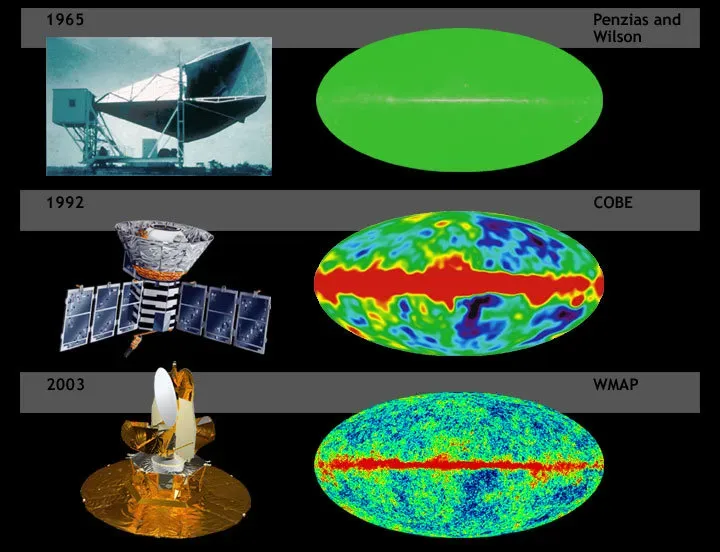
When radio antennas in the 1960s picked up a persistent hiss from every direction in the sky, engineers first blamed pigeon droppings before realizing they had stumbled onto the oldest light we can see. This cosmic microwave background is the cooled‑down afterglow of the hot, dense early universe, now stretched into microwaves by billions of years of expansion. At first glance it looks nearly uniform, but high‑precision satellites have mapped out faint temperature variations that are only a tiny fraction of a degree. Those tiny ripples encode where matter was just a bit denser or thinner, seeds that would eventually grow into galaxies and clusters.
By studying the statistical patterns in this ancient light, cosmologists have been able to measure the age, composition, and curvature of the universe with remarkable accuracy. It is like having a baby picture where you can already see the outline of the adult face if you know how to look. The weird part is that the entire vast cosmic structure we see today traces back to quantum fluctuations stretched to astronomical scales in that early epoch. In other words, the largest features of the universe are fingerprints of the smallest known physical processes, a connection that would have sounded like fantasy a century ago.
Fast Radio Bursts and Other Cosmic Signals From the Unknown
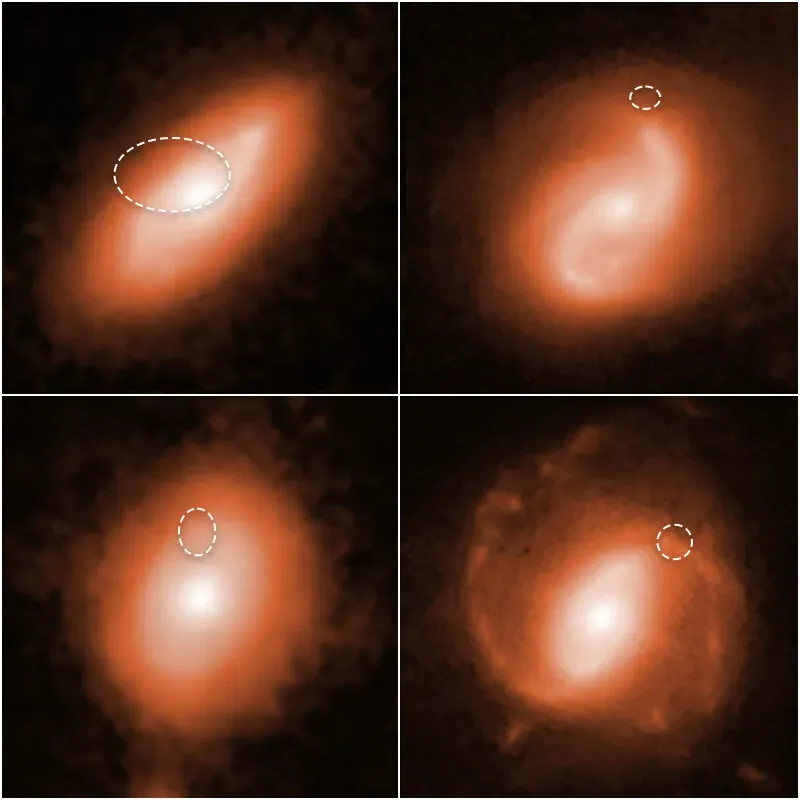
In the early 2000s, astronomers sifting through data found something odd: ultra‑brief, incredibly bright flashes of radio waves that seemed to come from far outside our galaxy. These fast radio bursts last only milliseconds, yet in that instant can emit as much energy in radio as the Sun does over days. At first, some signals were even confused with interference from microwave ovens on Earth, a reminder of how easily the mundane can masquerade as the exotic. But as more telescopes confirmed their existence, it became clear that FRBs are a real and powerful astrophysical phenomenon.
Researchers have since tracked some fast radio bursts to distant galaxies and started to categorize them into one‑off explosions and repeaters that flare again and again. Leading explanations involve highly magnetized neutron stars, but the exact mechanisms remain under active investigation. What makes FRBs especially fascinating is that their signals carry information about all the gas and plasma they pass through on the way to us, turning them into probes of the otherwise invisible matter between galaxies. We are still in the early days of understanding them, and the feeling in the field is a bit like being handed a cryptic postcard from the cosmos with only part of the message decoded.
Why These Discoveries Force Us to Rethink Reality Itself
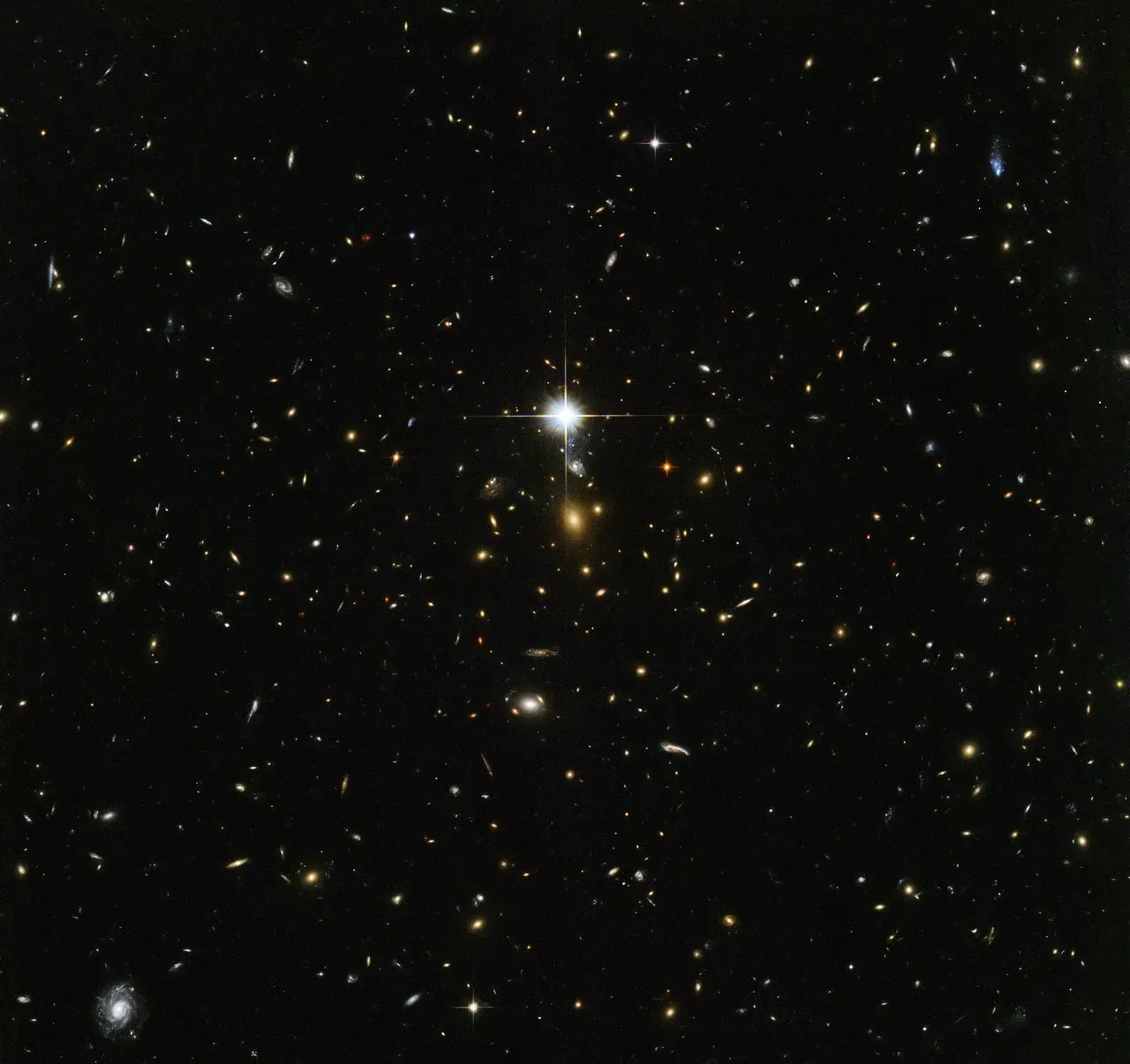
Look at these seven discoveries side by side and a pattern emerges: each one took something we thought we understood and quietly flipped the table. Gravity is not just a gentle attraction but a force that can slow time and tear spacetime; “empty” space brims with dark energy that sets the cosmic expansion racing; matter itself seems to come in two flavors, visible and dark, with the invisible one dominating. Instead of a universe built from familiar planets and stars, we now see a structure scaffolded by hidden halos and shaped by ripples from its earliest moments. Even the concept of a planet turned out to be parochial, shaped more by our local neighborhood than by any universal rulebook.
On the microscopic side, quantum entanglement and related phenomena show that classical ideas of separateness and locality simply do not apply in full. The unsettling part is that all of this is not philosophical speculation but experimentally verified, often with extraordinary precision. Earlier generations of scientists imagined a clockwork cosmos that, while vast, played by intuitively graspable rules; modern discoveries reveal something closer to an intricate tapestry whose threads change character depending on the scale at which you look. This does not make the universe unknowable – if anything, our ability to make sense of such bizarre behavior is a triumph – but it does mean we should be wary of trusting everyday intuition too far when peering into the deep or the distant.
Where Curiosity Leads Next in a Universe This Weird
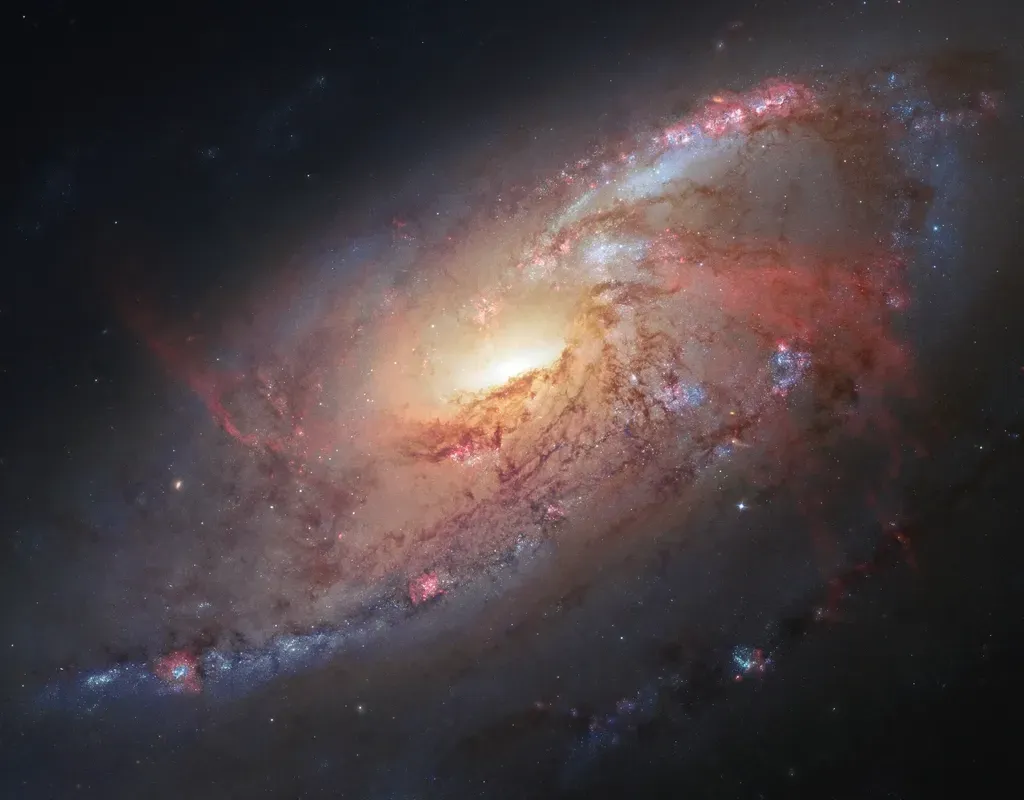
In a universe where invisible matter holds galaxies together and black holes hum spacetime like drumheads, curiosity is not a luxury; it is survival gear for the mind. You do not need a telescope in your backyard to take part in that exploration. You can follow new results from observatories, read public summaries of research from universities and space agencies, or contribute to citizen‑science projects that help classify galaxies and identify distant planetary systems. Even something as simple as learning what a new discovery actually means, rather than stopping at the headline, changes how you see your own place in the story.
The more you dive into these findings, the more you realize that reality is not obligated to match our expectations, and that is exactly what makes it worth studying. Maybe the next strange signal or puzzling pattern in the data will arrive tomorrow, and some graduate student staring at a noisy graph will be the first to notice it does not fit. Staying curious, asking what lies behind the strange and the spectacular, is how ordinary people stay connected to an extraordinary cosmos. In a universe this bizarre, the most realistic thing you can do is keep your sense of wonder switched on.
Suhail Ahmed is a passionate digital professional and nature enthusiast with over 8 years of experience in content strategy, SEO, web development, and digital operations. Alongside his freelance journey, Suhail actively contributes to nature and wildlife platforms like Discover Wildlife, where he channels his curiosity for the planet into engaging, educational storytelling.
With a strong background in managing digital ecosystems — from ecommerce stores and WordPress websites to social media and automation — Suhail merges technical precision with creative insight. His content reflects a rare balance: SEO-friendly yet deeply human, data-informed yet emotionally resonant.
Driven by a love for discovery and storytelling, Suhail believes in using digital platforms to amplify causes that matter — especially those protecting Earth’s biodiversity and inspiring sustainable living. Whether he’s managing online projects or crafting wildlife content, his goal remains the same: to inform, inspire, and leave a positive digital footprint.