There are places on this planet where you don’t just see nature – you feel it in your chest. The ground trembles, the air shakes, the horizon glows, and for a second you realise how small you really are. These are not gentle postcard landscapes; they’re raw, restless, and a little bit terrifying in the best possible way.
I still remember the first time I stood near an active volcano – the sound was like a freight train buried underground. Part of me wanted to run, and part of me never wanted to leave. That mix of fear and awe is exactly what these destinations are about: spots where the Earth shows its true strength, no filter, no safety net, just power.
Iceland’s South Coast: Where Fire, Ice, and Ocean Collide
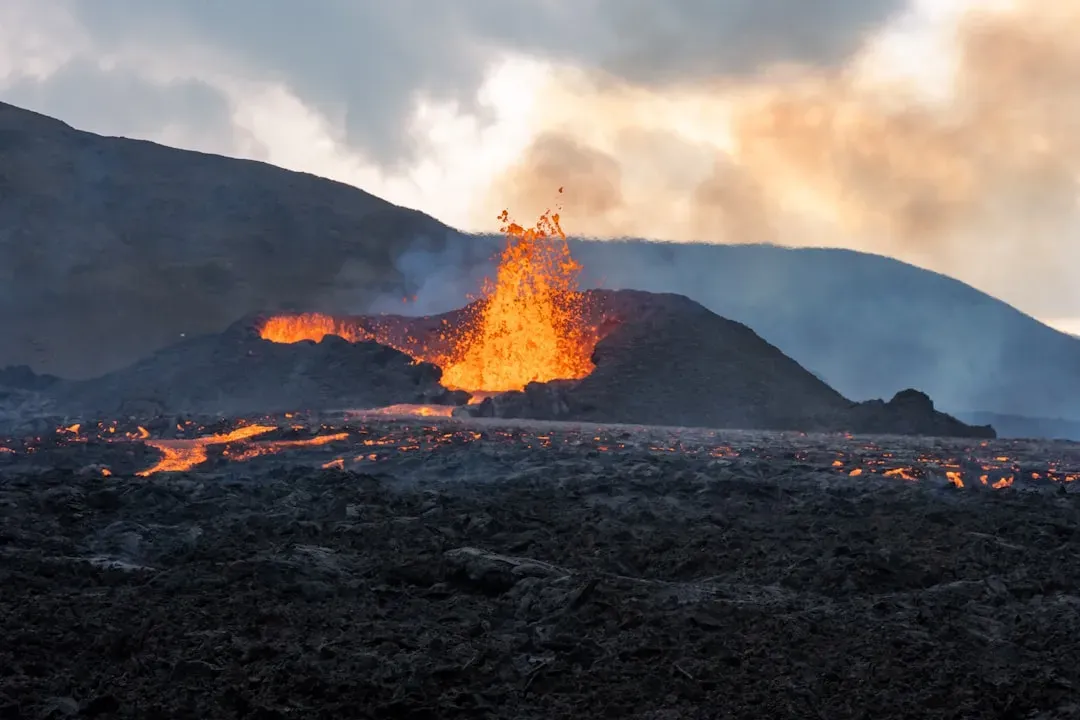
Stand on Iceland’s black sand beaches and it almost feels like you’ve wandered onto another planet. The Atlantic slams into coal-dark shores while glaciers loom inland and distant volcanoes simmer under the surface. You can watch waves crash with a force that rattles your ribs, then turn around and see jagged cliffs carved by relentless wind and water.
Not far away, waterfalls like Skógafoss and Seljalandsfoss thunder off cliffs with a roar that drowns out your thoughts. Behind the scenic beauty is a brutal history of eruptions, floods, and storms that have wiped out farms and reshaped the land more than once. The whole coast is a reminder that Iceland isn’t a peaceful island with some pretty views – it’s an active, living intersection of tectonic plates, glaciers, and ocean, constantly rewriting its own shape.
Hawaiʻi’s Kīlauea Volcano: Watching New Land Being Born
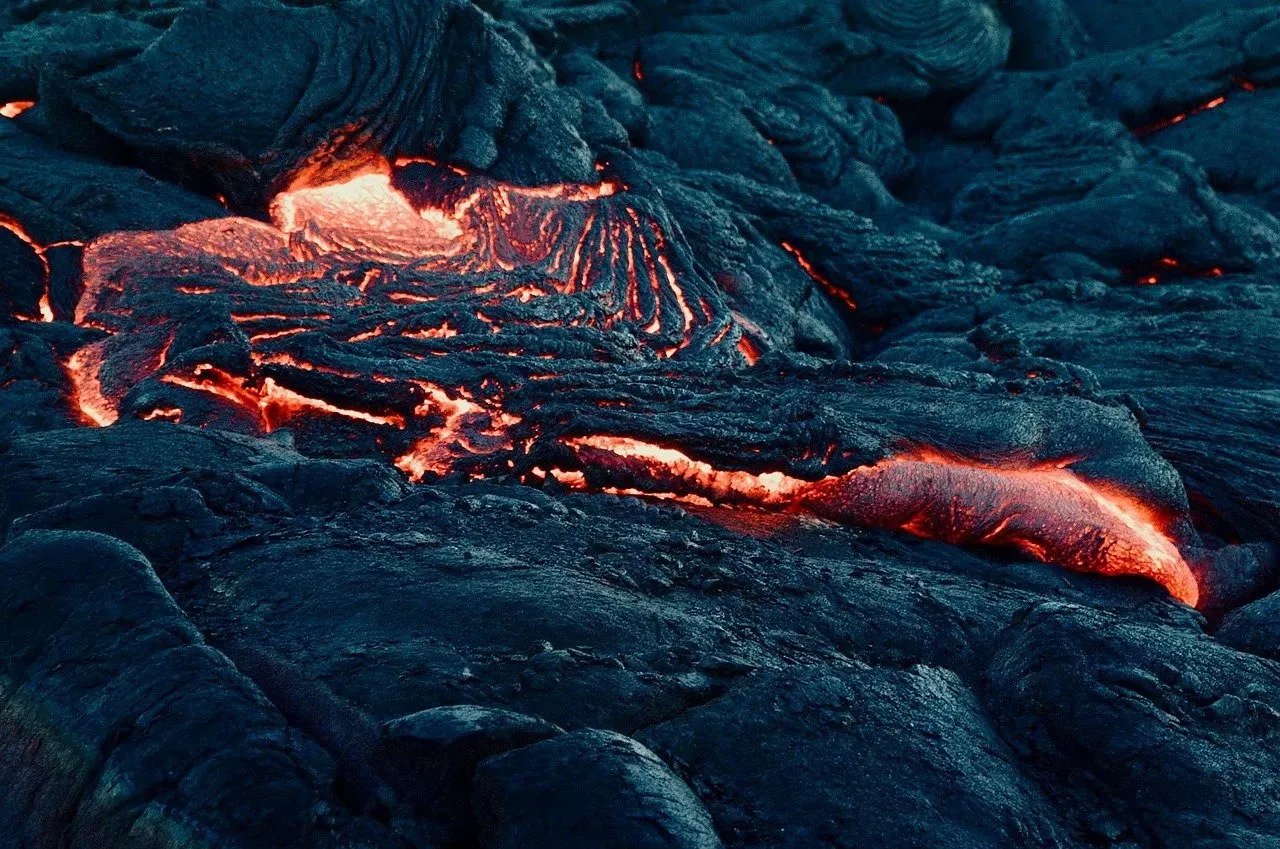
On Hawaiʻi’s Big Island, Kīlauea doesn’t just decorate the landscape – it builds it. When lava flows reach the ocean, steam explodes upward, rock cracks and hisses, and new coastline cools right in front of you. It’s like watching the Earth hit a reset button and start over, one molten drop at a time.
Even when major surface flows pause, the energy never really leaves; vents fume, craters shift, and the smell of sulfur clings to the air like a warning. Locals live with evacuation routes mapped into their daily routine, a quiet acknowledgement that the volcano is ultimately in charge. There’s something humbling about standing in a place where homes, roads, and forests have been erased overnight and rebuilt again, all because the planet decided to rearrange its crust.
Yosemite National Park: Granite Walls That Defy Gravity
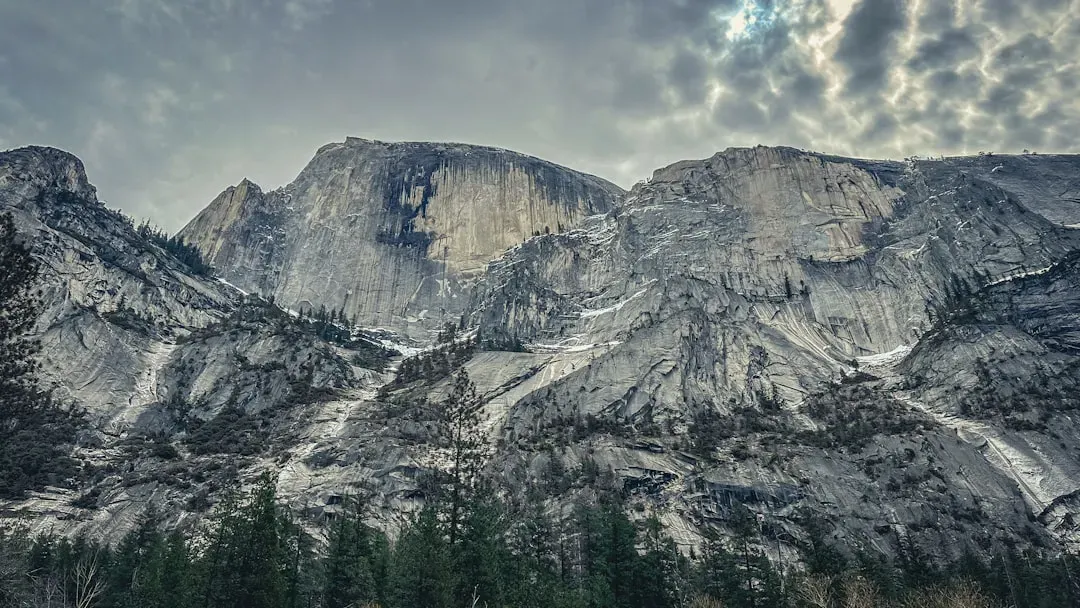
Walk into Yosemite Valley and your neck instinctively tilts back. El Capitan and Half Dome rise so abruptly that it feels like they’re leaning out over you, daring you to pretend humans are the main story here. Those vertical walls were sculpted by glaciers grinding through the rock over vast stretches of time, carving shapes that look impossible until you’re right beneath them.
In spring, waterfalls like Yosemite Falls and Bridalveil Fall hurl themselves off these cliffs with deafening force, swollen by snowmelt. You feel the mist on your face long before you reach their bases, tiny droplets flung from heights that seem ridiculous. What looks, in photos, like a peaceful valley is actually a record of violence: ice, rockfall, and water tearing into the landscape until it became something so striking people travel across the world just to stand there and stare.
Norway’s Fjords: Mountains Split Wide Open by Ice
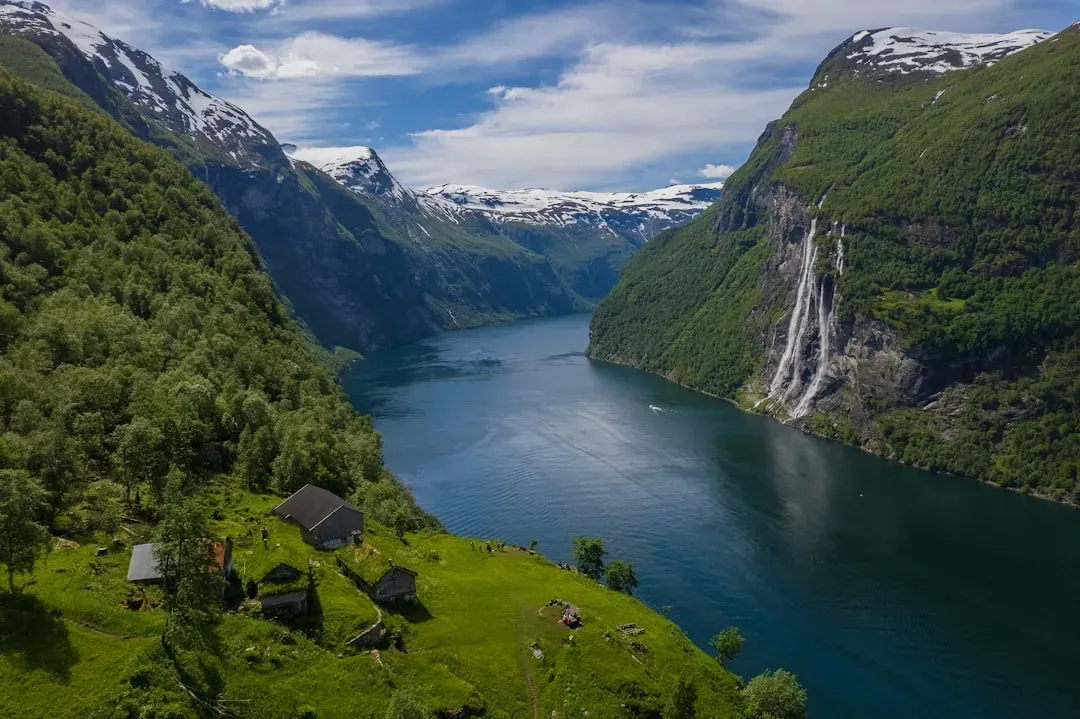
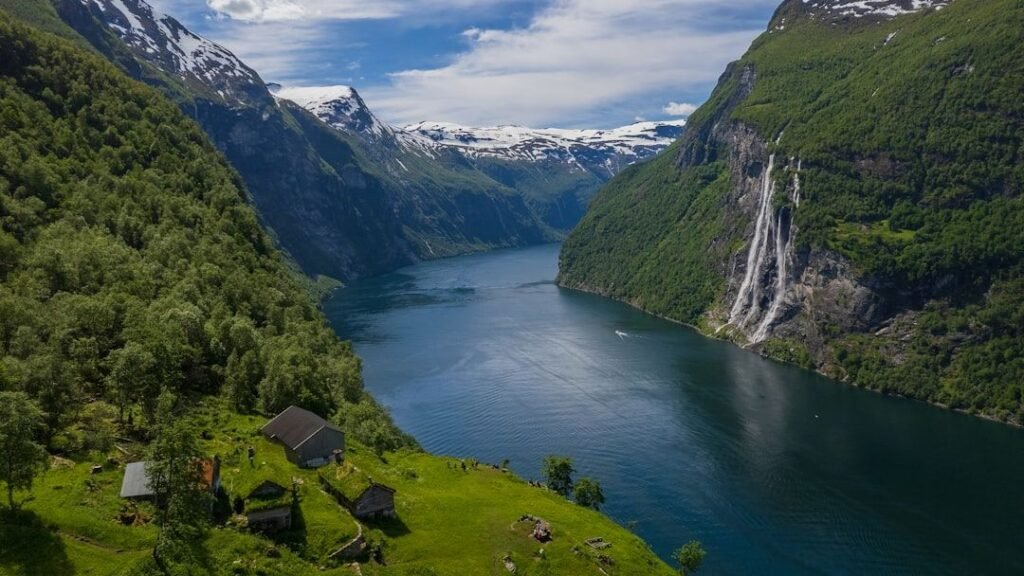
Norway’s fjords are so calm on the surface that it’s easy to forget how violently they were made. These long, deep inlets were gouged by enormous glaciers that once dragged their way to the sea, carving rock like a knife through cold butter. Today, you float on glassy water while cliffs shoot straight up, sometimes more than a thousand meters, like the sides of a stone cathedral.
The scale is completely disorienting; that tiny white dot on the shore turns out to be a full-size house, dwarfed by rock that took eons to shape. Waterfalls ribbon down the cliffs, fed by snowfields you can barely see from below, tracing the same routes that meltwater once used to help ice rip these valleys open. It’s quiet now, but that quiet is like a held breath, the aftermath of unimaginable force.
Chile’s Atacama Desert: A Landscape Stripped to the Bone
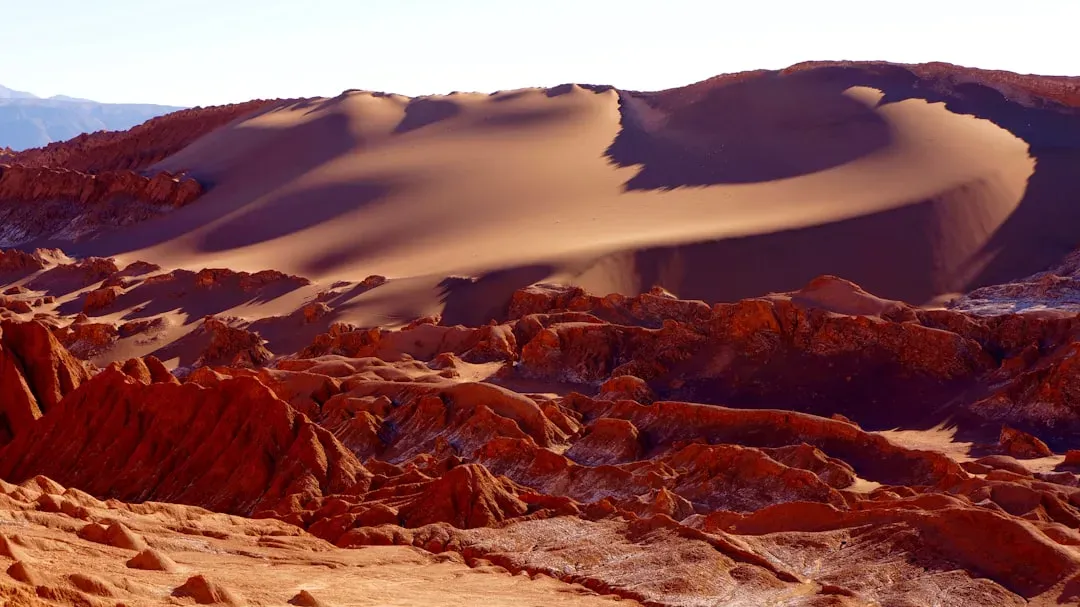
The Atacama Desert in northern Chile might be the closest you’ll get to walking on Mars without leaving Earth. This is one of the driest places on the planet, with some weather stations historically recording years without measurable rain. What’s left when the water disappears is a brutally honest landscape – cracked salt flats, rust-colored hills, and jagged formations that look like the skeleton of the Earth itself.
At night, the stars blaze with such intensity that major observatories have set up shop here, using the clean, dry air to peer deep into the universe. During the day, wind scours the rocks and salt crust with a relentless patience that slowly reshapes everything in its path. The Atacama shows nature’s power by subtraction instead of explosion; it doesn’t erupt or flood, it just strips life away until only the hardiest forms survive, and somehow that’s even more unsettling.
Indonesia’s Krakatau and the Sunda Strait: Echoes of a Catastrophic Blast
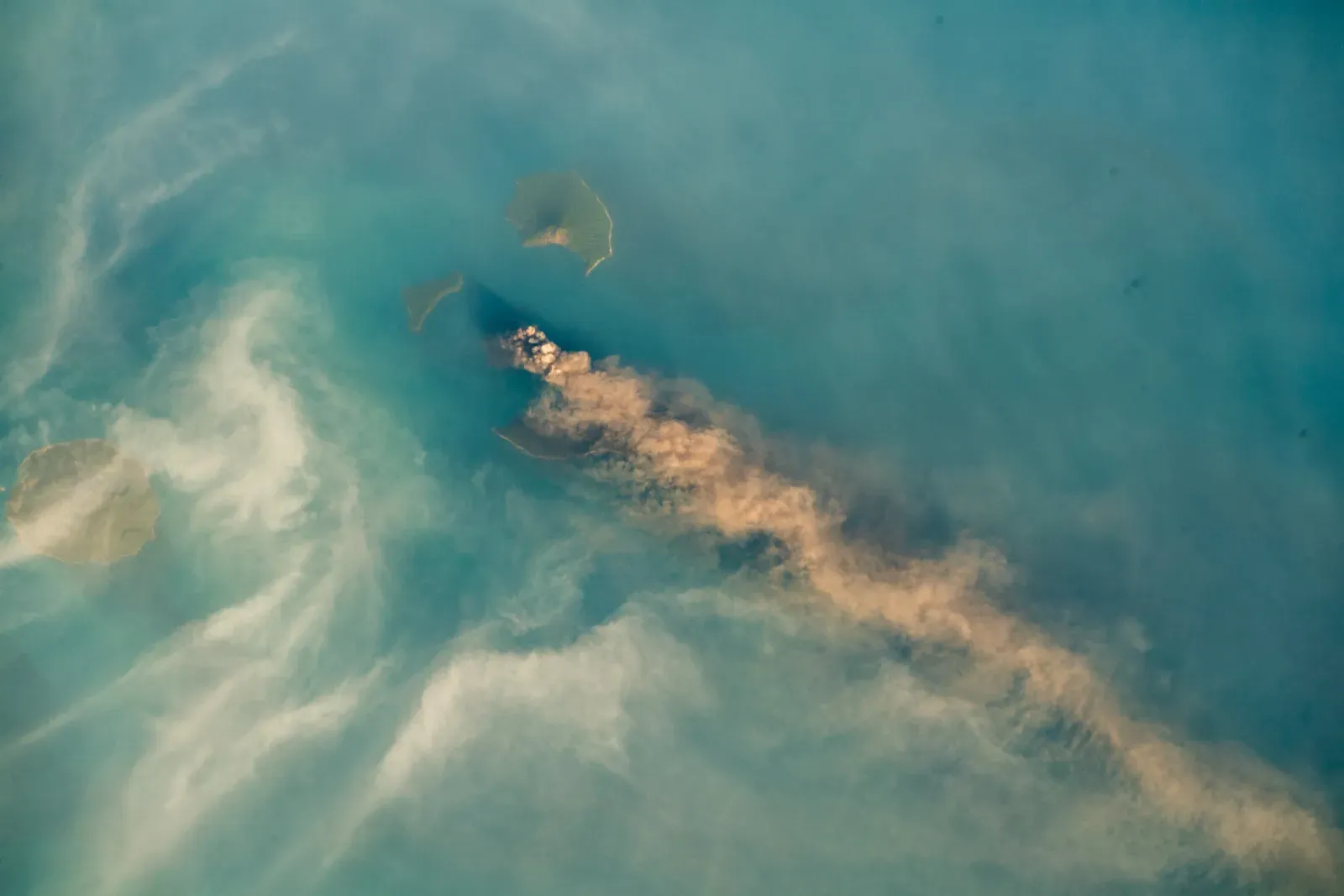
When you approach the Sunda Strait between Java and Sumatra, it’s hard not to think about the eruption of Krakatau in the late nineteenth century. That explosion was so powerful it reshaped coastlines, triggered deadly tsunamis, and darkened skies far beyond Indonesia. Today, a new volcanic island, Anak Krakatau, has grown up from the collapsed caldera, smoking and shifting like a reminder that the story isn’t over.
Boat trips pass near this restless cone, where fresh rock and ash show how recently the Earth has been rearranging itself. Surrounding villages live with both the beauty and the risk of this setting: rich soils, dramatic seascapes, and the constant possibility of another major eruption. Standing on those shores, you can see how one blast can erase maps, alter weather patterns, and etch itself into global history, all from a single point on the crust.
Canada’s Nahanni River: A Canyon Carved by Relentless Water
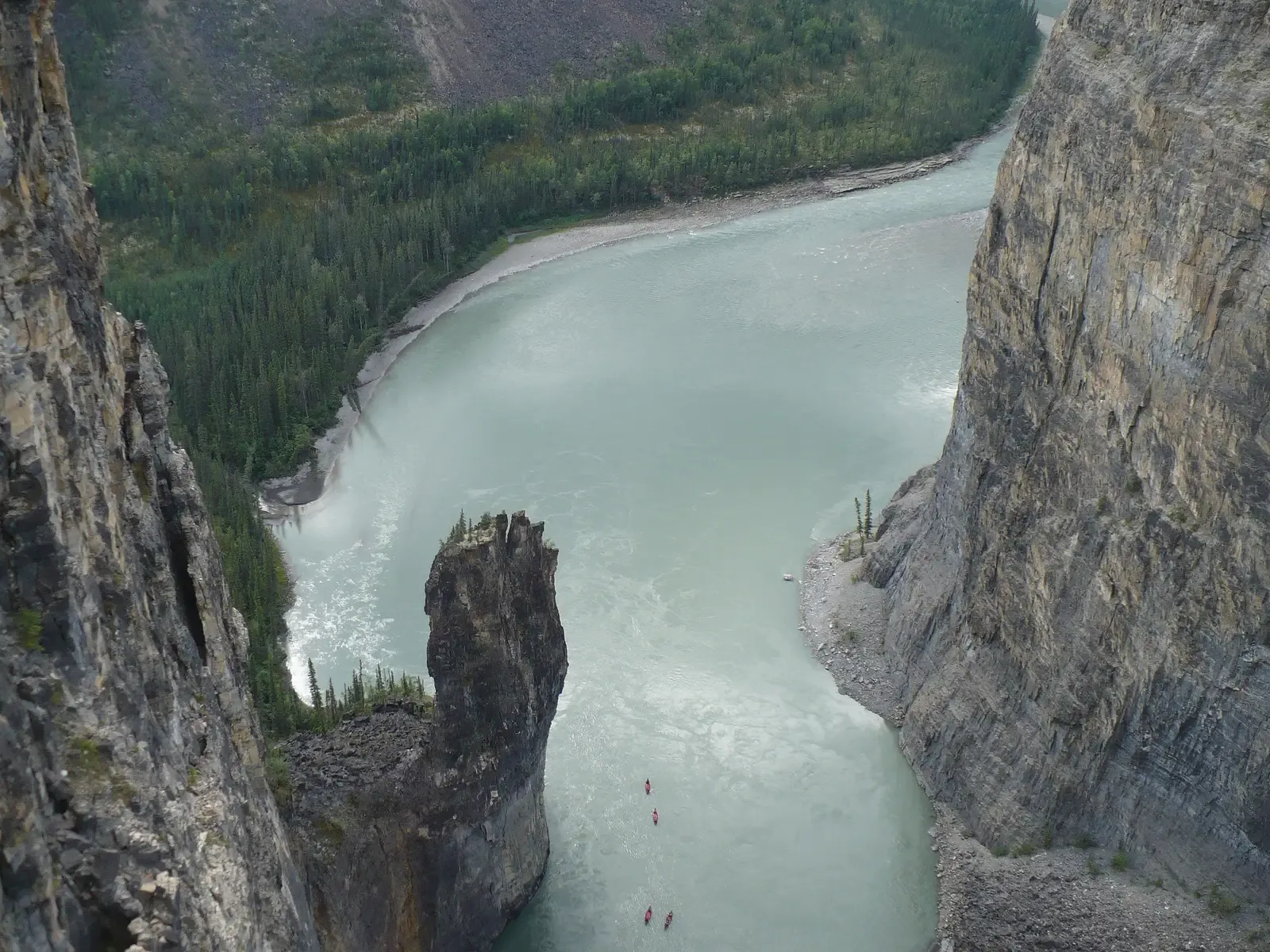
In Canada’s Northwest Territories, the Nahanni River has spent millions of years patiently sawing its way through the Mackenzie Mountains. The result is a series of deep canyons and the roaring plunge of Virginia Falls, where the river tumbles over a drop roughly twice the height of Niagara. The sound alone is overwhelming, a low, endless growl that swallows conversation and thought.
Access isn’t simple, which keeps the place feeling wild in a way that manicured parks rarely do. Floating through the canyons, you move between sheer rock walls streaked with minerals, each layer a page in the planet’s geologic diary. The Nahanni doesn’t show power with sudden eruptions but with persistence – the kind of relentless flow that quietly carves mountains into corridors and turns stone into stories.
Japan’s Coastlines and the Power of the Pacific Ring of Fire
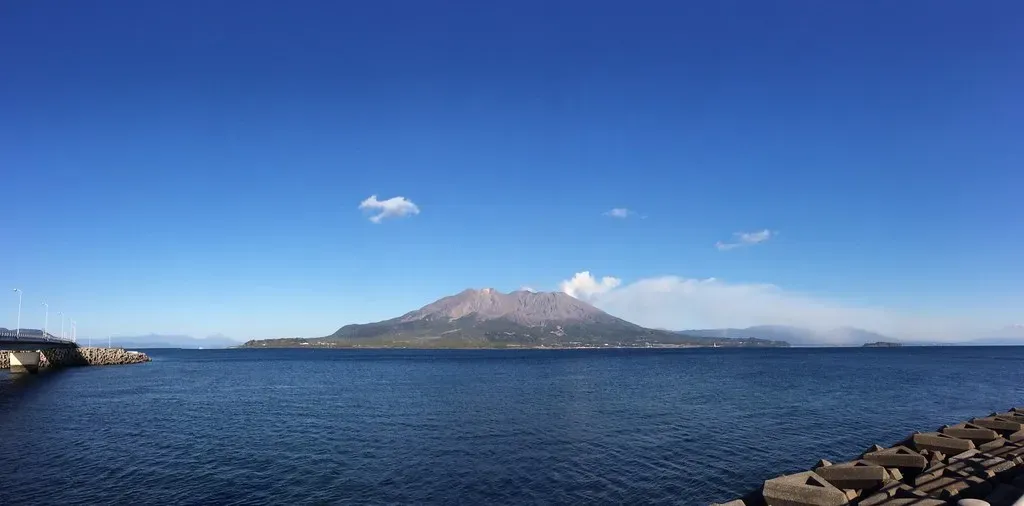
Japan sits right along the Pacific Ring of Fire, and you can feel that tension almost everywhere you go. Steaming hot springs, perfectly conical volcanoes like Mount Fuji, and frequent tremors all hint at the complex collision of tectonic plates just below the surface. On the coasts, sea walls, evacuation signs, and tsunami sirens are woven into everyday life, subtle reminders that the ocean can switch from scenic to deadly in minutes.
Places like the Tōhoku region, hit hard by the massive earthquake and tsunami in 2011, show how destructive that power can be – and how quickly communities respond and adapt. Coastal towns are rebuilt with higher protections and smarter planning, but never with the illusion that risk has vanished. Japan’s shores are a living lesson in coexistence with a restless planet: enjoy the hot springs, climb the peaks, watch the waves, but never forget what all that energy is capable of unleashing.
Standing Small in a Powerful World
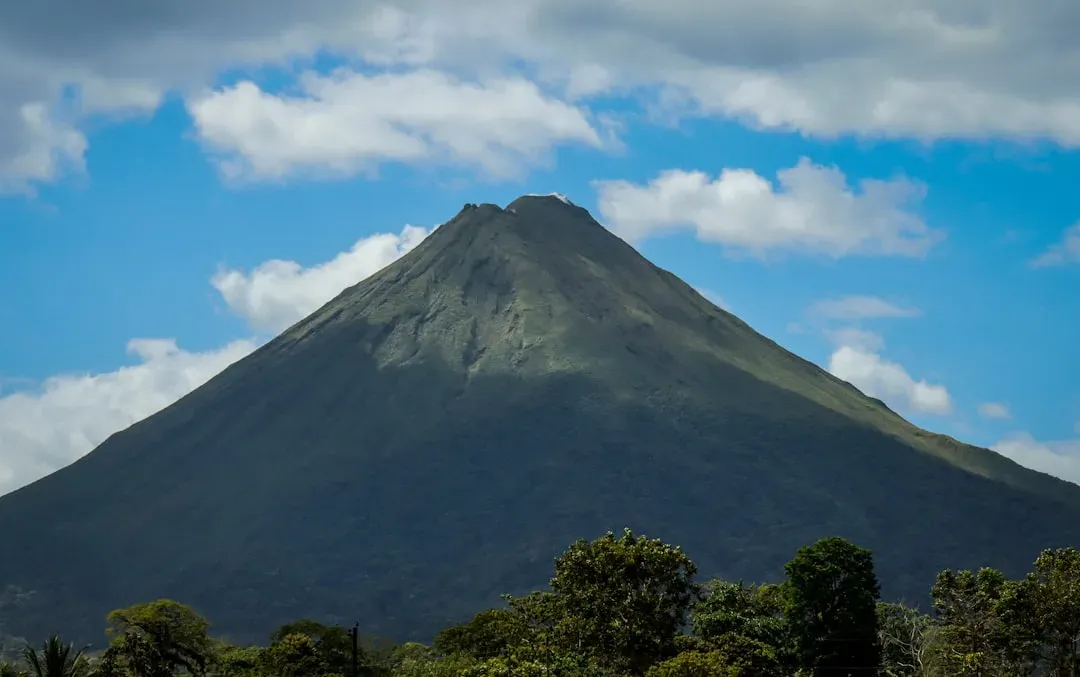
All of these places share one uncomfortable truth: we are tiny compared to the forces that shape this planet. Volcanoes erase roads in hours, rivers carve stone into canyons, deserts strip landscapes bare, and coastlines rise and fall at the whim of shifting plates and stormy seas. Visiting them isn’t just about getting good photos; it’s about letting that reality sink in a little deeper than usual.
There’s something oddly comforting in that smallness, too. When you’ve felt the ground shake, watched new land harden from lava, or stood under a waterfall that could crush a bus, your everyday worries shrink a notch. The Earth is going to keep moving, cracking, flooding, freezing, and blazing with or without our permission. The only real question is: how close do you want to get to the edge of that power and see it for yourself?