
If you grew up thinking superheroes belonged only in comic books, the natural world is about to rewrite that story in a pretty dramatic way. Scattered across oceans, caves, forests, and even city backyards are animals whose abilities sound less like biology and more like science fiction: magnetic navigation, built‑in antifreeze, sonar in total darkness, and even body parts that can grow back after being shredded. These are not just curiosities; they are living blueprints for new medical treatments, materials, and technologies. In a world reshaped by climate change and habitat loss, understanding these “superpowers” is more than fun trivia – it’s a race to learn from species that might not be with us forever. Let’s meet eight creatures whose real-life powers are already reshaping how scientists think about what a body can do.
Archerfish: Sniper Marksmanship With a Mouthful of Water
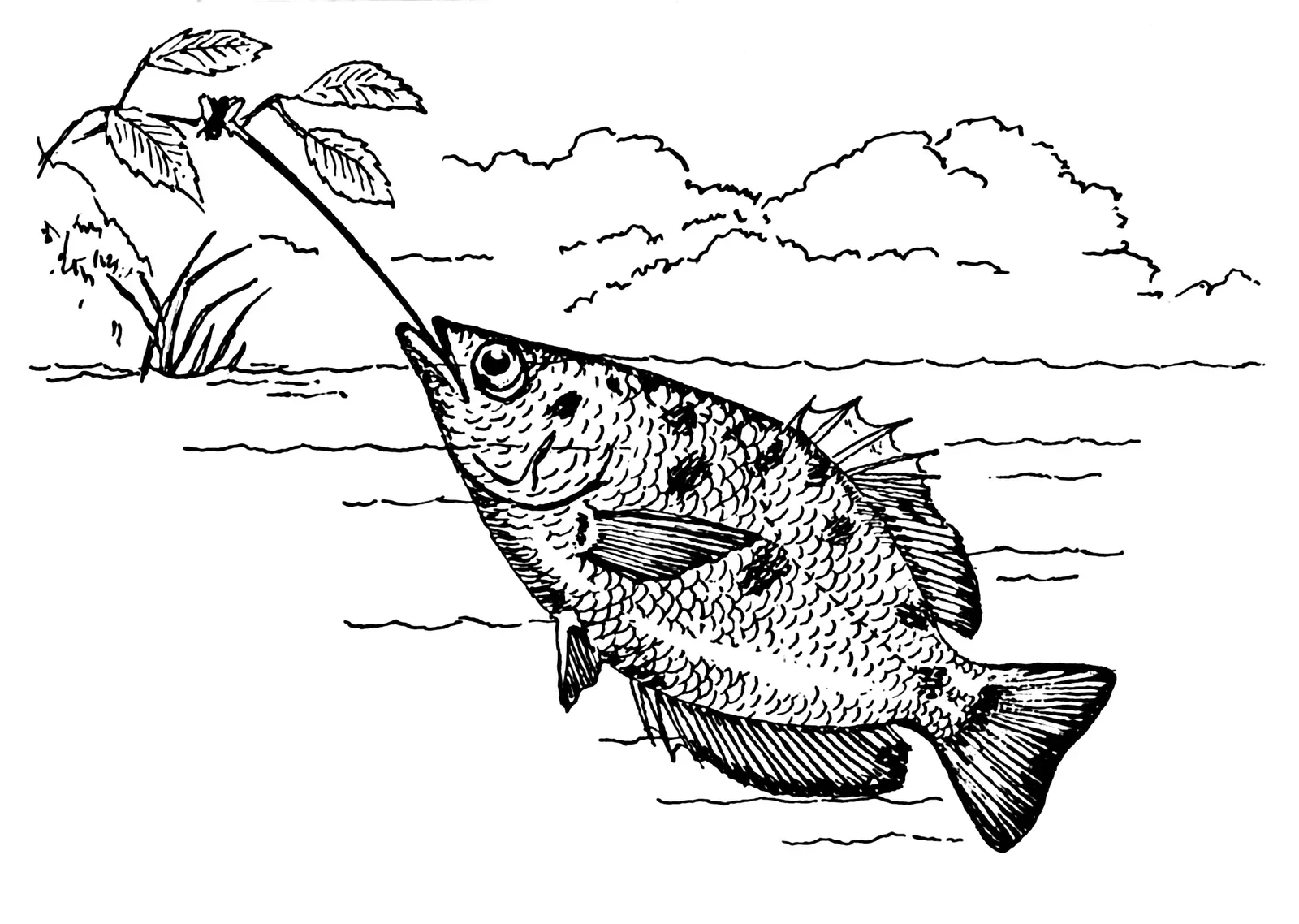
Imagine hitting a moving target several body lengths away using only a jet of spit – and making the shot often enough that your life depends on it. Archerfish, found in brackish mangroves and estuaries from India to northern Australia, do exactly that by shooting down insects from overhanging vegetation with astonishing accuracy. They form a narrow tube with their tongue and roof of the mouth, then force out a high-speed stream of water that bends in the air and smacks into unsuspecting prey. Experiments have shown that older archerfish adjust for light refraction, distance, and even insect movement, suggesting a kind of ballistic learning that would put many human sharpshooters to shame.
What makes this a true “superpower” is that archerfish perform complex corrections without a big, expensive brain or fancy tools. Their eyes and visual processing seem optimized to compute how light bends at the water’s surface, a geometry puzzle that tricks many humans peering into a lake with a spear. Young fish start clumsy and gradually refine their shots by trial and error, much like a kid learning to sink baskets on a driveway hoop. Robotics researchers have actually looked at archerfish as a model for low-energy, high-precision targeting systems, where simple hardware plus smart feedback loops beat brute-force computing. In a way, each archerfish is a living lab in how to aim perfectly in a distorted world.
Tardigrades: Nearly Indestructible Microscopic Survivors
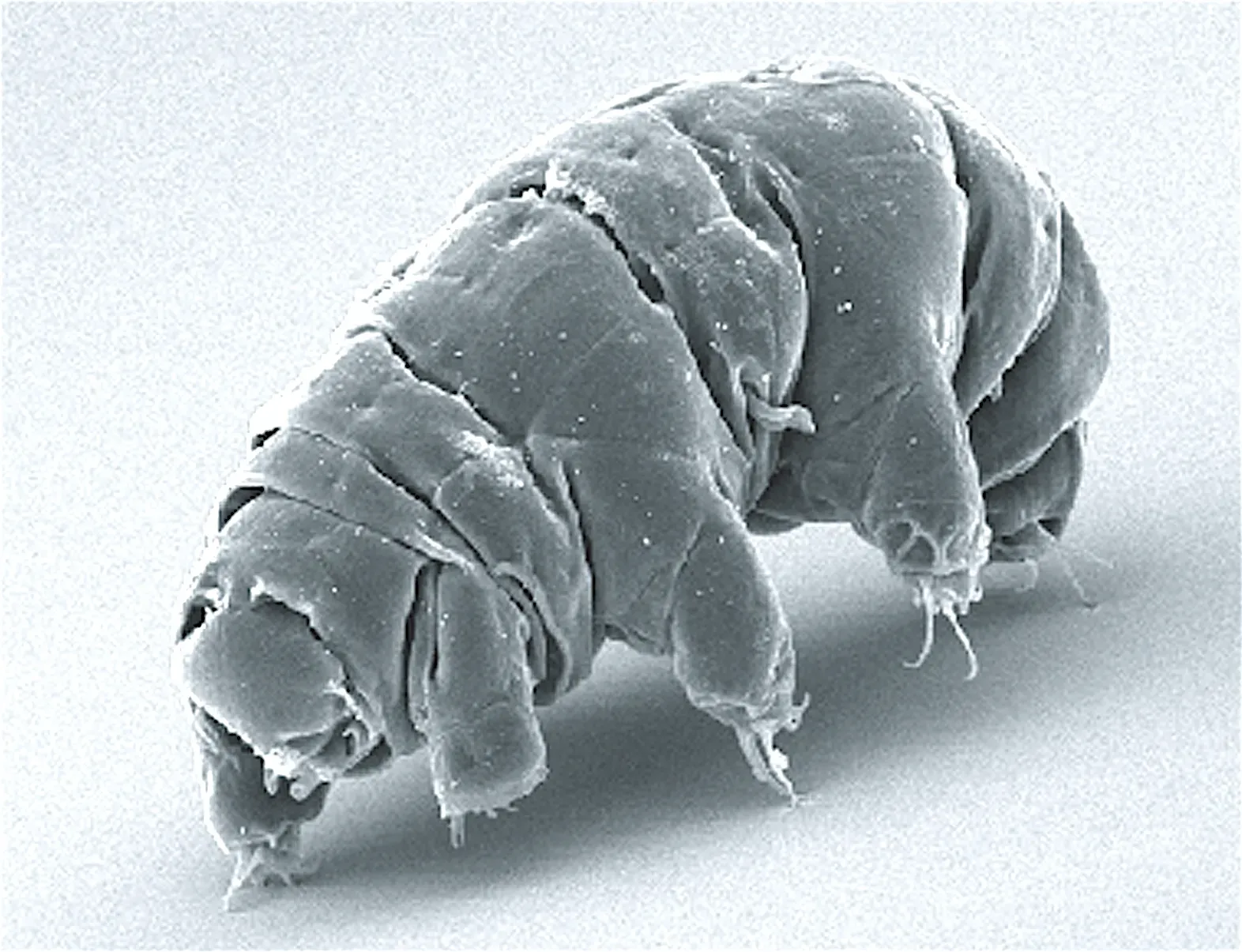
Tardigrades, sometimes called water bears, are the closest thing we have to real-world indestructibility, and they do it without armor, claws, or weapons. These tiny eight-legged animals, smaller than a grain of sand, have been found surviving conditions that would shred almost any other known life form: extreme vacuum, crushing pressure, searing radiation, and temperatures from far below freezing to well above boiling water. Their main trick is entering a tun state, a kind of suspended animation where they curl up, dry out, and essentially pause their metabolism to levels so low they are almost undetectable. In this form, they can hang on for years until water returns and they “reboot” as if nothing happened.
Under the microscope, this looks almost like cheating the usual rules of life and death. Biochemically, tardigrades protect their cells with special proteins and sugars that form a glasslike matrix, stabilizing DNA and membranes when all the water is gone. Some studies suggest they can repair DNA damage after intense radiation, a kind of molecular cleanup operation that would be a dream for cancer researchers if we could harness the idea safely. I remember the first time I saw footage of a desiccated tardigrade puff back to life with a drop of water; it felt like watching a time-lapse resurrection. In an era where humans dream of deep-space travel and long-term cryopreservation, these creatures quietly show that nature has already prototyped ultra-resilient life – just on a much smaller scale.
Pistol Shrimp: Tiny Crustaceans That Fire Underwater Shockwaves
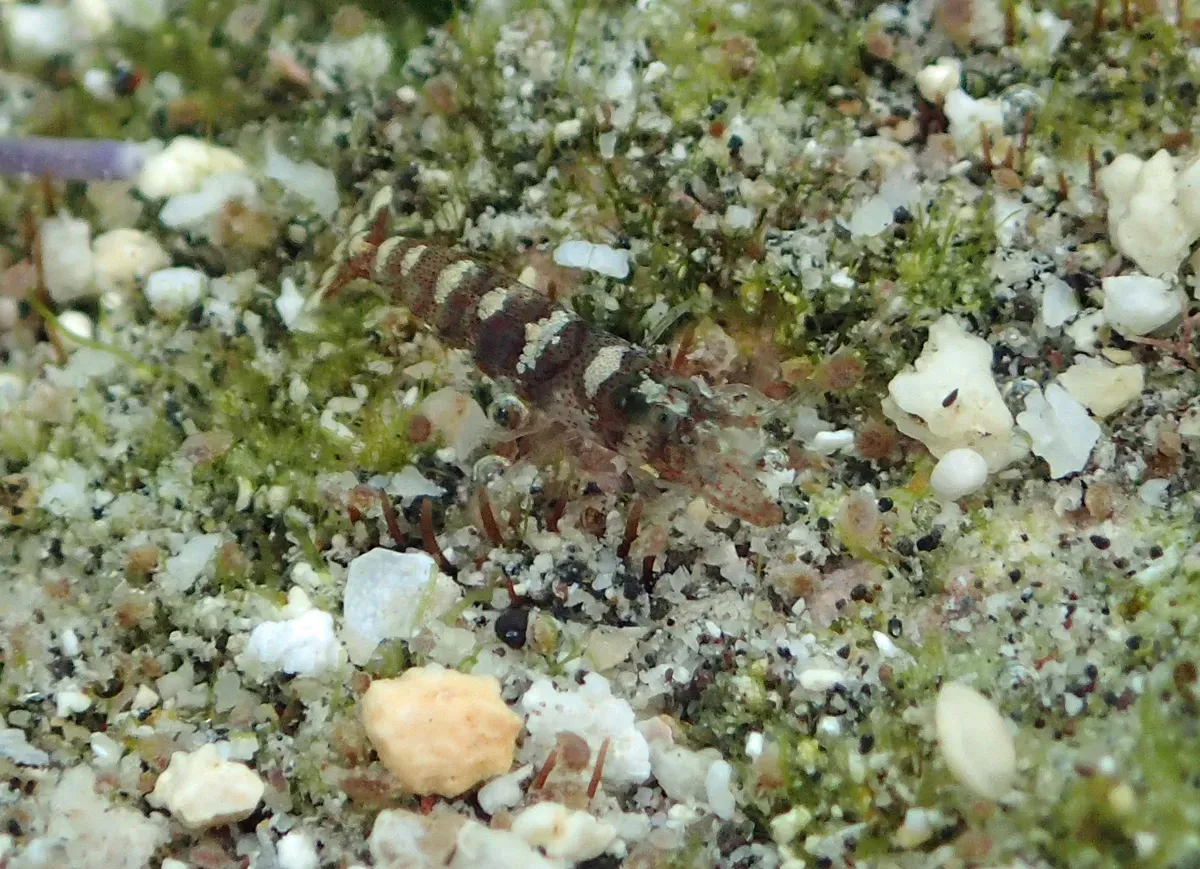
At first glance, pistol shrimp look like ordinary small crustaceans hiding in coral reefs and seagrass beds, but one oversized claw gives away their hidden weapon. When they snap this claw shut at blistering speed, it shoots out a cavitation bubble that collapses almost instantly, creating a shockwave strong enough to stun or kill nearby prey. For a split second, the collapsing bubble can reach temperatures hotter than the surface of the sun and produce a brief flash of light, a phenomenon known as sonoluminescence. To anyone who grew up thinking the ocean was a quiet, blue silence, the idea that a shrimp can effectively fire underwater “bullets” of pressure is strangely thrilling and a bit unsettling.
What fascinates physicists and engineers is that the shrimp accomplishes this using only muscle power, hydrodynamics, and clever claw geometry. Navy and naval research labs have studied pistol shrimp not because they want shrimp cannons, but because the way they focus energy into a single, tiny bubble could inspire more efficient underwater tools and sensors. The shrimps’ constant snapping even shows up as background noise in naval sonar recordings, a reminder that the sea is busy with tiny explosions most divers never notice. In a world obsessed with high-tech weapons, the pistol shrimp quietly demonstrates that evolution has been exploring intense, controlled energy release for millions of years – with no batteries, wiring, or electronics required.
Mantis Shrimp: Vision So Advanced It Redefines Color
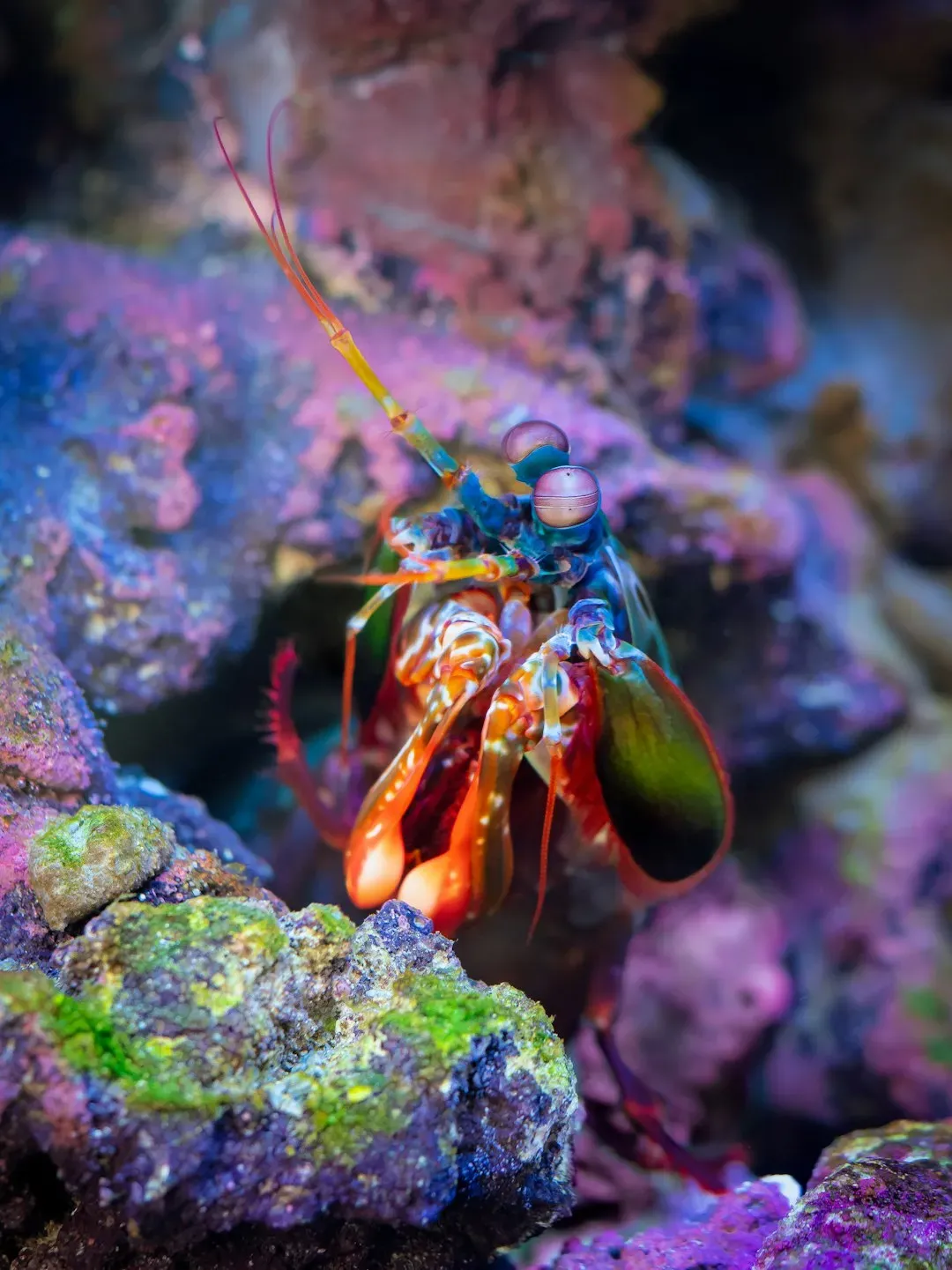
Mantis shrimp are already infamous online for their massively powerful punches, but their real superpower may be in their eyes. While humans rely on three types of color receptors, mantis shrimp can have a dozen or more, along with sensitivity to ultraviolet and polarized light. Their compound eyes can move independently and scan the world in a way that is almost alien, picking up subtle differences in light orientation and wavelength that we simply cannot see. To us, a coral reef is a riot of color; to a mantis shrimp, it may be layered with hidden patterns, signals, and contrasts that resemble coded messages.
Researchers have found that mantis shrimp use polarization cues to recognize mates, detect predators, and possibly navigate complex habitats, effectively reading another dimension of visual information. Their eyes also process a lot of this information right at the surface, meaning the brain gets pre-packaged analysis instead of a dumb stream of raw pixels. Camera designers and engineers working on better polarization filters and underwater imaging have drawn inspiration from this “front-loaded” vision system, because it could simplify hardware and reduce data loads. To me, mantis shrimp are a reminder that our perception is not the gold standard of reality – at best, we see a curated slice, while other species walk through a much richer visual universe.
Axolotls: Regeneration Champions With Rebuilding Down to an Art
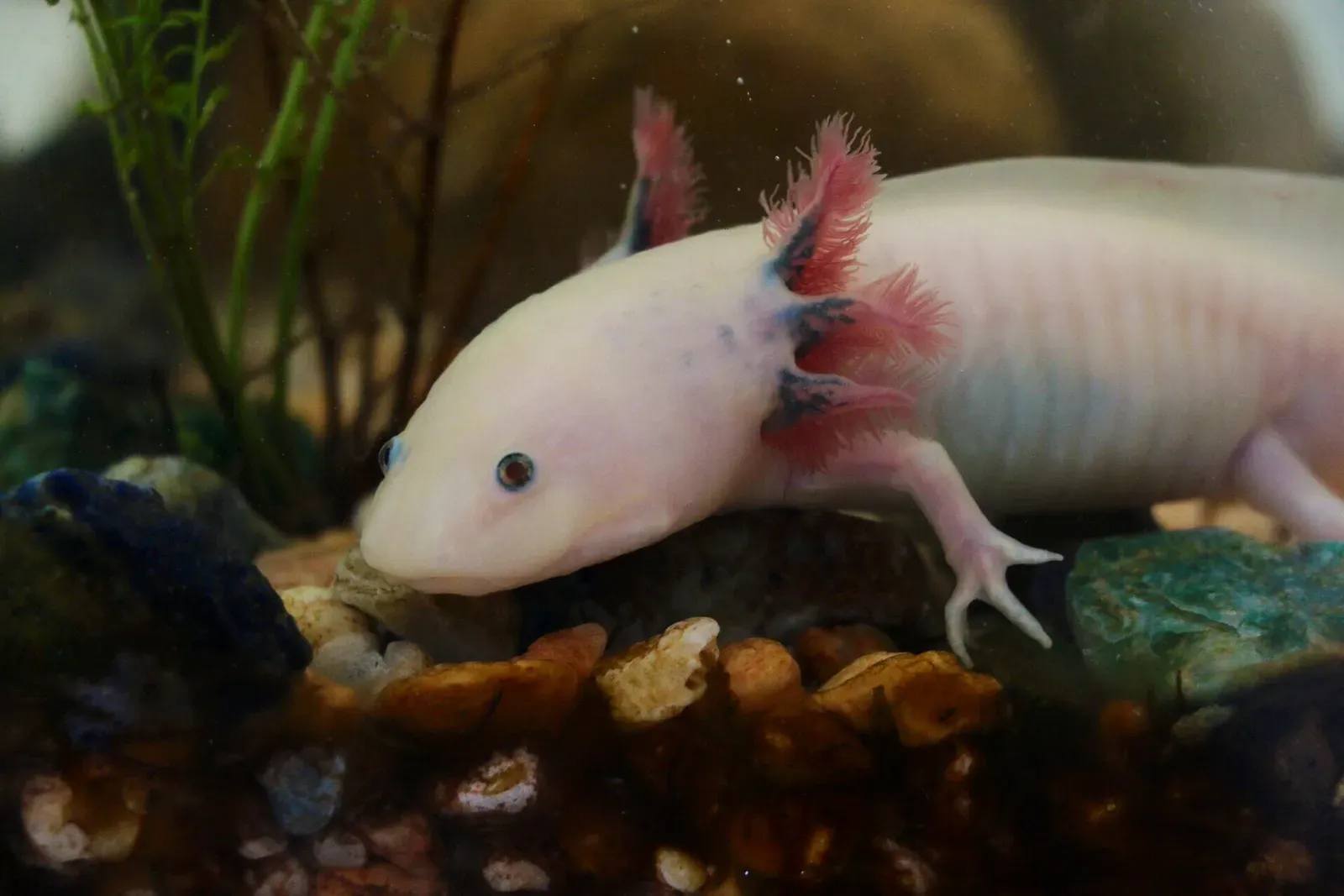
Axolotls, those wide-eyed salamanders with feathery external gills, might look permanently surprised, but the real shock is what they can do after an injury. If an axolotl loses a limb, part of its spinal cord, or even chunks of its heart, it can regrow the missing structures with minimal scarring and restored function. Instead of sealing up the wound with fibrous tissue like humans do, axolotls form a blastema – a cluster of cells that revert to a more flexible state and then rebuild the lost anatomy with remarkable precision. Watching time-lapse sequences of axolotl limbs regenerating, joint by joint and nerve by nerve, feels like fast-forwarding through an embryonic development replayed on demand.
Biomedical researchers have flocked to axolotls because their regenerative feats offer clues to why mammals, including us, seem to have switched off much of that ability. Genetic studies have revealed unusually large genomes and complex regulation networks that govern how and when cells de-differentiate and then specialize again. In practical terms, understanding these controls could help improve wound healing or even future therapies after spinal injuries or heart damage. There’s a strange emotional punch in seeing an animal shrug off injuries that would be permanently disabling to a human; it forces you to ask whether regeneration is exotic, or whether we are the ones living with a stripped-down version of what bodies could do.
Electric Eels: Biological Power Plants That Sense and Strike
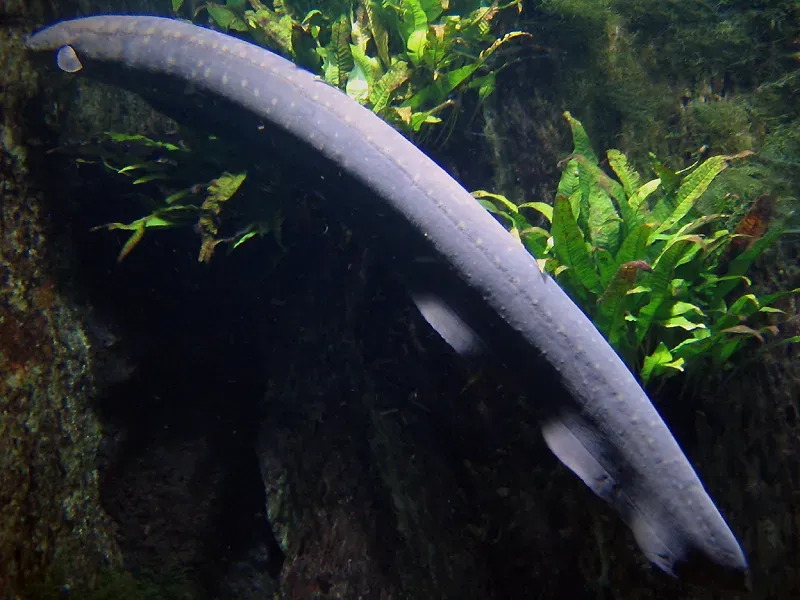
Electric eels, which are actually knifefish and not true eels, turn their entire bodies into high-voltage generators in the dark rivers and floodplains of the Amazon and Orinoco. Specialized electric organs made from modified muscle cells can discharge both low-voltage pulses for navigation and high-voltage bursts strong enough to stun fish, deter predators, and sometimes even knock small animals off riverbanks. These discharges are not random zaps; the eels can modulate pulse patterns like a coded language, switching between scanning the environment and delivering a targeted attack. Watching high-speed footage of an eel wrapping around a struggling fish and pulsing it into limp submission is like seeing a living cattle prod in action.
From a technological perspective, electric eels offer a natural case study in how to generate, store, and direct electricity inside a soft, flexible body. Their electrocytes, the power-producing cells, are stacked like batteries in series to build voltage, a design that would be instantly recognizable to any electrical engineer. Scientists have used eel-inspired designs in early experiments on soft, bio-compatible power sources, including prototypes for medical implants that generate their own electricity. There is also something oddly humbling about an animal that casually emits enough current to be dangerous to humans while we still wrestle with tangled charging cables. The eel turns its own flesh into infrastructure, collapsing the line between organism and power grid.
Bombardier Beetles: Precision Chemical Defense That Boils on Contact
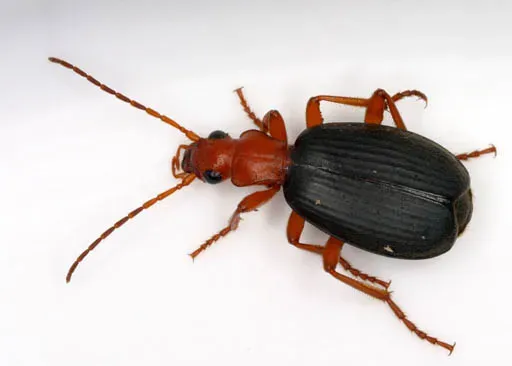
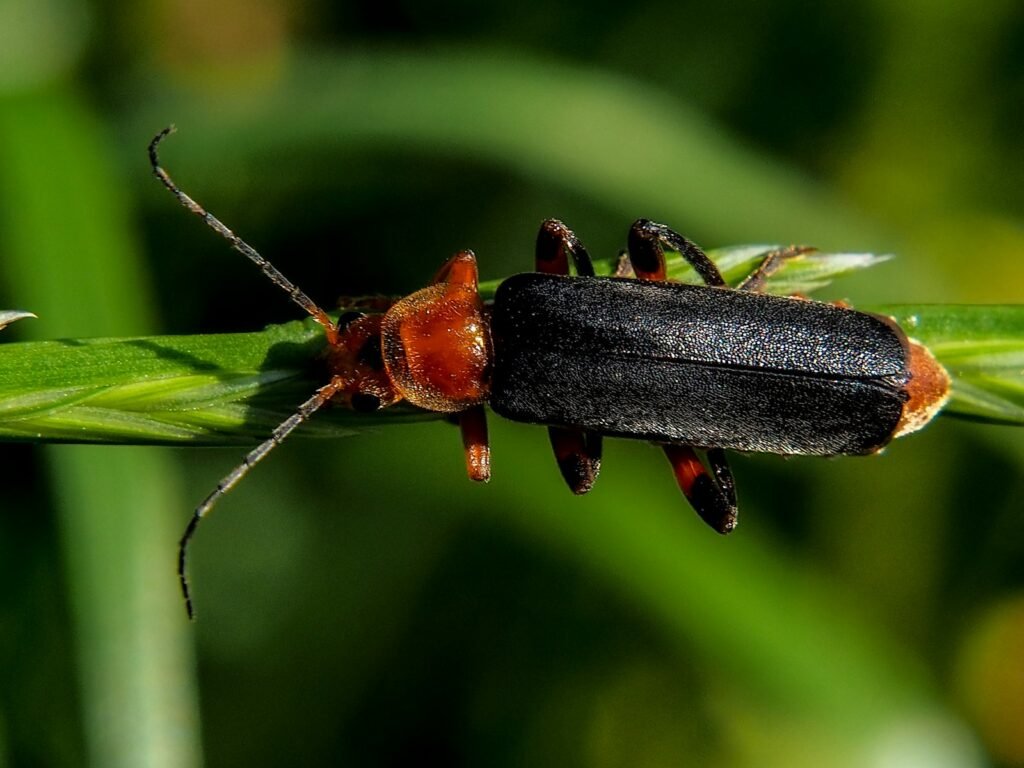
Bombardier beetles carry a miniature chemistry lab inside their rear ends, and they do not hesitate to use it. When threatened, these insects mix two separately stored chemical compounds in a reinforced chamber, triggering a violent reaction that heats the liquid to near boiling temperature. The result is a rapid-fire spray of hot, noxious fluid that can be aimed in different directions, deterring ants, spiders, and curious vertebrates with equal efficiency. High-speed videos show the spray firing in pulses rather than one continuous stream, which helps prevent the beetle’s own tissues from being damaged by its weapon.
Chemists and engineers have studied bombardier beetles because they embody controlled combustion at a tiny scale, complete with safe storage, rapid mixing, and directional exhaust. The architecture of their reaction chambers, with heat-resistant lining and precise valves, has inspired ideas for safer micro-reactors and drug delivery systems that trigger only under specific conditions. The fact that natural selection arrived at a functioning, reloadable “chemical cannon” long before humans invented pressurized aerosol cans is both a little embarrassing and deeply inspiring. It also challenges the idea that insects are simple; inside a creature smaller than a fingernail sits a system that would look perfectly at home in an engineering diagram.
Bar-Tailed Godwits: Nonstop Migrants With Endurance Beyond Imagination
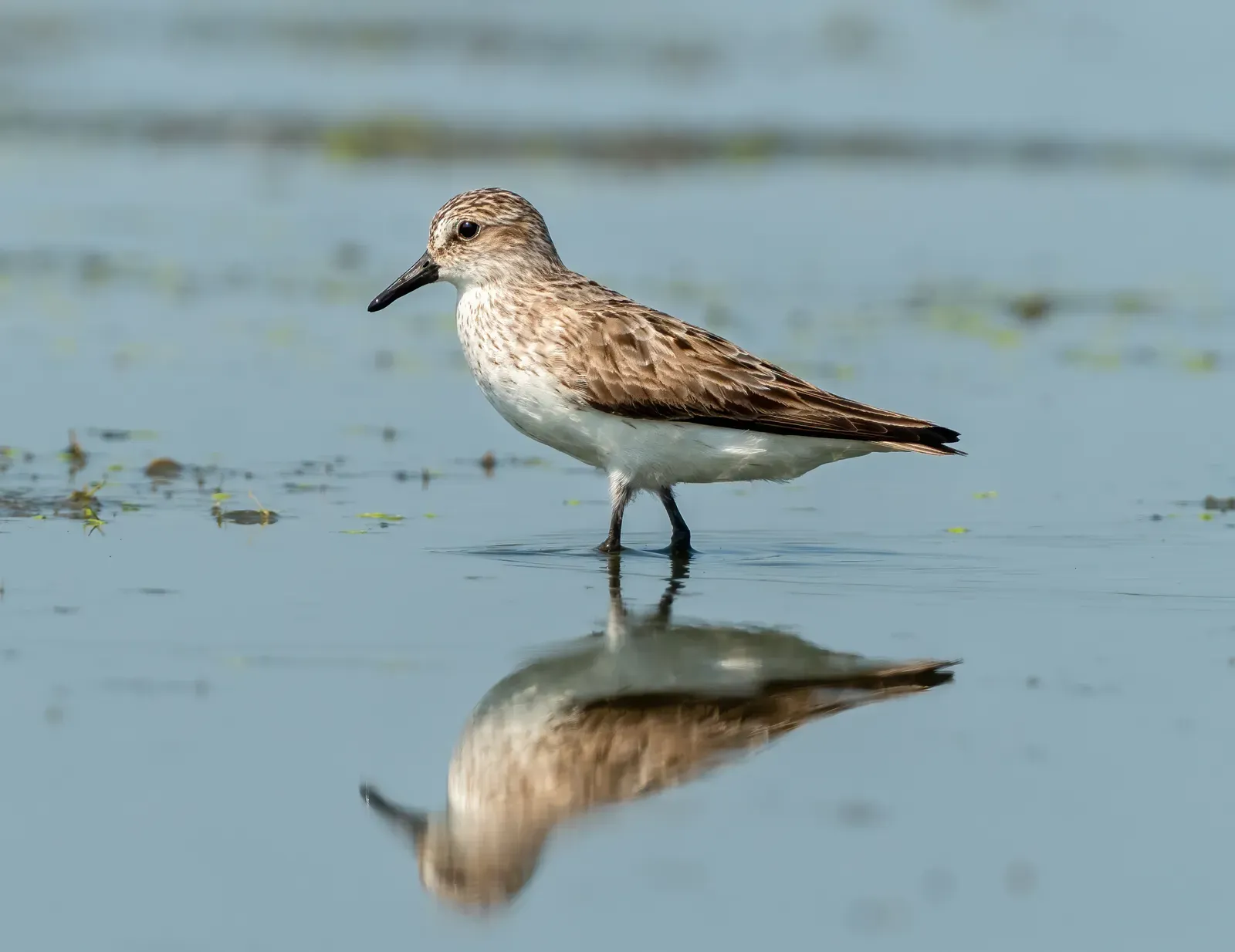
While flashy weapons and regeneration easily grab headlines, one of the most staggering animal superpowers is pure endurance, and bar-tailed godwits are in a league of their own. These shorebirds undertake nonstop flights across the Pacific Ocean, with some individuals documented flying from Alaska to New Zealand without landing, a journey that can span more than a week in the air. Before departure, they gorge on food and dramatically enlarge organs related to fat storage, turning their bodies into high-efficiency fuel tanks while trimming down nonessential tissues. During migration, they navigate shifting winds, storms, and long periods of darkness using a mix of celestial cues, magnetic sensing, and learned geography.
Physiologists are still unpacking how godwits manage to avoid catastrophic fatigue, dehydration, and organ damage during such extreme exertion. Their flight muscles, cardiovascular system, and metabolic pathways seem tuned for sustained output with minimal waste, something human endurance athletes try to approximate with training, equipment, and nutrition plans. In a time when climate change is altering wind patterns and coastal stopover sites, these record-breaking flights become even more precarious, with subtle shifts affecting whether a bird makes landfall with enough energy left to survive. To me, godwits are a quiet rebuke to our usual sense of “far” and “tiring” – their commute spans entire oceans that we still think of as epic when crossed in a jet.
What These Superpowers Reveal About Life’s Hidden Playbook
Looked at together, these eight species do more than provide a highlight reel of weird animal trivia; they sketch out the edges of what life can do under pressure. Tardigrades and axolotls challenge our assumptions about damage and repair, showing that survival can mean pausing almost to a standstill or rebuilding from scratch instead of merely enduring. Archerfish, pistol shrimp, and bombardier beetles represent precision weaponry and control, where simple bodies generate complex, fine-tuned physical effects without electronics or metal. Mantis shrimp, electric eels, and bar-tailed godwits extend our sense of perception and endurance, operating in sensory and physiological zones that our bodies never touch.
For scientists and engineers, these abilities are not just fascinating – they are templates and test cases that push against the limits of technology and medicine. Bio-inspired design has already borrowed ideas from mantis shrimp eyes for polarization cameras, from pistol shrimp for energy focusing, and from axolotl regeneration for new approaches to tissue repair. What is striking, especially when you sit with these examples, is how much innovation comes from constraints: low oxygen, darkness, predators, freezing or boiling conditions. Each “superpower” is less a magical add-on and more a negotiation with brutal environments, honed over timescales far longer than human civilizations. In that sense, these animals are less like comic-book heroes and more like hard-won survival stories written directly into flesh.
How to Stay Curious and Help Protect Nature’s Real-Life Superheroes
Reading about animals that shoot boiling chemicals or regrow severed limbs can feel like escapism, but it comes with a real-world responsibility. Many of the species highlighted here live in habitats under serious pressure: mangroves cleared for development, tropical rivers disrupted by dams, wetlands drained or squeezed by rising seas. Losing them would mean losing not only their intrinsic value but also a library of biological solutions we barely understand. I think about how many medical or engineering breakthroughs may quietly vanish before we ever realize they were possible, simply because their original “inventors” disappear in a wave of habitat loss.
You don’t need to be a field biologist to make a difference. Supporting credible conservation organizations, visiting responsible aquariums and nature centers that emphasize research, and backing policies that protect wetlands, reefs, and forests all help give these animals a future. Even small actions, like paying attention to science reporting, sharing accurate information, or getting kids excited about real animals instead of just fictional monsters, can shift public priorities. The next time you hear about some outlandish creature on social media, consider going one step further: look up the science, learn where it lives, and ask what it would take to keep that superpower in the world a little longer.
Suhail Ahmed is a passionate digital professional and nature enthusiast with over 8 years of experience in content strategy, SEO, web development, and digital operations. Alongside his freelance journey, Suhail actively contributes to nature and wildlife platforms like Discover Wildlife, where he channels his curiosity for the planet into engaging, educational storytelling.
With a strong background in managing digital ecosystems — from ecommerce stores and WordPress websites to social media and automation — Suhail merges technical precision with creative insight. His content reflects a rare balance: SEO-friendly yet deeply human, data-informed yet emotionally resonant.
Driven by a love for discovery and storytelling, Suhail believes in using digital platforms to amplify causes that matter — especially those protecting Earth’s biodiversity and inspiring sustainable living. Whether he’s managing online projects or crafting wildlife content, his goal remains the same: to inform, inspire, and leave a positive digital footprint.