
Every so often, astronomy pulls the rug out from under us and replaces our quiet mental picture of the cosmos with something stranger, bigger, and far less comforting. In just a few human lifetimes, we’ve gone from thinking of Earth as the calm center of creation to realizing we live on a small rock orbiting an ordinary star in a universe that is mostly invisible and still not fully understood. This article looks at ten discoveries that did more than fill in details: they cracked open our assumptions and forced us to rewrite the story of where and what we are. Some emerged slowly, through painstaking measurement and bitter scientific arguments; others arrived in dramatic flashes of data from a telescope or spacecraft. Together, they show a universe that is not only vast and ancient, but deeply dynamic, violent, and – perhaps – more hospitable to life than we once dared to believe.
From Fixed Stars to Galaxies Adrift: Realizing the Milky Way Is Not Alone
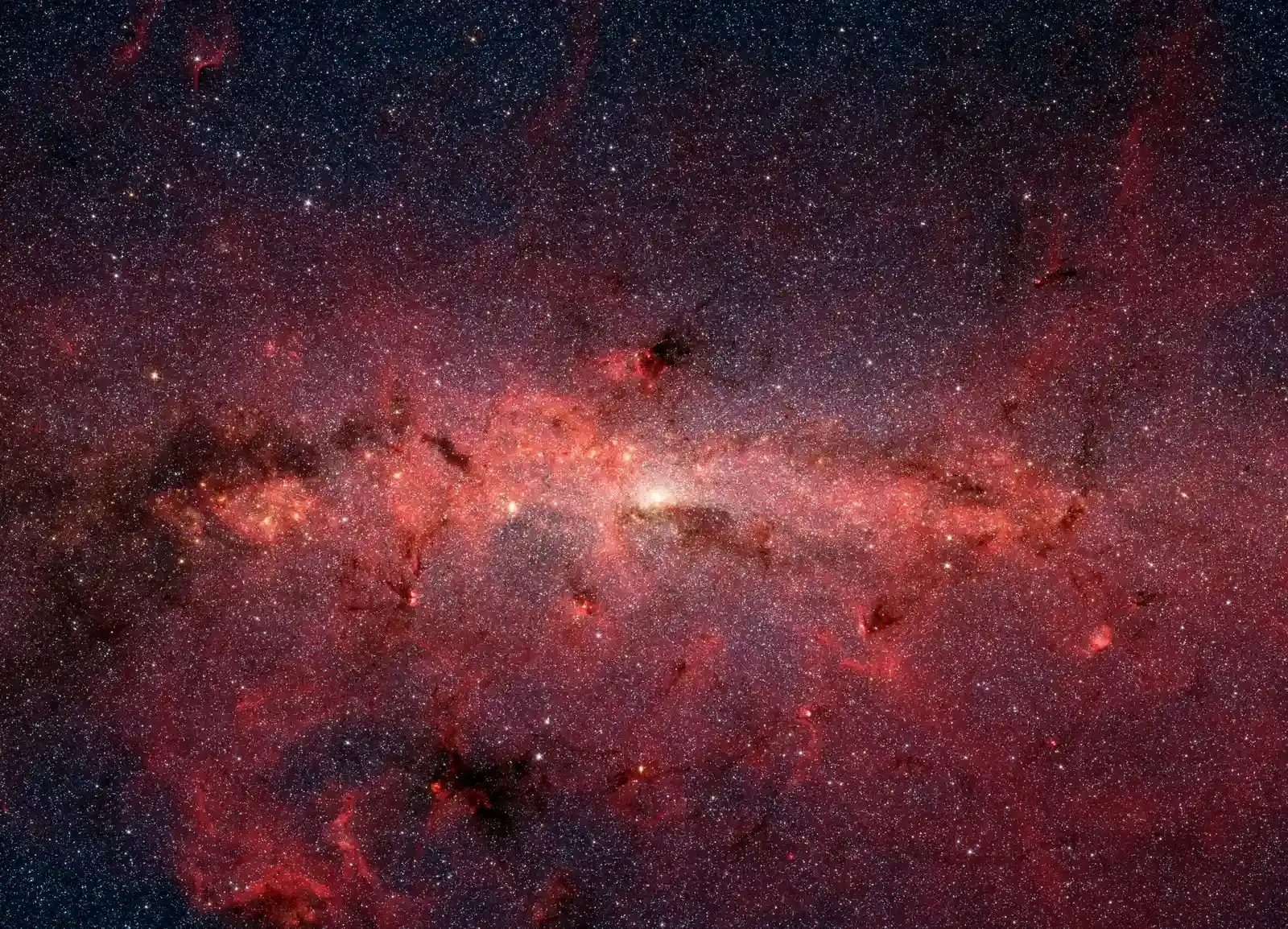
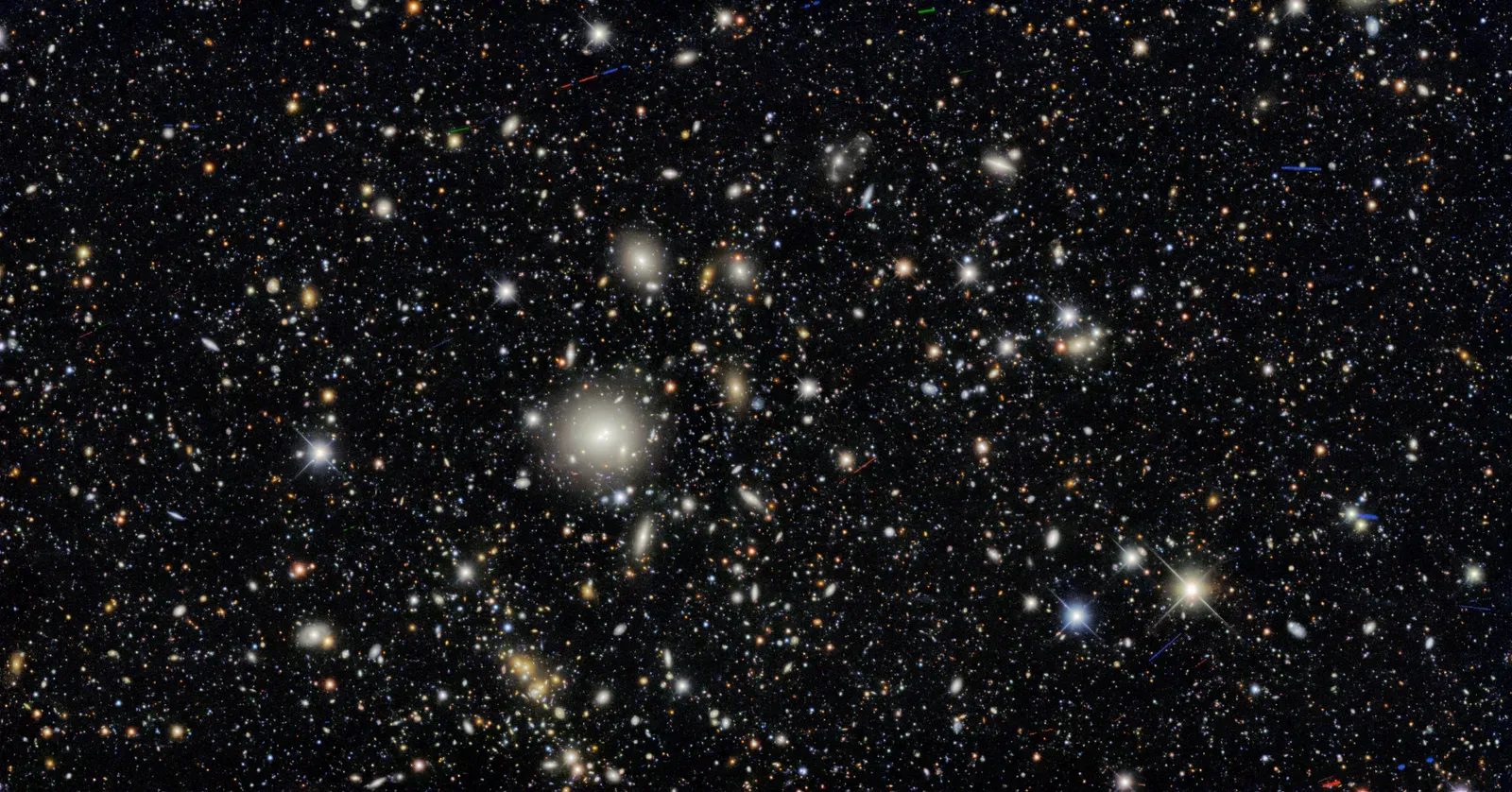
For most of human history, the hazy band of the Milky Way was simply “the sky” – a backdrop rather than a specific object. That changed when early telescopes revealed it as a swarm of countless stars, but even then many astronomers thought the Milky Way made up the entire universe. The real shock came in the 1920s, when precise measurements of faint “spiral nebulae” showed they were not clouds within our galaxy but distant “island universes” of their own, now known as galaxies. Suddenly, the Milky Way shrank from “the whole cosmos” to just one member of a vast, expanding archipelago of galaxies stretching far beyond what we can see. Our home went from center stage to a single city in a nearly endless night.
That mental shift is easy to gloss over now, but it was as radical as realizing that Earth orbits the Sun. Once you accept that the sky is full of other galaxies, you are forced to confront a sobering implication: anything that happened here – stars, planets, chemistry, even life – might not be unique. I still remember the first time I saw a deep-field image crowded with galaxies; it felt less like looking at space and more like accidentally seeing behind the curtain of existence.
An Expanding Universe: The Day the Cosmos Started Moving
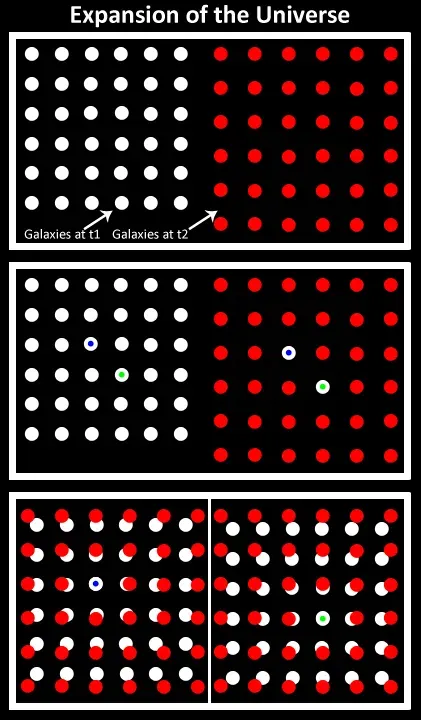
Not long after astronomers admitted that those spiral nebulae were galaxies, another shock landed: the universe itself was on the move. Careful measurements of the light from distant galaxies revealed that their spectra were shifted toward the red, meaning they were racing away from us at enormous speeds. Even more unsettling, the farther away a galaxy was, the faster it appeared to recede, pointing to a universe that has been expanding for billions of years. Instead of a static, eternal cosmic stage, we suddenly had a dynamic universe with a history, a beginning, and likely a long-term future.
This discovery did more than add a fun fact to cosmology textbooks; it rewrote the timeline of everything. An expanding universe implied that long ago, matter and energy were packed into a much denser, hotter state, setting the stage for what we now call the Big Bang. It also meant that the night sky is not a fixed dome but a kind of time machine – look farther, and you see younger galaxies in a younger universe. That single realization transformed cosmology from philosophical speculation into something that could be tested and revised, the way any good science should be.
The Afterglow of Creation: Finding the Cosmic Microwave Background
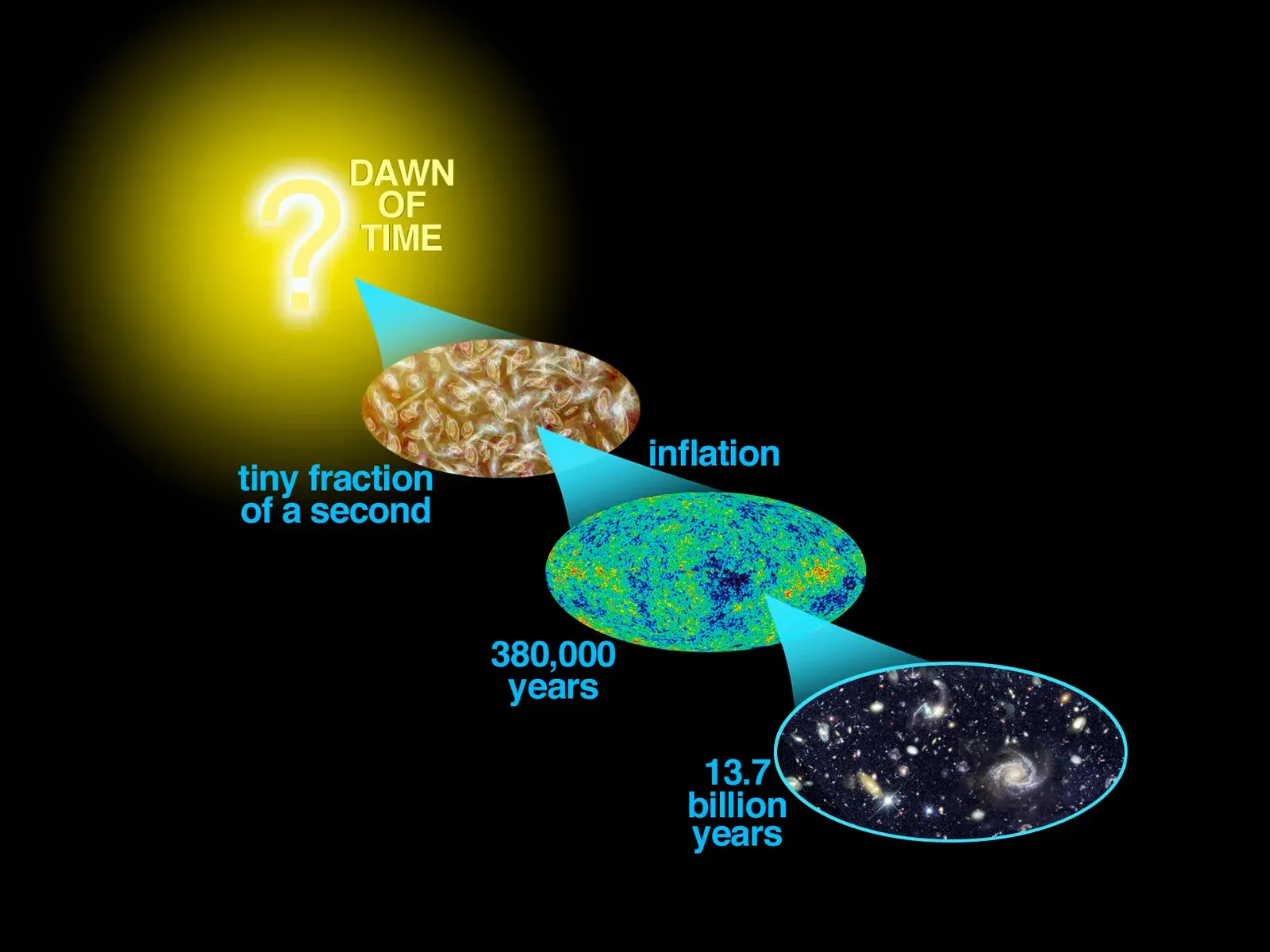
Once physicists proposed a hot Big Bang, they made a bold prediction: the early universe should have left behind a faint afterglow, like heat radiating from long-cooled embers. In the mid‑1960s, two radio engineers stumbled on exactly that – a persistent, background hiss in the microwave part of the spectrum, coming from every direction in the sky. It was not a glitch in their antenna or interference from the city; it was the relic light from when the universe was only a few hundred thousand years old. This cosmic microwave background became one of the most powerful pieces of evidence that the universe really did begin in a hot, dense state.
Later spacecraft mapped this radiation in exquisite detail, revealing tiny temperature ripples across the sky. Those ripples are the fingerprints of the universe’s early structure, showing where matter was slightly denser and would later collapse into galaxies and clusters. What began as a mysterious hiss turned into a full-blown baby picture of the cosmos. For scientists, it was a rare and thrilling thing: a chance to test theories about the first moments after the Big Bang against a real, measurable sky.
Dark Matter’s Invisible Grip: The Mass We Cannot See
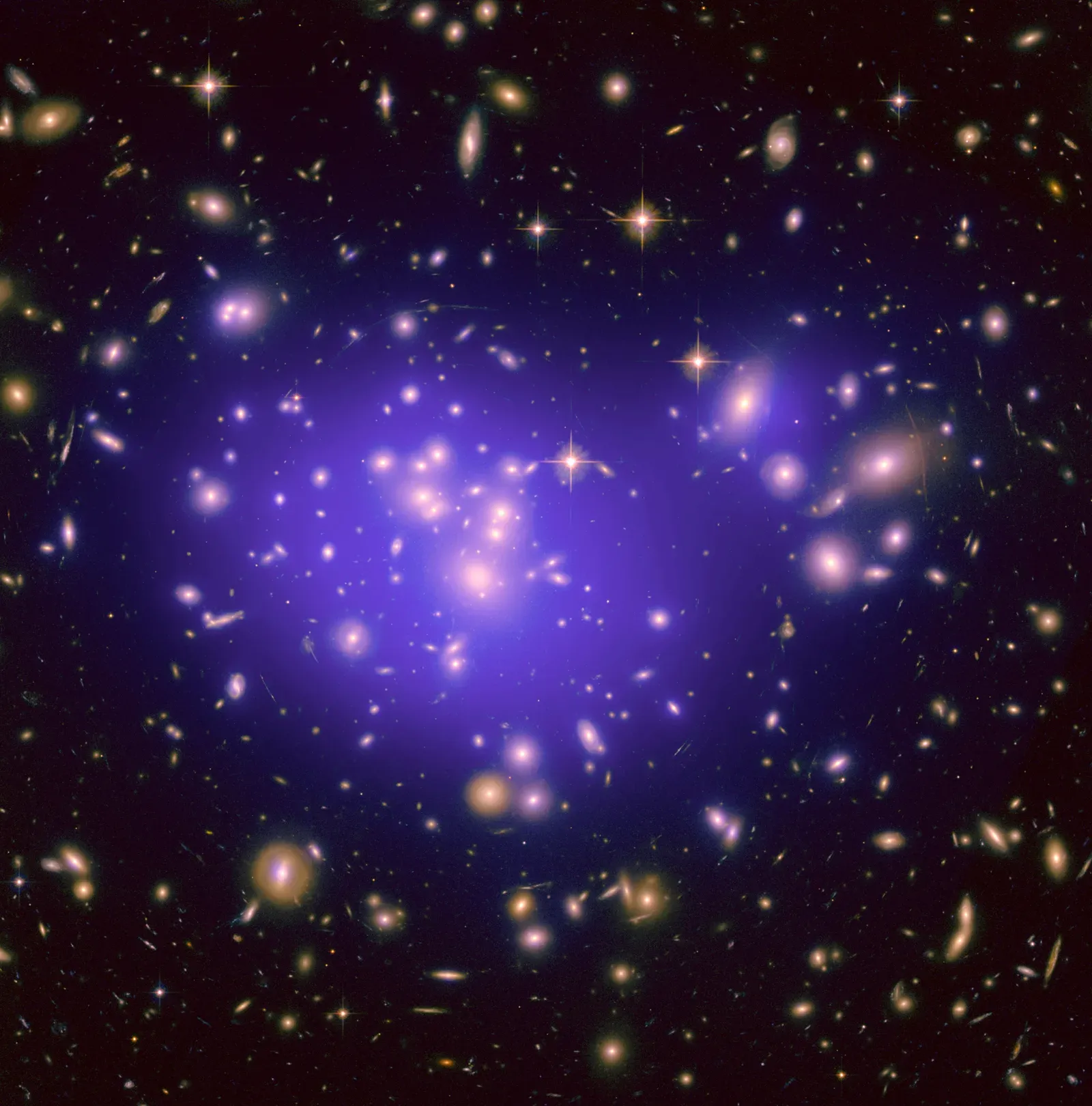
When astronomers measured how fast stars orbit within galaxies, they expected the speeds to drop off with distance from the center, the way planets in our solar system orbit more slowly the farther they are from the Sun. Instead, something strange showed up: stars far out in the disk were moving too fast, as if held in the grip of extra mass that could not be seen. Similar puzzles appeared in galaxy clusters and in how light from distant objects bent around massive foreground structures. The conclusion grew harder to escape – most of the matter in the universe does not emit or reflect light.
This “dark matter” does not behave like ordinary gas or stars, yet its gravity shapes the large‑scale structure of the cosmos. It acts like a hidden scaffolding, guiding where galaxies form and how they clump together over billions of years. The unsettling part is that despite decades of effort, physicists still have not directly detected a dark matter particle in the lab. We are forced to admit that the familiar stuff – atoms, molecules, everything we touch and see – makes up only a small fraction of cosmic matter. It is like realizing that almost everything in your house is actually supported by beams you cannot see or touch, and you have only the faintest idea what they’re made of.
Dark Energy and the Runaway Cosmos: When Gravity Was Not Enough
As if invisible matter were not enough, the late 1990s delivered another surprise. Astronomers studying distant exploding stars – supernovae – used them as standard candles to track how the expansion of the universe changed over time. They expected to see that expansion slowing under the pull of gravity from all the matter. Instead, the data suggested the opposite: the expansion was speeding up. Something, dubbed “dark energy,” seemed to be driving galaxies apart faster and faster.
This acceleration turned cosmology on its head because it implied that the fate of the universe is not a gentle coasting or a gravitational collapse, but an increasingly rapid stretching of space itself. Dark energy appears to make up the vast majority of the universe’s total energy content, yet we barely understand its nature. Some see it as a property of space, others as a more exotic field. To me, it marks a humbling moment: just as we thought we were closing in on a complete cosmic inventory, the universe revealed that most of its energy is in a form we can barely describe, let alone explain.
Planets Everywhere: The Exoplanet Boom That Ended Our Cosmic Loneliness
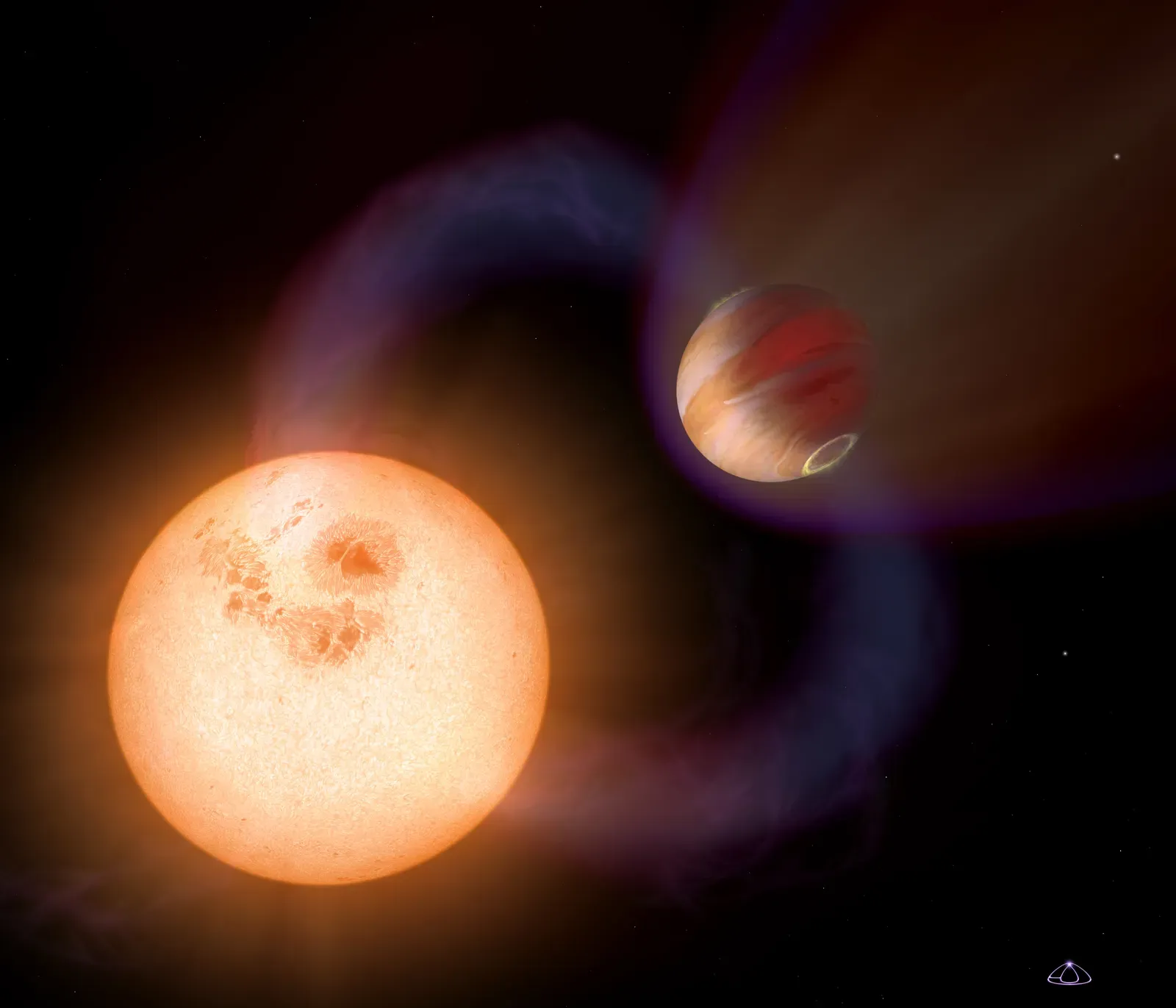
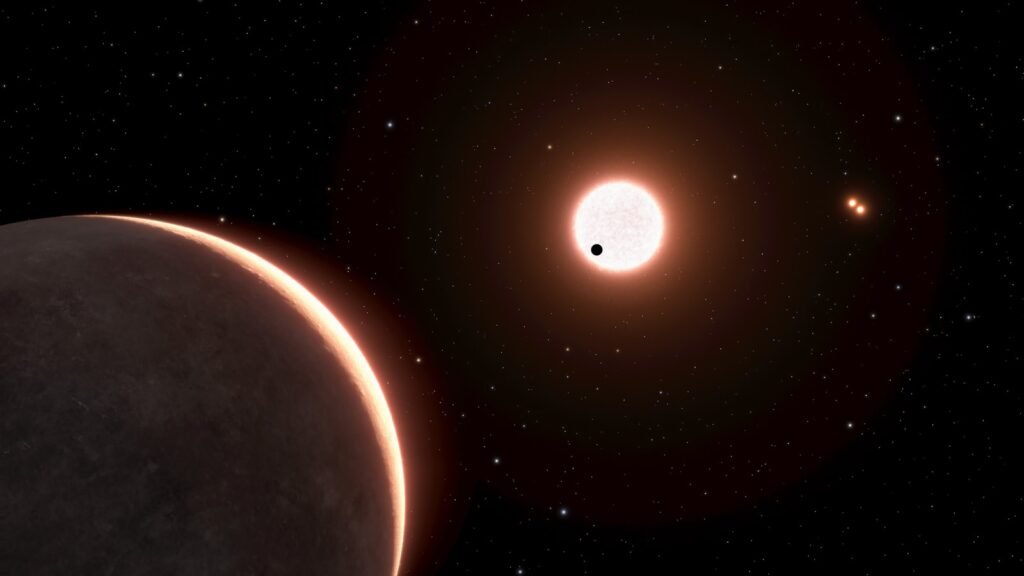
For generations, the idea of planets around other stars lived mostly in the realm of speculation and science fiction. That changed in the 1990s, when the first convincing detections of planets outside our solar system – exoplanets – were reported, initially around pulsars and then around Sun‑like stars. The breakthrough came from clever techniques: watching for tiny wobbles in a star’s motion caused by an orbiting planet, or for slight dips in brightness when a planet transits across the star’s face. With dedicated space telescopes scanning thousands of stars, the floodgates opened.
We now know that planets are not rare curiosities; they are practically the rule. Many stars host multiple planets, and some systems look nothing like our own, with hot Jupiters skimming close to their stars and tightly packed worlds whirling in resonant dances. Statistical studies suggest that in our galaxy alone there may be billions of Earth‑sized planets in the habitable zones of their stars. That realization transforms the question of life elsewhere from “if” to “where and how often,” and it tugs at something deeply emotional – the sense that our pale blue dot might be one of many, not an isolated fluke.
Black Holes Made Real: From Mathematical Curiosities to Imaged Monsters
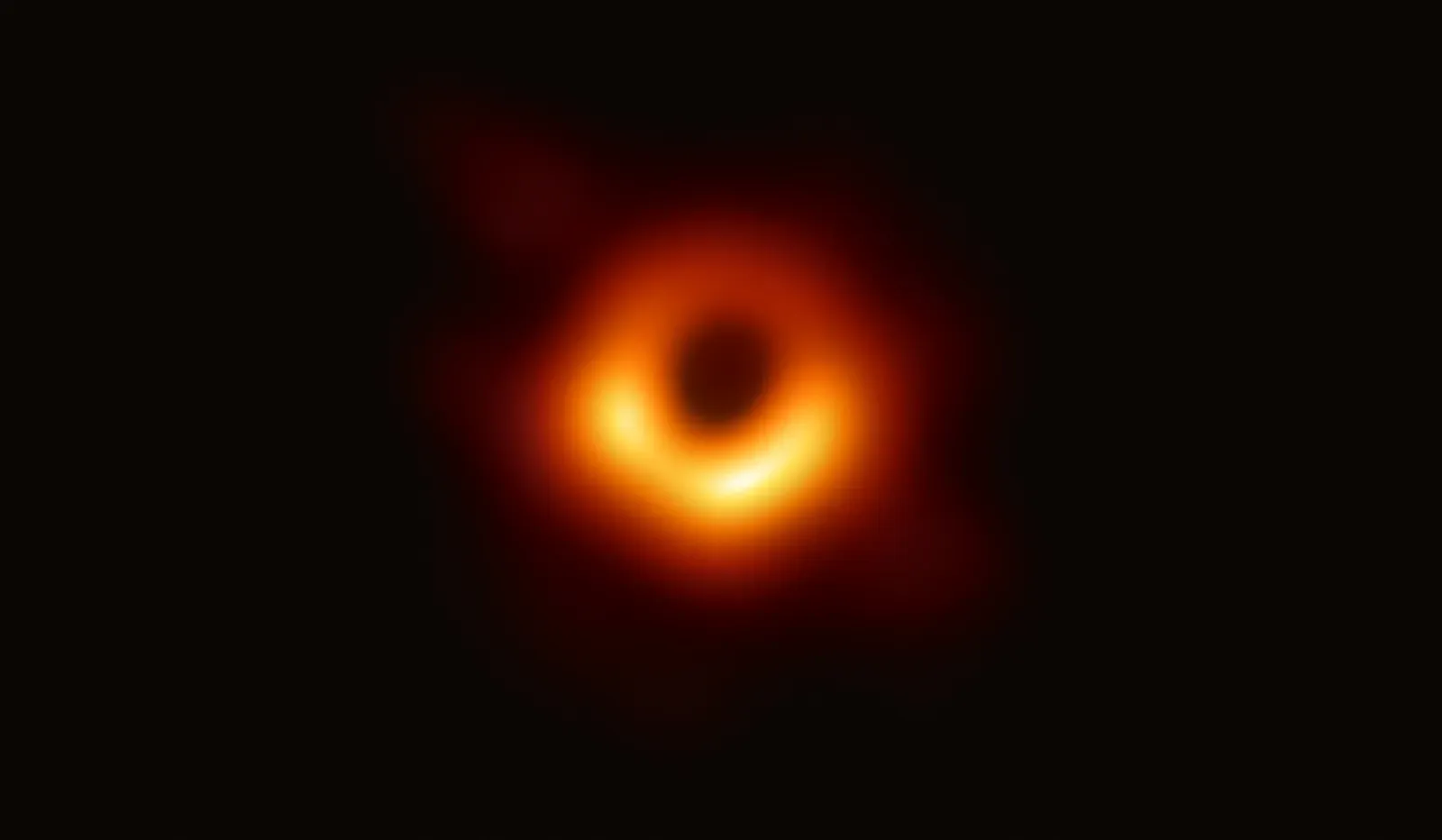
Black holes began as strange solutions to Einstein’s equations, so extreme that even some physicists doubted they could exist in nature. Over time, evidence piled up: stars whipping around unseen companions, high‑energy X‑ray emissions from compact objects, and jets of particles blasting out of galactic centers. The clincher came in multiple forms, from tracking the motions of stars around the Milky Way’s core to the first direct image of a black hole’s shadow in a distant galaxy, a ring of light around a dark central void. These observations turned black holes from theoretical ghosts into concrete astrophysical players.
Their existence forces us to face physics at its limits. Near a black hole, space and time are warped to extremes; information and matter fall past the event horizon in ways we still do not fully understand. On galactic scales, supermassive black holes likely influence how galaxies grow and evolve, regulating star formation through fierce outbursts and jets. When I first saw that iconic black hole image, it felt like the universe had finally agreed to show us one of its most closely guarded secrets – a place where our current theories are stretched almost to breaking.
Gravitational Waves: Hearing the Universe for the First Time
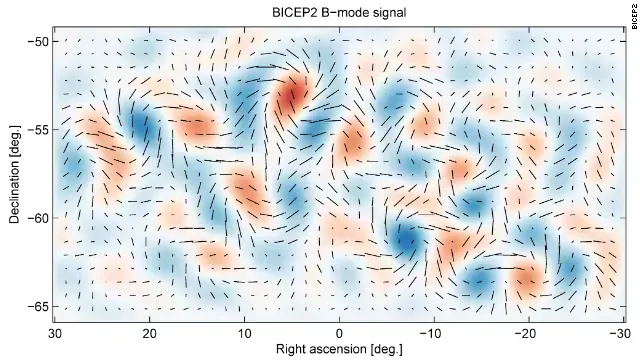
For a century, gravitational waves – the ripples in spacetime predicted by Einstein – existed only on paper and in thought experiments. Then, in the mid‑2010s, ultra‑sensitive detectors listened for tiny distortions in distance caused by passing waves, smaller than the width of a proton across kilometers of vacuum. Against long odds, they recorded a faint, rising chirp: the spacetime shudder from two distant black holes spiraling together and merging. It was not just a new data point; it was the birth of an entirely new way of doing astronomy.
Gravitational‑wave observatories now routinely capture mergers of black holes and neutron stars, giving us access to systems that are almost invisible in light. By combining these signals with traditional telescopes, scientists can probe how heavy elements form, test general relativity under extreme conditions, and map the population of compact objects across the universe. It is a bit like going from watching a silent movie to suddenly hearing the soundtrack and discovering that some of the most dramatic scenes had been happening off‑screen all along.
Life’s Ingredients in Space: Organic Molecules and Habitable Worlds

For decades, the idea that space could be rich in the raw ingredients for life seemed speculative at best. Now, radio and infrared telescopes regularly pick up complex organic molecules in interstellar clouds, comets, and the disks around young stars. Space missions have found water ice, organic compounds, and intriguing chemistry on icy moons and dwarf planets in our own solar system. Meanwhile, some exoplanets and moons show signs of atmospheres or subsurface oceans that could, under the right conditions, support biology.
The emerging picture is that the building blocks of life – water, carbon‑based molecules, energy sources – are scattered widely, not locked away in a few special environments. This does not prove that life is common, but it demolishes the old assumption that Earth’s chemistry was uniquely fortunate. As someone who grew up with the quiet dread that we might be utterly alone, I find this shift oddly comforting. The universe is still silent, but it no longer feels chemically indifferent to life; it feels more like a vast laboratory where similar experiments may be running in parallel, waiting for us to develop the tools to notice.
What These Discoveries Really Changed: A New Cosmic Self‑Portrait
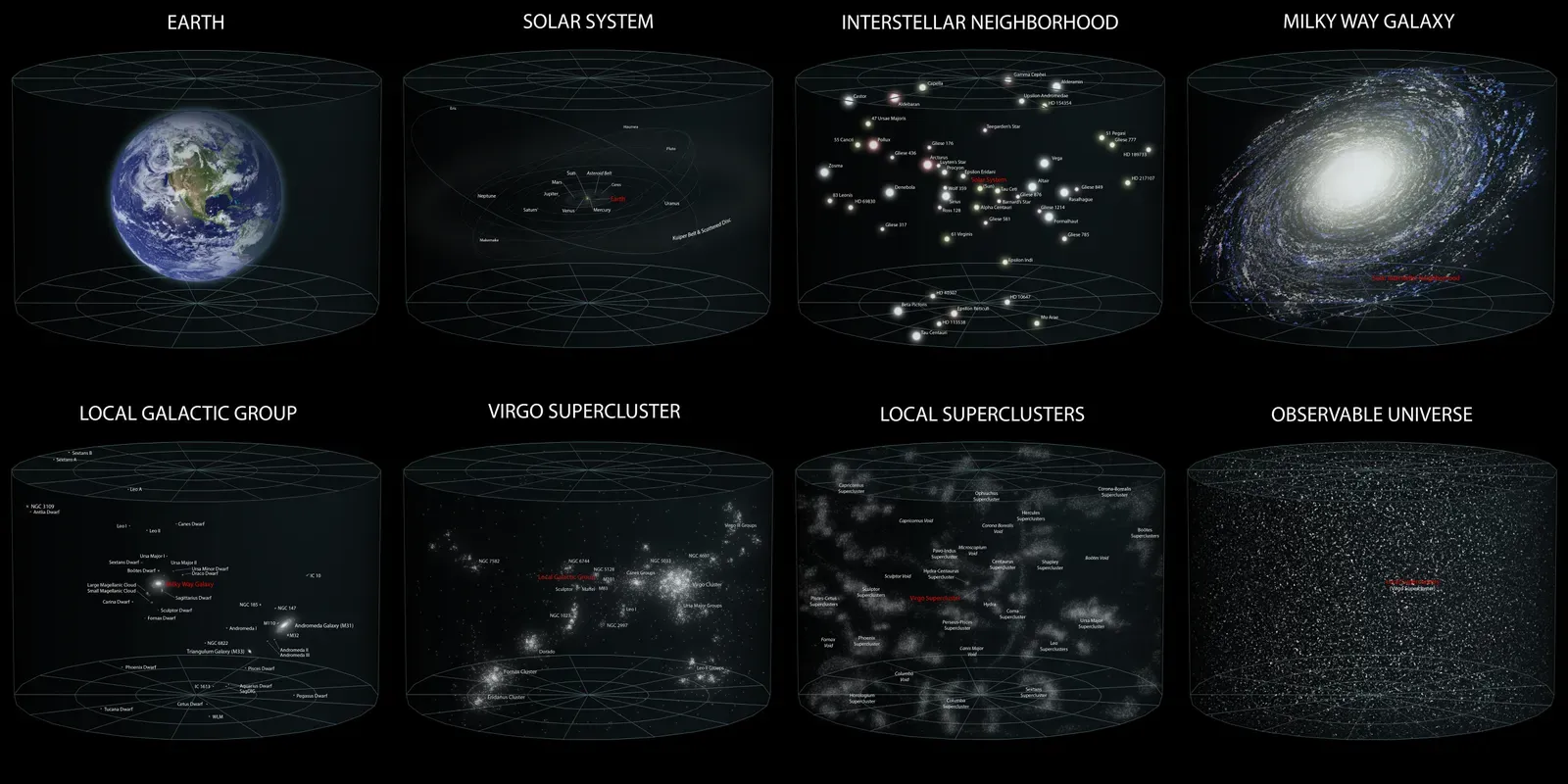
Looked at one by one, these discoveries are impressive; taken together, they amount to a fundamental rewrite of the human self‑portrait. We learned that our galaxy is just one among many, that the universe is not static but expanding and accelerating, and that most of its matter and energy are in forms we cannot yet see or fully explain. We found that planets are common, black holes are real and powerful, and spacetime itself can ring like a cosmic bell when massive objects collide. We also uncovered evidence that the ingredients of life are widespread, challenging old ideas of Earth as a biochemical exception.
Compared with earlier eras, when cosmology could easily drift into philosophy, modern astrophysics is anchored by direct measurements: background radiation mapped across the sky, galaxies counted and weighed, planets detected by their shadows, waves of gravity caught mid‑passage. At the same time, the emotional impact may be greater than ever. Instead of a comforting hierarchy with humans near the center, we see layers of scale and strangeness that do not care about our preferences. And yet, there is a quiet counterpoint: the very fact that a species on a small world can reconstruct this cosmic history suggests that intelligence and curiosity are, in their own fragile way, part of the universe’s unfolding story.
How to Stay Connected to a Moving Universe
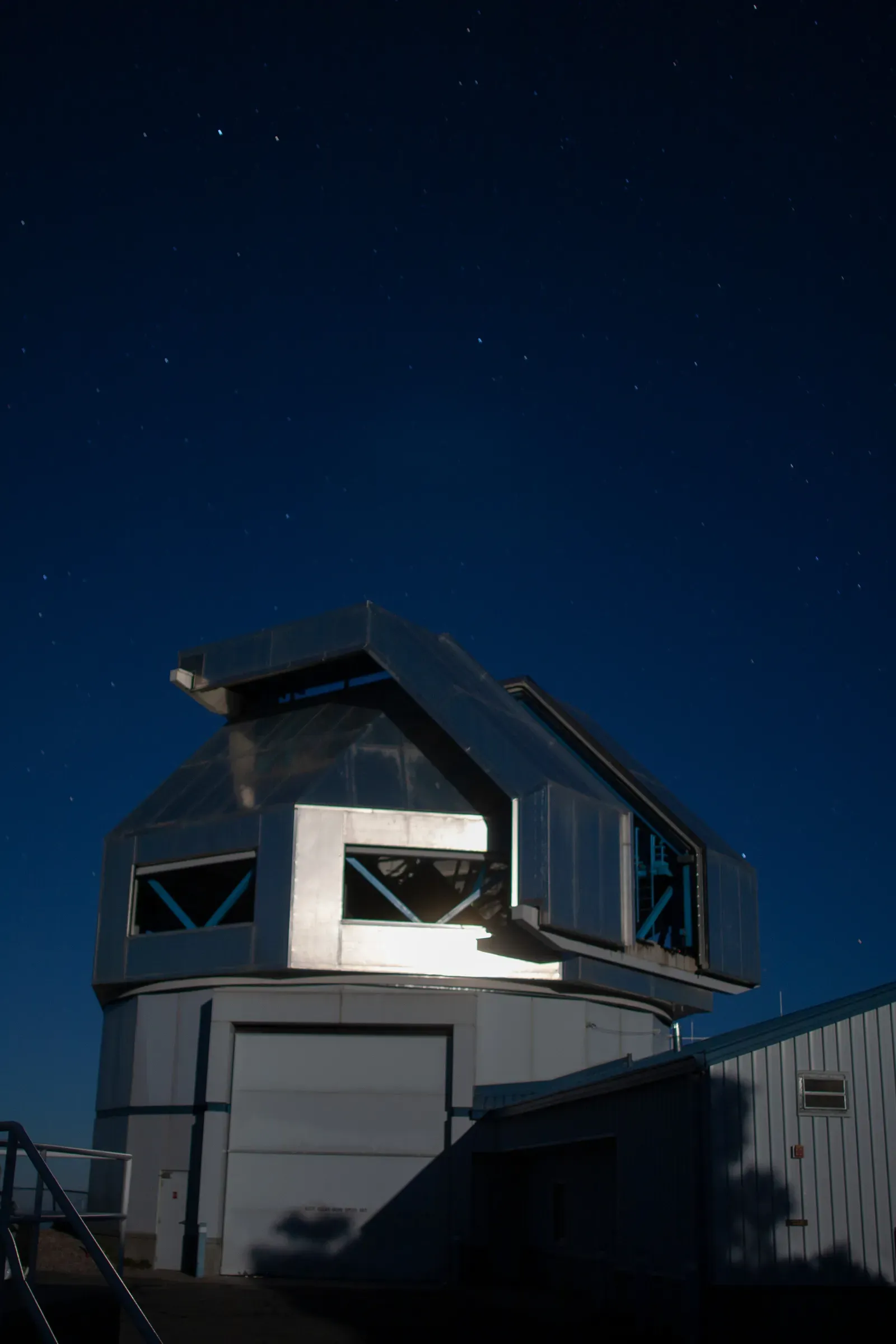
Astrophysics is changing fast enough that discoveries which once made front‑page news now appear as weekly updates, and it is easy to feel left behind. One of the simplest ways to stay connected is to follow observatories, space agencies, and university astronomy departments that share plain‑language summaries of their work. Many release raw images and data to the public, inviting anyone with interest – and sometimes nothing more than a laptop – to explore real scientific material. Local planetariums, science museums, and astronomy clubs also offer a way to turn abstract discoveries into shared experiences under an actual night sky.
Even small choices matter: checking the sky map on your phone before bed, watching for an upcoming eclipse, or streaming the first images from a new space telescope with friends. These acts are not about turning everyone into a professional astronomer; they are about maintaining a thread of curiosity that ties our daily lives to the larger cosmos. After all, the most profound shift these ten discoveries brought is not just in our models of the universe, but in our sense of belonging within it. If the universe keeps surprising us, the least we can do is keep looking up and paying attention.
Suhail Ahmed is a passionate digital professional and nature enthusiast with over 8 years of experience in content strategy, SEO, web development, and digital operations. Alongside his freelance journey, Suhail actively contributes to nature and wildlife platforms like Discover Wildlife, where he channels his curiosity for the planet into engaging, educational storytelling.
With a strong background in managing digital ecosystems — from ecommerce stores and WordPress websites to social media and automation — Suhail merges technical precision with creative insight. His content reflects a rare balance: SEO-friendly yet deeply human, data-informed yet emotionally resonant.
Driven by a love for discovery and storytelling, Suhail believes in using digital platforms to amplify causes that matter — especially those protecting Earth’s biodiversity and inspiring sustainable living. Whether he’s managing online projects or crafting wildlife content, his goal remains the same: to inform, inspire, and leave a positive digital footprint.