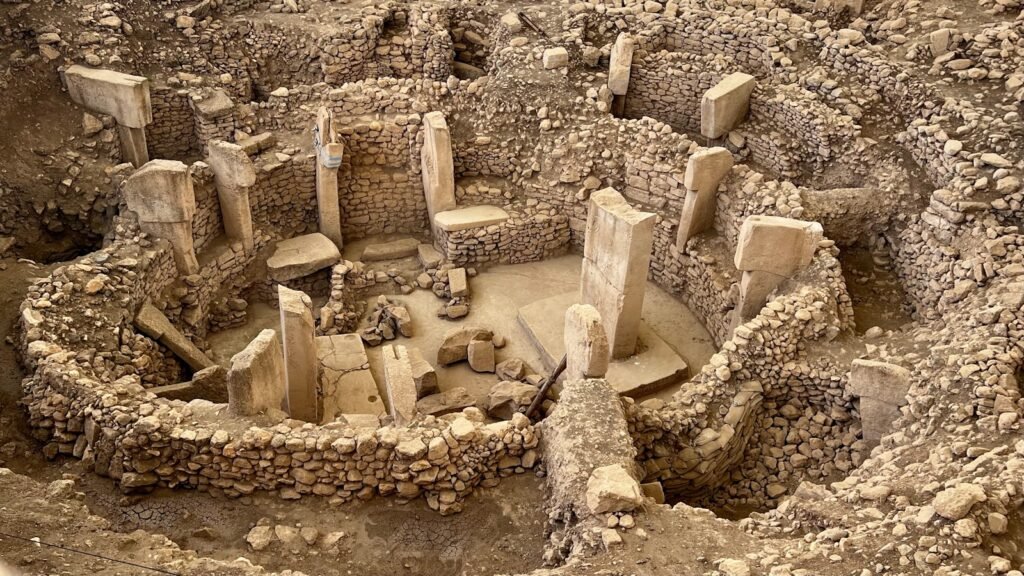

High on a limestone ridge in southeastern Türkiye, a ring of carved stone pillars has quietly overturned one of archaeology’s most comfortable stories about how civilization began. For decades, schoolbook history suggested that permanent settlements, large-scale architecture, and organized religion emerged only after farming took hold. Göbekli Tepe, built long before domesticated crops and cities, refuses to fit that script. Its vast stone circles, some more than twice as old as Stonehenge, force researchers to rethink what pushed humans toward complex societies. In the process, this lonely hill near Şanlıurfa has become one of the most disruptive archaeological discoveries of the last century.
Circles in the Dust: A Temple Older Than Cities
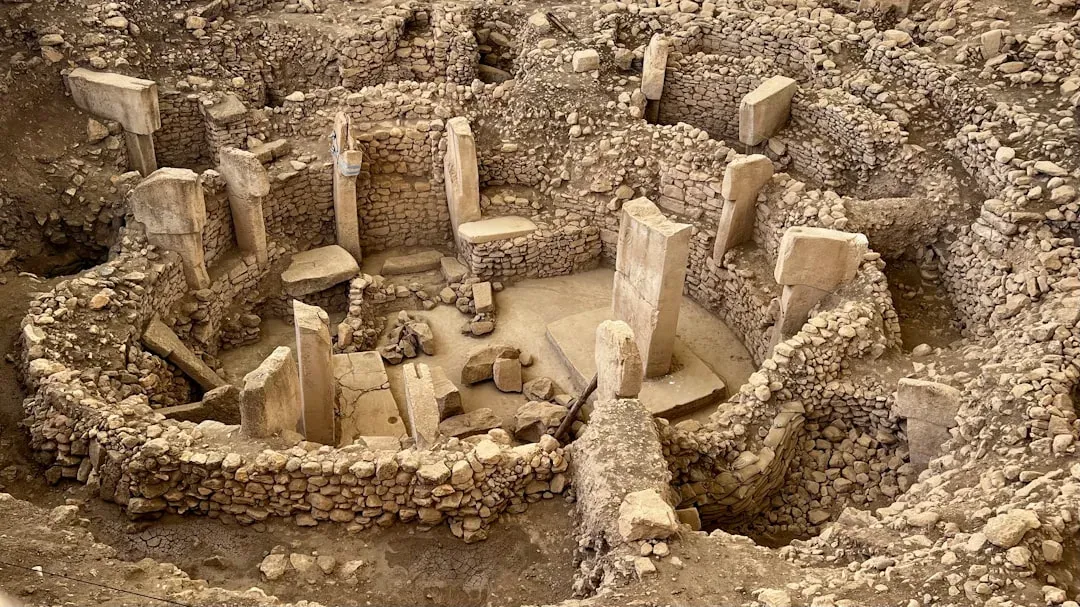
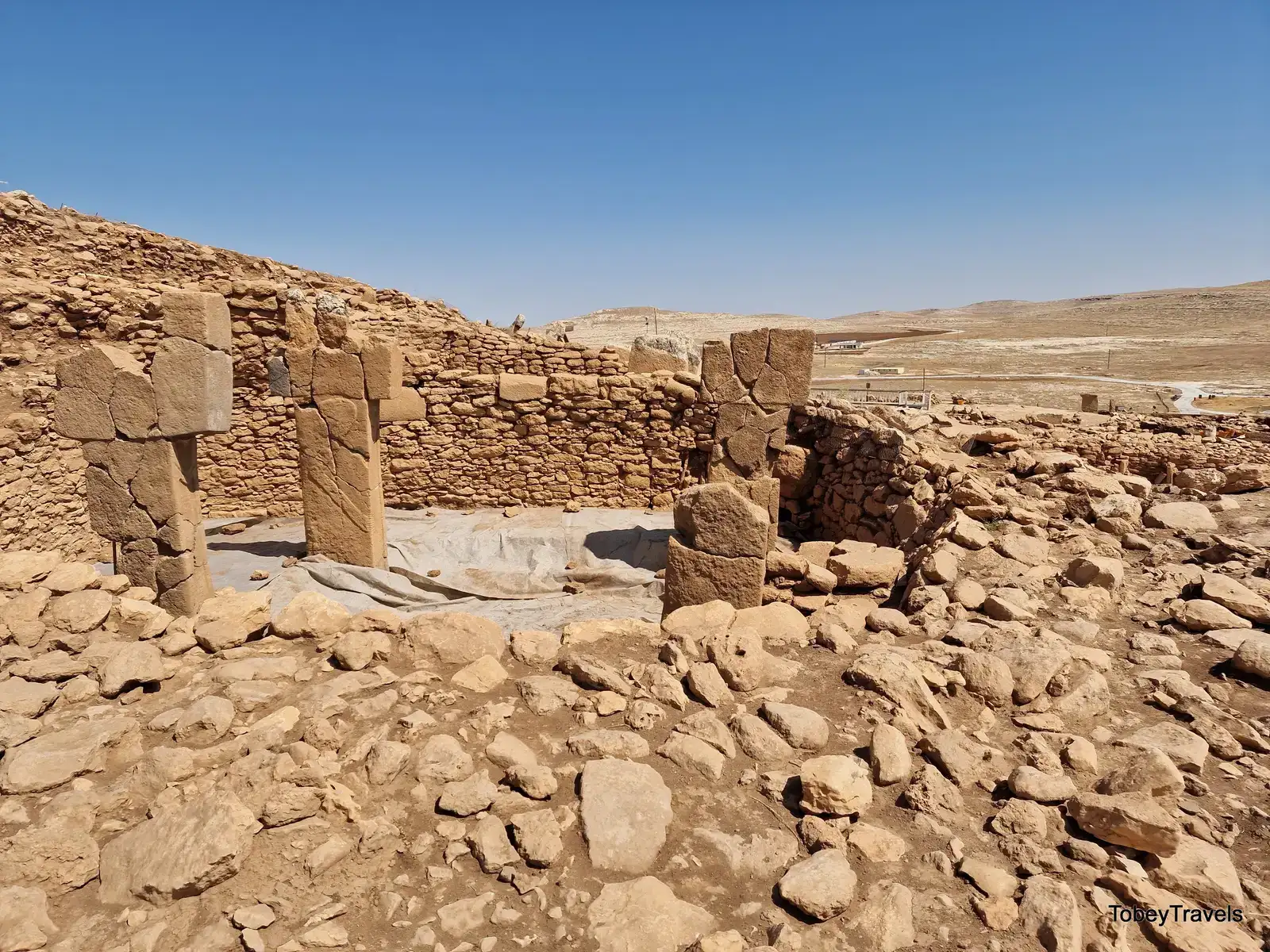
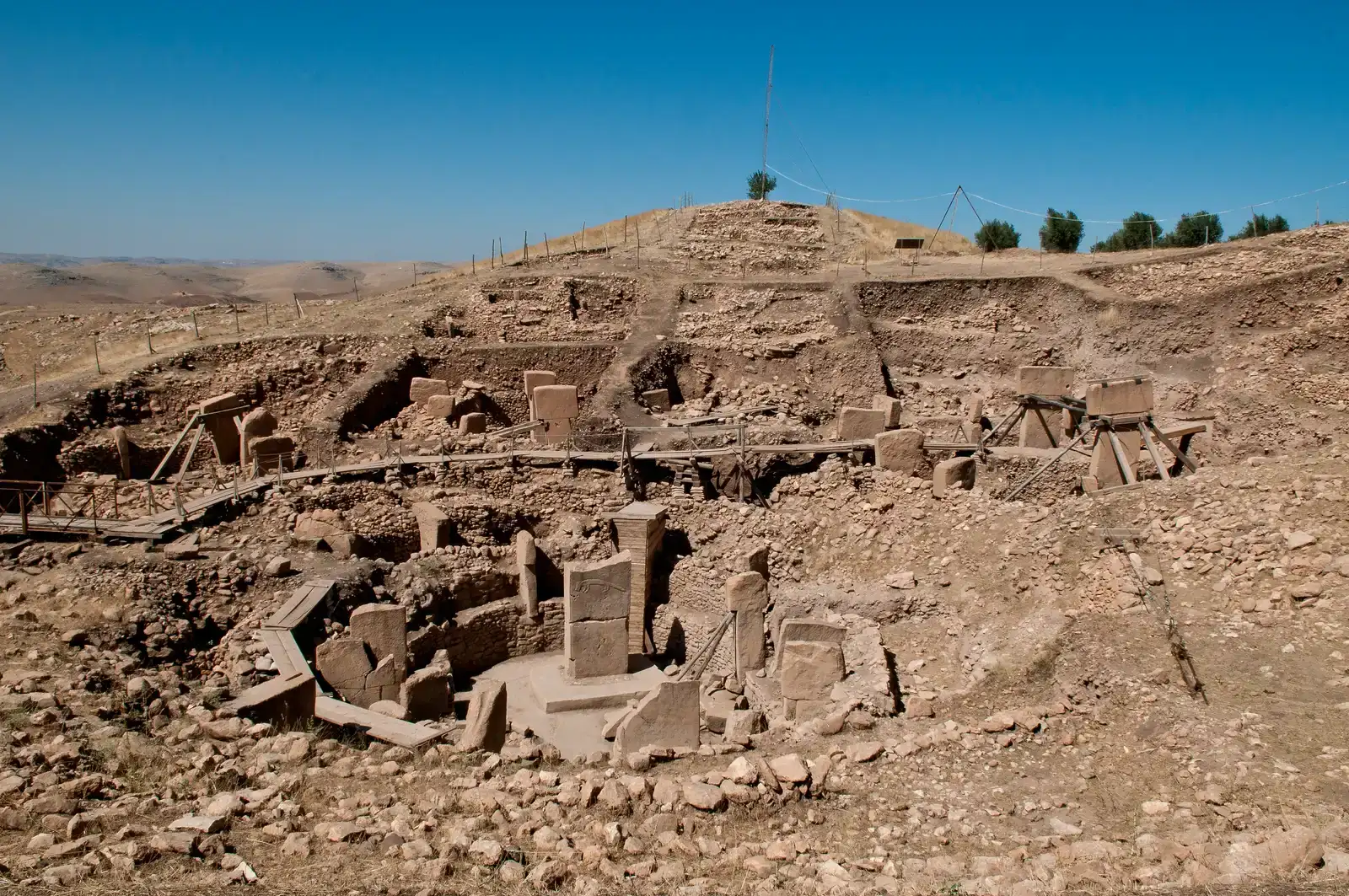
When archaeologists began serious excavations at Göbekli Tepe in the mid‑1990s, they expected to find a modest prehistoric settlement, not a monumental ritual center from the tenth millennium BCE. The site’s oldest levels date to around the Pre‑Pottery Neolithic A, roughly between nine thousand six hundred and eight thousand two hundred years before the common era, placing it millennia before the first known cities in Mesopotamia. Massive T‑shaped pillars, some weighing up to dozens of tons, form circular and oval enclosures arranged across the hilltop, revealing a deliberate and large‑scale building program. There is no evidence of domestic houses, cooking hearths in regular clusters, or the usual signatures of village life that archaeologists expect at a settlement. Instead, the architecture feels purpose‑built for gatherings, ceremonies, or whatever passed for religious observance in a world that had never seen a city wall.
What makes Göbekli Tepe so startling is not only its age but also its level of planning and labor coordination. To shape, move, and erect those pillars, communities of hunter‑gatherers likely had to organize hundreds of people, supply them with food and water, and maintain shared knowledge of construction techniques. This kind of collective effort had previously been associated with later farming societies, where stored grain and livestock could support full‑time specialists. At Göbekli Tepe, the usual order seems inverted: instead of agriculture enabling ritual architecture, communal rituals may have helped drive the shift toward more permanent ways of living. The circles in the dust turned out to be not a footnote to civilization, but a preface.
Stone Animals and Silent Stories Carved in Relief
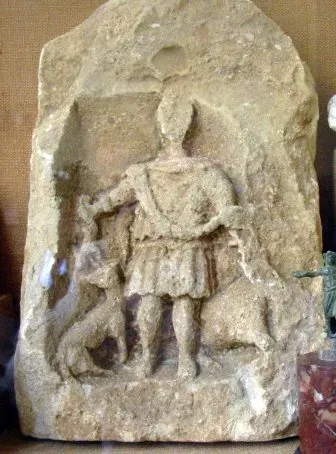
Walking among the excavated enclosures today, what strikes many visitors first is not the size of the stones but their surfaces. The pillars are alive with carved animals: snakes coiling down the edges, foxes and wild boar dashing along the sides, birds, scorpions, and big cats emerging from the limestone in low relief. These are not crude scratchings; they are carefully composed images, arranged in bands, clusters, and scenes that clearly meant something to the people who made them. The animals depicted match species known from local Pleistocene and early Holocene environments, tying the iconography to a specific landscape and ecosystem that hunters would have known intimately.
Interpreting these images is another matter entirely. Some archaeologists see possible narratives or mythological scenes, like a headless human accompanied by dangerous creatures that might hint at stories of death or transformation. Others suggest that repeated motifs, such as vultures and snakes, could relate to beliefs about the afterlife, sky burials, or shamanic journeys. Because there is no writing and no direct ethnographic continuity we can be certain of, each reading remains provisional, a kind of disciplined guesswork anchored in comparison and context. Yet the sheer density and sophistication of the carvings leave little doubt that abstract thinking, symbolic communication, and artistic experimentation were thriving at Göbekli Tepe long before clay tablets and formal scripts appeared elsewhere.
Rewriting the Old Sequence: Temples Before Farms
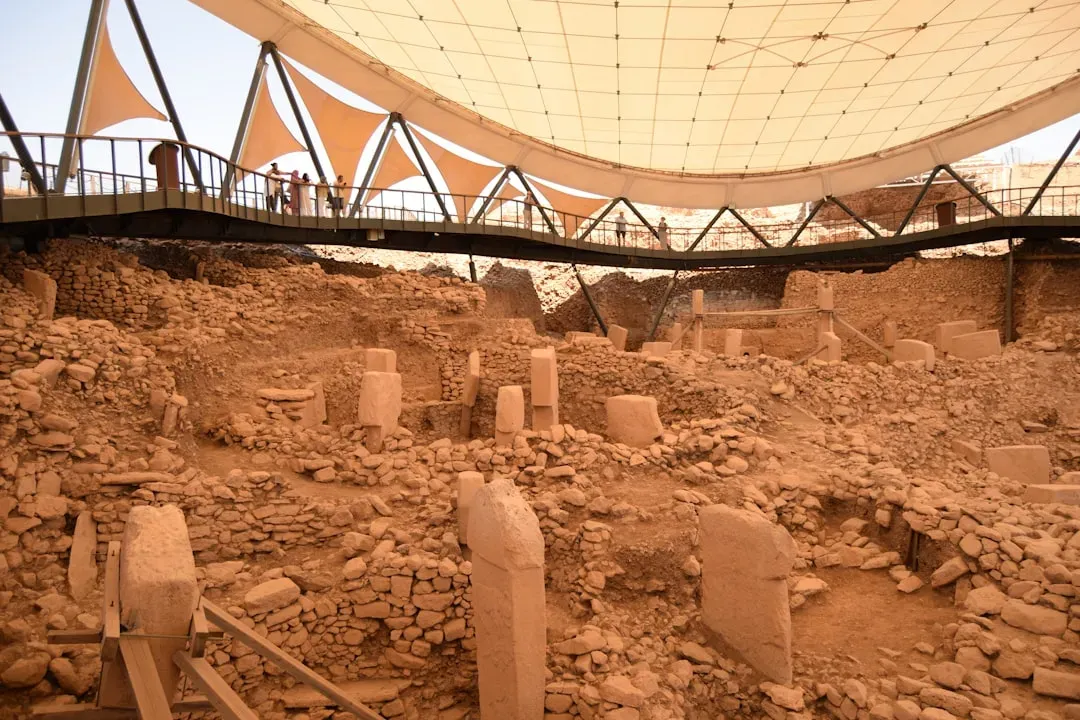
For much of the twentieth century, archaeologists leaned on a tidy progression: first came agriculture, then villages, then surplus, then temples and states. Göbekli Tepe rips through that linear chain. The earliest megalithic enclosures predate solid evidence for fully domesticated cereals and livestock in the region, though people were certainly exploiting wild ancestors of wheat, barley, and various game animals. In other words, these elaborate stone circles went up while communities were still essentially forager groups, not yet bound to fields or herds in the way later Neolithic farmers were. This runs counter to the long‑held idea that complex ritual institutions are luxuries of settled, agrarian life.
Some researchers now argue that shared ritual spaces like Göbekli Tepe may have been engines, rather than byproducts, of social and economic change. Gathering periodically at a monumental hilltop could have required regular coordination, feasting, and resource pooling, making predictable food supplies and closer ties to certain landscapes more appealing. In that sense, temples might have helped create the conditions for farming, not the other way around. The site does not offer an easy, single answer to why agriculture emerged, but it does demand a more tangled story in which belief, cooperation, and symbolic display play starring roles instead of standing in the background.
Engineering Feats in a Hunter‑Gatherer World
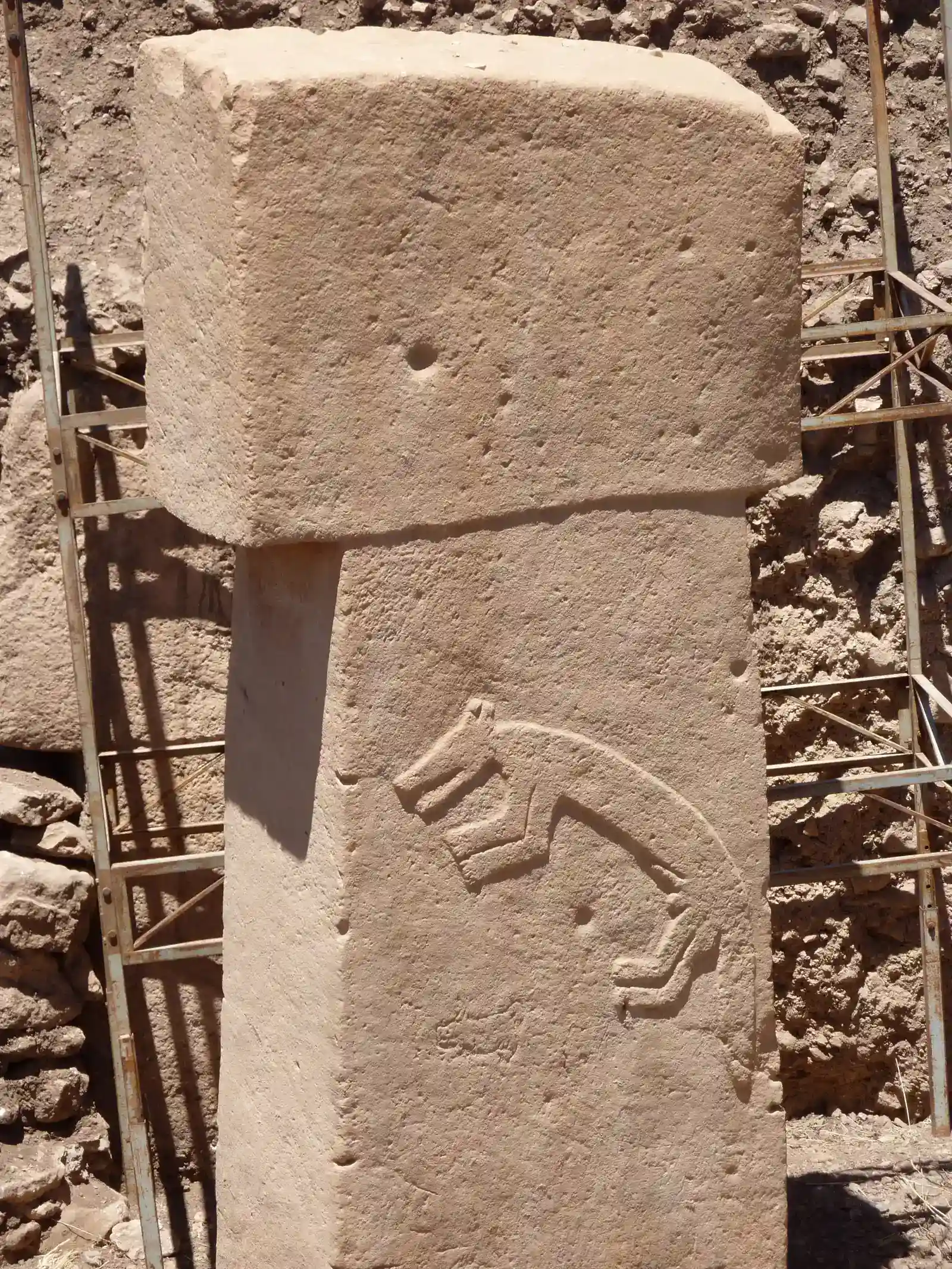
One of the most disorienting aspects of Göbekli Tepe is simply that such heavy engineering appears in such an early context. Quarry marks on the surrounding limestone plateau show where builders cut the pillars directly out of the bedrock, carving T‑shaped monoliths up to several meters high. Without metal tools or the wheel, workers likely relied on stone hammers, wooden levers, sledges, and human or animal muscle power to move each pillar into position. Experiments and ethnographic parallels suggest that, even with simple technology, coordinated teams could haul multi‑ton stones using ropes, rolling logs, and earthen ramps, but it still requires planning, choreography, and leadership.
The arrangement of pillars within the enclosures hints at structural understanding beyond brute force. Two taller central pillars typically face each other in the middle of each circle, surrounded by smaller stones set into walls, which suggests some awareness of symmetry and load distribution. Builders may have roofed at least some areas with wooden beams resting on the pillars’ flat tops, though direct evidence for roofing is still debated. The construction sequence appears layered over centuries, with new enclosures built nearby as older ones were intentionally buried. That pattern points to a tradition of engineering knowledge passed between generations, even in a supposedly “simple” foraging society.
Human Faces Without Faces: The Enigma of the T‑Shaped Pillars
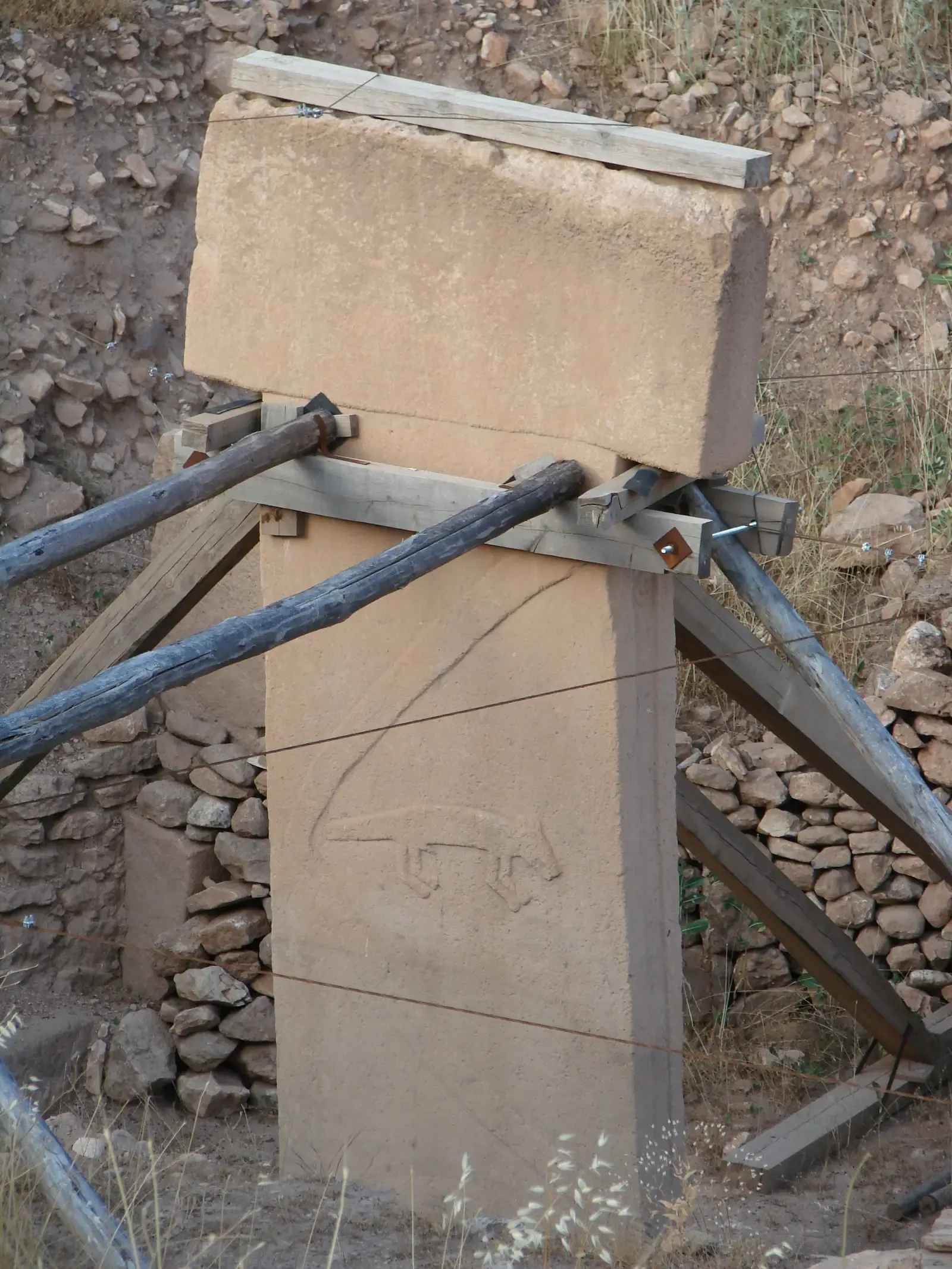
Look closely at the T‑shaped pillars and another unsettling feature emerges: many appear to be stylized human or anthropomorphic figures, yet they lack faces. Some have carved arms bending forward along the sides, hands meeting at the front, sometimes holding objects like belts or loincloths indicated by relief lines and symbols. The crossbar of the T may represent shoulders, with the vertical section forming a torso, turning each monolith into a kind of abstracted personage. If so, the enclosures might be gatherings not only of human participants but also of stone “beings,” perhaps ancestors, spirits, or other powerful entities recognized by the community.
The decision to omit faces, if intentional, is particularly intriguing. It may point to taboos about representing individual identities, or to a cosmology where the essence of a being was expressed through posture, adornment, and associated animals rather than facial features. Alternatively, the blank tops could have supported perishable materials, such as painted features or attached masks, now long gone. Whatever the case, the pillars blur our modern categories of art, architecture, and statuary. They stand somewhere between columns and characters, hinting that early religious imagination was already playing with abstraction in ways that resonate oddly with modern minimalist sculpture.
Layers of Backfill: A Monument Intentionally Buried
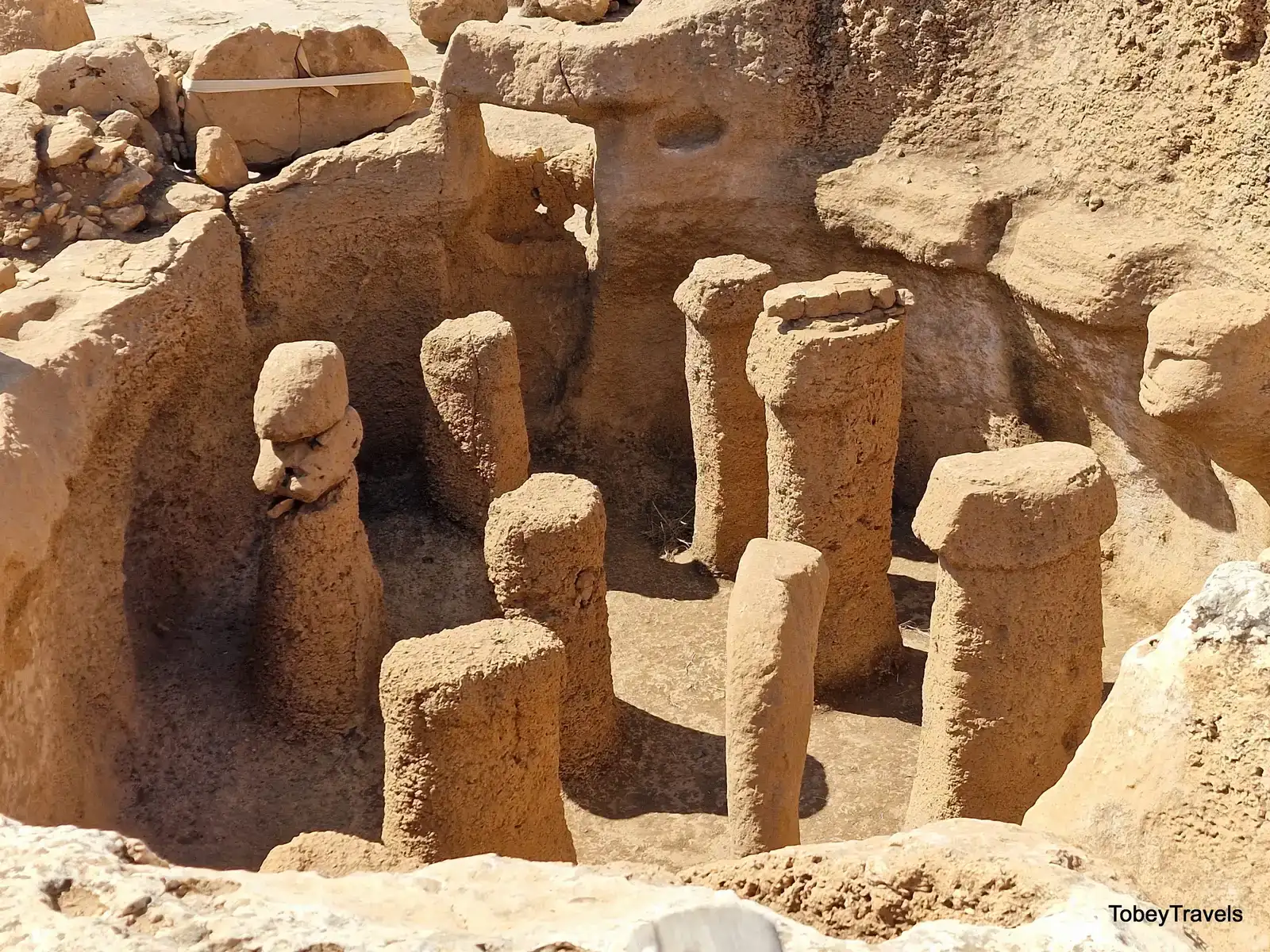
If Göbekli Tepe were only a story of construction, it would already be remarkable, but the way it was decommissioned adds another layer of mystery. Archaeologists have found that several of the oldest and most impressive enclosures were carefully, even rapidly, backfilled with debris that includes animal bones, stone tools, and small artifacts. This is not the slow accumulation of natural sediment; it looks more like deliberate burial. In effect, the builders entombed their own sacred spaces, preserving pillars and carvings under protective layers of rubble. That choice probably reflects a significant shift in ritual practice or social organization.
The backfill layers are a research goldmine in their own right, preserving food remains that offer clues about feasting, hunting patterns, and possible early plant exploitation. Large numbers of wild gazelle and other game bones suggest mass consumption events, perhaps linked to seasonal gatherings or rites of closure. Intriguingly, this phase of burying the enclosures overlaps with broader changes in Neolithic lifeways across the Fertile Crescent, including more settled villages and clearer evidence of domestication. It is tempting to see the burial of Göbekli Tepe as symbolic of a wider transition: an older forager‑ritual world literally covered over as communities committed more fully to farming and new forms of social hierarchy.
What Göbekli Tepe Really Changes About Human History
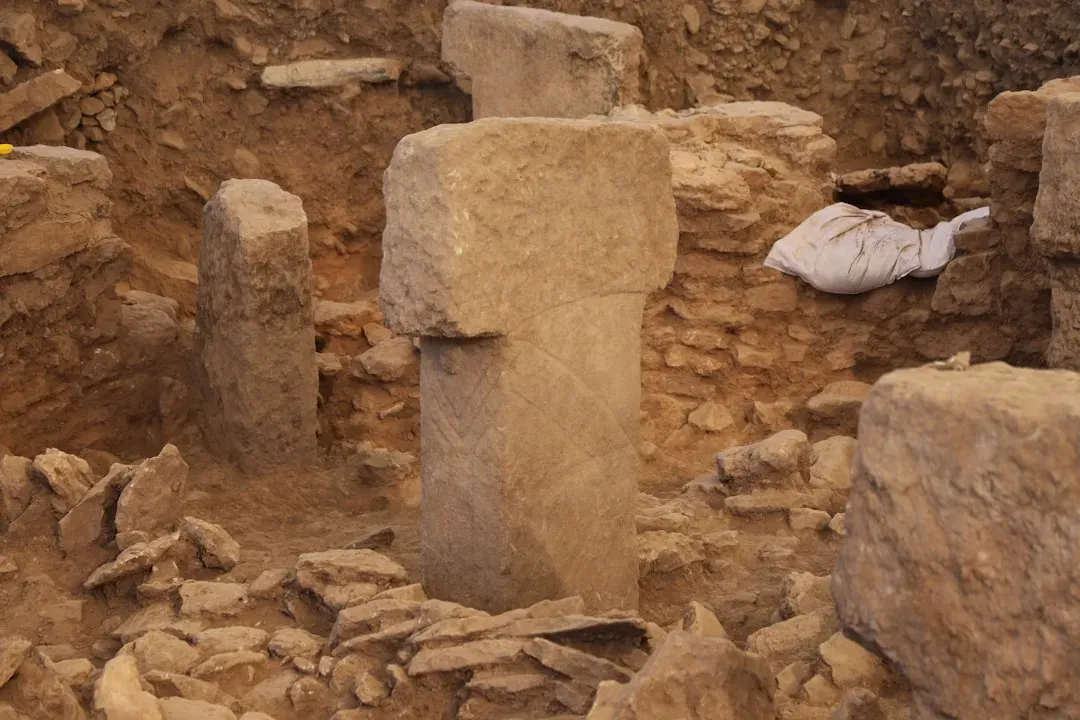
The deeper significance of Göbekli Tepe lies less in any single spectacular feature and more in how it forces archaeologists to redraw lines they once thought were solid. Instead of linking large‑scale architecture exclusively to farming societies, the site proves that forager groups with flexible mobility could also muster staggering collective efforts. That means that symbolic systems, ritual gatherings, and perhaps a sense of shared identity at regional scales were developing well before formal states or temples in Mesopotamian cities. The site undermines the old assumption that economic change straightforwardly drives cultural complexity, instead revealing a feedback loop where beliefs, social ties, and practical survival are tightly interwoven.
Comparisons with later sites, from Çatalhöyük in central Anatolia to the Uruk temples of southern Mesopotamia, highlight both continuity and rupture. Like them, Göbekli Tepe bundles imagery, ritual architecture, and communal labor, but it does so in a world still anchored in wild resources, not fields of cereal. Modern interpretations increasingly see early ritual centers as active laboratories where people negotiated new ways of living together, tested leadership roles, and experimented with managing resources for big gatherings. In this view, Göbekli Tepe is not an isolated curiosity but part of a broader story in which religion, art, and cooperation helped lay the groundwork for agriculture and urbanism. The hill’s circles are less an exception to the rule and more a hint that the old rule was too narrow.
Unanswered Questions on a Windy Hilltop
For all the attention Göbekli Tepe has received, it still raises more questions than it answers. Only a fraction of the mound has been excavated, and geophysical surveys indicate that many more enclosures and structures remain buried beneath the surface. Researchers are still debating basic issues: how often people gathered there, whether any residents lived nearby year‑round, how authority was organized, and how rituals evolved over the centuries of use. Radiocarbon dates sketch a broad timeline, but the fine‑grained sequence of construction, modification, and burial is still being refined with each new field season.
There is also an ongoing discussion about how unique Göbekli Tepe really is. Other sites in the region, such as Karahan Tepe and related Neolithic localities, show similar architectural traditions and carved stone pillars, suggesting a wider cultural phenomenon. That broader landscape may eventually reveal whether Göbekli Tepe was an exceptional central shrine or one node in a network of ritual centers spanning early Holocene Anatolia and the northern Levant. As methods like microarchaeology, residue analysis, and digital reconstruction advance, they will likely complicate, not simplify, the story. The mystery of who built this temple and exactly how it shaped their world is far from closed.
How Readers Can Connect With a Deep Past
You do not have to be an archaeologist in southeastern Türkiye to engage meaningfully with the story of Göbekli Tepe. Museums and research groups now share high‑resolution images, 3D models, and site updates online, letting anyone zoom in on carvings or follow excavations almost in real time. Books and documentaries produced over the past two decades trace how the site was found and how interpretations have shifted, offering a rare chance to watch scientific understanding evolve in public. For readers, simply learning that a group of hunter‑gatherers engineered a monumental ritual complex can jolt long‑held assumptions about what “primitive” really means.
There is also a quieter, more personal way to respond. Sites like Göbekli Tepe remind us that curiosity, creativity, and the urge to gather for meaning‑making are not recent inventions but deep human habits. Supporting local museums, reading primary research summaries instead of only headlines, or even visiting regional archaeological sites closer to home can help keep that long timeline in view. When you next look at a familiar city skyline or a neighborhood church or temple, it is worth remembering that somewhere on a wind‑swept ridge ten thousand years ago, people were already carving their own questions into stone. How different does our present feel when you set it against that kind of time?
Suhail Ahmed is a passionate digital professional and nature enthusiast with over 8 years of experience in content strategy, SEO, web development, and digital operations. Alongside his freelance journey, Suhail actively contributes to nature and wildlife platforms like Discover Wildlife, where he channels his curiosity for the planet into engaging, educational storytelling.
With a strong background in managing digital ecosystems — from ecommerce stores and WordPress websites to social media and automation — Suhail merges technical precision with creative insight. His content reflects a rare balance: SEO-friendly yet deeply human, data-informed yet emotionally resonant.
Driven by a love for discovery and storytelling, Suhail believes in using digital platforms to amplify causes that matter — especially those protecting Earth’s biodiversity and inspiring sustainable living. Whether he’s managing online projects or crafting wildlife content, his goal remains the same: to inform, inspire, and leave a positive digital footprint.