There is something unsettling and thrilling about realizing that the next revolution in human technology may depend on particles that do not seem to obey common sense. For more than a century, quantum mechanics has felt like the strange, abstract side of physics, powering lasers and transistors quietly in the background while most of us got on with our lives. Now, that quiet background is starting to look more like a launchpad. From unbreakable encryption to sensors that can detect a single photon, quantum phenomena are moving out of thought experiments and into engineered devices. The stakes are no longer just about understanding reality; they are about who controls the next wave of computing power, communication, and even medicine. If we are right about where this is heading, our descendants may look back at classical electronics the way we look at steam engines.
When Reality Acts Like a Probability Wave
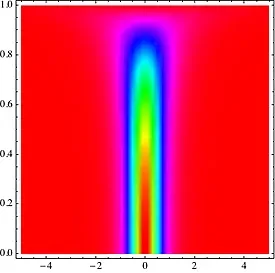
One of the most jarring ideas in quantum physics is that objects can behave like waves of probability instead of solid, definite things. In a classic double-slit experiment, individual particles such as electrons land on a screen in a pattern that only makes sense if each electron behaved like a spread-out wave passing through both slits at once. That is not just a classroom curiosity; this wave-like behavior, called superposition, is the foundation of quantum computing and many proposed quantum sensors. It means that a system can hold many possible states at once, with reality only “choosing” a specific outcome when measured. The unsettling part is that this is not a metaphor or a trick of language but something we can measure and engineer around.
Technologists are starting to treat these probability waves the way earlier engineers treated electricity: as a resource you can design with. In the same way that clever wiring turned raw voltage into radios and microchips, carefully engineered quantum states can be turned into logic operations, ultra-precise clocks, and exquisitely sensitive detectors. The catch is that quantum states are fragile; a stray interaction with the environment can erase the wave-like behavior, a problem known as decoherence. Much of the frontier in quantum technology now is really a battle with this fragility, trying to keep the strange behavior alive long enough to do something useful. It is a bit like trying to write with ink that evaporates as soon as it touches the page.
Entanglement: Turning “Spooky” Correlations into a Technical Resource
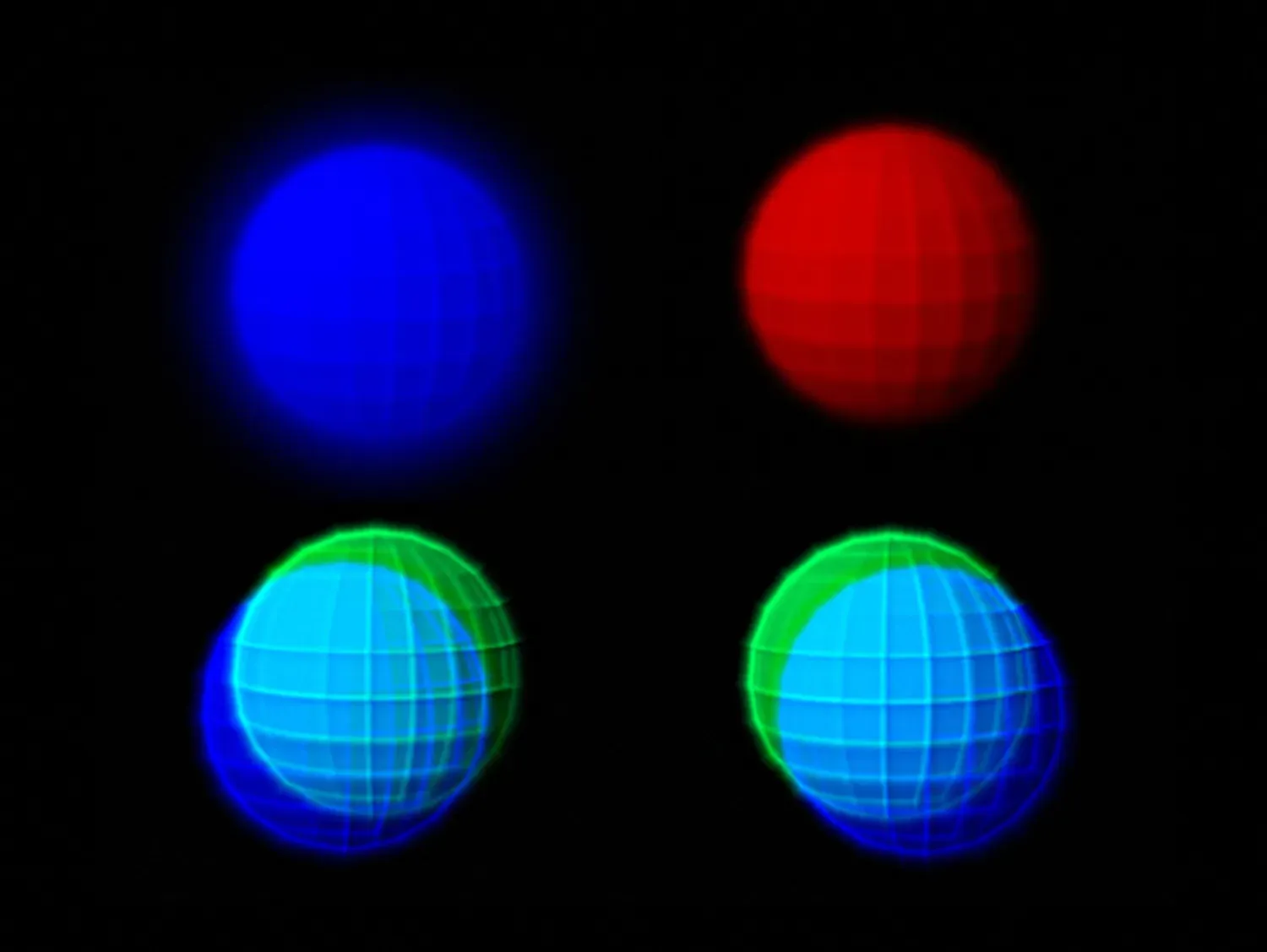
Entanglement is the quantum effect that even hardened physicists once described as spooky, and for good reason. When two particles are entangled, their properties are linked so tightly that measuring one instantly tells you something about the other, no matter how far apart they are. These correlations are stronger than anything allowed by classical physics and have been tested repeatedly in experiments that close loopholes and confirm that the world is genuinely non-classical at this level. For decades, entanglement felt like an almost philosophical problem, challenging our ideas of locality and realism more than our engineering imagination.
Today, those same eerie correlations are becoming a resource that engineers actively try to create, maintain, and distribute. Quantum communication systems use entangled photons to detect any attempt at eavesdropping, because tampering with the particles destroys the delicate correlations. Researchers are also exploring quantum repeaters, devices that can extend entanglement over hundreds or thousands of kilometers to form the backbone of a future quantum internet. In this view, entanglement is less a ghost story and more a new kind of wiring, one that connects distant devices with correlations instead of copper. The challenge is to mass-produce and stabilize entanglement under real-world conditions, far from the pristine vacuum chambers and cryostats of physics labs.
Quantum Computers: From Fragile Prototypes to Problem-Solving Machines

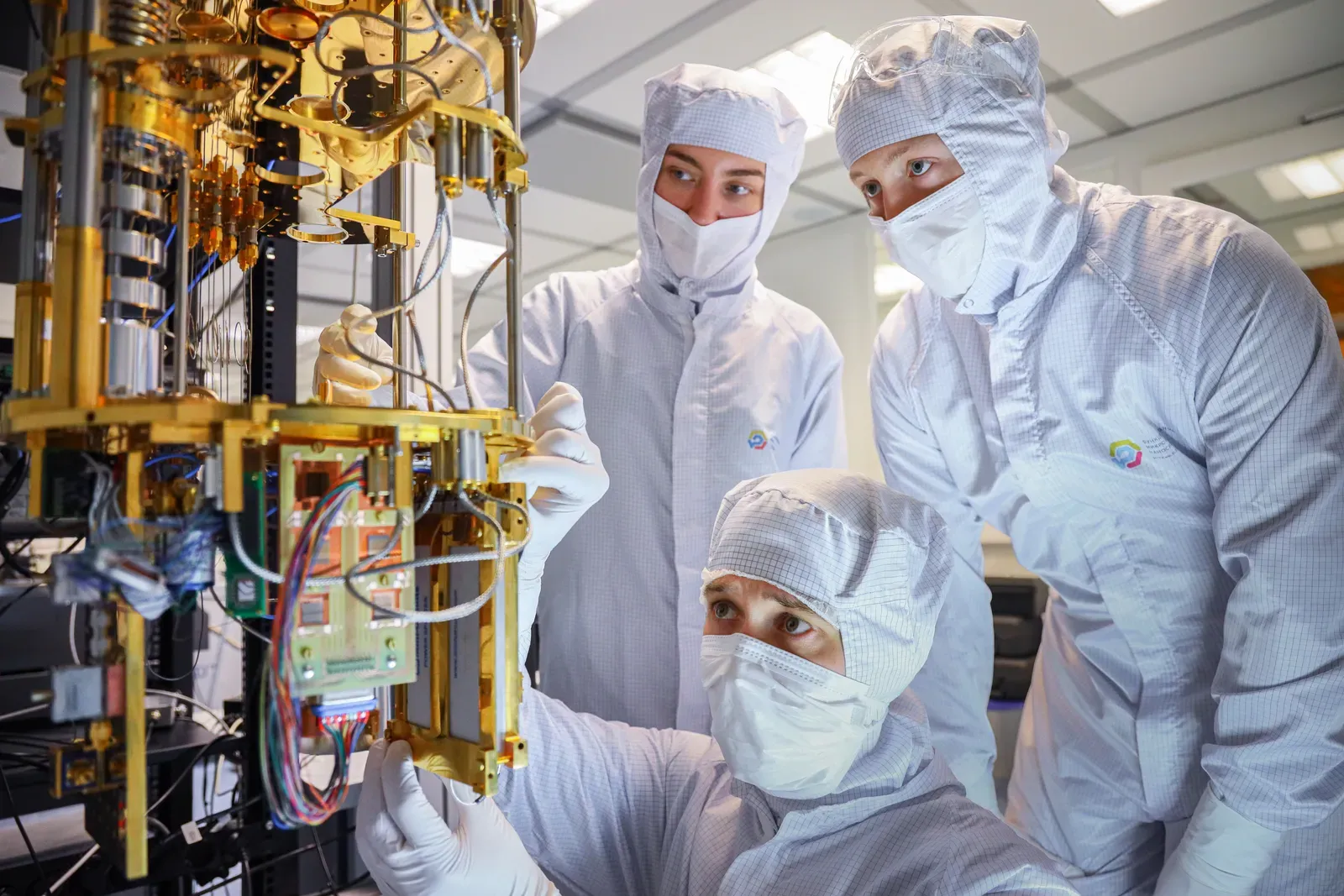
Quantum computers have become the poster child for this entire field, but the reality is still more precarious than some headlines suggest. Current machines, built from superconducting circuits, trapped ions, or other qubit platforms, are noisy and limited, often struggling to maintain coherence long enough to perform useful calculations. Each qubit is like a tiny balancing act, holding a superposition that can unravel at the slightest disturbance. So while the basic principles are sound, turning early prototypes into reliable, large-scale computers is a bit like trying to build a cathedral out of soap bubbles. Progress is real, but every added layer brings new stability problems.
Despite that, there are signs that quantum computers could shift from demonstration to impact in specific niches. Certain algorithms promise to speed up problems like molecular simulation, optimization, or materials design far beyond what classical supercomputers can realistically handle. Instead of instantly cracking all encryption, which is often oversold, the likely early wins may come in more focused areas such as developing new catalysts, batteries, or pharmaceuticals. That still counts as transformative: if a quantum computer can reliably simulate complex chemistry that currently takes years of trial and error, it could compress entire R&D pipelines into months. The next leap may not be one dramatic moment, but a series of quiet breakthroughs where quantum machines quietly provide answers that classical tools simply cannot reach.
Quantum Sensing: Listening to the Universe with New Ears
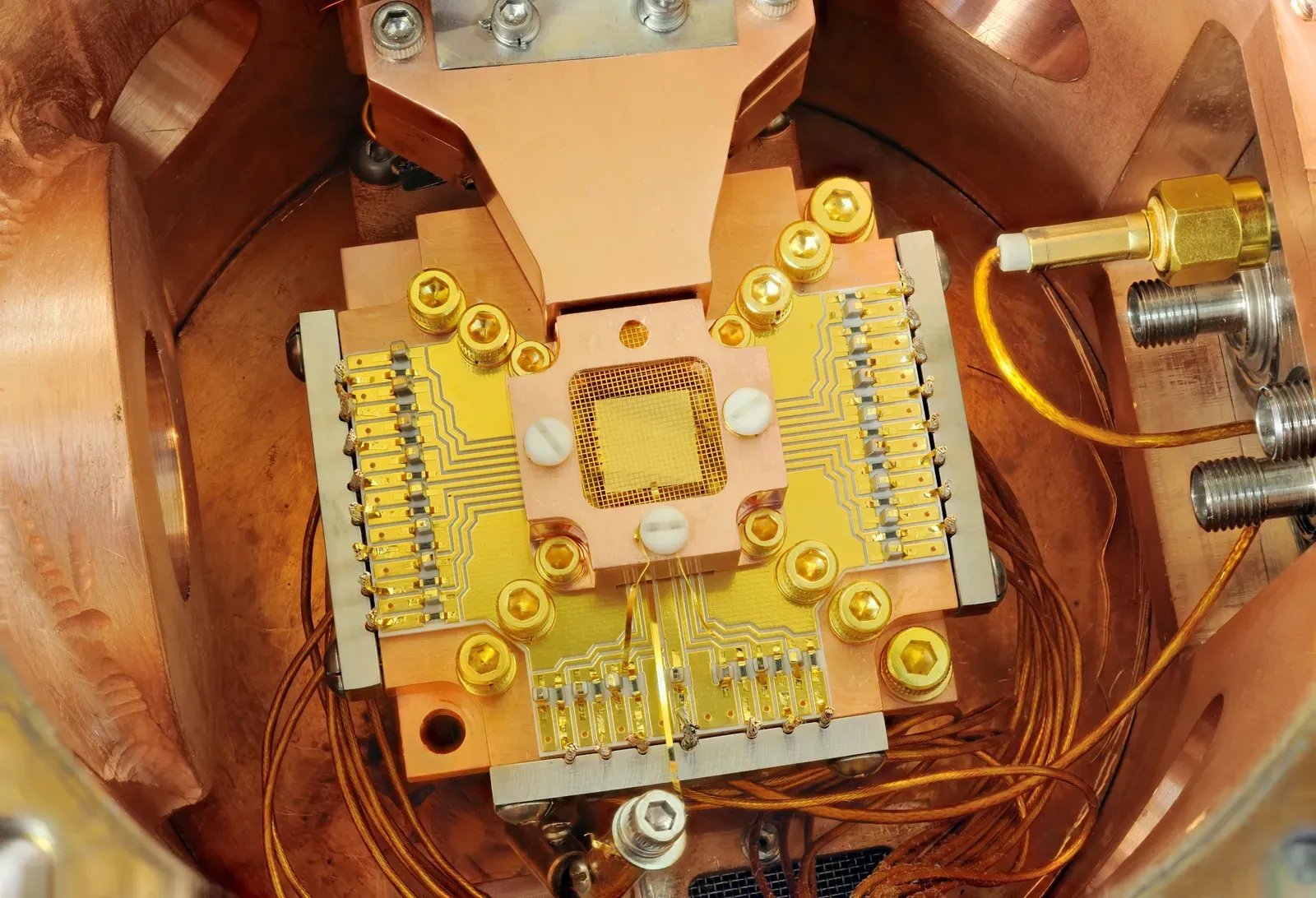
Some of the most tangible quantum technologies already operating today do not look anything like computers. Quantum sensors use fragile quantum states as exquisitely precise measuring tools, capable of detecting fields, forces, and time intervals at scales that were pure fantasy a few decades ago. Atomic clocks, which rely on the quantum transitions of atoms, already underpin global navigation and telecommunications, with new generations pushing accuracy so far that they can detect tiny differences in gravity between your feet and your head. Similar principles feed into magnetometers that can pick up faint signals from the brain or from geological structures deep underground. In these devices, quantum weirdness becomes a kind of superpower for metrology.
Looking ahead, quantum sensing could reshape medicine, Earth science, and even everyday electronics. Imagine brain imaging techniques that work at the bedside without bulky MRI machines, by detecting subtle magnetic fields with room-temperature quantum sensors. Or consider navigation systems that do not rely on GPS at all but instead track tiny variations in Earth’s gravitational field. In a way, quantum sensors are like turning up the volume knob on reality, revealing faint whispers that were always there but drowned in noise. These are not far-future fantasies; many are in field trials or specialized use already, quietly changing how we see both the world and our own bodies.
Quantum Biology: When Living Systems Exploit the Weird

For a long time, biologists could safely ignore quantum mechanics, treating it as something that mattered for individual molecules but not for the warm, wet, noisy environment of cells and tissues. That assumption is now being tested in surprising ways. Some studies suggest that photosynthetic complexes in plants and bacteria may harness coherent quantum effects to move energy more efficiently through their molecular machinery. Others explore whether birds navigate using quantum-sensitive molecules in their eyes, responding to Earth’s magnetic field through delicate spin states. None of this turns biology into a science fiction fairy tale, but it does hint that evolution has occasionally stumbled onto quantum tricks when they offer a survival advantage.
If these hints hold up, the implications for technology are subtle but profound. Biological systems might become a kind of blueprint for robust quantum devices that can tolerate noise and temperature far better than our cryogenic lab setups. Instead of trying to fight the environment at all costs, engineers could borrow strategies from proteins, membranes, and cellular structures that manage to keep quantum behavior useful in messy conditions. Even in neuroscience, there is cautious exploration of whether quantum effects might play niche roles in signaling or sensory processing, though claims about consciousness itself being purely quantum remain highly controversial. The serious work here is not about mystical explanations of mind, but about learning how life might have quietly become an expert user of quantum phenomena over billions of years.
Deeper Significance: Rethinking Information, Causality, and Control
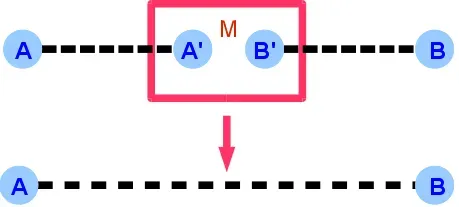
The most important shift that quantum phenomena bring is not just faster computation or clever sensors; it is a change in how we think about information and causality. Classical technology treats information as bits that are either zero or one, moving predictably through circuits and networks. Quantum information, in contrast, lives in superpositions and entanglements that blur the line between separate systems. This forces us to accept that knowledge and physical reality are intertwined more deeply than early engineers ever had to consider. Measurements do not simply reveal pre-existing properties; they help define them.
Compared with the first digital revolution, which was largely about miniaturizing and automating classical logic, the quantum leap is about exploiting structure in the fabric of reality that we previously ignored. Algorithms for quantum computers, for example, often work by arranging interference between probability amplitudes, amplifying desirable outcomes and canceling others. Communication protocols rely on correlations that do not fit into any local hidden variable model. This pushes our intuitions out of their comfort zone, but it also gives us a new language for describing control and computation in systems that used to seem inherently random. In that sense, quantum technology is not just a toolbox; it is a new conceptual grammar for thinking about what is possible.
Open Questions and the Risk of Quantum Hype
For all the excitement, there is a real danger in treating quantum technology as a magical fix for every hard problem. Many high-profile claims about imminent quantum supremacy in real-world tasks have had to be scaled back once error rates, scaling challenges, and practical overheads were fully accounted for. Building fault-tolerant quantum computers that can run long, complex algorithms remains an open engineering challenge rather than a solved problem waiting for mere funding. Even in sensing and communication, moving from elegant lab demonstrations to rugged, affordable products involves years of materials science, systems integration, and painfully detailed reliability testing. The history of technology suggests that revolutions are almost never as fast or as clean as early forecasts predict.
At the same time, skepticism should not slide into dismissal. Quantum technologies are already indispensable in places like timekeeping and semiconductor design, and their footprint is likely to expand unevenly across different industries. One realistic way to think about the next decades is as a patchwork: islands of genuinely quantum advantage surrounded by a vast sea of classical computation and electronics. The open questions are not only technical but social and economic: who will control access to high-end quantum resources, how will education systems adapt, and how will we manage new security risks? The true test of this field will be whether it delivers clear, verifiable benefits without collapsing into buzzwords and wishful thinking.
How Curious Citizens Can Engage with the Quantum Turn

You do not need a PhD in physics to have a meaningful stake in this story. As quantum technologies move from the lab into critical infrastructure, medical tools, and global communications, the choices we make about funding, regulation, and access will shape everyday life. One simple starting point is to follow projects and initiatives from universities, national labs, and independent science organizations that explain their work in plain language. Public lectures, open days at research centers, and online courses can turn the intimidating equations into something closer to a shared cultural project. Even asking better questions of policymakers and companies about what their “quantum” claims really mean can make a difference.
On a smaller scale, engaging with quantum ideas can change how you see the world, nudging you to be more comfortable with uncertainty and nuance. School systems and informal education programs that introduce quantum concepts early, not as mystical trivia but as real tools, can help the next generation feel at home in this new technological landscape. And for those of us who grew up thinking of atoms as tiny billiard balls, there is a quiet thrill in realizing that reality is less rigid and more playful than we were taught. The coming decades will likely see quantum phenomena woven into our devices, our infrastructure, and perhaps even our medical care. The question is not whether this will happen, but how prepared we will be – intellectually and politically – when it does.
Suhail Ahmed is a passionate digital professional and nature enthusiast with over 8 years of experience in content strategy, SEO, web development, and digital operations. Alongside his freelance journey, Suhail actively contributes to nature and wildlife platforms like Discover Wildlife, where he channels his curiosity for the planet into engaging, educational storytelling.
With a strong background in managing digital ecosystems — from ecommerce stores and WordPress websites to social media and automation — Suhail merges technical precision with creative insight. His content reflects a rare balance: SEO-friendly yet deeply human, data-informed yet emotionally resonant.
Driven by a love for discovery and storytelling, Suhail believes in using digital platforms to amplify causes that matter — especially those protecting Earth’s biodiversity and inspiring sustainable living. Whether he’s managing online projects or crafting wildlife content, his goal remains the same: to inform, inspire, and leave a positive digital footprint.