We grow up thinking communication is mostly about talking, barking, meowing, or singing, but the animal world quietly disagrees. Beneath the obvious noise, there’s an entire hidden language of color, chemicals, electricity, and even vibrations that most of us never notice. Once you start looking for it, it feels like putting on a new pair of glasses and realizing nature has been whispering secrets all along.
Animals are sending messages every second without saying a single word or making a recognizable sound. Some of these signals are dazzling and dramatic; others are so subtle that scientists needed high-speed cameras and sensitive instruments just to confirm they exist. Let’s dive into eight incredible ways animals communicate that go far beyond what we usually think of as “voices.”
1. Color-Changing Skin: Mood Messages Written on the Body
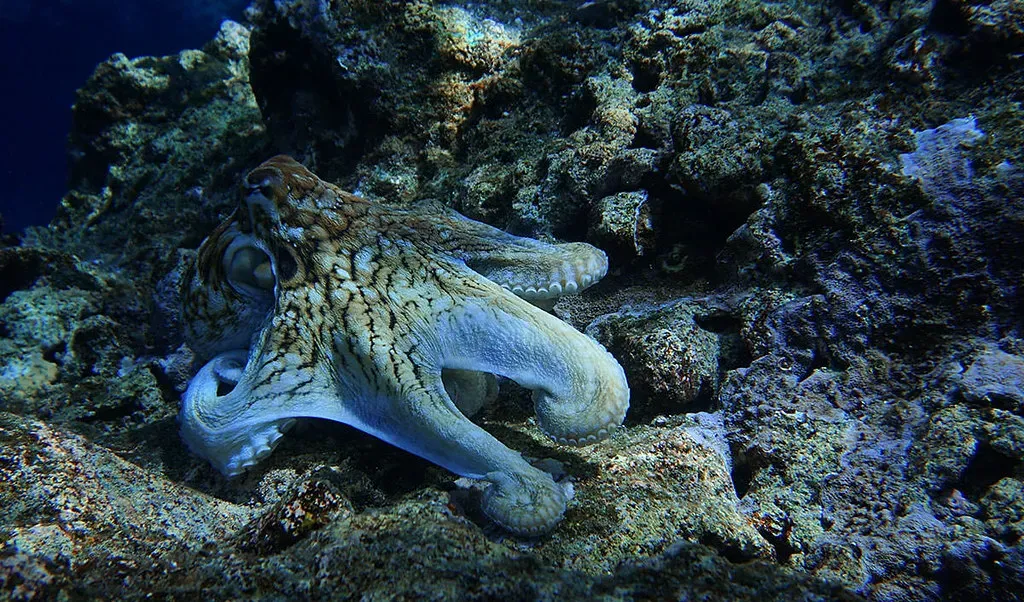
Imagine if your skin could change color every time your mood shifted or your status changed; for many animals, that’s just daily life. Octopuses, cuttlefish, and squids can transform their skin in less than a second, flashing complex patterns to warn rivals, impress mates, or spook predators. Scientists have found that these cephalopods use special skin cells that expand and contract like tiny color balloons, layering pigments and reflectors to create shifting images. It’s less like turning on a light and more like playing a living video across their bodies.
Reptiles and fish do this too, though often more slowly and subtly. A male chameleon can darken dramatically to signal aggression or brighten to attract a potential partner. Even fish in coral reefs shift colors during mating seasons or when stressed, almost like emotional billboards. When you see a bright, flashy animal pattern, chances are it’s not just for decoration; it’s a message, and nearby animals know exactly how to read it.
2. Scent Trails and Invisible Perfume: Chemical Conversations
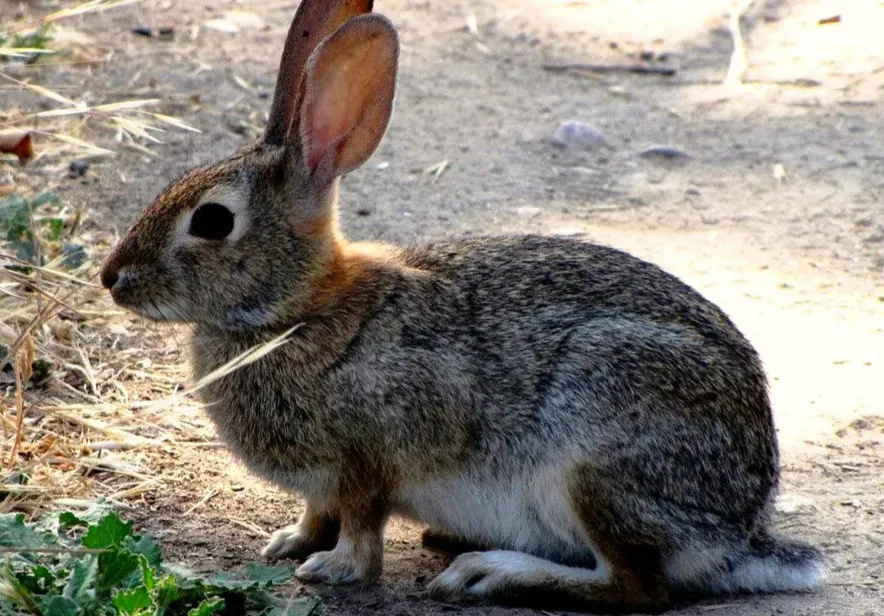
To us, a forest just smells like “forest,” but to many animals, the air is crowded with personal messages. Ants carve invisible highways using chemical trails, laying down scent markers to say things like “food this way” or “danger ahead.” These signals are so specific that one trail can mean “follow now” and another just beside it can mean “stay away,” even though we smell nothing at all. It’s like having an entire messaging app that only opens up for the right species’ nose.
Mammals are deeply invested in this secret code too. Wolves, tigers, and even your neighbor’s dog use scent to define territory, signal reproductive status, and identify individuals. Some rodents can tell if another animal is sick just from its odor, helping them avoid infection. It’s wild to think that while we rely on screens and text messages, many animals get everything they need just by taking a slow, careful sniff of the air or the ground.
3. Electric Fields: Silent Signals in the Dark
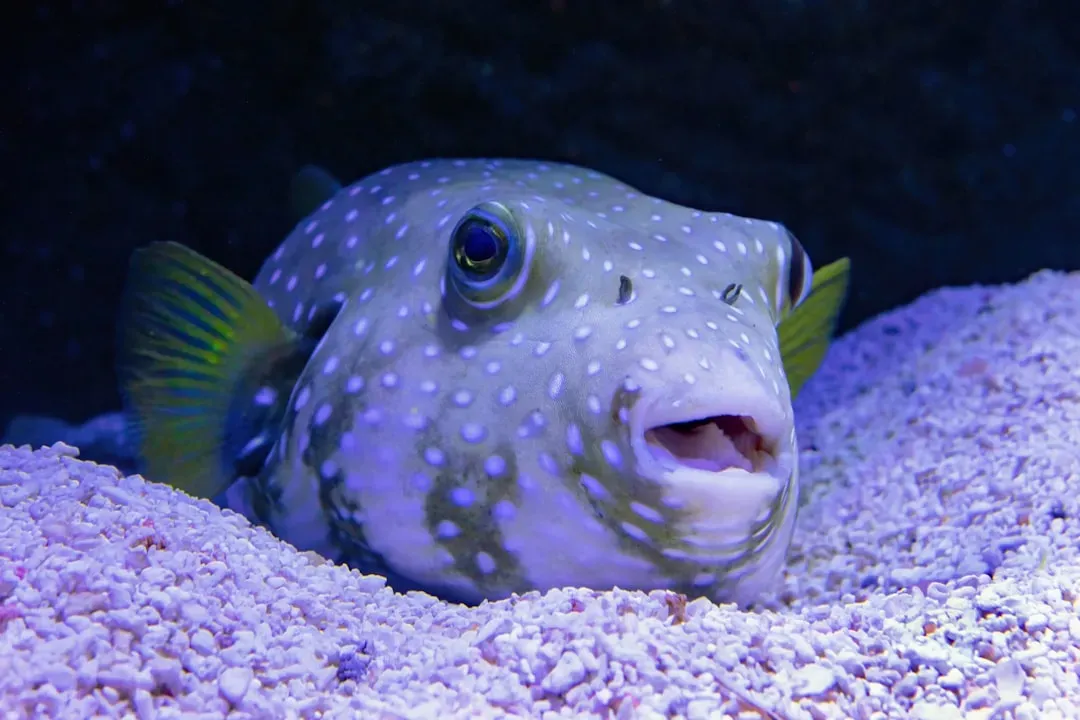
In murky rivers where light barely penetrates, some fish have evolved a completely different way to talk: they use electricity. Electric fish, like some species in African and South American rivers, constantly generate weak electric fields around their bodies. When another fish swims nearby, it detects subtle changes in the field, a bit like feeling ripples in a pond. By changing the rhythm and pattern of their electric pulses, they can send signals about who they are and whether they’re looking to fight, flirt, or just pass by.
Researchers have discovered that each species – and often each individual – has its own “electric accent.” Some patterns are rapid bursts; others are slower, more spaced-out beats. These signals help fish recognize neighbors, avoid conflicts, and coordinate movements in dark, crowded waters. It’s a kind of wireless communication system built straight into their skin, running constantly, even when everything around them looks completely still.
4. Body Language and Posture: Silent Arguments and Affection
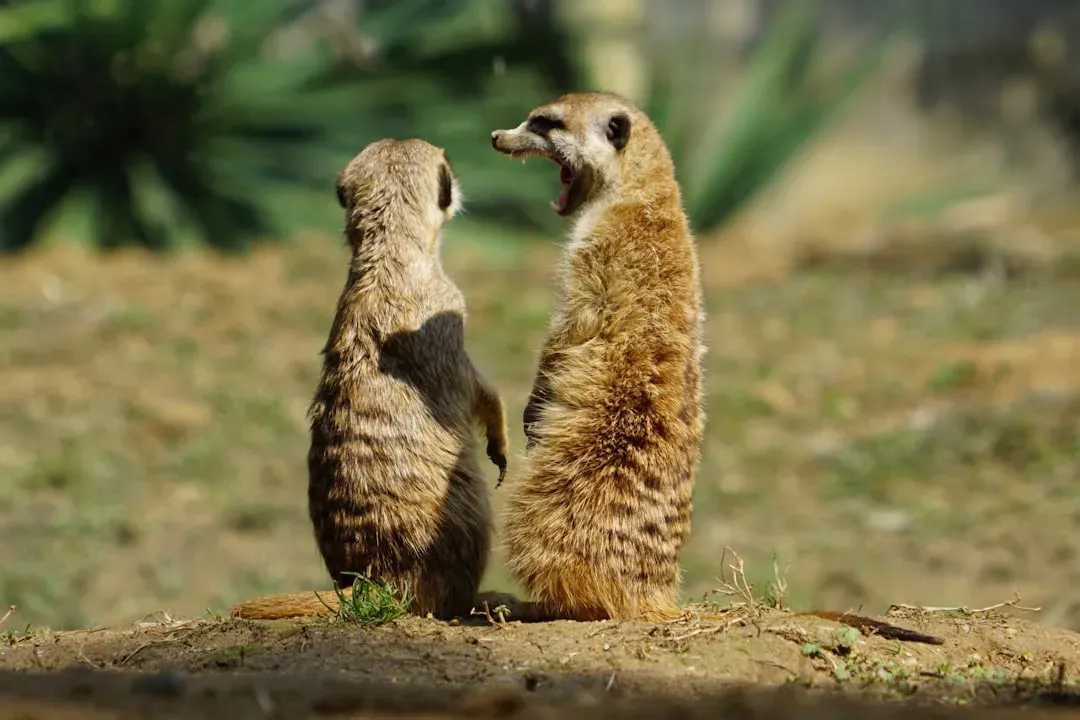
We use body language all the time without thinking – crossed arms, raised eyebrows, slumped shoulders – and animals do the same, often far more dramatically. Dogs lower their bodies, tuck their tails, or turn their heads away to show submission or calm someone down, and many of us recognize those signals instinctively. In primate groups, a simple gesture like exposing the belly, avoiding eye contact, or grooming another can mean “I respect you,” “I’m not a threat,” or “we’re friends.” These are social scripts that keep groups from constantly fighting.
Even animals that seem simple at first glance use body cues in surprisingly refined ways. Lizards perform push-up displays to show strength and territorial control, while birds adjust the angle of their wings and tails to warn rivals away. One small posture change can shift a situation from peaceful to dangerous or back to calm in seconds. Once you’re aware of it, watching animals starts to feel like watching a silent movie where every movement carries weight.
5. Vibrations and Ground “Whispers”: Messages You Can’t Hear
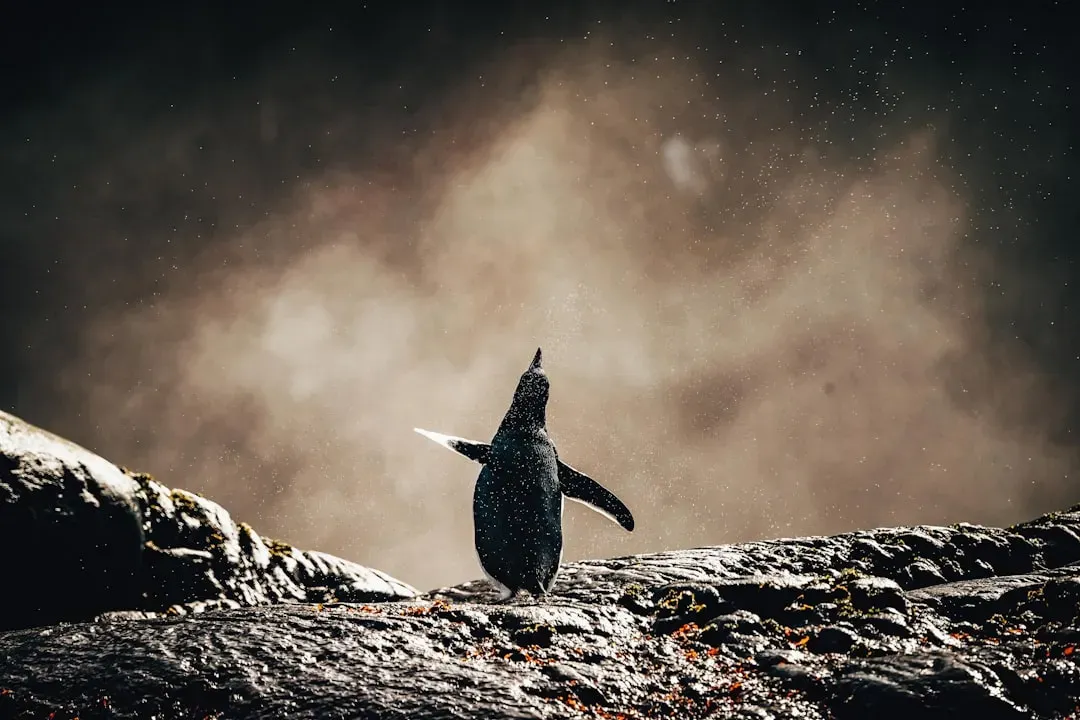
Not all vibrations are sounds in the way we normally think of them. Many animals send messages through the ground or through plant stems, using subtle tremors that never travel through the air. Spiders, for example, can detect tiny vibrations on their webs to tell the difference between a trapped insect, a courting partner, or a rival. Some insects drum on leaves or branches, creating specific patterns other members of their species can feel through their legs. It’s like tapping a secret code on the table that only certain people recognize.
Large animals use vibrations too, but on a much grander scale. Elephants have been found to pick up low-frequency vibrations through the pads of their feet, possibly sensing distant thunder, other herds, or warning signals. These vibrations travel through the ground over surprisingly long distances, carrying information no one hears in the usual sense. When we think of communication, we usually picture sound waves in the air, but for many animals, the earth itself is a kind of shared telephone line.
6. Touch and Social Grooming: Bonds Written in Contact
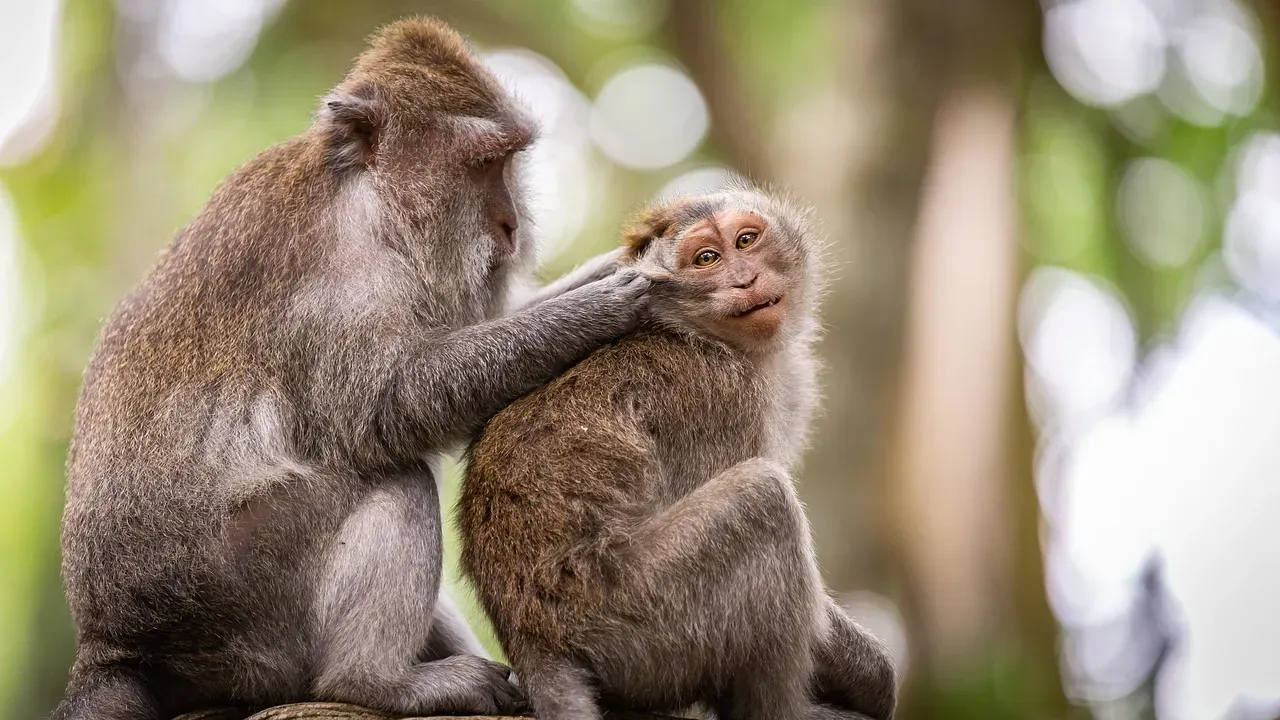
Some of the most powerful messages animals send never leave their skin. Touch is a deeply emotional channel, used to calm, reassure, and strengthen social bonds. Primates spend a huge amount of time grooming each other, not just to remove parasites but to say, “You matter to me, and we’re on the same side.” Studies on monkeys and apes have shown that grooming can lower stress and reinforce alliances, acting almost like social glue inside complex groups. It’s less about cleanliness and more about connection.
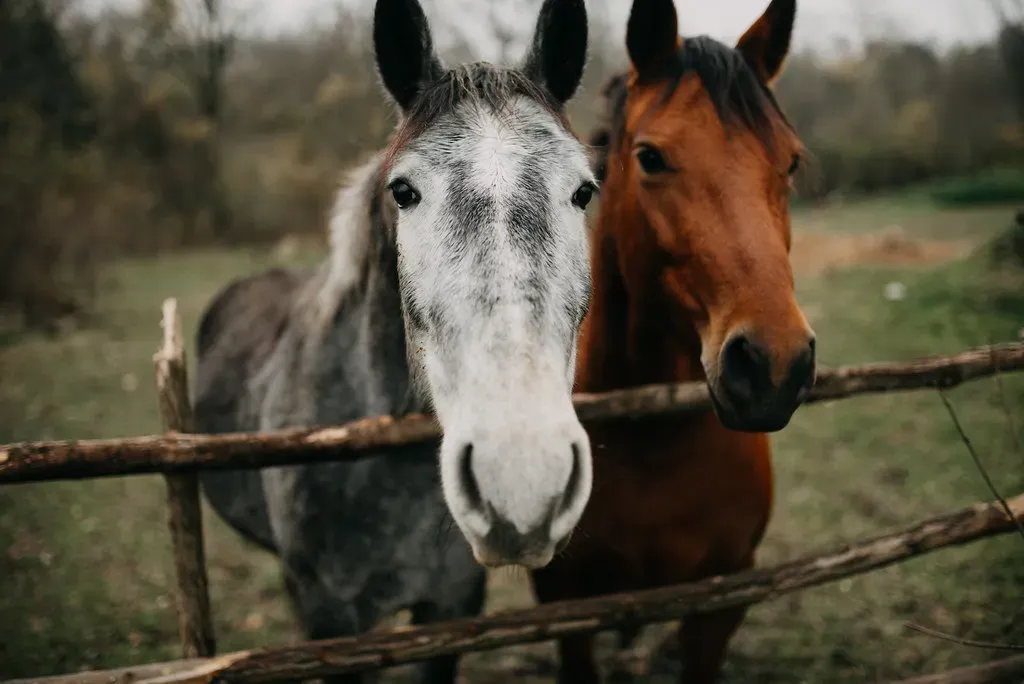
Other animals rely on touch in their own styles. Horses rest their heads on each other’s necks, dolphins rub bodies or swim in sync, and many birds preen their partners’ feathers with gentle precision. Even in species that can’t hug in the human sense, a nudge, lean, or shared posture often carries meaning. When you see two animals quietly touching or leaning together, there’s a good chance a silent conversation is happening, one built entirely from comfort, trust, and familiarity.
7. Light Shows and Bioluminescence: Glowing Code in the Dark

In the deep sea and on warm summer nights, communication can look like something out of science fiction. Fireflies flash in species-specific rhythms, sometimes syncing up in large groups to create waves of light across entire trees or fields. Those blinking patterns are more than pretty; they’re precise signals about identity and mating readiness. Males and females often have distinct flash timing, and even slight changes can mean the difference between attracting a partner and being ignored.
Under the ocean’s surface, many animals carry their own built-in lanterns thanks to bioluminescent chemistry. Certain fish, squids, and plankton create glowing patterns to attract mates, lure prey, or confuse predators in the pitch black. Some deep-sea creatures use small, controlled light pulses to talk with others of their kind, sharing information in a world where the sun never reaches. To us, these glows are magical or eerie; to them, they’re simply another clear, reliable language.
8. Cooperative Signals and Group Coordination: Moving as One Mind
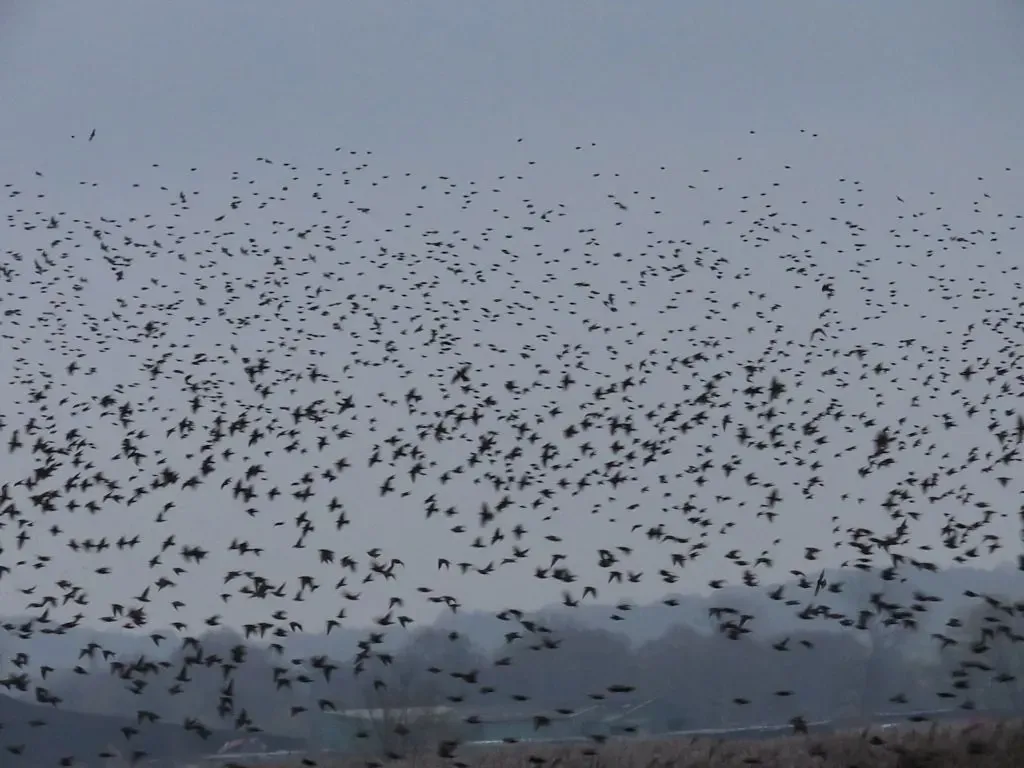
Sometimes communication isn’t about one animal sending a direct message to another, but about entire groups moving as if they share a single brain. Think of starlings forming those swirling clouds in the sky, called murmurations, or fish schools that turn almost instantly as one. Each individual is actually responding to tiny cues from just a few neighbors – a shift in angle, a small speed change, a quick adjustment in distance. Those micro-signals ripple outward and suddenly you have a coordinated dance with no leader, no plan, and no spoken orders.
Wolves on a hunt, meerkats on sentry duty, and bees performing their famous waggle dances all show different flavors of this group communication. The messages may be visual, tactile, or based on position and movement, but the effect is the same: information is shared efficiently enough that everyone knows what to do. When you watch these groups in action, it’s hard not to feel that communication is less about words and more about being exquisitely tuned in to others.
A World Talking in a Thousand Hidden Ways
Once you start to see these hidden languages – color signals, electric fields, touch, vibrations, chemical trails, light shows, and coordinated motion – the idea that humans are the “great communicators” suddenly feels a bit narrow. Our words are powerful, but they’re only one branch on a massive communication tree that life has been growing for hundreds of millions of years. Animals constantly share warnings, invitations, boundaries, and emotions, whether or not we ever notice the signals.
Next time you see a bird fluff its feathers, an ant follow a trail, a dog lean against your leg, or even a cluster of fireflies blinking in the dark, you’ll know there’s a message being passed along. It might be simple, or it might be part of a complex, lifelong conversation written in light, touch, scent, and movement. If the world is already this talkative without words, what else might be going on right under our noses that we still haven’t learned to hear?