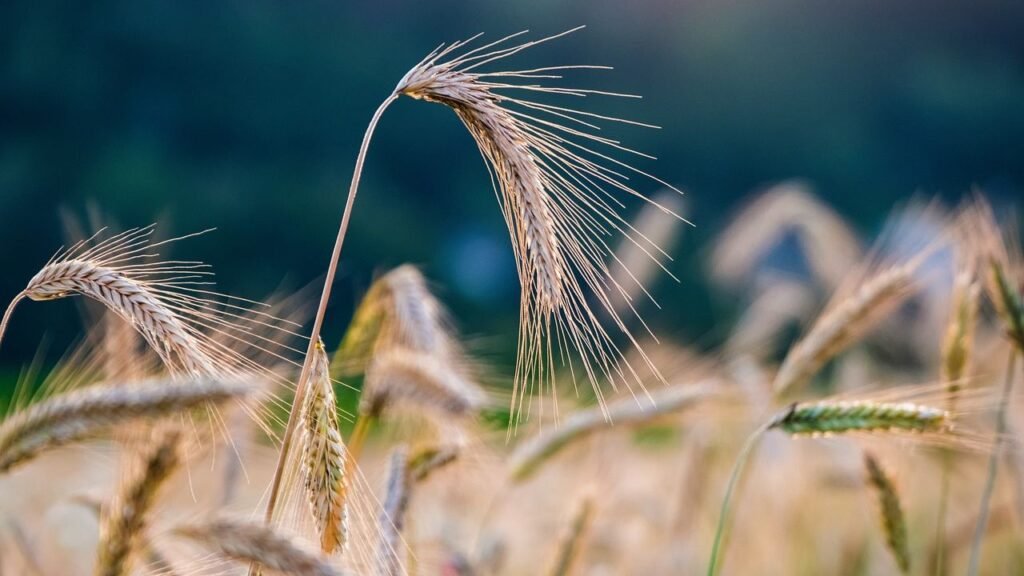
Walk into a supermarket today and it can feel like abundance is endless: shelves packed, fruit out of season, ten types of milk in one aisle. But behind that comfortable illusion, the food system is under serious pressure from climate change, water scarcity, soil degradation, and a growing global population. The way we produce food right now simply cannot scale forever without severe environmental and social costs.
What’s quietly happening in labs, greenhouses, and pilot plants around the world, though, is nothing short of stunning. Scientists are reinventing how we grow, build, and even design food at the cellular level. Some of these ideas sound like science fiction at first glance – meat grown without animals, crops edited like computer code, farms inside skyscrapers – but they’re already here in early form. The big question is not whether they’ll matter, but how fast they’ll reshape what ends up on your plate.
1. Precision Fermentation: Programming Microbes to Make Food Ingredients
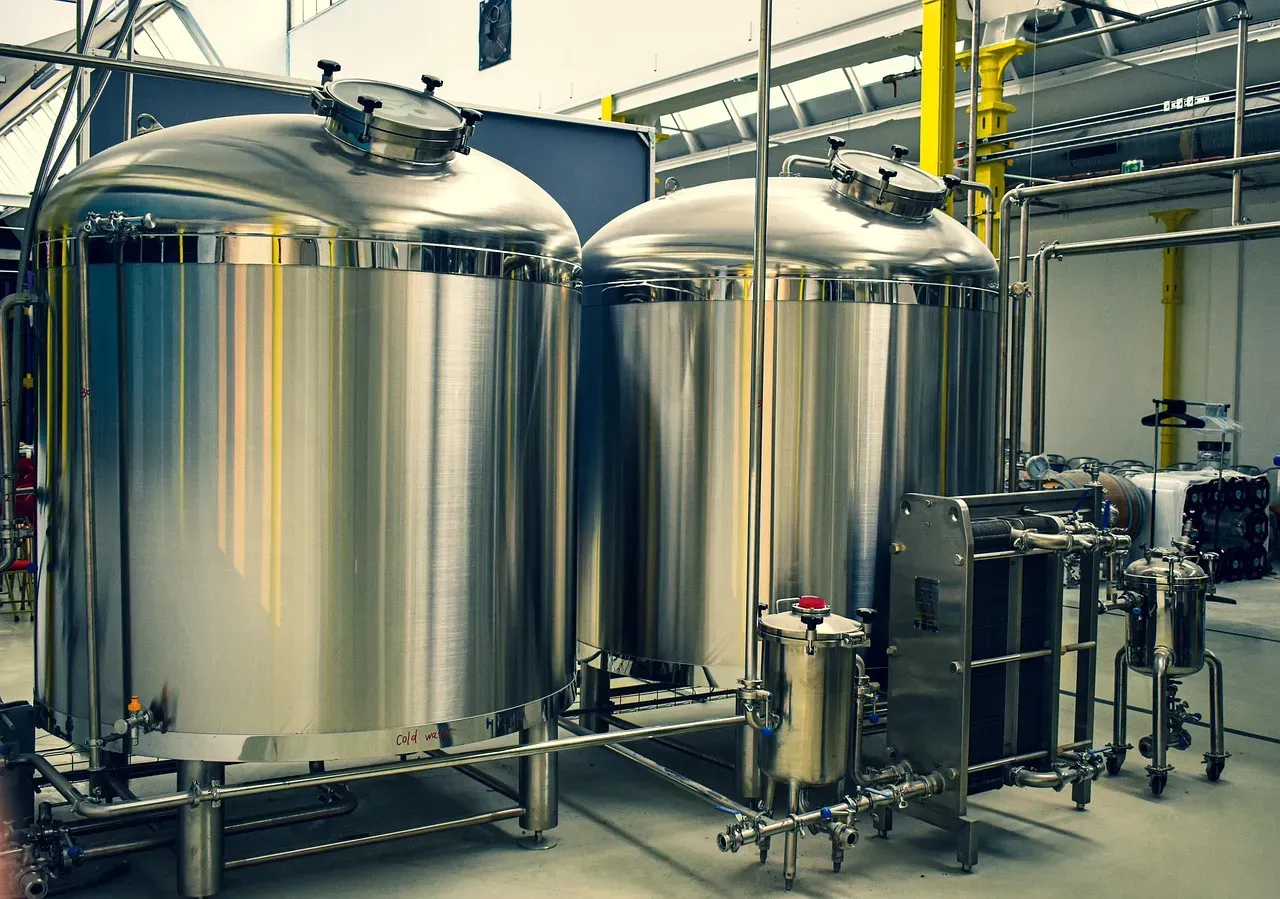
Imagine if you could brew cheese proteins or egg whites in a steel tank the way we brew beer. That’s essentially what precision fermentation does: it uses microorganisms, like yeast or fungi, that are genetically programmed to produce specific food molecules. Instead of needing cows for milk proteins or chickens for egg proteins, you rely on microbes that convert sugar into those same building blocks with remarkable efficiency.
This isn’t a vague future dream; it’s already being used commercially for things like animal-free whey protein and certain fats. The process can drastically reduce land use and greenhouse gas emissions because you’re skipping the animals entirely and cutting out huge amounts of feed, water, and waste. The big challenge now is scaling these systems and driving down costs so they can compete head-to-head with traditional agriculture. If that happens, a lot of our food manufacturing could quietly move from fields and barns to clean, controlled bioreactors.
2. Cultivated Meat: Growing Meat Without Raising Animals
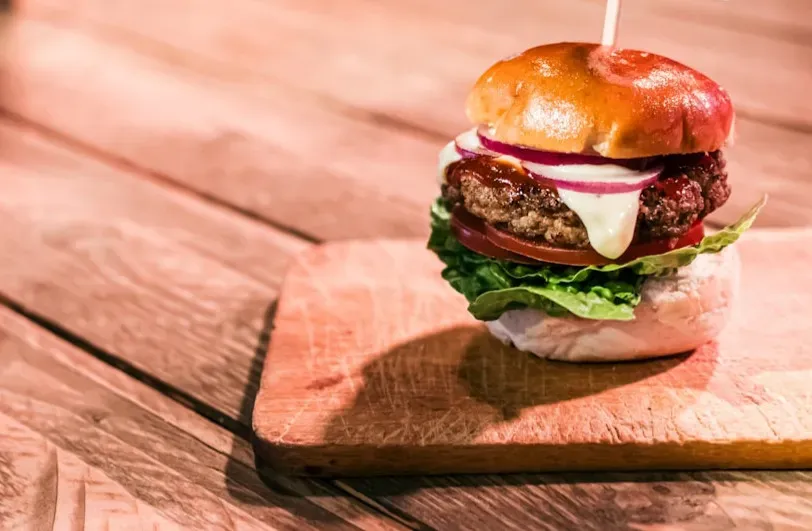
Cultivated meat, sometimes called lab-grown or cell-based meat, starts with a tiny sample of animal cells and grows them into real muscle and fat tissue in a nutrient-rich environment. You’re not making an imitation or a plant-based substitute; you’re making actual meat, just without the animal ever being raised, fed, or slaughtered. The idea sounds wild at first, but it’s rooted in basic cell biology that scientists have used for decades in medical research.
A few countries have already allowed limited sales of cultivated chicken products, though they’re still expensive and served mainly in select restaurants. If researchers can solve the scale-up problem – making massive quantities at affordable prices – this technology could slash land use, cut emissions, and reduce animal suffering in a way traditional tweaks to farming never could. There are still big questions around energy use, consumer acceptance, and regulation, but the direction of travel is clear. Once people can buy affordable, familiar cuts of meat grown in clean facilities, it could fundamentally change the footprint of our protein supply.
3. CRISPR-Edited Crops: Designing Plants for a Hotter, Harsher World
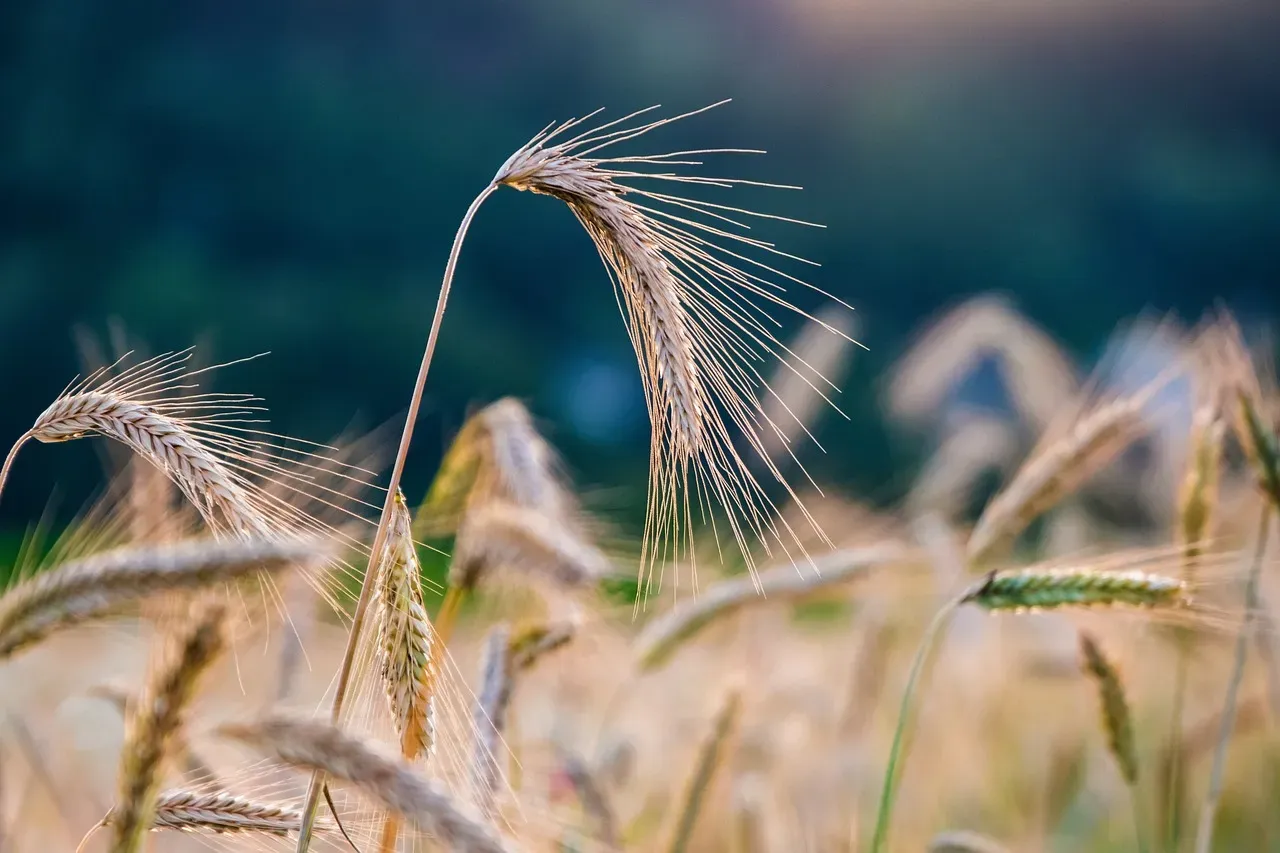
Traditional breeding can take many years to create a new crop variety, and it’s like trying to rearrange an entire library when all you want is to fix a single sentence. CRISPR gene editing is more like using a laser pointer and a pencil to tweak a word or a letter exactly where you want it. Scientists can alter or switch off genes in crops to make them more drought tolerant, resistant to certain diseases, or more nutritious, without dragging in large chunks of DNA from other species.
In recent years, researchers have turned tomatoes, rice, wheat, and many other crops into mini testbeds for CRISPR, focusing on traits like heat tolerance, reduced need for pesticides, and longer shelf life. Some countries are starting to treat certain CRISPR-edited plants differently from older genetically modified crops, especially when no foreign genes are added, which can speed up pathways to market. For farmers, that could mean plants that survive dry spells, salty soils, or new pests that arrive as the climate shifts. For the rest of us, it could mean more stable food supplies when weather extremes and crop failures become more common.
4. Vertical Farming and High-Tech Greenhouses: Building Food Factories in Cities
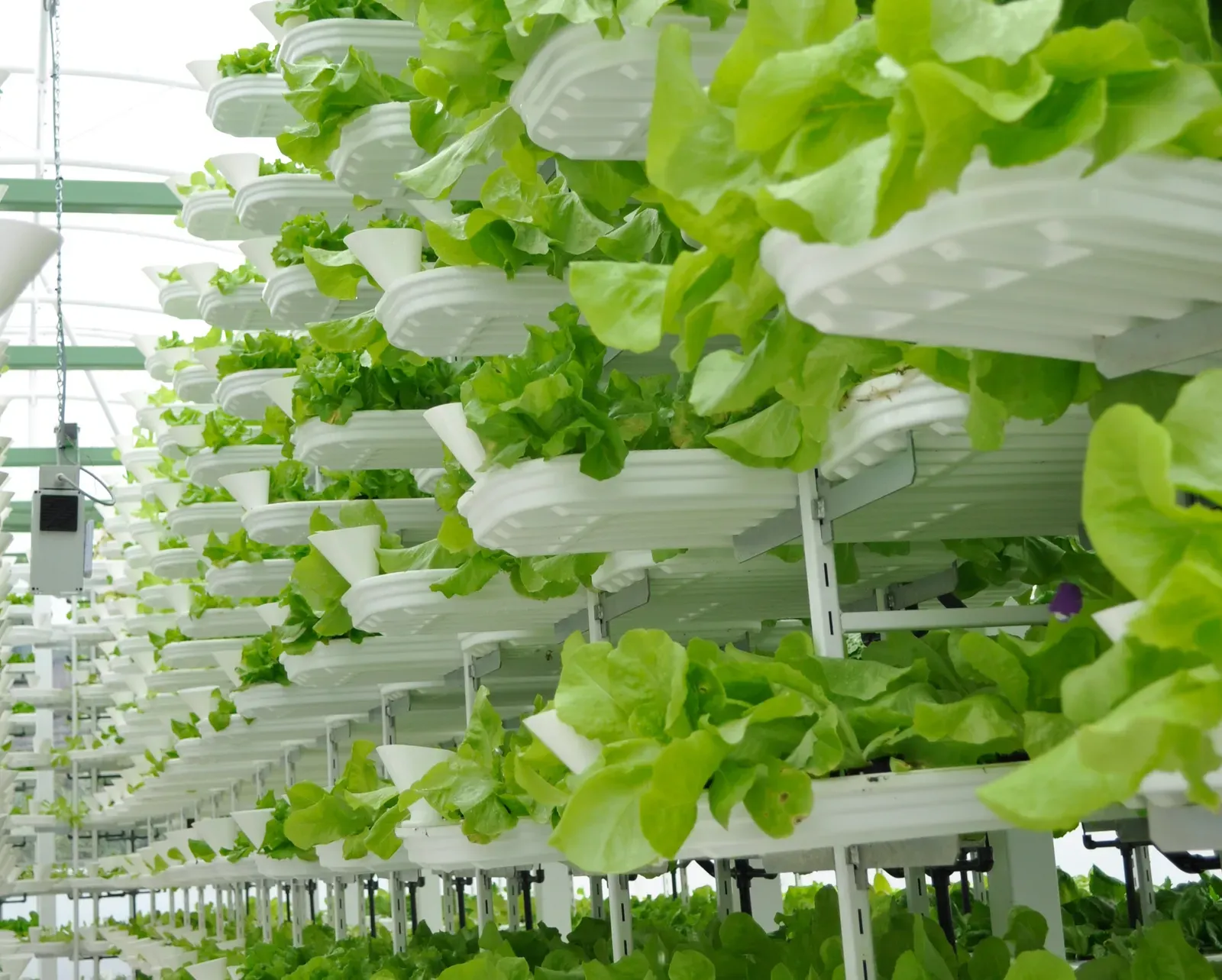
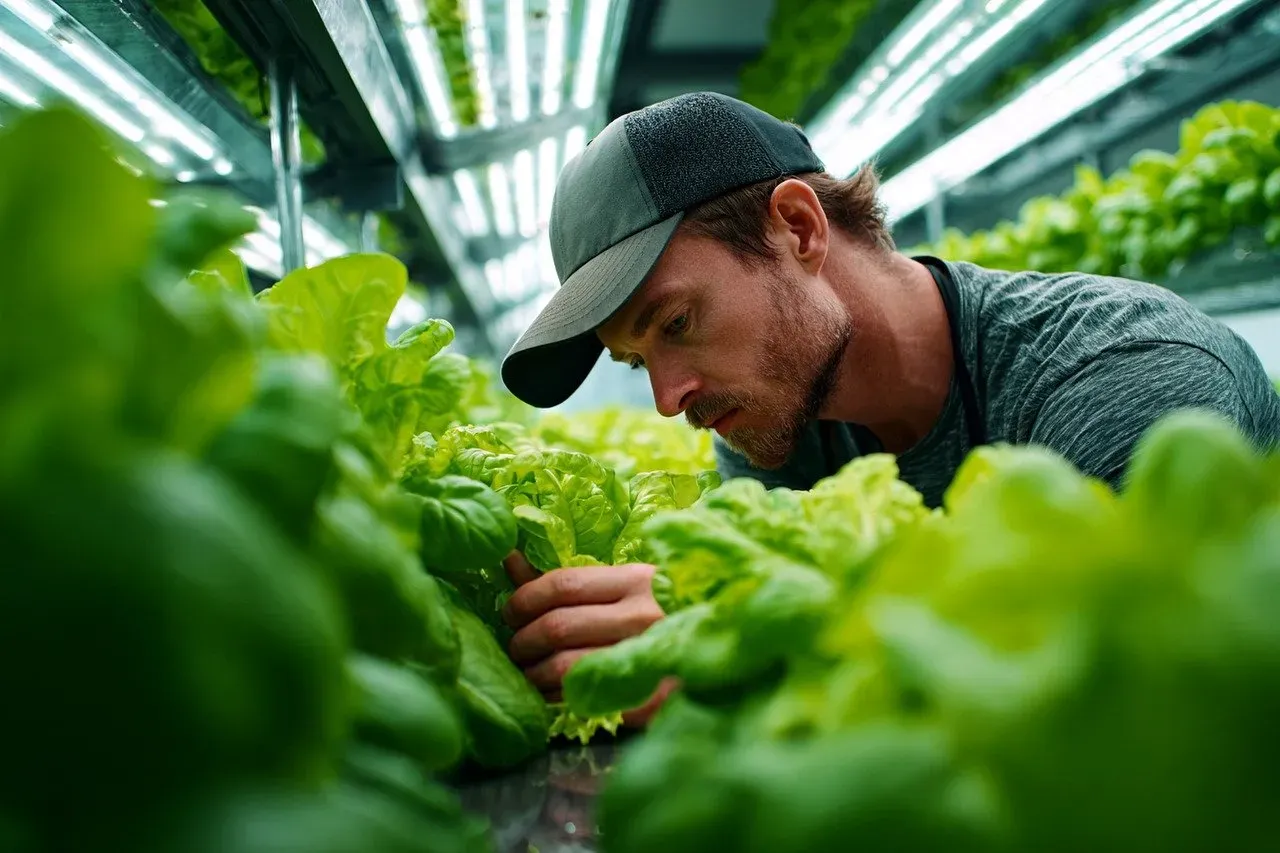
Think of a farm and you probably picture open fields and tractors, not stacked trays of lettuce glowing under LED lights in a warehouse. Vertical farming flips the usual picture on its head by growing crops in tall racks indoors, using carefully controlled light, nutrients, and climate. High-tech greenhouses do something similar on a larger footprint, using glass, sensors, and automation to get multiple harvests per year with far less water and pesticide use than open-field farming.
These systems aren’t perfect; they currently make the most sense for leafy greens, herbs, and a limited range of fruits because lighting and energy costs are still significant. But locating farms close to or inside cities can drastically cut transport distances and reduce spoilage, and it allows production in places with poor soil or extreme weather. As renewable energy becomes cheaper and lighting efficiency improves, more staple crops could move indoors. The result would be a food system that relies less on stable seasons and predictable rainfall, and more on precisely designed growing environments that run year-round.
5. Next-Generation Plant-Based Foods: Rethinking Protein From the Ground Up

Plant-based meat used to mean dry veggie burgers that tasted mostly like cardboard and regret. That’s changed fast thanks to advances in food science, extrusion technology, and flavor chemistry that can mimic the fibrous texture, fat distribution, and browning reactions of animal meat. Companies are using peas, soy, wheat, fungi, and even novel crops like fava beans to create burgers, sausages, seafood alternatives, and milk-like drinks that feel much closer to what people are used to eating.
Beyond imitating meat, scientists are starting to think more creatively about plant-based foods that don’t just copy animal products but offer new textures, flavors, and nutrition profiles. There’s growing work on tailoring crops specifically for alternative proteins, breeding them for better functionality rather than just yield. If a significant portion of global protein demand shifts to efficient plant or fungal sources, the pressure on land, forests, and oceans could drop dramatically. What we call a “normal” meal might end up looking quite different, even if it still scratches the same cravings and cultural habits.
A Food System on the Edge of Reinvention
When you put these breakthroughs side by side – precision fermentation, cultivated meat, CRISPR-edited crops, vertical farming, and next-generation plant-based foods – it becomes clear that the future of food won’t be defined by a single silver bullet. It will be a patchwork of technologies, each solving different pieces of the puzzle: how to feed more people, with less land and water, under a less predictable climate. None of them are guaranteed to scale smoothly, and each raises tough questions about economics, ethics, and who controls the underlying technology.
Still, the direction is unmistakable: we’re moving from a food system that mostly reacts to nature to one that increasingly designs and engineers it. The choices governments, companies, and ordinary eaters make over the next decade will shape which of these tools take off, and who benefits from them. The food on your plate in twenty years might be grown in a field, a greenhouse, a skyscraper, or a shiny steel tank – and you may not always be able to tell which. When you look at your next meal, can you imagine how different its origin story might be sooner than you think?