Imagine discovering that the world our ancestors walked through was already crowded – not just with animals, but with other kinds of humans, thinking and feeling in ways both familiar and alien. That idea isn’t science fiction anymore; it’s at the heart of a growing body of research that suggests ancient Homo sapiens shared the planet with multiple human species for far longer, and far more intimately, than we once believed. It changes how we see ourselves, and it quietly challenges the comforting story that we were always the main characters.
When I first dug into this topic, I expected a few odd fossils and wild guesses. Instead, I found a whole cast of vanished cousins: tough Arctic survivors, tiny island dwellers, mysterious ghost lineages living on in our DNA. Some of them overlapped with us in time and space; some even had children with our ancestors. The deeper we look, the more one idea keeps rising to the surface: ancient humans were almost certainly not alone on Earth.
Multiple Kinds of Humans: A Crowd, Not a Solo Act
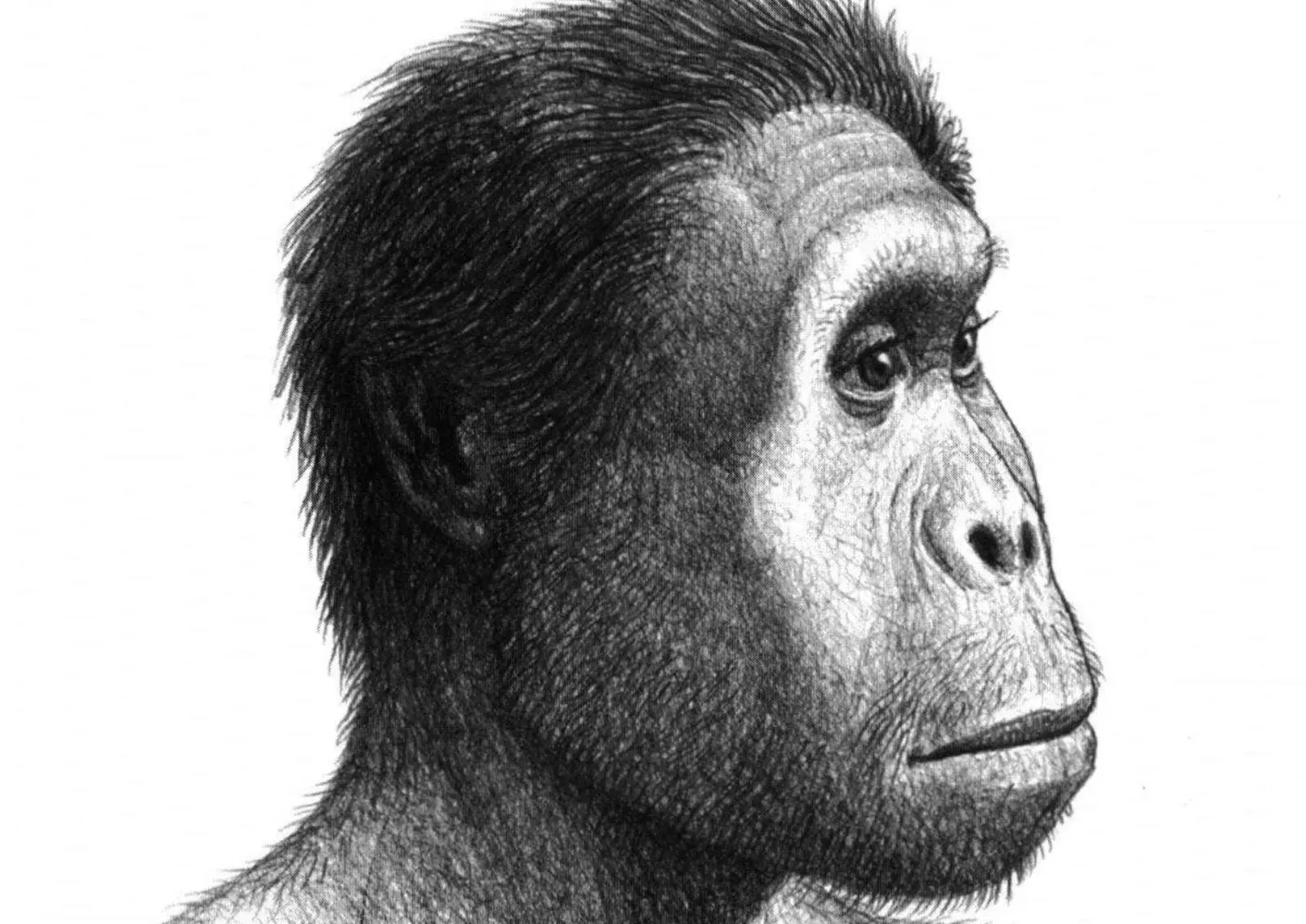
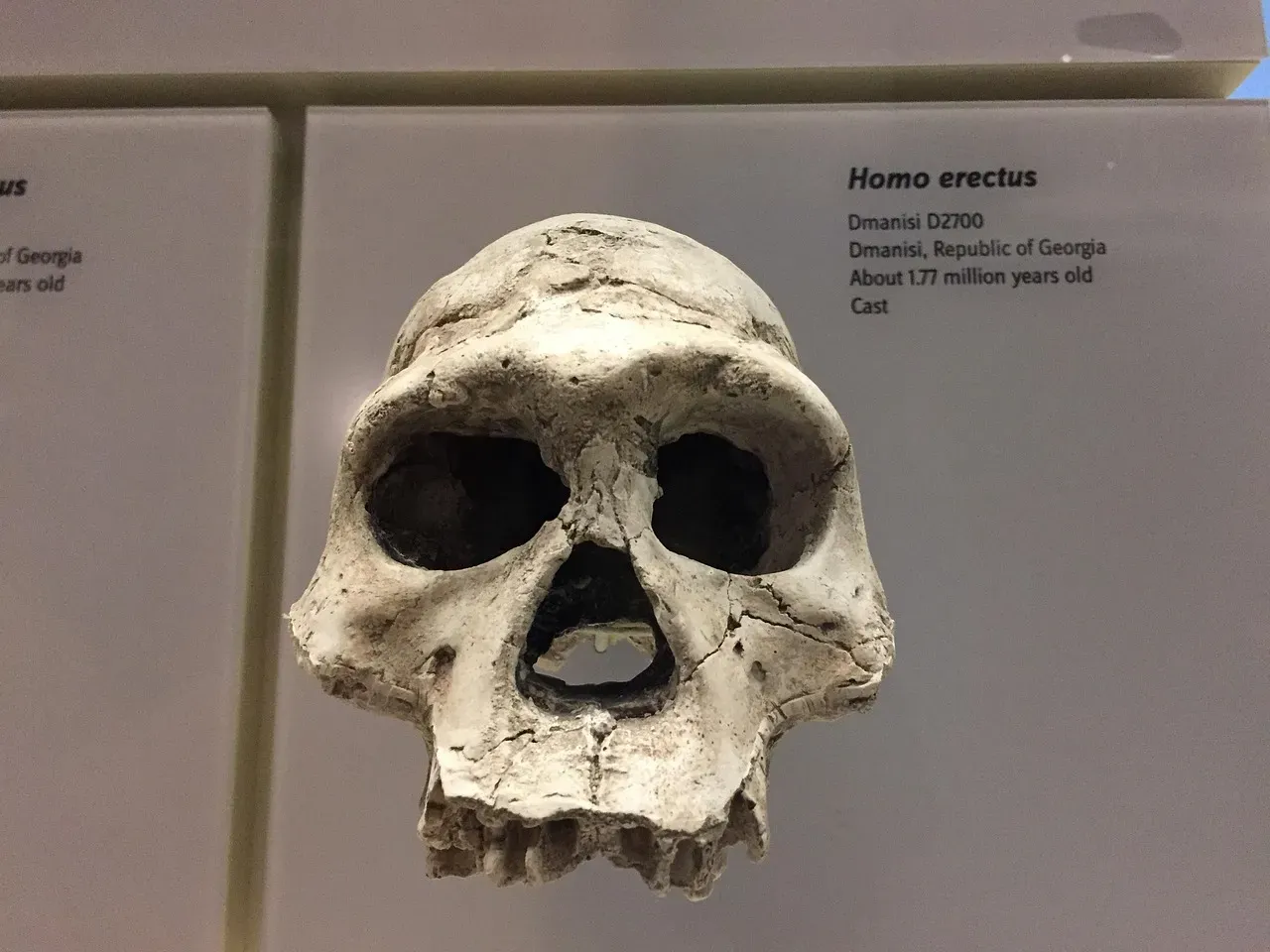
One of the most surprising shifts in anthropology over the last few decades is just how many human species we now know existed alongside early Homo sapiens. For a long time, schoolbooks painted a simple ladder: ape-like ancestors at the bottom, us at the top, with a neat, linear progression in between. Reality looks more like a tangled bush, with branches sprouting, overlapping, and dying off, while a few – including ours – kept going. At different moments in the last few hundred thousand years, Earth likely hosted several human species at once.
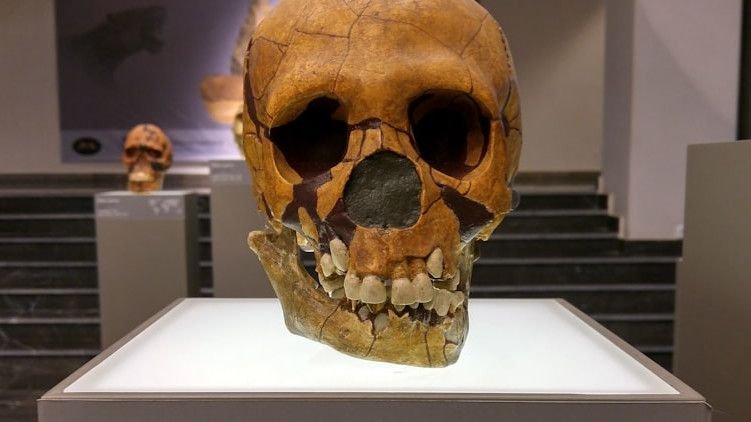
We now recognize Neanderthals in Europe and western Asia, Denisovans across parts of Asia, Homo floresiensis on the Indonesian island of Flores, Homo luzonensis in the Philippines, and earlier groups like Homo heidelbergensis and Homo naledi in Africa. Many of these overlapped chronologically with early modern humans. That means our ancestors were not walking through an empty stage; they were crossing paths with other intelligent, tool-using hominins who had their own histories, cultures, and survival strategies. The idea that we were always alone looks more outdated every year.
The Neanderthal Puzzle: Not Brutes, But Complex Cousins
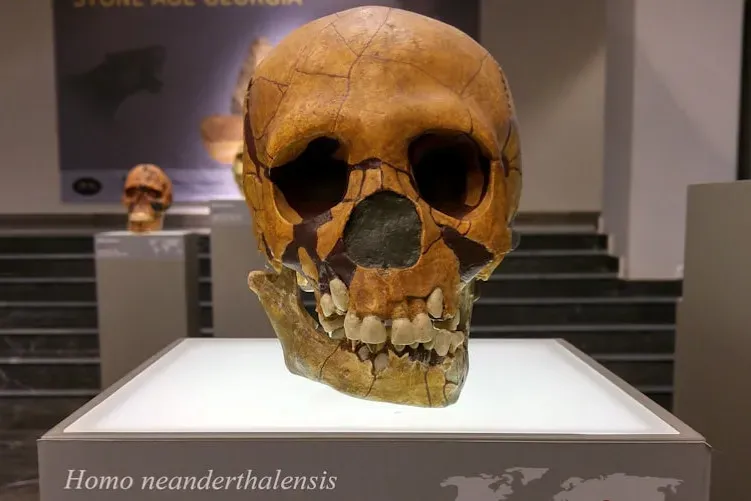
For generations, Neanderthals were dismissed as clumsy, dim-witted cavemen – the failed rehearsal before the real show of Homo sapiens. That caricature has taken a serious beating. Excavations have revealed that Neanderthals crafted advanced stone tools, controlled fire, hunted large animals, and likely organized cooperative group activities. They occupied harsh Ice Age environments for far longer than our species has existed so far, which suggests resilience rather than stupidity. Some evidence points to symbolic behavior, such as the use of pigments and objects that may have had cultural or personal meaning.
Even more striking, Neanderthals didn’t just coexist with our ancestors; they mixed with them. Genetic studies show that people outside sub-Saharan Africa today carry a small but real percentage of Neanderthal DNA, a clear sign of interbreeding tens of thousands of years ago. That’s not the behavior of separate, utterly alien species; it’s the messy, human reality of contact, attraction, conflict, or alliances – we don’t know the emotional details, but we know the biology. Instead of a simple story where we “replaced” Neanderthals, the emerging picture is closer to a blended family, with Neanderthal genes still quietly shaping traits like immunity and even aspects of our physiology.
Denisovans and Ghost DNA: Traces of the Unseen
If Neanderthals rewrote our assumptions, Denisovans exploded them. This group was identified not from a full skeleton, but from fragments found in a Siberian cave – a finger bone, a tooth, later a jaw from Tibet, and more. When scientists analyzed the DNA from those tiny pieces, they realized they were dealing with a distinct human lineage, closely related to Neanderthals but separate. What’s wild is how much we’ve learned about Denisovans from genetics rather than bones. Their DNA lives on today in people from parts of Asia, Oceania, and the Pacific, often in small but meaningful amounts.
Some Denisovan gene variants seem to help with high-altitude adaptation, like in populations living on the Tibetan Plateau, and possibly with immune responses. Yet we still have no full Denisovan skeleton, no certain image of their faces, and no direct record of their culture. It’s like having the echo of a voice without the person. On top of that, genetic studies hint at even more “ghost” populations – human groups that once existed and interbred with our ancestors, but whose fossils we haven’t clearly found or identified yet. The DNA is there, woven into modern genomes, quietly insisting that we were never the only humans in the story.
Tiny Humans of the Islands: Hobbit-Sized Mysteries
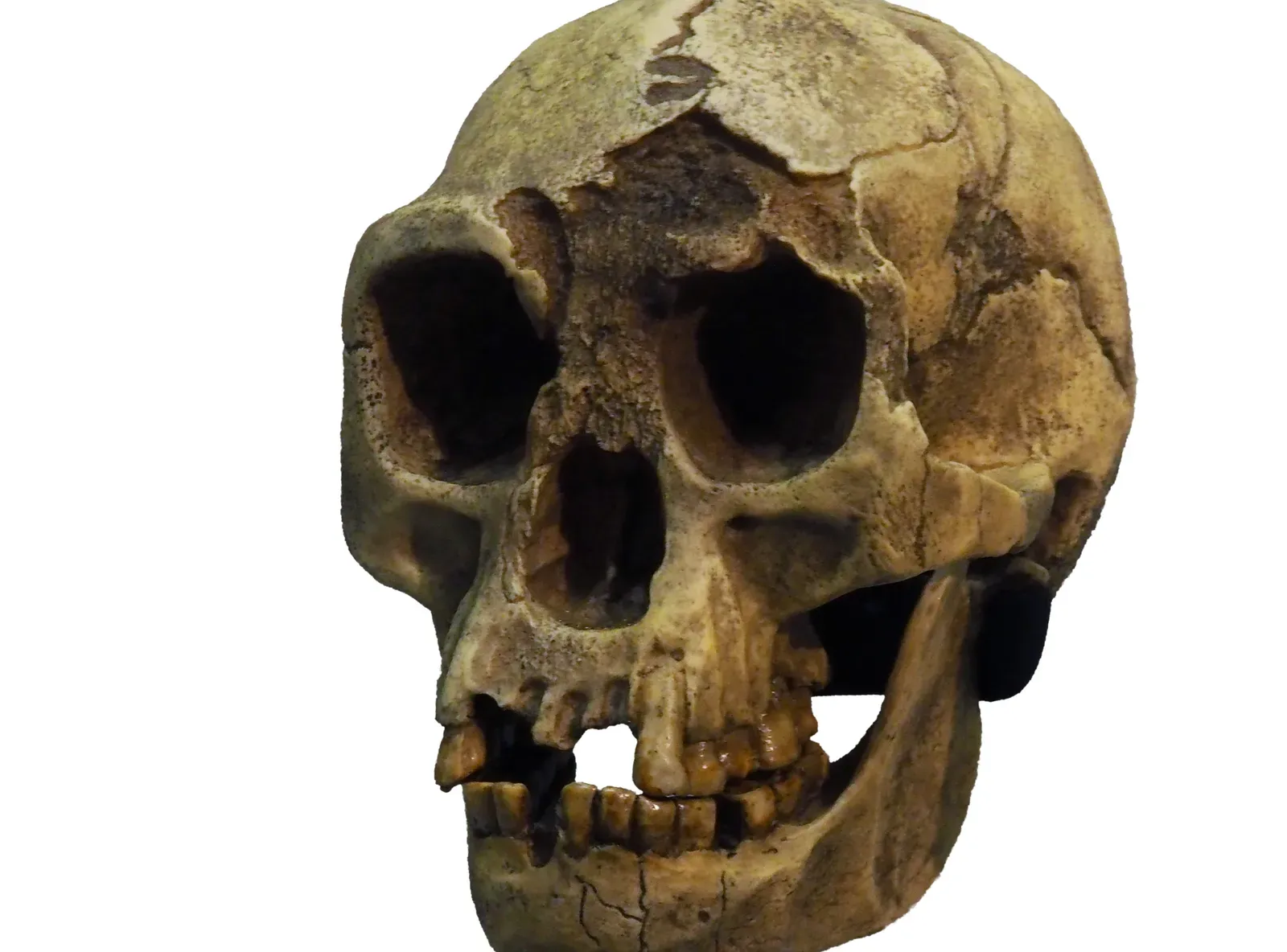
Few discoveries have captured the public imagination like the so-called “hobbits” of Flores, Indonesia, known scientifically as Homo floresiensis. These ancient humans were very small, roughly about a meter tall, with brains much smaller than ours, yet they made tools and seem to have hunted or scavenged animals like the now-extinct dwarf elephants of the island. Their remains have been dated to tens of thousands of years ago, overlapping broadly with the era when modern humans were spreading through the region. That means miniature humans might have been living on that island while our species sailed or walked nearby.
On another island, Luzon in the Philippines, scientists uncovered evidence of yet another small-bodied human, Homo luzonensis, with a mix of primitive and more modern skeletal traits. These island species raise all kinds of questions. Did our ancestors meet them? Did we compete or coexist? Or did we never cross paths at all, our stories running in parallel before quietly ending for them? What’s clear is that evolution took some surprising detours, especially on islands, and those detours produced humans who broke our expectations about what a “typical” human body or brain should look like.
Mysterious African Lineages: Home Continent, Hidden History
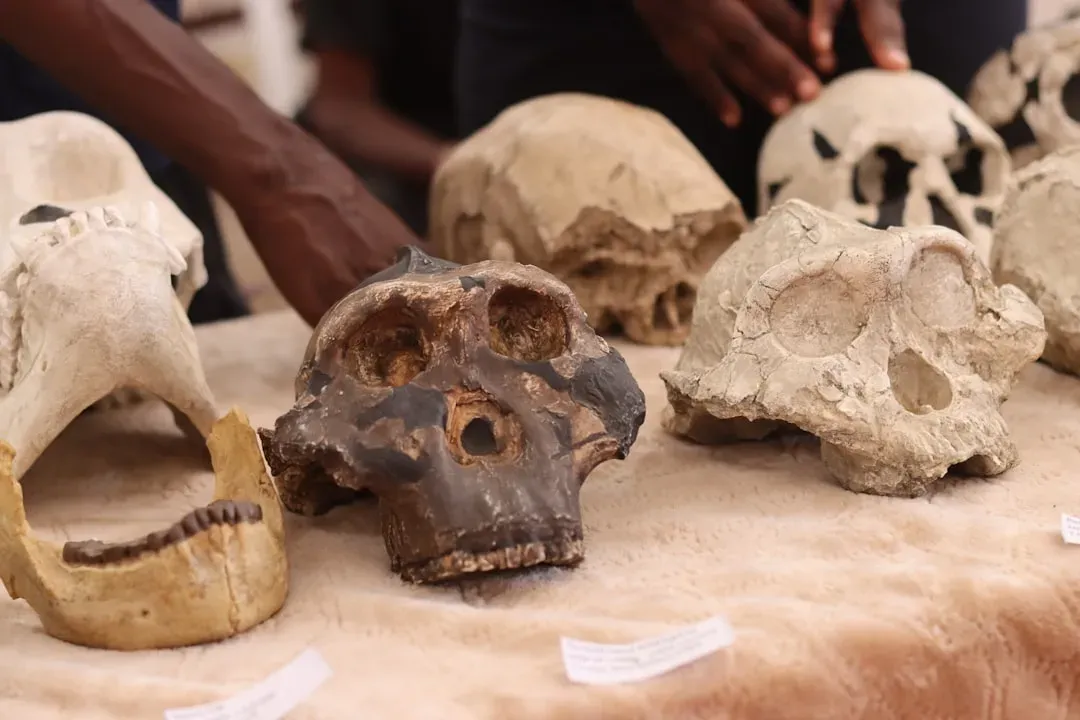
A lot of the attention goes to Neanderthals and Denisovans, but Africa – the cradle of our species – likely hosted an even richer mix of human lineages. Fossils like those of Homo naledi in South Africa, with a blend of primitive and modern features, suggest that multiple hominin groups occupied the continent at the same time as early Homo sapiens. Some of these groups had smaller brains yet may have engaged in complex behavior, including the deliberate placement of bodies in cave systems. That alone challenges the old idea that brain size neatly tracks with intelligence or “advancement.”
Genetic studies of present-day African populations have also uncovered signs of ancient admixture with unknown archaic humans, similar to the “ghost” DNA seen with Denisovans in Asia. These traces point toward encounters with other hominin groups whose bones we have not fully identified or connected. This hidden diversity reminds us that the African story is not just about the rise of Homo sapiens but about a web of related species and subspecies, some of which may have influenced our evolution in ways we’re only beginning to notice. Our own home continent likely housed more neighbors than we’ve yet met in the fossil record.
Did We Outcompete, Absorb, or Coexist? The Big Debate
Once you accept that ancient humans were not alone, an even harder question follows: what actually happened between us and them? Some researchers argue that Homo sapiens had cognitive or social advantages – maybe more flexible language, denser social networks, or better long-distance trade – that let us outcompete other human species. In that view, our advantage might have been subtle but persistent, like a slightly faster runner who eventually wins a long race. Climate change and environmental shifts almost certainly played a part as well, stressing populations and intensifying competition for resources.
But the genetic evidence for interbreeding complicates the idea of a clean, one-sided replacement. It suggests at least some level of contact that was intimate enough to leave descendants. The reality might be a messy mix: in some places, direct competition and eventual disappearance; in others, blending and cultural exchange; in still others, parallel lives with minimal contact. Personally, I find it unsettling to consider that our success may have involved the fading of other intelligent beings who experienced the world in their own ways. Yet that discomfort also forces us to think more carefully about what “survival of the fittest” really looked like on a planet with multiple kinds of humans.
Rethinking What It Means to Be Human Today
All of this isn’t just a curious footnote about the distant past; it spills over into how we define ourselves right now. If our ancestors shared the world with other humans – talked, traded, fought, loved, and had children with them – then our identity is less “pure” and more intertwined than we were taught. Modern humans are not a separate creation standing above others; we’re the last surviving branch of a large, diverse family tree, carrying genetic echoes of cousins who are gone but not entirely erased. That realization can be both humbling and strangely comforting.
It also nudges us to expand our sense of empathy and imagination. If different human species once existed side by side, then intelligence, culture, and meaning were not exclusive to us. We were one of several experiments that nature ran on the theme of being human. When I think about that, it makes our current moment feel more fragile and more precious. We might be alone in our genus today, but we’re carrying the weight of all those lost lineages, all those other ways of being human that blinked out. The real question lingering in the background is simple and disquieting: knowing we were not always alone, what kind of humans do we choose to be now?