

There’s a guilty little pleasure many of us share but rarely defend: collapsing on the couch, hitting play, and letting a show carry us away after a long, draining day. We’re told constantly that screens are bad, that television melts our brains, that we should be reading philosophy instead of watching a cooking competition. But what if that soft glow in your living room is doing your mind more good than you think?
The truth is more nuanced and surprisingly comforting. In the right dose and with the right mindset, a little TV at the end of the day can actually support mental recovery, emotional balance, and even social connection. It’s not a magic pill, and it can definitely be overdone, but used wisely, it’s less of a mental junk food and more like dessert after a good meal: not essential for survival, but pretty great for your mood and sanity.
The Neuroscience of Switching Off (Without Completely Numbing Out)

After a long workday, your brain is often running on fumes. Your prefrontal cortex – the part responsible for decision-making, planning, and self-control – has been grinding nonstop. That’s why by evening, even simple choices like “What should I cook?” can feel weirdly overwhelming. A light, engaging TV show can give that part of your brain a chance to step back, while still keeping you mentally engaged enough to avoid spiraling into stress or rumination.
Unlike endlessly scrolling your phone, which bombards you with fragmented information and unpredictable notifications, watching a single episode is a contained, predictable experience. Your brain knows what to expect: a beginning, middle, and end. That narrative structure offers a sense of closure that your workday often doesn’t. In a way, TV can act like a mental landing strip, guiding your mind safely down from the chaos of the day into a calmer, more relaxed state.
Emotional Regulation: Why Stories Help You Unwind

Good TV taps into something deeply human: our love of stories. When you watch characters navigate challenges, relationships, and conflicts, your brain’s emotional centers quietly light up. You might feel a wave of relief when a tense scene resolves, or laugh at a ridiculous moment after a stressful day. That emotional release is not trivial; it’s your nervous system recalibrating after hours of pressure and self-restraint.
Many people use TV as a form of emotional co-regulation without even realizing it. If you’ve ever noticed your mood shift from edgy and irritable to calmer and softer after a comforting sitcom or familiar series, that’s your brain using narrative and empathy to reset. It’s similar to how some people use music to match and then gently shift their emotional state. A little TV, especially something warm, funny, or hopeful, can serve as an emotional buffer between the stress of the day and the rest you need at night.
Parasocial Connections: Why You Feel Like You “Know” the Characters

You’ve probably had that strange feeling when a show ends and you almost miss the characters, like they were people you actually spent time with. That’s not you being weird; that’s parasocial attachment, and your brain is wired for it. When you regularly watch the same characters, your mind processes them in some of the same ways it processes acquaintances or friends, activating social and empathy circuits.
After a long, lonely, or socially draining day, slipping into a world where you feel familiar with the people on screen can be surprisingly soothing. It’s not a replacement for real relationships, but in moderation, it can mimic some of the comfort of being around others without the effort required for actual socializing. For introverts, or anyone burnt out from people at work, this kind of low-pressure “social” connection can be a gentle way to feel less alone while still getting space.
Mental Recovery: TV as Active Rest, Not Total Shutdown

There’s a difference between mindless distraction and active rest. Active rest is when your brain gets a break from demanding tasks but stays somewhat engaged in an easy, low-stakes way. A well-chosen show fits perfectly into this zone. You’re not solving problems, answering emails, or multitasking; you’re following a story that’s interesting enough to hold your attention but not so heavy that it exhausts you further.
Think of it like a leisurely walk instead of a sprint. Your brain is still moving, still processing, but at a slower, kinder pace. This mild engagement helps stop your thoughts from looping obsessively around work stress or personal worries. For a lot of people, especially those prone to overthinking, a little TV in the evening can create just enough distraction to break that mental hamster wheel and make space for genuine rest afterward.
The Cognitive Upside: Not All TV Is “Dumb”
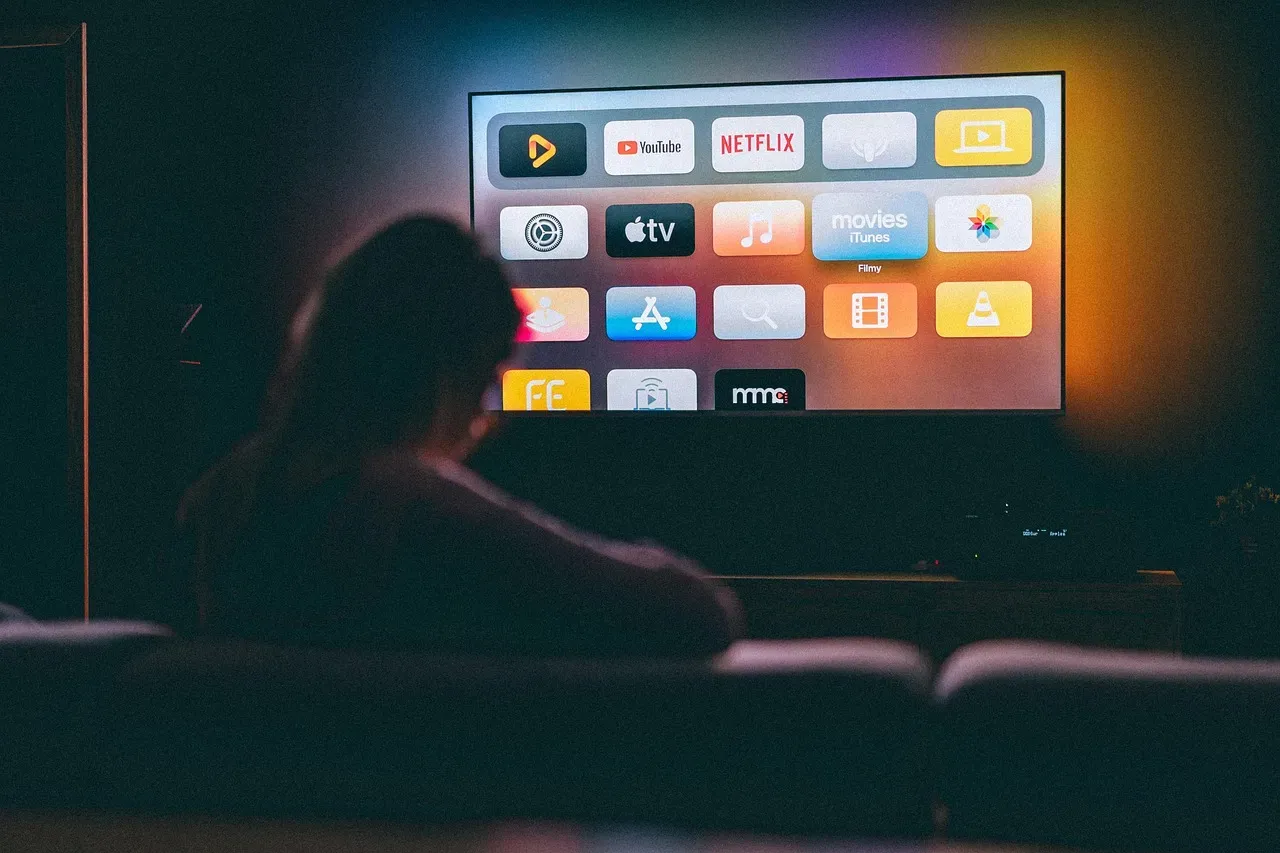
It’s easy to talk about TV like it’s one giant blob of useless content, but it’s not. Some shows can actually challenge your brain in subtle ways. Complex dramas with layered plots and moral dilemmas ask you to track multiple storylines, remember details, and consider different perspectives. Even certain comedies use clever wordplay, timing, and social cues that your brain has to quickly interpret.
Documentaries, educational series, and well-researched dramas can also spark curiosity and expose you to new ideas, cultures, or histories. You might watch a food travel show and find yourself suddenly interested in a cuisine you’ve never tried, or a nature series that quietly teaches you more than a chapter in a textbook ever did. The key isn’t to pretend every show is deep and intellectual, but to recognize that some of what we casually label as “just TV” is actually quietly feeding and stretching the mind.
The Line Between Helpful and Harmful: Where It Starts to Backfire
As comforting as a little TV can be, there’s a very real point where it stops helping and starts hurting. Binge-watching late into the night, skipping sleep, or using TV to avoid every uncomfortable feeling is where the balance tips. If you wake up more tired because you auto-played episodes until 1 a.m., your brain isn’t thanking you for that “relaxation.” It’s paying interest on a debt you’ve just added to your stress load.
Signals that TV has slipped from recovery tool to coping crutch include constantly watching while eating, always needing background noise, or feeling edgy when you turn it off. Moderate, intentional viewing – like one or two episodes after dinner, then stopping – protects the benefits while avoiding the brain fog, poor sleep, and emotional numbness that come with overuse. It’s not that TV is inherently harmful; it’s that too much of anything, even comfort, can quietly start to steal more than it gives.
Making TV Work for Your Brain: Simple, Realistic Guidelines

You don’t need a complicated rulebook to make TV a healthy part of your routine. A simple approach is to decide in advance how much you’ll watch – for example, one episode on weeknights, maybe a bit more on weekends – and stick to that unless there’s a really good reason not to. Turning off auto-play and setting a loose “screen curfew” an hour before sleep can also protect your rest without making you feel like you’re living in a digital boot camp.
It also helps to be picky, not puritanical. Instead of letting the algorithm choose whatever’s next, be intentional about what you watch: something that fits your mood, doesn’t leave you wired with anxiety, and ideally leaves you feeling a little lighter, more curious, or more settled. Paired with other wind-down habits – like a short walk, stretching, or reading a few pages before bed – a little TV becomes part of a balanced evening rhythm rather than the thing that swallows your night whole.
Giving Yourself Permission to Enjoy the Couch
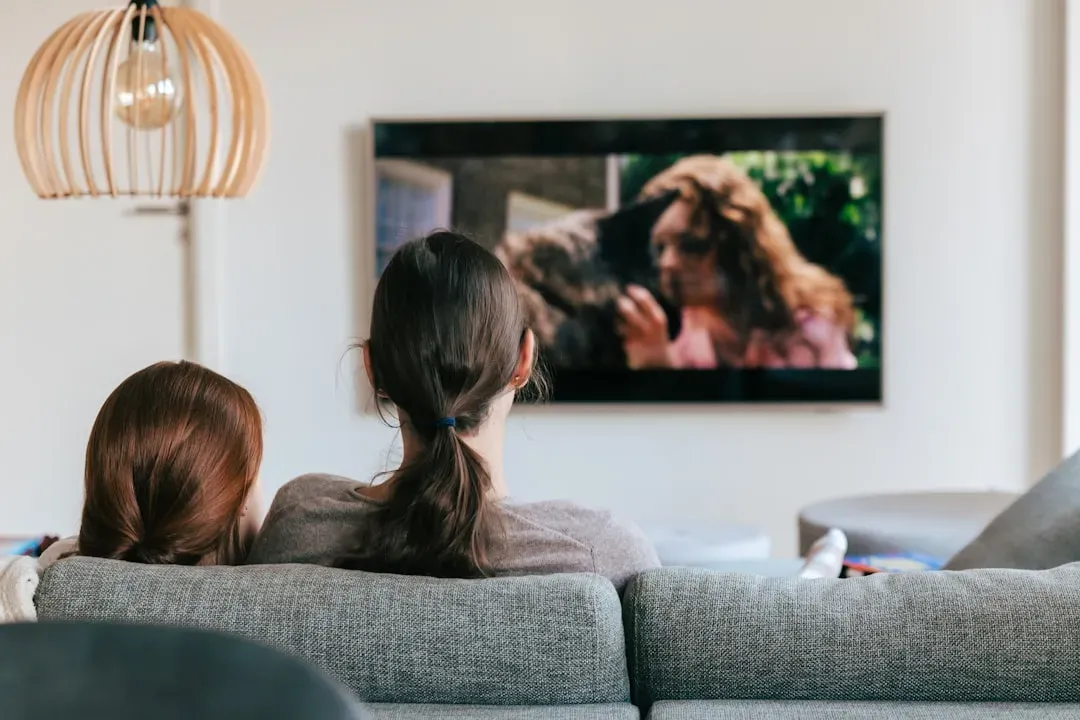
A little TV after a long day is not a moral failure or a sign of mental weakness; it can be a small act of kindness toward a tired brain. When used thoughtfully, it supports emotional regulation, offers low-effort connection, and gives your overworked mind a softer place to land. The damage comes from excess and avoidance, not from the simple act of queuing up a show you genuinely enjoy.
Instead of shaming yourself for wanting screen time, it might be more honest – and healthier – to ask how that time makes you feel and what role it plays in your evenings. With a bit of awareness and a few boundaries, TV can shift from something you feel guilty about to something that quietly helps you reset. The next time you sink into the couch after a hard day, maybe the real question isn’t whether you should watch, but how you can watch in a way that truly leaves you better off when the credits roll.