

Most people think being a “good pet parent” is about love, treats, and cute photos, but the science of animal behavior paints a more demanding picture. Across species, from dogs and cats to parrots and rabbits, researchers keep finding the same thing: the tiny habits of humans shape the brain, health, and even the emotional stability of the animals who live with us. This is not just about obedience or convenience; it is about the kind of world we build inside our homes. If you are willing to tweak how you communicate, play, and even schedule your day, you can radically change your animal’s quality of life. Here are seven science-backed areas to work on if you really want to live up to the title of “pet parent.”
1. Learning to Read Animal Body Language, Not Just Human Feelings

One of the most surprising truths in modern animal behavior science is how often humans misread their pets’ signals, even when they feel deeply bonded. Many people mistake a dog “smiling” with a tense mouth or a cat rolling onto its back as an invitation to touch, when those can actually be early warning signs of stress or defensiveness. Studies on dog bites, for example, often find the same pattern: the animal was broadcasting discomfort long before anything went wrong, but the humans in the room simply did not recognize it. When you start paying attention to details like ear angle, tail height, pupil size, and how an animal uses distance, whole new layers of communication appear.
Working on this skill means humbling yourself a little, because it forces you to admit that love alone is not enough; you have to learn a foreign language. Behavior researchers frequently encourage owners to watch short, slow-motion videos of animal interactions so they can see subtle shifts in posture and micro-signals they would normally miss in real time. Once you tune into this, daily life changes: you notice when your dog is “just tolerating” a hug from a child, or when your cat is overstimulated from petting, and you step in before things sour. In my own case, once I finally learned what a “whale eye” in dogs actually looks like, I realized how often I had been putting my own dog into social situations that were far too intense for him.
2. Trading Dominance Myths for Evidence-Based Training
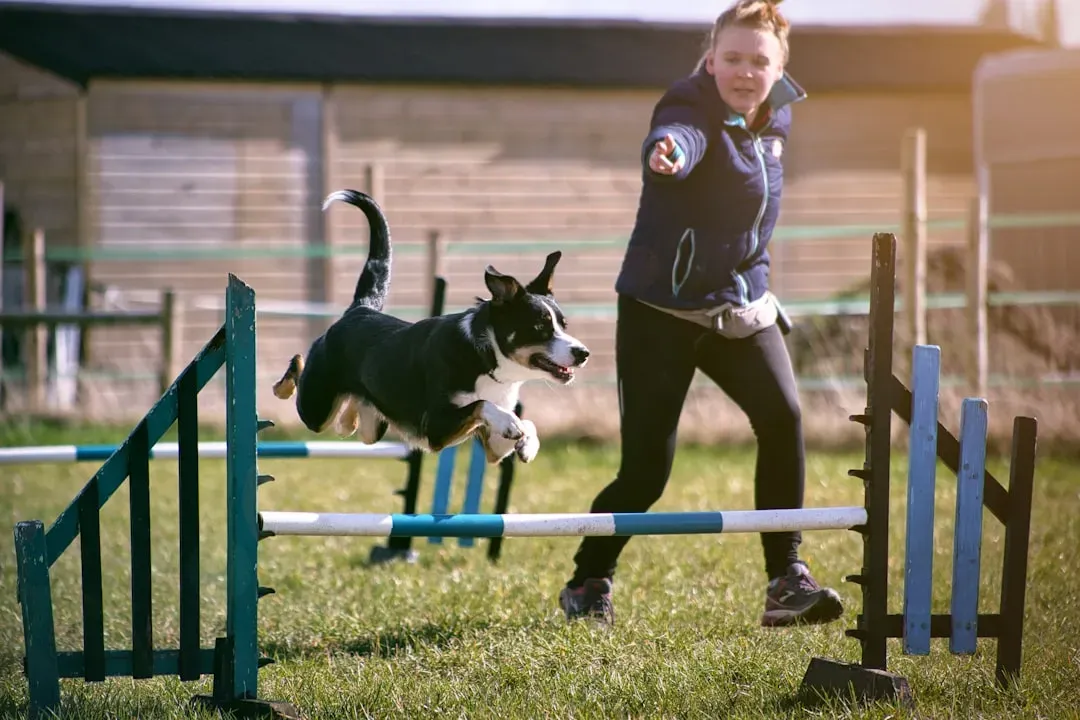
A lot of people still quietly believe that “being in charge” means showing the dog who is boss, but the science on that is clear: dominance-based methods create more fear and aggression, not better manners. Modern research on how dogs learn shows that they are astonishingly sensitive to human cues and reinforcement, and they thrive with clear, consistent reward-based training rather than intimidation. When owners rely on punishment, especially physical corrections or scare tactics, animals often stop experimenting and exploring, and instead learn to avoid making mistakes in ways that can look like “obedience” but are really anxiety. That might work in the short term, but it corrodes trust and can make problem behaviors worse over time.
Working on your pet-parent skills here means getting comfortable with timing rewards, using food or play as paychecks, and breaking behaviors into small, achievable steps. This approach is now standard in service-dog programs and zoo training, where nobody can safely or ethically overpower a lion, sea lion, or elephant, yet complex behaviors are trained every day using positive reinforcement. Bringing that same mindset into a living room means your dog’s recall, your cat’s carrier training, or your parrot’s step-up cue can become cooperative games instead of battles of will. It also demands consistency: you cannot reward jumping “just this once” because you happen to be in a good mood and then expect your dog to somehow decode that the rules changed again tomorrow.
3. Building a Predictable, Enriched Daily Routine

In the wild, almost no animal spends its day lying around waiting for food to appear in the same bowl at the same spot, at the same time, in the same way. Yet that is exactly how most pets live, and their brains and bodies pay the price through boredom, anxiety, and sometimes even destructive behavior. Behavioral scientists use the term “enrichment” to describe activities that let animals use their natural abilities – sniffing, foraging, climbing, chewing, shredding, problem-solving – in safe, structured ways. Dogs who are given scent games and puzzle feeders, for example, often show less hyperactivity and are better able to settle afterward, because mental work is genuinely tiring.
Good pet parents treat enrichment and routine as a basic need, not a luxury or an afterthought. That might look like scattering part of your dog’s breakfast on the lawn so they can search for it nose-first, building a simple cardboard maze for your guinea pig, or hiding treats on different vertical levels for a cat to discover. A predictable rhythm – meals, walks, rest, play, training at roughly similar times – helps animals feel secure, because they can anticipate what comes next instead of constantly guessing. The result is not just a calmer household; it is a life where the animal actually gets to be the species it evolved to be, within the walls of your home.
4. Taking Pain and Subtle Health Changes Seriously
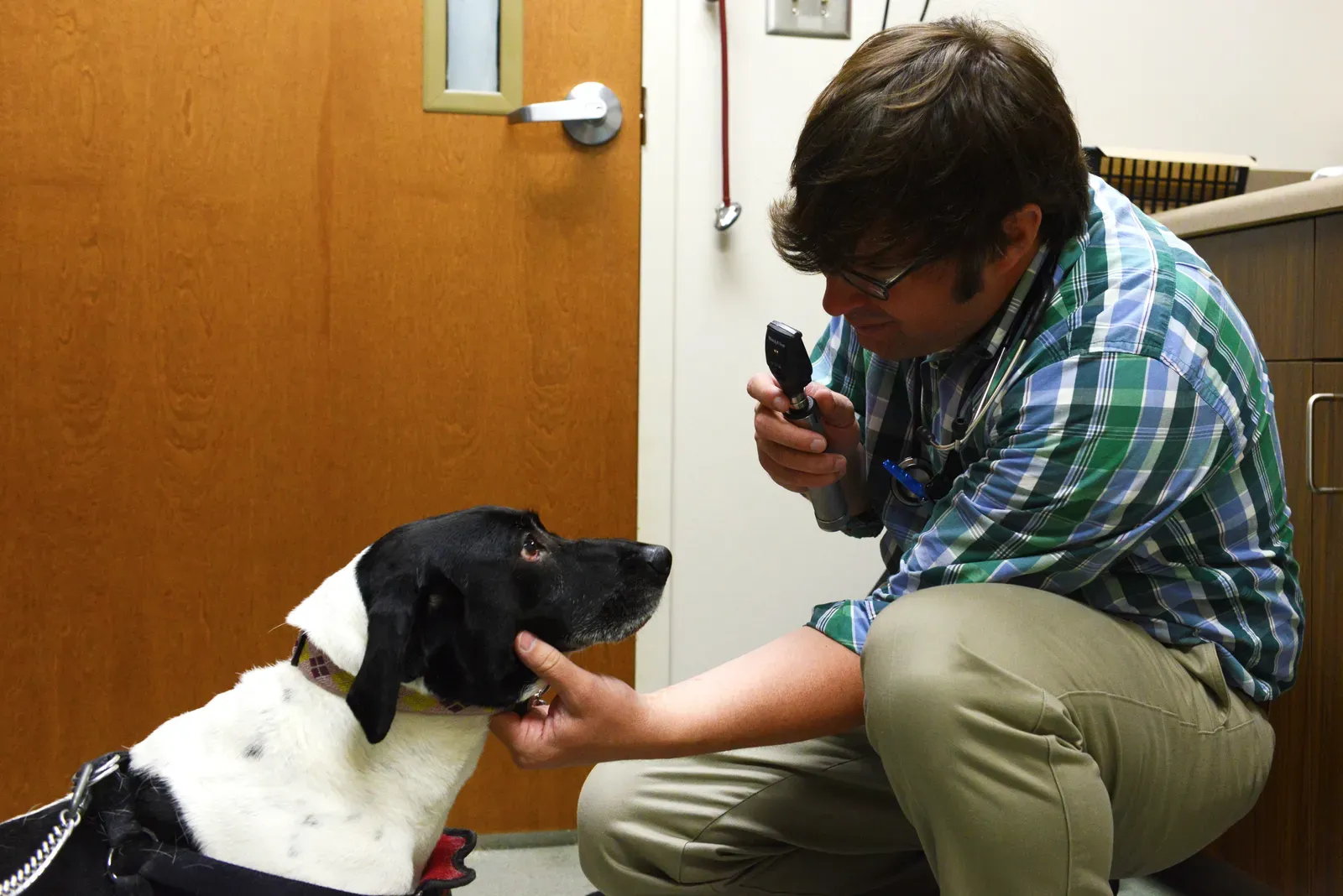
One of the hardest things to accept, and one of the most important, is that animals are evolutionary experts at hiding pain. In the wild, limping or slowing down can make an animal a target, so many pets keep moving, keep eating, and keep following us even when they are uncomfortable. Research on joint disease in dogs and cats repeatedly shows that by the time animals are noticeably limping, many have already been quietly dealing with low-level pain for months or years. Owners often label this as “just getting older,” but age itself is not a behavior; it simply increases the odds that something specific – like arthritis, dental disease, or organ problems – is going on underneath.
Working on this aspect of pet parenting means treating subtle behavior changes as data, not as personality quirks. Is your cat suddenly hiding more, avoiding jumping to higher shelves, or grooming less? Is your dog reluctant to use the stairs, licking at a specific joint, or a little grouchy when touched in certain places? Pain specialists in veterinary medicine now emphasize that these small shifts are early warning flags rather than random mood swings. Acting on them – through regular checkups, asking about pain assessment scales, and not dismissing your own sense that “something is off” – can give your pet more good years instead of just more years.
5. Supporting the Animal’s Social Needs, Not Just Your Own

People often adopt animals hoping to fill a social or emotional gap: company during remote work, comfort after a breakup, someone happy to see them when they walk through the door. There is nothing wrong with that, but it creates a subtle trap, because the animal’s own social needs might be very different from what the human expects. Dogs, for instance, vary hugely: some are genuinely delighted by dog parks and constant play with strangers, while others find that chaos overwhelming and would prefer one or two familiar canine friends or mostly human company. Many cats are described as “aloof” when they are, in reality, stressed by crowded spaces, loud environments, or forced petting from visitors.
Good pet parenting here means being willing to redesign your social life around what your animal can actually handle. That can be as simple as skipping the noisy brewery patio and instead arranging a quiet trail walk with one trusted dog buddy, or setting up a safe room for a shy cat when guests visit. Behavioral research consistently shows that animals cope better with novelty when they have control and choice: the freedom to approach or retreat, to observe from a distance, to say “no” to interaction without being forced. When you honor that, the relationship shifts; your pet stops being a prop in your story and becomes a partner whose boundaries matter.
6. Understanding the Deeper Science of Attachment and Stress

It might feel like a stretch to compare your relationship with your dog or cat to a caregiver-child bond, but attachment research suggests that the parallels are real. Studies using adapted versions of human attachment tests have found that many dogs, for example, show clear signs of using their primary person as a “secure base”: they explore more confidently when that person is present, and they are measurably calmer in strange environments when they can see or smell them. On the flip side, chronic stress from chaotic homes, frequent punishment, or long periods of unpredictable isolation can leave physiological marks, from altered stress hormone patterns to changes in sleep and appetite. This is not just about “spoiling” or “babying” a pet; it is about realizing that the nervous system of a social animal is literally shaped by how safe it feels with you.
Becoming a better pet parent in this deeper sense means paying attention to how your routines affect your animal’s baseline stress level, not just their behavior in obvious moments. A dog that destroys things only when you leave may be going through distress that feels less like boredom and more like a panic attack. A bird that plucks its feathers or a small mammal that paces repetitively is not being dramatic; those can be signs of chronic frustration or anxiety. The goal is not a life with zero stress – no living creature has that – but a life where stress spikes are brief, predictable, and followed by plenty of recovery time in an environment that feels safe and understandable.
7. Preparing for the Long Arc: Money, Time, and the End of Life
There is a quieter, more uncomfortable side to good pet parenting that rarely shows up in cute videos: planning for the long, messy, expensive parts. Veterinary care has advanced dramatically in the last two decades, with options like advanced imaging, oncology, and complex surgeries now common in many clinics, but those tools cost money and time. Even routine care – vaccinations, parasite prevention, dental cleanings – adds up over the lifespan of a dog or cat, and smaller animals often need specialized environments and diets. Research on pet surrender to shelters regularly points to unexpected costs and medical crises as major reasons people feel forced to give up animals they love.
Working on this area means being brutally honest with yourself long before a crisis hits. Can you set aside a modest emergency fund or invest in insurance to soften the blow of a serious diagnosis later? Do you have a realistic backup plan if you become ill or need to move to housing that is not animal-friendly? And, maybe hardest of all, are you willing to learn about humane end-of-life care, including what good palliative support and a peaceful euthanasia look like, so that you do not cling to “one more week” at the expense of your animal’s comfort? It is heavy, but facing those questions early is one of the most powerful, loving things any pet parent can do.
Why These Seven Skills Matter More Than “Being an Animal Lover”

At first glance, these seven areas might seem like a scattered list: body language, training, enrichment, health, social needs, attachment, and long-term planning. But viewed through the lens of modern animal science, they all converge on one core idea: being a good pet parent means learning to see the world as your animal experiences it, not just as you wish it would be. Earlier generations leaned heavily on folklore, dominance myths, and the assumption that animals were either obedient or stubborn, grateful or ungrateful, good or bad. Today’s research paints a more nuanced picture, where behavior is understood as the product of brain, body, history, and environment interacting over time.
This shift mirrors broader cultural changes in how we think about care in general, whether we are talking about children, elders, or non-human animals. Instead of asking how to keep a pet “under control,” we now have the tools to ask how to help them thrive within the limits of captivity and domestic life. That does not mean treating pets like tiny humans; in fact, it means the opposite, respecting their species-specific needs and limitations. When you put all of this together, the everyday choices of a single household start to look less ordinary and more like quiet acts of science-informed stewardship. Once you see it that way, it is hard to unsee.
Keeping Your Curiosity Alive as Your Pet’s Life Changes
If there is a single habit that separates merely adequate pet ownership from truly thoughtful pet parenting, it might be this: staying curious over the entire span of an animal’s life. The puppy training book you read in the first month, the advice you got from a friend, or the social media tips that floated across your feed are not enough to carry you through adolescence, adulthood, and old age. Science keeps moving, your pet keeps changing, and your own circumstances shift, which means the questions you ask in year one will not be the same as the ones that matter in year ten. A dog that loved the dog park at two years old might prefer quiet walks at eight; a cat that tolerated a certain diet for years might suddenly need a different approach as kidney function changes.
Working on this final piece does not require a laboratory or a degree; it just asks you to become a steady, observant partner who keeps learning. That might look like following reputable veterinary organizations, asking better questions at annual checkups, or simply taking notes on patterns you notice in your pet’s behavior and comfort. The more you treat your home as a tiny field site and your animal as a subject worth studying with compassion, the more responsive you can be to what they are actually telling you. In the end, good pet parenting is less about getting everything right from the start and more about showing up, over and over, willing to adjust course. And really, what better definition of family could there be?
Suhail Ahmed is a passionate digital professional and nature enthusiast with over 8 years of experience in content strategy, SEO, web development, and digital operations. Alongside his freelance journey, Suhail actively contributes to nature and wildlife platforms like Discover Wildlife, where he channels his curiosity for the planet into engaging, educational storytelling.
With a strong background in managing digital ecosystems — from ecommerce stores and WordPress websites to social media and automation — Suhail merges technical precision with creative insight. His content reflects a rare balance: SEO-friendly yet deeply human, data-informed yet emotionally resonant.
Driven by a love for discovery and storytelling, Suhail believes in using digital platforms to amplify causes that matter — especially those protecting Earth’s biodiversity and inspiring sustainable living. Whether he’s managing online projects or crafting wildlife content, his goal remains the same: to inform, inspire, and leave a positive digital footprint.