
Some of the biggest shifts in our daily lives didn’t start with flashy inventions or grand plans to “change the world.” They began as quiet experiments, odd questions, or even accidents in a lab that nobody outside cared much about. Yet today, you feel their impact every time you send a text, heat up leftovers, or walk into a brightly lit room after dark.
What makes these discoveries so fascinating is how little they had to do with everyday life at first glance. They were abstract, technical, sometimes even dismissed as useless theory. Then, slowly and almost sneakily, they worked their way into our homes, our bodies, and our pockets. Let’s look at five scientific breakthroughs that rewired ordinary life in ways almost no one saw coming.
The Accidental Sticky That Launched a Million Notes: Pressure-Sensitive Adhesives
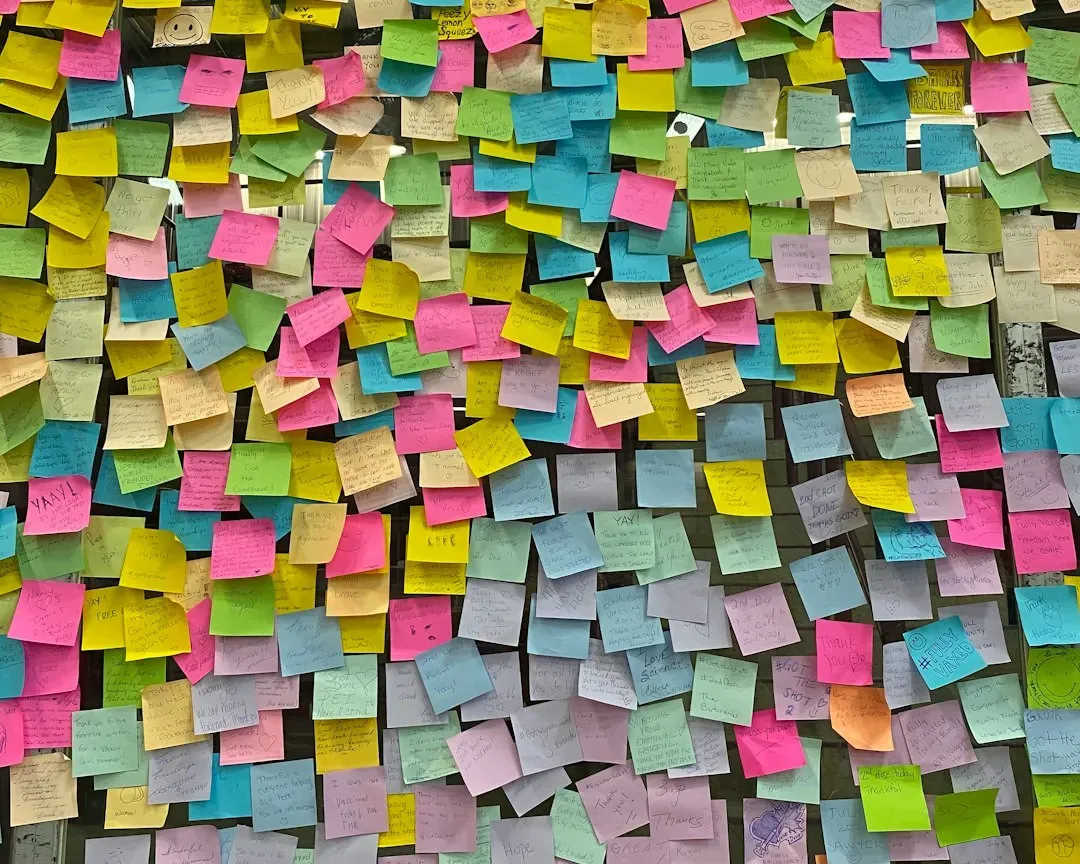
Imagine inventing a glue that barely sticks and thinking you’ve failed. That’s essentially what happened when chemists in the mid‑twentieth century started developing weak, pressure-sensitive adhesives that could stick, peel, and restick without leaving residue. At first, this sounded like the opposite of what anyone wanted from glue, which was supposed to be strong and permanent. It took a surprisingly long time before someone connected that “weakness” with a new kind of usefulness.
Those soft, microsphere-based adhesives eventually became the backbone of products like sticky notes, removable labels, and easy-peel tapes. They turned offices, classrooms, and kitchen counters into flexible, living to‑do lists. On the surface, it’s just tiny glue particles that deform and reform under gentle pressure; underneath, it completely changed how we organize thoughts, share reminders, and visually map out ideas. A lab curiosity became the quiet infrastructure of daily planning, from fridge messages to complex project boards.
From War Radar to Kitchen Staple: The Discovery of Microwave Heating

During World War II, engineers were working on radar systems using magnetrons to generate high‑frequency radio waves. In the middle of all that heavy military technology, an odd thing happened: someone noticed a chocolate bar had melted in a pocket while standing near active radar equipment. That tiny, messy moment revealed that microwaves could heat food quickly by exciting water molecules, long before anyone thought “fast food at home” was going to be a thing.
Decades later, the microwave oven turned that quirky lab observation into one of the most common appliances in the world. It reshaped how people cook, reheat, and even think about meals, especially in busy households and small apartments. Instead of long, slow evenings at the stove, you suddenly had leftovers ready in minutes and frozen meals that fit into tight schedules. A technology born out of war and radar quietly became the heartbeat of solo dinners, office lunches, and late‑night snacks, redefining the rhythm of modern time in the kitchen.
The Invisible Language Behind Every Screen: The Physics of Semiconductors
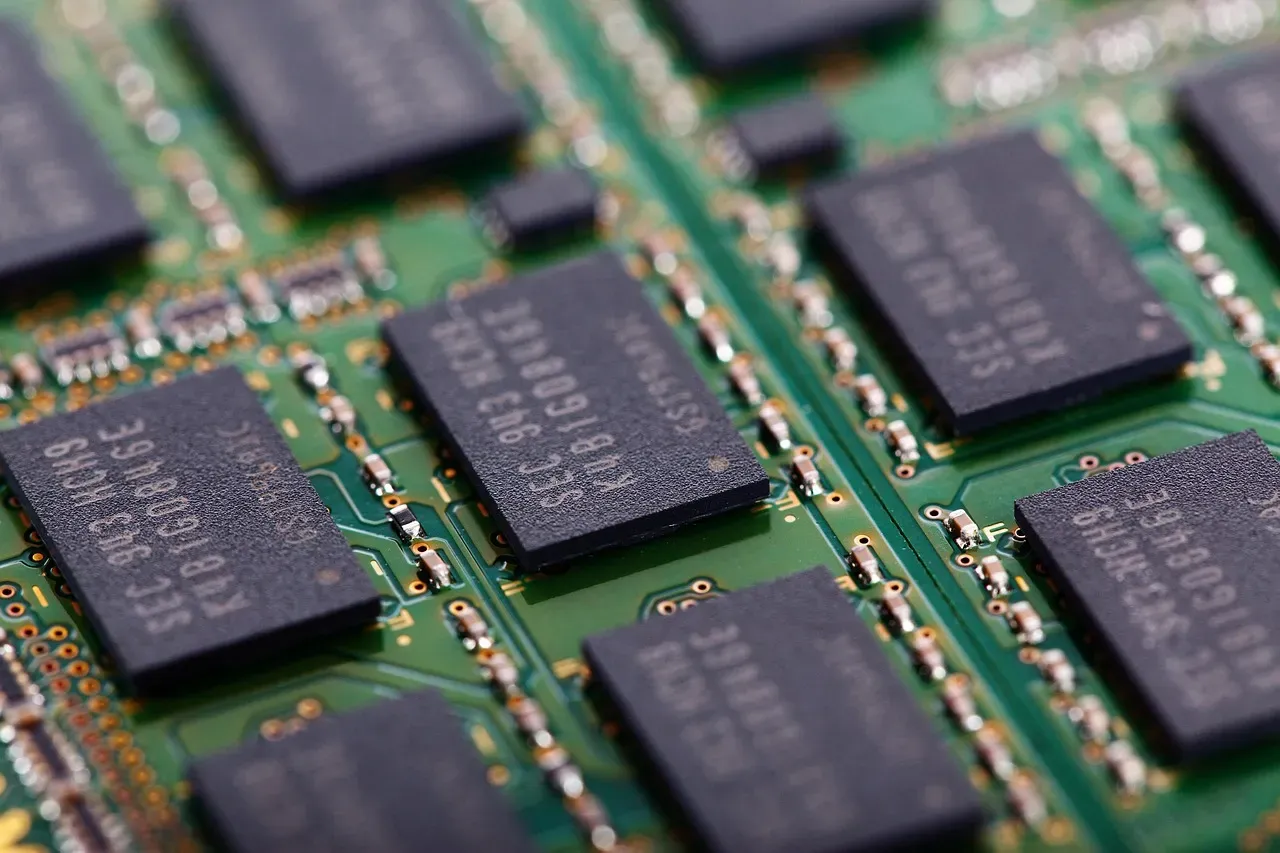
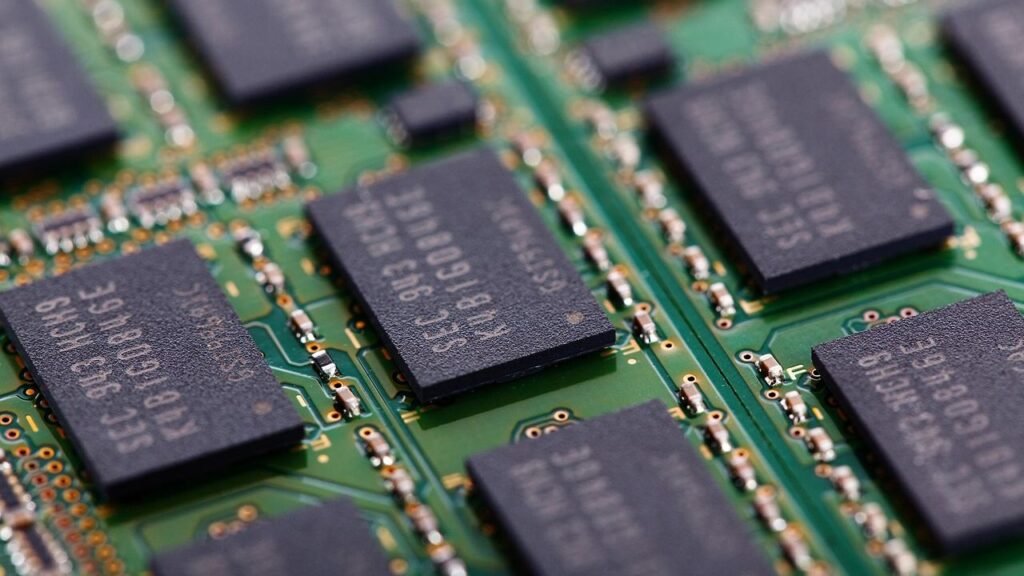
Before smartphones, laptops, and connected cars, semiconductor physics was a niche area of solid‑state research. Scientists were trying to understand how certain materials, like silicon, could sometimes conduct electricity and sometimes act like insulators, depending on how they were treated. That subtle behavior looked more like an academic puzzle than the foundation for a global digital society. It was the kind of topic you’d expect to stay on chalkboards and in dense papers.
Then came transistors and integrated circuits, squeezing logic and memory into tiny chips that now live inside almost everything. The abstract study of electrons moving through a crystal lattice turned into text messages, video calls, navigation apps, and streaming music on a bus ride home. Nearly every “magic” convenience of modern life is really just semiconductor physics doing predictably boring things at unimaginable speed. A field once confined to lab benches now quietly choreographs your day every time you unlock your phone or tap a contactless payment.
A Moldy Petri Dish That Reshaped Medicine: The Discovery of Antibiotics
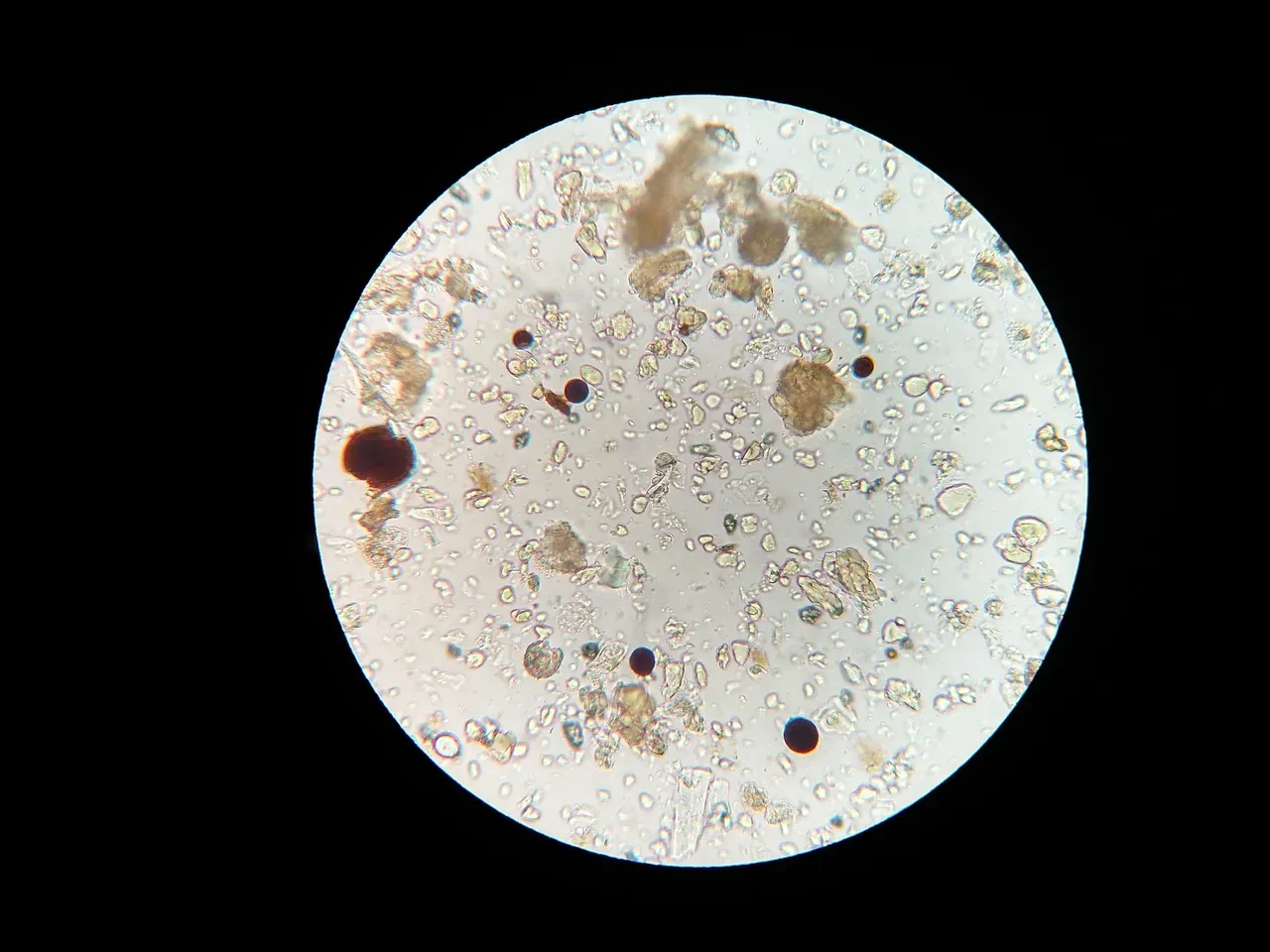
When researchers in the early twentieth century noticed that certain molds could kill bacteria in cultures, it seemed like a curious lab phenomenon. The world at that time was used to infections being deadly and routine injuries sometimes turning fatal. Early antibiotic work started as basic microbiology and chemistry, with no guarantee it would work safely in human bodies or be produced at scale. In some ways, it looked like just another oddity among countless microbial interactions.
Once antibiotics became widely available, everyday life changed so deeply that people now take it for granted. Minor cuts, infections after childbirth, dental work, and even surgeries grew far safer, drastically lowering the risk of death from bacteria that once terrorized families. The impact reaches into everything from average life expectancy to how confidently doctors perform complex procedures. It’s easy to forget that what feels like routine treatment began with noticing that a bit of mold in a dish created a bacteria‑free circle that rewrote medical history.
Lighting Up the Night: The Physics Behind LED Technology
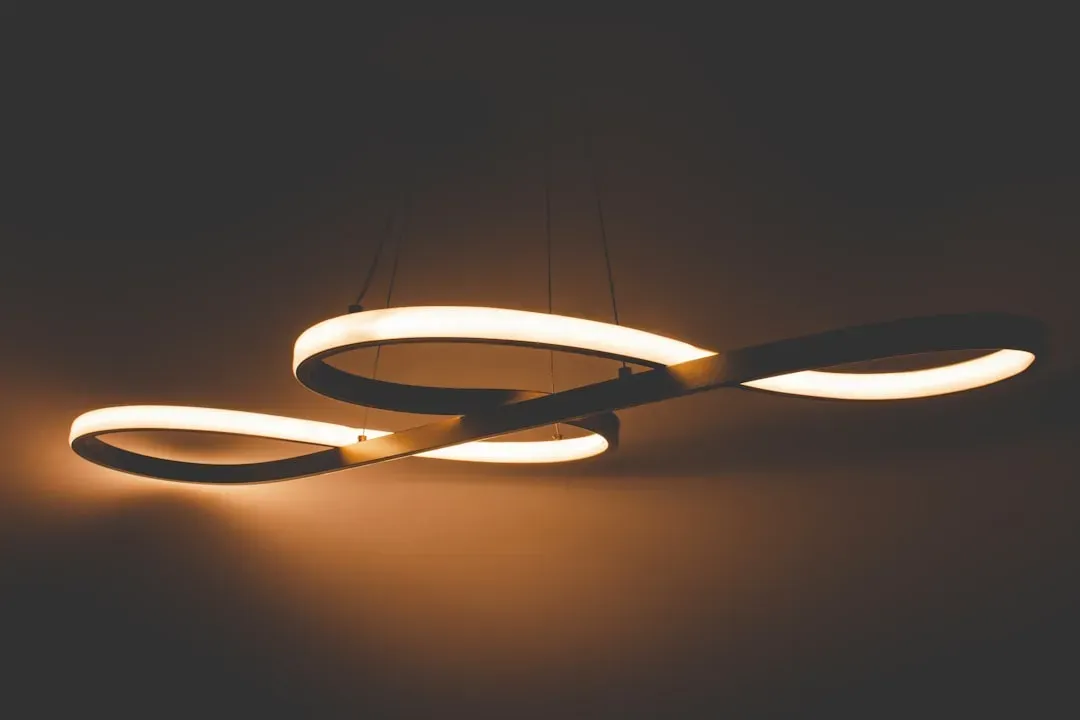
For a long time, lighting was a fairly brute‑force business: burn something, heat something, or run a lot of current through a filament until it glowed. Then solid‑state physics and materials science revealed that certain semiconductors emit light when electrons drop between energy levels. At first, those light‑emitting diodes were dim, expensive, and limited to simple indicator lights on electronics. They definitely didn’t look like the future of living room lamps or city street lighting.
As efficiency improved and costs dropped, LEDs exploded into everyday life – literally shining a different kind of light on our homes, cars, screens, and public spaces. They use far less energy than traditional bulbs and last much longer, quietly cutting electricity bills and carbon emissions around the world. They also allowed new designs: thin flat screens, colorful architectural lighting, and phone flashlights that fit in your pocket. What began as a technical curiosity about electrons and band gaps transformed the look and feel of nighttime itself, from cozy bedrooms to glowing skylines.
Quiet Breakthroughs, Loud Consequences
Looking at these discoveries side by side, a pattern emerges: the biggest changes to everyday life often start as side notes in a lab notebook or as tools for completely different goals. Weak glue, war radar, crystal lattices, moldy dishes, and faint semiconductor glows didn’t scream “This will transform your mornings and evenings.” Yet they did exactly that, one product and one habit at a time. Their power came not from grand slogans but from quietly reshaping ordinary moments.
There’s something strangely comforting in that. It means the next revolution in your daily routine might already exist, buried in some technical paper or small experiment nobody outside a narrow field is watching yet. Instead of giant leaps announced with fanfare, change often feels like a slow nudge – until you look back and realize life is completely different than it was a generation ago. Which of today’s obscure lab results do you think will sneak into your everyday life next?
Jan loves Wildlife and Animals and is one of the founders of Animals Around The Globe. He holds an MSc in Finance & Economics and is a passionate PADI Open Water Diver. His favorite animals are Mountain Gorillas, Tigers, and Great White Sharks. He lived in South Africa, Germany, the USA, Ireland, Italy, China, and Australia. Before AATG, Jan worked for Google, Axel Springer, BMW and others.