Most of us grew up with a pretty simple picture of the solar system: nine planets in neat circles around the Sun, a lonely Pluto at the edge, and maybe a few comets if the teacher was feeling ambitious. That version is charming, but it’s also wildly incomplete. The real solar system is stranger, more dramatic, and far more alive than any classroom poster ever hinted at.
Once you dig into what astronomers have discovered just in the last couple of decades, that childhood model feels like an early draft. Worlds made of metal, moons with hidden oceans, planets that defy the rules you were taught – it all starts to feel less like a science diagram and more like a sci‑fi universe you accidentally discovered was real. Let’s walk through some of the wildest facts that somehow never made it into the textbook.
The Sun Isn’t Quiet Or Stable – It’s A Roaring, Magnetic Beast
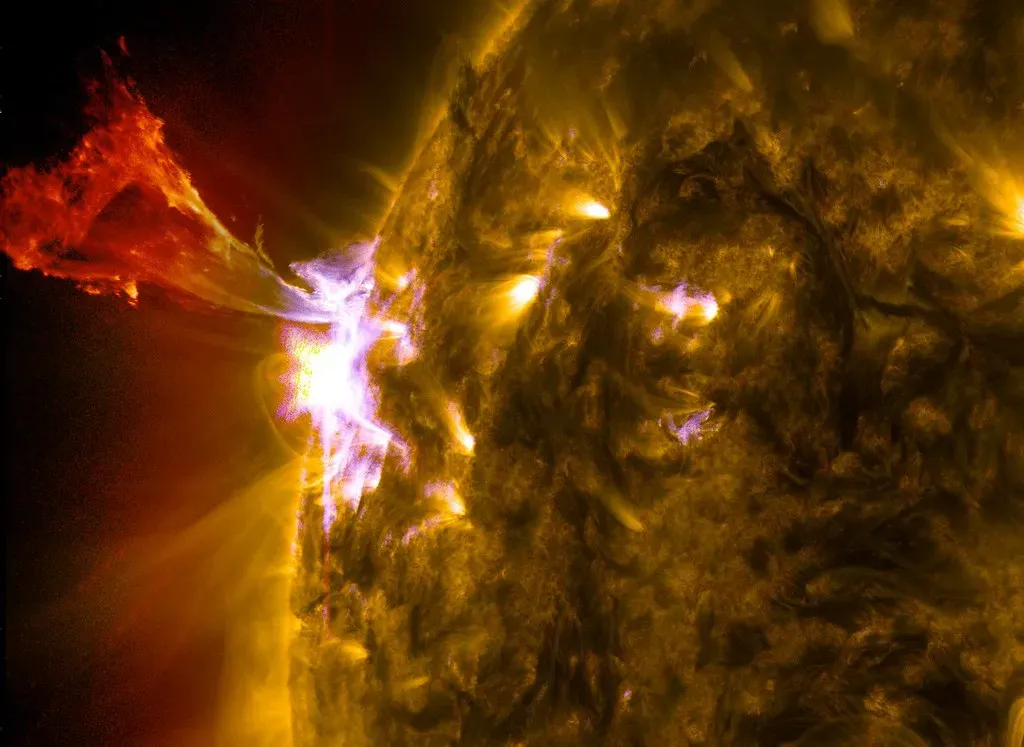
You might have been told the Sun is a stable, average star that just sits there politely shining. In reality, it’s more like a constantly boiling cauldron of charged particles and tangled magnetic fields. Huge eruptions called solar flares and coronal mass ejections can blast out so much energy that they disturb Earth’s magnetic field and knock out power grids and satellites.
Every roughly eleven years, the Sun goes through a cycle from calm to violently active, and we’re not just passive observers. Auroras that dance near the poles are literally our atmosphere getting slammed by solar particles and glowing in response. When I first realized that our “nice, friendly” Sun can spit out waves powerful enough to disrupt modern technology across an entire continent, it made the sky feel a lot less distant and a lot more personal.
Jupiter Is The Solar System’s Giant Bodyguard
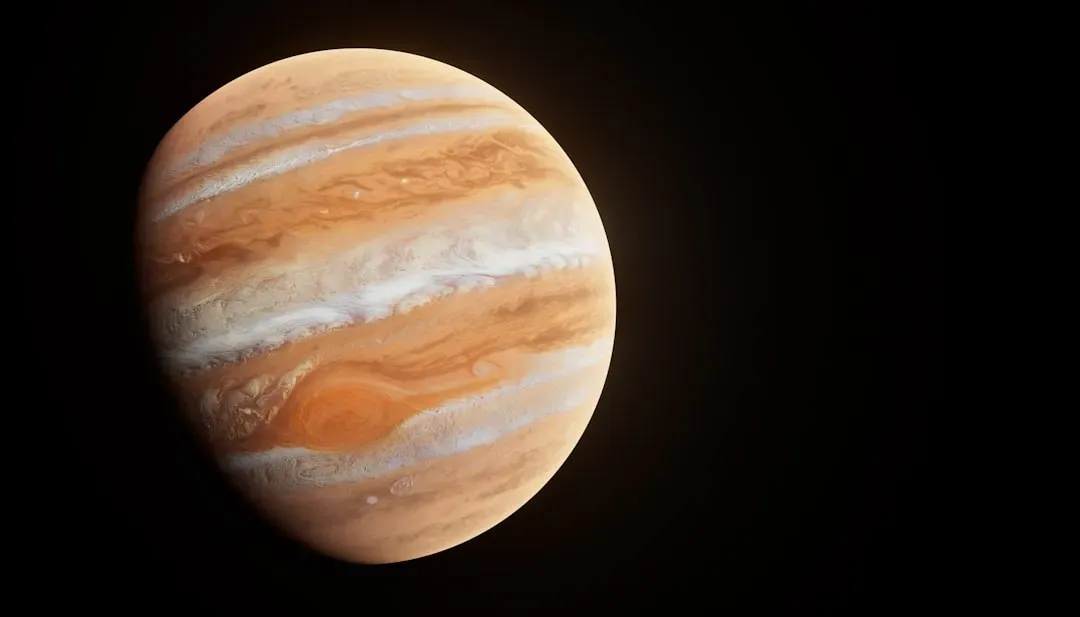
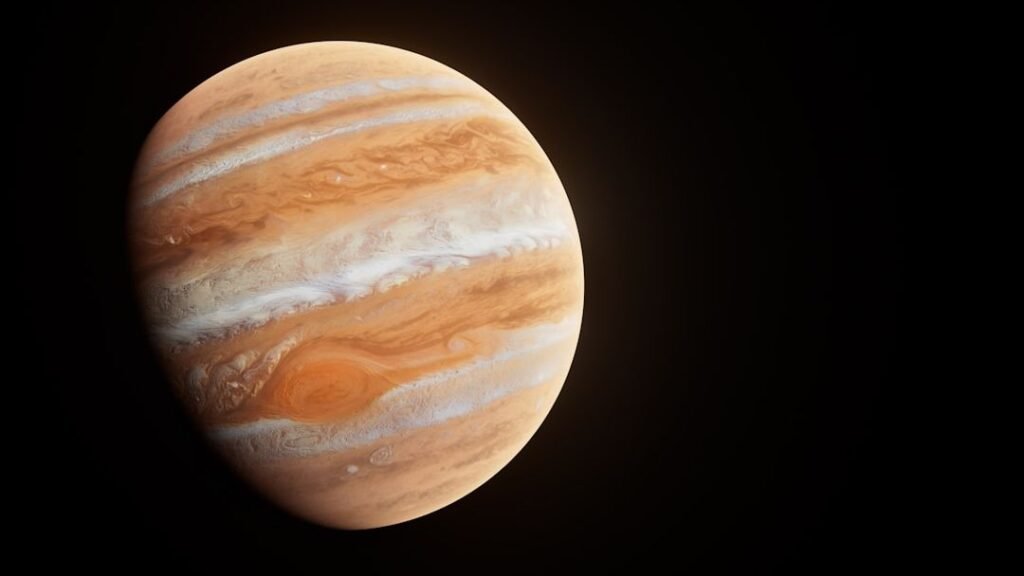
In school, Jupiter is usually introduced as “the biggest planet” and then the lesson quietly moves on. The part that often gets skipped is how much that bulk actually matters to us. With its immense gravity, Jupiter constantly tugs on asteroids and comets that wander too close, either absorbing them, breaking them apart, or flinging them out of the inner solar system entirely.
Earth has been hit by plenty of space rocks over billions of years, but without Jupiter, those impacts could have been far more frequent and devastating. Astronomers have watched large comets slam directly into Jupiter, their impact scars bigger than Earth itself. It’s hard not to think of Jupiter as a kind of cosmic bouncer standing near the door, dealing with trouble before it reaches the crowded inner bar where we’re quietly trying to exist.
Venus Is More Hellish Than Any Textbook Ever Let On
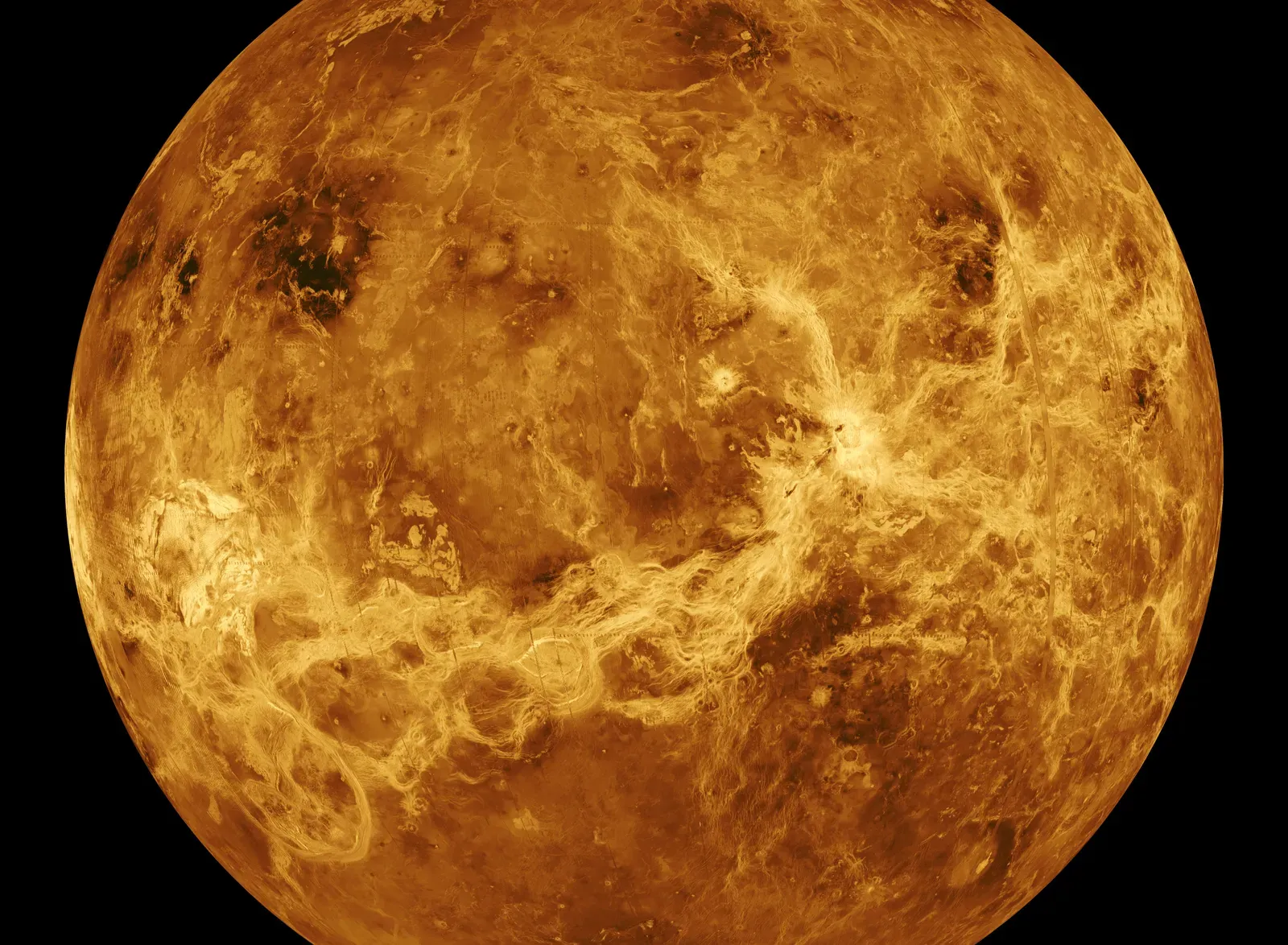
Maybe you heard Venus described as Earth’s “sister planet” because it’s about the same size and not very far away. That nickname feels almost darkly sarcastic once you know what Venus is actually like. Its surface is hot enough to melt lead, with temperatures that beat even Mercury despite being farther from the Sun, thanks to a runaway greenhouse effect that turned its atmosphere into an oven made of carbon dioxide and clouds of sulfuric acid.
Spacecraft that land on Venus survive only for a couple of hours before they’re crushed and cooked by its insane pressure and heat. Some scientists think Venus might once have had oceans and a much gentler climate before its atmosphere spiraled out of control. When you look at Earth’s climate debates today, Venus isn’t just an alien world – it’s a chilling worst‑case scenario sitting one orbit away.
Mars Has Ghosts Of Rivers, Lakes – And Maybe An Ancient Ocean
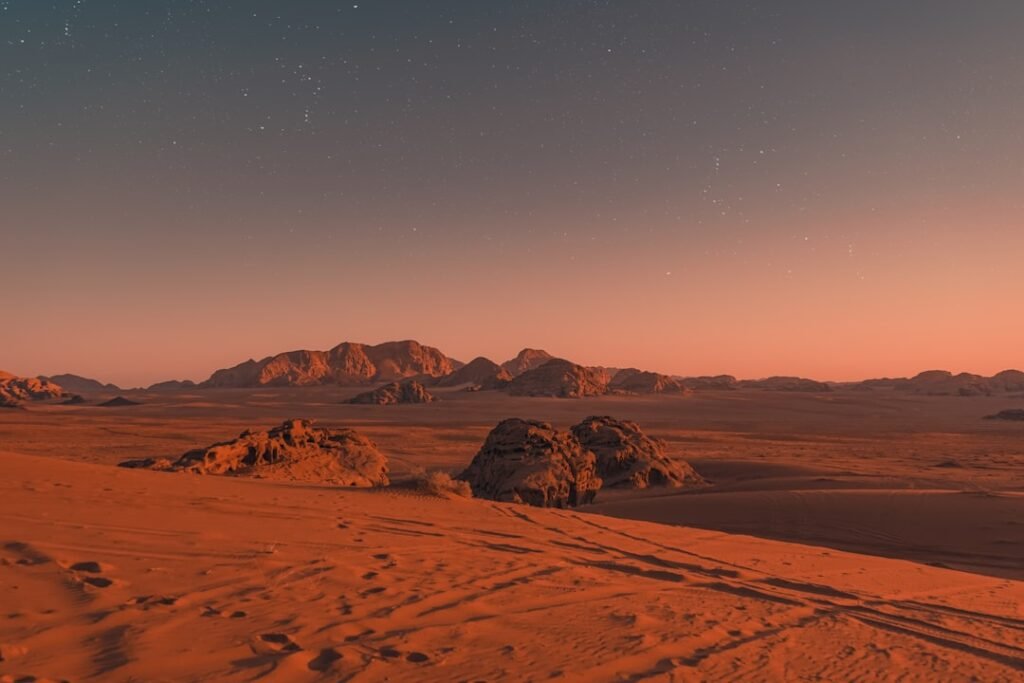
The Mars you saw in old school diagrams probably looked like a dusty red orb, dry and dead. But close‑up images and data from orbiters and rovers have revealed river valleys, lakebeds, and layered sediments that look uncannily like features carved by flowing water on Earth. There’s strong evidence that billions of years ago, Mars had a much thicker atmosphere and enough liquid water on its surface to form rivers that could run for thousands of kilometers.
Today, that water is mostly locked away as ice in the polar caps and in the ground, with traces of moisture in the atmosphere. Some missions have found minerals that typically form in water, which deepens the mystery of what kind of environment Mars truly had and for how long. When people talk about ancient Martian lakes and possibly even a northern ocean, it makes Mars feel less like a lifeless rock and more like a crime scene where the main question is: what exactly killed its habitability?
Saturn’s Rings Are Young, Fragile – And Might Be Temporary
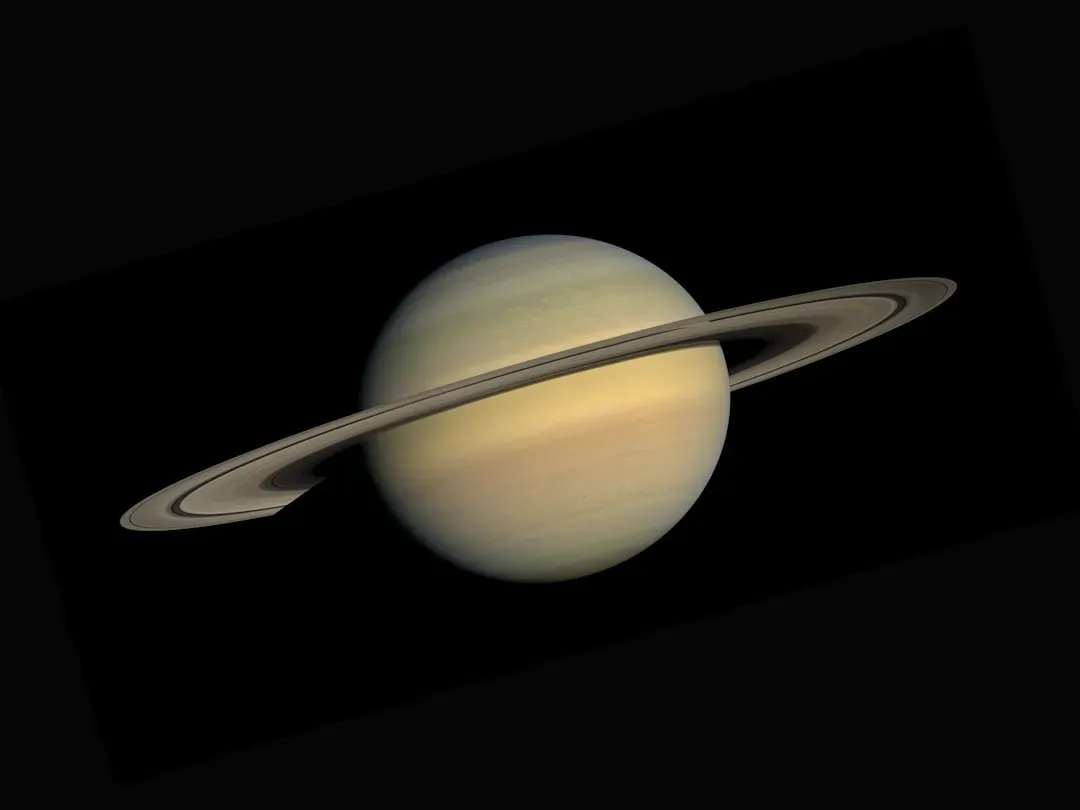
Saturn’s rings are often presented as timeless decorations, as if they’ve been there since the birth of the solar system and will stay forever. More recent research suggests something very different and a bit unsettling: its rings might be surprisingly young, perhaps only tens of millions of years old, which is a tiny fraction of the solar system’s age. They seem to be made mostly of bright, clean ice, which would have darkened significantly if they’d been orbiting there for billions of years.
Even more surprising, those rings appear to be slowly losing material, raining tiny bits of ice and dust down onto Saturn itself. That means we’re living in a brief window of cosmic time when Saturn just happens to have huge, photogenic rings. If intelligent beings had evolved on Earth at a different era, they might have looked through their telescopes and seen a bare, unadorned Saturn – and never dreamed anything was missing.
Some Moons Might Be Better Homes For Life Than Mars
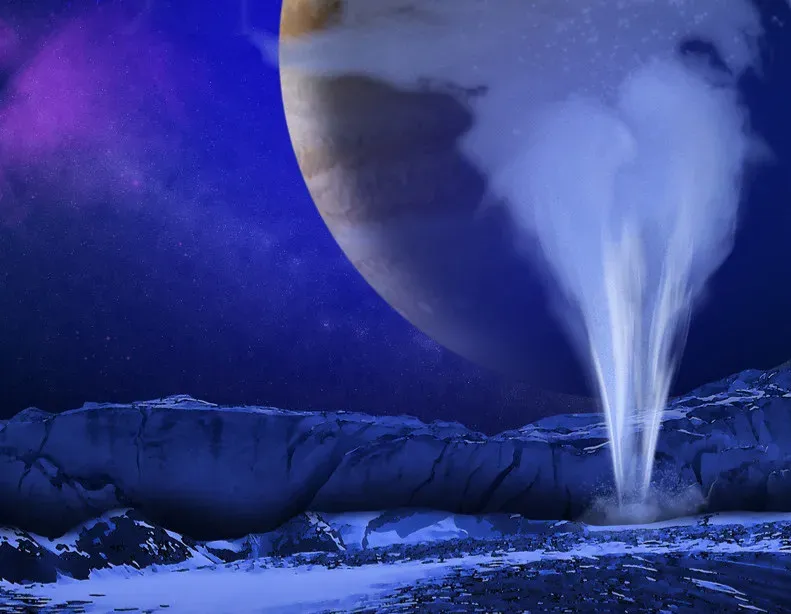
School lessons tend to focus on Mars as the big hope for finding life, but a few icy moons in the outer solar system might secretly have better odds. Jupiter’s moon Europa and Saturn’s moon Enceladus both seem to hide deep global oceans of liquid water beneath their frozen surfaces. In Enceladus’s case, we’ve even seen geyser‑like plumes spraying water vapor and icy particles into space, laced with organic molecules and signs of hydrothermal activity.
Life on Earth thrives in deep‑sea hydrothermal vents, where heat and chemistry create a kind of underwater oasis completely independent of sunlight. That makes these dark ocean moons incredibly tempting places to search for microbes, or at least for the chemical building blocks of life. It flips the script we grew up with: instead of only looking for Earth‑like surfaces bathed in sunlight, we’re now taking seriously the idea that some of the most promising habitats might be hidden under kilometers of ice, in eternal night.
There’s A Metal World In The Asteroid Belt Unlike Anything Else
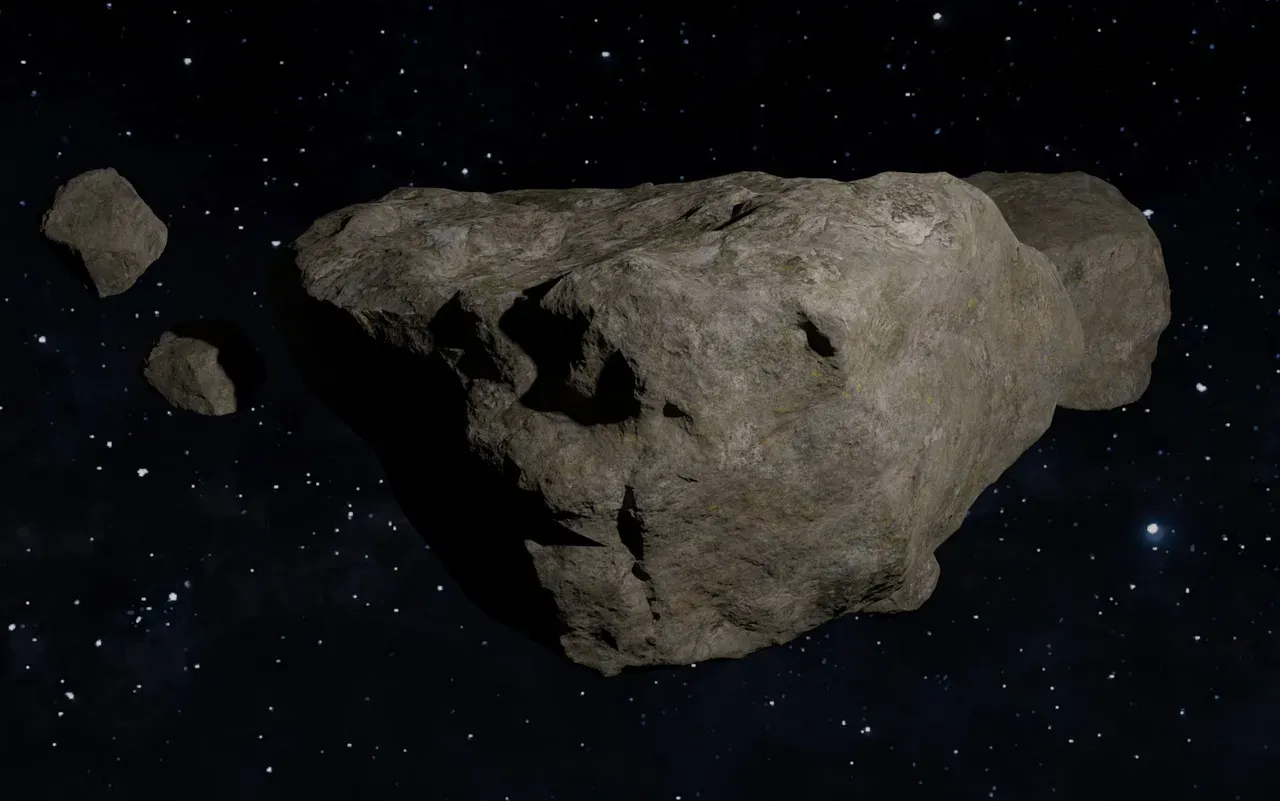
The asteroid belt is often described as a scattered collection of rocks, but one world in there completely breaks that mold. Psyche, a large asteroid that NASA targeted with a mission, appears to be made mostly of metal rather than rock or ice. Many scientists think it could be the exposed core of a once larger, destroyed protoplanet – basically the stripped‑down heart of a failed world that never fully formed.
If that’s true, Psyche offers a front‑row seat to the kind of metallic core that lies hidden deep inside Earth and the other rocky planets. Instead of guessing based on indirect clues, we can actually visit something that may have the same kind of iron‑rich structure, but without thousands of kilometers of rock in the way. It’s like finding the engine of a car lying on the roadside, completely separate from the vehicle it was once meant to power.
Pluto Turned Out To Be Shockingly Complex, Not Just A Frozen Rock
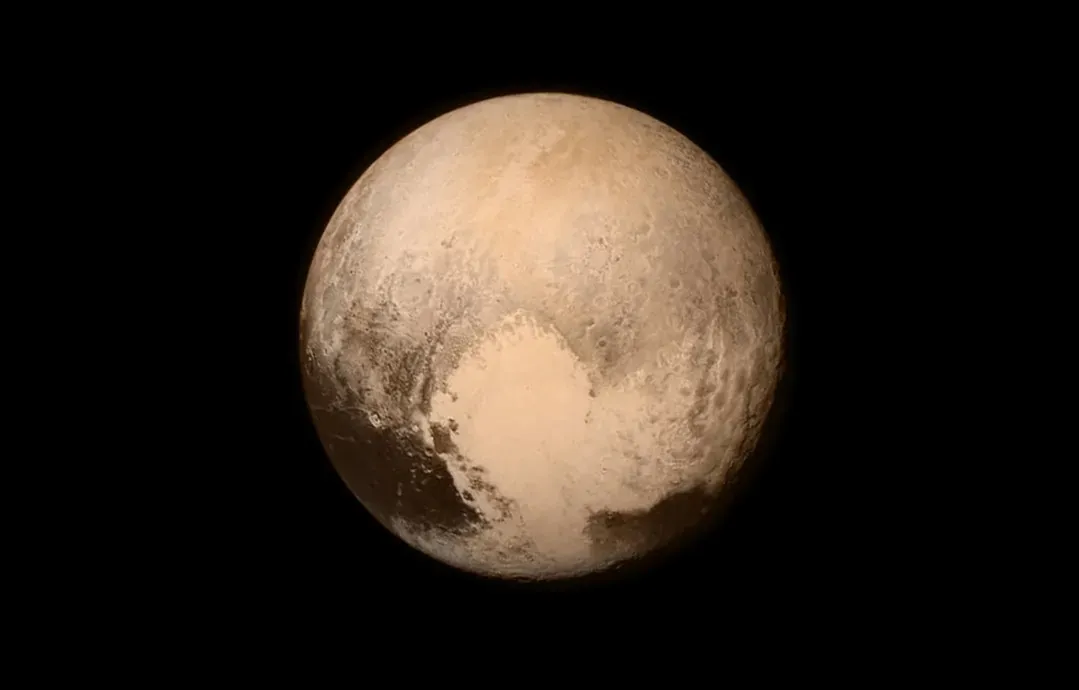
For years, Pluto was treated almost like a cosmic afterthought – small, distant, and eventually demoted from full planetary status. When the New Horizons spacecraft finally flew past it, the images shattered that dismissive image in a matter of hours. Instead of a bland ice ball, Pluto showed off towering mountains of water ice, vast smooth plains of nitrogen ice, and hints of possible cryovolcanoes that might once have erupted slushy, icy material.
One large, heart‑shaped region on its surface turned out to be an enormous basin filled with ices that may still be slowly flowing and reshaping the landscape. There are also clues that Pluto might have a buried ocean of liquid water deep underground, kept warm by internal heat. If a tiny world at the edge of the solar system can be this dynamic and weird, it makes you wonder how many other “unremarkable” objects are secretly hiding entire stories we haven’t even thought to ask about.
The Solar System Has A Massive, Invisible Bubble Around It
We usually picture the solar system as ending somewhere beyond Pluto, maybe with a few comets in the distance. In reality, the Sun blows a constant wind of charged particles outward in all directions, creating a huge bubble in the thin gas between the stars. This bubble, called the heliosphere, stretches far beyond the outer planets and acts as a kind of shield that deflects some of the highest‑energy cosmic rays from deep space.
Spacecraft like Voyager 1 and Voyager 2 have actually crossed the boundary where the Sun’s influence begins to give way to the interstellar medium. That crossing isn’t a hard edge like a fence, more like a messy shoreline where two very different seas meet. Realizing that we live not just around a star, but inside a vast, moving bubble that drifts through the galaxy, makes our entire solar system feel less like an isolated island and more like a ship sailing an enormous, rough ocean.
The Planets Don’t Really Orbit In Perfect Circles Or A Flat Plane
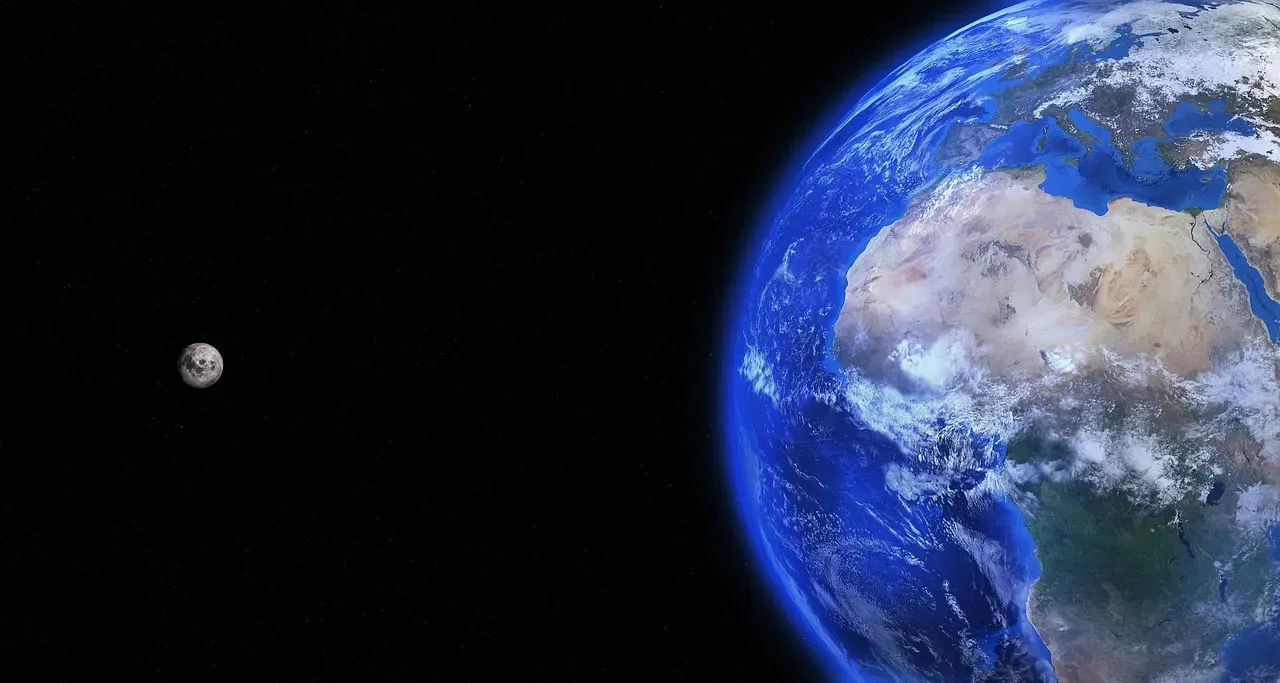
Those clean textbook diagrams of the solar system, with planets in flat, evenly spaced circles, were always a giant simplification. The real orbits are ellipses, stretched in different ways, and they’re slightly tilted relative to one another, making the whole thing more like a warped, layered disk than a flat record. Over long stretches of time, the gravitational nudges the planets give each other gradually shift those orbits, like dancers subtly changing their steps over a very long song.
Even the Sun doesn’t sit still in the middle; it wobbles around a bit as the giant planets tug on it, so everything is constantly in motion together. When you step back and picture it honestly, the solar system stops looking like a tidy diagram and starts feeling more like a slow, complex choreography. It’s less a clockwork toy and more a living, shifting structure that just happens to be stable enough for us to exist inside it at this particular moment.
The Solar System Is Stranger, Wilder – And More Alive – Than You Were Told
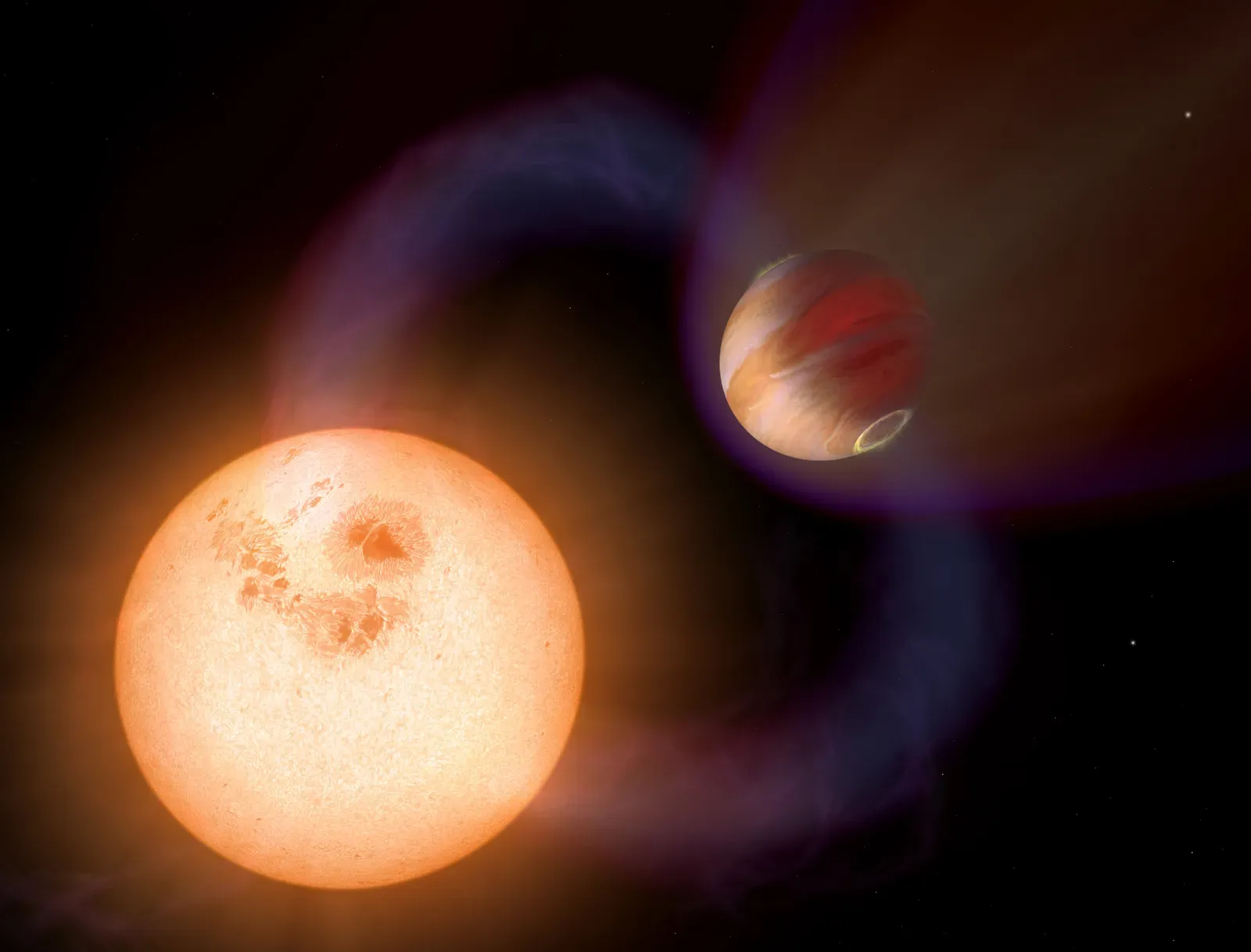
Once you see past the simplified version from school, the solar system stops being a quiet neighborhood of predictable planets and turns into a place full of violence, hidden oceans, temporary rings, metal worlds, and living magnetic storms. It’s not a static backdrop for Earth’s story; it’s an active, evolving environment that has shaped our history and will influence our future in ways we’re only starting to grasp. New missions keep peeling back layers, and almost every time we look closely at a world we thought we understood, it surprises us.
Knowing all this changes how it feels to look up at the sky, because you’re not just seeing distant dots anymore – you’re seeing the outlines of places that are far more complex than anyone hinted to you as a kid. The school version was the trailer; the real thing is the full movie that’s still being filmed. Which of these facts challenged your old mental picture of the solar system the most?