

You are being pushed, pulled, steered, and sometimes tricked every second of the day by forces you cannot see, touch, or smell, yet they quietly script your reality. From the way your phone clings to a wireless signal to the way your mood shifts with the weather, invisible dynamics are not science fiction background noise; they are the main storyline. Scientists are now mapping these hidden players with a precision that would have seemed impossible only a few decades ago, revealing not just how they work, but how they quietly bias our choices and societies. This article dives into some of the most important of these unseen forces, from gravity and microbes to algorithms and quantum fields, and shows how they are reshaping our understanding of what is really in control.
Gravity’s Subtle Tyranny Over Everyday Life
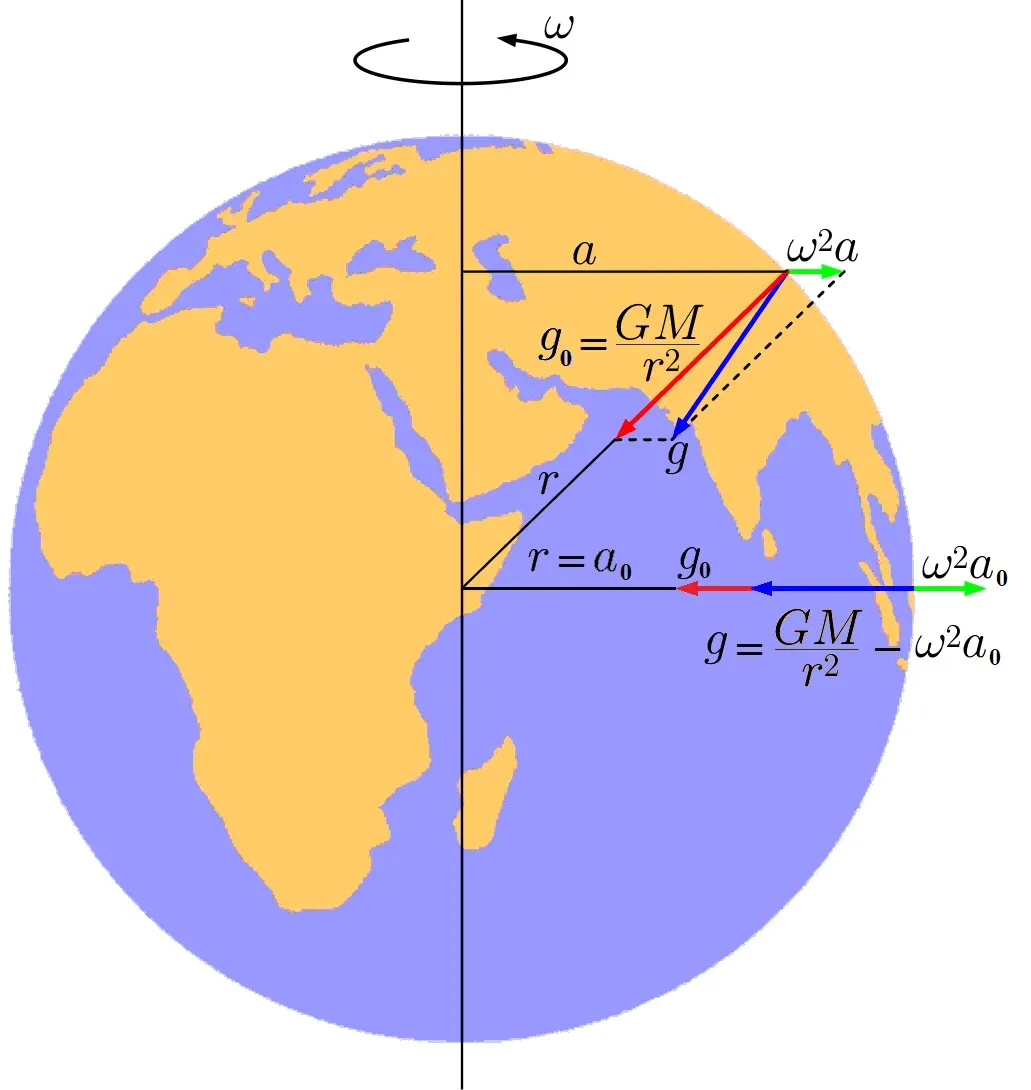
It is easy to treat gravity as boring background, but it is one of the most ruthless dictators of what is and is not possible on Earth. You cannot see the spacetime curvature that keeps your feet planted, yet it determines everything from how tall trees can grow to how your heart pumps blood to your brain. Engineers design buildings, bridges, and even microchips under constant negotiation with this invisible pull, calculating loads and stresses that most of us never consider. Astronauts discover its true power only in its absence, when months in microgravity weaken bones and muscles so dramatically that intensive rehab is needed just to walk again.
On planetary scales, gravity decides where oceans sit, how air wraps around the globe, and how climate circulations form, making it a quiet co-author of weather disasters and gentle breezes alike. Even your sense of “up” and “down” is a brain-level illusion built on the continuous stream of data from gravity-sensitive sensors in your inner ear. Remove or modify that field, and your intuitive reality dissolves; you get dizzy, nauseated, disoriented. We talk about gravity figuratively as a kind of seriousness, but its literal grip is one of the deepest, most inescapable conditions of being alive on this planet.
Magnetic Fields: The Hidden Architecture Guiding Creatures and Machines
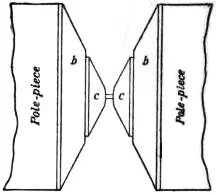
Long before humans learned to swing a compass needle, Earth’s magnetic field was already quietly steering life. Many migratory birds, sea turtles, and even some tiny bacteria appear to sense magnetic patterns, using them like a built-in, planet-scale GPS as they move across oceans and continents. You cannot see those field lines pouring out of the poles, yet they help shield our atmosphere from charged particles streaming from the Sun, which would otherwise strip away air and slam electronics with radiation. When intense solar storms twist that invisible field, they can ignite shimmering auroras in the sky while also threatening satellites and power grids on the ground.
At much smaller scales, magnetic forces sit at the heart of technologies we treat as mundane. The data on older hard drives was literally encoded in tiny magnetic domains; even modern solid-state memory depends on quantum-scale interactions that grew out of magnetic research. Magnetic resonance imaging uses delicately tuned magnetic fields and radio waves to map the inside of a human body without a single cut, turning invisible tissues into detailed images doctors can read. From animal navigation to medical diagnostics, magnetism is one of those unseen backbones of civilization we only notice when something goes wrong.
Electromagnetic Waves: The Invisible Web Carrying Our Thoughts
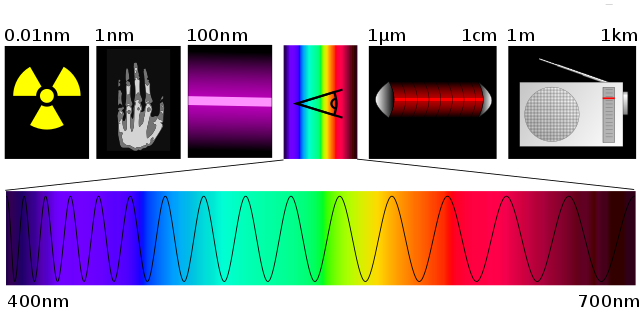
Every time you refresh a page, send a text, or stream a video, you are riding on oscillations in electromagnetic fields that no human eye can detect. Radio, Wi‑Fi, Bluetooth, GPS, and cellular networks all use different slices of the same invisible spectrum, choreographing signals so precisely that billions of devices can talk at once without constant chaos. Engineers shape these waves using antennas, materials, and clever encoding schemes, turning subtle ripples in the air into meaningful patterns: voices, maps, emergency alerts, and late-night memes. The room you are in right now is probably buzzing with overlapping, carefully regulated radio signals passing straight through you.
What makes this even stranger is that visible light is just a tiny sliver of the same family, meaning your everyday vision is tuned to a very narrow channel of a much richer invisible broadcast. At higher energies, ultraviolet rays can damage DNA, while X‑rays and gamma rays penetrate flesh and metal, both useful and dangerous depending on the dose. Governments and scientists constantly measure and regulate electromagnetic emissions to balance connectivity with safety, and current evidence suggests that typical exposure levels from consumer devices are well below known harmful thresholds. Still, the fact remains: much of your mental life now rides on unseen waves, tying your private thoughts into a global nervous system you never actually see.
Microbes and Molecules: A Hidden Biosphere Running the Show

From arm’s length, a forest looks like trees and birds; zoom down several orders of magnitude, and you find a vast, invisible majority doing much of the real work. Microbes in soil break down dead matter, recycle nutrients, and even help plants trade resources through networks of fungi and bacteria that act almost like an underground internet. In the ocean, microscopic plankton produce a significant share of the oxygen you breathe, while other microbes drive key steps in the carbon cycle that govern climate over centuries. None of this is apparent from a beach vacation snapshot, yet your comfortable atmosphere depends on their tireless, unseen chemistry.
Inside your own body, bacterial cells and viruses far outnumber your human cells, forming communities that help digest food, train your immune system, and may even influence mood and behavior. Researchers have found intriguing links between gut microbes and conditions like depression or obesity, suggesting that tiny organisms you never notice may nudge your cravings and energy levels. Airborne molecules like hormones, pollutants, and allergens also work quietly in the background, drifting through homes and cities to alter health over years. The modern ability to sequence DNA and analyze these micro-communities is revealing a world where “you” is not a single organism, but an ecosystem of invisible allies and adversaries co-writing your reality.
Algorithms and Data: Digital Forces Steering Human Decisions
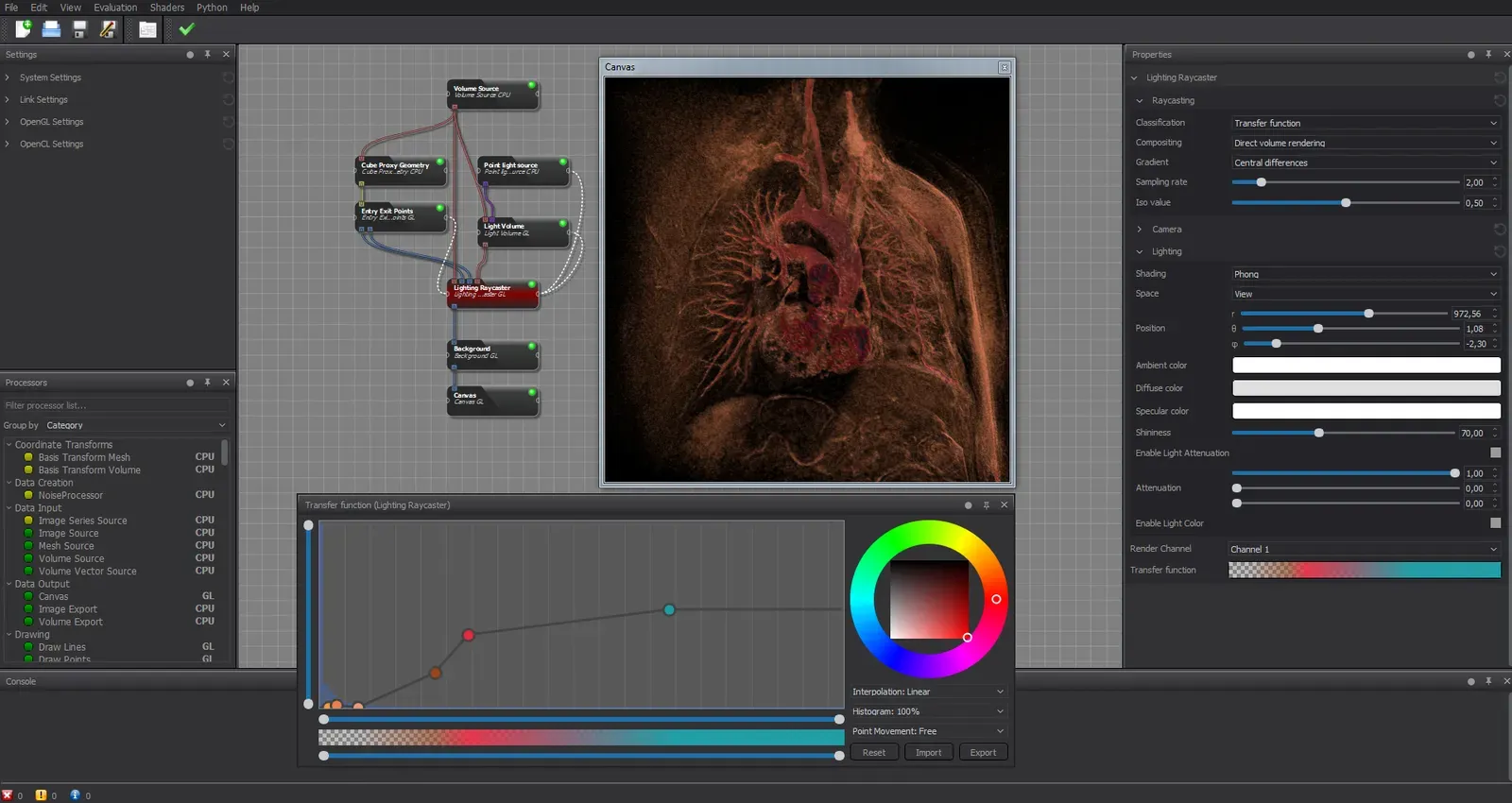
Not all invisible forces are physical; some are made of code and probability, and they increasingly shape what you see, buy, and believe. Recommendation algorithms decide which videos appear in your feed, which search results rise to the top, and which posts seem popular, nudging your attention with subtle but powerful bias. These systems learn patterns from enormous datasets, spotting correlations no human could track, then quietly steering behavior in ways that can increase engagement, shift opinions, or reinforce habits. You rarely see the decision rules themselves, only the end result: a feed that feels strangely tailored, a price that seems to change, a suggestion that appears just when you were thinking about it.
There is real scientific rigor behind these tools – statistics, machine learning, behavioral science – but they operate mostly behind closed doors, making them feel like a black box. Studies have documented cases where algorithmic systems unintentionally amplified misinformation or showed biased outcomes in hiring, lending, or policing, revealing how invisible math can have very tangible consequences. Governments, researchers, and advocates are now pushing for transparency, audits, and regulation to make these digital forces more accountable. In a sense, we are only beginning to realize that along with gravity and electromagnetism, we now live under the influence of algorithmic fields that bend the landscape of choices around us.
Quantum Fields: When Empty Space Is Anything But Empty
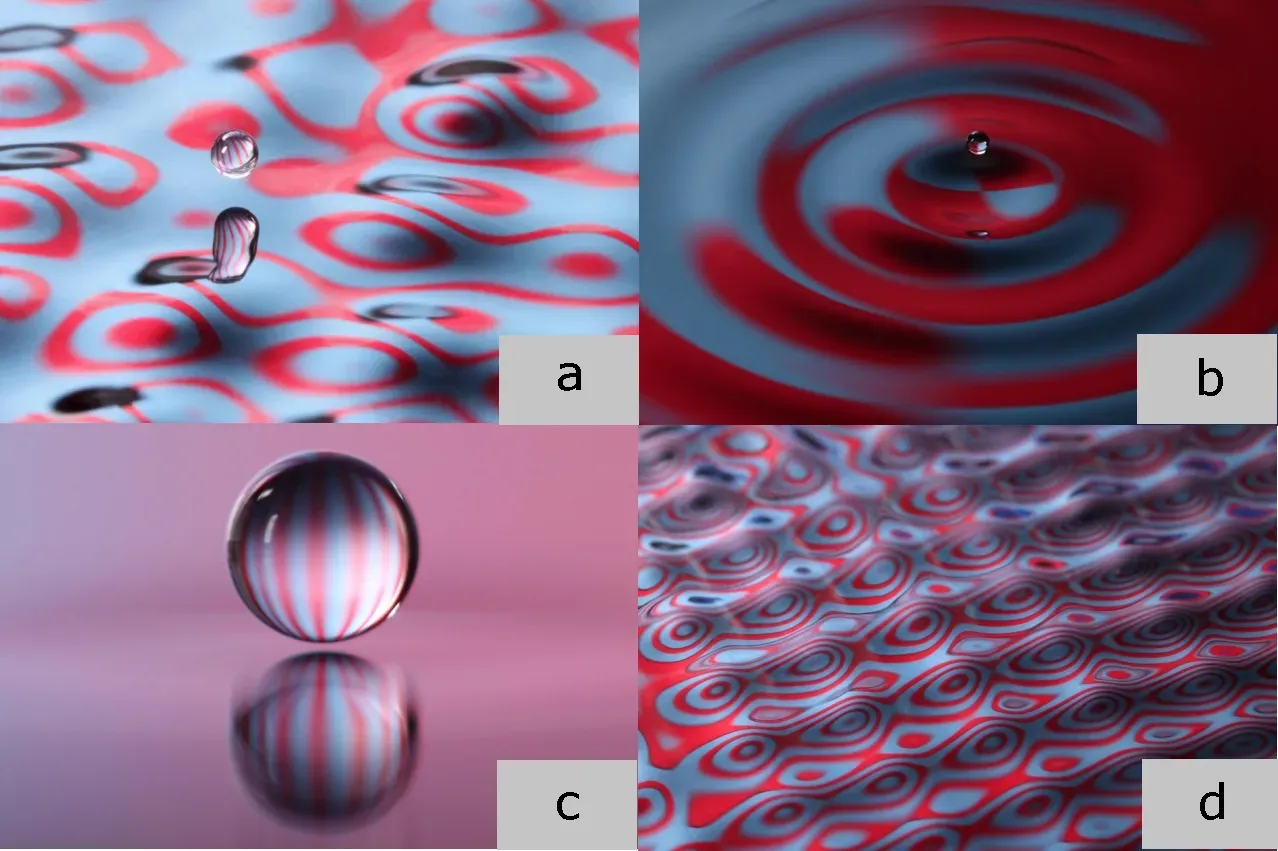
At the smallest scales we can probe, reality stops behaving like solid objects moving through an empty stage and starts looking like a restless sea of fields. Quantum field theory, the framework behind modern particle physics, treats particles not as standalone specks but as excitations – ripples – in underlying fields that permeate all of space. What we call a photon is a vibration in the electromagnetic field; an electron is a disturbance in the electron field, and so on. This means the apparently empty space between you and your screen is actually filled with a web of fields poised to flicker with activity.
Experiments have shown that so-called vacuum is not truly nothing: particle–antiparticle pairs can momentarily appear and disappear, and subtle effects like the Casimir force can arise between metal plates placed extremely close together. On cosmic scales, something like dark energy – an invisible pressure associated with space itself – seems to be accelerating the expansion of the universe, yet we still do not fully understand its nature. These are not speculative fantasy elements but pillars of the Standard Model and cosmology, supported by particle collider data, precision measurements, and astronomical observations. If gravity is the straightforward ruler of everyday life, quantum fields are the strange undercurrent, quietly dictating the rules from the subatomic basement of reality.
From Ghost Stories to Measured Forces: How Our Understanding Evolved

For most of human history, invisible influences were explained in terms of spirits, curses, or vague “vapors,” because people could see the effects but not the mechanisms. A sudden illness, a failing crop, or a strange light in the sky easily fed into supernatural narratives when no instruments existed to detect microbes, energy, or fields. Over centuries, painstaking experiments turned some of those ghostly notions into measurable phenomena: electric charges that could be stored, waves that could be transmitted, microorganisms that could be stained and seen. Each new detection technology – from microscopes to radio receivers to particle detectors – pulled one more unseen actor out of the dark.
Yet even modern science retains a kind of humility in the face of what we still cannot observe directly. Dark matter and dark energy are inferred from their gravitational effects and cosmic expansion, not from direct detection in a lab. The brain’s electrical and chemical signals can be imaged with increasing resolution, but consciousness itself remains stubbornly hard to pin down in physical terms. Our cultural shift has largely been from attributing mystery to intention – an angry god, a malicious spirit – to attributing it to mechanisms we have not fully mapped yet. The invisible forces around us did not appear with modern science; we simply became more honest and more precise about how we talk about them.
Why These Hidden Forces Matter More Than Ever
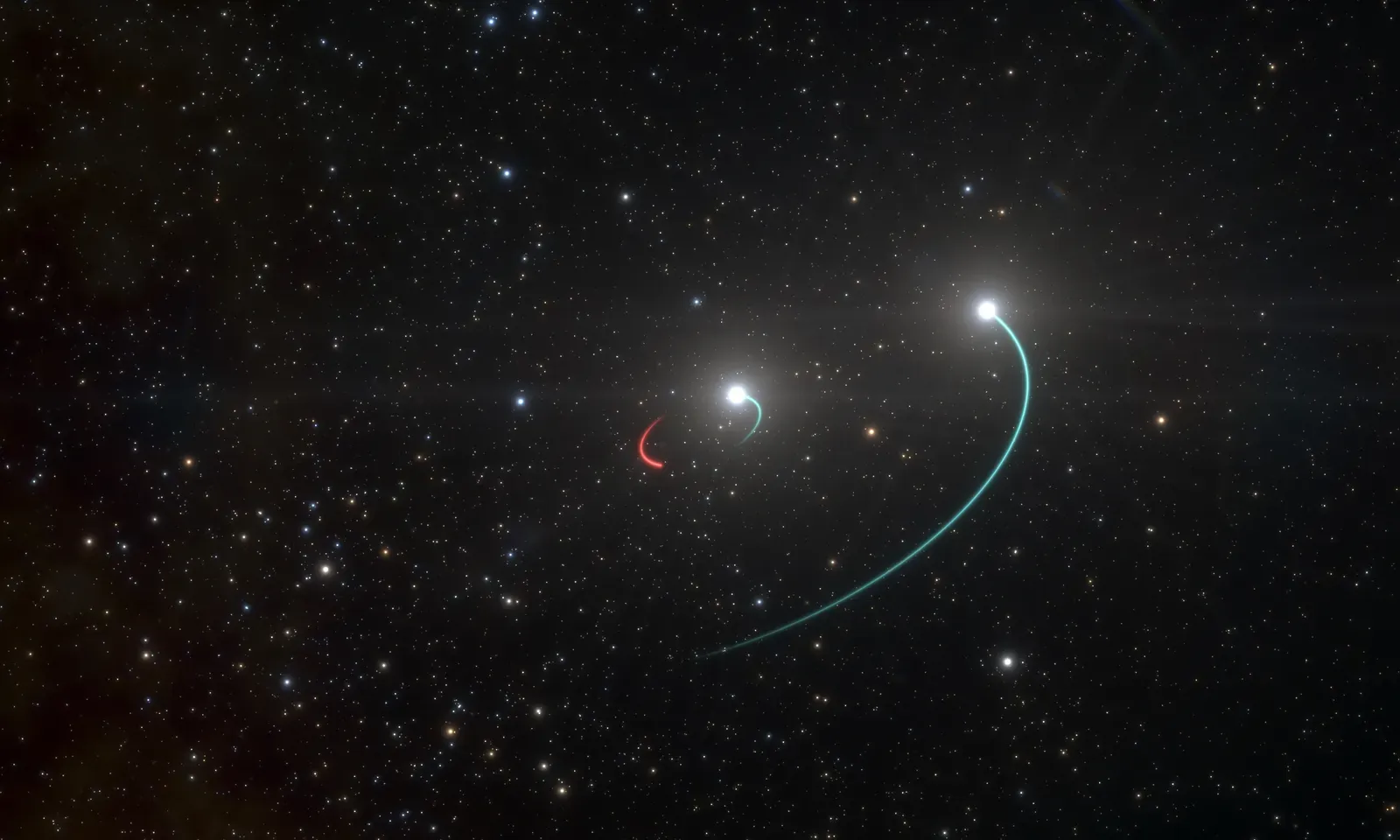
The deeper significance of all these unseen influences is not just that they are strange or cool; it is that they quietly set the constraints and possibilities for everything we care about. Climate change, for example, is driven by invisible gases altering the flow of infrared radiation, which in turn changes temperature, rainfall, and sea level in ways people feel very directly. Public health relies on understanding invisible pathogens and immune responses, which can determine whether a new virus becomes a minor outbreak or a global crisis. Even democratic processes can be nudged by algorithm-driven information flows and micro-targeted messaging that most voters never realize they are seeing in a filtered way.
Compared with earlier eras, we now have the tools to measure, model, and sometimes mitigate these forces, but that power comes with responsibility. Old methods based on simple cause-and-effect thinking often fail when systems are tangled, feedback-rich, and sensitive to tiny hidden changes. Modern interpretations emphasize networks, probabilities, and interactions: how one invisible factor like an aerosol particle can influence cloud formation, which alters sunlight, which feeds back into temperature and human behavior. Recognizing this layered reality does not mean surrendering to complexity; it means accepting that the most important levers are often the ones we cannot see, and insisting that decisions reflect that deeper, evidence-based picture.
Learning to Notice What You Cannot See
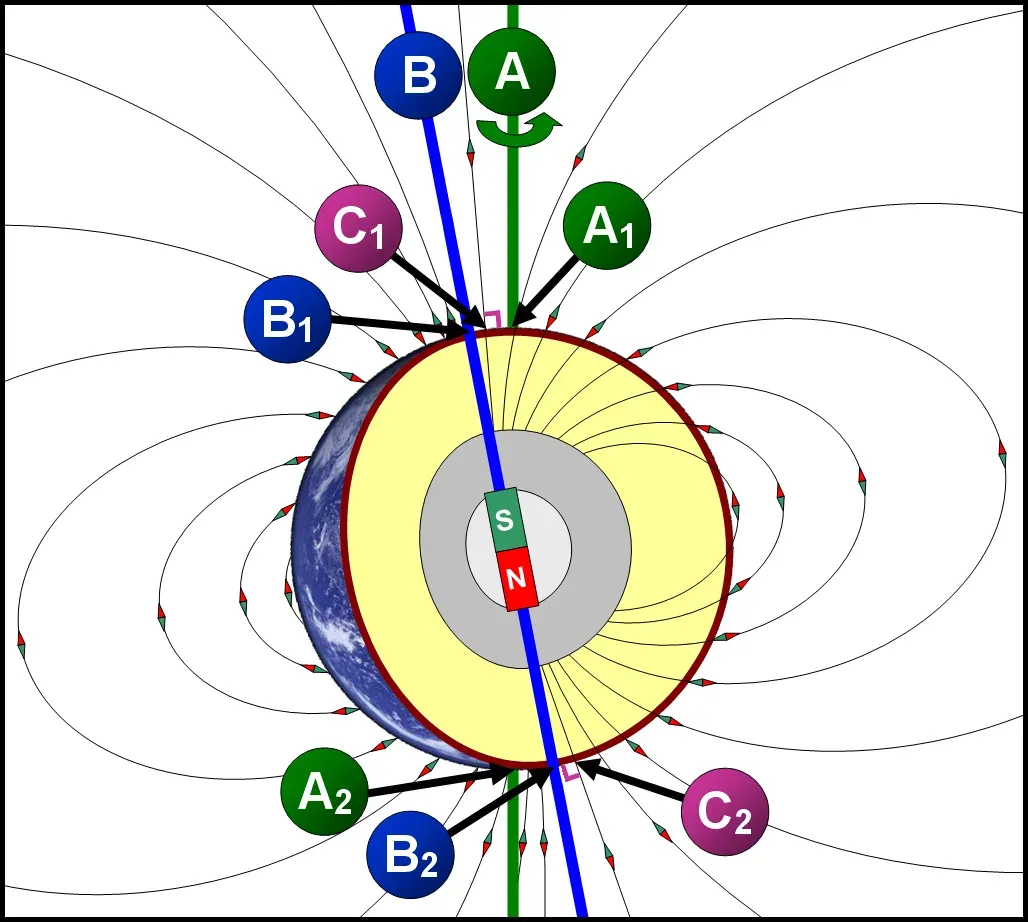
You cannot feel Earth’s magnetic field or watch quantum fluctuations with your bare eyes, but you can train yourself to think in terms of hidden forces instead of simple surfaces. The next time your phone’s GPS syncs, you can picture signals from multiple satellites threading through the sky, timing differences triangulating your position with eerie precision. When you hear about a heatwave, you can imagine invisible greenhouse gases soaking up infrared radiation, subtly changing the balance of energy in the atmosphere. Even pausing to consider the microbial communities on your hands before you eat can shift the way you relate to hygiene and illness.
There are practical ways to turn this mindset into action: follow reputable science journalism and institutional research updates, support policies grounded in atmospheric and epidemiological data, and stay curious about how algorithms shape what you see online. Museums, planetariums, public lectures, and reputable online courses can all help turn abstract forces into intuitive stories. Once you start looking, patterns emerge everywhere, and the world becomes less like a flat stage and more like a multilayered drama of fields, particles, codes, and microbes. If invisible forces are already dictating so much of your reality, the real question is whether you want to move through that world unaware – or learn to see the currents that were always there.
Suhail Ahmed is a passionate digital professional and nature enthusiast with over 8 years of experience in content strategy, SEO, web development, and digital operations. Alongside his freelance journey, Suhail actively contributes to nature and wildlife platforms like Discover Wildlife, where he channels his curiosity for the planet into engaging, educational storytelling.
With a strong background in managing digital ecosystems — from ecommerce stores and WordPress websites to social media and automation — Suhail merges technical precision with creative insight. His content reflects a rare balance: SEO-friendly yet deeply human, data-informed yet emotionally resonant.
Driven by a love for discovery and storytelling, Suhail believes in using digital platforms to amplify causes that matter — especially those protecting Earth’s biodiversity and inspiring sustainable living. Whether he’s managing online projects or crafting wildlife content, his goal remains the same: to inform, inspire, and leave a positive digital footprint.