We like to think we’ve mapped, measured, and modelled our planet down to the last pebble. Satellites scan every coastline, AI crunches climate data, and deep-sea robots roam the ocean floor. And yet, scattered across Earth are places and phenomena that quietly shrug at our confidence and whisper: you still don’t really know me.
Some of these mysteries are beautiful, some are unsettling, and some feel almost like plot twists in a story we thought we’d already read. They challenge our sense of certainty, expose the limits of our technology, and remind us that the world is far stranger than our school textbooks ever suggested. Let’s step into eight of those places where science still doesn’t have all the answers – and might not for a long time.
The Deepest Dark: Life in the Mariana Trench
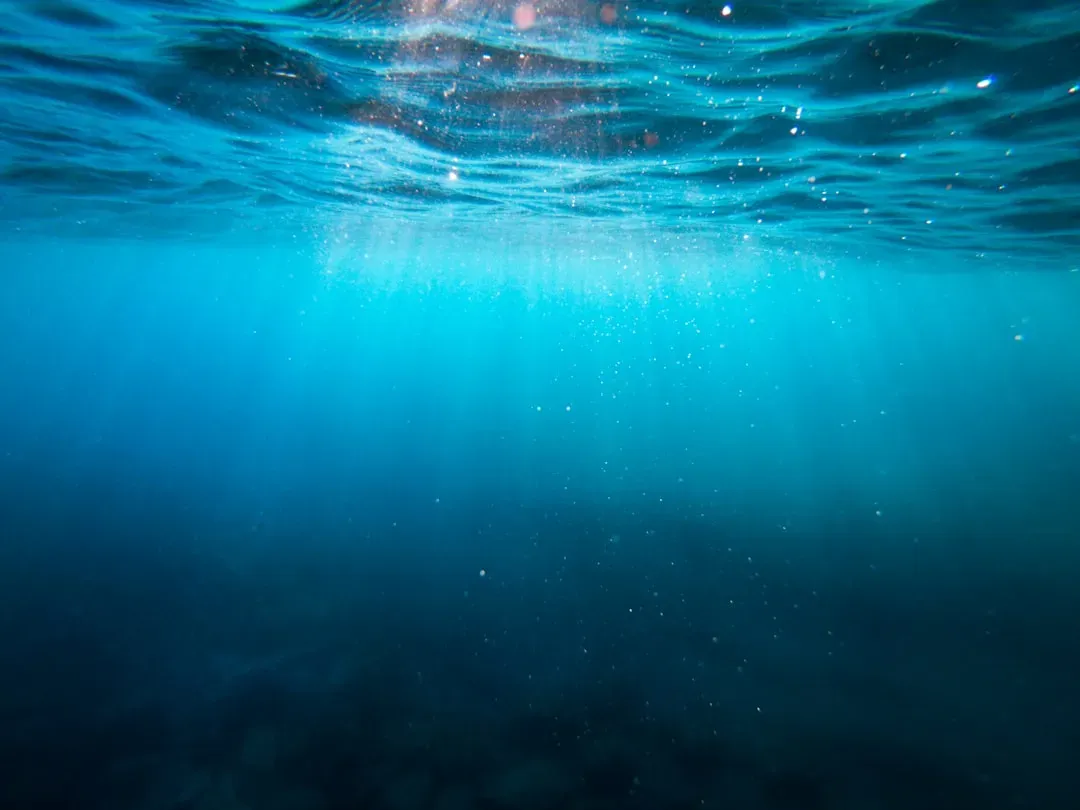
Imagine a place so deep that if you dropped Mount Everest into it, the summit would still be underwater. That’s the Mariana Trench, almost eleven kilometers down in the western Pacific, where pressures are more than a thousand times higher than at sea level and sunlight is completely absent. For decades, scientists assumed it would be nearly lifeless, a kind of underwater desert too extreme for anything complex to survive.
Instead, every time researchers send down more capable robots and submersibles, they find something new and baffling: strange snailfish with translucent bodies, microbial mats living off chemical reactions in rocks, and organisms with cell membranes and proteins unlike anything on the surface. We know life is there, but we still don’t fully understand how it builds cell structures that can function under such crushing pressure. It raises uncomfortable questions about where life could exist elsewhere in the universe, and even about how much of Earth’s own biosphere we’re still completely blind to.
The Singing Dunes That Roar Like Distant Thunder
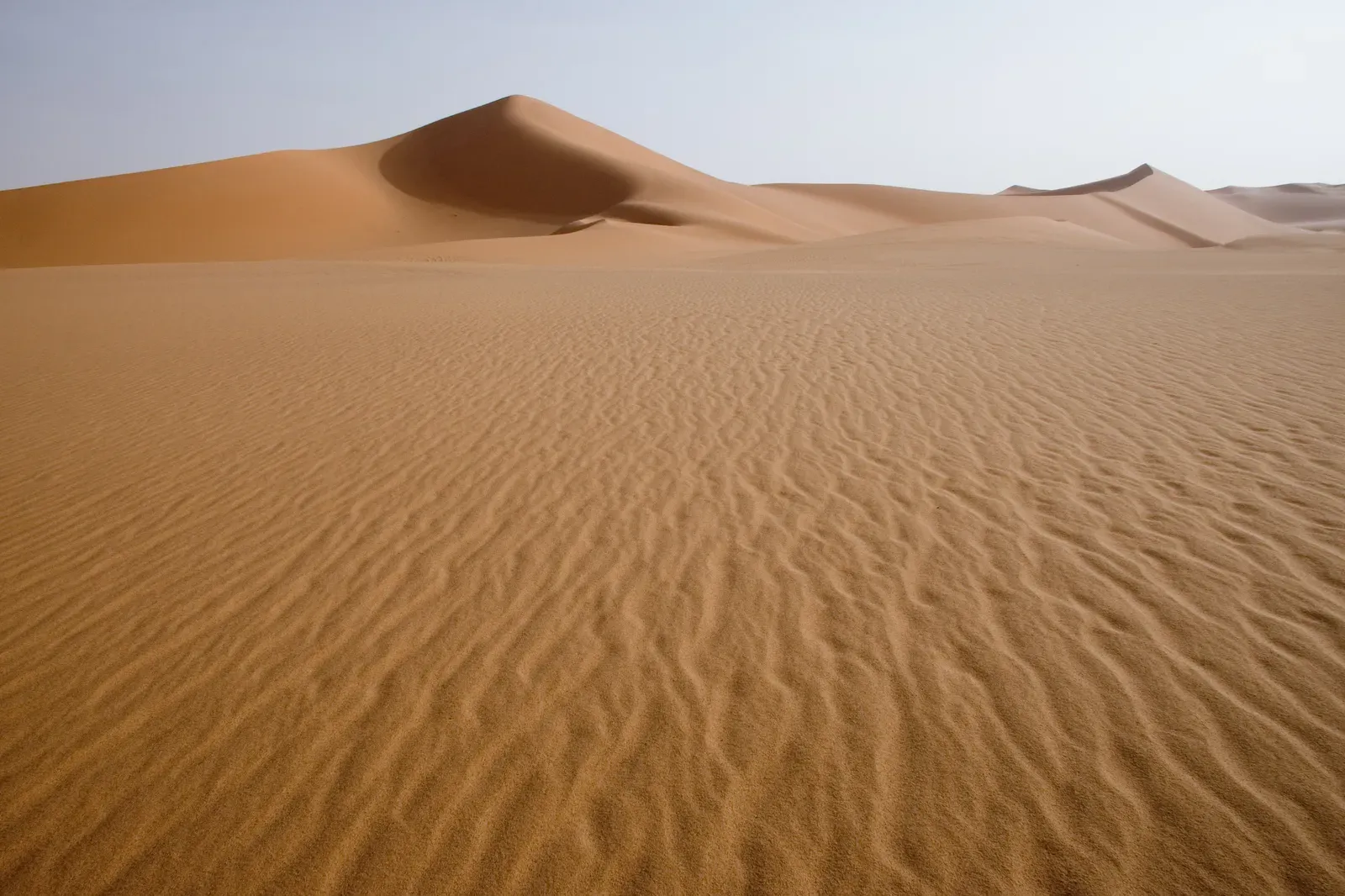
Some deserts don’t just stretch silently to the horizon – they sing, boom, and roar. In places like the Sahara, the Gobi, and a few coastal dunes, shifting sand can produce a deep, eerie hum that can last for minutes, sounding like a plane flying overhead or a distant, rolling thunderstorm. Travelers wrote about these “singing sands” centuries ago, and for a long time the explanations were basically guesses.
Modern experiments have shown that when millions of grains slide together at just the right speed and angle, they can synchronize and vibrate like a giant loudspeaker. But here’s the weird part: not all dunes sing, and even dunes that look nearly identical can behave completely differently. Grain size, shape, humidity, and internal layering all seem to matter, yet scientists still can’t reliably predict which dunes will boom and which will stay mute. It’s like having two guitars built from the same wood where one produces music and the other just… doesn’t.
The Bermuda Triangle and Its Vanishing Acts
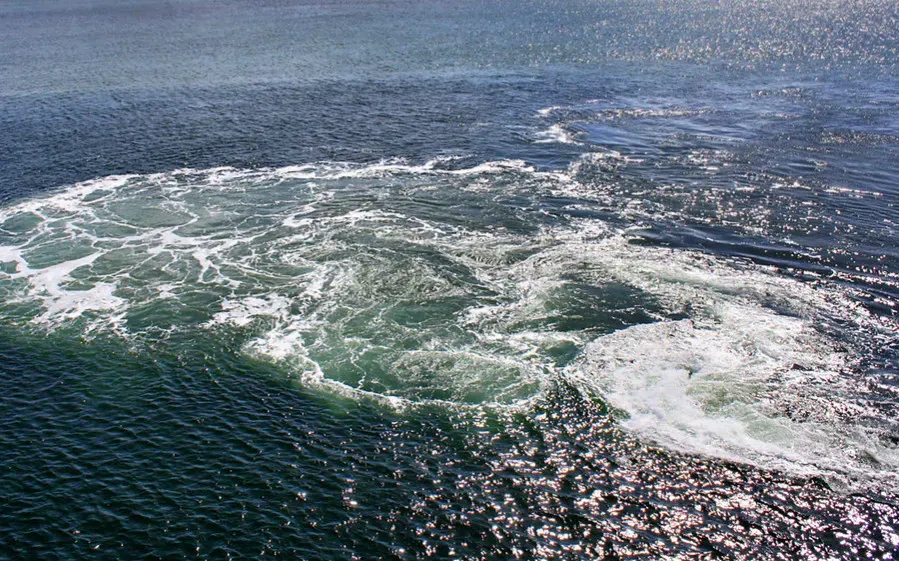
The Bermuda Triangle, roughly between Miami, Bermuda, and Puerto Rico, has become almost a modern myth, blamed for disappearing ships, missing planes, and all kinds of paranormal stories. A lot of the old tales are exaggerated or just plain wrong, and researchers have repeatedly found that many incidents were due to human error, storms, or navigation mistakes. On paper, there’s no single smoking gun that proves this region is more dangerous than any other heavily traveled ocean corridor.
And yet, some puzzles linger. The area is notorious for sudden, violent weather changes, strange cloud formations, and powerful currents. There are also theories involving undersea methane hydrates that might, in rare conditions, reduce water density and affect ships’ stability. None of this fully explains every report, though, and there’s no unified theory that ties all the oddities together. The Bermuda Triangle sits in a strange space between legend and science: too sensational to ignore, but too messy to cleanly solve.
The Tunguska Mystery: An Explosion Without a Crater
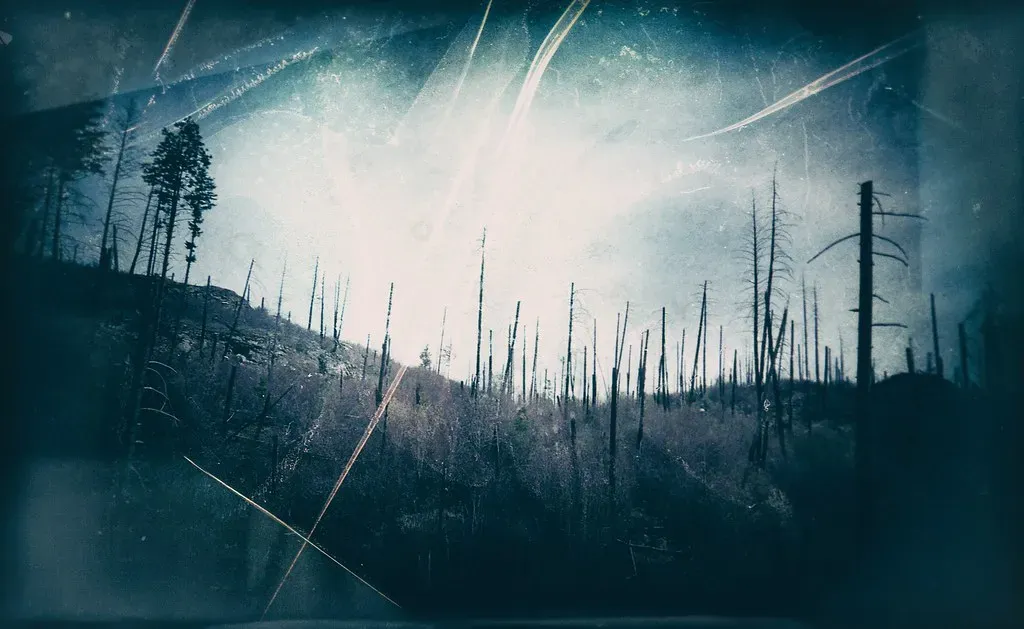
In 1908, something exploded over a remote part of Siberia near the Tunguska River, flattening roughly two thousand square kilometers of forest and knocking people off their feet hundreds of kilometers away. The blast energy was comparable to a large nuclear bomb, yet there was no obvious impact crater and no confirmed fragment of an asteroid or comet found at the site. For decades, it was the world’s biggest unsolved explosion story.
The leading idea is that a space rock or comet fragment entered the atmosphere and detonated in an airburst, vaporizing before it could hit the ground. That fits some of the data, but it doesn’t perfectly explain the pattern of tree damage, accounts of glowing skies, or the lack of definitive debris. Other fringe ideas have popped up over the years, but none survive serious scientific scrutiny. Tunguska remains uncomfortably open-ended: we’re pretty sure an airburst did it, but “pretty sure” feels thin when we’re talking about planet-scale risks.
The Great Blue Hole and Its Silent Signals
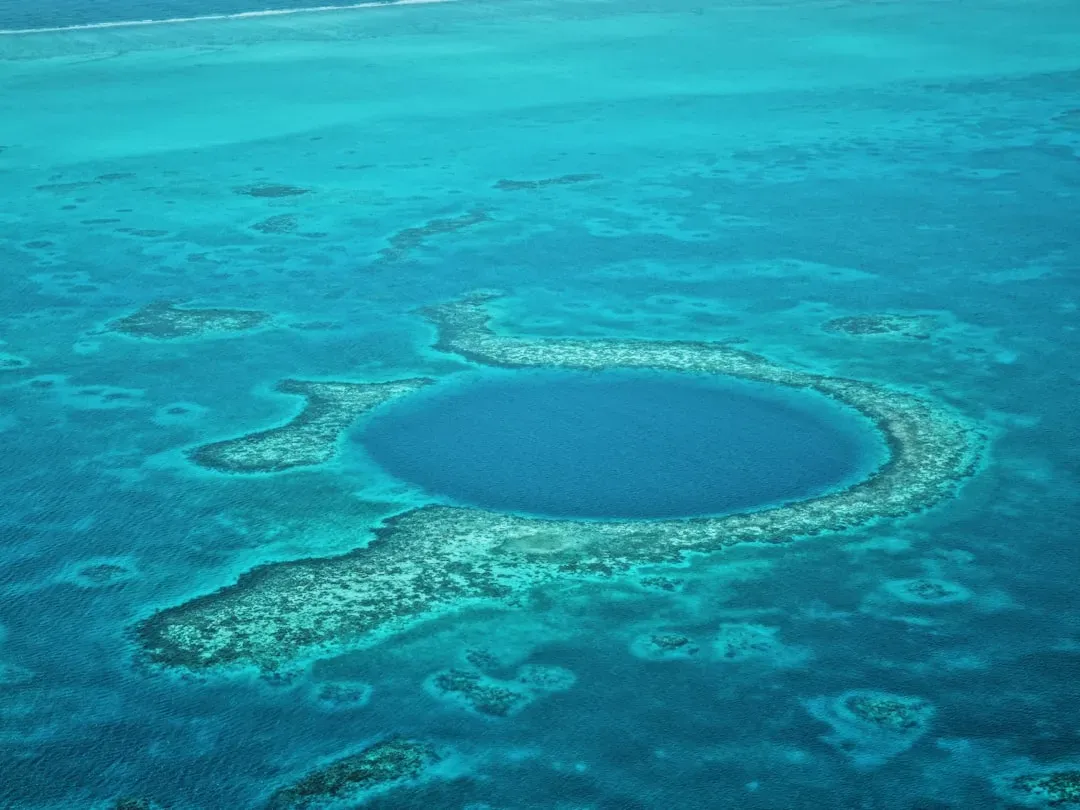
Off the coast of Belize sits the Great Blue Hole, a nearly perfect circular sinkhole in the middle of turquoise reef waters, dropping more than a hundred meters down like a giant pupil staring back at the sky. At first glance it looks like just a pretty diving spot carved by rising sea levels and ancient limestone caves. But as explorers have mapped its depths more carefully, it’s become clear that this hole is also a kind of time capsule – and a bit of a warning sign.
Stalagmites and sediment layers at the bottom record past climate swings, droughts, and sea-level changes, some of which line up with mysterious collapses of nearby civilizations. Divers have found strange layers of dead reef and sudden changes in water chemistry stacked like pages of a book, but scientists are still debating exactly what triggered some of those abrupt shifts. It’s as if the Great Blue Hole is quietly telling a story about how quickly Earth’s systems can flip, and we’re still struggling to translate the language.
The Taos Hum and Other Unseen Sounds
In several places around the world, from Taos in New Mexico to small towns in the UK and Canada, people report an odd low-frequency hum that only some can hear. They describe it as a distant diesel engine idling somewhere just out of sight, constant and maddening, especially at night. The hum isn’t picked up clearly by normal microphones, and it doesn’t match obvious industrial or traffic noise in many cases.
Scientists have tried mapping it, measuring it, and linking it to power lines, factories, ocean waves, or even the Earth’s own natural resonances. Nothing has produced a clean, universally accepted explanation. One possibility is that it’s a combination of very low-frequency sounds plus how certain individuals’ ears and brains process them, rather than a single neat source. That uncertainty is almost worse than a bad diagnosis: it leaves sufferers caught between feeling gaslit and feeling haunted by something science can’t quite pin down.
The Blood Falls of Antarctica
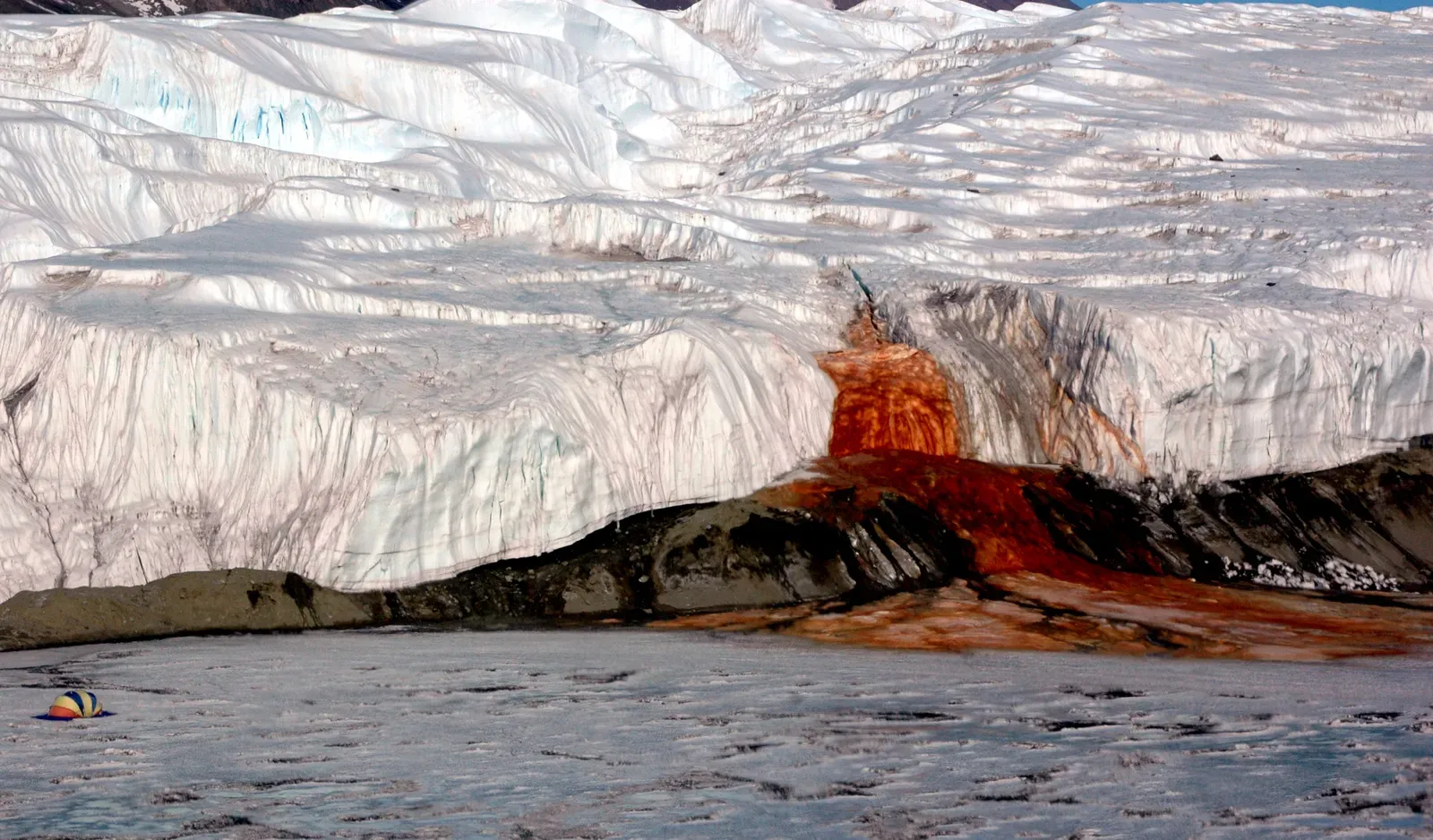
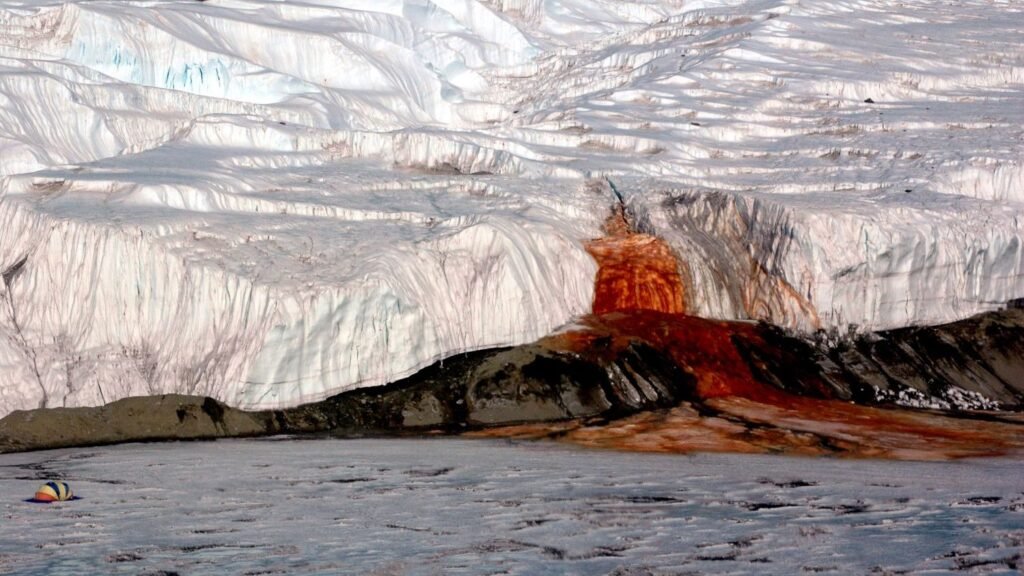
On the icy face of Antarctica’s Taylor Glacier, there’s a shocking streak of deep red that looks disturbingly like a wound that won’t heal. This feature, known as Blood Falls, pours rust-colored water out onto brilliant white ice, and for a long time people had almost no idea what could create something so dramatic in such a pristine, frozen place. At first it seemed like a visual trick, but tests showed the color came from iron-rich, salty water gushing from deep inside the glacier.
Researchers later discovered that this water had been trapped beneath the ice for millions of years, forming a kind of chemical, subglacial brine ecosystem with microorganisms that survive without sunlight, feeding on strange metabolic pathways. Even with that progress, there’s still debate about the exact plumbing system inside the glacier and how such a sealed-off ecosystem has remained stable for so long. Blood Falls is like a natural laboratory for life in extreme isolation, and every new study raises fresh questions about where else such hidden worlds might exist – both on Earth and far beyond.
The World’s Largest Lightning Mystery: Venezuela’s Catatumbo Storm
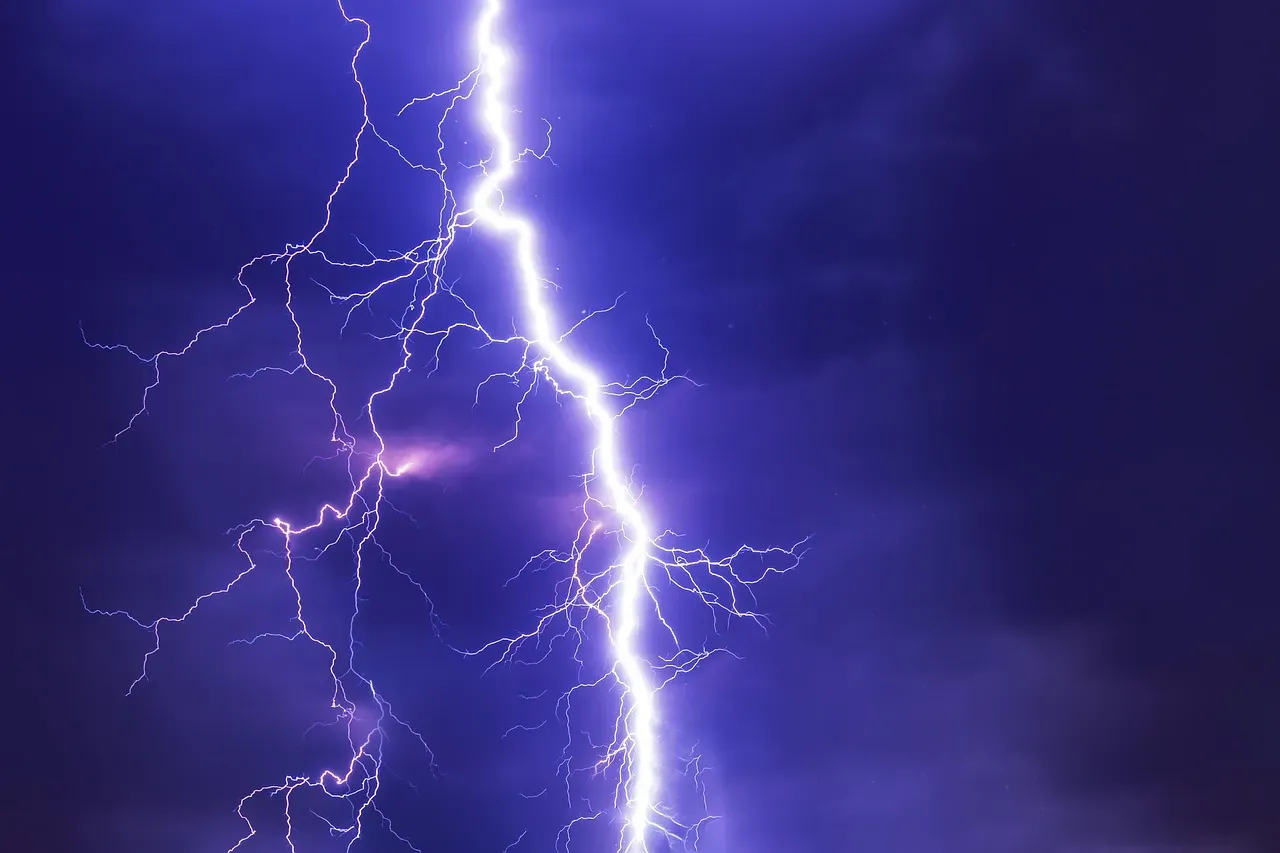
Over Lake Maracaibo in Venezuela, lightning storms erupt with a regularity that borders on supernatural. For many nights of the year, flashes tear through the sky for hours at a time, creating what looks like a permanent light show that sailors once used for navigation. This phenomenon, known as the Catatumbo lightning, happens far more often and more intensely here than in almost any other place on the planet, and it has baffled researchers for generations.
Scientists know that warm, moist air from the Caribbean collides with cooler mountain air in just the right way to trigger storms, and swamp gases might slightly alter the local electrical environment. But those ingredients alone don’t fully explain why this one region is such an extreme outlier, or why the lightning activity can suddenly weaken or surge for months in ways that don’t neatly track simple weather patterns. It’s a reminder that even something as familiar as a thunderstorm can behave in ways our models still don’t fully capture. For all our satellites and simulations, the sky has its own secrets, flashing on and off over a single stubborn lake.
There’s a quiet comfort in believing that everything important about Earth is already written down somewhere: in climate reports, geology textbooks, high-resolution maps. But places like the Mariana Trench, Blood Falls, or the Catatumbo lightning don’t care about our illusion of control. They sit at the edges of what we can measure and model, reminding us that our picture of the planet is still full of blank spaces, question marks, and rough sketches where we pretend we have clean lines. When you look at a map or a satellite image now, do you see a known world – or do you wonder what’s still hiding just beyond what our instruments can explain?