
The strangest thing about reality is not what we see, but what we do not. For most of human history, the world was defined by what our eyes could catch and our hands could touch, yet the real action has always been happening in domains we could barely imagine. From ghostly particles streaming through our bodies to algorithms quietly steering our attention, invisible forces are not a metaphor but a daily, measurable fact of life. Science today is less about discovering new planets or species and more about learning to detect what has always been there, hiding in plain sight. And the more we build instruments to listen beyond our senses, the more it feels like we are just scratching the surface of an unsettling, exhilarating truth.
Particles That Pass Through You Like You Are Not There
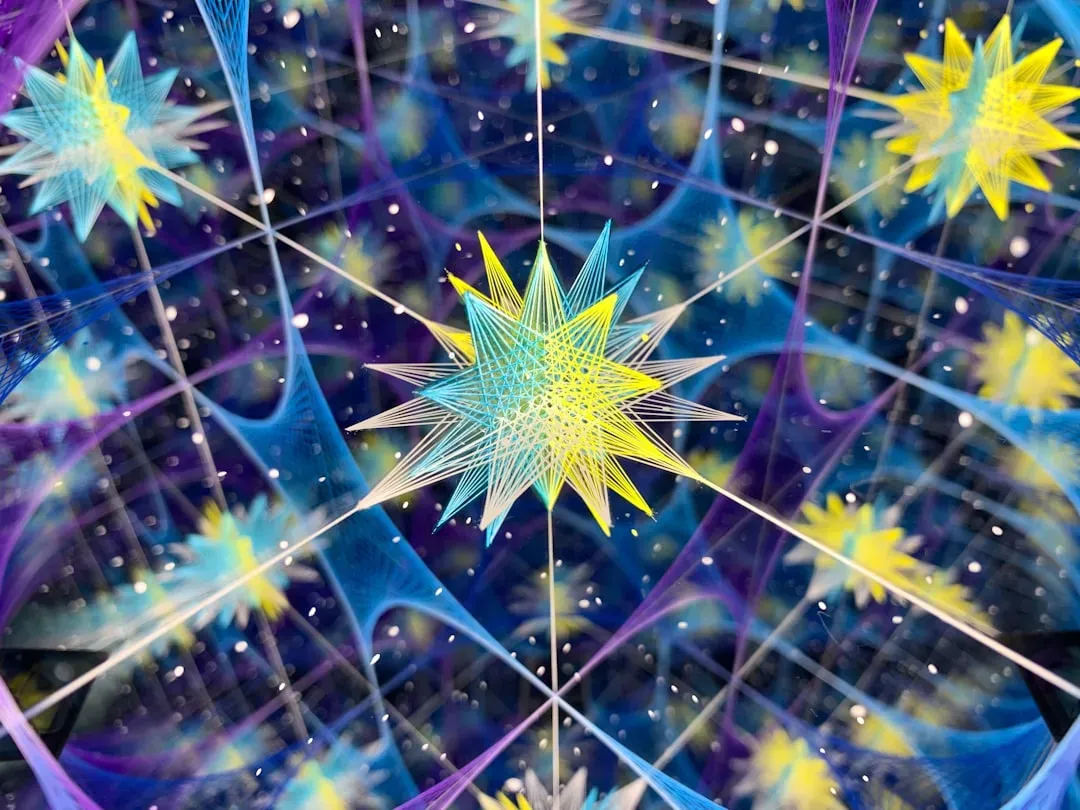
Every second, trillions of neutrinos race through your body, through the walls around you, and straight through the Earth as if none of it exists. These particles are born in nuclear reactions inside the Sun, in distant exploding stars, and in particle accelerators on Earth, yet they barely interact with matter at all. Physicists had to build massive underground detectors, often filled with ultra-pure liquids or ice and shielded from other radiation, just to catch a tiny handful of neutrinos out of the countless that fly by. When one finally collides with an atom, it produces a faint flash of light that sensitive instruments can record. The fact that an entire branch of astrophysics is now built on these rare ghostly traces shows how much of the universe speaks in whispers our senses were never designed to hear.
There is something humbling in knowing that you are more like a loose web of probabilities than a solid object, at least from a neutrino’s perspective. These particles remind us that “solid” is a story our brains tell us, a useful illusion stitched together from limited data. I still remember the first time I visited a particle physics lab and saw the immense effort required to see what is, functionally, almost nothing; it felt closer to listening for a single raindrop in a stadium than to ordinary observation. Yet from those whispers, we have learned about the inner workings of the Sun and the violent engines of distant galaxies. Reality, it turns out, is crowded with visitors that pass straight through us, unnoticed, all the time.
The Gravity You Can Feel but Not See
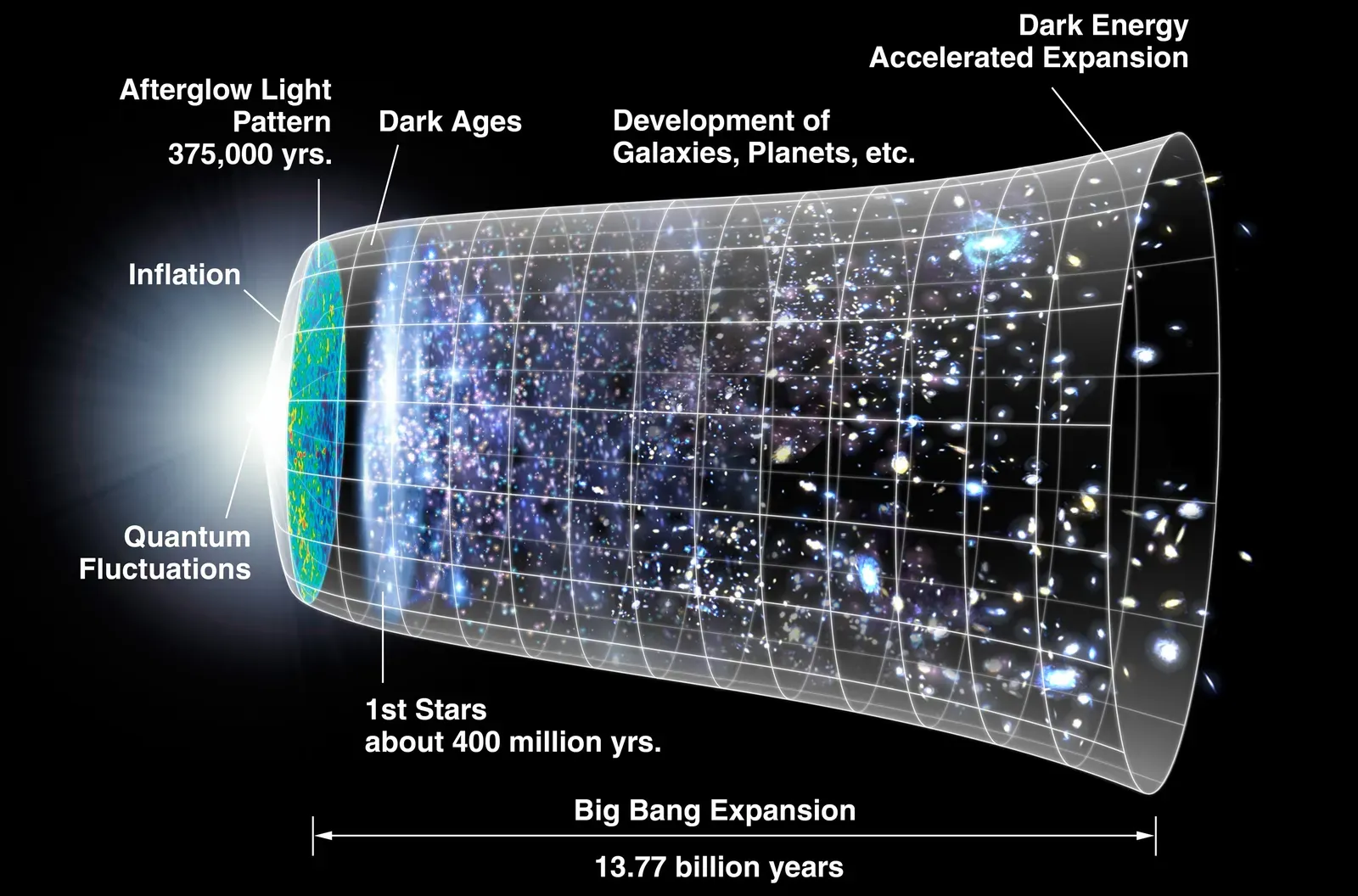
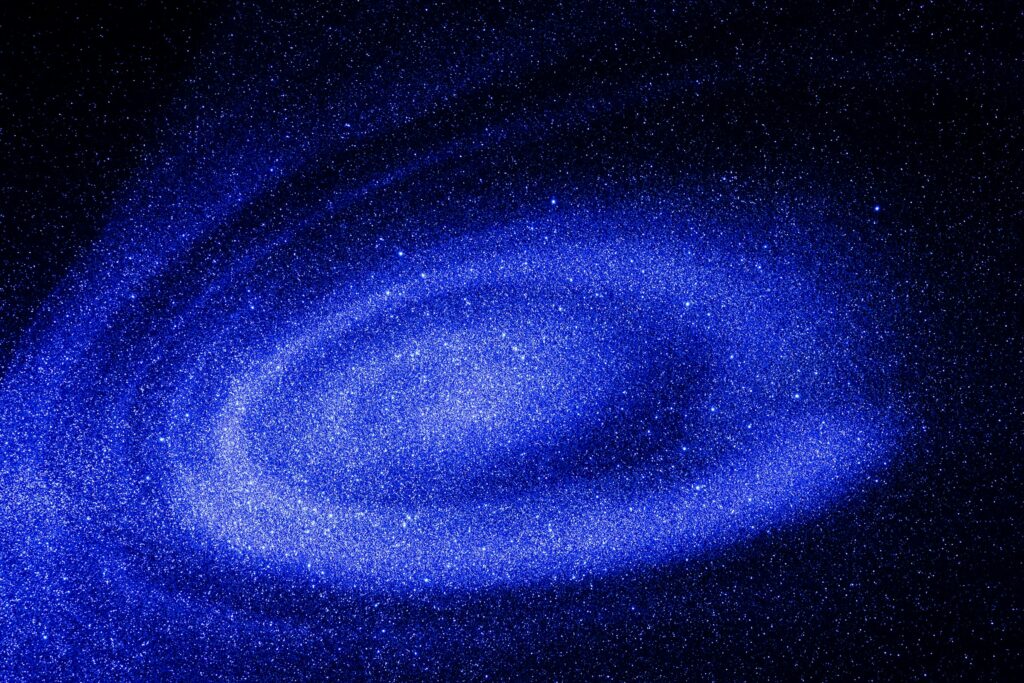
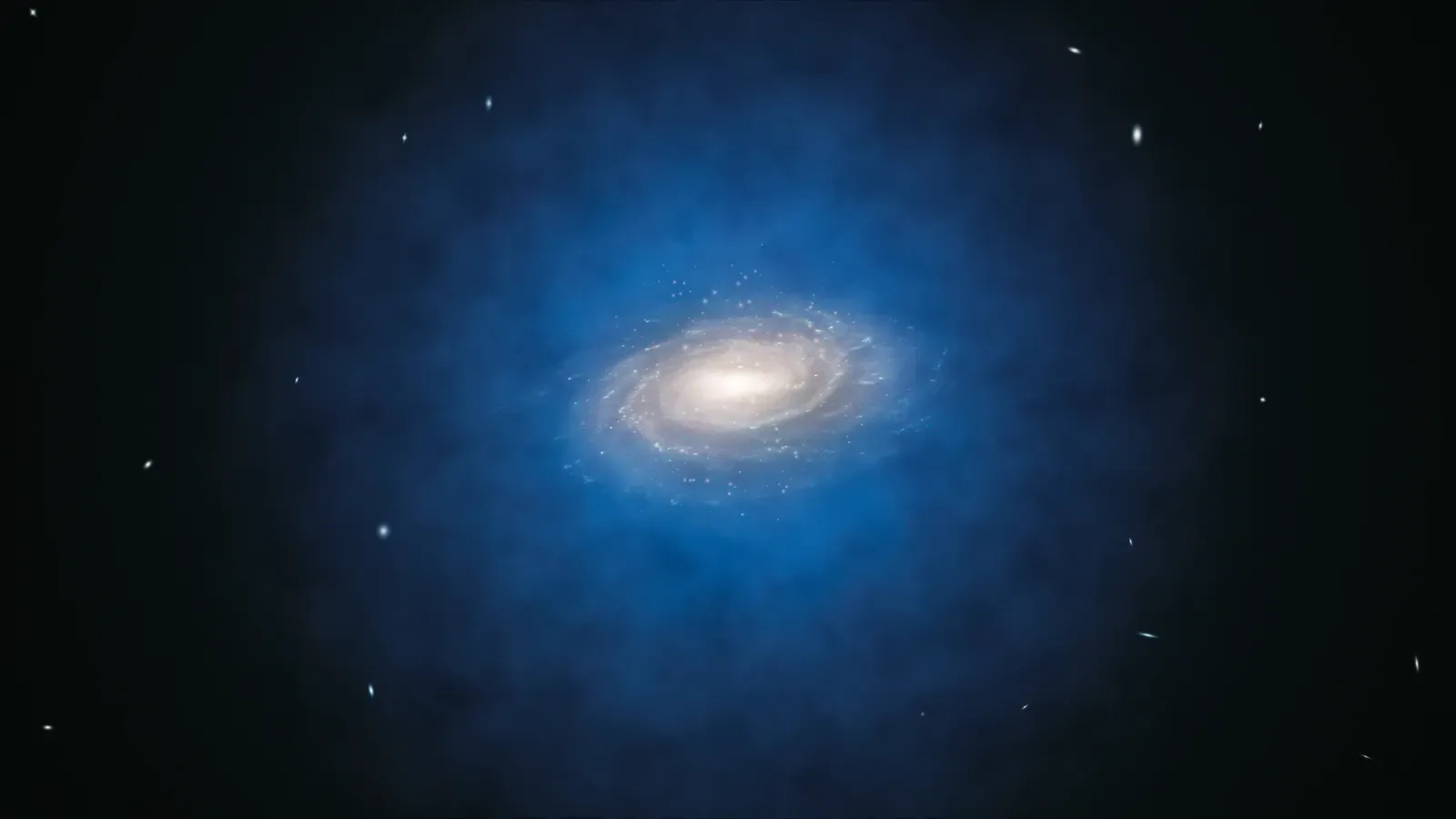
Gravity seems obvious: things fall, planets orbit, tides rise and fall. But the more precisely astronomers have measured how stars and galaxies move, the clearer it has become that visible matter is not enough to explain what gravity is doing. The vast majority of the gravitational pull in the universe appears to come from something we cannot see directly, something dubbed dark matter. We infer its presence from how galaxies rotate, how light bends as it passes massive clusters, and how structures in the universe formed over time.
Scientists have built elaborate detectors deep underground and at high energies trying to catch a dark matter particle in the act of interacting with ordinary matter, but so far, no clear signal has emerged. This makes dark matter one of the strangest “discoveries” in science: a dominant ingredient of the cosmos that has never been seen, only inferred from its gravitational fingerprint. It is unsettling to realize that when you look at a breathtaking image of a galaxy cluster, you are really seeing just a thin, glowing frosting on a cake of invisible mass. Our best maps of the cosmos now include huge, unseen scaffolds of dark matter that shaped where stars and galaxies could form, like invisible valleys and ridges in a cosmic landscape we are only beginning to chart.
Fields That Fill Space, Even When It Feels Empty
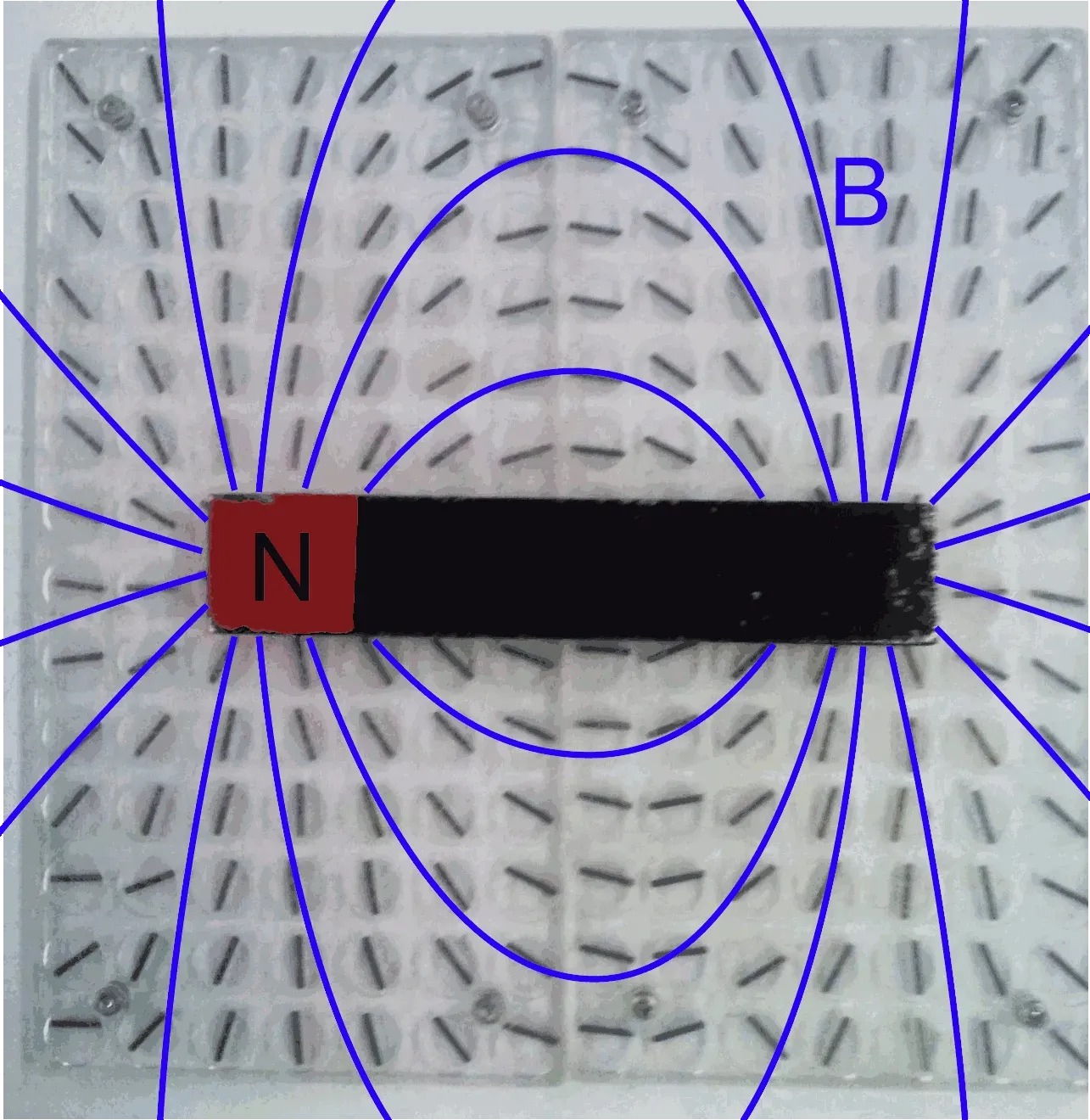
We often talk about electric and magnetic fields as if they are abstract concepts from a textbook, but they are very real, continuous presences that fill the space around and inside us. Your phone only works because of electromagnetic waves rippling through the air, bouncing off buildings, and sliding through your living room walls. These fields are not background noise; they are structured, tunable, and engineered, carrying voices, images, and data across oceans with no physical wires. Long before we could describe them in equations, people noticed strange forces: amber attracting straw, lightning splitting trees, compasses aligning with something unseen.
Modern physics goes even further and treats every fundamental particle as an excitation of an underlying field, so what we think of as “a particle” is more like a localized ripple in a field that is everywhere. The familiar vacuum of space is not truly empty; it seethes with quantum fields that can briefly sprout particle-antiparticle pairs that almost immediately annihilate again. To our senses, this is pure nothingness, but sensitive experiments can measure subtle effects of these restless fields. Once you start thinking in fields, it becomes harder to see the world as a collection of separate objects and easier to view it as overlapping patterns in a continuous, invisible medium, more like currents in an ocean than marbles in a box.
Climate Signals Hidden in the Air You Breathe

The air around you looks clear, but it carries a detailed archive of human activity and planetary change. Instruments now routinely detect trace gases at parts per billion or even lower, revealing fingerprints of fossil fuel burning, agriculture, wildfires, and industrial chemistry. Rising levels of carbon dioxide and methane are among the most consequential invisible forces shaping our future, trapping heat in the atmosphere and subtly shifting climate patterns worldwide. You cannot smell the extra molecules, and a warm day still feels like just a warm day, but long-term measurements show a steady, relentless climb.
Ice cores drilled from Greenland and Antarctica have tiny bubbles of ancient air locked inside, allowing scientists to reconstruct past atmospheres stretching back hundreds of thousands of years. When you compare those records with the sharp rise in greenhouse gases since the industrial revolution, the contrast is striking: a long, gentle natural rhythm abruptly spiked by human emissions. Invisible in the moment, this chemical shift is already rearranging coastlines, seasons, and ecosystems. It is a sobering reminder that the biggest drivers of global change are often not dramatic disasters but quiet, cumulative drifts in things we do not naturally notice.
Microbes, Viruses, and the Crowd You Never See

Your body is not just you; it is a community. On your skin, in your gut, and throughout your body live vast populations of bacteria, fungi, and viruses that you will never see without a microscope. A rough estimate suggests that microbial cells in and on your body rival or even outnumber your own cells, and together they influence digestion, immunity, and even mood. For most of human history, illness was blamed on bad air, curses, or imbalances, because the true culprits were simply too small to see. The invention of microscopes cracked that world open, revealing teeming ecosystems in a drop of water or a smear of plaque.
Modern genetic sequencing has taken this further, letting researchers read the DNA of entire microbial communities without needing to grow each species in a dish. This has uncovered surprising patterns, such as distinct “microbiome” signatures linked with diet, environment, and disease risk. It also complicates the simple idea of germs as enemies, since many microbes are essential partners while others become harmful only under certain conditions. Walking through a city, you move through invisible clouds of microbes, shedding some and picking up others, all without the slightest sensation. Once you know that, the boundary between self and environment starts to feel far more porous than we were taught in school.
Hidden Currents of Influence in the Attention Economy

Not every invisible force is physical. When you scroll through a social feed or type a search query, algorithms behind the scenes quietly decide what you see next. These systems track behavior patterns, build profiles, and optimize for engagement, all while presenting a seemingly neutral stream of content. The force here is not gravity or electromagnetism but the subtle steering of attention, nudging you toward certain stories, products, or beliefs. You may feel fully in control, yet the sequence, framing, and availability of information profoundly shape what feels true, urgent, or normal.
What makes these forces especially tricky is their opacity: unlike a weather forecast or a lab instrument, most platforms do not show you how decisions are made. Researchers who audit recommendation systems often find echo chambers, amplification of extreme content, or biases that reinforce existing inequalities. This is not mind control in the science fiction sense, but it does amount to an invisible architecture of choices that narrows the world you see. In a way, these algorithms create cognitive illusions on a societal scale, a bit like those brain-bending visual tricks where context changes what you perceive without you noticing the switch.
From Hidden Patterns to New Ways of Knowing

Stepping back, a pattern emerges: again and again, science advances by finding ways to detect what was previously undetectable, turning invisible forces into measurable quantities. Early thermometers made heat into numbers, telescopes turned faint smudges into structured galaxies, and cloud chambers made particle tracks visible. Each new instrument extends our senses and often overturns comfortable assumptions, just as realizing that most of the universe’s mass is dark matter upends our intuition about what “stuff” is. Detection technologies are not just tools; they are lenses that decide which features of reality become thinkable at all.
There is also a cultural shift here, from trusting direct experience to trusting carefully calibrated instruments and statistical signals. We now accept that air can be polluted even when it smells fresh, that infection can spread from people who feel healthy, and that climate can be changing even on a pleasant day. In earlier eras, such claims would have sounded like superstition or fearmongering, because the evidence lives in numbers, not in naked perception. This reliance on mediated sensing makes science powerful but also fragile, because it demands faith in methods and institutions that most people do not personally interact with. Yet without that extension beyond our built-in senses, we would be stuck with a world no bigger than our immediate impressions.
Unanswered Questions at the Edge of the Unseen
For all we have uncovered, many of the most important invisible forces remain only partially understood. Dark matter still lacks a confirmed identity, and some researchers even question whether our theories of gravity need revision instead. In the quantum realm, fields and particles behave in ways that defy common sense, and debates continue over what the math really says about reality, locality, and causality. Even in everyday domains like microbiology or climate feedbacks, new data constantly reveal interactions we had not accounted for, such as subtle links between land use, aerosols, and cloud formation.
On the social side, the long-term effects of algorithmically curated information on democracy, mental health, and culture are far from settled. We know such systems can amplify misinformation or polarization, but we are only starting to understand which design choices matter most and how to measure societal impact. It is tempting to think of the invisible as merely “not yet visible,” as if every mystery will yield to a better sensor or a more powerful telescope. In practice, each new detection method tends to open more questions than it answers, revealing layers of structure, feedback, and complexity. The frontier of the unseen is not a shrinking island; it keeps expanding as we approach it.
Training Your Own Sense for the Unseen
Living in a world ruled by invisible forces can feel disorienting, but it also offers a chance to cultivate a different kind of awareness. You do not need a lab to start; you can pay attention to the gap between what your senses report and what careful measurement reveals. That might mean looking up local air quality data on a clear day, checking satellite images of wildfires you cannot smell, or following neutrino detections from observatories that listen to the universe in particles instead of light. The more you practice holding both the felt world and the measured world in your mind at once, the less shocking it becomes that they sometimes disagree.
You can also be more deliberate about the invisible architectures shaping your information diet by adjusting settings, diversifying sources, and supporting transparency around algorithms. Curiosity itself becomes a kind of counterforce, pushing back against the comforting illusion that what you notice is all there is. The next time you stand outside on a quiet night, you might imagine the neutrinos pouring through you, the dark matter cradling your galaxy, the wireless signals humming between towers, and the microbes trading genes in the soil at your feet. Once you glimpse how crowded the “empty” world really is, it is hard to unsee it. Which of these unseen forces will you pay attention to first?
Suhail Ahmed is a passionate digital professional and nature enthusiast with over 8 years of experience in content strategy, SEO, web development, and digital operations. Alongside his freelance journey, Suhail actively contributes to nature and wildlife platforms like Discover Wildlife, where he channels his curiosity for the planet into engaging, educational storytelling.
With a strong background in managing digital ecosystems — from ecommerce stores and WordPress websites to social media and automation — Suhail merges technical precision with creative insight. His content reflects a rare balance: SEO-friendly yet deeply human, data-informed yet emotionally resonant.
Driven by a love for discovery and storytelling, Suhail believes in using digital platforms to amplify causes that matter — especially those protecting Earth’s biodiversity and inspiring sustainable living. Whether he’s managing online projects or crafting wildlife content, his goal remains the same: to inform, inspire, and leave a positive digital footprint.