
The Alarming Decline Driving Urgent Action (Image Credits: Pixabay)
International conservation efforts gained momentum as nations rallied to propose enhanced protections for 42 migratory species under a key global treaty.
The Alarming Decline Driving Urgent Action
Populations of migratory species have plummeted in recent years, with nearly half showing significant drops and over 20% teetering on the edge of extinction. This stark reality prompted countries party to the Convention on the Conservation of Migratory Species of Wild Animals (CMS) to submit proposals for broader safeguards. Habitat loss, overexploitation, climate change, and pollution emerged as primary culprits behind these declines. Seabirds, mammals, and marine life crossing borders face compounded risks without coordinated intervention. The CMS, established to conserve these wandering creatures, now steps up with targeted measures. Officials highlighted the interconnected nature of ecosystems, where threats in one region ripple across continents.
These proposals arrived ahead of the CMS’s 15th Conference of the Parties, scheduled for 2026. Delegates emphasized the treaty’s role in fostering cooperation among nations. From butterflies to whales, the CMS appendices already list hundreds of species needing attention. The new additions aim to close gaps for vulnerable travelers. Conservationists welcomed the initiative as a vital response to escalating environmental pressures. Successful implementation could stabilize populations and restore migratory routes.
Spotlight on Diverse Species in Need
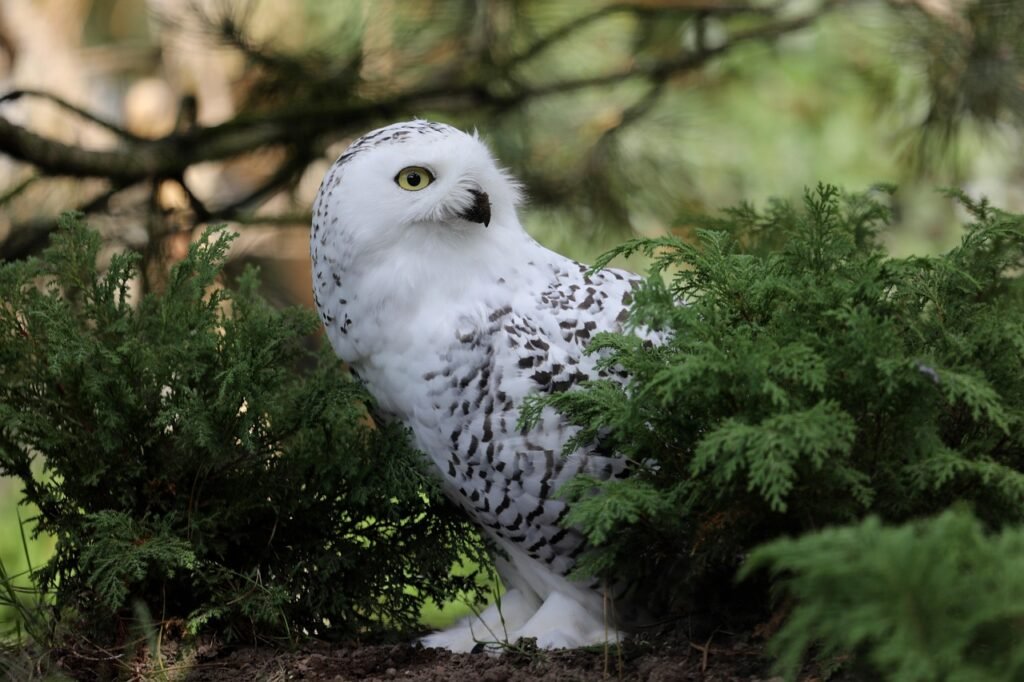
The snowy owl, an iconic Arctic predator, stands out among the proposed species due to its dramatic range shifts linked to warming climates. This white phantom of the tundra migrates vast distances, yet faces habitat disruption from human expansion. Similarly, the striped hyena, a resilient scavenger in Asia and Africa, contends with persecution and prey scarcity. Several shark species, including hammerheads, navigate ocean highways threatened by fishing pressures. Cheetah populations in specific regions also made the list, as their nomadic pursuits cross fragile savannas.
Numerous seabirds round out the proposals, underscoring the plight of aerial migrants. These birds endure long journeys over oceans, vulnerable to plastic pollution and offshore development. The collective inclusion reflects a holistic approach to conservation. By addressing land, air, and sea dwellers, the CMS tackles multifaceted challenges. One positive note: the Bukhara deer saw a proposal for downlisting, signaling recovery through prior efforts. This mix of urgency and progress fuels optimism for broader impacts.
Understanding the Proposed Protections
Under the CMS framework, species added to Appendix I receive the strictest safeguards, prohibiting capture or trade that harms their survival. Appendix II focuses on species needing cooperative management to avoid endangerment. The 42 proposals span both, tailored to each group’s threats. For instance, sharks would benefit from regulated international trade, while seabirds gain from habitat restoration mandates. Countries commit to action plans, monitoring, and data sharing upon approval.
These measures build on the treaty’s legacy since 1983, when it first united nations for migratory wildlife. Past successes include protections for elephants and albatrosses. The current push involves input from over 130 member states. Implementation requires funding and enforcement, areas where partnerships prove essential. Experts stress that timely adoption at COP15 could prevent further losses. The process also encourages non-parties to join, expanding the safety net.
Toward a Future of Secure Migrations
As preparations for the 2026 conference intensify, the proposals underscore a global consensus on wildlife’s interconnected fate. The CMS continues to evolve, adapting to new science on migration patterns. Collaborative research will track progress, ensuring protections yield measurable results. While challenges persist, these steps mark a proactive stance against biodiversity erosion.
Key Takeaways
- 42 species, including snowy owls and sharks, proposed for CMS appendices to combat declines.
- Threats like habitat loss and climate change drive the need for international cooperation.
- COP15 in 2026 will decide on listings, potentially strengthening global conservation.
Migratory species embody nature’s resilience, yet their survival hinges on unified human action. What steps can individuals take to support these efforts? Share your thoughts in the comments.