Every time astronomers think they’ve got the universe figured out, the cosmos seems to smirk and toss in a plot twist. Over just the past few years, new telescopes and instruments have revealed galaxies that are too massive, black holes that grew too fast, and structures that seem too big to comfortably fit inside our standard theories. It’s like opening a history book and finding out entire chapters are missing – but the missing parts are the ones that explain how everything started.
What’s becoming harder to ignore is the pattern: discovery after discovery is hinting that the universe is not just expanding, but still evolving in ways we didn’t predict. Old assumptions about how galaxies, stars, and even space-time itself should behave are getting pushed to their limits. Let’s walk through some of the most surprising recent finds and what they might be trying to tell us about a cosmos that refuses to sit still.
Early “Impossible” Galaxies That Grew Too Fast
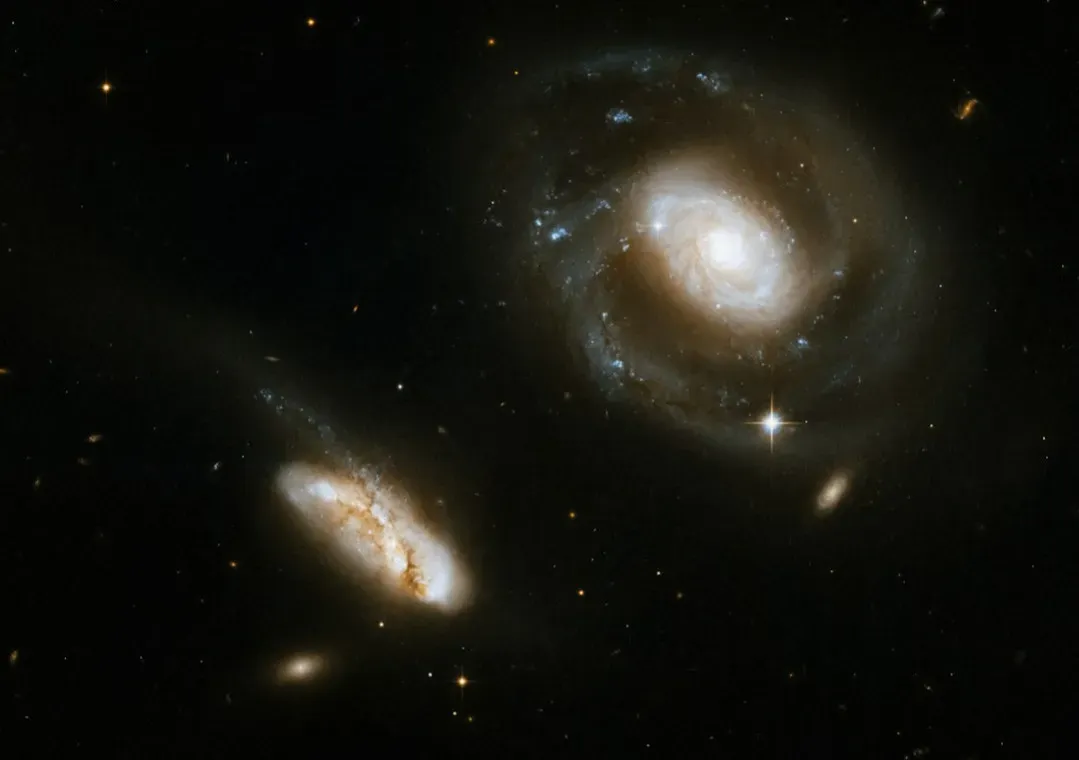
Imagine checking the baby photos of the universe and finding toddlers with the height and weight of full-grown adults. That’s essentially what the James Webb Space Telescope (JWST) has been doing since it started looking back more than thirteen billion years in time. Astronomers have spotted surprisingly bright, massive galaxies forming just a few hundred million years after the Big Bang, when the universe should still have been in its cosmic newborn phase. These galaxies appear to be too big and too well-formed for such an early era, challenging standard models of how quickly matter can clump together under gravity.
In many simulations, large galaxies are supposed to build up slowly, merging smaller pieces over billions of years like Lego towers added brick by brick. Instead, JWST has found systems that look like skyscrapers popping up almost overnight. Either star formation was wildly more efficient back then than we thought, or some of our assumptions about dark matter, cooling gas, or even the timing of the first stars are off. This doesn’t break cosmology outright, but it does strongly suggest that the early universe’s growth spurt was more dramatic and chaotic than the neat, gradual story we used to tell.
Black Holes That Seem Too Big for Their Age
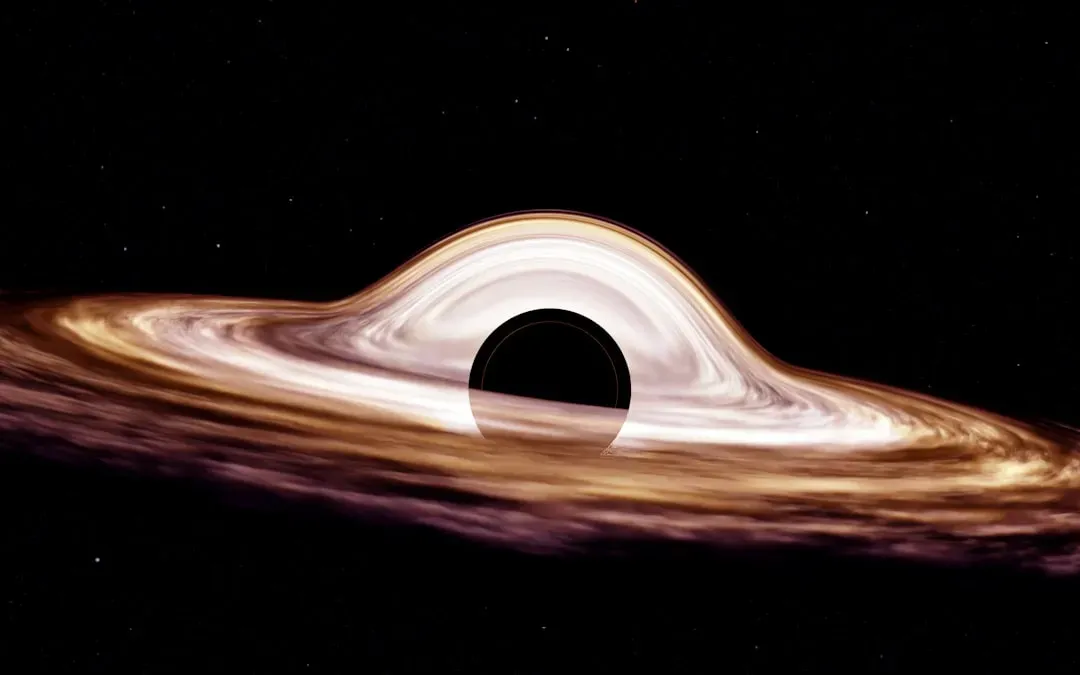
As if massive early galaxies weren’t enough, their central black holes have thrown in their own twist. Astronomers have found supermassive black holes less than a billion years after the Big Bang that already weigh millions to billions of times more than our Sun. In theory, black holes should grow from smaller “seed” black holes formed by dying stars, then slowly fatten up by feeding on gas and merging with others. The problem is, when you run the numbers, there just doesn’t seem to be enough time in the early universe for some of these monsters to reach their observed sizes.
To explain this, researchers are exploring ideas that would have sounded pretty wild a decade ago, like black holes forming directly from collapsing clouds of primordial gas without going through a normal star phase. Others are wondering whether early black holes might have had special growth spurts, perhaps gobbling up material at rates previously thought impossible. Either way, these “too big, too early” black holes are a strong hint that the universe’s first billion years were far more extreme and experimental than many textbooks let on.
Galactic Megastructures That Defy Expectations
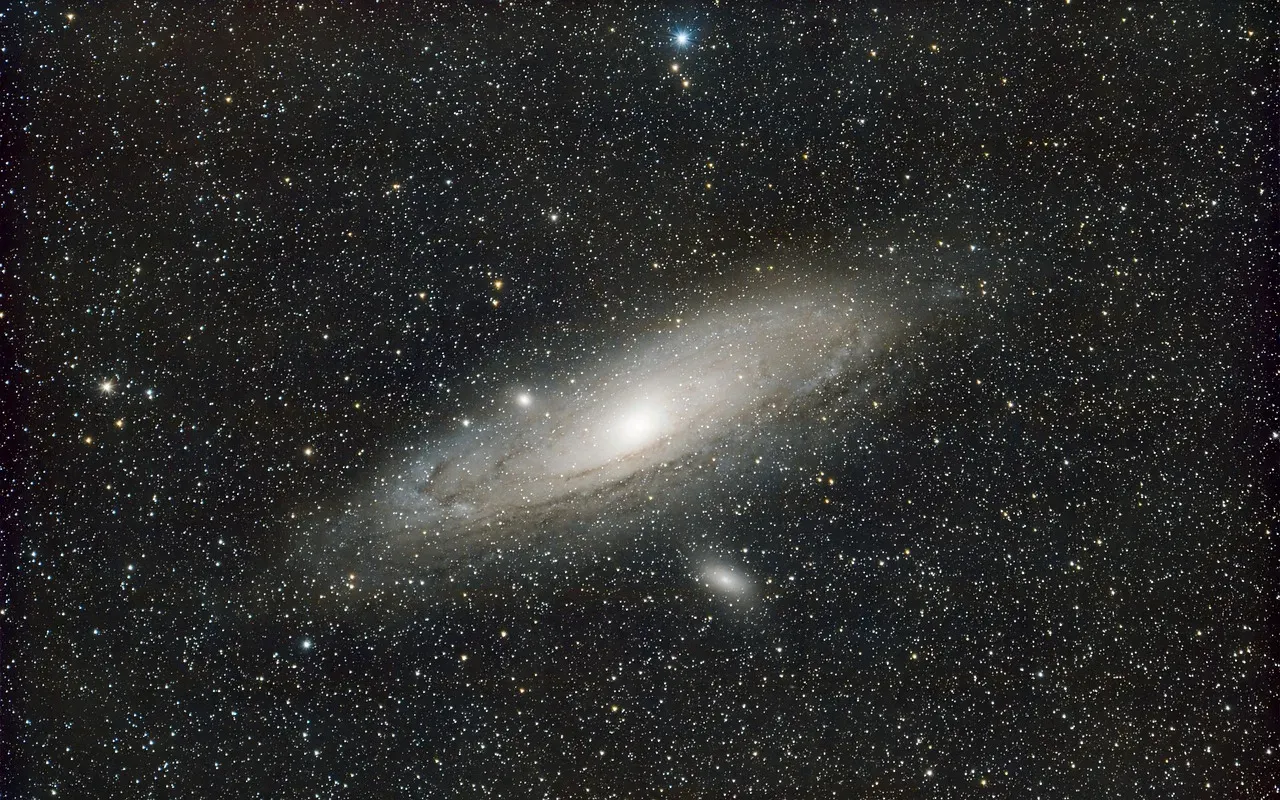
On even larger scales, astronomers map galaxy distributions to test the idea that, on average, the universe should look roughly the same in every direction when you zoom out far enough. Recently, though, surveys have turned up enormous cosmic structures that press hard against that assumption. Long arcs, walls, and filaments of galaxies stretching across billions of light-years have been identified, including patterns that some researchers argue are among the largest coherent structures ever detected. These findings sit awkwardly next to the notion that there should be a practical upper limit to how big cosmic structures can grow under standard cosmology.
It’s not that one structure suddenly destroys the whole model, but piling more and more of them together starts to raise eyebrows. If the universe is forming super-sized walls and clusters more often than predicted, it could mean that the early distribution of matter wasn’t as smooth as we thought, or that gravity on immense scales might need a fresh look. For now, astronomers are carefully re-checking the data and trying to see whether current theories can be stretched to accommodate this cosmic architecture, or whether something more radical is brewing.
Dark Energy’s Role May Be Stranger Than Expected
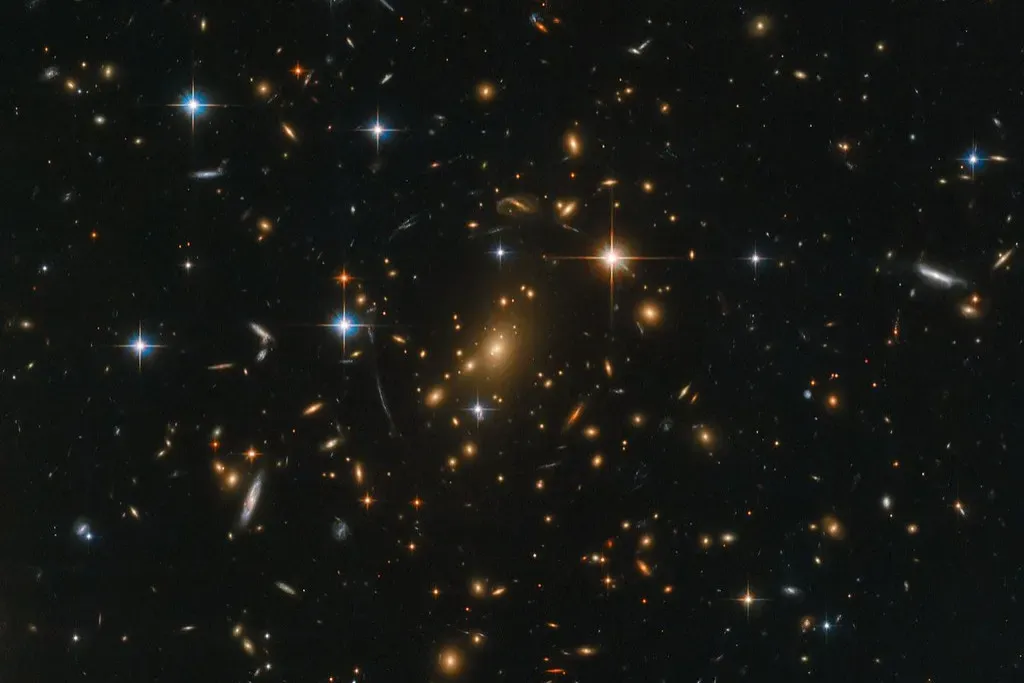
Since the late 1990s, dark energy has been the go-to explanation for why the expansion of the universe is accelerating. For years, the simplest version of the story was that dark energy acts like a constant pressure, the same at all times and places, steadily pushing galaxies apart. But newer measurements from supernova surveys, gravitational lensing, and large-scale galaxy maps have been hinting that this picture may be too tidy. Some analyses suggest subtle tensions in how different methods measure the expansion history, raising questions about whether dark energy really is constant or might be evolving slowly over time.
If dark energy’s strength or behavior changes as the universe ages, then the future of the cosmos could be very different from the classic scenarios we grew up with. Instead of a smooth, endless expansion, we might face something more dynamic, ranging from gently shifting acceleration to more dramatic fates. These are still cautious whispers rather than definitive declarations, because measurements are incredibly hard and require careful cross-checking. Still, the fact that high-precision data keeps nudging at the edges of the standard dark energy model is a strong sign that the story of cosmic expansion might not be as straightforward as a simple, unchanging force.
The Hubble Tension and a Possible New Cosmic Ruler
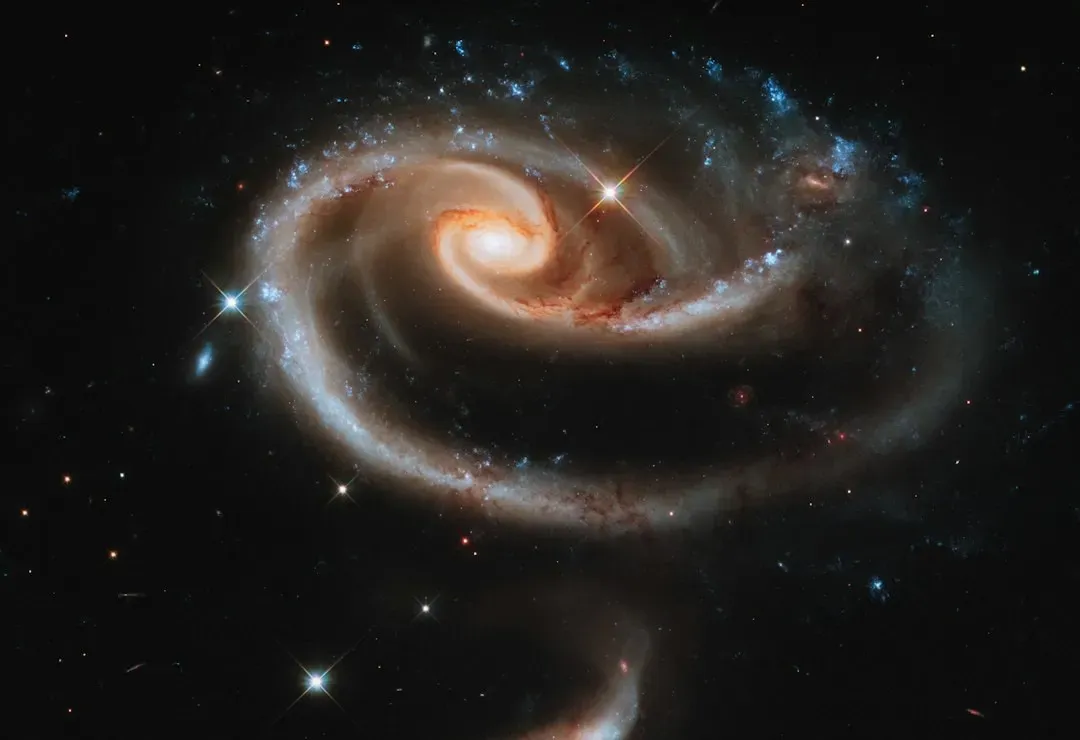
One of the most debated puzzles in modern cosmology is the so-called Hubble tension: local measurements of how fast the universe is expanding disagree with values inferred from the early universe. When astronomers measure the expansion rate using nearby supernovae and variable stars, they get a higher value than what is derived from studying the cosmic microwave background, the faint afterglow of the Big Bang. These aren’t tiny rounding errors; the difference has become statistically significant enough that it’s not easy to shrug off as simple measurement noise.
This mismatch suggests that something in our understanding of the universe’s history might be incomplete. Maybe there was an extra ingredient in the early cosmos, such as an unknown type of particle or early dark energy episode, that subtly changed the way structures formed. Or perhaps gravity behaves slightly differently on very large scales than our current equations assume. Either way, the Hubble tension has become one of the clearest signs that the universe might be following a more complex script, forcing theorists to rethink how they “measure the ruler” of cosmic expansion itself.
Gravitational Waves Revealing a Hidden Universe of Collisions
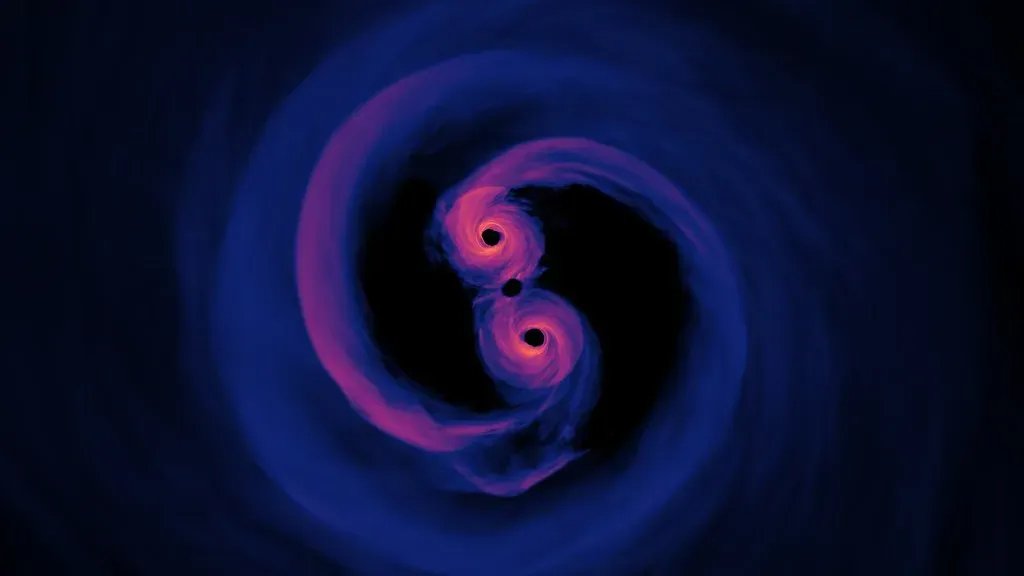
In the past decade, gravitational-wave observatories have turned the universe into something like a surround-sound theater, letting us “hear” ripples in space-time from distant collisions. Black hole and neutron star mergers, once purely theoretical, are now detected regularly, and their properties are full of surprises. Some black hole pairs seem heavier or have stranger spins than predicted by standard models of how stars live and die. Others suggest unusual formation channels, like dense star clusters quietly breeding exotic binaries in the dark.
These waves carry pristine information from regions we could never see with light alone, revealing an evolving cosmic ecosystem of mergers, collapses, and violent transformations. As the detection catalog has grown, hints of patterns have begun to emerge that may point to new physics, such as unexpected population features or rare kinds of objects. Upcoming detectors promise to listen to even lower frequencies, potentially capturing signals from supermassive black hole mergers and perhaps even echoes from the very early universe. With every new detection, the calm, static picture of a settled cosmos gives way to one filled with ongoing drama and constant rearrangement.
Changing Galaxies, Active Stars, and a Restless Sky
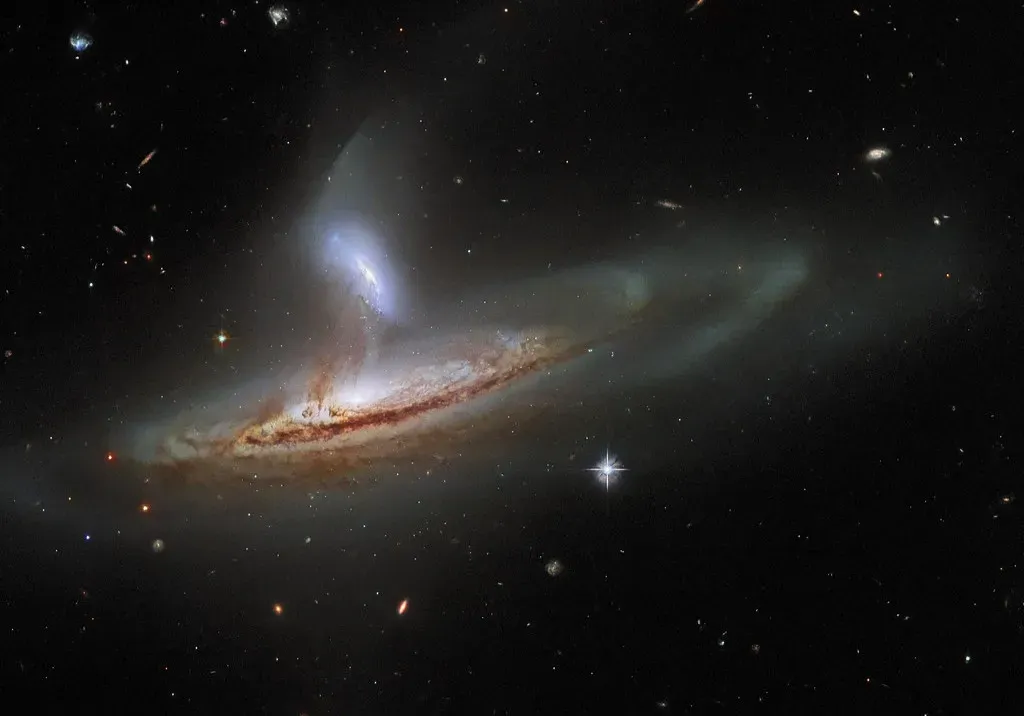
Beyond the headlines about dark energy and black holes, there’s a quieter revolution happening in how we see galaxies and stars evolve in real time. Long-term sky surveys, some scanning the entire sky every few days, are catching stars suddenly dimming, flaring, or disappearing behind dusty clouds, as well as galaxies flickering as their central black holes feed. We’ve seen stars shredded by black holes, giant stars abruptly losing brightness in ways that suggest they might have collapsed into black holes with almost no visible explosion, and entire patches of the sky change in ways that were nearly impossible to track a generation ago.
This constant variability paints a picture of a universe that’s less like a static photo and more like a live video feed with all kinds of unexpected events happening in the background. Even our own Milky Way is slowly reshaping, tugged by satellite galaxies and streams of stars, while the Sun casually orbits through a changing environment of gas and dark matter. The more closely we watch, the harder it becomes to pretend that cosmic evolution is just something that happened long ago. The universe is still busy rewriting itself, moment by moment, whether we’re looking or not.
An Unfinished Universe and an Open Script
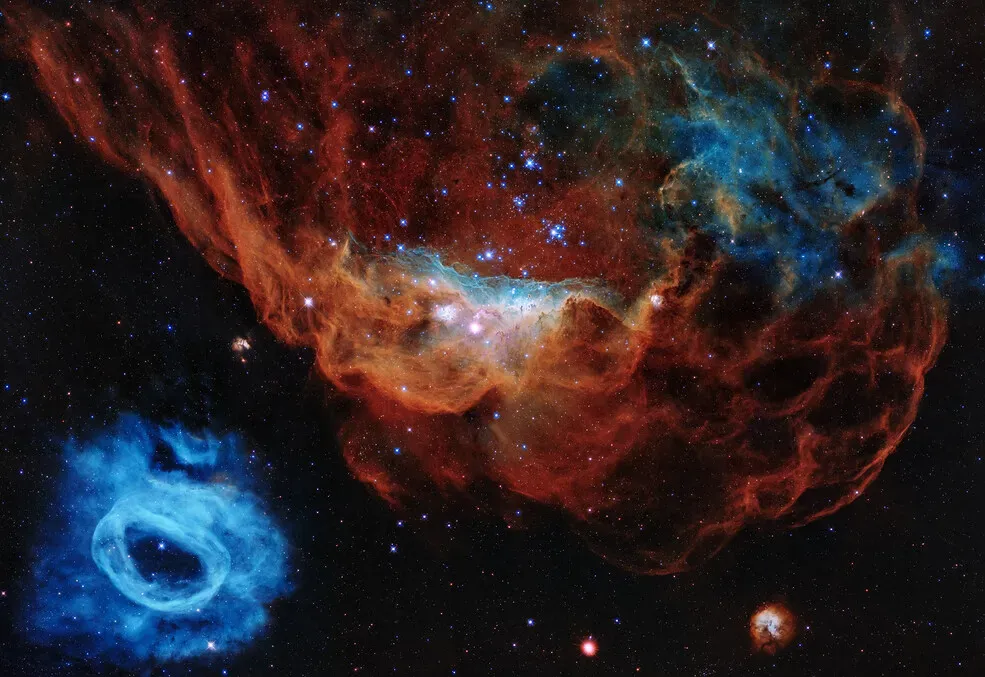
Put together, these discoveries point toward a universe that’s not just expanding, but actively surprising us at almost every scale. Early galaxies and black holes grew faster than expected, gigantic structures stretch across space in ways that strain our models, and the very rate of cosmic expansion seems to carry conflicting stories depending on how we measure it. On top of that, gravitational waves and time-domain surveys keep uncovering fresh layers of activity, showing that the cosmos is far more restless and experimental than the tidy diagrams in many textbooks suggest.
None of this means our understanding is useless; it means we’ve reached the edge of what current theories can comfortably explain, and the next chapter is still unwritten. Every tension, mismatch, or “impossible” object is a clue that could lead to a deeper, more accurate picture of how the universe really works and how it continues to evolve. The cosmos clearly hasn’t settled down yet, and neither should our curiosity. Which of these surprises did you find the most unexpected?