
Think about the last time you were absolutely sure you saw or heard something… and then found out you were wrong. That tiny jolt of confusion you felt is a clue to something far bigger and stranger: your brain is not just recording reality; it’s actively creating it. What you experience as solid, obvious truth is in fact a carefully stitched-together story your mind builds from fragments, expectations, and past memories.
That sounds unsettling at first, almost like you can’t trust your own senses. But there’s something oddly comforting in it too. If the brain is constantly creating reality, then understanding how it does that gives you a bit more power over how you feel, what you focus on, and even how you live your everyday life. Once you see the tricks, you can’t unsee them.
Your Brain Is a Prediction Machine, Not a Camera

Here’s the surprising part: by the time you think you’re “seeing” something, your brain has already made a guess about what it thinks is out there. Neuroscientists now describe the brain less like a camera and more like a prediction machine, always trying to anticipate what comes next. It pulls information from your senses, but it also leans heavily on your memories, habits, and learned patterns to fill in the gaps.
In practice, this means you don’t experience the world as it is; you experience the world as your brain expects it to be. That’s why you can read a sentence with missing letters and still understand it, or recognize a song after only two notes. Your brain isn’t waiting politely for perfect data. It’s jumping ahead, making fast predictions, and then adjusting if those guesses turn out to be wrong.
How Perception Is “Edited” Before You Notice Anything

By the time you notice a sound, an image, or a touch, your brain has already done a quiet, rapid-fire editing job. It has filtered out loads of information it thinks is irrelevant and amplified what it believes matters most for your survival, goals, or current mood. You don’t see every leaf on a tree, every pore on a face, or hear every sound in a noisy café, even though your senses are technically picking up far more than you realize.
This filtering makes perception feel smooth and simple, but behind the scenes it’s messy and selective. For example, when you focus on reading a book in a busy room, your brain turns down the volume on other voices and sounds, almost like an internal sound engineer. That same process shapes what you see and feel in every moment, crafting a version of reality that’s easier to handle, but not necessarily complete.
Emotion: The Secret Lens That Colors Reality

If you’ve ever noticed how a bad day makes the world look darker and more hostile, you’ve felt how emotion literally changes your perception. When you’re anxious, your brain is primed to notice threats, so a harmless comment might sound critical, and a neutral expression might look unfriendly. The emotional state you’re in acts like a colored filter, tinting everything you see and hear.
On the flip side, when you feel safe, loved, or excited, your brain tilts in the opposite direction, spotting chances, possibilities, and beauty you might not see otherwise. This isn’t just a poetic idea; brain imaging studies show that emotional centers and sensory areas constantly talk to each other. The result is that you rarely experience something “objectively.” You experience it through the mood, memories, and feelings you bring into that moment.
Pain, Pleasure, and the Brain’s Power to Turn the Dial

Pain feels like the most brutally real thing in the world, but even pain is partly a brain-made experience. Two people with the same injury can feel completely different levels of pain, depending on their expectations, attention, and past experiences. If your brain believes something will hurt a lot, it often does. If you trust that you’re safe and supported, that same sensation can feel much less intense.
This doesn’t mean pain is imaginary; it means the brain is deciding how loudly to “play” the signal. The same is true of pleasure. Anticipating a reward or expecting a positive outcome can actually make experiences more enjoyable, by changing how your brain’s reward systems respond. It’s like there’s a hidden volume knob inside your nervous system, and your expectations and beliefs are constantly turning it up or down.
Memory: The Story You Keep Rewriting

Most people think of memory as a mental video file they can replay, but it’s far more fragile and flexible than that. Every time you remember something, you’re not just pulling up a static file; you’re rebuilding the memory using bits of the original event plus what you’ve learned, felt, and believed since then. Over time, details shift, emotions intensify or soften, and the story quietly changes.
This is why two people can remember the same event in completely different ways and both feel totally certain they’re right. Your brain isn’t trying to deceive you; it’s trying to make your life story coherent and meaningful, even if that means reshaping some of the edges. In a way, you’re not just living your life once – you’re continually recreating it in your mind through the memories you choose to revisit and the way you tell them.
Beliefs and Attention: What You Focus On Becomes Your World

It’s almost unsettling how much your beliefs decide what you even notice. If you’re convinced people are generally unkind, you’ll effortlessly spot every rude driver, impatient cashier, and cold interaction, while acts of kindness barely register. The brain loves being right, so it highlights evidence that fits your beliefs and quietly ignores the rest, reinforcing the same story over and over.
Attention works the same way. What you consistently focus on grows in psychological size, whether that’s problems, goals, worries, or joys. It doesn’t magically make bad things disappear, but it does change your experienced reality. Two people can walk through the same city on the same day: one comes home talking about trash, noise, and stress; the other can’t stop raving about street art, laughter, and tiny acts of connection. They didn’t live in different places. Their minds built different worlds.
Can You Change Your Reality by Changing Your Mind?
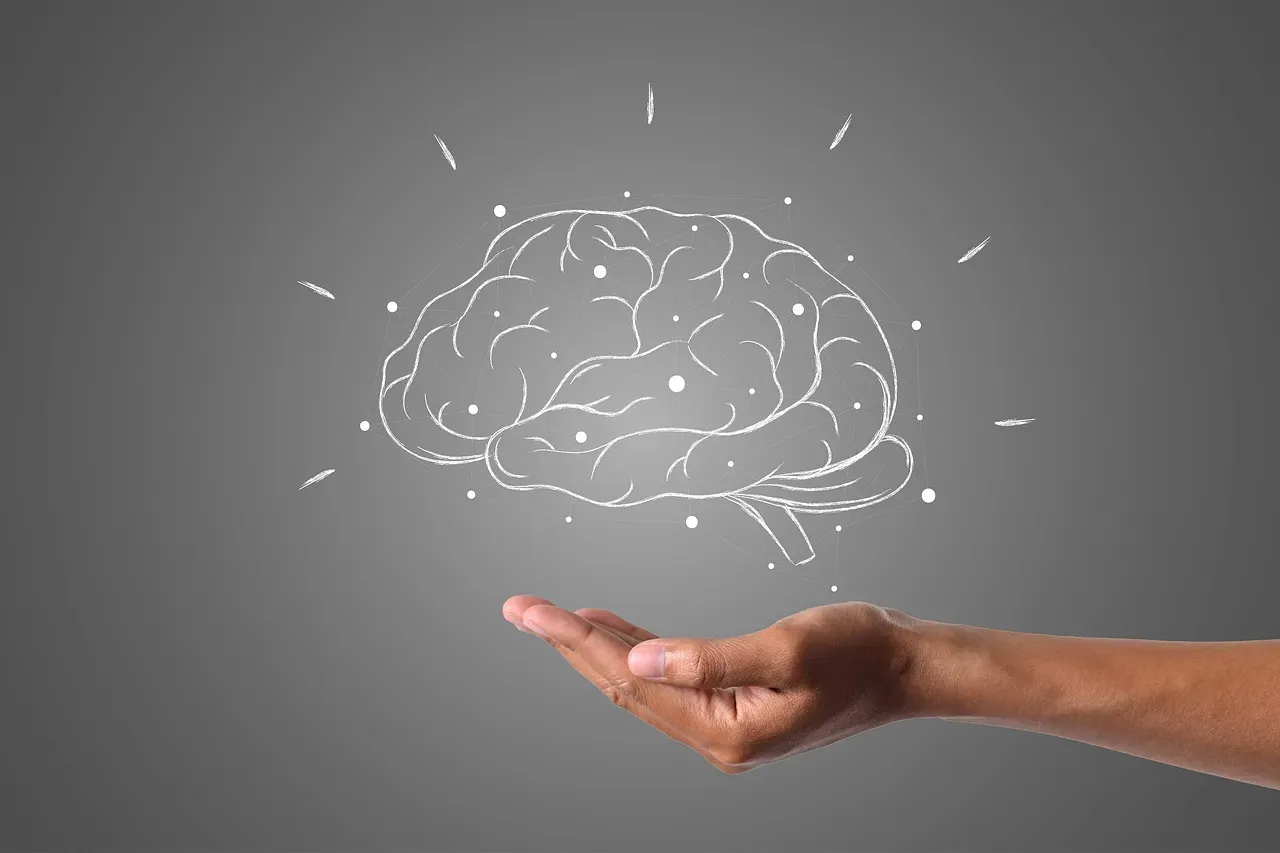
You can’t think your way out of gravity or rewrite the laws of physics, but you can absolutely change how your brain interprets what happens to you. Practices like mindfulness, therapy, cognitive reframing, and even keeping a simple daily journal can start to shift your mental predictions. Over time, your brain learns new patterns: maybe the world isn’t always dangerous, maybe you’re more capable than you thought, maybe not every mistake is a disaster.
This doesn’t turn life into a perfect movie, and it doesn’t erase pain or struggle. But it does change your inner landscape, which is where you actually live every day. When you realize that your brain is helping to create your reality, you move from being just a passenger in your own mind to becoming a more active driver. The world outside might stay the same, but the world inside can become calmer, clearer, and a lot more spacious.
Living with a Brain That Builds Worlds

Once you see that your brain is constantly predicting, editing, and coloring reality, it’s hard to go back to believing that you simply “see things as they are.” Perception, emotion, pain, memory, belief, and attention are all parts of the same creative process, shaping the world you move through every single day. You can’t turn this process off, but you can start to work with it instead of being dragged around by it.
That might mean questioning your first impressions, noticing when your mood is tinting everything darker, or gently challenging the old stories you keep telling yourself. Over time, those small shifts in how you think and feel can add up to a very different experience of being alive. If your brain is going to create a reality for you either way, wouldn’t it be worth choosing the most honest, spacious, and humane version you can?