
Look around the room you’re in right now. It probably feels boringly familiar: a mug, a window, a phone, maybe a light switch. But tucked inside all those ordinary objects are bizarre, mind‑bending bits of science that quietly run your life without ever asking for attention. Once you see the physics, chemistry, and engineering hiding in plain sight, it’s genuinely hard to look at your stuff the same way again.
I still remember the first time someone explained the science of a simple zipper to me and I felt weirdly cheated, like the universe had been hiding tricks right under my nose. That’s the fun of this: you don’t need a lab, you just need curiosity. So let’s peel back the surface of ten totally normal things and see what’s really going on under there.
1. Your Coffee Mug: A Tiny Heat Laboratory

Every time you pour hot coffee into a ceramic mug, you’re running a neat little experiment in heat transfer and material science. The ceramic walls act as a barrier, slowing down how fast heat escapes into the air, which is why your drink stays warm longer than it would in a thin glass cup. At the same time, the mug itself is expanding ever so slightly as the hot liquid warms it, and then contracting again as it cools, cycling through tiny mechanical stresses over and over.
The color and finish of the mug matter too, even if it doesn’t feel that way. Dark, matte mugs radiate heat differently than glossy, light-colored ones, which can subtly change how fast your drink cools. If you’ve ever noticed a hairline crack that suddenly spreads, that’s thermal shock: when one part of the mug heats or cools faster than another, the stress can eventually break the material. Your innocent morning ritual is basically a slow-motion demo of thermodynamics and fracture mechanics.
2. A Simple Window: A Battle Between Light and Heat

Your window looks like a transparent hole in the wall, but it’s actually a carefully tuned compromise between letting in light and blocking out unwanted heat. Modern double-glazed windows use two panes of glass with a thin layer of gas like argon in between, which acts as insulation and slows heat loss. That trapped gas and the small gap turn the window into a controlled environment where conduction, convection, and radiation are all fighting it out.
Some windows are coated with special thin films that mess with infrared light more than visible light, so you can see out clearly while still reflecting heat back into the room or away from it. On a cold winter day, that means you’re losing far less warmth than you would through old single-pane glass. On a hot day, the same principles help keep the sun’s heat from turning your room into an oven. What looks like “just glass” is actually a deliberately engineered energy filter.
3. The humble Zipper: Mechanical Engineering in Millimeters

Zippers look almost stupidly simple until you really pay attention to what’s happening along that tiny line of teeth. Each tooth is shaped so it both locks into its neighbor and guides the one after it, like a miniature puzzle designed to be solved at high speed. The slider is the real star: its internal shape forces the teeth from both sides to mesh in exactly the right sequence, turning a chaotic row of metal or plastic bumps into a continuous chain.
What’s wild is how tolerant the system is of small misalignments while still being highly sensitive to bigger ones. A bit of fabric caught in the teeth changes the angles just enough and suddenly the whole mechanism jams, because the geometry has to be nearly perfect for the chain to close. Engineers have tweaked tooth shape, material, and spacing for decades to balance strength, flexibility, and reliability. That quick zip on your jacket is a tiny, elegant lesson in geometry and force distribution.
4. Sticky Notes: The Science of Not-Quite-Sticking

A sticky note feels like the most low-tech object in the world, but its adhesive is the result of clever chemistry and a pretty big accident. Instead of forming a continuous film like normal glue, the adhesive layer is made of countless tiny, partially sticky spheres that only grip the surface lightly. When you press the note down, those micro-droplets deform and cling; when you peel it up, they snap back without tearing the paper or leaving much residue.
The balancing act is delicate: the note has to stick strongly enough not to flutter off your screen, but weakly enough that you can remove and reuse it several times. Change the size of the adhesive particles or the chemistry just a bit, and you either get a useless piece of paper or a label that never comes off. Every cheerful neon square on your desk is a quiet example of how controlling structure at microscopic scales can completely change how a material behaves in your hand.
5. Your Smartphone Screen: A Sandwich of Fragile Strength
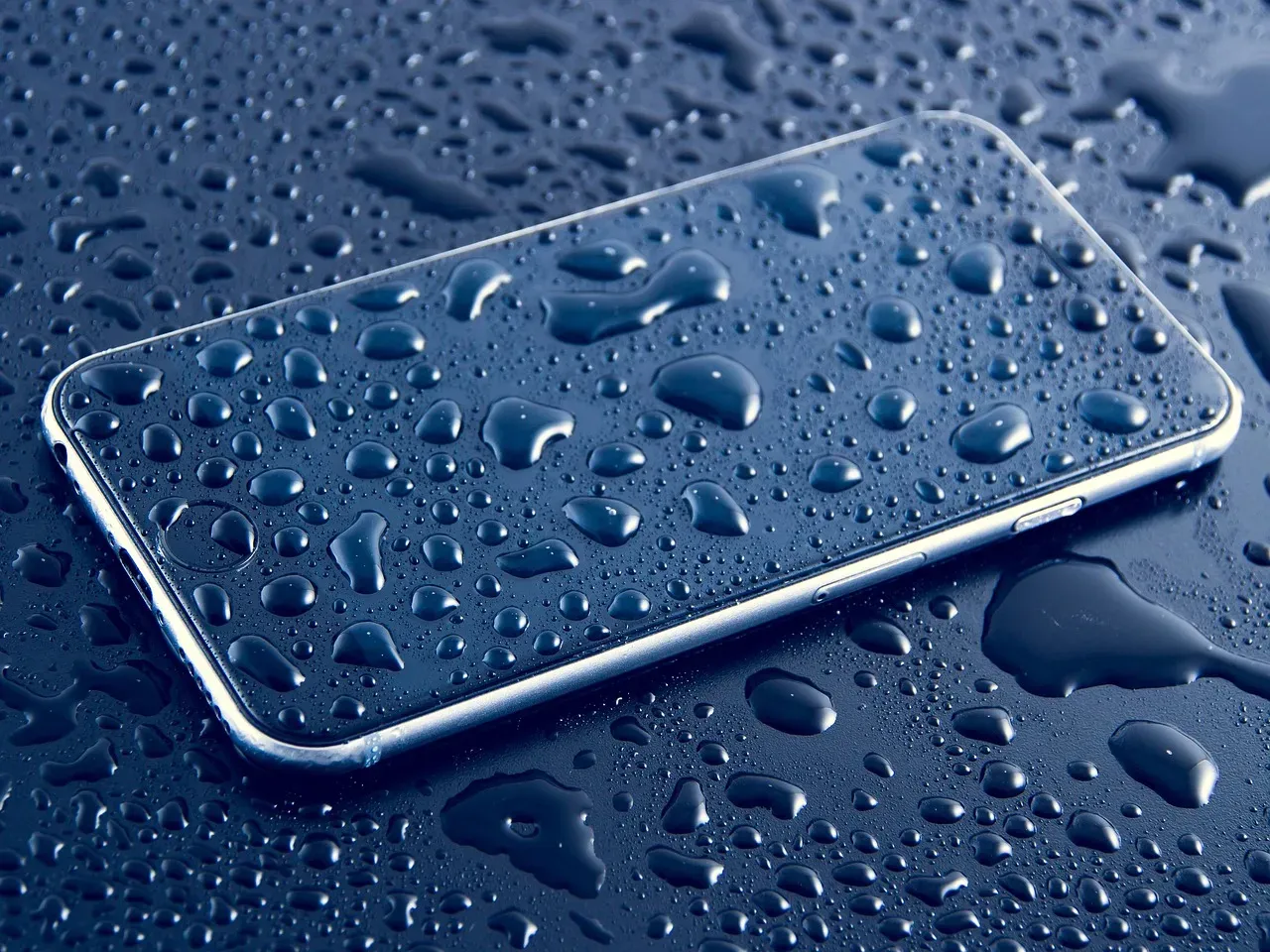
That smooth sheet of glass you tap all day is not just “strong glass”; it’s a carefully engineered composite built to survive your clumsy moments. Manufacturers use a process that swaps small sodium ions in the glass with larger potassium ions in a salt bath, putting the surface into compression. That compressive layer makes it much harder for tiny cracks to spread, so the screen can flex a bit under stress instead of shattering instantly.
Underneath the glass is a grid of transparent conductors that detect the tiny changes in electrical charge when your finger touches the surface. The phone is constantly sending signals through that grid, reading the disturbances your finger causes, and translating them into coordinates in a fraction of a second. You’re basically interacting with a constantly running physics experiment in electric fields and capacitance, disguised as a shiny pane you can swipe without thinking.
6. A Refrigerator Door Seal: Magnetic Physics in Your Kitchen
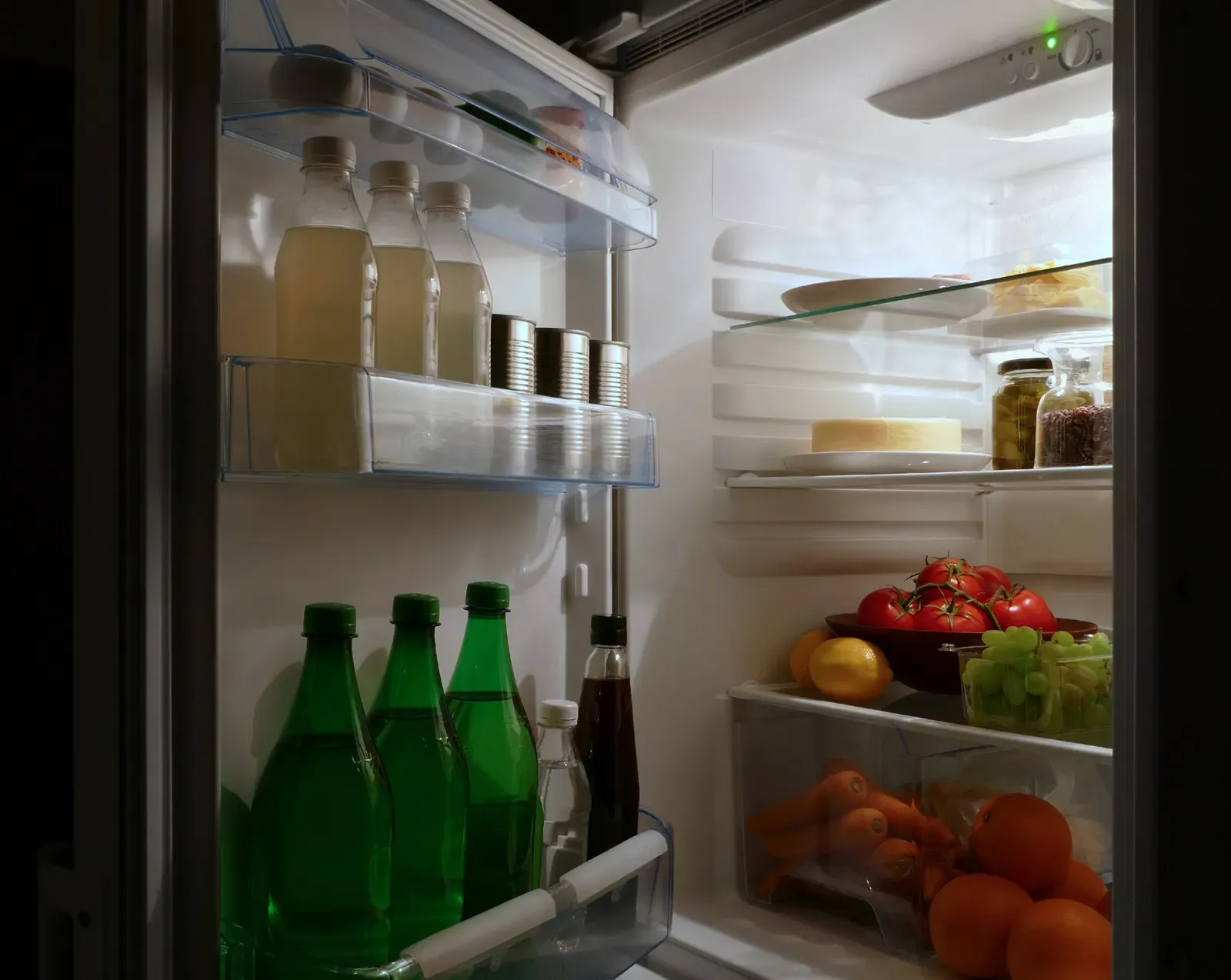
The soft rubbery strip around your fridge door might be the quiet hero of your electricity bill. Embedded inside that flexible gasket is a long, thin magnetic strip, often magnetized in alternating stripes that help maintain a firm, even grip along the whole edge. When you shut the door, the magnetic attraction helps pull it snugly into place, ensuring the cold air stays inside and the warm air stays out.
That seal is also carefully shaped to deform in a predictable way, so slight misalignments in the door or changes in air pressure can be absorbed without breaking the closure. When you push the door closed and feel that little resistance followed by a soft tug, you’re feeling air getting squeezed out and the magnetic force taking over. It’s a simple, passive system that relies on geometry, materials, and magnetism, but it saves you a surprising amount of energy every single day.
7. Ballpoint Pens: Fluid Dynamics in Your Pocket

The ballpoint pen turned messy ink into a controlled, portable technology by turning fluid dynamics into hardware. At the tip, a tiny metal ball sits in a socket, free to spin as you move the pen across paper. Ink is held back in the reservoir by surface tension and viscosity, only flowing into the narrow gap around the ball when motion and contact with the writing surface disturb the balance.
As the ball rolls, it constantly picks up a thin layer of ink and transfers it onto the page, while also sealing the opening so ink doesn’t just leak out. The chemistry of the ink is tuned so it flows smoothly but dries quickly, and the size of the ball is chosen to match that behavior. It’s a self-regulating system: if you press harder, you widen the contact area and get a bolder line, all driven by the interplay between mechanics and fluid behavior in a space smaller than a grain of rice.
8. Velcro Straps: Hook-and-Loop Evolution Imitation
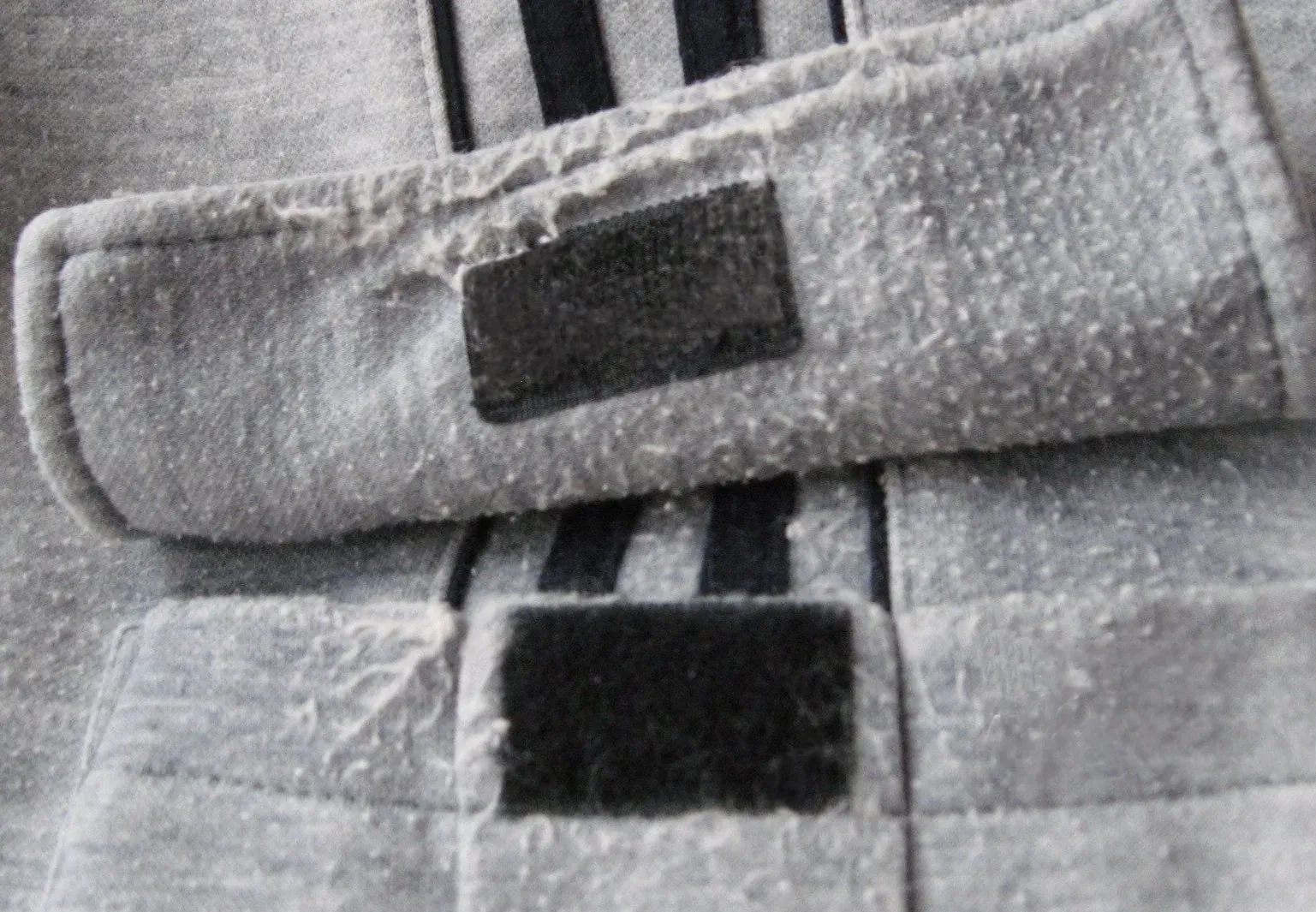
Velcro straps on your shoes, bags, or cable ties are basically domesticated burrs. The original idea came from noticing how plant burrs clung to animal fur with tiny hooks, and then recreating that with synthetic fibers. One side of the strip is covered in stiff little hooks; the other, in flexible loops. Press them together and the hooks dive into the loops and snag, creating a surprisingly strong bond for something that feels so casual.
What’s clever is how easily the system can be undone: when you peel the two sides apart, you’re not breaking chemical bonds but simply bending hooks out of loops with a controlled level of force. The sound you hear is millions of microscopic connections releasing in rapid succession. That reliable, repeatable performance comes from tuning the size, stiffness, and density of both hooks and loops, all driven by basic mechanics and a bit of biological inspiration.
9. Kitchen Sponges: Engineered Porous Worlds
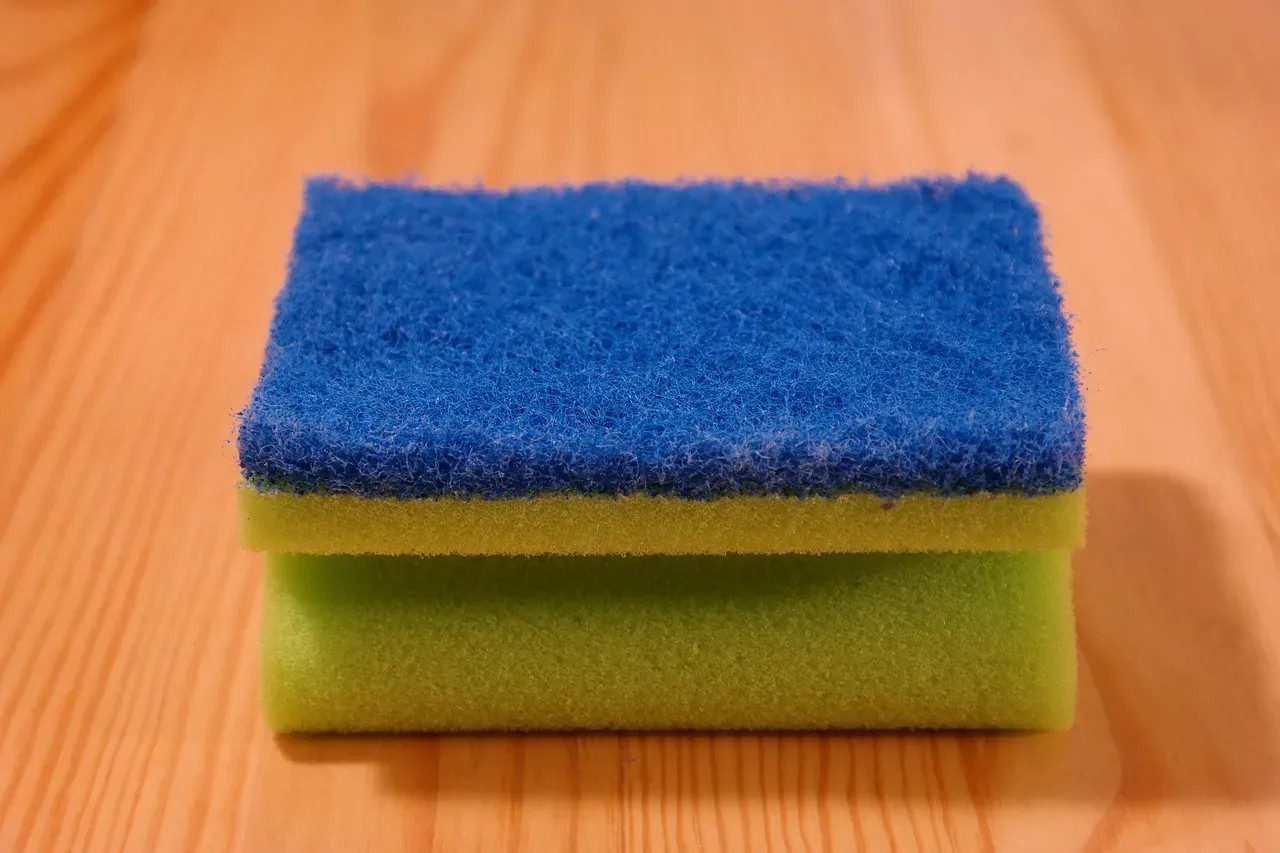
A kitchen sponge looks like random foam, but its structure is actually a carefully engineered network of pores and channels. During manufacturing, gas bubbles are trapped in the material and then solidified, leaving behind a three-dimensional maze that can suck up water through capillary action. Those tiny channels pull liquid in and hold it, allowing the sponge to absorb many times its own weight.
The pore size is a trade-off: larger pores drain quickly and are easier to rinse, while smaller ones hold more water but can trap more residue and microbes. Some sponges mix different pore sizes to balance absorption and cleaning power. When you squeeze a sponge, you’re literally forcing fluid out of that microscopic maze, then watching as the structure refills itself using the same basic physics that pulls water up tree roots from the soil.
10. Light Switches: Controlling Invisible Electrons
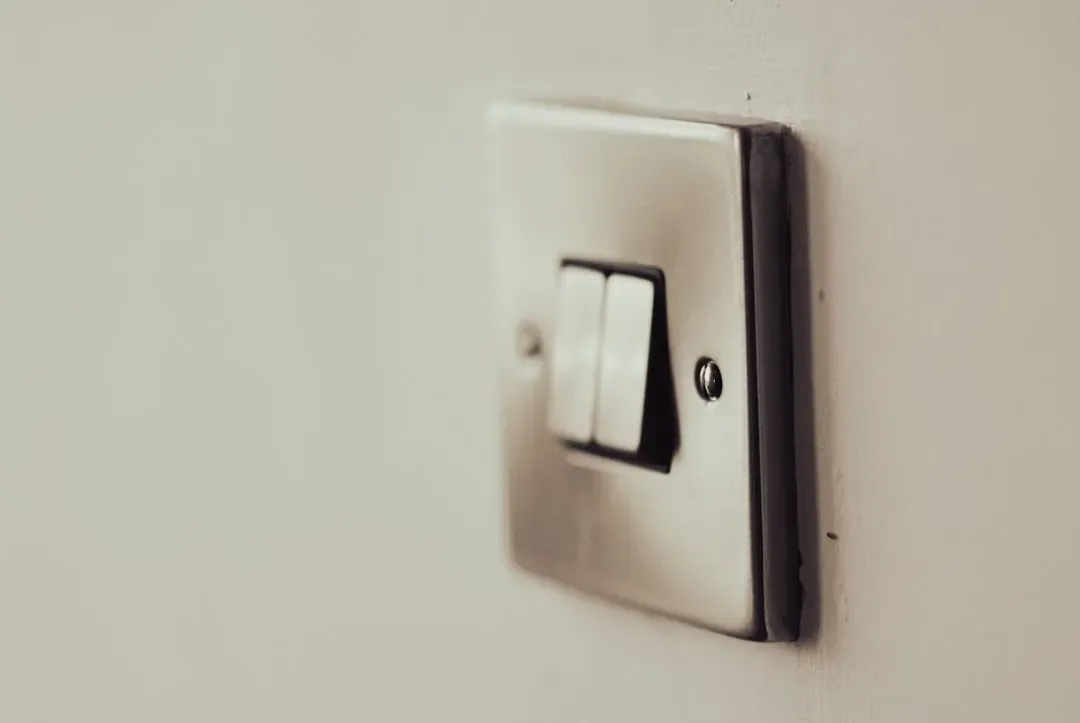
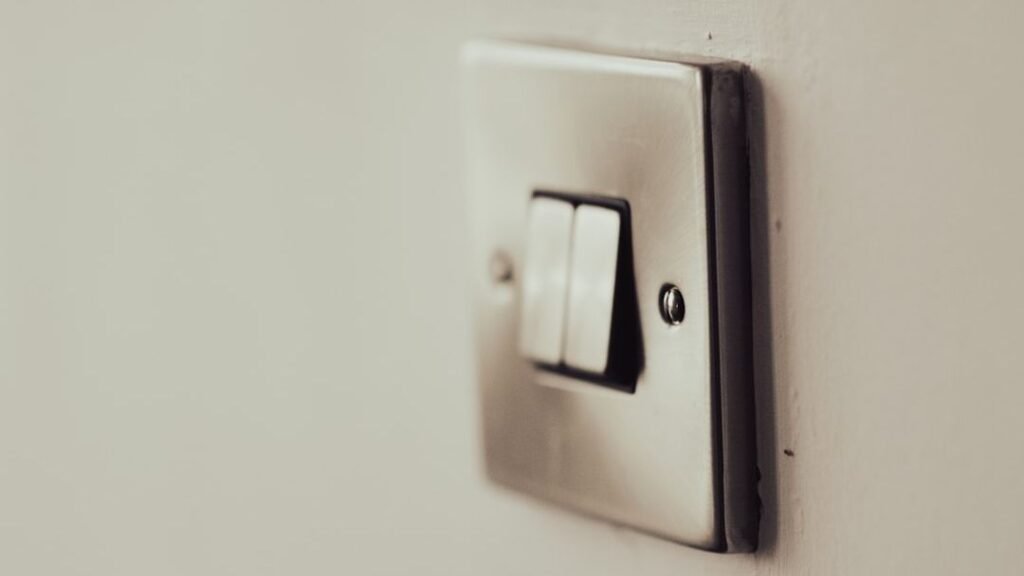
Flipping a light switch feels almost too simple for what it does, but behind that tiny click is a neat bit of electrical engineering designed for both safety and reliability. Inside, the switch is creating or breaking a physical connection between metal contacts, allowing electric current to flow or cutting it off. Those contacts are shaped and spaced so they can handle the sudden surge of electrons without sparking dangerously or welding themselves together.
Modern switches use spring mechanisms that snap from one position to the other quickly, minimizing the time the contacts hover close together without touching, which reduces arcing. Some designs also include small features to suppress electrical noise and improve longevity. With a fraction of a second of finger movement, you’re quietly commanding billions of electrons to start or stop moving through a circuit, turning abstract physics into instant light on your wall.
The next time you zip your jacket, jot a note, or pour coffee, you’ll know you’re surrounded by hidden laboratories disguised as everyday things. How many more quiet little wonders are you willing to notice the next time you look around your home?