On a planet that seems increasingly mapped, modeled, and monitored, some of Earth’s most astonishing stories of survival are still unfolding in places most of us will never see. From lakes that could strip paint to mines hotter than a summer highway, living things are quietly rewriting what we thought biology could withstand. This article explores ten extreme habitats where life not only clings on, but flourishes in ways that challenge long‑held assumptions about chemistry, evolution, and even the search for life beyond Earth. Along the way, it reveals how fragile, improvised, and astonishingly inventive life can be when pushed to the edge. If you’ve ever suspected that nature is more imaginative than any sci‑fi writer, these habitats are the proof.
Boiling Acid Pools of Yellowstone: Chemistry on a Knife-Edge
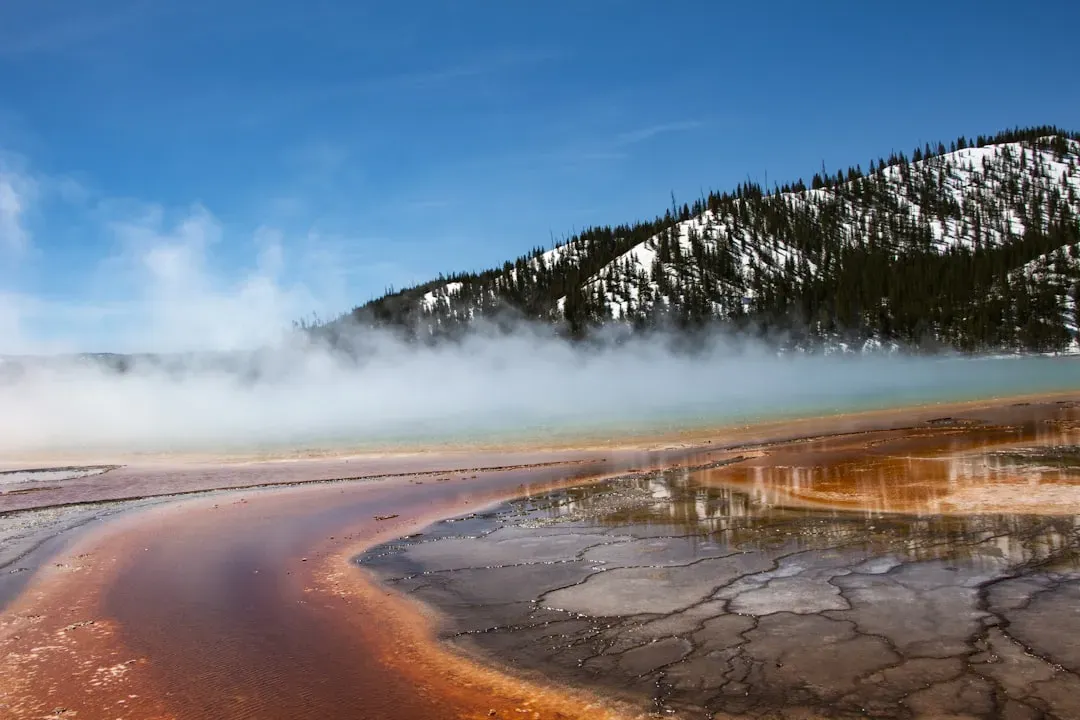
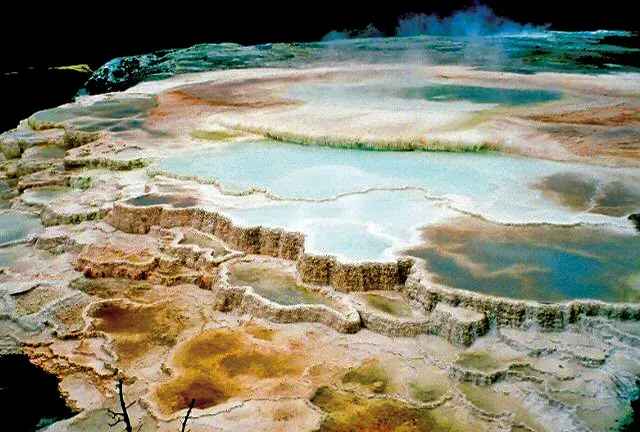
Walk through parts of Yellowstone’s hydrothermal areas and you are basically strolling over a living chemistry set that should be utterly lethal. Some of its pools are acidic enough to dissolve metal and hot enough to cook an egg in seconds, yet microbial mats paint them in surreal bands of orange, green, and deep rust. These organisms, mostly archaea and bacteria, have evolved proteins and cell membranes that remain stable in temperatures that would unravel normal enzymes. Many rely on sulfur or iron instead of oxygen, pulling energy from chemical gradients the way we pull heat from a stove. What seems like an infernal wasteland is, to them, a well‑stocked pantry.
Yellowstone’s hot springs became a quiet revolution for molecular biology when a heat‑tolerant enzyme from one of its microbes made modern DNA amplification possible. That leap, from a remote steaming pool to a standard machine in almost every genetics lab, is a reminder that these obscure organisms are not evolutionary side notes. They are hints of how early life on Earth may have gotten started when the planet was hotter and more volcanic. To me, it’s oddly humbling to think that a place I once dismissed as “that tourist geyser park” holds keys to how we detect viruses, solve crimes, and trace our own ancestry.
Deep-Sea Hydrothermal Vents: Cities Built Around Scalding Chimneys
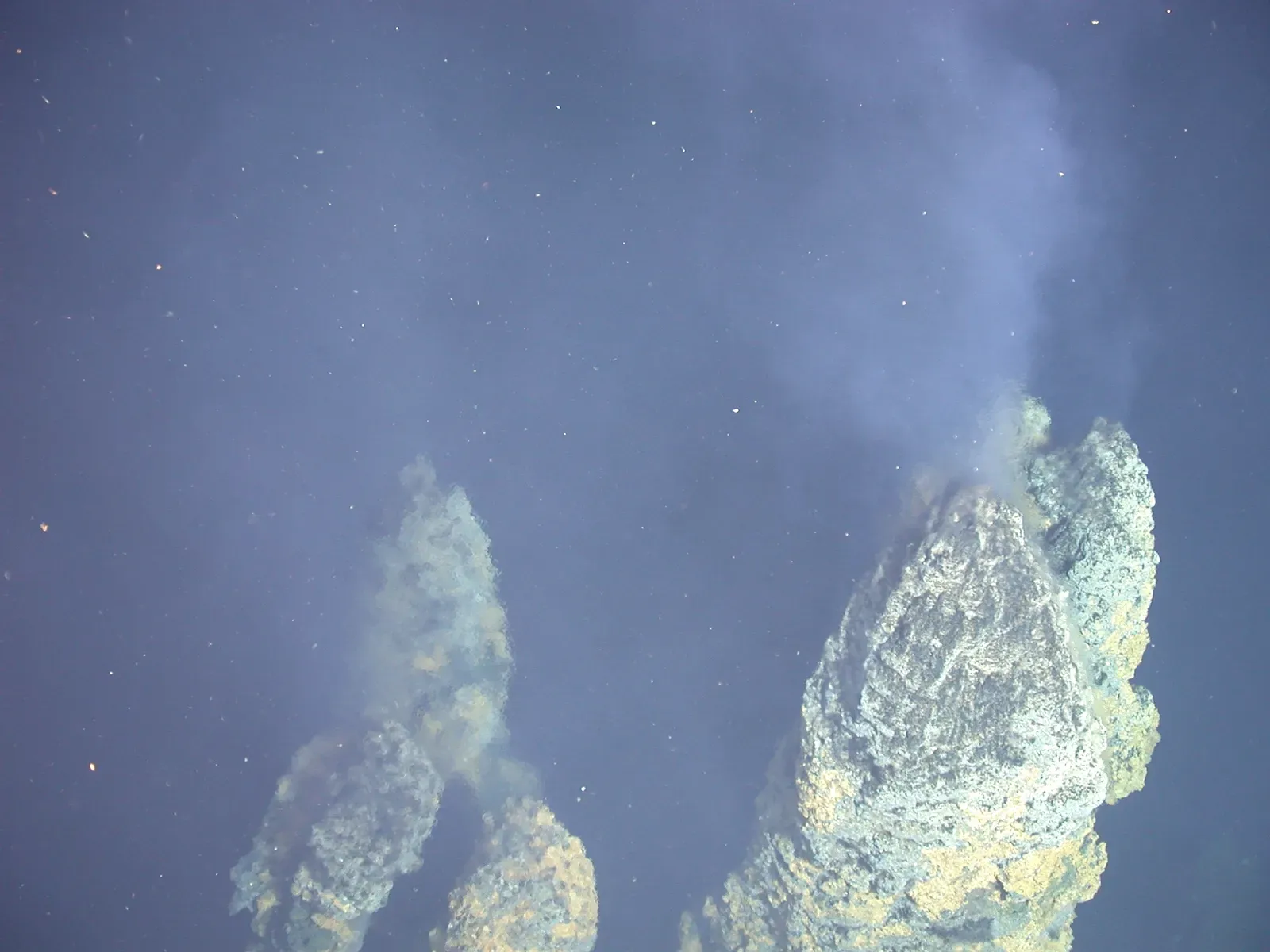
Two to three kilometers beneath the ocean’s surface, where sunlight never reaches and pressures would crush a submarine, black smoker vents billow hot, mineral‑rich fluids into the deep. Around these chimneys, entire ecosystems bloom, turning chemical energy from Earth’s interior into food in a process called chemosynthesis. Giant tubeworms, blind shrimp, ghostly crabs, and bacteria‑coated mussels live in dense clusters that look like underwater factory towns. Many species here have never seen light, and their eyes, if they have them at all, are often repurposed into heat or chemical sensors instead.
The first discovery of these vent communities in the late 1970s forced scientists to admit that photosynthesis is not the only foundation for complex ecosystems. Before that, the prevailing idea was that life ultimately depended on sunlight trickling down the food chain. Instead, these vents revealed a parallel world powered by geologic heat and chemical disequilibrium. When I first saw footage of a vent field, it felt like watching life that belonged to another planet, yet it is ours, pulsing quietly at the seams of the ocean floor.
Antarctica’s Subglacial Lakes: Secret Ecosystems in the Dark
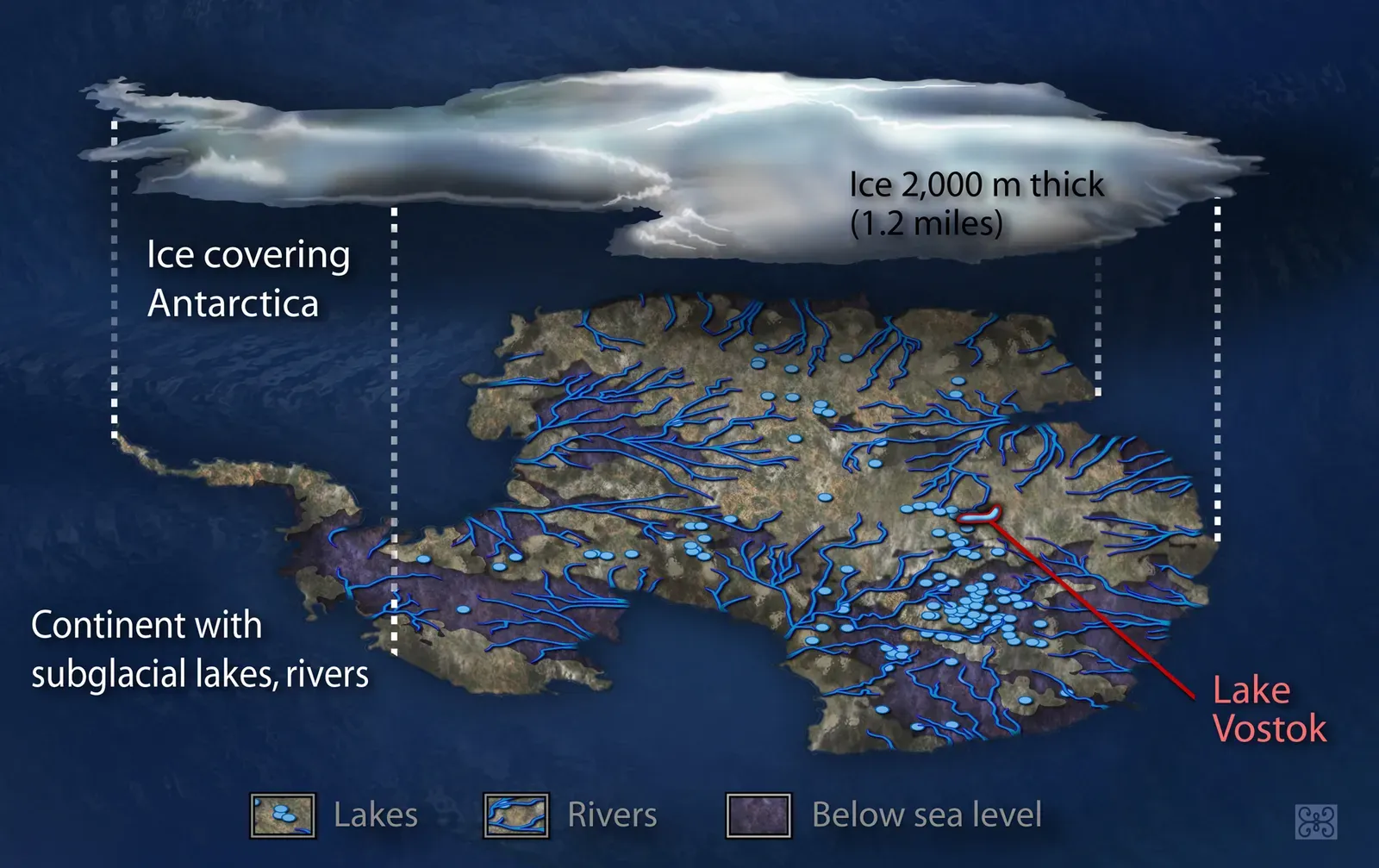
Buried beneath kilometers of Antarctic ice, subglacial lakes remain among the most isolated aquatic habitats on Earth. Lake Vostok, one of the largest, has been sealed off from the atmosphere for hundreds of thousands of years, its waters kept liquid by pressure and geothermal heat despite surface temperatures colder than a home freezer. Drilling projects, which have to be carefully designed to avoid contamination, have uncovered evidence of microbial DNA and cells adapted to frigid, oxygen‑poor, and dark conditions. These microbes likely feed on trace minerals dissolved from the bedrock and on gases trapped in ice above.
The existence of these ecosystems has reshaped how scientists think about habitability on icy moons like Europa and Enceladus. If life can persist in a pitch‑black, subzero lake under Antarctic ice, it seems more plausible that similar strategies might work in the hidden oceans of distant worlds. At the same time, these lakes are delicate scientific treasures; a careless drilling fluid leak could swamp a system that has been stable longer than human civilization has existed. There is something almost eerie in the idea that entire microbial communities may have cycled, evolved, and persisted in utter darkness, unaware that an air‑breathing species is now carefully knocking on their frozen roof.
Atacama Desert Salt Flats: Living on Almost No Water
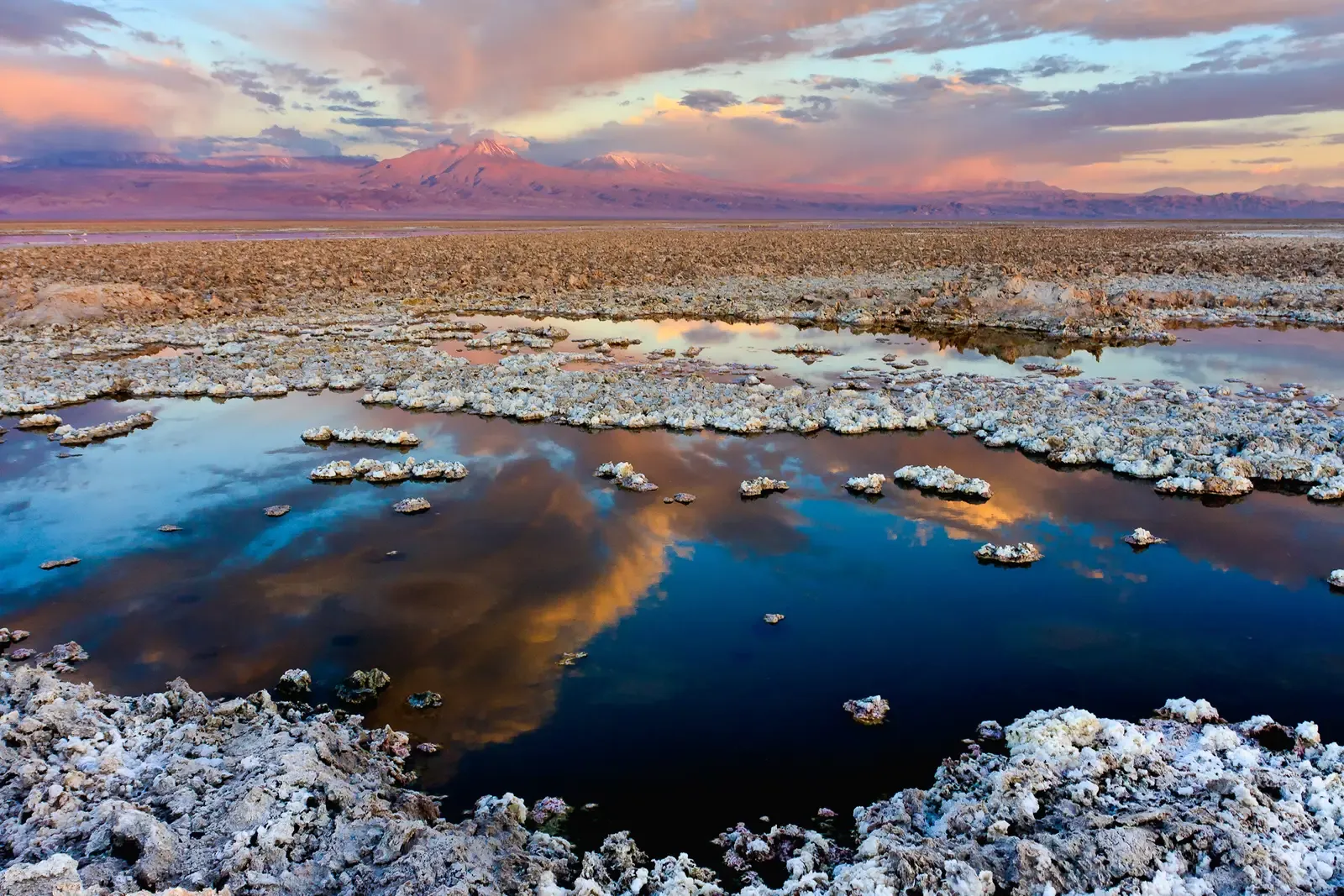
The core of Chile’s Atacama Desert is often described as the driest non‑polar place on Earth, with some weather stations recording no measurable rainfall for decades. On the surface, it looks lifeless: salt‑encrusted plains, bleached rocks, and a sun that feels more like interrogation than warmth. Yet within the structure of salt crusts and inside porous rocks, microscopic communities of algae, bacteria, and fungi quietly persist. They scrape by on moisture from coastal fogs, microscopic films of liquid brine, or even water vapor absorbed directly from the air.
These organisms have evolved pigments that protect their DNA from intense ultraviolet radiation and repair systems that cope with prolonged desiccation. Some can effectively “pause” their metabolism during extreme dryness and then restart when a rare hint of water appears. When planetary scientists test instruments for Mars in the Atacama, they are not just practicing rover driving – they are calibrating our sense of what “too dry for life” really means. I still remember standing in a similar desert landscape once and feeling like I was on the surface of another world; learning later that microbes may be thriving just a few millimeters beneath my boots made the silence feel much less empty.
Pitch-Black Caves and Sulfur Springs: Life Without Sun or Fresh Air
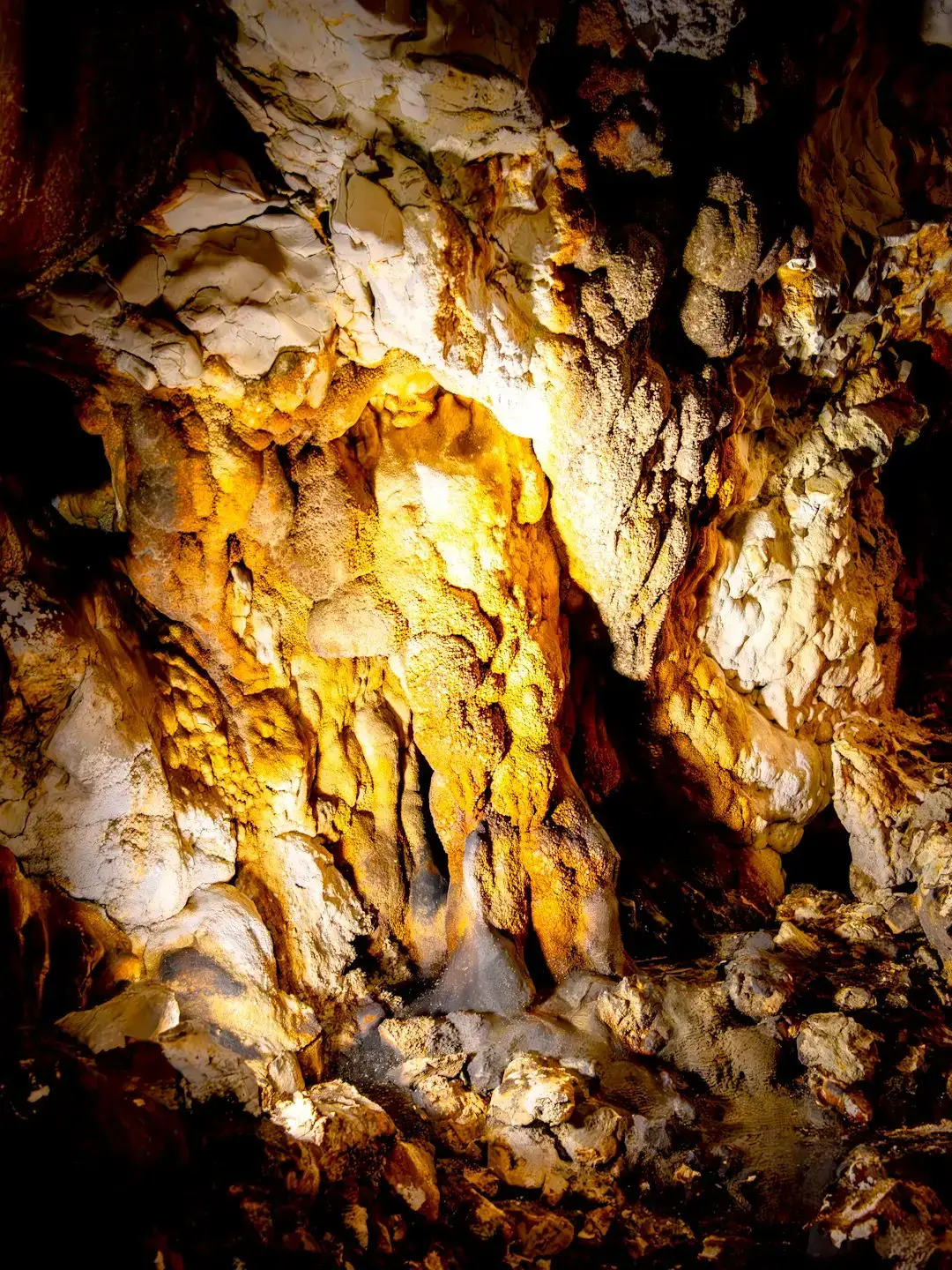
Some of the most startlingly alien habitats on Earth are hidden in caves that reek of sulfur and lack any fresh air circulation. In a few of these systems, groundwater rich in hydrogen sulfide feeds dense mats of bacteria that, in turn, support specialized invertebrates like worms, crustaceans, and insects adapted to total darkness. The water can be low in oxygen, highly acidic, and laden with gases that would kill a human visitor without protection. Yet for the organisms that live there, these caves are stable, nutrient‑rich refuges insulated from surface changes.
Without photosynthesis, these communities rely on chemoautotrophy, where microbes harness energy from oxidizing sulfur or other reduced compounds. The animals grazing on these microbes often have pale, unpigmented bodies and reduced or absent eyes, channeling their energy budget into touch, smell, or chemical sensing instead. These caves are natural laboratories for evolution in isolation and for cooperation between microbes and animals that would never survive alone. They also force a tough question for anyone who sees humans as the central story of life on Earth: if half the planet’s biomass is microbial and thriving in places we find uninhabitable, who is really the exception?
Super-Saline Lakes and Brine Pools: Where Salt Becomes a Solvent of Evolution
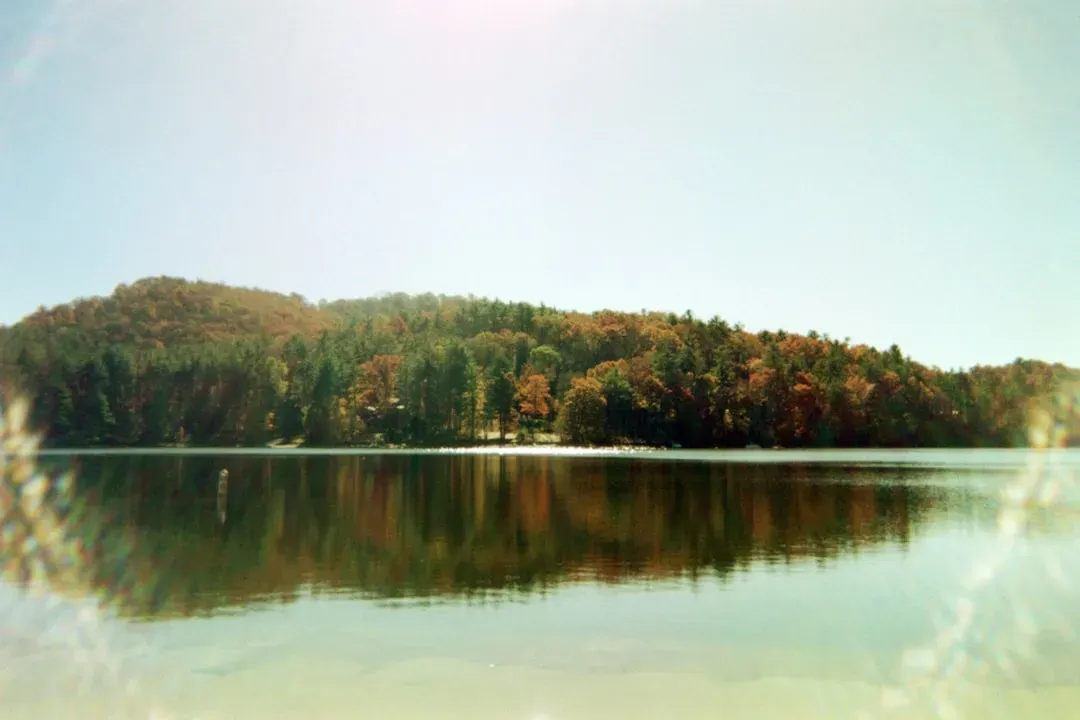
In places like the Dead Sea, Utah’s Great Salt Lake, or deep‑sea brine pools, salt concentrations soar far beyond what most living cells can tolerate. High salinity dehydrates cells, disrupts proteins, and wrecks normal biochemistry, yet specialized halophilic microbes and even some tiny crustaceans turn these harsh waters into home. They manage this by stuffing their cells with compatible salts or organic molecules that balance osmotic pressure without destroying delicate structures. Pigmented halobacteria can tint whole bodies of water pink or purple, a visual reminder that what looks toxic to us may be ideal for something else.
These salt‑loving communities are not just microbial curiosities; they can shape local chemistry, influence mineral deposition, and even impact climate‑relevant processes by releasing or consuming certain gases. In some super‑saline lakes, layered microbial mats record thousands of years of environmental change, acting like biological tree rings. For chemists and astrobiologists, understanding how halophiles stabilize their proteins and DNA in such extremes suggests possible strategies for life in the briny subsurface of Mars or icy moons. There is a strange beauty in the idea that salt, which we often use to preserve and desiccate, is also the backbone of thriving, shimmering ecosystems.
High-Altitude Andes and Himalaya: Breathing Thin Air Under Cosmic Radiation
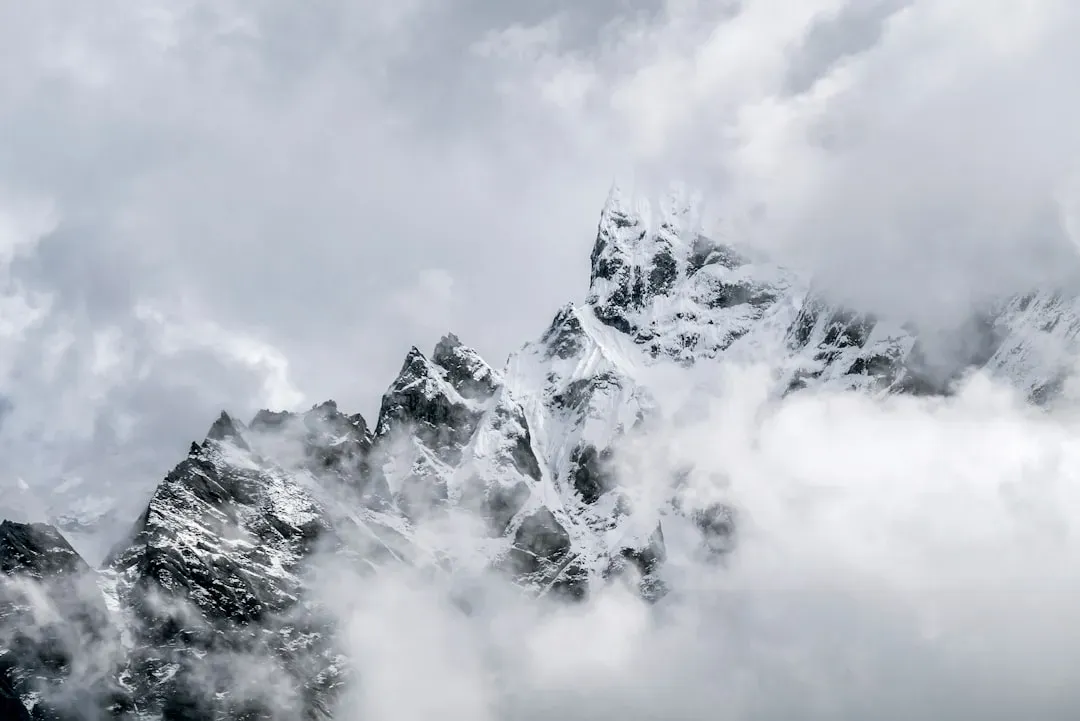
On windswept Andean plateaus and Himalayan slopes, life fights a two‑front war against thin air and fierce radiation. Plants, insects, birds, and mammals must cope with low oxygen, intense ultraviolet light, freezing nights, and volatile weather. Many high‑altitude plants hug the ground in cushion‑like forms, trapping warm air and reducing their exposure to wind; others produce protective pigments that act like natural sunscreen. Animals often evolve larger lungs, more red blood cells, or altered hemoglobin that binds oxygen more tightly, tweaks that can mean the difference between collapse and comfortable grazing.
Some birds soar at altitudes that would leave a human climber gasping, supported by efficient respiratory systems and wings tuned to low‑density air. Even microbes on rock surfaces or in shallow soils have to manage radiation and desiccation in ways not so different from their desert cousins. These harsh mountaintop habitats have become living laboratories for understanding rapid adaptation, with genetic studies revealing how quickly populations can fine‑tune their physiology when the stakes are survival. Having once wheezed my way up a modest high‑altitude trail, I have a deep respect for anything that calls these elevations home year‑round.
Boiling Mines and Deep Rock Fractures: Life in the Planet’s Cracks
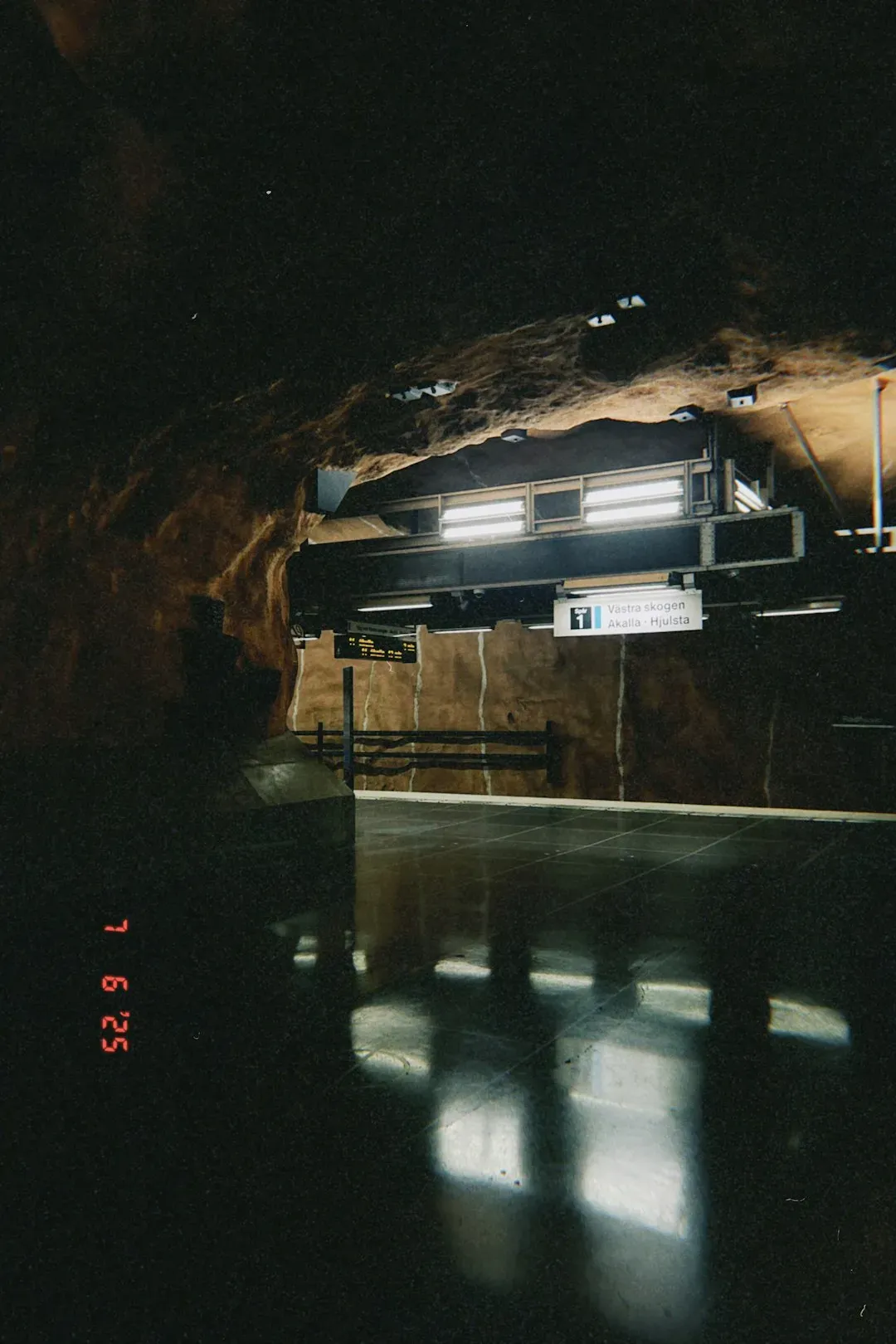
Kilometers below Earth’s surface, in deep South African gold mines and natural rock fractures, scientists have found microbial communities living in complete darkness, high pressure, and temperatures approaching the boiling point of water. These organisms tap into chemical energy from the breakdown of radioactive elements or from reactions between rock and trapped water, rather than depending on sunlight or surface‑derived organic matter. Some appear to have been isolated for astonishing spans of time, with energy budgets so low that cell division may be staggeringly rare. Their world is narrow, often confined to hairline fractures filled with thin films of fluid.
The realization that Earth’s “deep biosphere” may extend several kilometers down alters how we calculate the total biomass and energy flow of the planet. It also complicates our ideas of what makes a world truly dead; as long as rock, water, and a few reactive elements meet, microbes may find a way to scrape by. On a personal level, I find this subterranean life almost unsettling, a hidden mirror of our own surface world yet indifferent to sunlight, seasons, or the rise and fall of civilizations overhead. It’s a reminder that our familiar landscapes are just one thin skin on a far more complex living planet.
What These Extremes Tell Us About Life’s Playbook
Viewed together, these ten habitats show that life is less a fragile crystal and more a shape‑shifting river, flowing into any niche that physics and chemistry leave open. Traditional biology education tended to frame “normal” life as organisms like us in temperate climates, with extremophiles presented as quirky outliers. Modern research flips that script: many of the biochemical tricks used in extreme settings – stabilizing proteins, repairing DNA, harnessing chemical gradients – are variations on themes present across the tree of life. Instead of being rule‑breakers, these organisms reveal the underlying rules more clearly by pushing them to their limits.
These extremes have also forced changes in our technological and cultural thinking. Enzymes from hot springs reshaped molecular biology, desert microbes inform Mars exploration, and deep‑sea vent ecosystems feed into discussions about early life on Earth. Culturally, the notion that the planet is crawling with life in places we once dismissed as sterile has nudged us away from human‑centric definitions of habitability. When we imagine alien worlds now, we are less likely to picture Earth‑like forests and more likely to consider chemical oases under ice, in rock, or at the bottom of oceans. For me, that shift feels deeply healthy; it places us within a vast tapestry rather than at its center.
From Awe to Action: How Readers Can Engage With Extreme Life
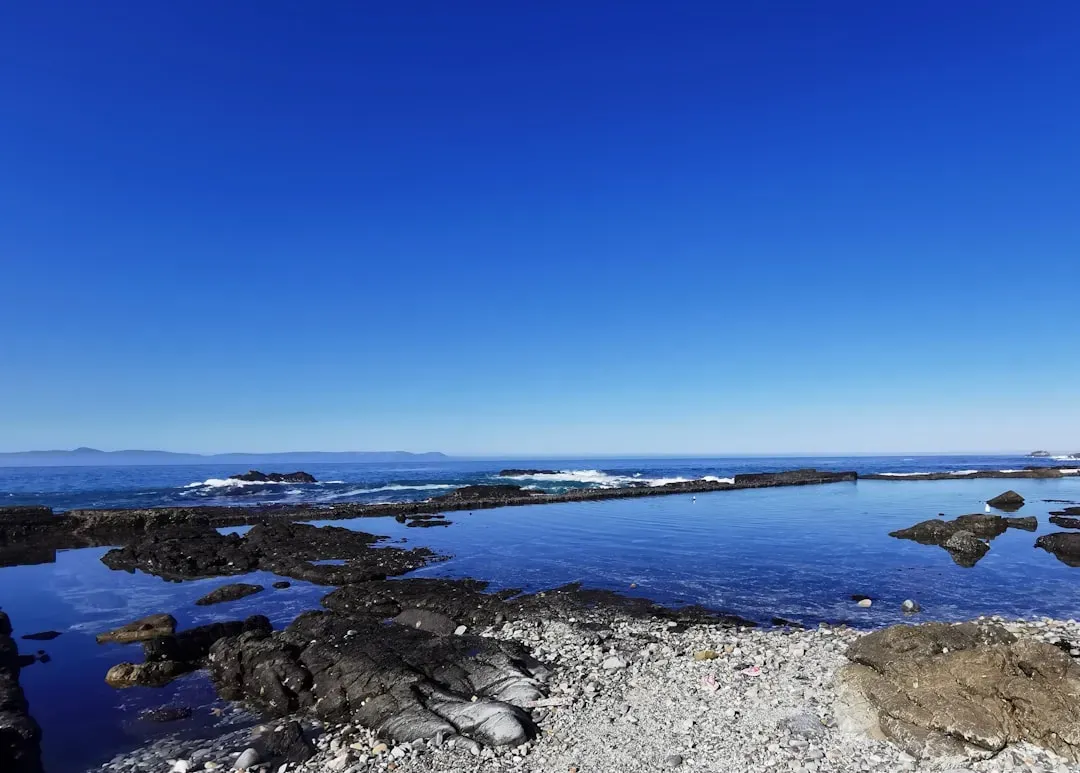
Most of us will never rappel into a sulfur cave or descend to a hydrothermal vent, but we can still shift how we see the ordinary landscapes around us. A small tide pool, a patch of sidewalk moss, or the crust of a roadside salt puddle can be an accessible window into the same resilience we admire in more famous extremes. Supporting local science museums, citizen‑science projects, or dark‑sky initiatives can indirectly aid the researchers and institutions studying these hidden worlds. Even something as simple as learning the names of a few lichens or desert plants in your area changes a vague backdrop into a community of survivors.
On a broader level, many of these habitats are vulnerable to pollution, groundwater extraction, climate change, or careless tourism. You can advocate for protected areas, vote with your travel choices, and be skeptical of activities that promise “extreme” experiences at the expense of fragile ecosystems. Paying attention to environmental policy, even at the local level, is one of the most concrete ways to stand up for the strange and seldom‑seen corners of the biosphere. In a sense, every time we choose curiosity over indifference, we make a small bet in favor of life’s continued ability to surprise us. Which hidden habitat will you find yourself thinking about the next time someone claims Earth has no mysteries left?
Suhail Ahmed is a passionate digital professional and nature enthusiast with over 8 years of experience in content strategy, SEO, web development, and digital operations. Alongside his freelance journey, Suhail actively contributes to nature and wildlife platforms like Discover Wildlife, where he channels his curiosity for the planet into engaging, educational storytelling.
With a strong background in managing digital ecosystems — from ecommerce stores and WordPress websites to social media and automation — Suhail merges technical precision with creative insight. His content reflects a rare balance: SEO-friendly yet deeply human, data-informed yet emotionally resonant.
Driven by a love for discovery and storytelling, Suhail believes in using digital platforms to amplify causes that matter — especially those protecting Earth’s biodiversity and inspiring sustainable living. Whether he’s managing online projects or crafting wildlife content, his goal remains the same: to inform, inspire, and leave a positive digital footprint.