Stand close enough to the boundary between everyday life and the quantum world, and you start to feel something unsettling: reality itself seems to flinch when you look at it. For more than a century, physicists have built experiments so precise they can count single particles, yet the act of observing keeps changing the very thing they want to measure. This is not a poetic metaphor but a hard experimental fact that keeps showing up, from early electron beams to today’s quantum computers. What we are slowly uncovering is a universe where “what exists” and “what is observed” cannot be cleanly separated, no matter how clever our instruments become.
When a Slit Became a Riddle: How a Simple Experiment Broke Classical Intuition
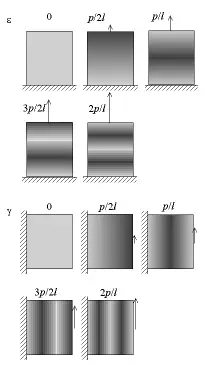
The story usually starts with something deceptively simple: shining particles at a barrier with two narrow openings, the famous double-slit experiment. Early in the twentieth century, experiments with light and later with electrons showed an interference pattern on a screen, the kind we normally associate with waves, not tiny billiard-ball particles. When experimenters tried to determine which slit each particle went through by adding detectors, the interference vanished and the pattern shifted toward what you’d expect from classical pellets. Just trying to find out “which path” destroyed the very wave-like behavior that produced the mysterious pattern.
This was more than a lab curiosity; it was a direct hit on the ancient idea that objects have definite properties independent of observation. In a classical world, learning more about a system should simply refine what we know, not remake the outcome itself. Yet in the double-slit setup, the universe seemed to offer a harsh bargain: know the path, lose the interference; keep the interference, forfeit the path. That trade-off became one of the earliest, clearest signs that the quantum world refuses to be seen without being disturbed in a fundamental way.
Uncertainty as a Built‑In Limit, Not a Measurement Flaw
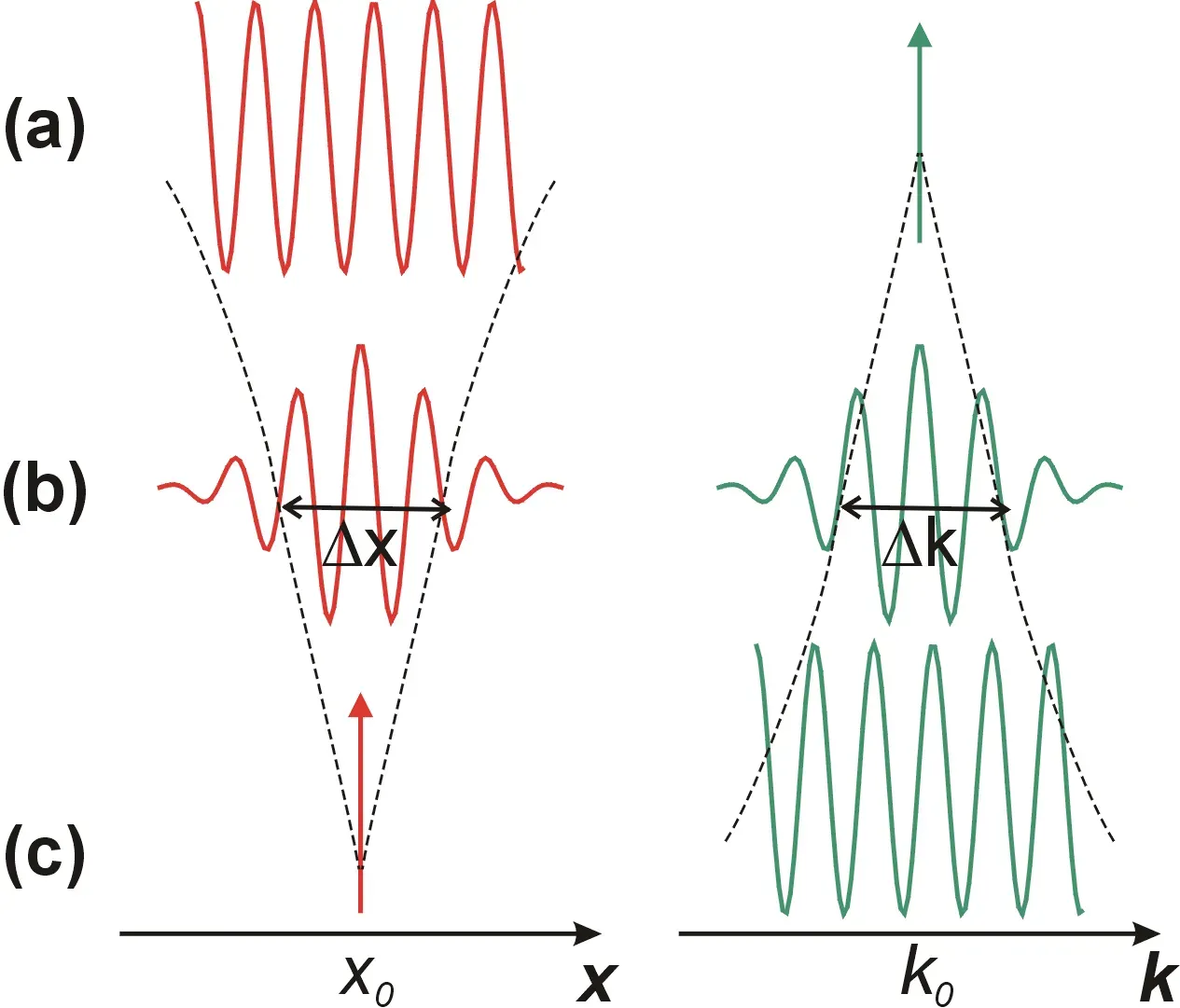
For a long time, it was tempting to blame this strangeness on the clumsiness of our tools, as if smaller, gentler instruments might someday fix the problem. Werner Heisenberg shattered that hope by showing that uncertainty is not about bad technology but about how nature itself is structured. His uncertainty principle links how precisely we can know a particle’s position to how well we can know its momentum, and the product of those uncertainties can never fall below a specific tiny constant. No matter how carefully you prepare or measure, you can never get both numbers arbitrarily tight at the same time.
In practical terms, this means reality cannot be thought of as a hidden ledger of exact positions and momenta waiting to be read out. The ledger itself does not exist in the way classical physics imagined, and observation does not simply reveal pre-written entries. Instead, measurement is more like forcing a decision in a system that could have taken many possible values, with the limits encoded in the mathematics of quantum theory. The messiness is not a reflection of our ignorance; it is a reflection of what there is to know in the first place.
Entanglement and the Shock of Distant Disturbance
If uncertainty unsettled physics, entanglement made it downright uncanny. Entangled particles are created so that certain properties are linked, even when the particles later fly far apart, across a lab or even across continents. When an experimenter measures one particle’s property, such as its polarization or spin, the result for the other particle is immediately constrained, in a way that cannot be explained by simple pre-agreed labels. The correlations between the outcomes are stronger than any scheme based on hidden, classical instructions would allow.
Over the second half of the twentieth century and into the twenty-first, increasingly precise tests of Bell’s inequalities showed these quantum correlations again and again. These experiments closed loopholes one by one, using rapid random choices of measurement settings and fast detectors to rule out slower, classical influences. The results forced physicists to accept that any theory compatible with the data must give up on some comfortable idea, such as local hidden variables or a tidy picture of properties existing independent of measurement. The world does not only resist being observed cleanly; it also resists being carved up into independent, untouched pieces.
Delayed‑Choice and Quantum Erasers: When the Future Seems to Rewrite the Past

As if simple interference and entanglement were not enough, physicists pushed the puzzle further with delayed-choice and quantum eraser experiments. In these setups, a particle passes through a system where it could have taken multiple paths, but the decision to preserve or erase “which path” information is made only after the particle seems to have already gone through. Strikingly, when the experiment is analyzed, the data behave as if the later choice determined whether the particle had traveled like a wave through both paths or like a particle through just one. The order of events in time looks ordinary on the lab clock, but the correlations defy everyday causality stories.
Quantum eraser versions extend this logic by encoding which-path information in an entangled partner and then selectively erasing or revealing that information. When the path information is effectively wiped out, interference patterns re-emerge in carefully sorted subsets of the data, even though no individual detection “shows” a wavy track. Nothing literally travels backward in time, according to mainstream interpretations, but the experiments highlight how deeply our usual ideas of cause, effect, and observation can fail in quantum settings. They drive home the point that trying to observe a clean, timeline-friendly account of what “really happened” at every step is often impossible.
From Cloud Chambers to Quantum Chips: How Devices Expose the Measurement Problem
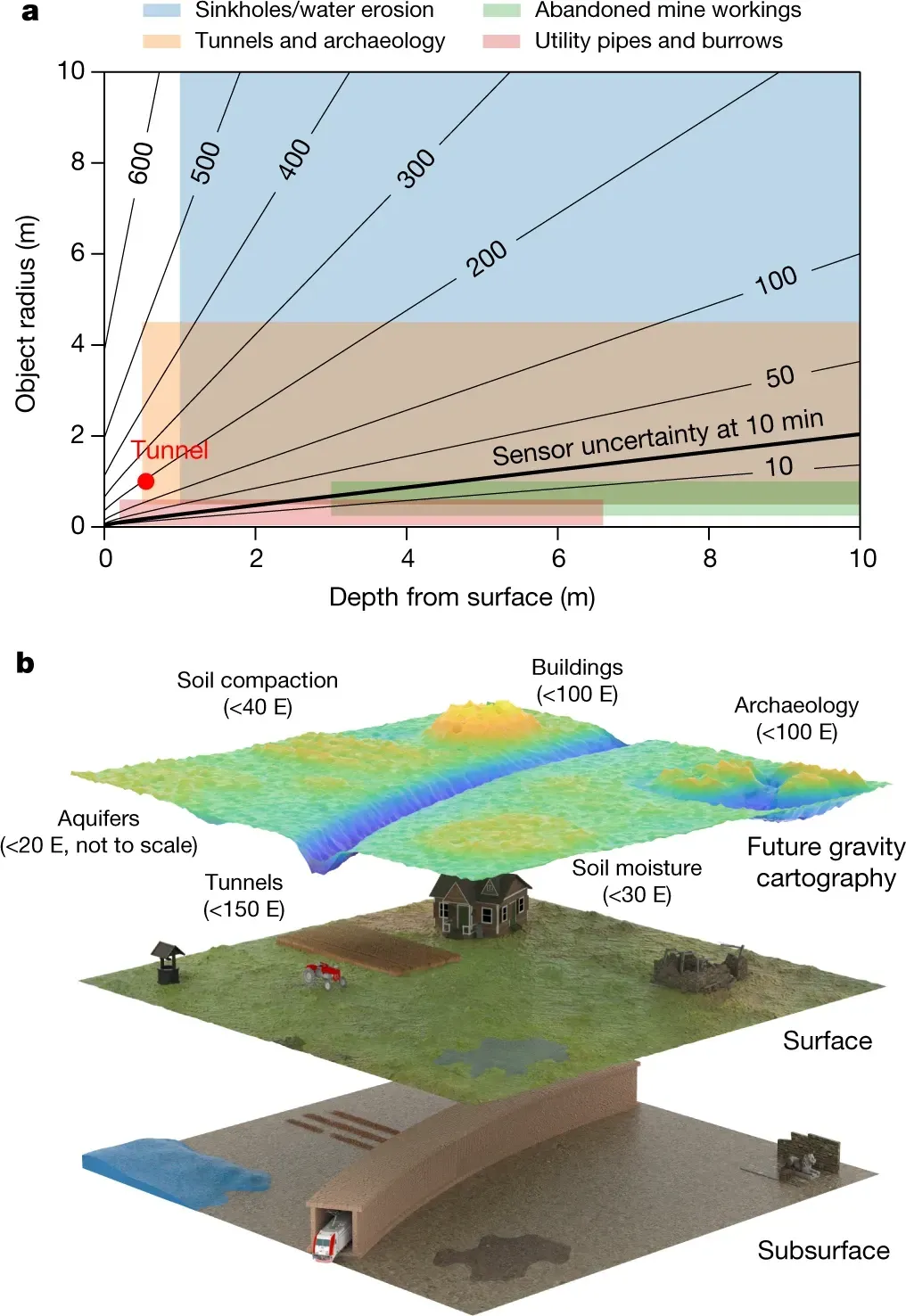
The tension between observation and reality is not confined to thought experiments; it is embedded in the history of instruments themselves. Early particle detectors, such as cloud and bubble chambers, turned invisible tracks into strings of tiny droplets or bubbles, each one a mark of a quantum event made macroscopic. Those devices already relied on the idea that triggering a visible track meant the system had been forced into a particular, measurable state. Later generations of detectors, from photomultiplier tubes to superconducting qubits, kept refining this bridge between the fragile quantum world and our noisy, classical apparatus.
Today’s quantum technologies have turned the measurement problem from a philosophical puzzle into an engineering constraint. In a quantum computer, each qubit can exist in superpositions and entangled states that are extremely sensitive to any stray interaction with their surroundings. A wandering electromagnetic field, a vibration in the chip, or an accidental probe can all act like unwanted measurements, collapsing delicate states and corrupting calculations. Engineers now deliberately design layers of shielding, error-correcting codes, and carefully timed measurement sequences to control when and how observation occurs. The practical struggle to keep qubits coherent is a modern echo of that older realization: you cannot look at the quantum world without changing it.
What “Observation” Really Means: The Deeper Significance of Quantum Refusal
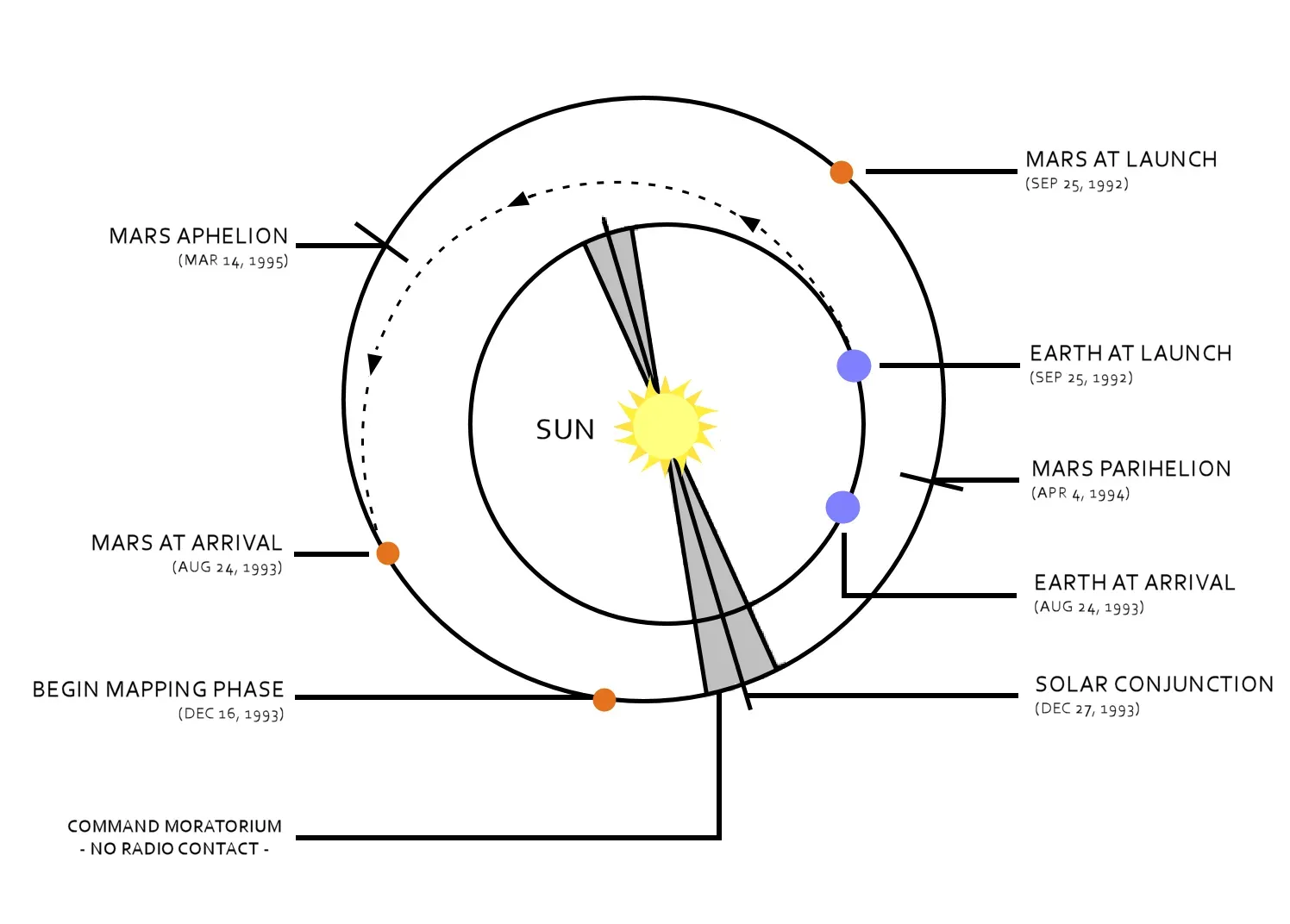
It is tempting to imagine that observation in quantum theory requires a conscious mind peering through a microscope, but the physics points in a different direction. In most mainstream approaches, what matters is interaction and information transfer: when a system becomes correlated with something in its environment in a way that can, in principle, be amplified to macroscopic scales, quantum possibilities narrow into specific outcomes. Decoherence theory describes how countless tiny interactions with the environment rapidly suppress interference between different possible states, making the world look classical at everyday scales. The cat in the box does not wait for a human eye; the atmosphere, the box itself, and stray photons act as relentless observers.
This perspective shifts the measurement problem from being a mystical riddle to being a structural feature of how quantum systems couple to everything around them. The refusal to be observed cleanly is not just about human limits; it is about how information is created, spread, and locked into stable records in the universe. Compared with earlier physics, which assumed properties existed regardless of what touched them, quantum theory demands that we treat observation as a physical process on par with forces and fields. It ties the emergence of our solid-seeming reality to a continuous, messy conversation between systems and their environments, where clean, untouched states are the rare exception.
Echoes of Ancient Questions: Hidden Layers and the Desire for Secret Orders
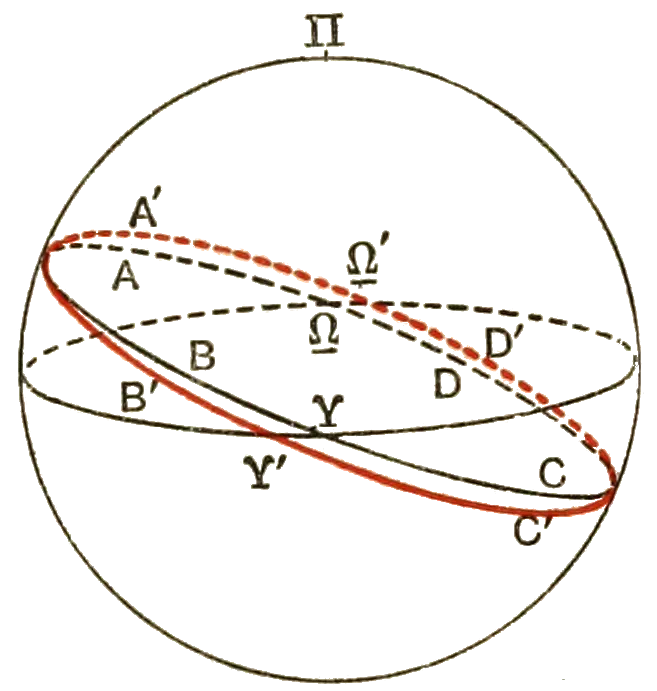
Long before electrons and photons entered the stage, older civilizations wrestled with a simpler version of this discomfort: the sense that the world might hide deeper orders behind what we can see. From intricate calendars carved into stone to precisely aligned temples and pyramids, many ancient places show a blend of observation, pattern-seeking, and a drive to connect the visible sky with an invisible structure of meaning. Those builders did not know about quanta, yet they were already confronting a reality that refused to give up its secrets easily. They tracked eclipses, planetary motions, and seasonal shifts with remarkable care, finding regularities that hinted at something more than random change.
Quantum physics revives that old tension in a more precise and unsettling way. Where older sky-watchers imagined hidden cycles or gods behind what they observed, modern physicists find hidden amplitudes and probabilistic rules that only show themselves indirectly. The mathematics of quantum theory acts like a new kind of esoteric knowledge: powerful, predictive, and yet forever one step removed from a simple picture of “what is really there” when no one looks. In both ancient and modern quests, the act of observing is never neutral; it shapes the stories we tell about what lies behind the veil.
Unfinished Business: Open Questions at the Edge of Observation
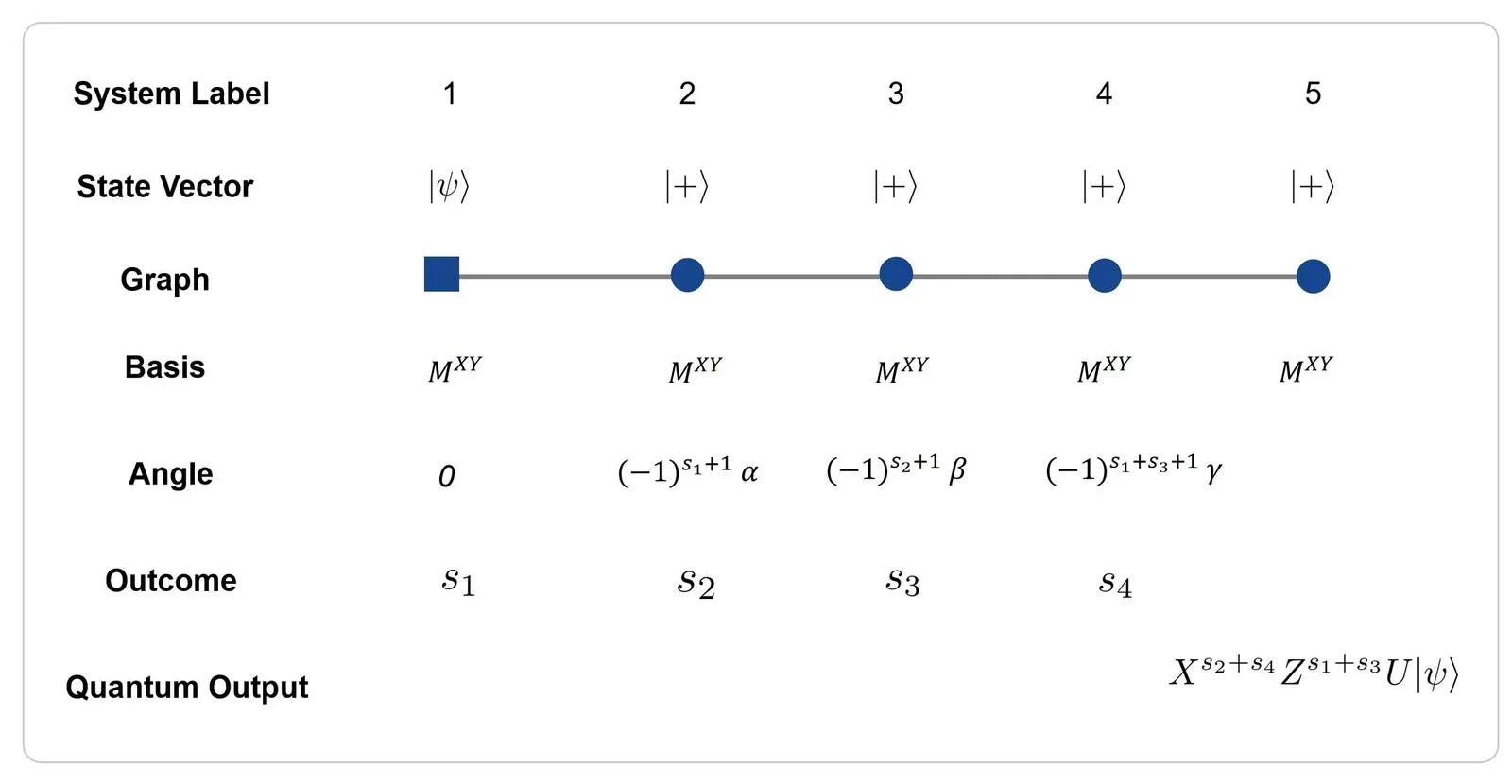
For all the success of quantum theory in predicting experimental results, the deeper meaning of its refusal to be observed cleanly is still debated. Multiple interpretations compete: some treat the wavefunction as a real physical entity that branches into many possibilities, others see it as a sophisticated tool for organizing our expectations, and still others posit hidden variables at the cost of abandoning simple locality. Experiments continue to close loopholes and test the limits of entanglement and contextuality, but no single philosophical picture has yet won universal acceptance. The equations work astonishingly well, while our intuitions lag behind.
New frontiers, such as attempts to connect quantum mechanics with gravity or to test quantum effects in increasingly massive systems, may sharpen these questions in the coming decades. If interference and entanglement can be demonstrated for larger and more complex objects, our notions of where the quantum world ends and the classical world begins will need further revision. Each new experiment is less like polishing a window and more like discovering that the glass itself bends and thickens when we stare through it. The refusal of the quantum world to be cleanly observed is no longer a glitch to be fixed; it is a clue that our deepest concepts of reality are still under construction.
Keeping the Mystery Productive: How Readers Can Engage With a Messy Universe
Living in a universe that changes when we observe it can feel disorienting, but it is also an invitation to pay closer attention to how we know what we think we know. One simple way to engage is to follow real experiments, not just popular summaries, and notice how carefully physicists describe their measurements and uncertainties. Many labs, universities, and science organizations now share accessible explanations, data visualizations, and even open datasets that let curious readers see how quantum results emerge from raw counts and correlations. Spending time with those details can be more revealing than any sweeping headline about weirdness.
Another practical step is to treat quantum strangeness not as a mystical slogan but as a reminder that our intuitions are tools shaped by survival at human scales, not final judges of truth. When you see news about entanglement, quantum computing, or exotic tests of reality, ask what was actually measured, what trade-offs were involved, and how the act of observation was controlled. Supporting museums, public lectures, and educational projects that explain these ideas in concrete, non-sensational ways helps keep the mystery anchored in evidence. In , careful, curious observation is still one of the most powerful things we can do.
Suhail Ahmed is a passionate digital professional and nature enthusiast with over 8 years of experience in content strategy, SEO, web development, and digital operations. Alongside his freelance journey, Suhail actively contributes to nature and wildlife platforms like Discover Wildlife, where he channels his curiosity for the planet into engaging, educational storytelling.
With a strong background in managing digital ecosystems — from ecommerce stores and WordPress websites to social media and automation — Suhail merges technical precision with creative insight. His content reflects a rare balance: SEO-friendly yet deeply human, data-informed yet emotionally resonant.
Driven by a love for discovery and storytelling, Suhail believes in using digital platforms to amplify causes that matter — especially those protecting Earth’s biodiversity and inspiring sustainable living. Whether he’s managing online projects or crafting wildlife content, his goal remains the same: to inform, inspire, and leave a positive digital footprint.