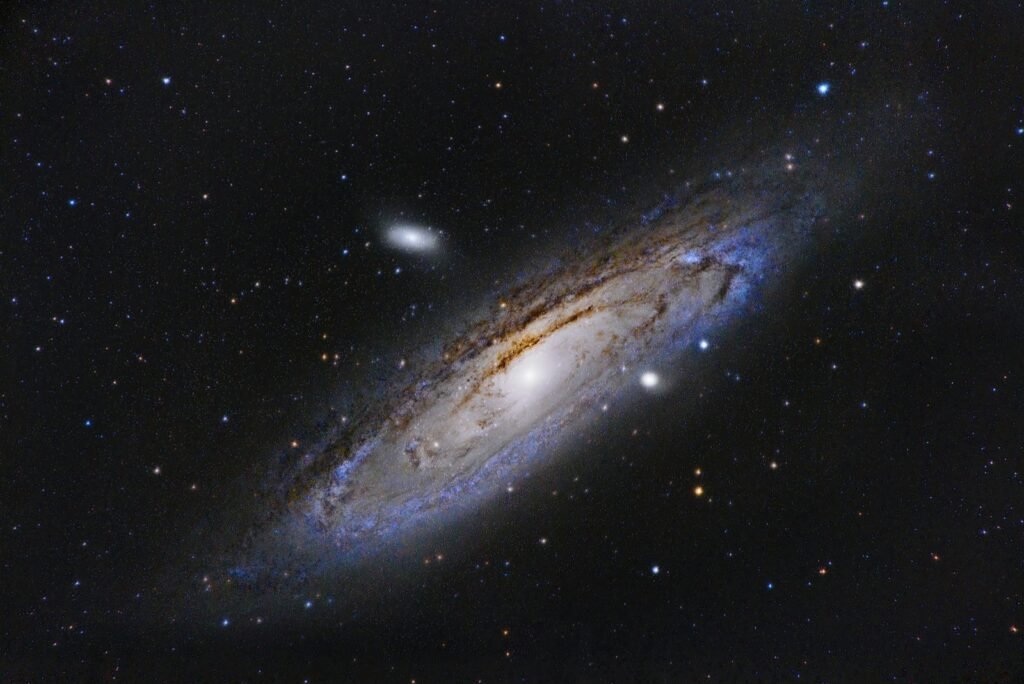

On the longest human timescales we can imagine, our night sky is not fixed at all – it is already in motion toward a cosmic crash. Astronomers have known for more than a century that the Milky Way and the neighboring Andromeda galaxy are edging closer together, but in the past decade that vague drift has sharpened into a detailed forecast of a genuine galactic collision. That sounds like the setup for a disaster movie, yet the real story is stranger, slower, and far more beautiful than anything Hollywood usually dares to show. In this article, we will unravel what is actually going to happen when our galaxy slams into another, how we know this is coming, and what it truly means for Earth, humanity, and the distant descendants who might still be watching the sky.
A Slow-Motion Head-On Crash You’ll Never See
When people hear that our galaxy is on a collision course, they picture fireworks in the sky next Tuesday, but the timeline is almost comically long by human standards. Current measurements suggest the Milky Way and Andromeda will have their first close encounter in roughly four to five billion years, a span nearly equal to the entire age of Earth so far. From our perspective, this is like being told two ocean liners will collide in a hundred million years – you can feel the drama without having to brace for impact. Yet on the scale of the universe, where galaxies can live for trillions of years, this looming merger actually counts as relatively soon.
I remember the first time I saw a NASA simulation of the collision as a young reporter; it felt less like a crash and more like ballet in slow motion. Over billions of years, the two spiral disks swing through each other, warp, fling out long tidal tails of stars, and eventually settle into a single, larger, more rounded galaxy. From Earth’s surface, if any descendants are still here, the collision would unfold as a series of changing night skies: Andromeda swelling from a faint smudge to a huge glowing arc, then twisting into surreal patterns as the galaxies interpenetrate. It is a disaster if you zoom out and label the galaxies like billiard balls, but from the viewpoint of any one planet, it is more like an extraordinarily slow, evolving light show.
How We Know Andromeda Is Really Coming For Us
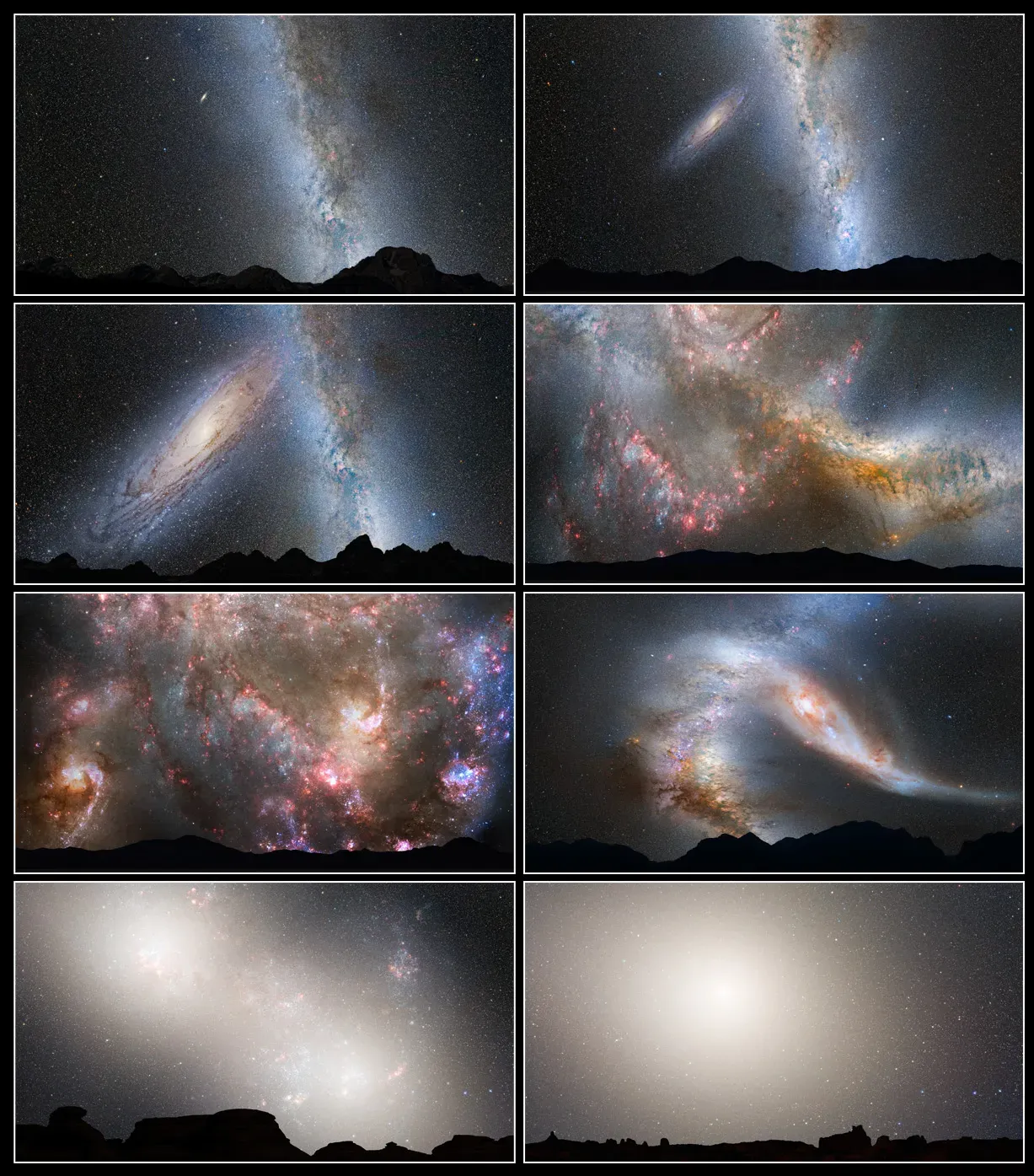
The idea that Andromeda is approaching is not a fresh clickbait claim; it traces back to painstaking observations made with early twentieth-century telescopes. Astronomers saw that its spectrum was shifted toward the blue end of the light, indicating that it was moving toward us rather than away, the opposite of what they saw for most distant galaxies. For a long time, though, they did not know whether Andromeda would pass harmlessly by, just giving us a gravitational nudge, or whether it was actually on a collision course. The missing ingredient was a detailed map of its sideways motion across the sky.
In the 2010s and 2020s, instruments like the Hubble Space Telescope and the European Gaia mission finally pinned down Andromeda’s proper motion with astonishing precision. By tracking tiny shifts in the positions of stars in Andromeda’s halo over many years, astronomers could reconstruct its full three-dimensional velocity relative to the Milky Way. Those measurements showed that the sideways component is relatively small; the galaxy is heading broadly toward us, not just drifting past. Combined with models of the dark matter halos around both galaxies, the conclusion is clear: our local cosmic partner is inbound, and gravity is not going to let us miss each other.
Will Stars Smash Together And Rip Us Apart?
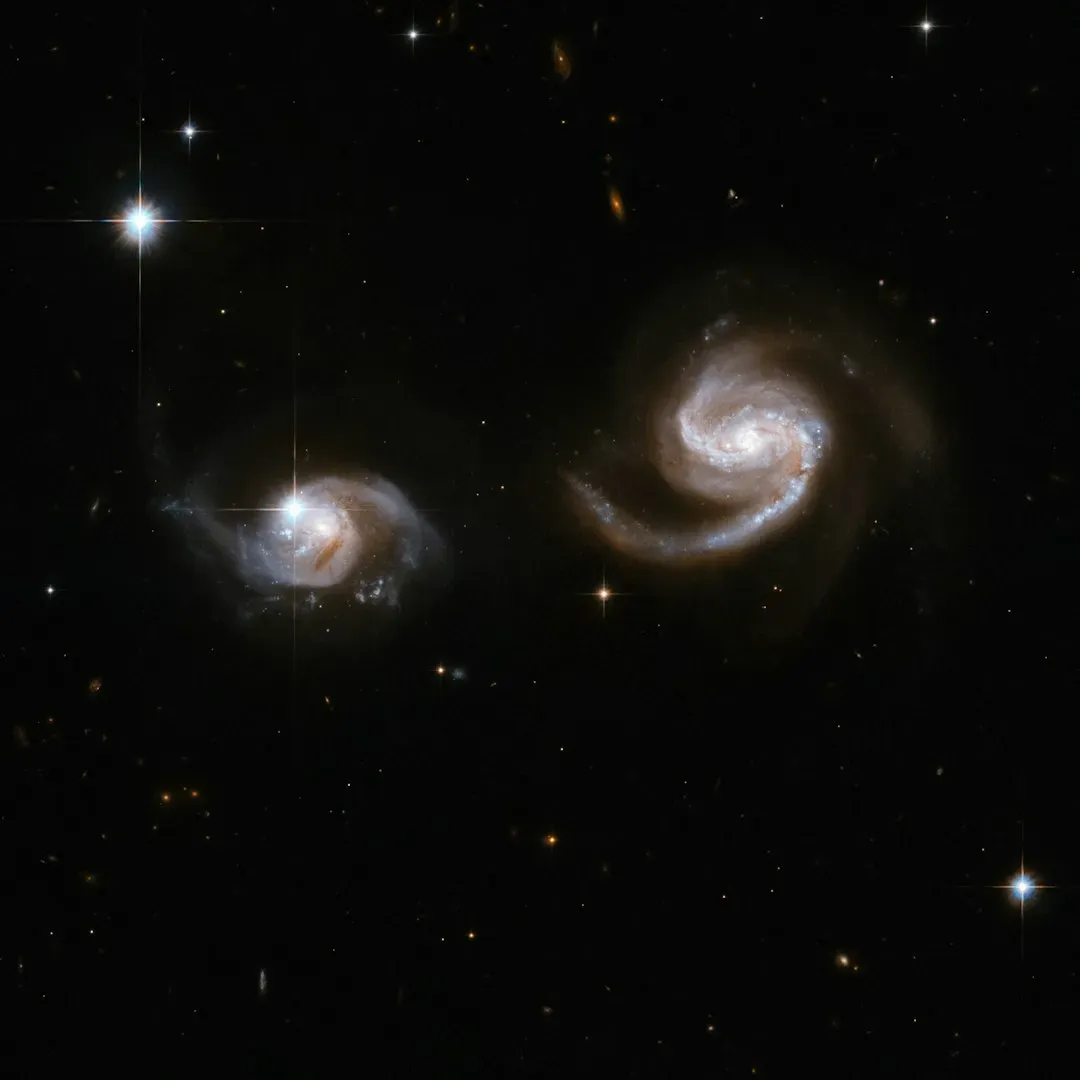
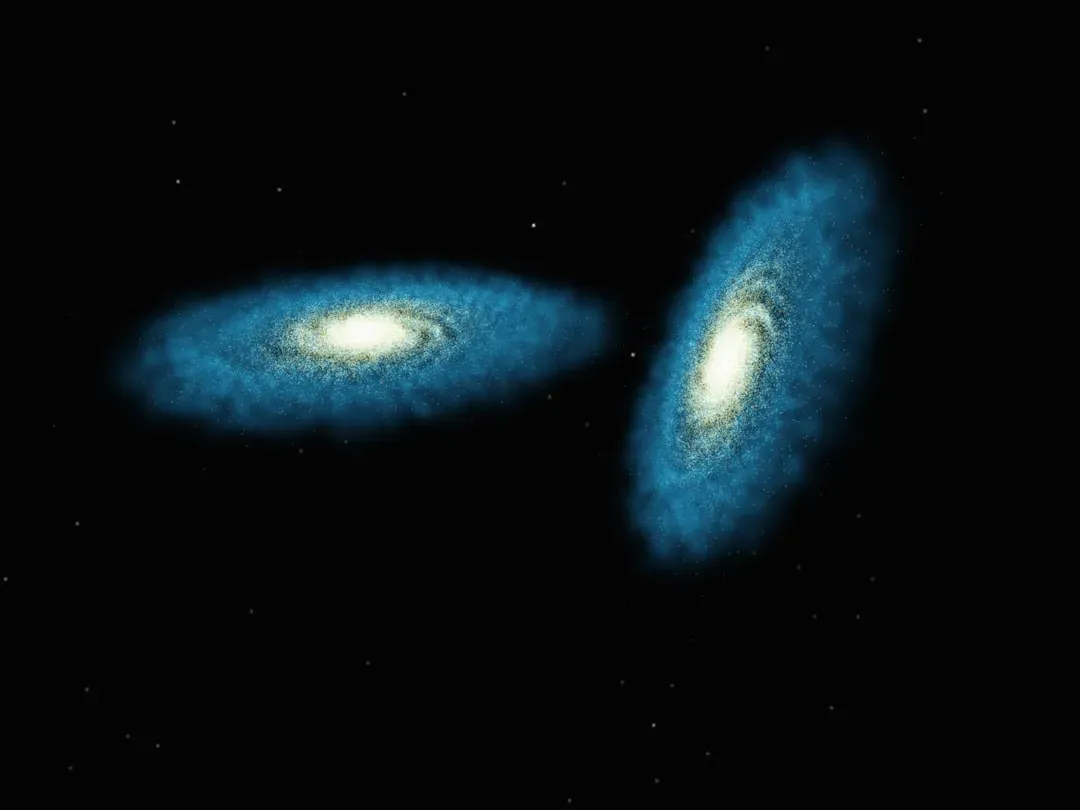
The phrase “galactic collision” conjures mental images of stars smashing into each other like cars in a pileup, but space is so sparsely populated that direct star–star collisions will be extremely rare. If you scaled the Sun down to the size of a ping-pong ball, the nearest star, Proxima Centauri, would sit several hundred kilometers away; two such balls could pass right through each other’s neighborhoods and never touch. During the Milky Way–Andromeda merger, hundreds of billions of stars will flow through each other’s paths, but almost all will simply be deflected by gravity rather than physically colliding. In that sense, the danger to any particular star system from direct impact is astonishingly low.
The real action – and risk – comes from gravitational reshuffling, not explosions on impact. As the galaxies pass through each other, their mutual pull will stretch out long streams of stars, fling some systems into intergalactic space, and send others spiraling toward the new galaxy’s core. Planetary systems like ours could be nudged into new orbits around the galactic center, or they might feel passing stars tug at the outer reaches of their comet clouds, sending more icy bodies inward. That may sound ominous, but even those changes unfold over tens of millions of years, more like the slow raising of a tide than a sudden planetary catastrophe.
The Fate of the Sun and Any Future Earth
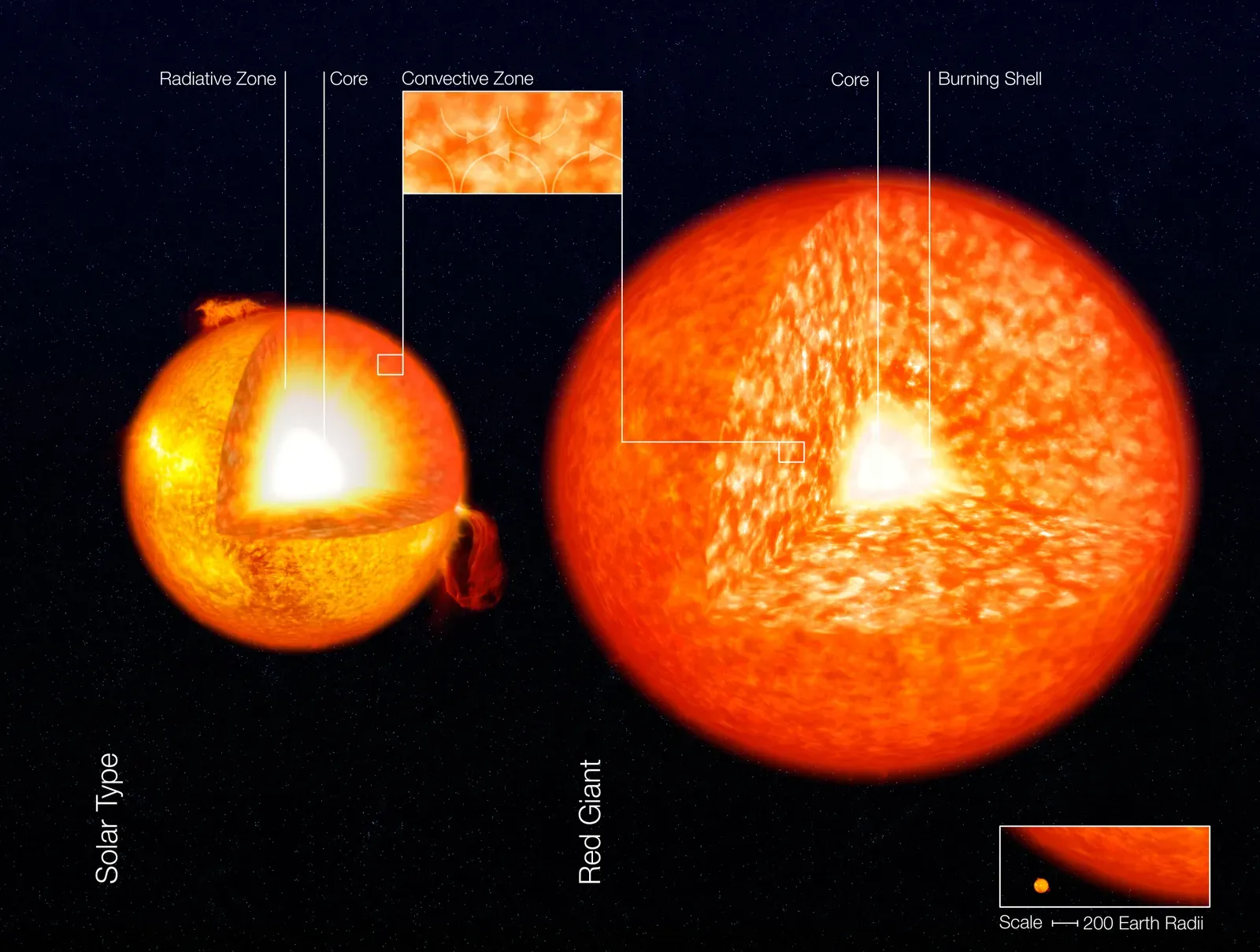
By the time the Milky Way and Andromeda truly begin to merge, our Sun will already be nearing the end of its comfortable middle age. In about five billion years, stellar models show that the Sun will start dimming its core hydrogen supply and expanding outward into a red giant, likely sterilizing or engulfing any remaining life on Earth long before the galactic collision becomes photogenic. That means the most pressing threat to our planet’s habitability is our own star, not the incoming galaxy next door. From a human perspective, it is a reminder that our immediate cosmic environment can be both nurturing and unforgiving.
If our descendants have migrated elsewhere in the Solar System or beyond by then, they might witness the merger from a safer vantage point. Imagine a civilization living in orbit around a distant exoplanet, watching the two once-separate spiral disks gradually twist together into a larger, more spheroidal galaxy over many generations. For them, the collision might be less a threat and more a long backdrop to history, a cosmic season changing in the sky while they deal with their own local challenges. That kind of perspective shift – seeing human stories against multi-billion-year events – is one of the subtle gifts that galactic astronomy offers us even today.
When Galaxies Collide, New Stars Are Born
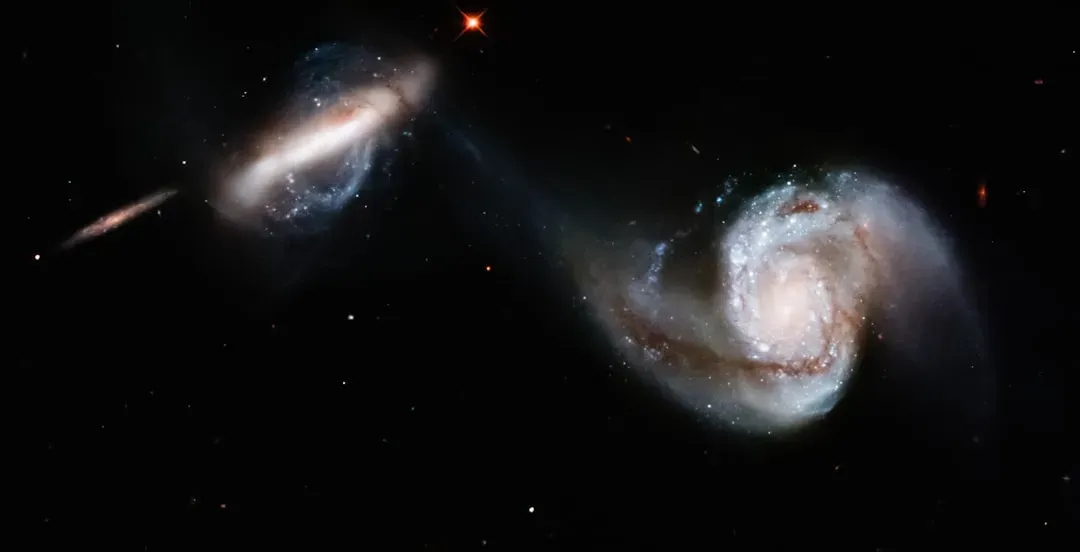
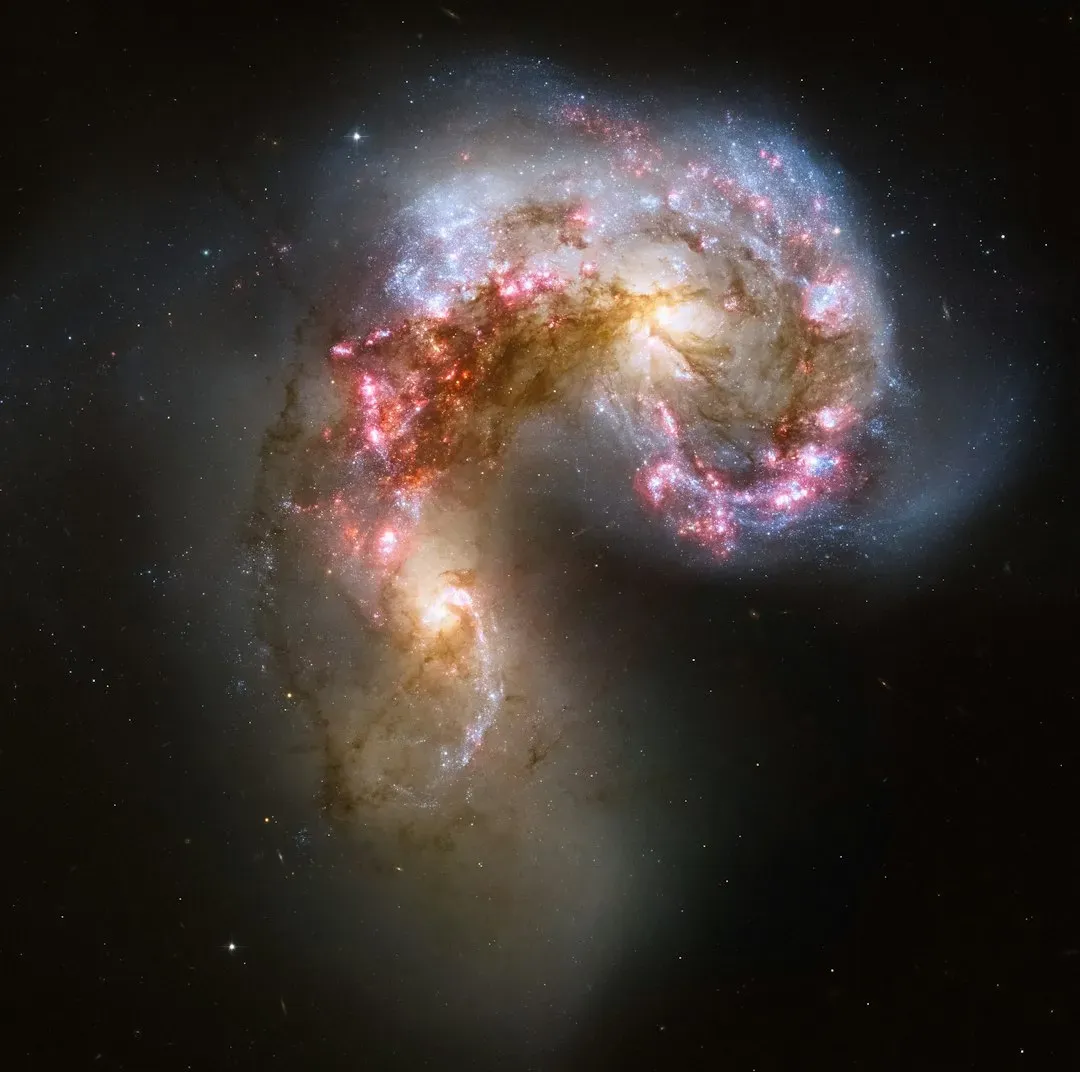
One of the counterintuitive outcomes of galactic collisions is that they can trigger star formation rather than simply tearing things apart. As the Milky Way and Andromeda pass through each other, their vast clouds of gas and dust will be compressed by gravitational tides and shock waves, causing some clouds to collapse and ignite new generations of stars. Observations of other merging galaxies, such as famous interacting pairs astronomers have studied in detail, show bright knots of young, massive stars lighting up the regions where gas clouds slam together. In that sense, the merger is not just a destructive event, but also a creative one.
However, this burst of star formation does not last forever, and it comes at a cost. Over a few hundred million to a billion years, the gas reserves that feed new stars can be depleted, especially if energetic outflows from central black holes and supernovae blow material out of the galaxy. Many of the large, smooth “elliptical” galaxies in the nearby universe are thought to be the end products of ancient mergers, now quietly glowing with older, redder stars and forming very few new ones. Our future Milky Way–Andromeda remnant may follow a similar path, evolving into a more rounded, somewhat quieter galaxy after its brief star-forming fireworks display fades.
The Black Hole Dance at the Galactic Center
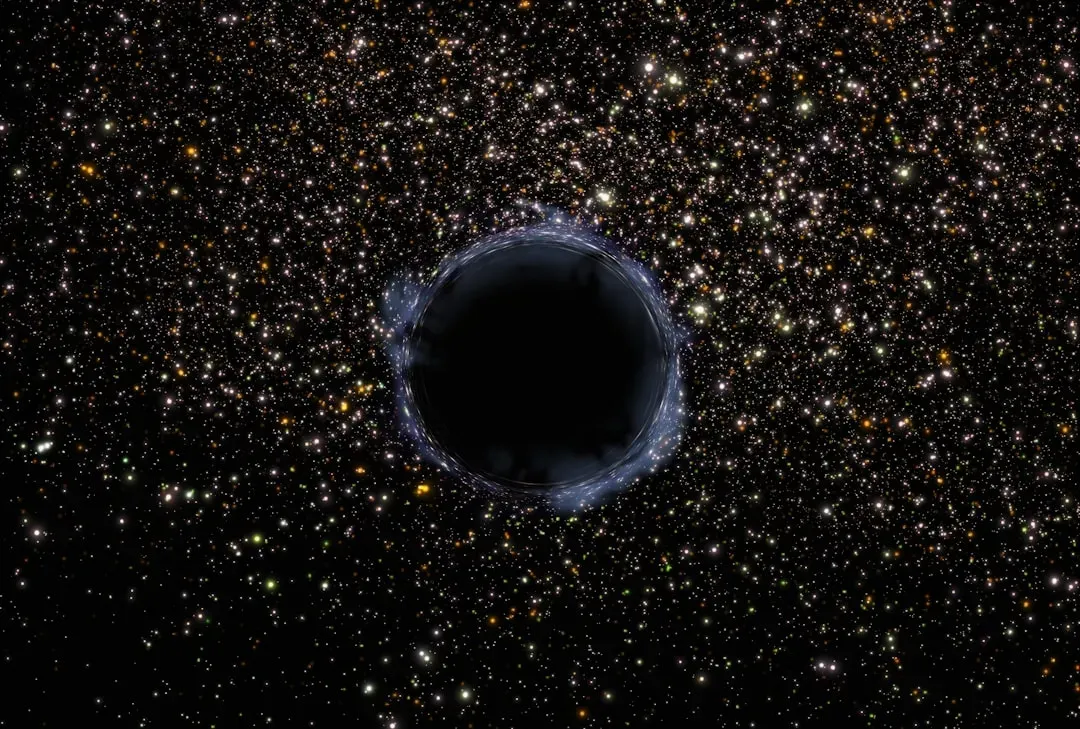
At the heart of the Milky Way lurks a supermassive black hole with a mass of a few million Suns, and Andromeda hosts an even larger one at its own center. When the galaxies merge, these two heavyweights will gradually spiral toward each other, dragging on surrounding stars and gas, and eventually form a tight, binary black hole system. Over time, they will lose energy by slinging nearby stars outward and by emitting gravitational waves, the ripples in spacetime that observatories have begun to measure from much smaller black hole pairs. When they finally merge, the resulting burst of gravitational waves would be colossal, though entirely harmless to anything at galactic distances.
From the perspective of future astronomers, this central dance could be one of the most spectacular laboratories in the universe. A merging pair of supermassive black holes in our own, now-larger galaxy would help refine theories of gravity, galaxy evolution, and the growth of cosmic structure. Our current gravitational-wave detectors are sensitive only to mergers of stellar-mass black holes and neutron stars, but future space-based observatories are being designed specifically to catch the slow, deep waves from giant black hole pairs. In that sense, the Milky Way–Andromeda merger is not just a remote curiosity; it is a natural event that our species might one day be able to watch in exquisite scientific detail.
Rethinking Our Place in a Merging Universe
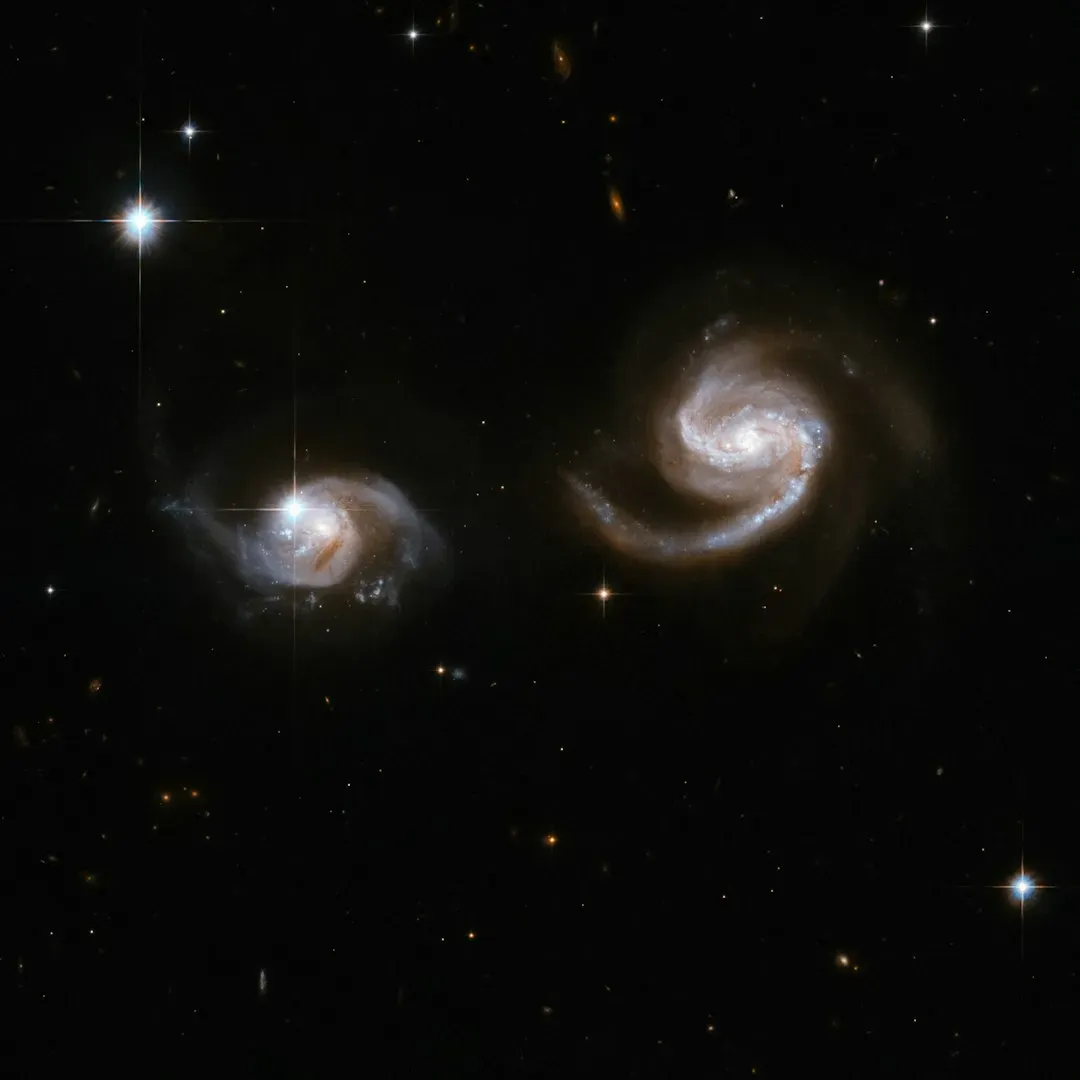
The deeper significance of our galaxy’s collision course lies in how it reshapes the story we tell about stability and change in the cosmos. For much of human history, the Milky Way was seen as a fixed river of light, a permanent backdrop to myth and navigation, while change belonged to Earth and human affairs. The realization that even our galaxy’s basic structure is temporary – that its graceful spiral arms are a passing phase – pushes us to accept that change and impermanence are woven into every level of reality. In that way, the future merger does for cosmology what plate tectonics did for geology: it turns a seemingly rigid stage into something alive and evolving.
It also sharpens our understanding of how galaxies grow and how the universe came to look the way it does today. Observations and simulations now suggest that large galaxies are built up through countless mergers and accretions of smaller systems, like cities expanding by absorbing nearby towns. The impending Milky Way–Andromeda collision is simply our local chapter in a much longer history of galactic cannibalism that has been going on since shortly after the Big Bang. Seeing ourselves inside that long, sometimes violent story does not diminish us; instead, it connects our tiny lives to a vast, ongoing process that stretches across most of cosmic time.
Unanswered Questions on the Road to Impact
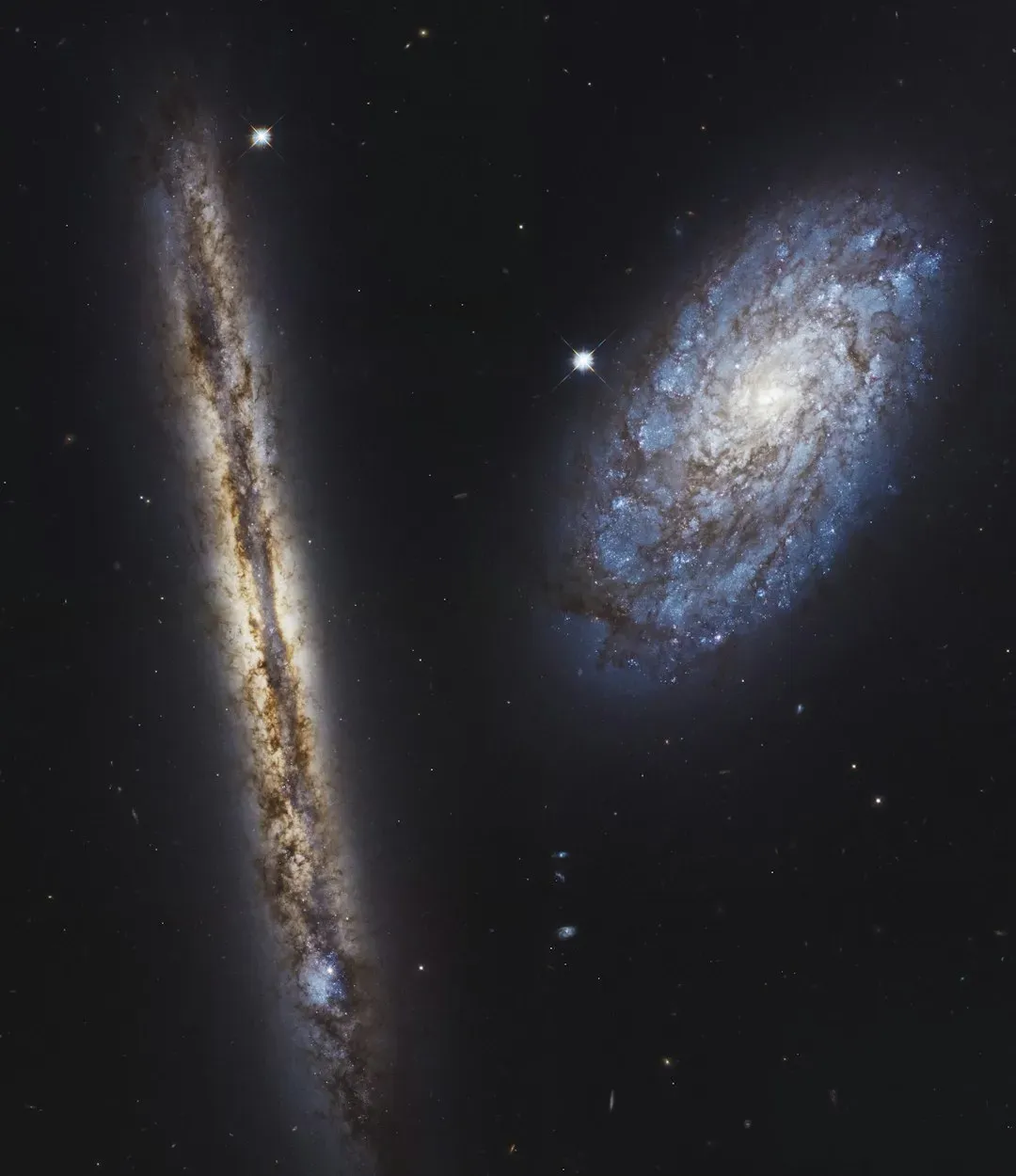
Even with precise measurements of Andromeda’s motion, there are still uncertainties that keep theorists busy refining their models. One major unknown is the exact distribution and amount of dark matter in and around both galaxies, which acts as the invisible scaffolding shaping their mutual orbit. Small differences in these dark matter halos can change the details of the collision, such as how many passes the galaxies make through each other before fully merging. Likewise, the future behavior of gas and star formation in the system depends on how feedback from supernovae and black holes heats and expels material.
There are also open questions about the long-term orbits of smaller galaxies in our Local Group, like the Triangulum Galaxy, and how they will weave into the final merged structure. Some simulations suggest these smaller companions could be flung into new, more distant trajectories, while others might plunge toward the center and feed the growing core of the remnant galaxy. Future observations from more sensitive telescopes and refinements in computational modeling should narrow down these possibilities in the coming decades. For now, the broad outline of the collision is clear, but the fine brushstrokes of the story are still being painted.
Bringing the Collision Home: What We Can Do With This Knowledge
So what do you do with the knowledge that your galaxy is on a slow path to a grand collision that will outlast every mountain, language, and species you have ever known? One honest answer is that it invites humility and curiosity more than practical preparation, because no disaster kit covers the next five billion years. Yet the same tools that let us predict this distant event – space telescopes, precision astrometry, advanced simulations – also yield direct benefits in the here and now. They sharpen our ability to detect potentially hazardous asteroids, study the atmospheres of nearby exoplanets, and understand our own Sun’s behavior, all of which matter on human timescales.
If this story stirs something in you, there are concrete ways to lean into that feeling. You can support public observatories and planetariums, follow space missions that map our galaxy, or simply go outside on a dark night and learn to trace the hazy band of the Milky Way with your own eyes. In classrooms and living rooms, talking honestly about the collision can be a gateway into deeper conversations about time, change, and what it means to have a home in a restless universe. In the end, our galaxy’s fate is not a warning so much as an invitation: to understand, to imagine, and to keep looking up while this particular moment in the cosmic dance is still ours to witness.
Suhail Ahmed is a passionate digital professional and nature enthusiast with over 8 years of experience in content strategy, SEO, web development, and digital operations. Alongside his freelance journey, Suhail actively contributes to nature and wildlife platforms like Discover Wildlife, where he channels his curiosity for the planet into engaging, educational storytelling.
With a strong background in managing digital ecosystems — from ecommerce stores and WordPress websites to social media and automation — Suhail merges technical precision with creative insight. His content reflects a rare balance: SEO-friendly yet deeply human, data-informed yet emotionally resonant.
Driven by a love for discovery and storytelling, Suhail believes in using digital platforms to amplify causes that matter — especially those protecting Earth’s biodiversity and inspiring sustainable living. Whether he’s managing online projects or crafting wildlife content, his goal remains the same: to inform, inspire, and leave a positive digital footprint.