
You are being attacked right now. Viruses are probing for weaknesses, bacteria are testing your boundaries, and mutant cells are quietly making mistakes as they divide. Yet you probably feel fine. That disconnect – the constant microscopic war and your complete lack of awareness – is one of the strangest and most awe‑inspiring facts about being alive. This article goes inside that invisible conflict, tracing how your body detects, disarms, and remembers threats, often before a single symptom appears. Along the way, we’ll look at what scientists have recently uncovered about this hidden world and why understanding it changes how we think about everything from colds to cancer.
The First Invisible Border Patrol: How Your Body Says “Do Not Enter”
Long before your immune cells start chasing invaders, your body relies on surprisingly sophisticated no‑entry policies. Your skin, often described in school as a simple barrier, is more like a living security wall packed with antimicrobial peptides, immune sentinels, and tight junctions that make it incredibly hard for microbes to wiggle through. On your eyes, nose, and gut, mucus forms a sticky, constantly moving film that traps pathogens and ferries them away on microscopic cilia. Most of this happens silently: tiny particles get glued in mucus, moved out of your airways, and swallowed or expelled without you registering anything more dramatic than a swallow.
Even chemicals you never think about are working behind the scenes. The acidity of stomach acid destroys many would‑be invaders, while enzymes in tears and saliva break down bacterial cell walls before those microbes have a chance to gain a foothold. These physical and chemical barriers do not negotiate or adapt in real time, but they prevent an astonishing number of infections by simply not letting them start. By the time your “proper” immune system is involved, these front‑line defenses have already turned away countless threats you will never know existed.
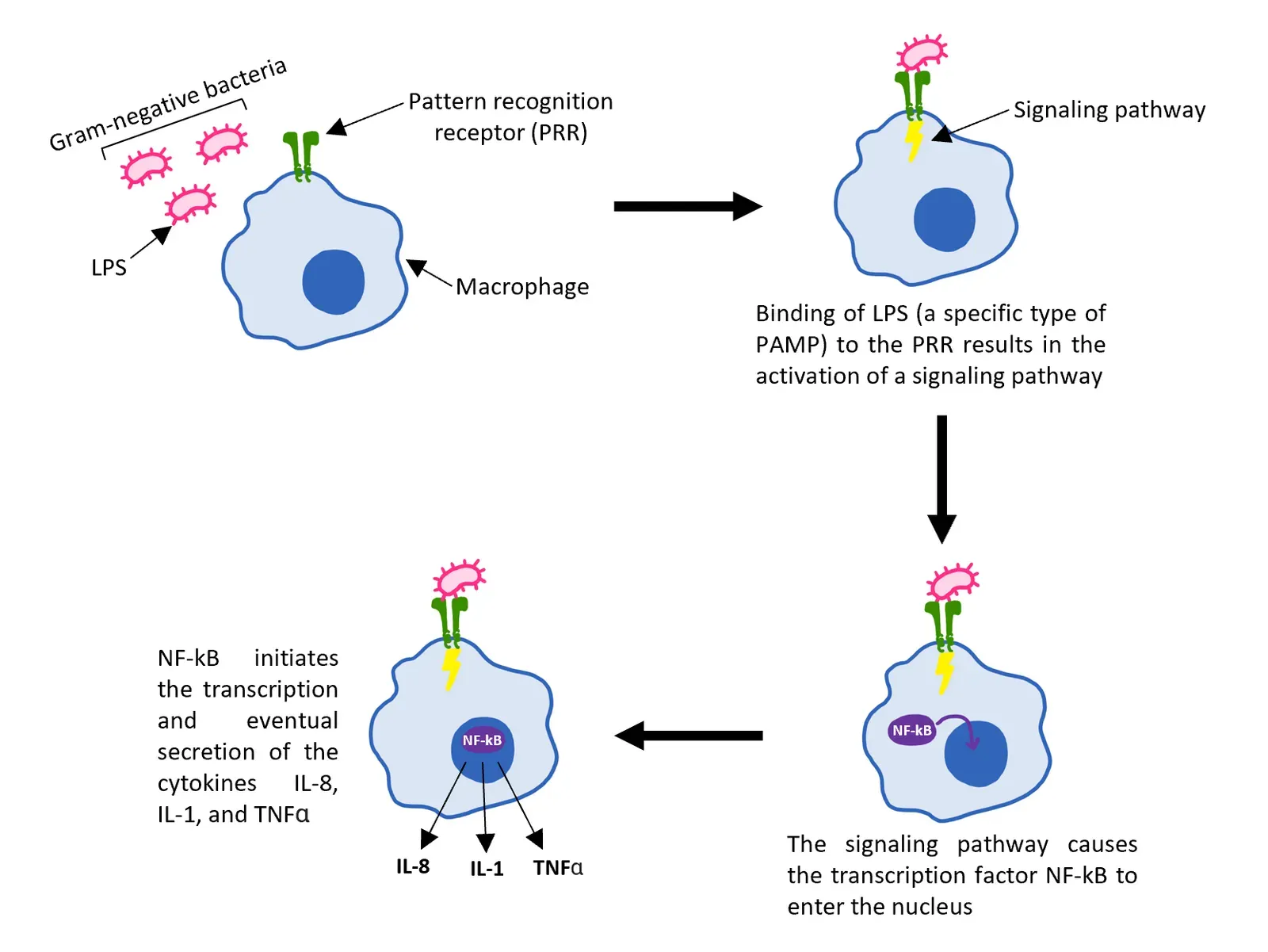
Once something slips past those borders, your body has to answer a deceptively simple question: is this friend or foe? The job falls to pattern recognition receptors inside and on cells across your tissues, from the lining of your lungs to deep immune hubs like the spleen. These receptors do not recognize individual species of virus or bacterium; instead, they detect broad molecular signatures that scream “pathogen,” like bits of viral RNA in the wrong place or bacterial cell wall fragments. The moment these patterns are spotted, cells trigger alarm pathways that rapidly flip on defensive genes.
What makes this system so remarkable is its speed and ubiquity. It does not wait for a lab‑style identification report; it acts in minutes, often before an infection has spread far from its entry point. The result is an immediate, almost reflex‑like response that begins long before you would ever feel sick. From your point of view nothing has happened, but at the cellular level alarms are blaring, messages are being sent, and the stage is being set for a full‑scale immune response if needed.
Interferons and Chemical Alarm Bells: Quiet Signals with Loud Effects
When cells realize they are infected by a virus, one of the first things they do is release interferons, a family of molecules that act like warning sirens for neighboring cells. Interferons do not kill viruses directly; instead, they tell nearby cells to shift into a high‑alert state, turning on genes that make it harder for viruses to copy themselves. In effect, they create a ring of partially “hardened” cells around the infection, slowing spread while other parts of the immune system mobilize. This is happening constantly at very low levels even in healthy people, a kind of quiet background vigilance that adjusts to the microbial traffic you encounter.
Chemokines and cytokines join the conversation as chemical instructions that help coordinate the wider response. They guide immune cells toward trouble spots, change blood vessel permeability, and influence whether inflammation stays local or becomes systemic. People usually notice these signaling molecules only when their levels spike enough to cause fever, fatigue, and aches, but those are the rare instances when the alarm is so loud you can feel it. Most of the time, these signals flare and fade in small, precise bursts that never make it to your conscious experience, even though they may completely decide whether a virus gets stopped early or not.
Neutrophils, Macrophages, and the Silent Clean‑Up Crew
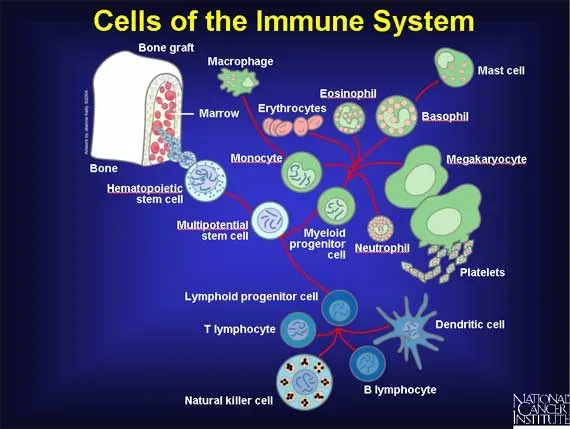
Among the first immune cells to arrive at any hint of danger are neutrophils, short‑lived but ferocious white blood cells that patrol the bloodstream. They can squeeze between vessel walls, chase chemical trails, and unleash toxic substances and DNA nets that trap and kill microbes within hours. Following behind are macrophages, larger cells that both devour invaders and help clear away the debris of battle, including the neutrophils themselves once their work is done. This rapid clean‑up prevents lingering damage and keeps inflammation from spiraling out of control.
What you feel, if anything, might be as minor as a bit of redness or swelling around a cut, or nothing at all if the threat stayed microscopic and internal. Meanwhile, under a microscope, you would see a war zone of dead bacteria, spent immune cells, and tissue being remodeled. The efficiency of this system is almost unsettling: entire skirmishes begin and end between the time you scratch your arm and the time you glance down to see if it left a mark. When people talk about having a “strong” immune system, they are often really describing how effectively these early, invisible clean‑up teams do their work before bigger guns have to be called in.
The Gut’s Secret Diplomacy: Training Immunity with Trillions of Microbes
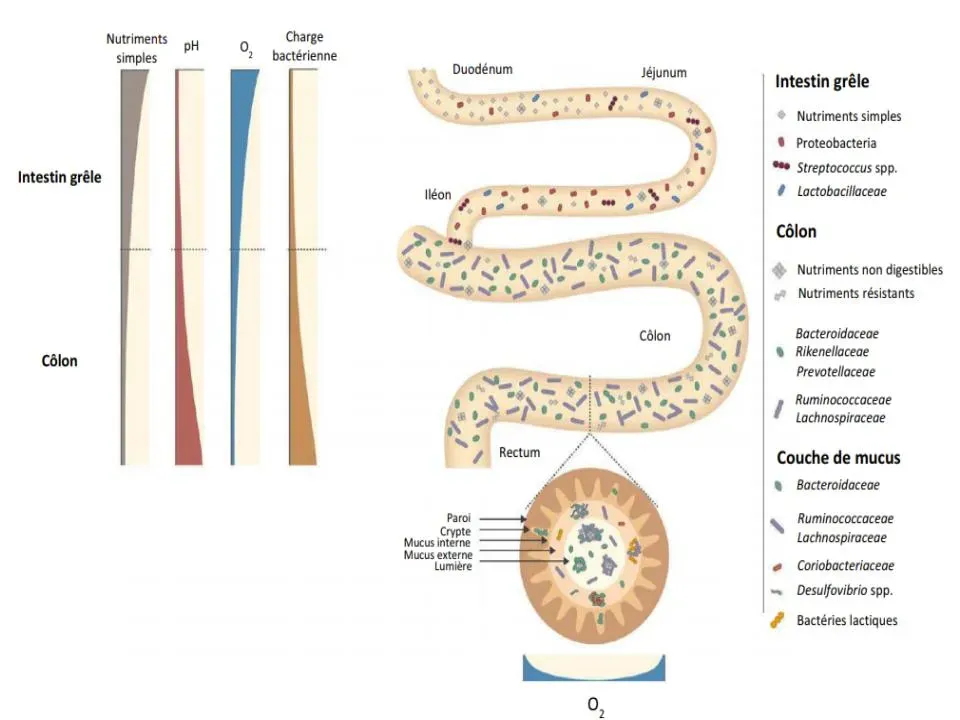
If your skin is a wall, your gut is a bustling border city where strangers constantly arrive, trade, and sometimes cause trouble. Trillions of bacteria, along with viruses and fungi, live in your intestines, and most of them do not cause disease. Instead, they form a dynamic community that continuously talks to your immune system, teaching it to distinguish between harmless visitors and genuine threats. Specialized immune tissues clustered in the gut wall sample passing microbes and food particles, then help shape immune responses that are strong enough to defend but not so aggressive that they cause constant inflammation.
In the last decade, research has shown that this gut–immune conversation reaches far beyond digestion, influencing how we respond to infections, vaccines, and even some cancer therapies. Mice raised without normal gut microbes, for example, tend to have underdeveloped immune systems and respond poorly to certain pathogens and treatments. In humans, disruptions to the microbiome have been linked to conditions in which the immune system attacks the body’s own tissues. All of this education and negotiation unfolds quietly while you eat breakfast or drink coffee, a kind of diplomatic summit between your body and the microbial world that never makes the news unless something goes very wrong.
From Innate Alarm to Tailored Defense: When the Adaptive Immune System Wakes Up
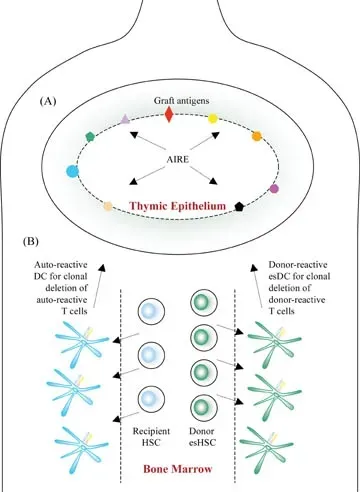
If early defenses cannot completely contain an invader, your body escalates to a slower but more precise system built around B cells and T cells. Unlike the broad pattern detectors of the innate immune system, these cells carry receptors that are effectively unique keys, each capable of recognizing a specific molecular shape. Only a tiny fraction of them will match any given pathogen, but once they do, those cells start multiplying rapidly, building a custom army designed to target that exact threat. This process takes days, which is often when you finally feel obviously sick, but the groundwork is laid much earlier.
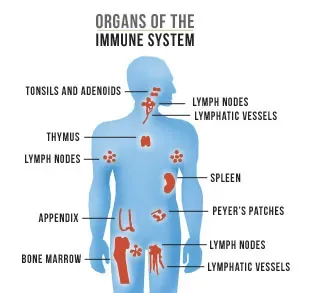
Behind the scenes, cells known as antigen‑presenting cells ferry bits of the invader to immune hubs like lymph nodes, where B and T cells gather. You might notice those nodes as “swollen glands” under your jaw or in your neck, but what you are really feeling is an intense training and expansion program. As these specific cells grow in number and sharpen their responses, they begin to tip the balance of the infection. By the time your fever breaks or your sore throat eases, the tailored response is usually finishing its job, and a portion of those cells transition quietly into long‑lived memory cells that will stand guard for years.
Immune Memory and the Quiet Rewrite of Your Future Illnesses
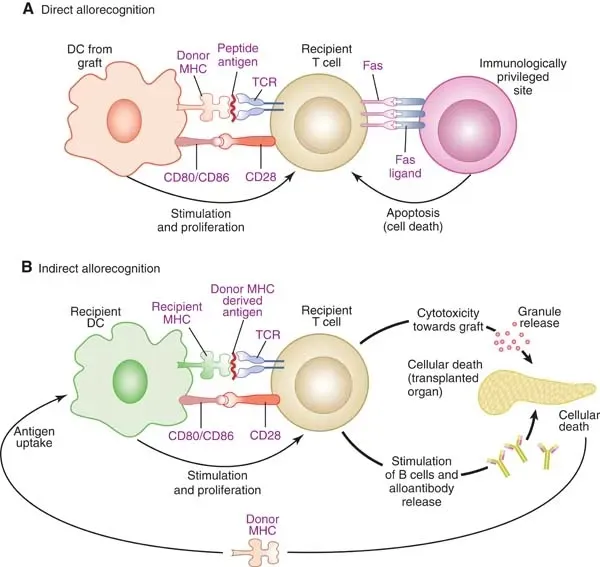
One of the strangest truths about the immune system is that every infection, and many vaccines, permanently change who you are immunologically. Memory B cells and T cells, along with long‑lived plasma cells that keep making antibodies, store a detailed record of past encounters. They do not sit around in a single organ like a filing cabinet; instead, they spread throughout tissues and bone marrow, ready to react far more quickly if the same pathogen appears again. Often this means you never develop symptoms the second time around, because the response ramps up so fast that the virus or bacterium is stopped before it gains traction.
You rarely feel this process happening, but it quietly rewrites the landscape of your immune defenses throughout life. The order in which you encounter viruses, bacteria, and vaccines can shape how effectively you handle related threats decades later. This is why people of different ages sometimes respond so differently to the same infection, and why the concept of “original antigenic sin” in influenza – where your first flu exposures bias later responses – remains an active area of study. Your history of colds, stomach bugs, and shots is not just an annoyance or a checklist; it is a living memory system that will help decide which future microbes become a passing shrug and which ones put you in bed.
Rethinking “Strong Immunity”: The Deeper Significance of Hidden Defenses
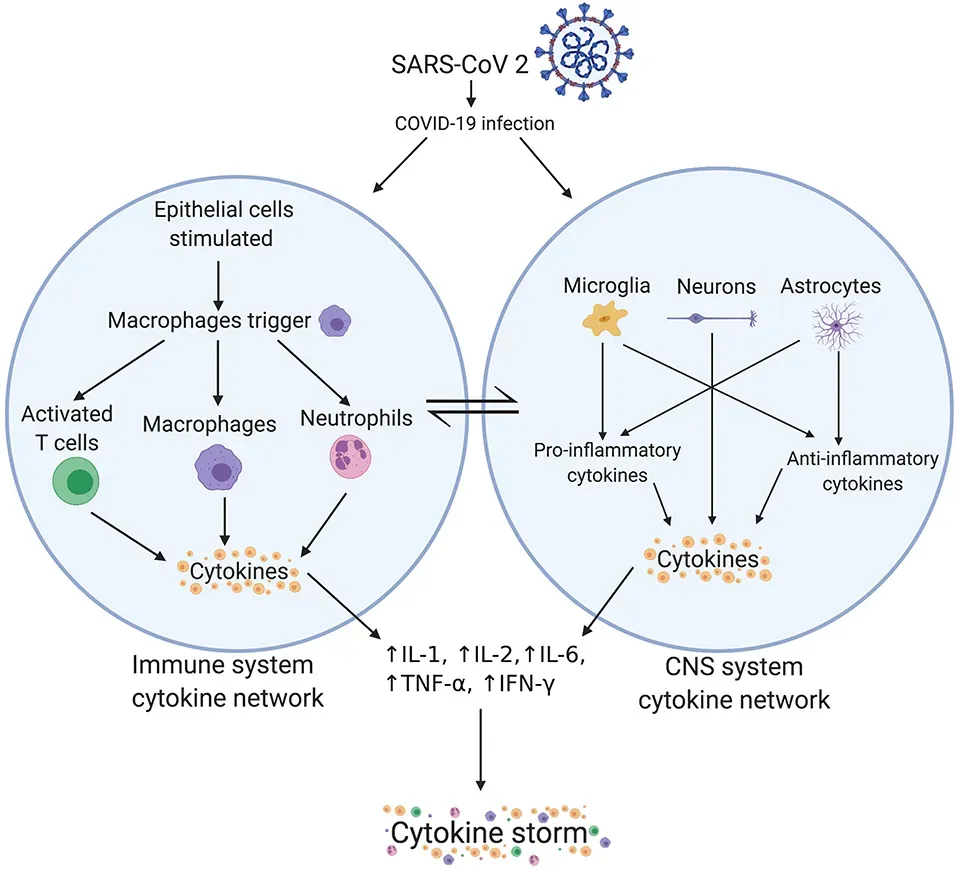
We often talk casually about “boosting” the immune system, as if more activity were always better, but the body’s hidden defenses tell a very different story. The most effective immune systems tend to be ones that respond precisely and then shut down on schedule, avoiding unnecessary collateral damage to healthy tissues. Disorders in which the immune response is too aggressive or misdirected – such as autoimmune conditions or severe allergic reactions – demonstrate how dangerous a constantly “revved up” defense can be. The quiet, tightly regulated responses that solve most threats without symptoms are a reminder that control and balance matter as much as raw power.
Modern medicine has begun to harness this insight in targeted therapies that modulate, rather than simply stimulate, immunity. Cancer immunotherapies, for example, work in part by releasing internal “brakes” that tumors exploit to hide, while vaccines train the adaptive system with carefully selected antigens instead of whole pathogens. At the same time, researchers are uncovering how chronic stress, sleep deprivation, and pollution subtly shift that fine balance, sometimes nudging responses toward harmful inflammation. Recognizing that the best defense is often the one you never feel changes how we think about health: it becomes less about quick fixes and more about quietly supporting a system that is already doing astonishing work every second.
Unfinished Business: What We Still Do Not Understand About Everyday Immunity
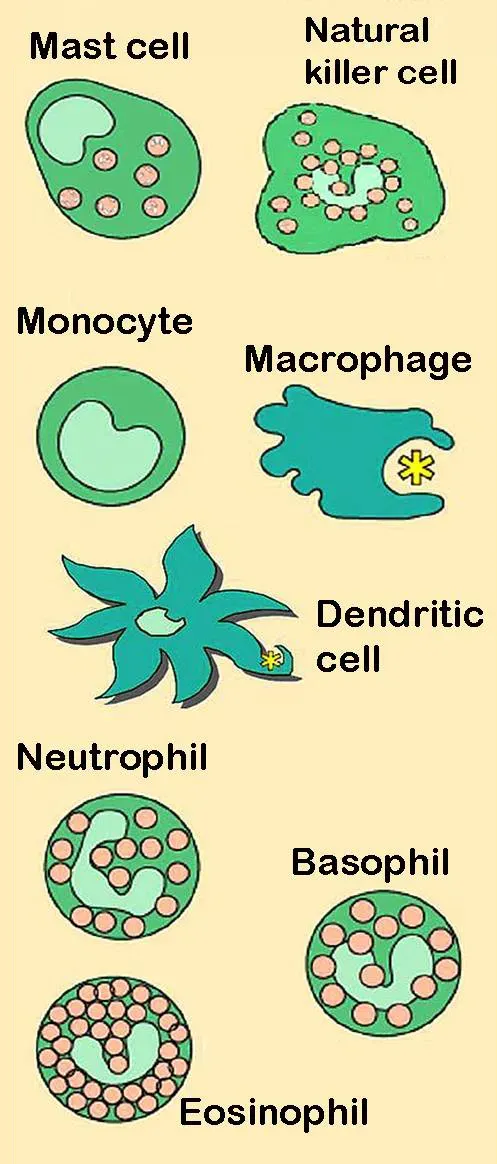
For all we have learned, many of the immune system’s everyday decisions remain mysterious. Scientists are still mapping how individual genetic differences shape responses to the same virus, or why some people are exposed and never test positive while others fall seriously ill. The role of tissue‑resident immune cells – specialized defenders that live permanently in organs like the lungs or skin – is only now being fully appreciated, and their behavior may help explain why some infections stay local while others become systemic. Even the interactions between sleep cycles, circadian rhythms, and immune timing are more intricate than anyone expected a generation ago.
These unanswered questions are not just academic puzzles; they affect how we design vaccines, predict outbreaks, and treat conditions from long‑lasting viral syndromes to chronic inflammatory diseases. As new imaging and single‑cell technologies let researchers watch immune cells in real time, they are seeing behaviors that challenge long‑held textbook diagrams. The picture that emerges is less like a rigid command hierarchy and more like a shifting network of negotiations, alliances, and rapid improvisations. The fact that this complex, partly mysterious system mostly works without your awareness is both humbling and a strong argument for approaching it with respect rather than simplistic slogans.
Listening to the Quiet War: How to Live with More Awe for Your Immune System
Once you realize how much is happening inside you without your permission or awareness, it becomes harder to think of health as something you personally “win” through willpower alone. The basics – vaccinations, sufficient sleep, balanced nutrition, movement, and not smoking – suddenly look less like nagging advice and more like simple ways of not sabotaging an already astonishing defense network. Paying attention to patterns in how your body responds to stress, illness, and recovery can also sharpen your intuition about when something feels different enough to need medical attention. You are not taking control of the immune system so much as trying to give it the conditions it evolved to handle best.
For me, learning about these hidden defenses has permanently changed the way I experience something as mundane as a sore throat or a brief fever. Instead of seeing only discomfort, I picture an emergency drill that usually ends with upgraded defenses and fresh immune memories, quietly filed away. You do not need a microscope or a lab to stay engaged with this story; reading reliable science reporting, following research from major medical centers, and asking better questions at check‑ups all keep you connected to the invisible drama under your own skin. Next time you feel perfectly normal, it might be worth pausing for a second just to wonder what unseen battle your body has already won today.
Suhail Ahmed is a passionate digital professional and nature enthusiast with over 8 years of experience in content strategy, SEO, web development, and digital operations. Alongside his freelance journey, Suhail actively contributes to nature and wildlife platforms like Discover Wildlife, where he channels his curiosity for the planet into engaging, educational storytelling.
With a strong background in managing digital ecosystems — from ecommerce stores and WordPress websites to social media and automation — Suhail merges technical precision with creative insight. His content reflects a rare balance: SEO-friendly yet deeply human, data-informed yet emotionally resonant.
Driven by a love for discovery and storytelling, Suhail believes in using digital platforms to amplify causes that matter — especially those protecting Earth’s biodiversity and inspiring sustainable living. Whether he’s managing online projects or crafting wildlife content, his goal remains the same: to inform, inspire, and leave a positive digital footprint.