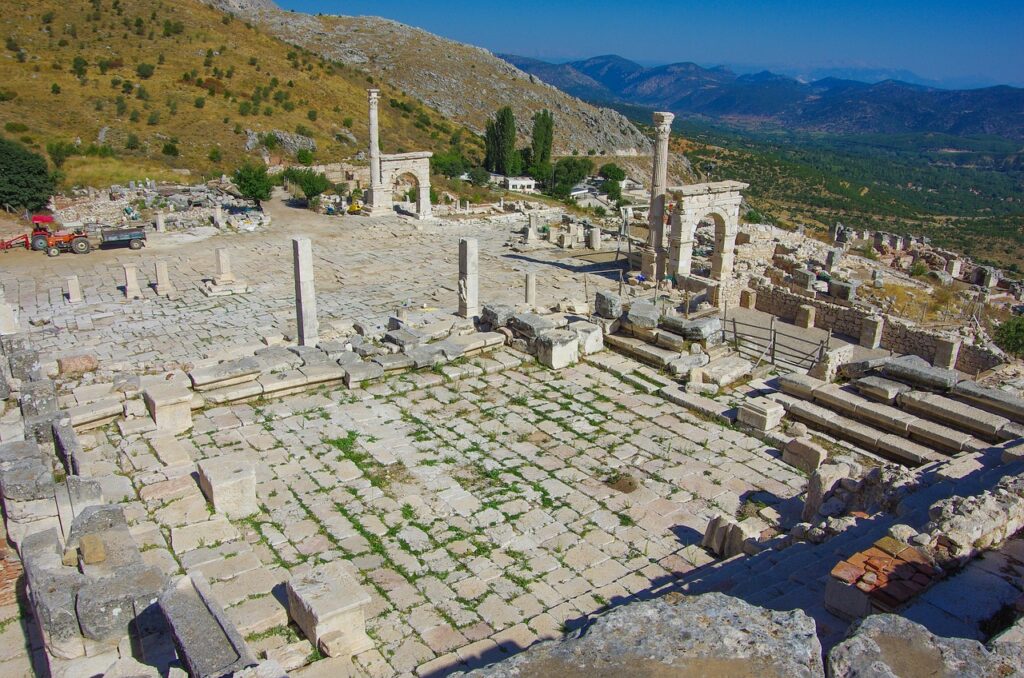

Every few months, a new study quietly rewrites a piece of human history: a re-dated temple, a surprisingly accurate ancient map, a fiber that behaves like modern composites. None of these findings on their own prove there was some lost ultra-technology, but together they paint a more unsettling picture than the tidy timelines many of us learned in school. Ancient cultures were not just “primitive people with impressive buildings”; they often grasped patterns in the sky, in materials, and in the human body that modern science is only now confirming in detail. This matters, not because it feeds fantasies about vanished super-civilizations, but because it exposes our own blind spots about what counts as real knowledge. When we finally treat old ideas with the same curiosity we give new gadgets, we sometimes discover that we are not the first to solve a problem – just the first to explain it with equations.
Stone Circles as Precision Sky Instruments
It is tempting to see a stone circle as a picturesque ruin, a backdrop for tourism or mythology, but align a drone’s camera with those stones and something sharper appears: a deliberate machine for tracking the sky. Sites such as Stonehenge in England and Nabta Playa in southern Egypt encode repeated alignments with solstices, lunar standstills, and key rising points of bright stars. That does not require computers, but it does require generations of sky watching, meticulous memory, and a culture willing to embed astronomy into architecture. You do not haul multi-ton stones over muddy ground for a casual guess at where the sun might rise.
Modern archaeoastronomy has shown that many of these alignments are too consistent, across centuries, to be chance, and that corrections were made as structures were modified. That tells us these monuments were not frozen relics but living observatories, updated as priests or specialists refined their models of the sky. Today, satellites and ephemeris software can calculate celestial positions in milliseconds, yet we are still trying to fully understand all the observing protocols that could have produced this accuracy using naked eyes and memory alone. The rediscovery here is not “Stone Age computers,” but the realization that a pre-literate community can maintain surprisingly stable, long-term empirical records when the night sky is its shared textbook.
Ancient Geometry Hidden in Everyday Fields
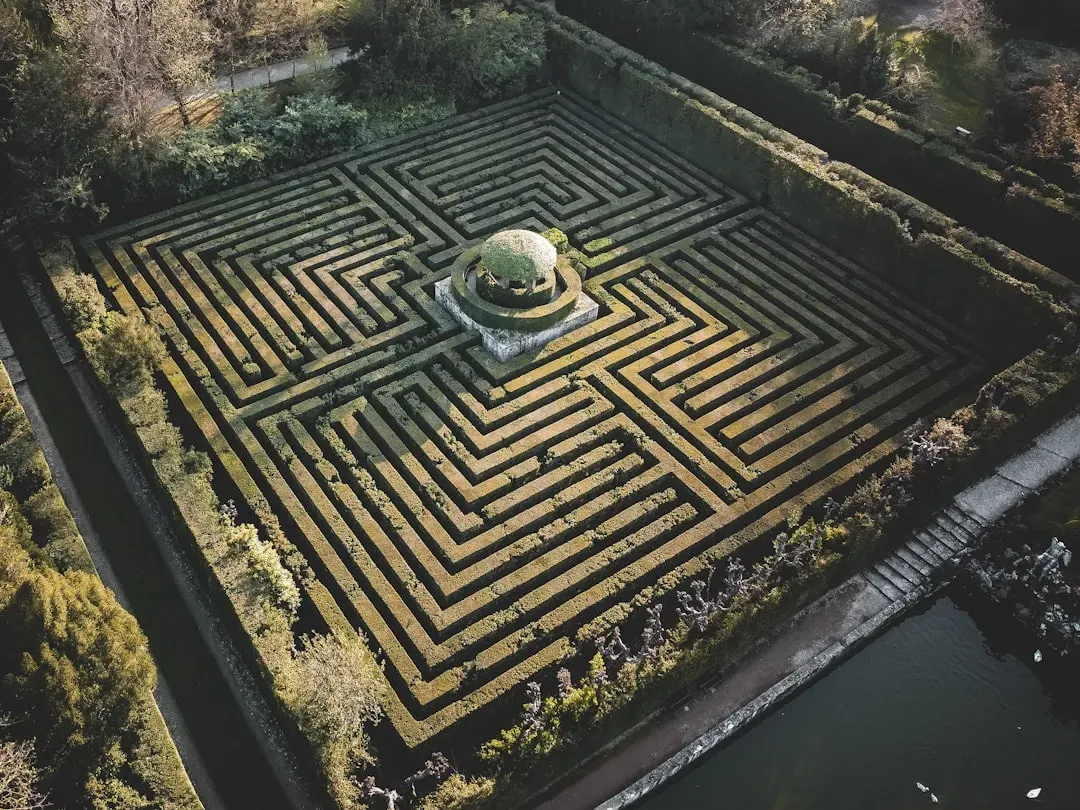
If you walk through a modern city, geometry seems obvious: glass towers, survey stakes, neat grids. Walk through an ancient landscape, and the mathematical sophistication can be easier to miss because it is woven into fields, canals, and walls rather than formulas on paper. Archaeologists working in places like Mesopotamia, the Indus Valley, and Mesoamerica have found repeated use of right angles, fixed proportions, and standardized modules long before formal geometry textbooks were written. Farmers who laid out irrigation channels with consistent slopes or temples with near-perfect cardinal orientations were doing applied math because they had to, not because a philosopher told them to.
Modern satellite imaging and lidar, the same tools used to plan highways or model climate impacts, are now revealing patterns in ancient layouts that look strikingly like sophisticated surveying. Repeated choices of certain ratios – like rectangles whose lengths relate cleanly to their widths – suggest rule-of-thumb geometry passed down over generations. These builders did not talk about trigonometric functions, but they clearly understood that reliable measurement and repeatable angles meant the difference between a stable city and a flooded mess. In rediscovering these patterns from above, scientists are slowly catching up to practical insights that were once inscribed directly onto the land.
Medicinal Plants and Microbes Our Ancestors Knew Before the Lab
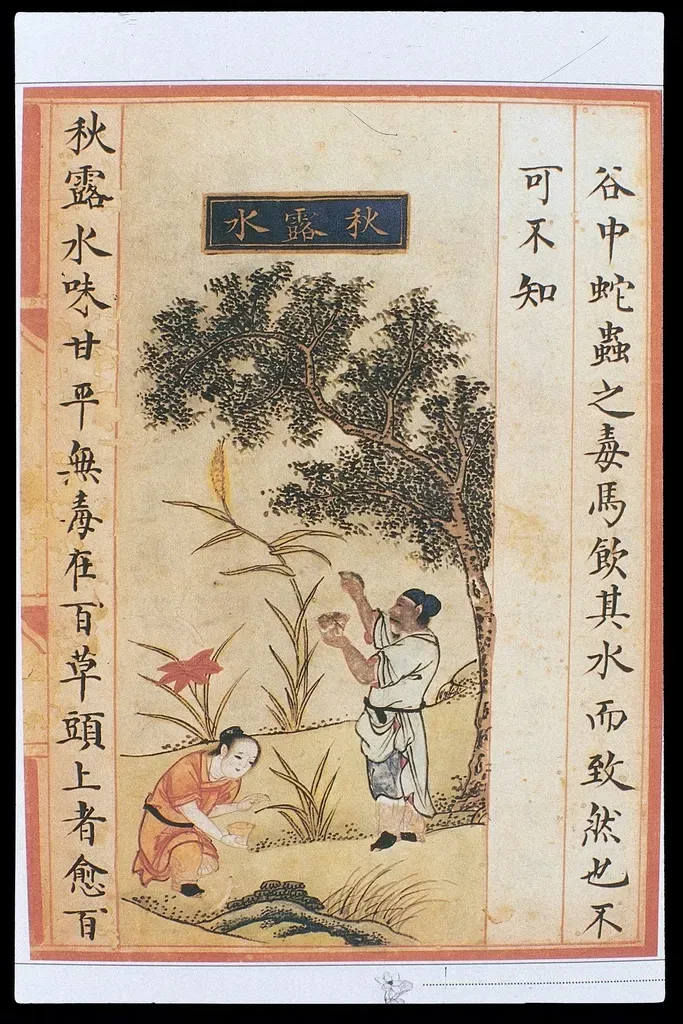
Open a modern pharmacy and you will find chemistry distilled into pills and capsules; open a burial from thousands of years ago and, sometimes, you will find the raw ingredients of that same chemistry embedded in bones and residues. Analyses of ancient teeth, hair, and pottery have uncovered traces of plant compounds with clear antimicrobial, anti-inflammatory, or pain-relieving properties. This does not mean every traditional remedy worked, but it does show that repeated trial and error over centuries built an empirical toolkit about what healed and what harmed. When modern pharmacology confirms that a plant long revered in traditional medicine contains powerful active molecules, it is less a miracle and more an overdue acknowledgment.
In the last two decades, scientists have gone further, examining not just the plants but the microbes associated with fermented foods, herbal brews, and even soil used in healing rituals. Some traditional practices appear to have encouraged the growth of bacteria that produce antibiotic substances or help stabilize the gut microbiome, well before anyone knew what a bacterium was. We tend to frame this as “bioprospecting” in indigenous knowledge, as if ancient people were wandering libraries waiting to be mined, but that misses the point. What we are really rediscovering is how deeply tuned some cultures were to ecological feedback: if a practice consistently helped wounds heal or stomachs calm, it was remembered, ritualized, and transmitted with great care.
Monumental Engineering Without Modern Machines
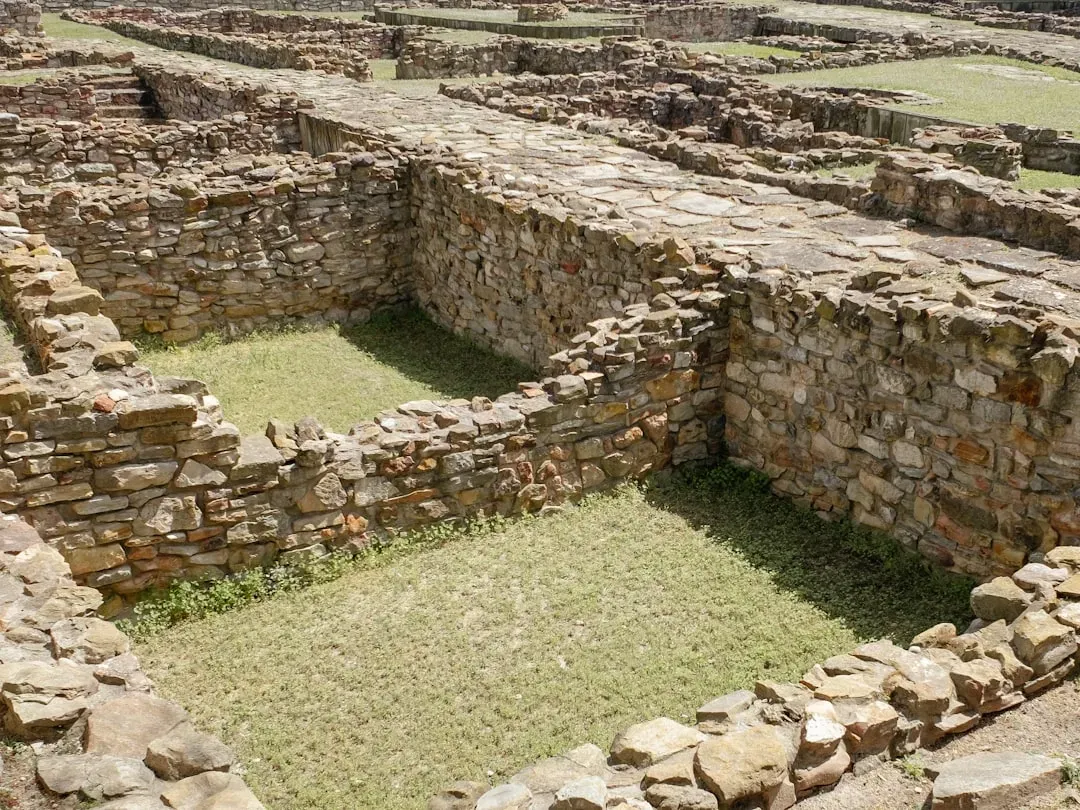
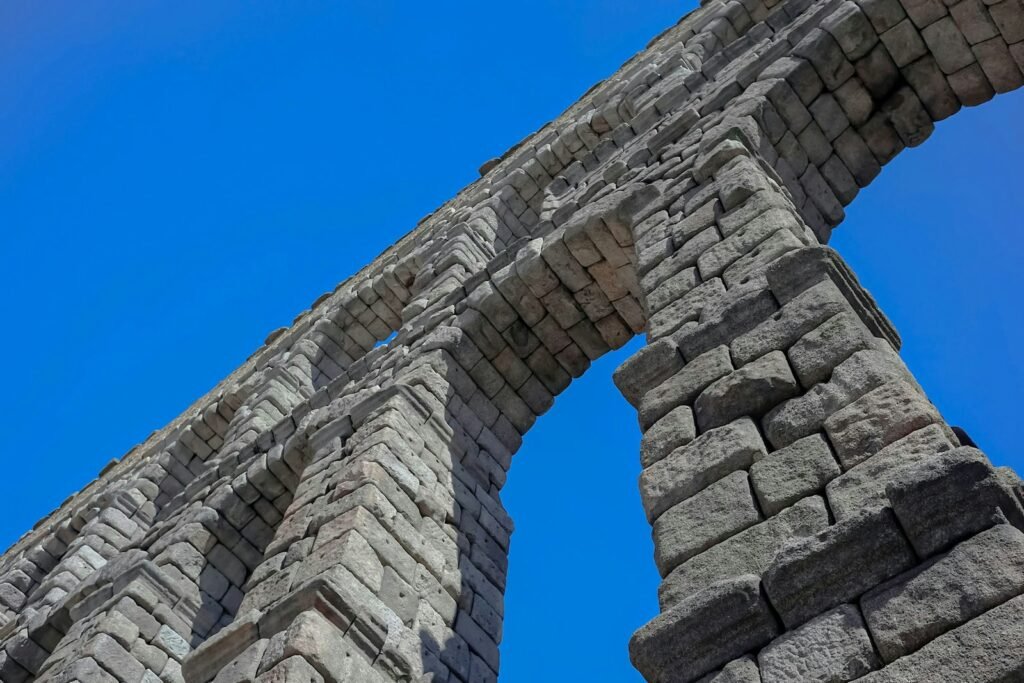
There is a familiar argument that because we do not fully understand how a particular monument was built, it must have required some lost or impossible technology. The more interesting reality is that experiments and careful engineering analysis keep showing how much can be achieved with tools that look simple on the surface but are used with precision and organization. Studies of Egyptian pyramid building, Roman concrete, and Andean stonework all point toward combinations of ramps, sledges, levers, clever jointing, and materials science we once underestimated. The real “advanced knowledge” here is less about magic machines and more about logistics, labor management, and deep familiarity with how stone, water, and wood behave under stress.
Modern reconstructions have demonstrated that small teams using replicas of ancient tools can move multi-ton blocks, fit stones so tightly that a knife blade cannot pass between them, and pour concretes that resist cracking for thousands of years. Engineers analyzing these techniques now talk in the language of friction coefficients, aggregate distributions, and microcrack propagation, but the underlying insights were already embodied in traditional craft rules. When we rediscover that a mixture of volcanic ash and lime makes a self-healing concrete, or that interlocking polygonal stones can ride out earthquakes better than rigid mortar-heavy walls, we are not upgrading the ancients. We are finally learning to translate their field-tested knowledge into modern scientific terms.
Ancient Climate Records Locked in Myths and Materials
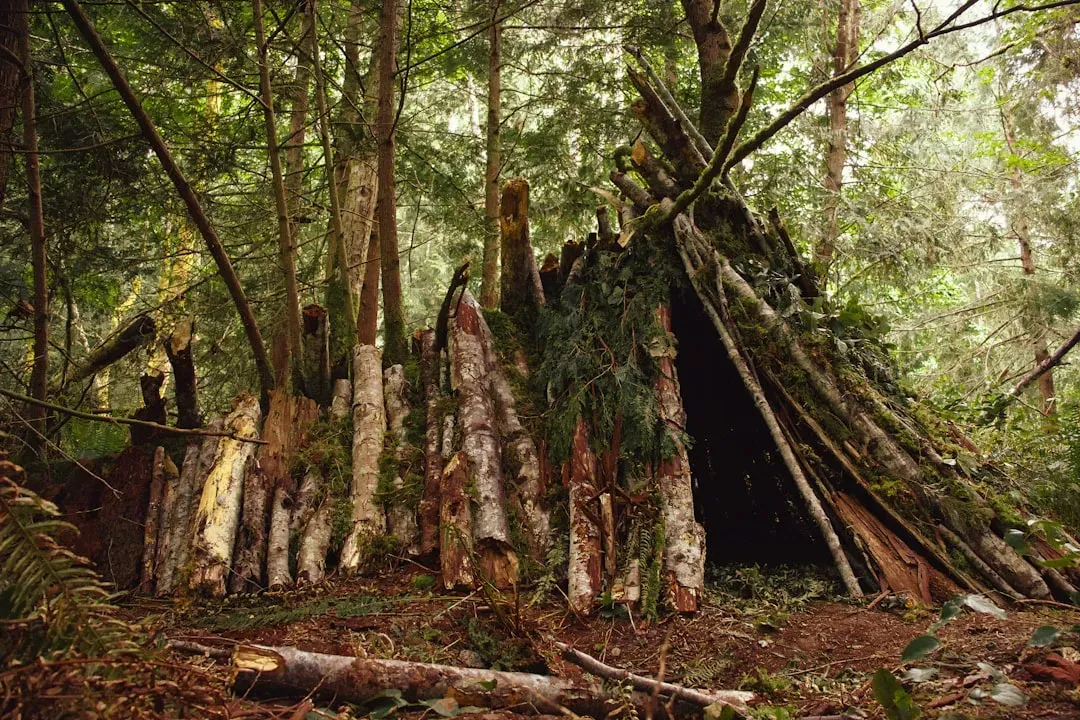
Climate scientists today lean on ice cores, tree rings, and satellite data, but some of the most surprising reconstructions of past climate swings have come from sources that look, at first glance, purely cultural. Oral histories, myth cycles, and ritual calendars sometimes preserve memories of extended droughts, floods, or unusual skies that line up eerily well with independent geologic evidence. When a story from a coastal community describes a time when a certain island was still walkable from the mainland, and underwater surveys reveal an ancient land bridge, it becomes hard to dismiss the narrative as pure invention. That does not mean every legend is a literal report, but it does suggest that people have long been careful observers of environmental change.
Alongside stories, physical artifacts also trap climate information: layered lake sediments with traces of ancient fires, corals whose growth bands reflect water temperature, or abandoned terraces that map the rise and fall of agricultural zones. Ancient engineers and farmers responded to these changes with strategies such as shifting crops, building new waterworks, or developing storage systems that modern resilience planners now study closely. In rediscovering these adaptive playbooks, scientists are piecing together how societies coped with long periods of stress without fossil fuels or global trade networks to bail them out. The old insights are sobering: ignoring slow-moving change rarely ended well, but flexible systems and social cooperation sometimes did.
Mathematics in Knotted Cords, Quipu, and Early Symbols
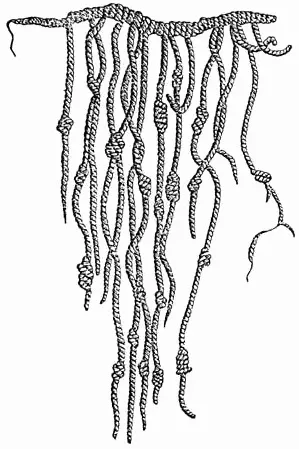
When many of us think about mathematics, we picture chalkboards full of symbols or pages of equations, but number systems have not always looked like that. The Inca quipu – bundles of knotted cords – long puzzled researchers who saw them mainly as accounting devices, yet newer analyses suggest far more complexity, including possible narrative and relational information encoded in knot types, positions, and colors. Even more ancient tally bones, carved tablets, and patterned notches hint at early forms of tracking quantities, cycles, and perhaps even basic operations like doubling or partitioning. These tools were not just primitive calculators; they were memory aids and data structures in a world without paper or digital storage.
Modern information theorists and computer scientists have started to look at such artifacts through the lens of encoding and compression. A set of knots on a string or marks on a shard can represent surprisingly rich information if a shared code system exists, much like a barcode or QR pattern packs data into a visual grid. Rediscovering this perspective forces us to widen our definition of “writing” and “math” beyond familiar alphabets and numerals. Ancient people found ways to externalize thought into physical patterns that could be checked, copied, and audited, long before spreadsheets. That is not nostalgia; it is a reminder that our current digital systems stand on a long lineage of humans trying to stabilize knowledge outside their own minds.
What We Misjudged About “Primitive” Knowledge

For much of the nineteenth and twentieth centuries, powerful institutions built a ladder of progress with themselves at the top and earlier cultures arranged neatly below. In that model, any advanced feature in the past was treated as an anomaly, a curiosity to be explained away or claimed as an early hint of our own eventual greatness. The last few decades of archaeology, anthropology, and history have steadily eroded that ladder, replacing it with something more like a tangled web of local experiments. Different cultures solved similar problems – how to track time, heal wounds, build durable homes – in ways tuned to their environments and values.
As a science journalist, I have watched researchers repeatedly underestimate what they call “vernacular” or “traditional” knowledge, only to revise their views when the data refuse to cooperate. A personal turning point for me came while reporting on indigenous fire management: techniques once dismissed as unscientific are now central to reducing catastrophic wildfires in parts of Australia and North America. This pattern shows up in many domains. Whether it is dryland farming, navigation without instruments, or community-based fisheries, what looked like folklore often turns out to be experimentally refined practice. Rediscovering ancient knowledge, then, is as much about confronting our own cultural biases as it is about digging up artifacts.
Why Rediscovering Old Knowledge Changes Modern Science
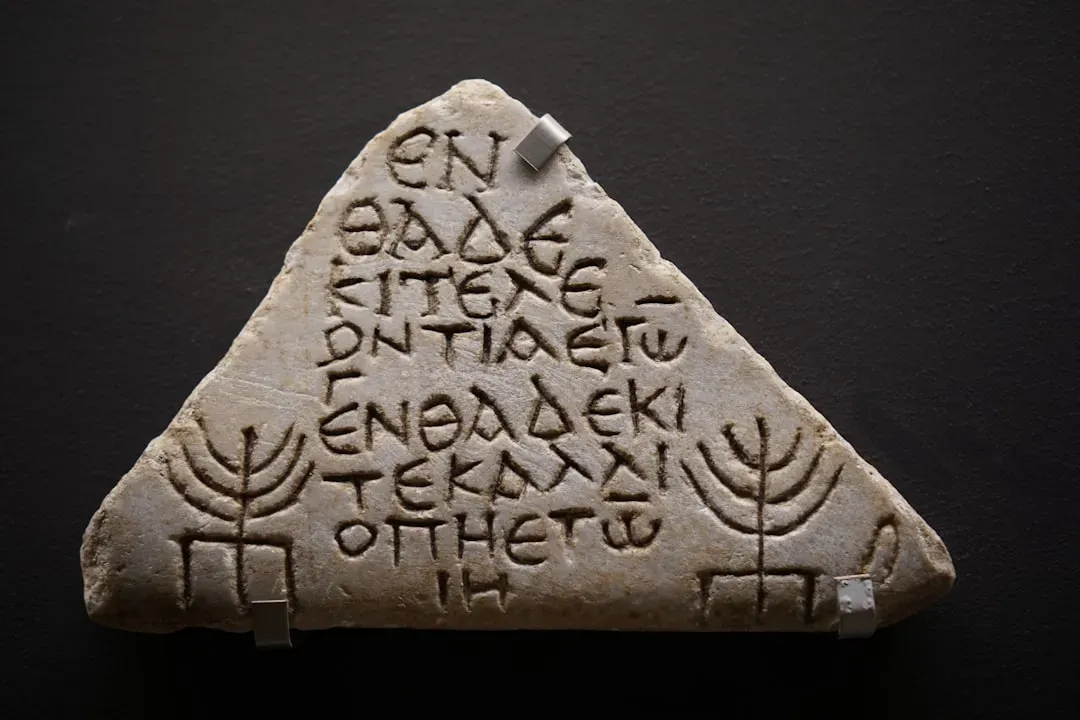
At first glance, the idea that our ancestors knew things we are only now confirming can sound like an attack on science, but the reality is the opposite. Modern science thrives when it recognizes good observations wherever they come from and then tests them rigorously. When researchers take an old practice seriously – whether it is a herbal infusion, a building orientation, or a planting schedule – they gain candidate hypotheses that would be hard to invent from scratch. The rediscovery process is essentially a collaboration across time, where our instruments and models meet their patient trial and error.
This collaboration is reshaping whole fields. Climate scientists now integrate indigenous seasonal indicators into forecasting; engineers study traditional architecture to design buildings that stay cooler without constant air conditioning; medical researchers mine historical pharmacopeias for drug leads. Compared with earlier eras that saw ancient knowledge mainly as superstition to be swept aside, today’s approach is more like translation. The goal is not to romanticize the past or to import every old belief wholesale, but to ask, with humility, whether a long-surviving practice encodes a hard-won insight. When it does, turning that insight into testable, sharable science is one of the most powerful forms of rediscovery we have.
How Readers Can Help Carry This Knowledge Forward
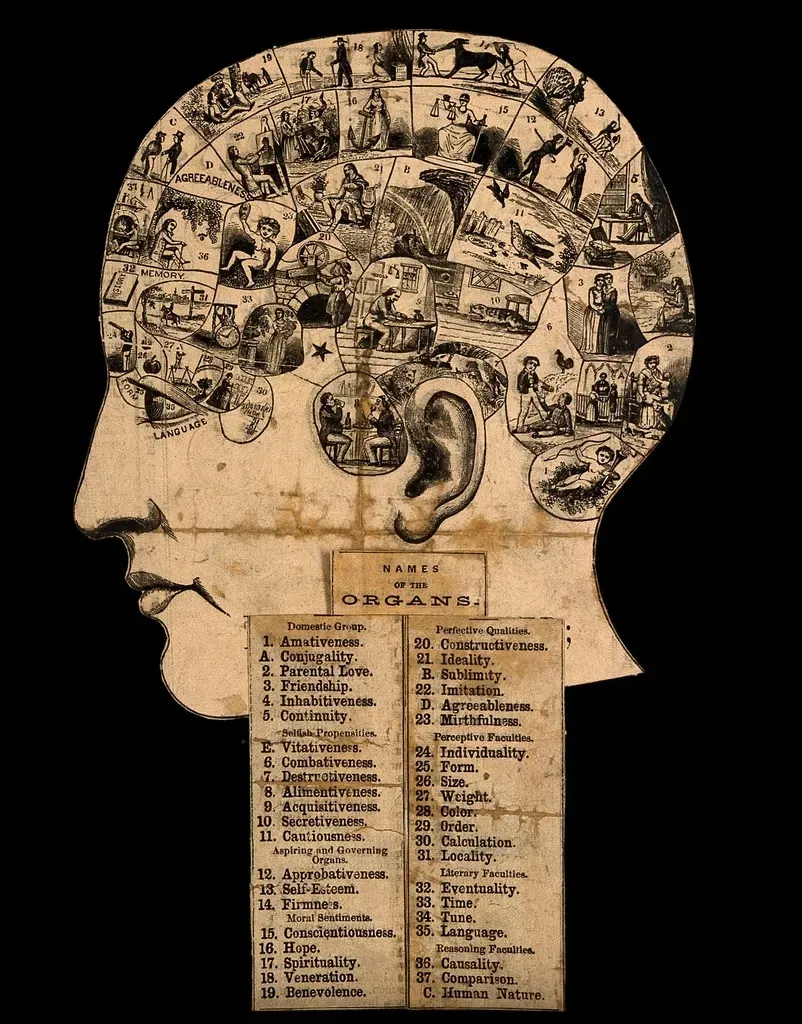
For most of us, rediscovering ancient knowledge is not about excavating ruins; it starts with how we read, listen, and ask questions. Visiting a museum, an archaeological site, or a local cultural center with an ear for “What problem were they solving?” can flip the narrative from passive wonder to active inquiry. Reading research-based books on traditional technologies, ethnobotany, or indigenous astronomy opens up a world where people long ago wrestled with the same constraints we do – scarcity, risk, uncertainty – and sometimes found solutions we have overlooked. Even choosing to support policies that protect heritage sites and fund careful, community-engaged research helps keep those lines of inquiry alive.
On a smaller scale, paying attention to the knowledge held by elders in your own community – about weather signs, building tricks, seasonal rhythms, or local plants – can be its own quiet act of preservation. Not every story will map neatly onto a scientific paper, and that is fine. What matters is cultivating the habit of assuming that past experience, especially when it has guided people for many generations, is worth investigating rather than dismissing. Our ancestors did not have satellites or smartphones, but they had time, attention, and a deep stake in getting things right. The more we treat their legacy as a set of live questions instead of closed chapters, the more likely we are to find surprises waiting for us in plain sight.
Suhail Ahmed is a passionate digital professional and nature enthusiast with over 8 years of experience in content strategy, SEO, web development, and digital operations. Alongside his freelance journey, Suhail actively contributes to nature and wildlife platforms like Discover Wildlife, where he channels his curiosity for the planet into engaging, educational storytelling.
With a strong background in managing digital ecosystems — from ecommerce stores and WordPress websites to social media and automation — Suhail merges technical precision with creative insight. His content reflects a rare balance: SEO-friendly yet deeply human, data-informed yet emotionally resonant.
Driven by a love for discovery and storytelling, Suhail believes in using digital platforms to amplify causes that matter — especially those protecting Earth’s biodiversity and inspiring sustainable living. Whether he’s managing online projects or crafting wildlife content, his goal remains the same: to inform, inspire, and leave a positive digital footprint.