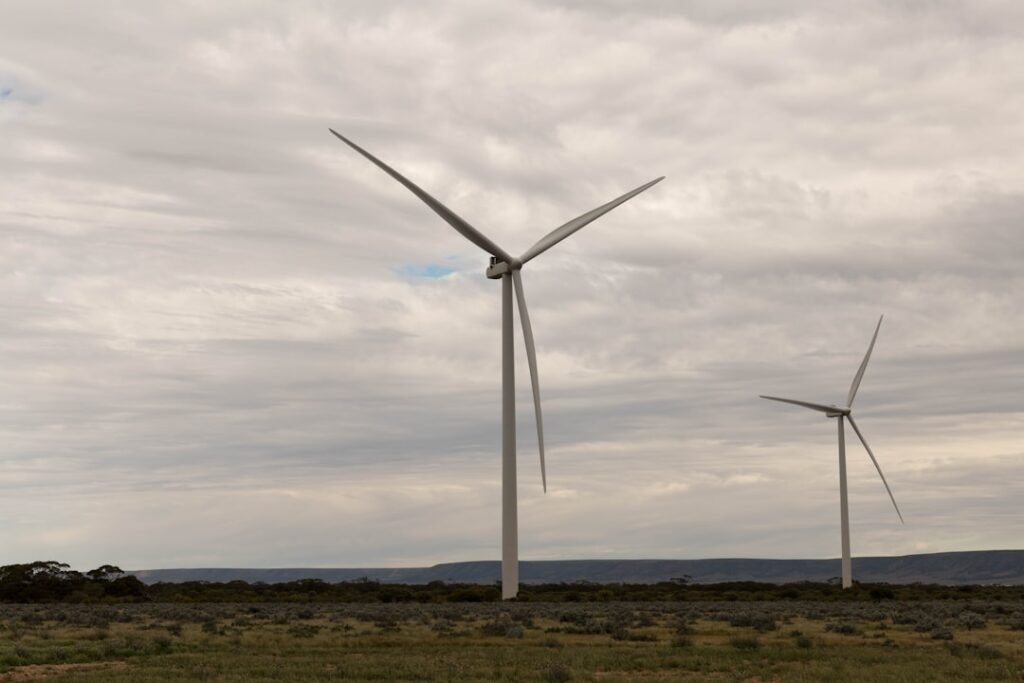

Trump’s Aggressive Pivot from Climate-Focused Policies (Image Credits: Unsplash)
As the new year unfolds, the United States grapples with the aftermath of significant energy policy changes implemented under President Donald Trump’s second administration, raising concerns about affordability and reliability for consumers.
Trump’s Aggressive Pivot from Climate-Focused Policies
The administration’s swift actions in 2025 marked a decisive departure from the previous government’s emphasis on climate initiatives. Officials prioritized fossil fuel production and deregulation, aiming to boost domestic energy independence. This shift included rolling back numerous environmental regulations that had constrained traditional energy sources.
Congress supported these efforts by voiding several Biden-era mandates, such as those promoting renewable energy subsidies. The focus turned to unleashing oil, gas, and coal resources, with executive orders streamlining permitting processes for new projects. While these measures promised long-term supply increases, short-term disruptions emerged in the transition.
Household Bills Climb Amid Policy Ripples
Americans noticed the changes directly in their wallets, as energy bills rose by 13 percent since the start of Trump’s term, according to a report from ABC News. This uptick reflected broader market adjustments following the policy overhaul. Utility companies passed on higher operational costs tied to fluctuating fuel prices and infrastructure demands.
Several factors contributed to this escalation. Demand surged from sectors like artificial intelligence and cryptocurrency mining, straining existing capacity. Meanwhile, the de-emphasis on renewables slowed the integration of cheaper wind and solar alternatives. Power providers adapted by leaning more heavily on natural gas, whose prices remained volatile amid global trade tensions.
- Increased reliance on fossil fuels drove up procurement expenses for utilities.
- Tariffs on imported components affected equipment costs for power generation.
- Regional variations amplified the burden, with northern states facing steeper winter heating demands.
- Slower renewable deployments limited options for cost-competitive electricity sources.
- Overall, these elements combined to push average monthly bills higher for millions of households.
Weather Extremes and Grid Vulnerabilities Exposed
Early signs of trouble appeared in 2025, when severe weather events tested the grid’s resilience. Blackouts in Texas during a February cold snap highlighted vulnerabilities, with frozen natural gas lines exacerbating shortages. The North American Electric Reliability Corporation warned of ongoing risks in its February report, citing inadequate preparation for peak demands.
Looking to 2026, experts predict similar challenges could intensify. Extreme weather patterns, from heatwaves to storms, may collide with heightened electricity needs. The policy emphasis on fossil fuels, while expanding supply in some areas, has not fully addressed aging infrastructure or diversified sources. As a result, potential energy bottlenecks loom, particularly during high-demand periods influenced by climate variability.
Balancing Optimism with Caution in the Energy Landscape
Despite the turbulence, some observers remain hopeful about the sector’s trajectory. The inherent advantages of clean energy technologies continue to drive innovation, even as federal support wanes. Private investments in solar and wind projects persisted through 2025, suggesting resilience against regulatory headwinds.
Analysts from sources like Euronews noted that these natural market forces could mitigate some downsides. However, the administration’s actions, including cuts to agencies like NOAA and FEMA, have sparked debate over preparedness for weather-related disruptions. Balancing expanded fossil fuel output with grid modernization will prove crucial in the coming months.
Key Takeaways
- Energy bills increased 13 percent in 2025, signaling immediate consumer impacts.
- Policy shifts favored fossil fuels but exposed gaps in renewable integration.
- Weather risks and rising demand heighten blackout threats for 2026.
In summary, Trump’s 2025 energy reforms delivered on promises of deregulation and fossil fuel revival, yet they set the stage for elevated costs and reliability concerns in 2026. Households and businesses alike must navigate this evolving landscape with vigilance. What steps do you believe policymakers should take next to stabilize prices? Share your thoughts in the comments.