There is something quietly shocking about realizing your brain is not a fixed machine, but more like wet clay that never fully dries. For a long time, many scientists believed that once you reached adulthood, your brain’s wiring was more or less set in stone, slowly declining with age. Now, in study after study, that old idea is being dismantled, and what’s emerging instead is a picture of a brain that can adapt, repair, and even reinvent itself far beyond what anyone expected.
This isn’t just abstract neuroscience trivia. It changes how we think about aging, trauma, mental health, learning, and even identity. If your brain’s wiring can change, then your habits, reactions, and ways of thinking are not a prison sentence. They’re more like a draft you can edit. That doesn’t mean it’s easy, but it does mean it’s possible in ways that once sounded like science fiction.
The Death of the “Fixed Brain” Myth
For much of the twentieth century, textbooks taught that the adult brain was basically static: you were born with all the neurons you’d ever have, and from there it was mostly downhill. Damage from stroke, head injury, or neurodegenerative disease was seen as largely irreversible because the brain was assumed to lack the ability to reorganize itself in any meaningful way. People were told to “compensate,” not to expect their brain to truly recover or reroute.
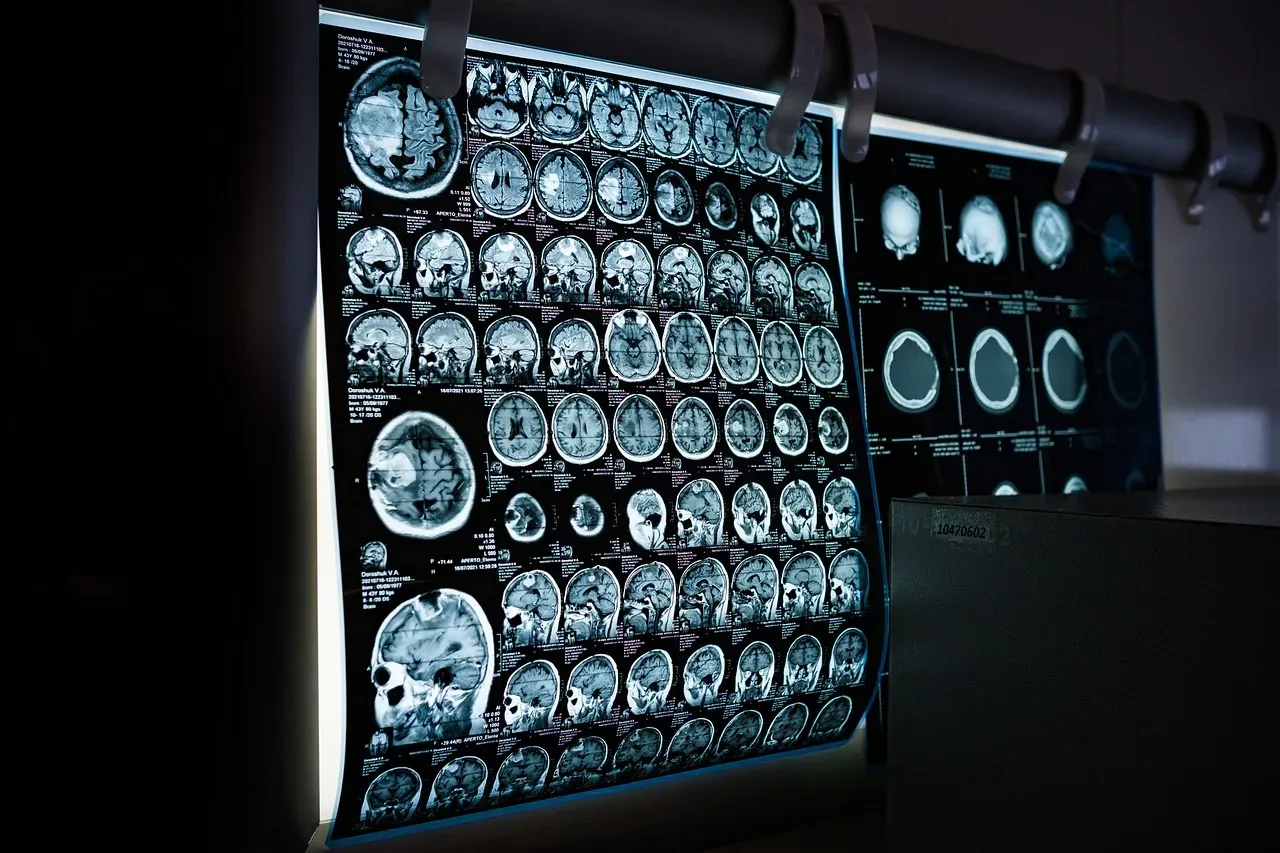
Over the past few decades, that idea has been steadily overturned by research on neuroplasticity, the brain’s capacity to change its structure and function in response to experience. Imaging tools like functional MRI and advanced EEG have shown that, when a region of the brain is damaged, other regions can sometimes take over lost functions, reassigning circuits in a way that was once considered impossible in adults. It’s as if the brain was hiding a secret renovation crew all along, quietly remodeling behind the walls while no one was looking.
Neuroplasticity: Your Brain’s Hidden Superpower
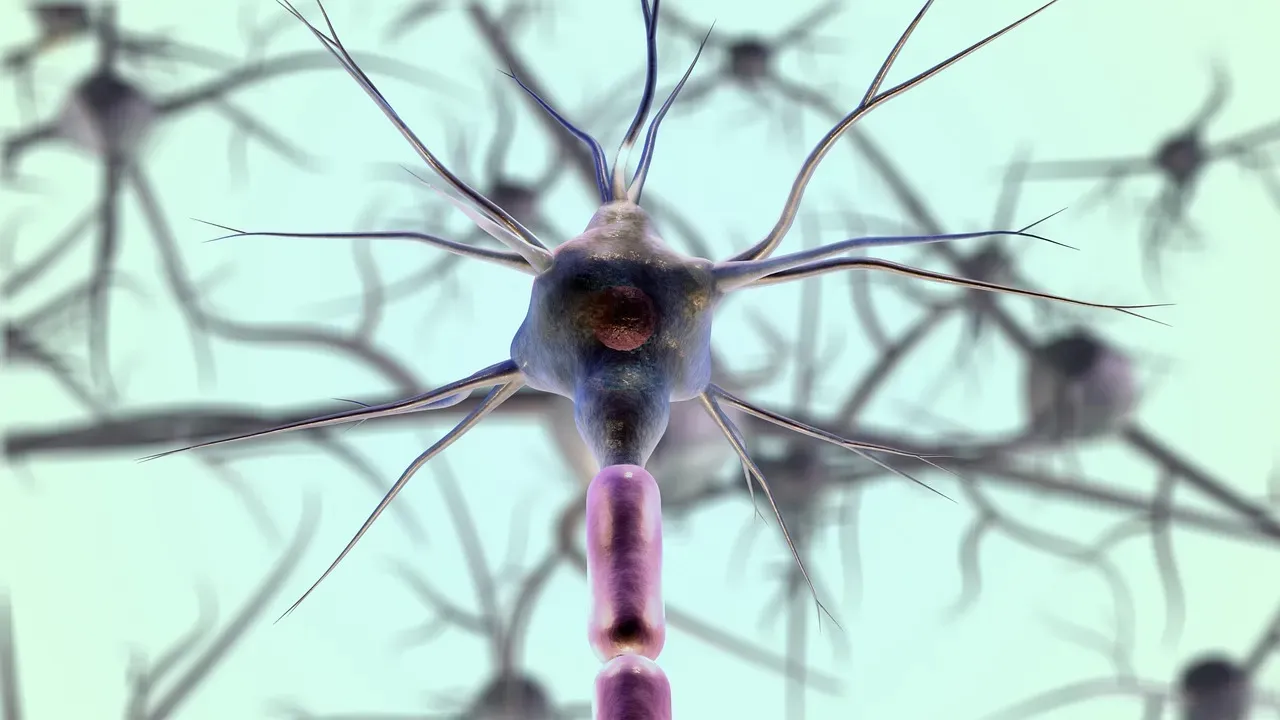
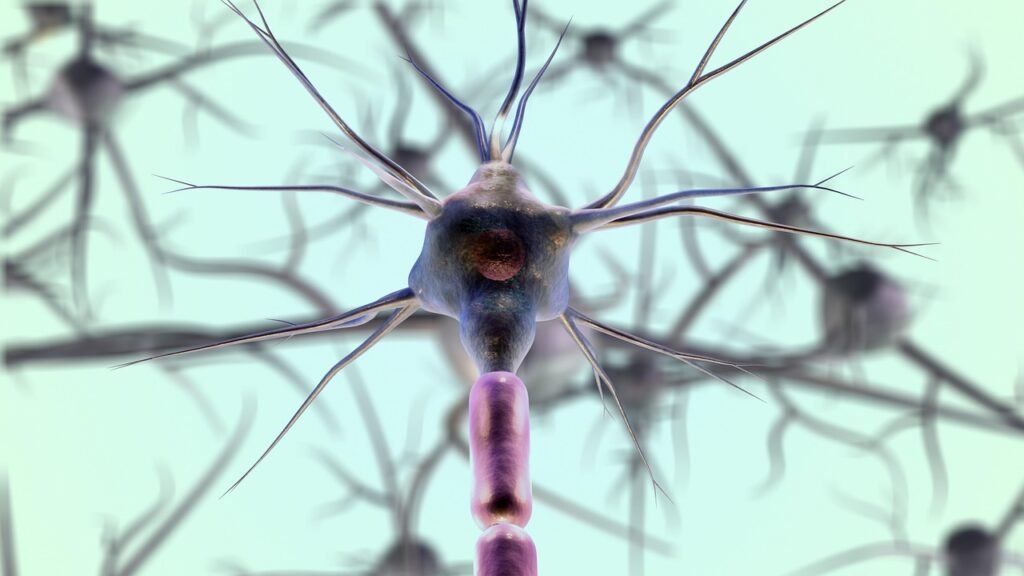
Neuroplasticity might sound like a buzzword, but it’s simply the idea that the connections between your brain cells are constantly being strengthened, weakened, created, or pruned based on what you do, feel, and think. At the microscopic level, synapses – the tiny junctions where neurons communicate – are always in flux. When you repeat a skill or thought pattern, certain pathways become more efficient, like a dirt path turning into a paved road after enough traffic.
What’s truly surprising is how extensive this rewiring can be, even in older adults. Studies have shown that learning a new language, taking up a musical instrument later in life, or even practicing mindfulness meditation can lead to measurable changes in brain structure and connectivity. Think of your brain less like hard wiring in a house and more like the routes in a city: traffic patterns, new roads, and detours constantly reshaping how people get from one place to another. Some routes do get harder to change over time, but almost none are permanently locked in.
Rewiring After Injury: How the Brain Finds New Pathways
Some of the clearest evidence that the brain can rewire in dramatic ways comes from stroke and brain injury recovery. When part of the brain is damaged, people can lose basic functions like speech, movement, or vision. For many years, it was assumed that once those neurons died, the lost abilities were gone forever. Yet intensive rehabilitation programs have shown that people can sometimes regain skills even years after an injury, as other regions of the brain reorganize and assume new roles.
For example, when a stroke affects the motor cortex on one side of the brain, rehab exercises can encourage surviving neurons in nearby or even opposite brain areas to participate in controlling movement. This kind of re-mapping is not instant or effortless; it often requires repetitive practice, frustration, and carefully designed therapy. But the basic message is startlingly hopeful: damage doesn’t always mean permanent loss. In many cases, it means the brain needs to be coached into building a new route to the same destination.
Adult Brain Rebirth: New Neurons Where None Were Expected

One of the most controversial and exciting discoveries in modern neuroscience has been adult neurogenesis, the birth of new neurons in a brain that was long thought to be finished growing. For decades, the dominant view was that humans were born with a fixed number of neurons and that no new ones appeared in adulthood. Later research revealed that certain brain regions, especially the hippocampus (crucial for learning and memory), can generate new neurons even later in life, under the right conditions.
Scientists are still debating how extensive and functionally important this process is in humans, but the fact that it happens at all upended a major assumption. Lifestyle factors such as physical exercise, good sleep, and enriched environments appear to support this kind of brain cell renewal. It’s as if the brain kept a small but mighty workshop open, manufacturing fresh components when needed, particularly in circuits involved in learning, memory, and emotional regulation. That doesn’t mean we can endlessly regrow what’s lost, but it does mean the door to growth never fully closes.
Depression, Anxiety, and the Plastic Brain

One of the most emotionally powerful implications of neuroplasticity lies in mental health. Conditions like depression, anxiety, and post-traumatic stress disorder are not just “bad moods”; they’re tied to patterns of brain activity and connectivity that can become deeply entrenched. For a long time, that made them feel like life sentences. If your brain circuits were stuck in a certain pattern, the assumption was that your fate was to manage, not to meaningfully change them.
Newer research has shown that various interventions – from medication and psychotherapy to mindfulness training and even carefully supervised psychedelic-assisted therapy – can alter brain networks in ways that correspond to symptom improvement. For instance, patterns of overactivity in fear-related circuits can be calmed, and connections between prefrontal “thinking” areas and emotional centers can be strengthened. It’s not magic, and it’s not instantaneous, but it suggests that healing is not only psychological; it’s physical rewiring. That makes recovery feel less like wishful thinking and more like a biological possibility, given time, support, and the right tools.
Training Your Brain: Everyday Choices That Reshape Wiring

The most radical part of this story is that you don’t need a lab, a hospital, or a cutting-edge treatment to tap into your brain’s ability to rewire. The habits and experiences you choose daily are constantly nudging your brain in one direction or another. Regular physical activity, for example, has been shown to improve blood flow to the brain, support the health of existing neurons, and encourage the formation of new connections. Sleep, often underrated, plays a key role in consolidating memories and pruning unnecessary synapses, helping your brain stay efficient instead of cluttered.
Deliberate mental training matters too. Practicing focus in a world of constant distraction can strengthen attention networks instead of letting them fragment. Learning something that challenges you – a new hobby, a complex skill, even a tricky game – pushes your brain to build new pathways rather than running the same old loops. I’ve noticed in my own life that when I regularly push myself to learn or create, my thinking feels sharper and more flexible, and when I coast for too long, my mind starts to feel a bit like a cluttered attic. The difference isn’t mystical; it’s wiring.
Limits, Unknowns, and Why This Still Matters
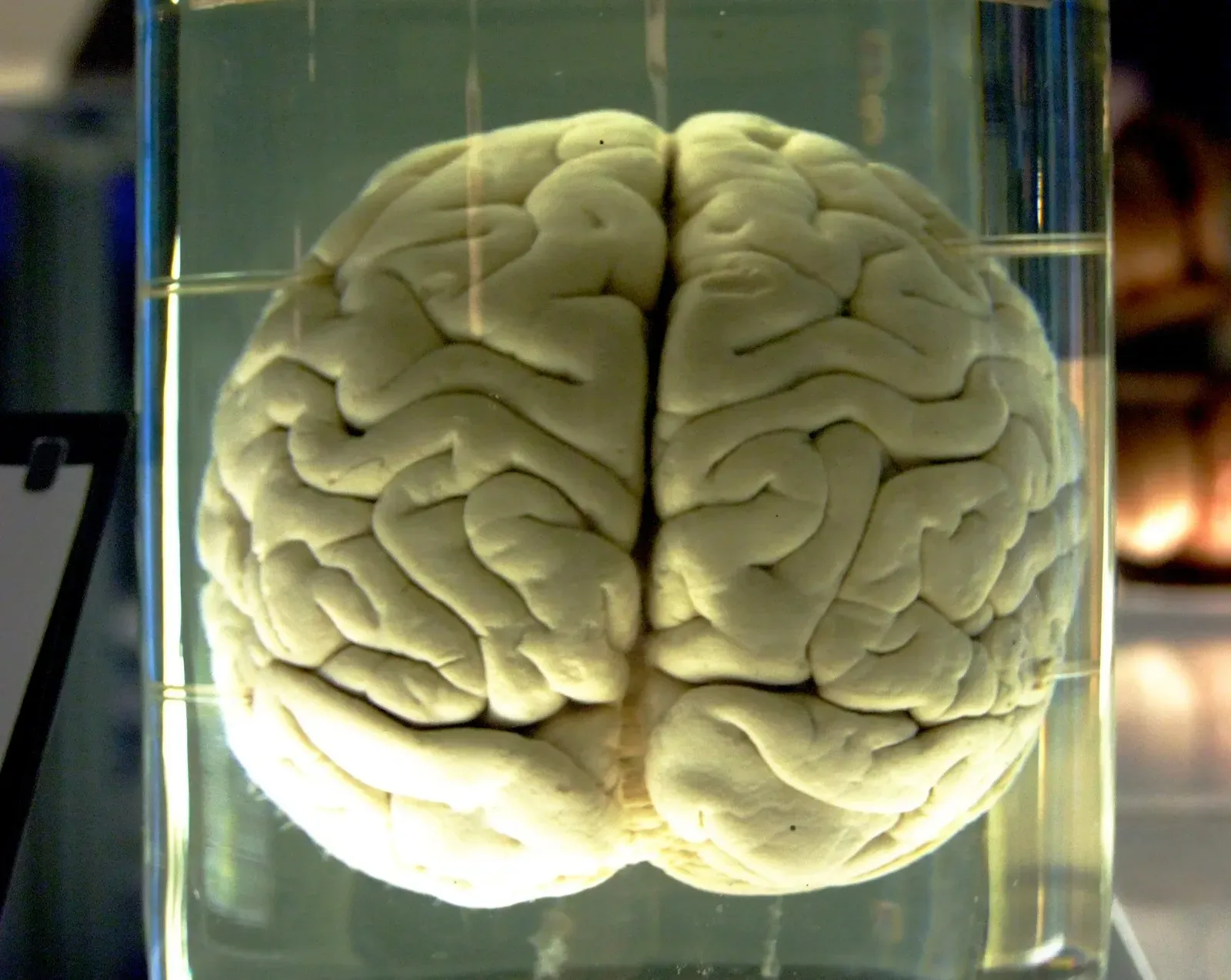
It’s tempting to swing from one extreme to another: from “the brain never changes” to “you can rewire anything with sheer willpower.” Reality sits firmly in the middle. There are hard limits to what neuroplasticity can do, especially in the face of severe injury, genetic conditions, or advanced neurodegenerative disease. Age also plays a role; while the brain remains plastic throughout life, younger brains generally adapt more quickly and more dramatically. Some changes are simply not reversible, no matter how much training or therapy is applied.
At the same time, even modest plastic changes can make a real difference in how someone functions and feels day to day. The fact that the adult brain is not frozen but responsive means we’re not entirely at the mercy of our past experiences, our traumas, or even our current abilities. There are still big unanswered questions about how far we can push this plasticity and how to harness it safely, especially with emerging technologies and therapies. But the core insight – that your brain is still under construction – shifts the story from fate to possibility. What you do with that possibility is, in many ways, the most personal decision you’ll ever make.
Living With a Brain That Never Stops Changing

Knowing that the human brain can rewire itself in ways once thought impossible is both liberating and a little unsettling. It means we’re not as fixed as we imagine, that our habits, thoughts, and experiences are literally sculpting our neural circuits over time. The comforting part is that growth, healing, and learning are biologically supported realities, not just motivational slogans. The uncomfortable part is that we can no longer pretend our daily choices don’t matter at a deep, physical level.
In a world that often tells us “this is just how you are,” the science of neuroplasticity quietly insists that you are, at least partly, a work in progress. Your brain is listening to what you repeat, where you focus, and how you live, and it’s adjusting the wiring accordingly. That doesn’t guarantee transformation, and it doesn’t erase hardship, but it does mean the story is rarely truly over. If your brain is still changing anyway, the real question becomes: what do you want it to change toward?