
If you’ve ever stopped mid‑scroll because a sunset looked unreal or a rainbow suddenly appeared over a parking lot, you already know this: ordinary life is absolutely packed with tiny miracles. The wild part is that most of these “magical” moments have rock‑solid science behind them, and the truth is usually stranger and more beautiful than the myths.
Once you start noticing how light bends, how air moves, and how your own brain fills in the gaps, the world starts to feel like a live‑action science documentary. You realize the sky isn’t just blue “because it is,” and that glittering dew on the lawn isn’t just decorative. Let’s dig into seven everyday wonders that look like pure magic but are secretly powered by physics, chemistry, and biology.
The Fiery Drama Of Sunsets

There’s something almost rude about how beautiful a sunset can be on a totally random Tuesday. One moment the sky is plain, and the next it’s flooded with streaks of pink, orange, and deep purple that look like they’ve been painted on. The emotional punch is real, and many people instinctively feel calmer or more reflective when the sky puts on that kind of show.
Scientifically, it all comes down to how sunlight interacts with our atmosphere. As the sun sinks lower, its light has to travel through a much thicker layer of air, dust, water vapor, and tiny particles. Shorter blue and violet wavelengths get scattered out of your line of sight, leaving behind those longer red, orange, and pink wavelengths. Add a bit of haze or thin clouds to catch and reflect the light, and you get those layered, dramatic skies that look almost unreal.
Rainbows Over Parking Lots
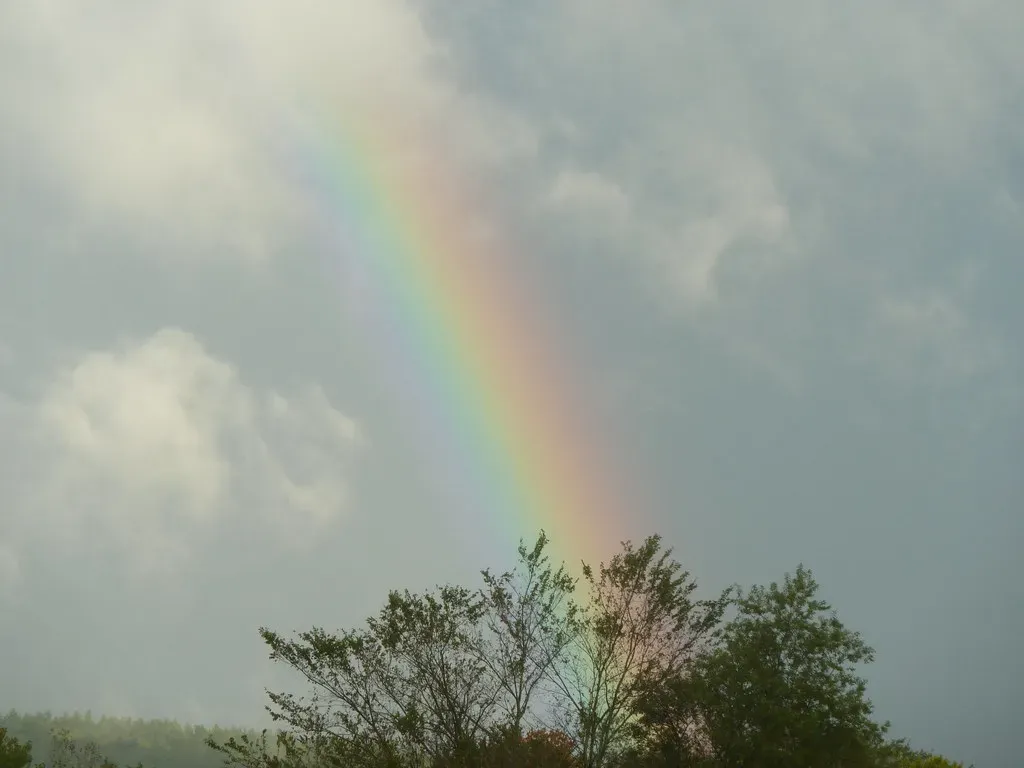
Rainbows feel like something out of a children’s story, yet they pop up in the most unromantic places: over highways, behind gas stations, arcing quietly above supermarket roofs. The surprise is part of their charm. One second everything is gray and wet, and the next there’s a perfect curve of color hanging in the air like the sky just hit “refresh.”
Behind that everyday magic is a careful bit of light choreography happening inside millions of water droplets. When sunlight enters a raindrop, it slows down and bends, then bounces off the back of the drop and bends again on the way out. Different colors bend by slightly different amounts, so they spread out into a spectrum. You only see a rainbow when your eyes are in exactly the right position relative to the sun and the rain, which is why the person standing five meters away might see a slightly different arc than you do.
The Hypnotic Flicker Of Candle Flames

Sit in front of a single candle in a dark room, and it’s weird how such a small flame can steal your full attention. It dances, stretches, shrinks, and never seems to repeat itself exactly the same way twice. People have used flames like this to pray, meditate, or just zone out after a long day, as if that chaotic little flicker is saying something understandable to a deeper part of the brain.
That flicker is actually a tiny, restless chemistry lab. The solid wax melts, then evaporates into a gas that reacts with oxygen in the air, releasing heat and light. The shape and motion of the flame are sculpted by invisible air currents, small temperature differences, and constant feedback between fuel and oxygen. When the flame “leans” or suddenly flares, it’s often responding to tiny changes in air pressure or movement that you don’t consciously notice, like someone shifting in their chair across the room.
Dew Drops That Turn Grass Into Jewelry
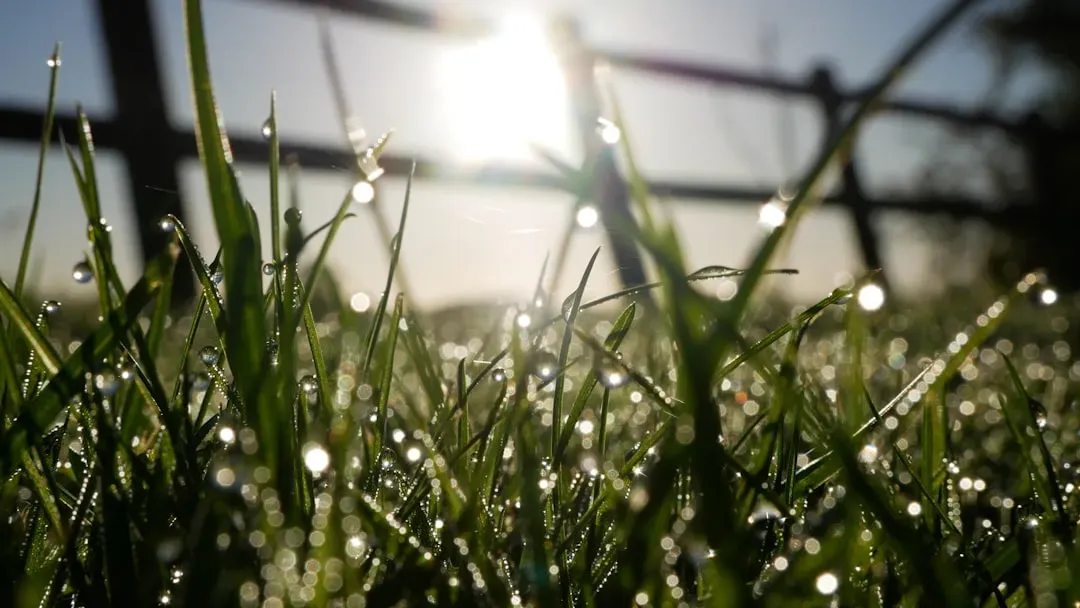
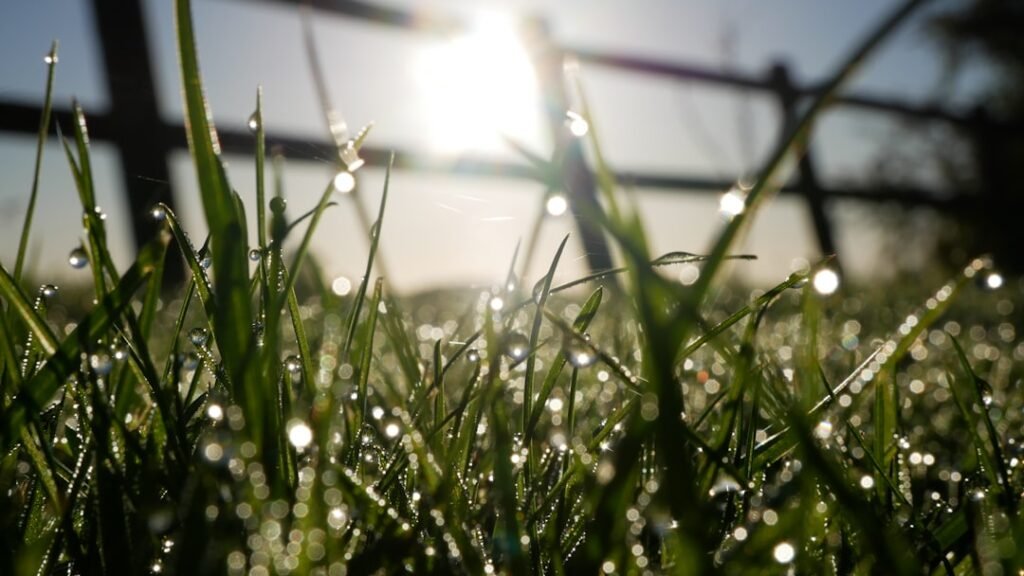
Early on a cool morning, grass can look like it’s been covered in a layer of glassy beads or glitter, even in the most ordinary backyard. Each dew drop seems to catch the light differently, turning a plain patch of ground into something quietly spectacular. If you’ve ever walked outside in bare feet and felt that cold, wet shock, you know how real and physical this “prettiness” actually is.
Dew forms when the ground cools faster than the surrounding air, usually overnight. As the temperature drops, the air near the surface can’t hold as much water vapor, so that water condenses onto blades of grass, leaves, and even car roofs. Each droplet acts like a tiny lens, bending and focusing light, which is why they sparkle so intensely when the sun is low. The pattern of where the dew appears can tell you about micro‑climates in your own yard: shaded or open spots, airflow, and even the health of the plants themselves.
The Eerie Glow Of Fireflies
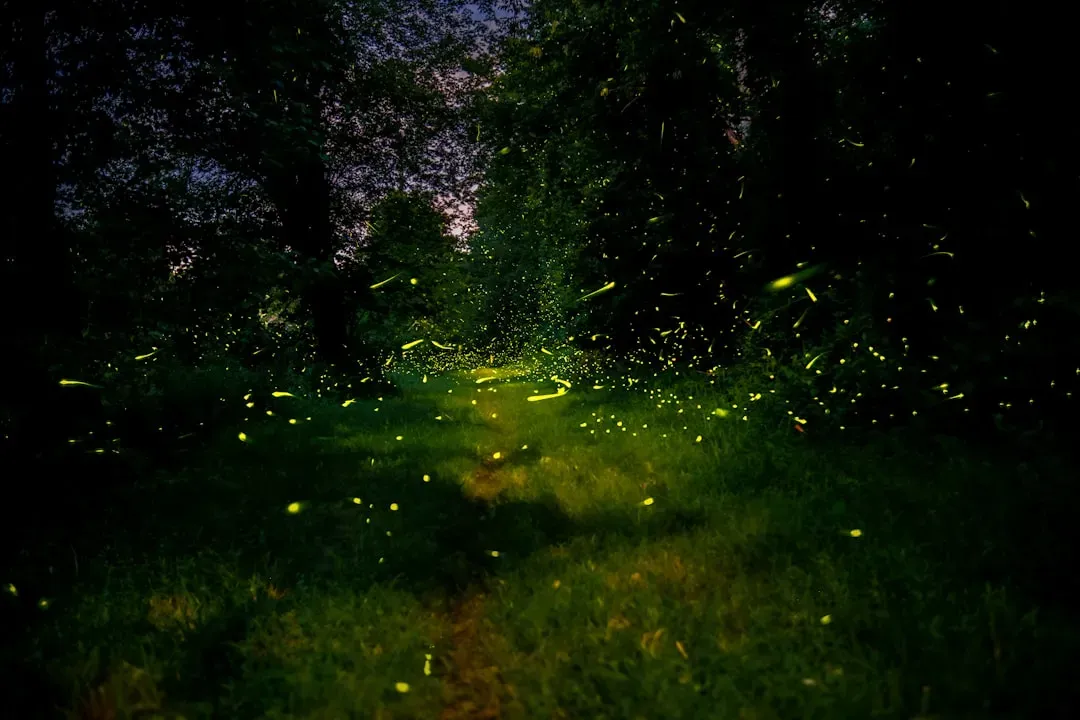
Standing outside on a warm summer night with fireflies blinking on and off feels a bit like watching the stars decide to come down and walk among the trees. The light is so gentle and so out of place on a forest floor or in a field that it almost feels supernatural. If you saw the same effect in a movie, you’d probably assume it was heavy special effects.
The truth is that fireflies are tiny biochemists running highly efficient light factories in their own bodies. Their glow is the result of a reaction between a molecule called luciferin, an enzyme, oxygen, and a bit of chemical energy, producing light with very little heat. Different species have different flash patterns and colors, which they use for communication and mating. When you see a whole field blinking in rough unison, that’s not just random chaos; it’s a kind of natural light language, timed and tuned by evolution.
The Silent Power Of Static Shocks
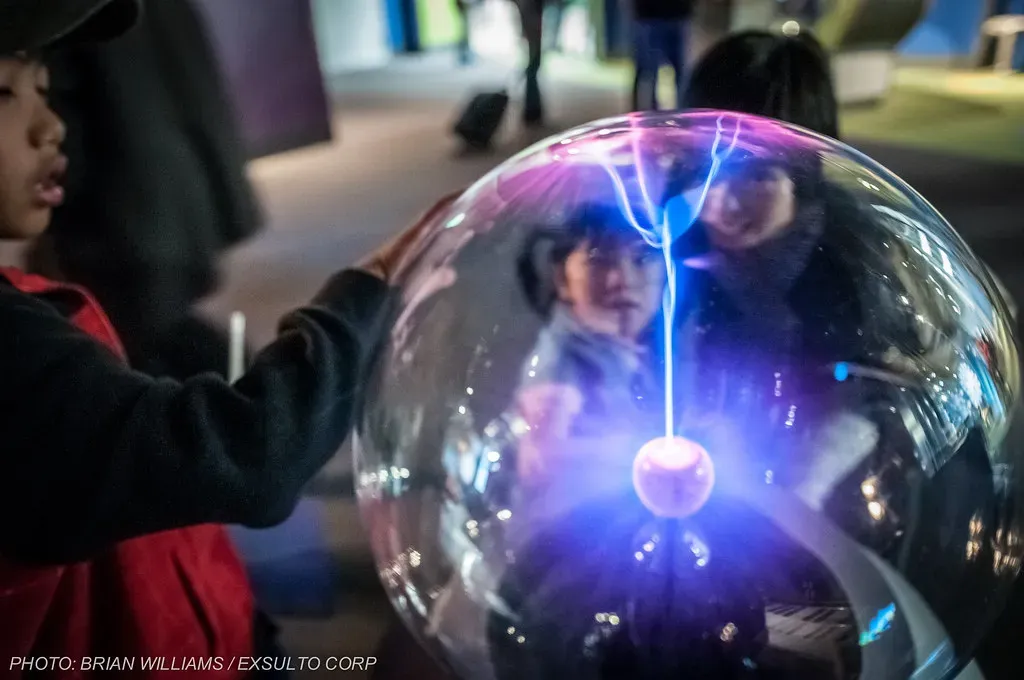
Getting zapped by a doorknob after walking across carpet is annoying enough that most of us just swear under our breath and move on. But in that tiny sting, there’s a bizarre reminder that we’re constantly swimming in invisible electric forces. Touching someone and both of you jumping back is such a small moment, but it somehow feels like the world glitching for a split second.
Static shocks happen when electrical charge builds up in one place and then suddenly redistributes. As you walk, your shoes and the floor rub against each other, transferring electrons so that one surface ends up with more negative charge. When you touch a conductor like metal, that built‑up charge moves in a quick, intense burst, creating a tiny spark and a brief jolt of current that your nerves interpret as pain. Dry air makes this worse because water vapor usually helps leak charge away more gradually, so winter and indoor heating turn you into a walking, sparking battery.
The Strange Calm Of Ocean Waves

Watch the ocean for more than a minute and it starts to feel almost hypnotic. Waves roll in with such steady rhythm that your own breathing can fall into sync, and the constant rush and crash can drown out anxious thoughts like few other sounds can. It’s no coincidence that people drive long distances just to sit near the sea and stare at what is basically moving water in repeat mode.
Those waves are a physical record of energy moving through water over vast distances. Wind transfers energy to the ocean’s surface, creating ripples that grow into swells as they travel. Near shore, the water becomes shallower, the lower part of each wave drags against the seafloor, and the top tips forward and breaks. The steady range of frequencies in the sound of waves creates a kind of natural noise that masks sharper, more jarring sounds, which might be one reason our brains interpret it as soothing rather than stressful.
Every one of these small wonders is a reminder that everyday life is layered with hidden systems quietly doing their thing. Once you know the science, the magic doesn’t disappear; it just gets sharper, deeper, and strangely more personal. Next time the sky glows, a firefly flashes, or a doorknob snaps at your fingers, what will you see first: the mystery, or the mechanism?