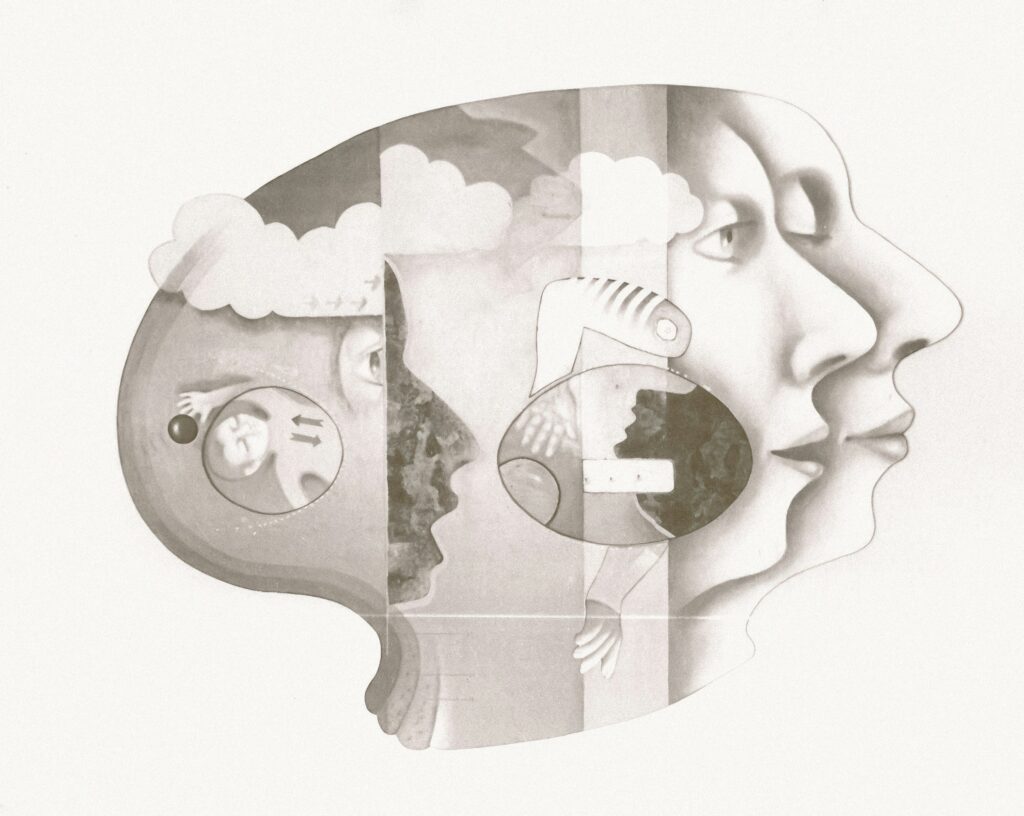

If someone told you that changing what happens in your head could add years to your life, would you believe them? It sounds almost too simple, but a growing wave of research over the last couple of decades keeps coming back to the same idea: your mindset quietly shapes your health in the background, day after day, sometimes more than diet or exercise alone.
We all know the obvious stuff: move more, eat well, sleep decently. What people often miss is how powerful small mental habits are at nudging your blood pressure, your immune system, your inflammation levels, and even how your genes behave. The habits below are not about becoming a different person overnight; they’re about tiny mental shifts you can actually stick with that, over time, can help you live not just longer, but better.
1. Practicing A Realistic, Optimistic Outlook

One of the most surprising findings in longevity research is how strongly a hopeful attitude about the future predicts longer life. Studies following adults for decades have found that people who generally expect things to work out have a lower risk of heart disease and are more likely to reach older ages in good health. This doesn’t mean pretending everything is fine; it’s about leaning slightly toward “this is hard, but I can get through it” instead of “this will destroy me.”
Biologically, this kind of realistic optimism is linked to lower chronic inflammation and more resilient stress responses. Think of optimism as mental shock absorbers: the bumps are still there, but they don’t crack the frame. A simple habit is to end each day by asking, “What went even slightly better than expected today?” Over time, you train your brain to notice possibilities, not just problems, and your body tends to respond with calmer blood pressure and steadier hormones.
2. Managing Stress With Simple Daily Rituals

Chronic stress is like a slow leak in your lifespan, and most of us are walking around with the valve half open. Long-term high stress is tied to higher risks of heart disease, weakened immunity, faster cellular aging, and sleep problems. You don’t need to eliminate stress (you can’t), but you can build tiny rituals that tell your nervous system to stand down a little more often.
Research on habits like deep breathing, brief mindfulness, or even five quiet minutes with no screens has shown they can lower stress hormones and heart rate when practiced regularly. Think of these as mental micro-breaks: a thirty-second breathing pause before opening your email, or noticing the feeling of your feet on the ground when you’re stuck in line. These small, repeatable actions help prevent stress from becoming your default setting, which in turn protects your heart, brain, and immune system over the long haul.
3. Staying Socially Connected (Even If You’re An Introvert)

Loneliness isn’t just sad; it’s physically dangerous. Large studies have found that chronic social isolation can raise the risk of early death in a way similar to heavy smoking or obesity. Humans are wired to connect, and when we go too long without meaningful contact, the body interprets it as a threat, ramping up stress chemistry and inflammation that chip away at health over time.
The good news is that you don’t need a huge circle of friends or a packed social calendar to get the benefits. Even a few close connections, regular calls with family, or being part of a small group or community you care about can help. Simple habits like sending a quick message to check in on someone, scheduling a weekly coffee, or chatting with a neighbor build a quiet safety net around you. Those small acts remind your brain that you’re not alone, and that sense of belonging is strongly linked with longer, healthier lives.
4. Moving Your Body For Your Mind (Not Just For Your Weight)

Physical activity is one of the strongest predictors of longevity, but what people often underestimate is how mental the benefits are. Regular movement improves mood, sharpens thinking, and reduces anxiety, and those mental improvements make it far easier to stick with other healthy habits over time. Exercise is less about chasing a perfect body and more about sending your brain and organs a regular “I’m still in the game” signal.
Research keeps showing that even modest activity, like brisk walking most days of the week, is linked with lower risks of dementia, heart disease, and early death. A powerful mental habit is to see movement as a tool for your brain instead of a punishment for what you ate. Maybe you walk to clear your head after work, dance in your kitchen for two songs, or stretch while watching a show. When the goal is to feel mentally better today, not to hit a number someday, you’re far more likely to keep going for years.
5. Cultivating A Sense Of Purpose

Having a reason to get out of bed in the morning sounds like a soft, philosophical idea, but research treats it as a serious health factor. Long-term studies in different countries have found that people who feel they have a sense of purpose – whether through work, family, volunteering, or personal projects – tend to live longer and maintain better physical and cognitive function as they age. Your body seems to “try harder” to stick around when your life feels meaningful.
Purpose doesn’t need to be grand or impressive; it can be as simple as caring for your grandchildren, tending a garden, or mentoring someone younger. A helpful habit is to regularly ask, “Where do I feel most useful or alive?” and then protect a bit of time each week for those activities. Treat them as non-negotiable appointments with your future self. That steady sense of “I matter here” works like a quiet anchor, reducing your risk of depression and buffering you against stress, both of which are tied to living longer.
6. Practicing Flexible Thinking Instead Of All-Or-Nothing Thinking

Rigidity in thinking is exhausting; your body pays the price when your mind insists on perfection. All-or-nothing thoughts like “I blew my diet, so today is ruined” or “If I can’t do an hour workout, it’s not worth it” create constant internal stress and make healthy habits much harder to maintain. Over time, that mental friction can contribute to chronic stress and unhealthy coping behaviors that shorten lifespan.
Flexible thinkers, on the other hand, see setbacks as detours, not dead ends. Research in cognitive-behavioral approaches shows that learning to challenge harsh, absolute thoughts can lower anxiety and depression, improve sleep, and increase the likelihood of sticking with health behaviors. A simple practice is to catch yourself using words like “always,” “never,” or “ruined” and replace them with “this time,” “today,” or “next step.” It sounds small, but that shift can turn a bad afternoon into a somewhat decent day, which over the years adds up to a much kinder, healthier life.
7. Prioritizing Quality Sleep As A Non-Negotiable

We often treat sleep like spare change: nice to have, but the first thing to grab from when life gets busy. Yet sleep is one of the clearest levers we have on longevity. Poor or chronically short sleep is linked with higher risks of obesity, diabetes, heart disease, depression, and even earlier death. That’s partly because sleep is when your brain clears waste, your cells repair damage, and your hormones recalibrate.
The mental habit that matters here is taking sleep seriously enough to protect it. That might look like setting a real bedtime alarm, dimming screens earlier, or having a simple wind-down routine that signals to your brain that it’s safe to power down. Even aiming for slightly better sleep – more regular hours, a bit more darkness and quiet – can make a noticeable difference in energy, mood, and self-control. When your brain is rested, everything from food choices to stress reactions improves, which quietly nudges your lifespan in the right direction.
8. Being Kind To Yourself Instead Of Brutally Self-Critical

Many people believe that being harsh with themselves keeps them motivated, but the research tells a different story. Constant self-criticism ramps up stress, fuels anxiety and depression, and makes it harder to recover from setbacks. Over time, that inner war can translate into higher blood pressure, emotional eating, substance use, or giving up on health goals altogether, all of which can shorten your life.
Self-compassion, on the other hand, is associated with better mental health, healthier behaviors, and more resilience. It doesn’t mean letting yourself off the hook; it means talking to yourself the way you’d talk to a good friend who messed up. A simple habit is to pause when you notice self-attack and ask, “What would I say to someone I care about in this situation?” That tiny internal rephrasing lowers emotional overload, makes it easier to try again tomorrow, and protects your body from the wear and tear of chronic shame and stress.
9. Keeping Your Brain Curious And Learning

A curious brain tends to age more gracefully. Engaging your mind with new skills, ideas, or challenges is linked with better cognitive function later in life and a lower risk of dementia. This doesn’t mean you need to study advanced math; it might be learning a new recipe, playing a musical instrument, tackling a new language, or even exploring a hobby that makes you feel like a beginner again.
The key mental habit here is to see yourself as a lifelong learner, not someone whose abilities are fixed at a certain age. Research on cognitive reserve suggests that people who regularly stimulate their brains build up a kind of buffer that helps protects them when age-related changes eventually show up. Practical examples could be reading outside your usual topics, taking a short online course, or joining a group where you practice a new skill. Each small stretch tells your brain, “We’re still growing,” which signals your body to keep supporting that growth.
10. Practicing Gratitude And Savoring Small Good Moments

Gratitude has become a buzzword, but underneath the trend is a real body of research linking it with better sleep, lower depression, and improved physical health markers. People who regularly notice and appreciate small positive moments tend to have lower stress and more balanced nervous systems. That calmer baseline state is exactly the kind of environment where your body can repair itself and function well for longer.
A simple, science-backed habit is to write down a few things you’re grateful for most days of the week, focusing on specific, concrete details rather than vague generalities. Another is to deliberately pause and linger on small pleasures: the first sip of coffee, a warm shower, a brief laugh with someone. Savoring stretches out those tiny good experiences so your brain registers them more deeply. Over the years, this shift from scanning for threats to also noticing good moments can reshape your emotional landscape and gently support a longer, more satisfying life.
Small Shifts, Big Years

Living longer is rarely about one dramatic overhaul; it’s about dozens of small, repeatable mental habits that quietly tilt the odds in your favor. A slightly more hopeful outlook, a short breathing break, a weekly call to a friend, a bit more respect for your sleep, a kinder inner voice – none of these look impressive from the outside, but together they reshape how your brain and body move through the world. They lower chronic stress, steady your physiology, and make it easier to show up for the behaviors we already know add years to life.
The best part is that you don’t need to adopt all ten habits at once. You can pick one that feels easiest or most appealing and practice it until it starts to feel natural, then stack another on top. Think of it as slowly upgrading the operating system that runs in the background of your days. If even a couple of these shifts could add healthier years to your life, which one are you willing to experiment with first?