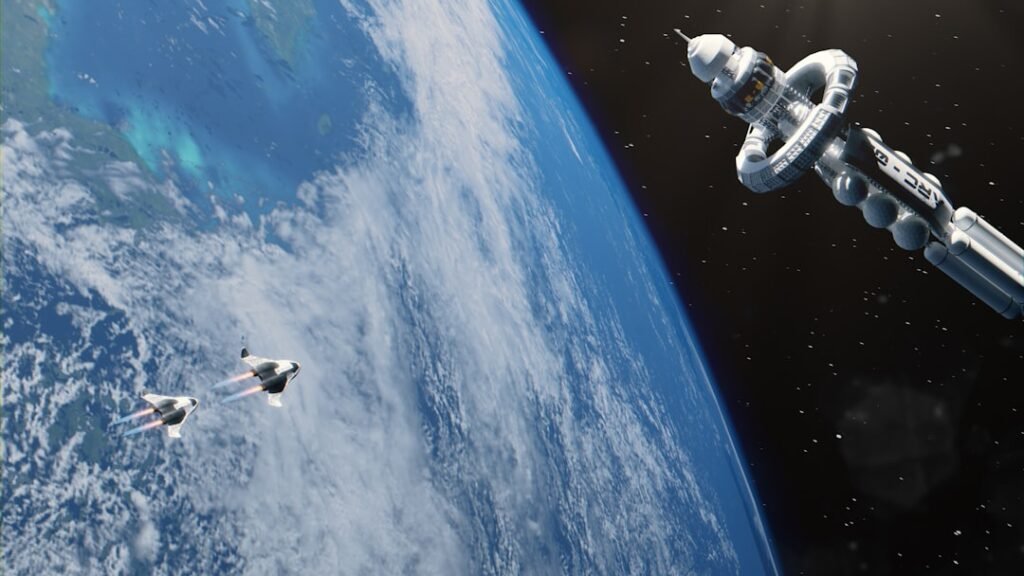
Picture this: a small blue world hanging in the dark, home to billions of noisy, creative, stubborn humans… and absolutely all of our eggs are in this one cosmic basket. It’s a thrilling and slightly terrifying thought. One asteroid, one runaway climate tipping point, one really bad global decision, and the only place we’ve ever lived could become a place we can’t live anymore.
That’s where the idea of colonizing other planets stops sounding like science fiction and starts feeling like a lifeline. But it’s not that simple. It’s expensive, risky, morally messy, and technologically brutal. I’ve gone back and forth on this question over the years, and the more I read, the less black-and-white it gets. Let’s unpack what’s really at stake when we ask whether humans should spread beyond Earth.
The Survival Argument: A Backup For Humanity
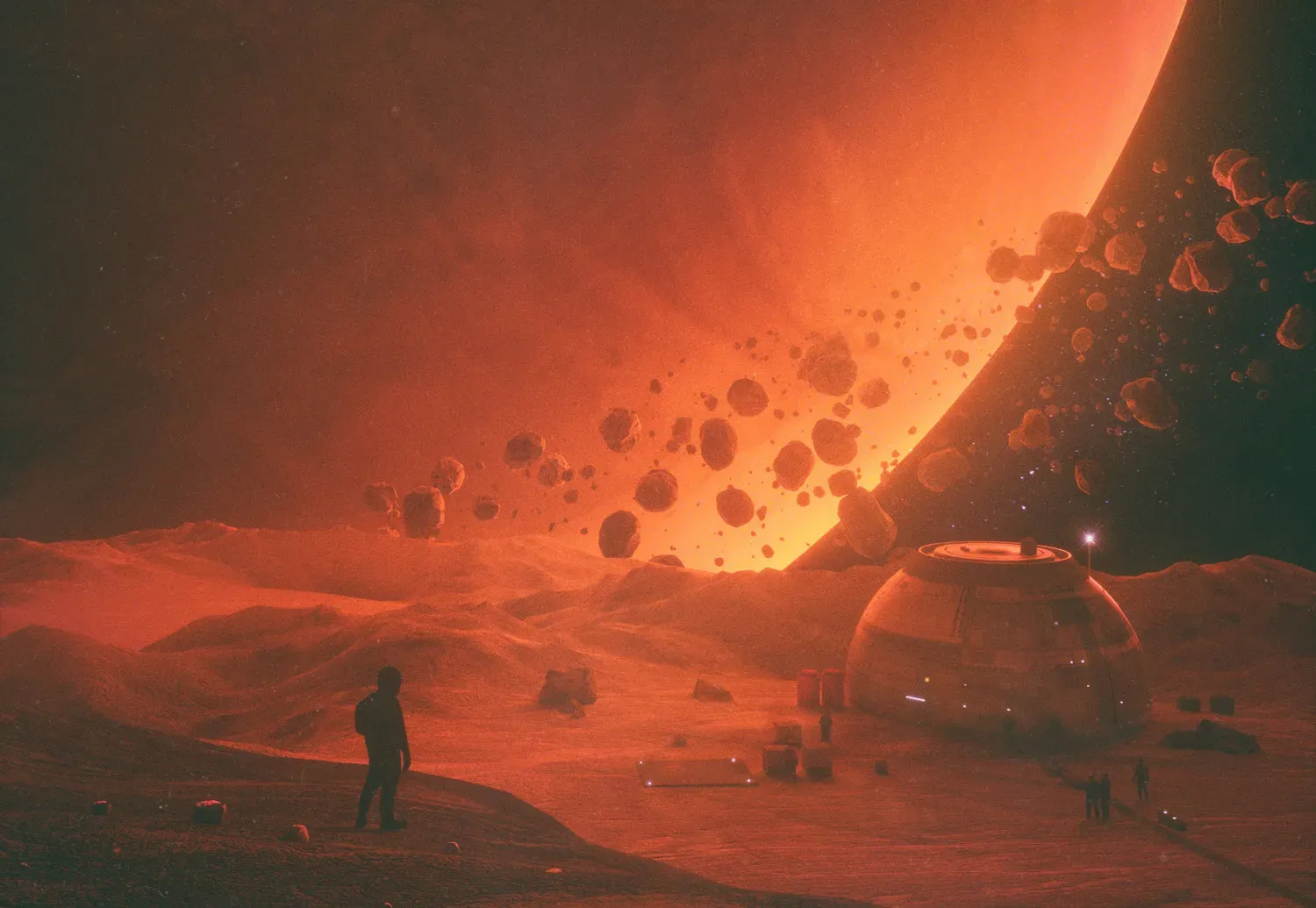
The most powerful case for colonizing other planets is brutally simple: long-term survival. Earth has already been hit by extinction-level asteroids in the past, and large volcanic eruptions and rapid climate shifts have nearly wiped out life more than once. Modern civilization adds new risks on top of that, from nuclear conflict to engineered pandemics to uncontrolled AI systems, all of which experts still argue about but can’t fully rule out.
Having self-sustaining human communities on Mars, the Moon, or even in orbital habitats would mean that one disaster does not erase every culture, language, memory, and possibility our species has ever created. Think of it like having multiple backups of a priceless photo album instead of just one copy on a single fragile phone. Critics argue we should fix Earth first – and they’re right that Earth remains the only truly habitable world we have – but the survival argument says we should be doing both: protect this world while also building a safety net beyond it.
Technological Reality: How Close Are We Really?
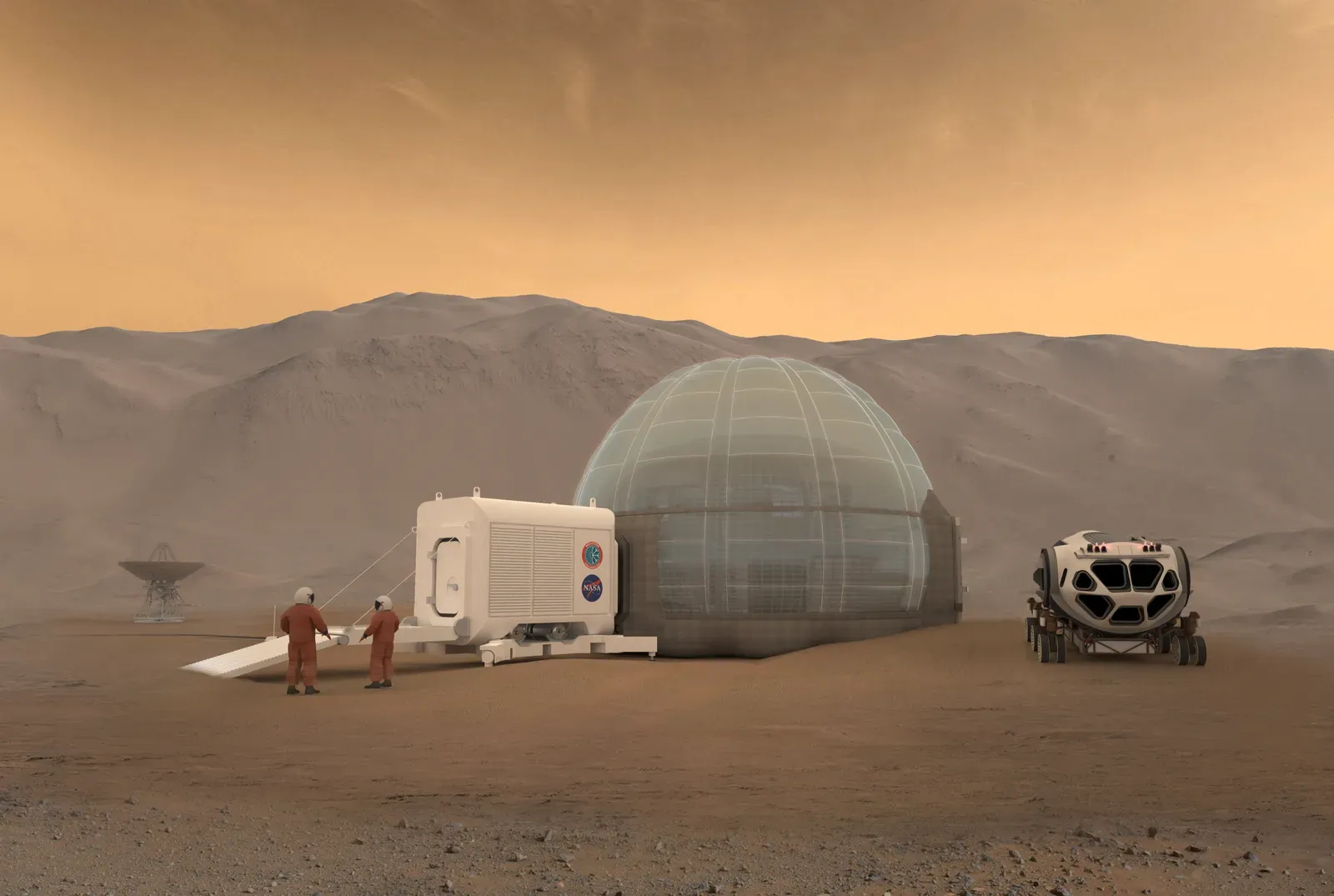
Space companies have made wild progress in the last decade, especially with reusable rockets that drop the cost of getting off Earth. Missions to Mars are being mapped out in serious detail, including plans for landing heavy cargo, building habitats, and producing fuel from local resources. Robotic explorers already roam Mars, test ice on the Moon, and scout asteroids, and new missions in the mid‑2020s have been quietly laying the groundwork for human infrastructure in space.
But turning that into real colonization is a completely different game. We still don’t know how human bodies handle living for many years in lower gravity, how to create closed-loop life support systems that recycle air, water, and waste nearly perfectly, or how to grow reliable food at scale in alien environments. A Mars “colony” in the next few decades would look less like a city and more like a vulnerable research outpost, utterly dependent on constant engineering, maintenance, and resupply. Technologically, we’re close to visiting and maybe staying temporarily; we’re still far from thriving.
Ethical Questions: Do We Have The Right To Spread?
Even if we can go, there’s a deeper question hiding underneath: should we? Some argue that humans have already done enough damage on Earth and have no moral license to march into other worlds and start carving them up for resources. The idea of turning Mars into a place full of mining pits, debris, and abandoned equipment feels uncomfortably similar to how we’ve treated parts of our own planet. There’s also the risk of contaminating other worlds with our microbes, which could wipe out or distort any fragile alien life we might otherwise discover.
On the flip side, others say that life itself has a kind of moral weight, and if we’re the only species we know of that can carry life to new worlds, then maybe we have a responsibility to do it with care. Ethicists and space policy experts increasingly talk about planetary protection, not just for Earth but for other bodies too, suggesting strict rules on where we land, what we dump, and how we handle possible biosignatures. Colonizing space forces us to decide what kind of species we want to be: conquerors, careful gardeners, or something in between.
Environmental Responsibility: Fix Earth Or Leave It?

There’s a frustratingly common fantasy that colonizing other planets gives us an escape hatch from Earth’s environmental crises. That idea is not just wrong; it’s dangerous. No planet we’ve found is even close to as forgiving as Earth. Mars is dry, cold, and bathed in radiation. The Moon has no atmosphere and brutal temperature swings. Any habitat we build elsewhere would be like living inside a fragile submarine with death pressing in from all sides.
In that sense, space colonization actually reminds us how insanely valuable and rare a place like Earth is. If anything, building life support systems on Mars should make us better environmentalists at home, because we’d see clearly how much effort it takes to replace what Earth gives us for free: breathable air, liquid water, fertile soil, a protective magnetic field. Colonizing other planets should never be an excuse to trash this one; it should be a harsh wake‑up call that there is no easy “planet B,” only difficult and costly outposts that depend on a thriving “planet A.”
Economic And Social Impact: Who Gets To Go?
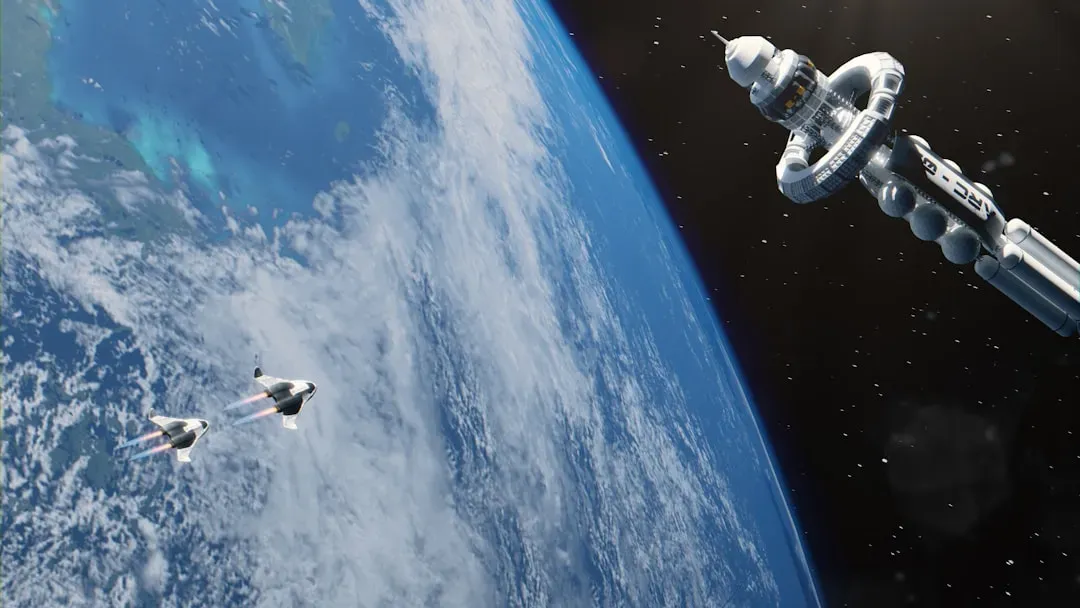
Another uncomfortable reality: colonizing other planets won’t be cheap, and it definitely won’t be democratic at first. Early missions will likely involve governments, wealthy private companies, and a tiny number of highly trained specialists. If history is any guide, the first people to leave Earth permanently probably won’t be ordinary families; they’ll be scientists, engineers, and employees of powerful institutions. That raises questions about who owns what in space, who controls the resources, and whether we’re about to repeat old patterns of inequality and exploitation on an interplanetary scale.
International agreements exist that say no nation can claim sovereignty over celestial bodies, but they’re already being strained by companies planning to mine the Moon and asteroids. If humans start building permanent bases, we’ll need new rules to handle citizenship, labor rights, and basic protections for people who can’t simply “go home” if something goes wrong. There’s a real risk that early colonies become company towns in space, where those who take the risks may not share fairly in the benefits. Deciding to colonize other planets means deciding what kind of societies we export there.
Psychology And Culture: Can We Mentally Handle Other Worlds?
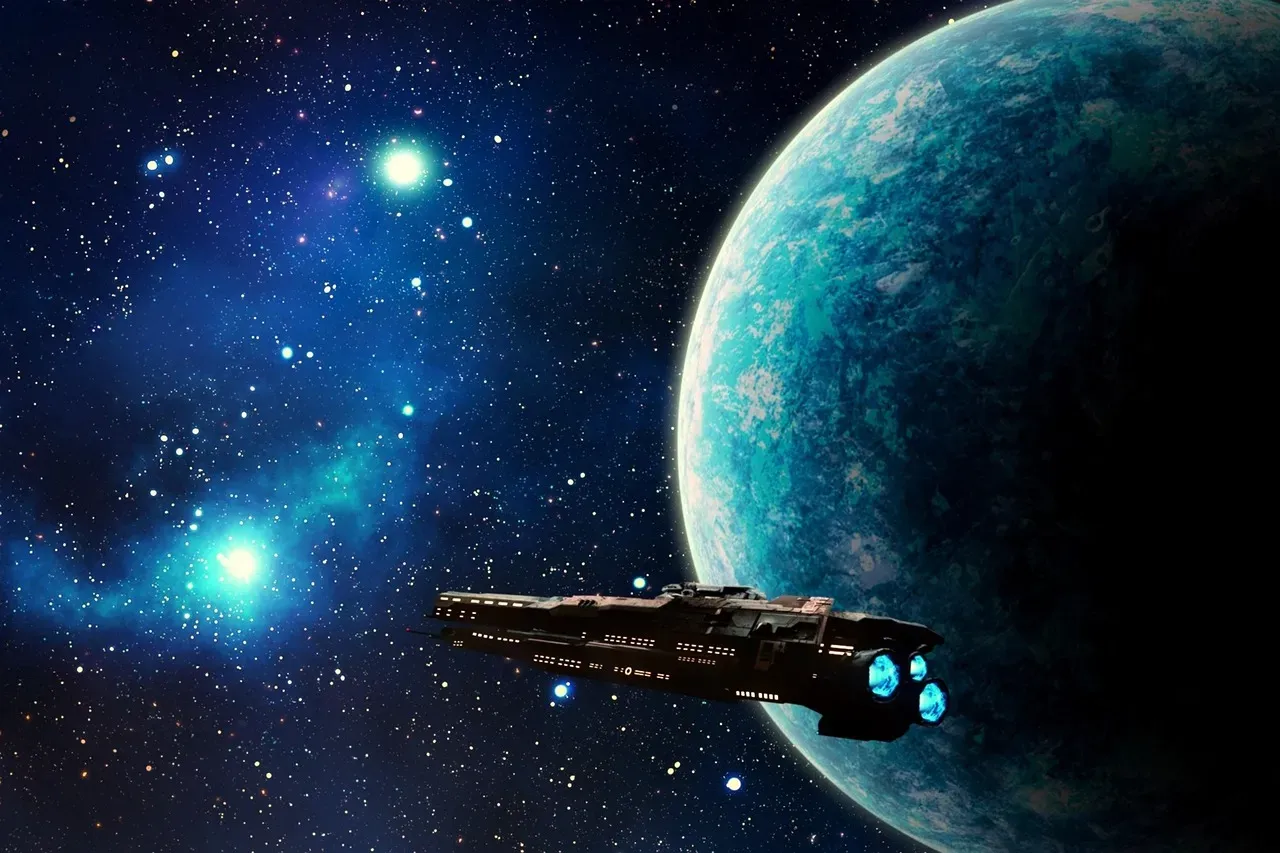
We tend to focus on rockets, habitats, and engineering, but colonization is also a psychological experiment on a scale we’ve never tried. Living on Mars, for example, would mean never going outside without a suit, seeing a small crew of people every day for years, and knowing that Earth is not just far away but a different world under a different sky. Studies from Antarctic stations and the International Space Station already show that isolation, confinement, and distance from family can strain even the most resilient people.
At the same time, humans have a strong track record of adapting and building rich cultures in harsh places. New holidays could form around the first sunrise of a Martian year, new art could use the red landscape as a canvas, and new languages or slang might grow from shared struggle in tight-knit communities. I catch myself imagining a kid growing up who has never seen a blue sky except in photos and wondering what stories they’d tell. Colonizing other planets isn’t just about survival; it would reshape what it even means to be human.
A Balanced Answer: Yes, But Not At Any Cost
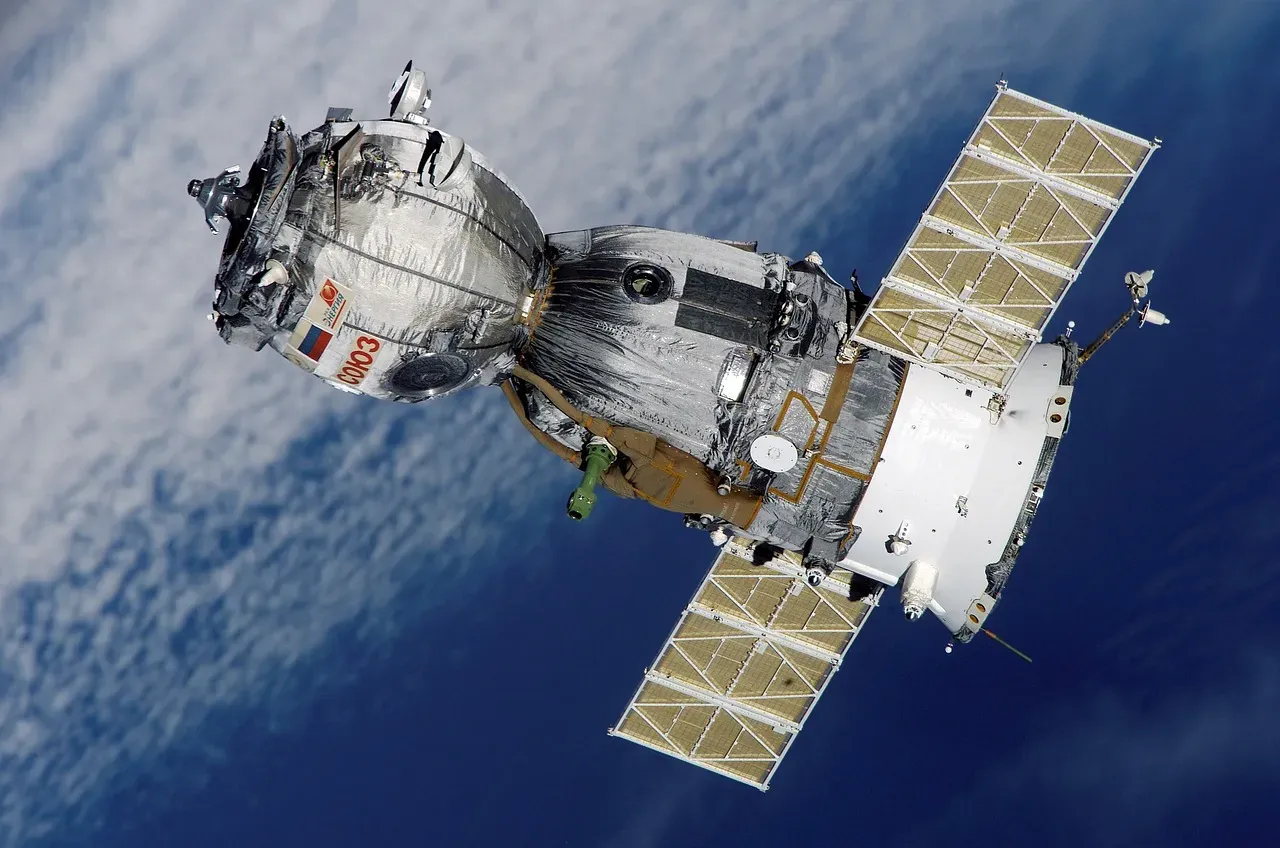
So, My own view lands somewhere in the messy middle: yes, we should aim to become a multi‑planet species, but only if we pair that ambition with fierce responsibility. That means pushing hard on space technology while committing just as fiercely to repairing ecosystems on Earth, reducing global risks, and making sure space doesn’t become a playground for only the rich and powerful. It means treating other planets not as empty backdrops for our fantasies, but as places we approach carefully, scientifically, and ethically.
In practical terms, that looks like starting with small, research-focused outposts; prioritizing planetary protection; involving many nations and voices in decision-making; and being honest about the limits of what off‑world colonies can do. Colonizing other planets will not save us from ourselves if we carry the same short‑sighted habits with us. It will, however, give us a wider canvas for our creativity and a little more resilience against cosmic bad luck. Knowing all that, how would you answer the question the next time someone asks if humans belong on other worlds?